Night Fishing Charter Cost in Florida
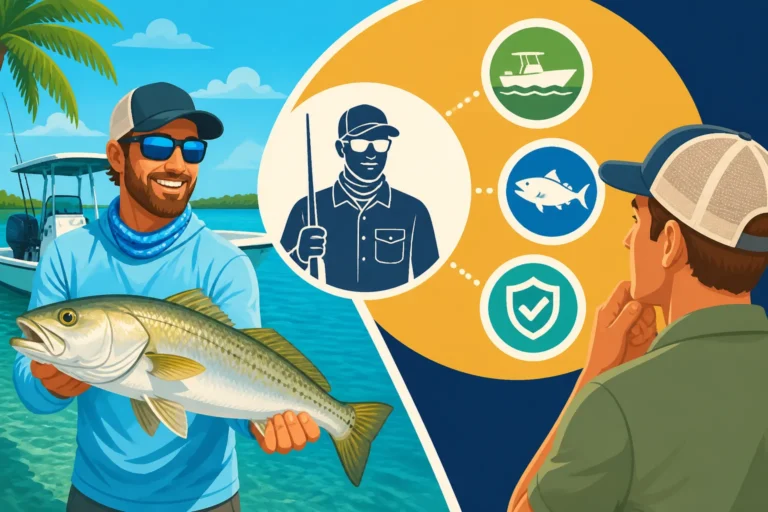
The thought of chasing elusive game fish under the cloak of darkness in Florida is incredibly appealing, but many anglers are understandably concerned about the potential cost. It's easy to feel overwhelmed trying to budget for a unique experience like a night fishing charter without a clear understanding of what influences the price. This comprehensive guide aims to shed light on the various factors that determine the cost of a night fishing charter across the Sunshine State, helping you plan your nocturnal angling adventure with confidence.
Understanding Why Night Fishing Charters Are Unique (and Pricier)
Night fishing isn't just fishing after sunset; it's a completely different ballgame with its own set of challenges, rewards, and, yes, costs. The magic of the night draws out different species and offers a unique serenity, but it also demands specialized equipment, expertise, and operational considerations that impact the price point compared to a daytime trip.
The Allure of Night Fishing in Florida
There’s something truly special about being out on the water after the sun dips below the horizon. The air cools, the sounds of the day fade, and a whole new world of nocturnal predators comes alive. Many coveted species, like snook, tarpon, and certain grouper and snapper species, become more active and accessible in the dark. For example, snook are notorious for feeding aggressively under dock lights and bridge lights at night, offering thrilling sight-fishing opportunities you just can't get during the day. This unique allure drives demand, particularly for targeting specific species that are more active or easier to catch after dark. Plus, escaping the blistering Florida sun can be a major draw for many anglers, making a night trip a more comfortable and enjoyable experience, especially during the hotter months.
Operational Costs That Drive Up Prices
Operating a fishing charter at night involves additional expenses that daytime trips don't incur. Navigation becomes more challenging, requiring specialized electronics and a heightened level of vigilance from the captain. Fuel consumption can sometimes be higher, especially if longer runs are needed to reach prime nocturnal fishing grounds, and the boats themselves are often equipped with powerful floodlights and underwater lights to attract bait and target species, all of which contribute to electricity use and maintenance. Furthermore, the crew works non-standard hours, often starting late afternoon and finishing in the wee hours of the morning, which can warrant higher wages or premium rates for their expertise and dedication. These added operational complexities and necessities are directly reflected in the charter's pricing structure.
Factors Influencing Night Fishing Charter Costs
Just like any service, the price of a night fishing charter isn't one-size-fits-all. Several key variables come into play, from where you're casting your line to how long you plan to be out and what kind of fish you're hoping to encounter. Understanding these factors will help you make an informed decision when budgeting for your trip.
Location, Location, Location: Regional Price Differences
Florida is a vast state with diverse fishing opportunities, and charter costs can vary significantly from one region to another. For instance, a night fishing charter out of a popular, high-demand tourist destination like Key West or Islamorada in the Florida Keys might command a higher price than a similar trip departing from a less bustling area on the Panhandle or the Gulf Coast. This is often due to the higher cost of doing business in those prime locations, increased demand from visitors, and the specialized knowledge required to navigate and fish those particular waters effectively at night. Similarly, areas known for specific, highly sought-after species, such as the tarpon-rich waters around Boca Grande Pass during certain seasons, can see a bump in prices for night charters that specialize in those trophy fish. You might find different pricing for Night Fishing Charter Options in Tampa compared to Night Fishing Charter Options in the Florida Keys.
Trip Duration and Target Species
The length of your night fishing adventure is one of the most straightforward factors affecting the price. A shorter, half-night trip, often around 4-6 hours, will naturally cost less than an extended 8-10 hour or even full-night excursion. The longer you're out on the water, the more fuel is consumed, the more bait is used, and the more time the captain and crew are dedicating to your trip. Moreover, your target species plays a huge role. An inshore trip focused on snook and trout under dock lights is generally less expensive than a deep-sea night trip chasing swordfish or certain snapper and grouper offshore. Targeting larger, more elusive, or deep-water species often requires more specialized gear, longer travel times to distant fishing grounds, and a higher degree of expertise from the crew, all of which contribute to a higher price tag. Consider what fish you want to catch before deciding on trip duration and location; for example, you might want to look at What Fish Do You Catch on a Night Charter?.
Boat Type and Crew Size
The type of vessel you're fishing from and the number of crew members on board also influence the charter cost. Larger, more luxurious center consoles or sportfish yachts equipped with multiple engines, advanced electronics, spacious decks, and amenities will naturally be more expensive than a smaller bay boat or flats skiff. These bigger boats require more maintenance, consume more fuel, and often come with a higher upfront investment for the charter operator. Additionally, some charters operate with just a captain, while others might include a first mate or deckhand, especially on offshore trips where an extra set of hands is crucial for safety, managing tackle, and assisting anglers. A larger crew means higher labor costs for the charter, which is then factored into the overall price of your trip. The comfort and amenities provided by a larger boat can be worth the extra expense for some, while others prefer the more intimate experience of a smaller vessel.
Typical Price Ranges for Florida Night Fishing Charters
Now that we've covered the influencing factors, let's talk about what you might actually expect to pay. While specific numbers are always best verified directly with charter operators, we can look at the general shape of costs based on the type and duration of the trip. Remember, these are broad estimates, and prices can fluctuate based on the season, demand, and specific amenities offered.
Inshore vs. Offshore Night Trips
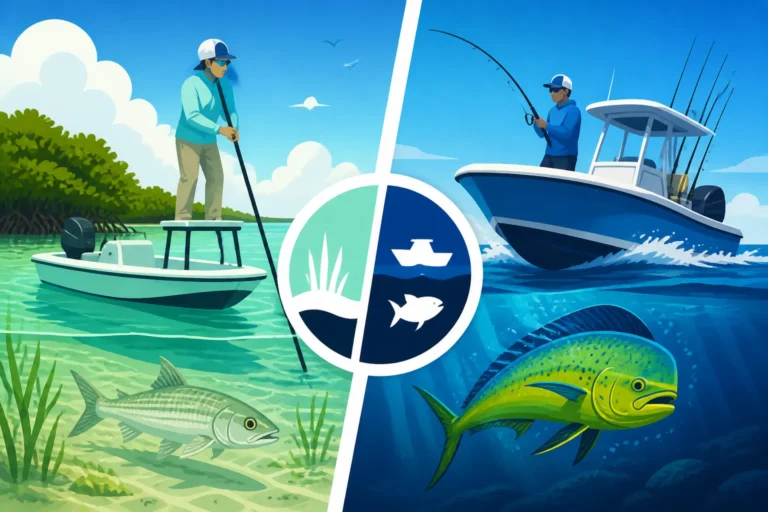
The distinction between inshore and offshore fishing is perhaps the most significant determinant of a night charter's cost. Inshore night charters typically focus on species like snook, spotted seatrout, redfish, and even tarpon in shallower waters such as bays, estuaries, and around bridges and docks. These trips often use smaller, more fuel-efficient boats and don't require extensive travel, making them generally more affordable. You might find these trips to be a moderate investment, often priced for a half-day excursion.
On the flip side, offshore night fishing charters venture into deeper, open waters, targeting species like snapper (mangrove, lane, mutton), grouper, king mackerel, and even swordfish. These trips necessitate larger, more robust vessels capable of handling open ocean conditions, extensive fuel reserves for long runs, and specialized heavy-duty gear. Consequently, offshore night charters usually fall into a significantly higher price bracket. The extended travel distance, increased fuel consumption, and the complexity of deep-water navigation and fishing techniques contribute to this premium. Florida Deep Sea Fishing Charter Guide or Florida Inshore Fishing Charter Guide can give you more insights into these different types of fishing.
Half-Day vs. Full-Night Adventures
As mentioned, the duration of your trip directly impacts the cost. Most night charters are offered in either "half-night" (typically 4-6 hours) or "full-night" (8-12 hours or more) packages.
| Trip Duration | Typical Focus | Boat Type | Approximate Cost Shape (Relative) |
|---|---|---|---|
| Half-Night | Inshore species (snook, trout), shorter runs | Bay boat, flats skiff | Moderate investment |
| Full-Night | Offshore species (snapper, grouper, swordfish), longer runs | Larger center console, sportfish | Significant investment |
A half-night trip is a great option for those new to night fishing, for families, or for anglers who want a taste of the nocturnal action without committing to a full-blown expedition. These trips are generally more budget-friendly. A full-night adventure, however, is for the serious angler looking for maximum fishing time, often involving longer runs to productive grounds or targeting specific deep-sea species that require extended effort. While pricier, a full-night trip provides more opportunities to fish different spots, adjust to conditions, and potentially land a trophy catch. You can often find a good breakdown of cost differences in a Half-Day vs Full-Day Fishing Charter Cost in Florida article.
What's Usually Included (and What's Not)
When comparing prices, it's crucial to understand what's actually covered by the charter fee. Most reputable Florida fishing charters will include:
- Captain and Crew Expertise: The invaluable knowledge and experience of navigating and finding fish in the dark.
- Fishing Licenses: Often, the charter boat itself holds a blanket license that covers all passengers, meaning you generally won't need to purchase your own recreational fishing license for that trip. This is a huge convenience! However, always double-check this when booking, especially if you're targeting specific species that might require additional permits like a Florida Snook Permit Requirements or a Florida Lobster Permit Requirements.
- Rods, Reels, and Tackle: High-quality gear suited for the target species.
- Bait: Live bait (if applicable) and artificial lures.
- Safety Equipment: Life jackets, first aid, communication devices, as mandated by the U.S. Coast Guard.
What's typically not included, and where you should budget extra, often involves:
- Gratuities for the Crew: Tipping is customary and expected in the charter fishing industry. Expect to tip your captain and mate (if applicable) a percentage of the charter cost for their hard work and service. We'll delve more into Tipping Etiquette for Florida Fishing Guides later.
- Food and Beverages: While some charters might offer bottled water, it's generally a good idea to bring your own snacks, meals, and drinks.
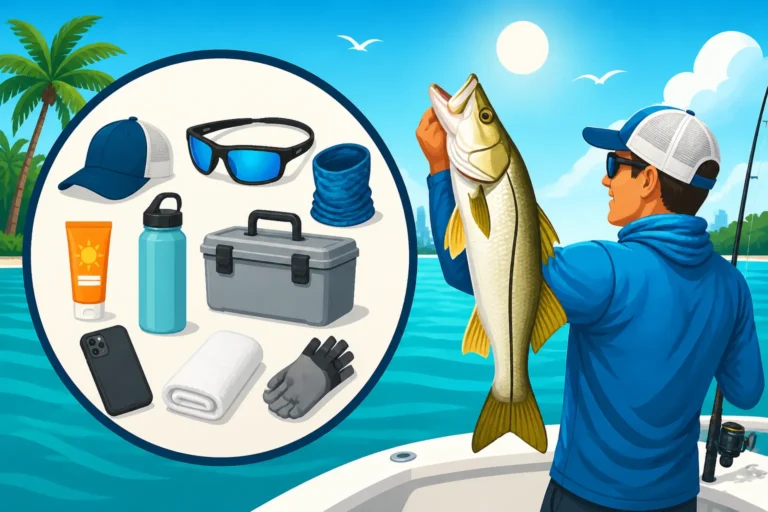
- Sunscreen and Personal Items: Even at night, bug spray is a good idea, and personal items like hats, sunglasses (for the ride back in the morning light), and medications are your responsibility. Consider checking out What to Bring on a Florida Fishing Charter for a comprehensive list.
- Fish Cleaning: Some captains offer this as a complimentary service, while others might charge a small fee, or expect you to clean your own catch. Always clarify this upfront if keeping your fish for dinner is a priority.
Maximizing Value and Saving Money on Your Night Charter
Night fishing can be an investment, but there are definitely ways to make the most of your money and even find some cost savings without compromising the experience. A little planning and flexibility can go a long way.
The Benefits of a Shared Charter
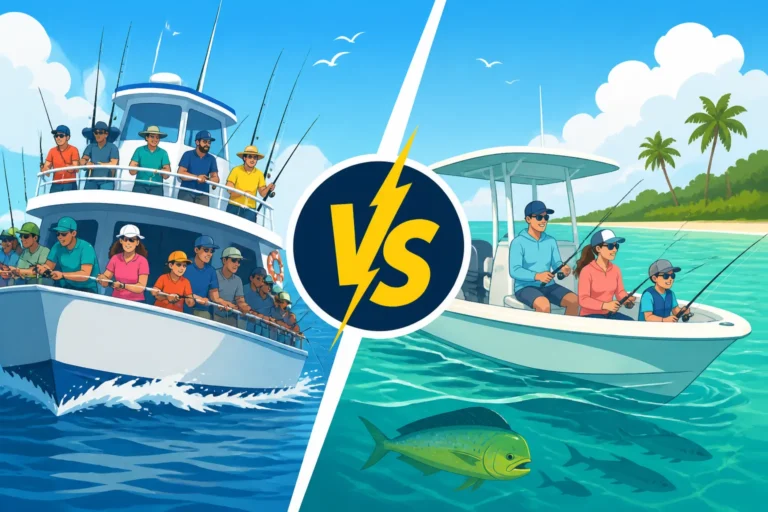
If a private charter feels a bit out of budget, consider looking for a shared or "split" charter. On a shared charter, you pay a per-person rate to join a boat with other anglers who are also looking to split the cost. This is an excellent way to experience night fishing, especially for offshore trips that would otherwise be quite expensive for a small group. You still get the expertise of a captain and crew, and access to a well-equipped boat, but at a fraction of the price of booking the entire vessel yourself. The trade-off is that you'll be fishing with strangers and might have less control over the target species or fishing spots, but for many, the cost savings make it well worth it. Platforms like FishingBooker often have options to browse and book split charters, making it easier to connect with other anglers.
Booking Strategies and Off-Peak Opportunities
Timing your trip can significantly impact the price. High season in popular fishing destinations will almost always see higher charter rates due to demand. If your schedule allows, consider booking during the shoulder seasons (spring or fall) or even the true off-season, when charter operators might offer slightly reduced rates or more flexible scheduling to fill their calendars. Weekday trips can also sometimes be more affordable than weekend excursions.
Another strategy is to book well in advance, especially if you're traveling during a popular time or have a specific captain or boat in mind. Last-minute bookings, while sometimes possible, might limit your options and reduce your chances of finding a deal. When researching, don't hesitate to directly contact captains you find on platforms like FishingBooker to inquire about any special offers or packages they might have for night fishing trips.
Understanding Tipping Etiquette and Hidden Fees
Tipping is a standard practice in the charter industry, and it's important to factor it into your overall budget from the start. A typical gratuity for a good captain and crew ranges from 15-20% of the total charter cost. They work incredibly hard, often in challenging conditions, to ensure you have a safe and successful trip. If they go above and beyond, consider tipping towards the higher end of that range.
Beyond the tip, be sure to ask about any potential "hidden" fees when you book. While most reputable charters are transparent, some might have additional charges for things like fuel surcharges (especially if gas prices are volatile), fish cleaning services, or even special bait requests. Getting clarity on all potential costs upfront will prevent any unwelcome surprises at the end of your fantastic night out. Always ask for a clear breakdown of what's included and what's extra when you inquire about pricing. Florida Fishing Charter Cost Guide often elaborates on these points.
The Booking Process and What to Expect
Once you've got a handle on the costs and factors, it's time to actually book your adventure! The process is fairly straightforward, but a little preparation can ensure a smooth experience from start to finish.
Researching and Comparing Charters
The first step is to do your homework. Start by researching captains and boats in your desired Florida fishing region. Look for charters that specifically advertise night fishing trips, as they will be best equipped and most experienced for nocturnal excursions. Read reviews from previous clients to get a sense of their experience, professionalism, and success rate. Pay attention to comments about the captain's knowledge of night fishing techniques and their ability to put clients on fish after dark.
You can compare options on online booking platforms like FishingBooker, which allows you to filter by location, trip type (including night trips), and even target species. Many captains also have their own websites or social media pages where you can see photos of their boat, read testimonials, and find direct contact information. When you reach out, ask specific questions about what's included, what target species they focus on at night, and what their cancellation policy is. This will help you find the perfect fit for your budget and fishing goals. For more general advice, check out How to Choose a Florida Fishing Guide.
Preparing for Your Night Fishing Excursion
Once you've booked your night charter, a little preparation on your part will ensure a more enjoyable and comfortable experience. Even though it's nighttime, layers of clothing are always a good idea. The air temperature can drop significantly once the sun is down, and being on the water can feel cooler due to wind chill. Bring a light jacket or sweatshirt, even in summer. Closed-toe shoes are recommended for safety on a wet deck, and bug spray is an absolute must, especially if you're fishing inshore near mangroves or estuaries.
Don't forget to pack any personal medications you might need. If you're prone to seasickness, take preventative measures before you board the boat, as the rocking motion can feel different in the dark. Bring enough water and snacks for the duration of the trip, and a camera (with a good flash or low-light capability) to capture those memorable moments. Lastly, get a good rest before your trip; fishing all night can be tiring, but incredibly rewarding!
Disclaimer
This article is for general informational purposes only and does not constitute professional advice. Laws, prices and regulations vary by location and change over time. Consult a qualified professional for guidance on your specific situation.