Flats Guide vs Backcountry Guide Difference in Florida
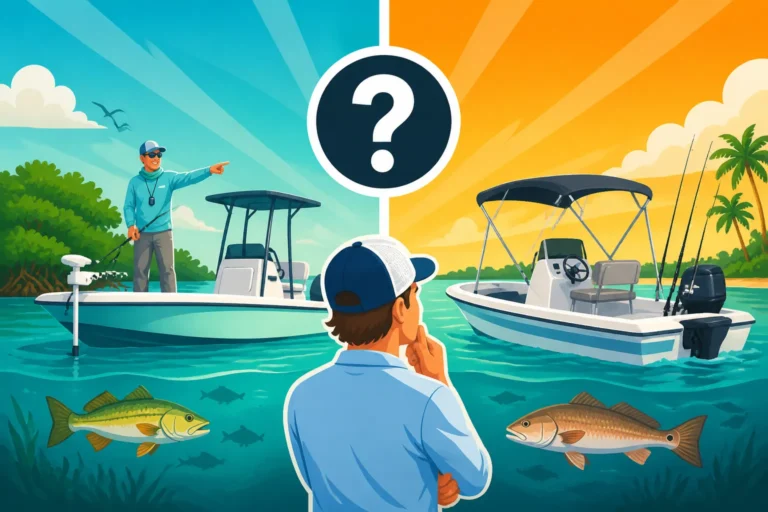
One of the most common questions I hear from folks planning a fishing trip to Florida, especially those new to our amazing shallow-water fisheries, is the confusion between "flats guides" and "backcountry guides." It’s totally understandable! Both promise incredible inshore action, but they operate in distinct environments and often target different species with specialized techniques. This comprehensive guide will break down the nuances, helping you understand the real difference and choose the perfect kind of guide for your next unforgettable Florida fishing adventure.
Understanding the Florida Flats Fishing Experience
Imagine crystal-clear, shallow water, where you can literally see the fish cruising, tailing, or laid up on the bottom. That, my friends, is the magic of the Florida flats. It's a visual game, a delicate dance between angler and nature, and it's what draws so many passionate light-tackle and fly anglers to our state.
What Exactly Are "Flats"?
When we talk about "the flats" in Florida, we're referring to expansive areas of very shallow water, typically less than three to five feet deep, often much shallower. These areas are characterized by sandy bottoms, lush seagrass beds, or sometimes a mix of both, found predominantly in saltwater estuaries, bays, and around islands. Think of places like the Florida Keys, Tampa Bay, the Indian River Lagoon, or even parts of Charlotte Harbor. The water here is usually incredibly clear, allowing for sight fishing, which is a huge part of the flats experience.
These flats are dynamic ecosystems, constantly influenced by tides and weather. On a high tide, fish might move deeper into the grass, while on a low tide, they might be concentrated in troughs or along edges. A good flats guide knows these patterns like the back of their hand, understanding how to position the boat and approach the fish without spooking them. It's all about stealth and observation in this open, sun-drenched environment.
The Target Species on the Flats
Flats fishing in Florida is practically synonymous with targeting the "Big Three": Snook, Redfish, and Tarpon. These are the prized trophies of the shallow water, and each presents a unique challenge. Florida Snook Fishing Guide and Florida Redfish Fishing Guide offer deep dives into these incredible fish. Snook love cruising mangrove lines and potholes in the grass, ambush predators always ready for a meal. Redfish, with their distinctive tail spots, are often found "tailing" in super shallow water, their tails poking out as they root for crabs and shrimp. And then there's the "Silver King" – Tarpon. Florida Tarpon Fishing Guide can tell you all about them. During their migratory seasons, massive tarpon invade the flats, offering heart-stopping battles on light tackle or fly.
Beyond the Big Three, you'll also find Spotted Seatrout, which are abundant over grass flats, and often Pompano, especially in sandy areas near passes. Sometimes, depending on the region, you might even encounter Permit or Bonefish, particularly in the lower Florida Keys, adding another layer of excitement for experienced anglers seeking the ultimate challenge on the skinny water.
Typical Flats Boat Characteristics and Equipment
A flats boat is a specialized tool, purpose-built for navigating extremely shallow water. These boats are typically long, narrow, and have a very shallow draft, meaning they don't sit deep in the water. They range from about 16 to 20 feet in length, often made of fiberglass or sometimes aluminum, and are designed for stealth. You'll rarely see a flats boat with a deep V-hull; instead, they have a modified V or a completely flat bottom at the stern to skim over mere inches of water.
These boats are usually powered by an outboard motor, but the real workhorse for silently approaching fish is the push pole. Flats guides stand on a poling platform at the stern, using a long pole to propel the boat across the flats without the noise of a motor. This allows for incredibly quiet approaches, crucial for not spooking wary fish. Equipment on board will include light spinning tackle and often fly fishing gear, specifically chosen for finesse presentations and accurate casting. Everything is designed to maximize your chances in this sight-fishing paradise.
Delving into Florida's Backcountry Fishing
If the flats are the sun-drenched stage, the backcountry is the mysterious, intricate maze behind the curtain. It's a world of winding creeks, hidden ponds, and dense mangrove tunnels, offering a completely different, yet equally thrilling, fishing experience.
Defining the "Backcountry" Environment
Florida's backcountry is exactly what it sounds like: the wild, often remote areas behind the barrier islands and deep within coastal estuaries. Think of vast stretches of the Everglades, the Ten Thousand Islands, or even the intricate canal systems that snake through some of our urban coastal areas. This environment is characterized by dense mangrove shorelines, intricate creek systems, shallow bays, and sometimes even brackish or freshwater zones that blend into the saltwater. The water might not always be as crystal clear as the open flats; it can often be tannic (tea-stained from decaying vegetation) or even murky after heavy rains.
Navigating the backcountry requires intimate knowledge of the tides, currents, and hidden obstacles. It's not just about finding fish; it's about getting to them through twisting channels and sometimes barely passable cuts. The seclusion here is a big part of the appeal; you can truly feel like you've escaped the hustle and bustle, deep in nature. Many anglers seeking this kind of adventure often look for a Florida Backcountry Fishing Guide to unlock these hidden gems.
Common Backcountry Fish Species
The species you'll encounter in the backcountry often overlap with the flats, but the emphasis and techniques can shift. Snook and Redfish are still primary targets, but they behave differently here, often hugging the protection of mangrove roots or staging in tight creek bends. You'll find plenty of Florida Redfish Fishing Guide knowledge applies, but with a unique backcountry twist. Small to medium-sized Tarpon, often called "baby tarpon," are also prevalent in backcountry ponds and canals, offering acrobatic jumps in tighter quarters.
Beyond the "Big Three," the backcountry opens up opportunities for species that thrive in these more protected, sometimes less saline, environments. Black Drum are frequently found, often alongside redfish, and Sheepshead can be plentiful around oyster bars and submerged structure. In areas where freshwater mixes significantly, you might even encounter species like Largemouth Bass in brackish water, or even the exotic Peacock Bass in the freshwater canals of South Florida. This diverse mix is part of what makes backcountry fishing so exciting and unpredictable.
Backcountry Boats and Specialized Gear
Backcountry boats are typically designed for ruggedness, versatility, and navigating tight spaces. While still relatively shallow-drafting, they might be a bit wider or have a slightly deeper V than a pure flats boat to handle choppy bay crossings or slightly larger waves if venturing into open sections of estuaries. They often have trolling motors (like a Minn Kota or MotorGuide) for silent maneuvering through mangrove tunnels and around tight corners, rather than relying solely on a push pole. Some might even have jack plates to raise the outboard motor for extremely shallow running.
Given the varied environments, gear can be more diverse. Medium to heavy spinning tackle is common for pulling fish out of thick mangroves, as well as baitcasting setups for accurate presentations. Lures like weedless soft plastics, topwater plugs, and jigs are popular choices for navigating the snaggy environment. Live bait, such as pilchards or shrimp, is also a go-to for many backcountry anglers, especially when trying to entice wary fish hiding deep in the structure. The focus is often on power and precision to extract fish from their natural defenses.
Key Differences: Flats vs. Backcountry at a Glance
Let's lay out the core distinctions between these two fantastic styles of Florida fishing. It's not just about where you are, but how you fish, what you're targeting, and the overall experience you're seeking.
Geographical Distinctions and Navigation
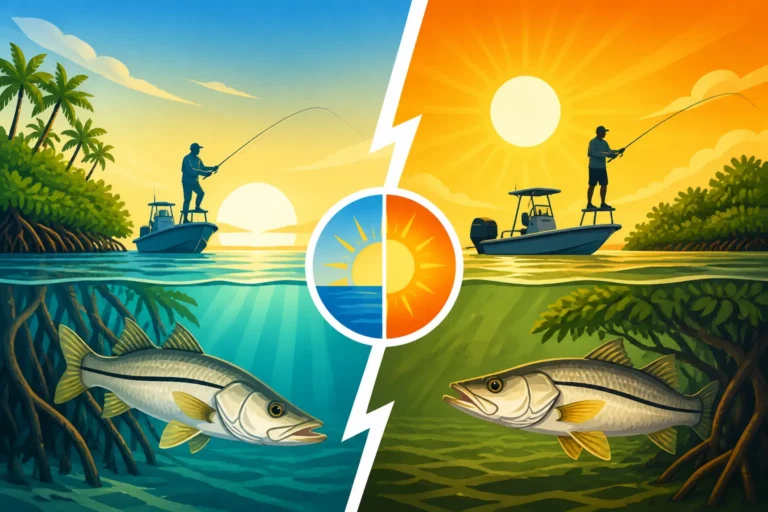
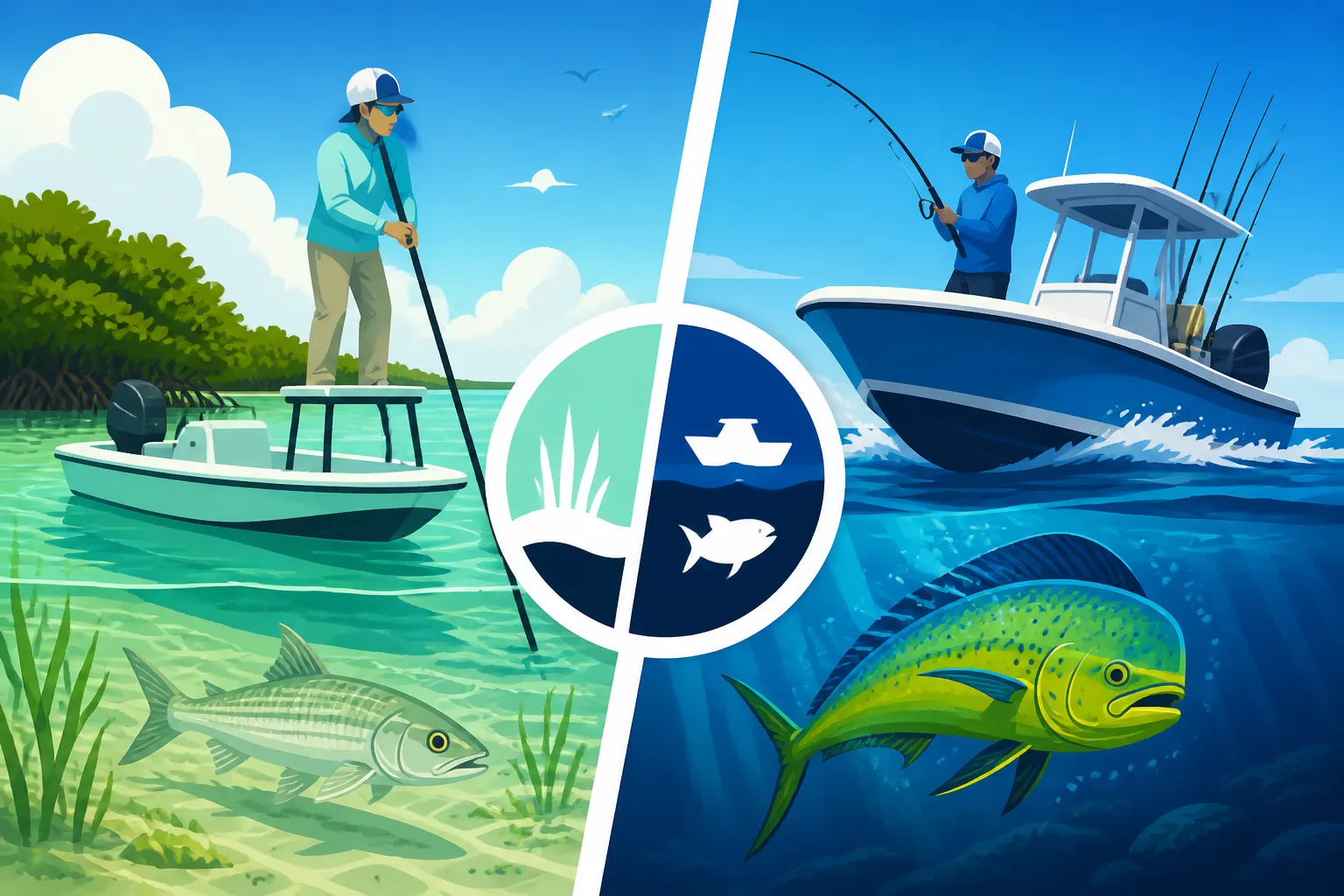
The most fundamental difference is, of course, the terrain. Flats fishing takes place in wide-open, shallow expanses of water with clear visibility. It's often about reading the water, spotting fish from a distance, and making long, accurate casts. Navigation might involve crossing open bays to get to a particular flat, but once there, the focus is on covering ground silently and methodically.
The backcountry, conversely, is a maze. It's about intricate navigation through narrow channels, under low-hanging mangroves, and into secluded ponds. Visibility can be limited by the dense vegetation, and currents can be tricky. It's less about wide-open casting and more about pinpoint accuracy into tight pockets and around structure. Think of the flats as an open field and the backcountry as a dense forest – both offer incredible hunting, but the approach is vastly different.
Fishing Techniques and Angler Experience
Flats fishing heavily favors sight casting. You're actively looking for fish, often poling quietly, and then presenting your bait or lure precisely to a spotted target. This requires keen eyesight, quick reflexes, and the ability to make accurate casts, often under pressure. Fly fishing is incredibly popular on the flats because of the visual nature and the challenge of a perfect presentation. It can be more demanding for beginner anglers due to the casting requirements and the need for stealth.
Backcountry fishing is often a blend of sight fishing and blind casting into prime ambush points. While you might spot fish in clearer pockets, much of the time you're targeting structure – mangrove roots, fallen trees, oyster bars – where fish are known to hold. Casting accuracy is still paramount, but the presentations might be heavier, and the fight often involves immediately muscling fish away from snags. It can be more forgiving for newer anglers who are still honing their casting skills, as the targets might be less spooky and the cover more abundant. You can find many reputable guides who cater to all skill levels. Best Fishing Charters for Beginners in Florida can help you choose.
The Overall Vibe and Pace of the Trip
A flats trip often has a serene, almost meditative quality to it, especially on calm, sunny mornings. The silence of poling, the slow methodical search for fish, and the anticipation of a visible strike create a unique atmosphere. It can be a very intense, focused experience, particularly for fly anglers or those chasing trophy tarpon. The pace is often slower, more deliberate, and rewards patience and observation.
The backcountry, while also peaceful in its own way, can feel more adventurous and dynamic. The constant navigation through winding channels, the tight casting, and the potential for explosive strikes from fish hiding in cover create a different kind of excitement. It can be a bit more fast-paced, with more varied casting scenarios and often more "action" in terms of strikes and hookups, even if the fish aren't always of trophy size. It's an immersive experience, often feeling like an exploration into untamed wilderness.
Here's a quick comparison table to summarize:
| Feature | Flats Fishing | Backcountry Fishing |
|---|---|---|
| Environment | Wide, open, shallow bays; seagrass and sand | Intricate mangrove creeks, winding channels, ponds |
| Water Clarity | Generally clear; excellent for sight fishing | Varies from clear to tannic/murky |
| Primary Species | Snook, Redfish, Tarpon (Big 3), Bonefish, Permit | Snook, Redfish, Tarpon (smaller), Black Drum, Sheepshead, Peacock Bass (in specific areas) |
| Typical Boat | Shallow-draft flats boat; poling platform | Slightly more robust bay boat; trolling motor |
| Main Technique | Sight casting, push poling, delicate presentation | Target casting to structure, blind casting, motor/trolling motor |
| Angler Skill | Rewards keen eyesight, accurate casting, stealth | Rewards casting accuracy, pulling fish from cover |
| Overall Vibe | Serene, focused, visual, stealthy | Adventurous, exploratory, dynamic, secluded |
Choosing the Right Guide for Your Florida Adventure
Deciding between a flats and backcountry guide really boils down to your personal preferences, target species, and what kind of experience you're hoping for. It's an important decision to ensure your trip is everything you dreamed of.
Considering Your Target Fish and Fishing Style
Are you dreaming of spotting a massive Tarpon rolling on a slick-calm flat and trying to fool it with a perfectly placed fly? Then a flats guide is absolutely your go-to. If landing a trophy Redfish by seeing its tail break the surface is your ultimate goal, again, the flats are where it's at. These are visual, often demanding, but incredibly rewarding pursuits.
However, if you're more interested in a high-action day, pulling fish out from under mangrove roots, or exploring the wilder, more secluded side of Florida's estuaries, a backcountry guide will be a better fit. You might still target Snook and Redfish, but the battle will be different – often a drag-screaming sprint away from structure rather than a long, open-water fight. Consider if you want to focus on a few specific "trophy" species with a high degree of difficulty or enjoy a wider variety of species with consistent action. Many people use platforms like FishingBooker to browse guides and their specialties, which can really help narrow down the options.
Assessing Boat Comfort and Accessibility
Flats boats, while incredibly effective for their purpose, can sometimes be less spacious or comfortable than a slightly larger bay boat used in the backcountry. Their low profile means less protection from wind and sun, and the casting deck is the primary domain. If you have mobility concerns, or you're bringing several anglers, a flats boat might feel cramped.
Backcountry boats (often referred to as bay boats or technical poling skiffs depending on their specific design) can offer more deck space, higher gunwales for a feeling of security, and sometimes more seating options. They might also handle chop a bit better if your trip involves crossing larger open bays to reach the backcountry. Think about how many people are in your group, their comfort levels, and whether you prefer an open, minimalist platform or a boat with a bit more room to stretch out.
How to Find and Book Your Ideal Guide
Once you have a clearer idea of the experience you want, the next step is finding the right guide. The best guides are often booked well in advance, especially during peak seasons for species like Tarpon. Word-of-mouth recommendations are golden, so ask around if you know other anglers. Online platforms like FishingBooker are fantastic resources, allowing you to filter by location, species, type of trip (inshore, offshore, flats, backcountry), and read reviews from other anglers. How to Choose a Florida Fishing Guide is another great resource for making this critical decision.
When you contact a guide, be clear about your expectations: your skill level, the species you hope to catch, and the kind of environment you'd prefer. A good guide will be honest about current conditions and what's realistic. Don't be afraid to ask about their specific boat, equipment, and their experience in either the flats or backcountry. Remember, you're not just booking a boat; you're booking an expert who will unlock a unique part of Florida's fishing world for you. For detailed booking advice, check out How to Book a Fishing Charter Online.
Important Considerations for Both Types of Charters
No matter if you choose a flats guide or a backcountry expert, there are some universal truths and tips that apply to any guided fishing trip in Florida. Being prepared and understanding the basics will ensure a smoother, more enjoyable experience for everyone.
Licensing and Conservation Efforts
Here's a critical point that often trips people up: while you typically need a Florida fishing license to fish on your own, most licensed fishing charter boats and guides operate under a vessel-wide license that covers all their passengers. This means you usually don't need to purchase a separate individual recreational fishing license if you're fishing with a professional charter. This is a huge convenience! However, it's always wise to confirm this with your specific guide when booking, just for peace of mind. For more details on licensing, definitely read Florida Fishing License Guide and Charter Boat Fishing License Rules in Florida.
Beyond licenses, remember that Florida's fishing guides are often at the forefront of conservation. They adhere strictly to bag limits, size restrictions, and closed seasons, which are designed to protect our precious fisheries for future generations. When you fish with a guide, you're not just catching fish; you're participating in a regulated activity that supports the health of the ecosystem. Respecting these rules and practicing proper catch-and-release techniques, especially for vulnerable species or those out of slot limits, is part of being a responsible angler.
What to Expect and What to Bring
Regardless of the guide type, expect them to provide all the necessary fishing gear, bait (live or artificial), and tackle. They'll also typically have a cooler with ice and bottled water. However, there are a few things you should always bring:
- Sun Protection: Florida sun is no joke! Hat, sunglasses (polarized are a must for seeing fish), long-sleeved shirt, and plenty of reef-safe sunscreen.
- Appropriate Footwear: Non-marking boat shoes or sandals that can get wet.
- Snacks: While water is usually provided, bring any personal snacks or drinks you might want.
- Rain Gear: Florida weather can be unpredictable. A lightweight rain jacket can save the day.
- Camera: To capture those amazing memories!
Your guide will usually confirm these details beforehand, but it's always good to be proactive. Remember, their job is to put you on fish, but yours is to come prepared for a full day outdoors. A detailed list can be found in What to Bring on a Florida Fishing Charter.
The Role of a Good Guide in Any Environment
Whether you're poling silently on a remote flat or weaving through a dense mangrove maze in the backcountry, a truly great guide does more than just drive the boat and tell you where to cast. They are educators, conservationists, navigators, and often, storytellers. They teach you about the ecosystem, the fish behavior, and the subtle art of angling. They adjust to your skill level, offering encouragement and tips. They ensure your safety and work tirelessly to make your trip successful and enjoyable.
Think of them as your personal key to unlocking Florida's diverse fishing grounds. They've spent countless hours on the water, building up an invaluable local knowledge that you simply can't gain from a map or a few internet searches. Their expertise, whether in the subtle presentations of the flats or the strategic attacks of the backcountry, is what truly elevates a good fishing trip into an unforgettable experience. So, once you've made your choice, trust your guide, listen to their advice, and get ready for an incredible day on the water!
Disclaimer
This article is for general informational purposes only and does not constitute professional advice. Laws, prices and regulations vary by location and change over time. Consult a qualified professional for guidance on your specific situation.