Florida Inshore Fishing Charter Guide
Navigating the vast and intricate inshore waters of Florida can feel overwhelming, especially if you're visiting or new to the sport. From deciphering local regulations to knowing where the fish are biting and what gear to use, it's a lot to take in. This comprehensive guide is here to demystify the world of Florida inshore fishing charters, offering you a clear roadmap to planning a successful and unforgettable day on the water, targeting those prized redfish, snook, and trout.
What Exactly is Florida Inshore Fishing?
When people talk about fishing in Florida, it’s easy to get lost in the sheer variety. There's the deep blue of the offshore waters, the freshwater lakes and rivers, and then there's the incredibly diverse world of inshore fishing. But what does "inshore" truly mean, and why is it such a beloved pursuit for so many anglers? It's about getting up close and personal with the coastline, exploring the shallow, nutrient-rich ecosystems that teem with life.
Defining Inshore vs. Offshore
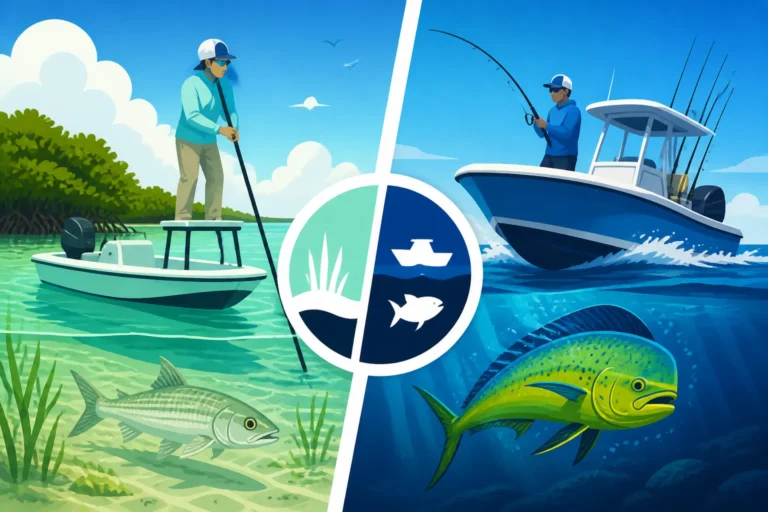
The distinction between inshore and offshore fishing is pretty straightforward, but it sets the stage for entirely different angling experiences. Think of it this way: inshore fishing happens close to the coast, generally within sight of land, in waters that are typically shallower. We're talking about bays, estuaries, flats, mangrove channels, and even canals that connect to larger bodies of saltwater. The water depth rarely exceeds 20-30 feet, and often you're poling across flats that are only knee-deep. It’s a game of stealth and precision, often targeting fish that are actively hunting in these skinny waters.
Offshore fishing, on the other hand, takes you into the open ocean, sometimes many miles from shore. This is where you encounter the vastness of the Gulf or the Atlantic, targeting pelagic species like tuna, mahi-mahi, and marlin, often in waters hundreds or even thousands of feet deep. The boats are bigger, the gear is heavier, and the chase can be a true blue-water adventure. While both offer incredible thrills, inshore fishing has a unique charm, allowing for a more intimate connection with the coastal environment and its diverse inhabitants. The calmer waters and proximity to land also make it a fantastic option for families and those prone to seasickness.
Common Inshore Habitats
Florida's coastline is a mosaic of different habitats, each with its own allure and resident fish species. Understanding these environments is key to understanding why inshore fishing is so productive here. The most iconic are arguably the flats – vast expanses of shallow, sandy, or grassy bottom that are visible at low tide. These sun-drenched areas are magnets for baitfish and, consequently, their predators. Picture crystal-clear water where you can literally see fish cruising and tailing as they forage.
Then there are the mangrove forests, particularly prevalent in South Florida and along the Gulf Coast. These intricate root systems provide critical nurseries for countless marine species, offering shelter, food, and protection from larger predators. Fishing deep into mangrove tunnels or along their edges often yields impressive catches. Oyster bars are another prime inshore habitat, creating structure and food sources that attract a variety of fish. Finally, estuaries and river mouths where freshwater meets saltwater are incredibly fertile zones, boasting a mix of species that can tolerate varying salinity levels. Each of these habitats requires a slightly different approach, making inshore fishing a constant learning experience.
Popular Inshore Species
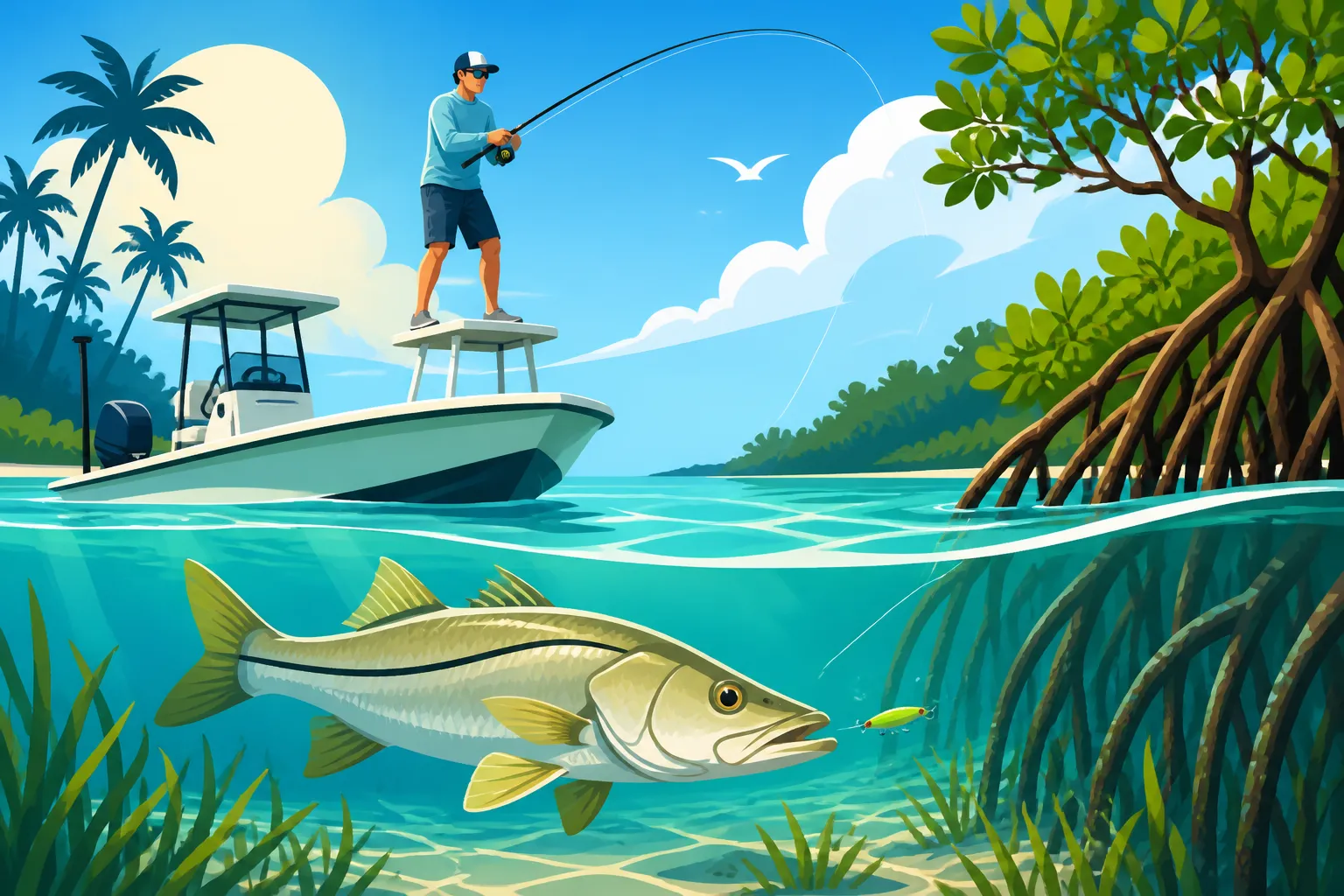
So, what kinds of finned fighters can you expect to encounter on a Florida inshore fishing charter? The "Big Three" of Florida inshore fishing are undoubtedly Redfish, Snook, and Spotted Seatrout. These species are highly sought after not only for their fighting prowess but also for their beauty and culinary appeal. Redfish are powerful, copper-colored tanks, known for their distinctive tail spot and their tendency to "tail" in shallow water as they feed. Snook are acrobatic predators, famous for their explosive strikes and impressive jumps. They love to ambush baitfish from cover, like mangrove roots or dock pilings. Spotted Seatrout are a staple of inshore anglers, common in grass flats, and provide consistent action, especially on lighter tackle.
Beyond these main targets, inshore waters are also home to a fantastic array of other species. You might tangle with feisty Tarpon, especially during their migratory seasons, though these often require a dedicated charter. Florida Tarpon Fishing Season Guide You could also hook into tasty Flounder, hard-fighting Jack Crevalle, clever Sheepshead, or even the colorful Mangrove Snapper. For those further south, especially around Miami, the canals and brackish waters offer the unique opportunity to catch exotic species like Peacock Bass. The sheer diversity means there's always something exciting tugging on the line, regardless of the season or location.
Why Choose an Inshore Fishing Charter?
You might be thinking, "Can't I just rent a boat and go fishing myself?" And yes, you absolutely can! But for many, especially those looking to maximize their time on the water, learn the ropes, or simply enjoy a stress-free day, an inshore fishing charter is an invaluable investment. It’s like having a local expert guide you through a hidden gem – you get the insider knowledge, the right tools, and a truly immersive experience without all the hassle.
Local Knowledge and Expertise
This is arguably the number one reason to book a charter, especially for inshore fishing. Florida's inshore waters are incredibly complex. Tides, currents, moon phases, water temperature, bait migrations, and even recent weather patterns can drastically affect where fish are and how they're biting. A seasoned inshore fishing captain has spent thousands of hours on these specific waters. They know the oyster bars that hold redfish, the precise mangrove cuts where snook lurk, and the grass flats where trout congregate. They understand the nuances of the ecosystem in a way no casual angler ever could.
Imagine trying to navigate a vast labyrinth of mangrove islands for the first time, trying to find the perfect depth and structure, all while battling a tricky current. A good captain can put you on fish when you'd otherwise be casting aimlessly. They know the secret spots that aren't marked on any chart, the subtle signs that indicate feeding activity, and the exact baits and techniques that are working right now. This kind of intimate, real-time knowledge is priceless and significantly increases your chances of a successful and memorable trip. How to Choose a Florida Fishing Guide
Specialized Gear and Boats
Another huge advantage of a charter is access to top-of-the-line, specialized equipment. Inshore fishing often requires specific boats designed for shallow water access, like flats boats or bay boats. These vessels are built to navigate skinny water, glide quietly across grass flats, and get you into prime fishing territory that larger, deeper-draft boats simply can't reach. They are often equipped with powerful trolling motors for silent propulsion and advanced electronics to locate structure and bait.
Beyond the boat, charters provide all the necessary fishing gear. This means high-quality rods and reels perfectly matched for the target species and the inshore environment. You won't have to worry about bringing your own tackle, or worse, using inappropriate gear that might hinder your chances. The captain will have a full livewell of fresh, lively bait – which, as any experienced angler knows, can make all the difference in a successful day. They'll also have a selection of proven artificial lures, leaders, and terminal tackle, all rigged and ready to go. This convenience frees you from the headache of buying, transporting, and maintaining your own gear, allowing you to simply step on board and start fishing.
Convenience and Safety
Let's be honest, planning a fishing trip can be a lot of work. From researching spots and bait shops to checking regulations and ensuring your boat is in working order, it adds up. A charter eliminates all that stress. You simply show up at the agreed-upon time and location, and everything is taken care of. The captain handles the navigation, the bait, the gear, and the tricky parts of finding the fish. All you have to do is cast, reel, and enjoy the beautiful Florida scenery.
Safety is another critical factor. Professional charter captains are licensed and insured, meaning they've met strict requirements for safety equipment, navigation skills, and first aid. They know the local waters like the back of their hand, including any hidden hazards, and are trained to handle emergencies. Fishing in Florida's dynamic coastal environment can sometimes be unpredictable, with sudden weather changes or unexpected challenges. Having a knowledgeable and experienced professional at the helm provides immense peace of mind, allowing you to focus purely on the joy of fishing without worrying about navigation or what to do if something goes wrong.
What to Expect on a Florida Inshore Charter
So, you've decided to book an inshore charter – great choice! But if you've never been on one before, you might be wondering what the day actually looks like. It's more than just hopping on a boat and catching fish; there's a certain rhythm and expectation that helps make the trip smooth and enjoyable for everyone.
Typical Trip Duration and Structure
Most Florida inshore fishing charters offer a few standard options when it comes to trip length. The most common are half-day (typically 4 hours) and full-day (usually 6-8 hours) excursions. A half-day trip is perfect if you're looking for a taste of inshore fishing, maybe trying to squeeze it into a busy vacation schedule, or if you're bringing young children who might have a shorter attention span. It's enough time to get to some good spots, catch some fish, and experience the thrill without committing to a whole day on the water.
A full-day trip, however, really allows the captain to explore more varied locations, adapt to changing conditions, and gives you more opportunities to target specific species. If you're serious about catching that trophy snook or redfish, or simply want a more comprehensive angling adventure, a full-day is usually the way to go. Regardless of length, most trips start early in the morning, taking advantage of the cooler temperatures and active feeding patterns, though some captains offer afternoon or even night trips, especially for species like snook under dock lights.
The structure of the trip typically involves a quick safety briefing and discussion of your fishing goals, followed by a scenic ride to the first fishing spot. From there, it's a mix of drifting, poling, or anchoring, casting, and reeling. Your captain will constantly be assessing conditions and moving to new spots as needed to keep you on the fish.
What's Included (and What Isn't)
One of the great perks of a charter is that much of the heavy lifting is handled for you. Generally, your charter price will include:
- Captain and Guide Services: Their expertise, knowledge, and ability to put you on fish.
- Boat and Fuel: The use of a specialized inshore vessel and all the necessary fuel for the trip.
- Fishing Gear: High-quality rods, reels, tackle, and terminal gear, all set up for the species you're targeting.
- Bait: Live bait (like pilchards, shrimp, or pinfish) and/or artificial lures.
- Cooler with Ice: For drinks and to keep your catch fresh (if you plan to keep fish).
- Safety Equipment: Life jackets, first aid kit, and other mandated safety gear.
- Fishing License: This is a big one! On most recreational charters, the boat's license covers everyone on board, so you usually don't need your own personal Florida Fishing License Guide. However, it's always wise to confirm this with your captain beforehand, especially if it's a specialized commercial or professional permit.
Things typically not included are:
- Food and Drinks: While ice and a cooler are provided, you'll need to bring your own snacks, sandwiches, and beverages.
- Sun Protection: Sunscreen, hats, and sunglasses are essential.
- Personal Items: Any medications, cameras, or other personal effects.
- Gratuity for the Captain/Mate: Tipping is customary and very much appreciated. We'll cover this more in a bit.
Always clarify with your captain what they provide and what you should bring to avoid any surprises. Reputable services, like those found on FishingBooker, usually have clear descriptions of what's included in their listings.
Preparing for Your Trip What to Bring
To make sure your inshore charter experience is as comfortable and productive as possible, a little preparation goes a long way. Here's a quick checklist of essentials:
- Sun Protection: Florida sun is no joke, even on cloudy days. Bring a wide-brimmed hat, polarized sunglasses (crucial for spotting fish in shallow water!), and reef-safe sunscreen. Long-sleeved, breathable shirts and pants are also a great idea.
- Appropriate Clothing: Dress in layers, as mornings can be cool, but midday gets hot. Quick-drying fabrics are best.
- Food and Drink: Pack plenty of water and other beverages, plus snacks or a light lunch. Staying hydrated is key.
- Footwear: Wear comfortable, non-slip shoes that can get wet. Flip-flops are okay, but closed-toe water shoes or deck shoes offer better protection and grip.
- Camera/Phone: Capture those memories (and your catches!). Just be mindful of keeping electronics dry. A waterproof phone case or a dry bag is a smart move.
- Medication: If you take any daily medications, don't forget them. If you're prone to motion sickness, take preventative measures before you board the boat, even though inshore waters are generally calmer than offshore.
- Rain Gear (Seasonal): Especially during Florida's summer "rainy season," a lightweight rain jacket can be a lifesaver for unexpected afternoon showers.
Leave bulky items at home. Space on an inshore boat can be limited, so try to pack light and efficiently. A small, soft-sided cooler for your personal drinks and snacks is often perfect.
Different Types of Florida Inshore Charters
Just as Florida's coastline offers a variety of habitats, so too do its inshore fishing charters come in different flavors. While they all fall under the "inshore" umbrella, the specific type of boat, target species, and fishing style can vary significantly, offering specialized experiences to match your angling preferences.
Flats Fishing Charters
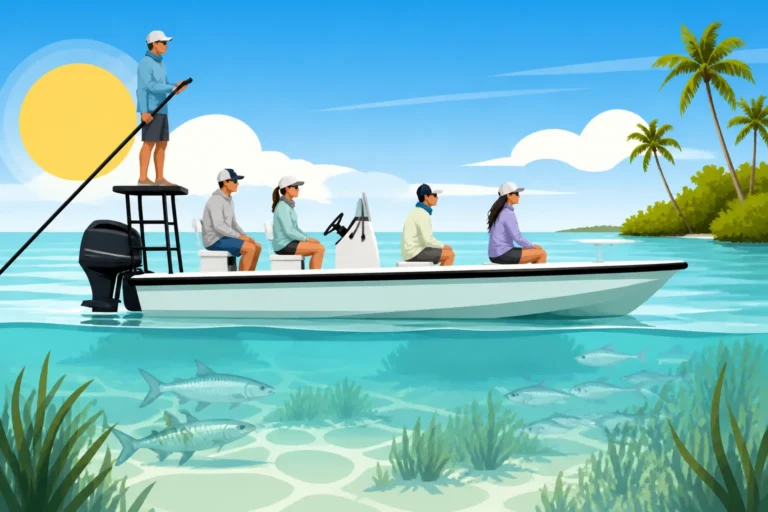
If you've ever seen those iconic photos of anglers sight-fishing in impossibly clear, shallow water, chasing after visible fish, you've likely seen flats fishing in action. Flats fishing charters are specifically designed for stalking fish in very shallow water, often just inches or a few feet deep. The boats used for this are called "flats boats" – they are typically small, lightweight, and have a very shallow draft, meaning they don't sit deep in the water. This allows them to access vast areas that other boats cannot.
The primary technique in flats fishing is sight fishing. Your captain will often pole the boat silently across the flats using a long pole, looking for "signs" of fish: a nervous splash, a fin breaking the surface, or the subtle tail of a redfish rooting in the grass. Once fish are spotted, you'll cast to them, often with light tackle or fly fishing gear, trying to present your bait or lure naturally without spooking them. It's a highly visual and incredibly rewarding way to fish, demanding stealth and accurate casting. Target species almost exclusively include Redfish, Snook, and Spotted Seatrout, with occasional shots at Tarpon or Permit in certain areas like the Keys. It’s an immersive, almost hunting-like experience that many consider the pinnacle of inshore angling.
Backcountry Fishing Charters
Closely related to flats fishing, backcountry charters take you into the labyrinthine network of mangrove islands, narrow channels, and secluded bays that define Florida's more remote coastal areas, especially in places like the Everglades or the Ten Thousand Islands. While flats fishing focuses on open, shallow expanses, backcountry fishing delves deeper into the protected, intricate ecosystems. The boats are often flats boats or slightly larger bay boats that can still navigate tight spaces.
Backcountry fishing offers a sense of wild adventure and solitude that's hard to match. You're surrounded by untouched nature, often seeing wildlife like manatees, dolphins, and a huge variety of birds. The fishing itself involves targeting the same "Big Three" species – Redfish, Snook, and Seatrout – but often using slightly different tactics, like casting into mangrove shadows, working current lines, or fishing around deeper pockets and oyster bars within the backcountry. It's fantastic for those who appreciate both the angling challenge and the raw natural beauty of Florida's untouched wilderness. Everglades Fishing Guide
Bay Boat Charters
Bay boat charters offer a versatile middle ground between dedicated flats boats and larger offshore vessels. Bay boats are generally larger and more robust than flats boats, typically ranging from 18 to 24 feet, with slightly deeper V-hulls. This design allows them to handle choppier bay waters and light nearshore conditions comfortably, while still having a relatively shallow draft to access many inshore areas.
The advantage of a bay boat charter is its flexibility. A bay boat can fish vast grass flats, work around bridges and docks, explore deeper channels, and even venture out a mile or two into the nearshore Gulf or Atlantic if conditions are calm. This means you have more options for targeting a wider variety of species. You might start the morning fishing for trout on a shallow flat, then move to a deeper channel for redfish, and finish the day casting for snook around a bridge. Bay boats also offer more space, making them a great option for families or groups who want more room to move around. They are often equipped with powerful engines for quick runs between spots and comfortable seating, making for a very enjoyable day on the water.
| Charter Type | Typical Boat Size (ft) | Primary Fishing Style | Target Species | Ideal For |
|---|---|---|---|---|
| Flats Charter | 16-20 | Sight Fishing | Redfish, Snook, Seatrout, Permit, Tarpon | Anglers seeking stealth, visual fishing, light tackle |
| Backcountry Charter | 16-22 | Explore Mangroves/Creeks | Redfish, Snook, Seatrout, Tarpon | Nature lovers, remote fishing, peace & quiet |
| Bay Boat Charter | 18-24 | Versatile (Flats, Channels, Nearshore) | Redfish, Snook, Seatrout, Cobia, Mackerel | Families, mixed groups, varied fishing interests |
How to Choose the Right Inshore Fishing Charter
Selecting the perfect inshore fishing charter can feel like a big decision, especially with so many options out there. It's not just about finding someone with a boat; it's about finding the right captain who matches your expectations, skill level, and desired experience. Taking a bit of time to do your homework upfront will ensure you have a fantastic day on the water.
Researching Captains and Reputations
The captain is the heart of your charter experience. Their personality, professionalism, and fishing prowess will largely dictate the success and enjoyment of your trip. Start by researching captains in your desired fishing area. Online platforms like FishingBooker are excellent resources, as they aggregate listings from many local captains and, crucially, feature extensive customer reviews. Reading these reviews is incredibly important. Look for consistent themes: Is the captain patient with beginners? Are they good with kids? Do they work hard to put clients on fish? Is their gear well-maintained?
Beyond online reviews, word-of-mouth recommendations from friends or local bait shops can be very valuable. Once you've identified a few potential captains, don't hesitate to contact them directly. A quick phone call can tell you a lot about their communication style and willingness to answer your questions. Ask about their experience in the specific areas you want to fish and their approach to guiding. A reputable captain will be happy to chat and help you feel comfortable with your choice.
Considering Your Target Species and Experience Level
Before you book, have a clear idea of what you want to achieve. Are you dreaming of catching a trophy snook? Do you simply want consistent action with spotted seatrout? Or are you looking for an opportunity to fly fish for redfish? Different captains specialize in different techniques and target species. For example, some excel at sight-fishing the flats with artificials, while others might prefer live-baiting deeper channels. Make sure your captain's expertise aligns with your goals.
Your experience level also plays a significant role. If you're a seasoned angler, you might seek a captain who can challenge you with technical fishing or target more elusive species. If you're a complete beginner, or bringing children, you'll want a captain known for their patience and teaching ability. Many captains are fantastic at working with beginners, patiently demonstrating casting techniques and helping them land their first fish. Be honest about your experience level when communicating with potential captains; it helps them tailor the trip to your needs and ensures a better time for everyone. Best Fishing Charters for Families in Florida
Understanding Pricing and Inclusions
Charter prices can vary widely based on location, trip duration, boat size, and the captain's experience. Don't simply go for the cheapest option; remember, you're paying for expertise, equipment, and a safe, enjoyable experience. Look at what's included in the price. As mentioned earlier, most charters cover tackle, bait, and often the fishing license for everyone on board. However, confirm these details to avoid any unexpected costs.
When reviewing prices, consider the value. A slightly higher-priced charter with a highly-rated, experienced captain and top-notch gear might offer a far superior experience than a cheaper alternative. Platforms like FishingBooker provide transparent pricing and often allow you to compare different captains side-by-side, making it easier to see what you're getting for your money. Always ask about their cancellation policy, especially regarding weather, as Florida's climate can be unpredictable. Understanding the total cost, including potential tips and any extras, will help you budget effectively for your inshore fishing adventure. Florida Fishing Charter Cost Guide
Top Inshore Fishing Destinations in Florida
Florida's coastline is so vast and varied that "inshore fishing" can mean vastly different things depending on where you drop a line. Each region boasts its own unique blend of habitats, target species, and local charm. From the tropical waters of the Keys to the expansive flats of the Gulf, here's a look at some of the best inshore fishing destinations across the Sunshine State.
Florida Keys and Southwest Florida
The Florida Keys are legendary for their fishing, and inshore angling here is truly world-class. The shallow, clear waters of the backcountry and flats around islands like Islamorada, Marathon, and Key West are famous for their "Grand Slam" potential: catching a Tarpon, Bonefish, and Permit all in one day. The vast expanse of the Everglades National Park and Florida Bay, accessible from the upper Keys, offers incredible opportunities for Snook, Redfish, and juvenile Tarpon in a pristine, wild environment. This is often technical sight fishing, favored by experienced anglers and fly fishermen, but the beauty alone is worth the trip. Florida Keys Fishing Guide
Moving up the Southwest Florida coast, areas like Charlotte Harbor, Sanibel Island, Fort Myers, and Naples are redfish and snook heavens. Charlotte Harbor, one of Florida's largest estuaries, is a massive nursery with endless grass flats, mangrove shorelines, and oyster bars. The fishing here can be spectacular, with good numbers of large snook and redfish. Further north, the Ten Thousand Islands area (part of the Everglades) offers a truly remote backcountry experience, teeming with snook and redfish in an intricate maze of mangroves. The shallow waters and abundant bait in this region make it a prime destination for inshore enthusiasts.
Central Florida and Gulf Coast
Central Florida's Gulf Coast, encompassing areas like Tampa Bay, Clearwater, and Sarasota, is another powerhouse for inshore fishing. Tampa Bay, Florida's largest open-water estuary, is a vibrant fishery, offering consistent action for Spotted Seatrout on the expansive grass flats, healthy populations of Redfish around mangrove islands and oyster beds, and trophy Snook lurking in creek mouths and around structure. This region is particularly popular due to its accessibility and the sheer volume of productive water. Tampa Bay Fishing Guide
Further north along the "Nature Coast" – places like Homosassa, Crystal River, and Steinhatchee – the inshore fishing experience changes slightly. Here, the focus often shifts to the pristine spring-fed rivers and vast, shallow grass flats. These areas are renowned for excellent trout fishing, often with larger "gator" trout, and strong populations of redfish. The crystal-clear water around the springs can make for unique sight-fishing opportunities. While perhaps less known than the Keys, this section of the Gulf Coast offers incredible fishing in a tranquil, natural setting, often with fewer crowds.
North Florida and Atlantic Coast
Don't overlook North Florida and the Atlantic Coast for fantastic inshore opportunities! The Indian River Lagoon system, stretching for over 150 miles along Florida's east coast, is a massive and incredibly diverse estuary. Areas like Mosquito Lagoon and Sebastian Inlet are world-famous for their trophy Redfish and Snook. Mosquito Lagoon, in particular, is known as a premier spot for gigantic "bull" redfish on the flats, often visible in the clear water. Sebastian Inlet is legendary for its snook fishing, especially during outgoing tides and around the jetties. Indian River Lagoon Fishing Guide
Further north, the St. Johns River system and surrounding coastal areas near Jacksonville and St. Augustine offer a different, but equally rewarding, inshore experience. Here, the focus can be on redfish, flounder, and speckled trout, often found in tidal creeks, oyster-lined marshes, and around various structures. The St. Johns River itself, while primarily freshwater upstream, transitions into a brackish, tidally influenced estuary near its mouth, offering a unique blend of species. The fishing here is often influenced by stronger tides and currents than in some of the more protected Gulf Coast bays, providing a different challenge and requiring distinct techniques.
Understanding Inshore Fishing Regulations and Seasons
Fishing in Florida is an incredible privilege, but it comes with the responsibility of understanding and adhering to the rules. These regulations are designed to protect our precious marine resources and ensure healthy fish populations for generations to come. Your charter captain will be an expert on these rules, but it's always good for you to have a basic understanding.
Licenses and Permits
This is usually one of the first questions anglers ask: "Do I need a fishing license?" The good news is that if you book a reputable inshore fishing charter, you almost certainly won't need your own individual recreational fishing license. This is because the charter boat itself operates under a valid charter license that covers all passengers on board. This is a huge convenience and one less thing for you to worry about before your trip. However, as good practice, it never hurts to confirm this with your captain when you book.
While the main recreational license is covered, there are sometimes additional permits required for specific species, such as Snook or Lobster. These are often mandatory regardless of whether you're on a charter or not. Your captain will guide you on these specifics if you're targeting such species. For instance, if you're specifically going after snook during their open season, your captain will ensure all necessary permits are in order or advise you accordingly. Florida Snook Permit Requirements
Size and Bag Limits for Inshore Species
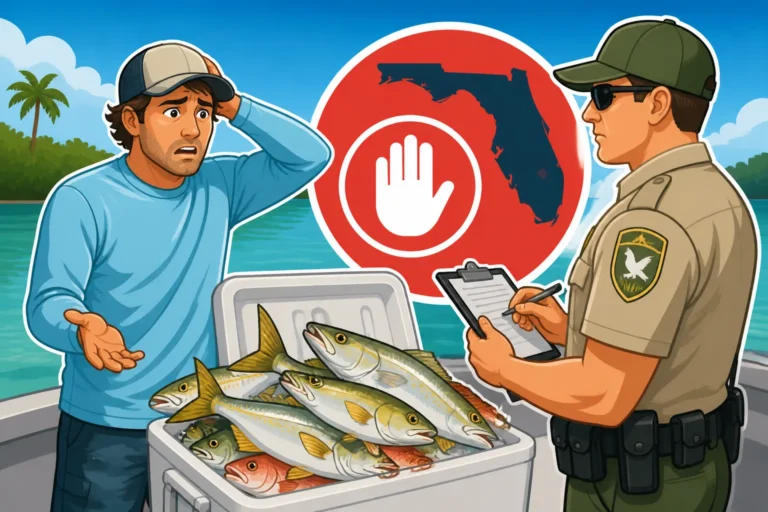
Florida implements strict size and bag limits for most popular inshore species to prevent overfishing and protect juvenile fish. These limits can vary by species, region (Gulf vs. Atlantic), and even time of year. For example, Snook have specific "slot limits," meaning you can only keep fish that fall within a certain length range (e.g., between 28 and 33 inches), and only one per person per day during their open season. Redfish also have slot limits and bag limits, and often a single tail spot rule. Spotted Seatrout typically have a minimum size and a bag limit per person.
Your charter captain is an expert on these regulations and will ensure that any fish you keep are within the legal size and bag limits. They will also educate you on proper catch and release techniques for fish that are undersized, oversized, or simply not intended for harvest. Understanding these limits is crucial not only for compliance but also for appreciating the conservation efforts that keep Florida's fisheries healthy. Florida Snook Size and Slot Limits
Seasonal Considerations for Inshore Fishing
Florida's fishing seasons can be dynamic, with certain species having closed seasons to protect them during spawning or other vulnerable periods. Snook, for instance, typically have closed seasons in the winter (due to cold weather vulnerability) and summer (during peak spawning). Redfish often have regional closures or enhanced regulations. While spotted seatrout generally have more consistent seasons, their numbers and sizes can fluctuate seasonally.
Beyond official closed seasons, the best time to target certain species can also be seasonal. Tarpon, for example, have a distinct migratory pattern, making certain months prime for targeting the "Silver King." The best time of year to fish in Florida is often dictated by your target species and where you plan to fish. Your charter captain will be intimately familiar with these seasonal patterns and will guide you to the best fishing opportunities based on the time of year you plan your trip. They can also advise you on how events like red tide or hurricane season might impact fishing conditions. Best Time of Year to Fish in Florida
Maximizing Your Inshore Charter Experience
Booking a charter is a fantastic first step, but a truly memorable trip often comes down to a few key interactions and practices. Being prepared, respectful, and understanding some unwritten rules can elevate your experience from good to absolutely incredible.
Tipping Etiquette and Appreciation
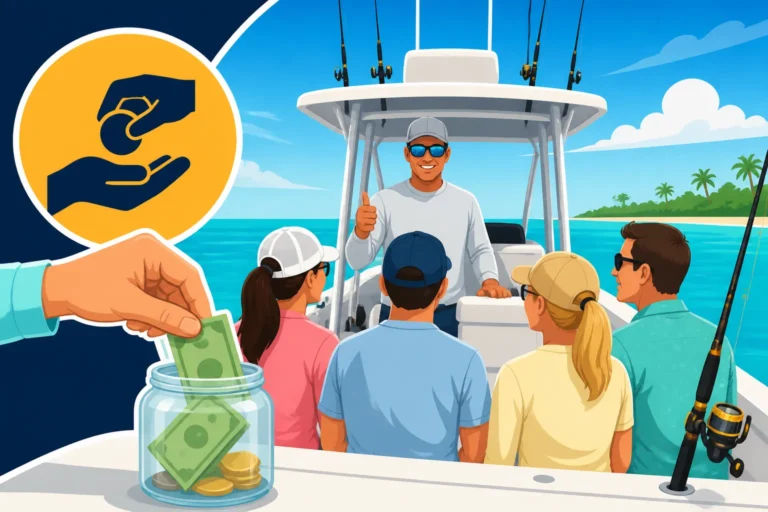
Tipping your charter captain and any mate is standard practice in the fishing industry, much like tipping a waiter in a restaurant. This gratuity acknowledges their hard work, expertise, and dedication to ensuring you have a successful and enjoyable day. A typical tip ranges from 15% to 20% of the total charter cost, assuming you received good service. If the captain went above and beyond – maybe they stayed out a little longer, were incredibly patient with kids, or worked tirelessly to find fish on a tough day – consider tipping on the higher end of that scale.
It's always a good idea to bring cash for the tip, as it's the easiest and most direct way to show your appreciation. Present the tip discreetly at the end of the trip. Remember, your captain's income often relies heavily on these gratuities, and a generous tip is a direct way to thank them for sharing their passion and knowledge with you. Don't be shy about asking about tipping expectations if you're unsure, or look for guidance from reputable booking sites like FishingBooker which often provide this information. Tipping Etiquette for Florida Fishing Guides
Communication with Your Captain
Open and honest communication is absolutely vital for a successful charter. Before the trip, clearly articulate your goals and expectations. Are you hoping for a cooler full of fish for dinner? Are you strictly catch-and-release? Do you want to learn new techniques? Are you aiming for a specific species, even if it means fewer bites? Sharing this information allows the captain to tailor the trip to your desires as much as possible.
During the trip, don't be afraid to ask questions! Most captains love to share their knowledge about the local ecosystem, the fish, and different techniques. If you're struggling with a cast, let them know. If you need a break, speak up. If you're not feeling well, inform them immediately. A good captain is there to guide you, and clear communication helps them do their job effectively, ensuring everyone has a safe and enjoyable time. They want you to have fun and catch fish, so help them help you!
Catch and Release Best Practices
While keeping legal-sized fish for dinner is a common and enjoyable part of charter fishing, many anglers also practice catch and release, especially for trophy fish or species that are currently out of season or protected. Your captain will be an expert in proper handling techniques to ensure the fish's survival after release.
This includes minimizing the time the fish is out of the water, handling it with wet hands or gloves to protect its slime coat, and using de-hooking tools to remove hooks quickly and safely. For larger fish, the captain may recommend keeping the fish in the water while removing the hook and reviving it gently before release. Understanding and following these practices is a crucial part of responsible angling and contributes to the long-term health of Florida's inshore fisheries. If you have a strong preference for catch and release, mention it to your captain beforehand, as some charters are specifically geared towards it, while others are more focused on harvesting. Catch and Release Best Practices for Snook
Disclaimer
This article is for general informational purposes only and does not constitute professional advice. Laws, prices and regulations vary by location and change over time. Consult a qualified professional for guidance on your specific situation.