Florida Deep Sea Fishing Charter Guide
Florida is a true angler's paradise, but the vastness of its offshore waters can feel intimidating for those dreaming of battling big game fish. Many people envision themselves reeling in a trophy mahi-mahi or a feisty red snapper, but the logistics of getting out there, finding the fish, and having the right gear often feel overwhelming. This comprehensive guide is designed to cut through the confusion, offering a realistic look at what deep sea fishing charters in Florida entail, helping you understand your options, and preparing you for an unforgettable adventure on the open ocean.
What Exactly Is Deep Sea Fishing in Florida?
When we talk about deep sea fishing in Florida, we're not just talking about casting a line from a pier or wading in the flats. This is a whole different ballgame, involving specialized boats, gear, and techniques to target species that live in deeper offshore waters, often miles from the coast. It’s an exhilarating experience that combines the thrill of the chase with the beauty of the vast ocean.
Defining Deep Sea vs. Inshore Fishing
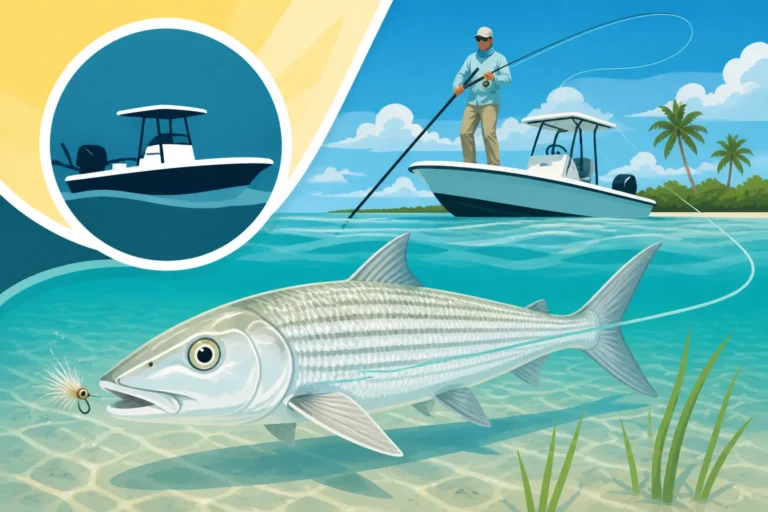
The distinction between deep sea (or offshore) and inshore fishing is pretty significant, and it's important to understand the difference when planning your trip. Inshore fishing typically happens in shallower, calmer waters like bays, estuaries, flats, and nearshore reefs. You're usually targeting species like redfish, snook, and spotted seatrout, and the boats are often smaller and designed for navigating these shallower areas.
Deep sea fishing, on the other hand, takes you far out into the open ocean, often past sight of land. This means you're dealing with much deeper water, sometimes hundreds or even thousands of feet deep, and often rougher conditions. The boats are larger, more robust, and equipped to handle the open ocean and house powerful engines to get you to productive grounds quickly. The species you target are also entirely different, ranging from bottom dwellers like snapper and grouper to pelagic giants like tuna, mahi-mahi, and billfish.
The Thrill of Offshore Waters
There's a unique allure to deep sea fishing that captivates anglers. It's the thrill of heading into the unknown, the anticipation of a rod bending violently, and the sheer power of the fish you're up against. These offshore environments are home to some of the ocean's most formidable predators, and catching them requires skill, strength, and often, a little bit of luck.
The journey itself is part of the adventure. You'll often see dolphins playing in the wake, sea turtles gliding by, and a variety of seabirds circling overhead. The vibrant blue of the Gulf Stream waters, or the clear emerald green of the Gulf of Mexico, is a sight to behold. It’s an immersive experience that connects you with the raw power and beauty of the marine ecosystem. Many anglers find the challenge of deep sea fishing incredibly rewarding, offering a sense of accomplishment unlike any other fishing experience.
Why Choose a Deep Sea Fishing Charter?
You might be thinking, "Can't I just rent a boat and go deep sea fishing myself?" While that's technically possible, it's rarely the best option, especially for those unfamiliar with Florida's offshore waters. Deep sea fishing charters exist for a reason: they provide a safe, efficient, and often more successful way to experience this type of angling. It’s about leveraging expertise and specialized equipment you simply won't have on your own.
The Expertise of a Seasoned Captain and Crew
One of the biggest advantages of booking a deep sea fishing charter is the invaluable knowledge of your captain and crew. These are professionals who spend countless hours on the water, tracking weather patterns, understanding fish migration, and knowing exactly where the bite has been hot. They know the underwater structures, the drop-offs, the wrecks, and the reefs where different species congregate. How to Choose a Florida Fishing Guide is key here, as a good captain can make or break your trip.
Think about it: instead of spending hours searching for fish, potentially in the wrong spots, your captain will take you directly to proven grounds. They'll interpret sonar readings, understand the currents, and adjust tactics on the fly. This level of expertise not only increases your chances of catching fish but also ensures your safety and comfort throughout the trip.
Access to Specialized Boats and Top-Tier Gear
Deep sea fishing requires robust equipment. Charter boats are purpose-built for offshore conditions, offering stability, safety features, and the necessary power to travel long distances. They come equipped with advanced electronics like GPS, fish finders, radar, and VHF radios, all essential for safe and productive offshore excursions.
Beyond the vessel itself, charters provide all the high-quality fishing gear you'll need. This means heavy-duty rods and reels, specialized lines, a vast array of lures, baits, and tackle specifically chosen for the target species. Trying to acquire all this gear yourself would be a significant investment, not to mention the challenge of knowing what to buy. With a charter, it's all there, ready for you to use. This also includes safety equipment, from life jackets to emergency beacons, ensuring you're prepared for any eventuality on the open water.
Focus on Fishing, Not Logistics
When you're out on a deep sea fishing charter, your primary focus is on fishing and enjoying the experience. The captain handles navigation, boat operation, and finding the fish. The crew assists with rigging baits, untangling lines, gaffing fish, and ensuring everyone has a good time. This takes a huge burden off your shoulders.
Imagine trying to manage all this yourself, especially if you're not an experienced boater or deep sea angler. You'd be worried about navigation, fuel, weather, bait, tackle, and boat maintenance. With a charter, you step aboard, cast your line, and immerse yourself in the pure joy of the sport. It's a hassle-free way to enjoy world-class fishing without the headaches of planning every single detail.
Types of Deep Sea Fishing Charters in Florida
Just like there are many ways to enjoy Florida's waters, there are various types of deep sea fishing charters available. Understanding these options is crucial for picking the right fit for your group, your budget, and your fishing aspirations. Each type offers a distinct experience, catering to different preferences.
Private Charters: Tailored for Your Group
Private charters are exactly what they sound like: you book the entire boat for your group, whether it's just you and a friend, your family, or a larger party. This is often the most desirable option because it offers unparalleled flexibility and personalization. You get to decide the target species, the fishing style, and even the pace of the day.
With a private charter, the captain and crew are solely dedicated to your party. This means more one-on-one instruction, more control over where you fish, and the ability to change plans if the fish aren't biting in a particular spot. It’s an ideal choice for families with young children, experienced anglers looking to target specific species, or groups who simply prefer a more intimate and exclusive experience. While often more expensive per person than shared options, the tailored experience can be well worth the investment.
Shared Charters and Party Boats: Budget-Friendly Options
If a private charter isn't in your budget or you're just a smaller group, shared charters and party boats offer a fantastic alternative.
-
Shared Charters (Split Charters): On a shared charter, you book a spot or a couple of spots on a boat with other anglers you don't know. The cost is split among all participants, making it more affordable. These trips still offer a good level of personalized attention from the crew, though the fishing style and target species might be a bit more standardized to accommodate a diverse group. This is a great way to experience deep sea fishing without breaking the bank and can even be a fun way to meet fellow anglers.
-
Party Boats (Head Boats): These are typically larger vessels designed to accommodate many anglers, sometimes dozens. You pay a per-person fee, and the boat heads out to common fishing grounds. While the experience is less personalized, and you'll have less space to move around, party boats are often the most economical way to get out on the deep sea. They're excellent for beginners, families, or those who just want to enjoy a day on the water and don't mind a more communal fishing experience. The crew will still assist, but their attention will be divided among many anglers.
Half-Day vs. Full-Day Charters
The duration of your charter is another important consideration. Deep sea trips typically come in two main lengths:
-
Half-Day Charters: Usually lasting around 4-6 hours, half-day trips are perfect for those new to deep sea fishing, families with young children, or anyone who might be prone to seasickness. They often target closer reefs and wrecks for species like snapper, grouper, and various bottom fish. While shorter, you can still have a very productive and exciting trip. It's a great introduction to offshore angling without committing to a full day on the water.
-
Full-Day Charters: Extending for 8 hours or more, full-day charters allow you to venture further offshore, sometimes covering many miles. This extra time means access to more remote fishing grounds, potentially larger and more diverse species (like tuna or billfish), and a greater chance to really get into a hot bite. If you're serious about targeting specific big game species or simply want the most immersive experience, a full-day trip is usually the way to go. You can also explore different fishing techniques or multiple spots throughout the day. For a detailed breakdown of costs, check out Half-Day vs Full-Day Fishing Charter Cost in Florida.
Choosing the Right Deep Sea Fishing Charter for Your Trip
Selecting the perfect deep sea fishing charter can feel like a big decision, especially with so many options available in Florida. It's not just about finding a boat; it's about matching your expectations, your budget, and your group's experience level with the right outfit. A little planning goes a long way in ensuring a memorable and successful trip.
Considering Your Target Species
Before you even think about booking, consider what kind of fish you're hoping to catch. Do you dream of battling a powerful mahi-mahi on the troll, or would you prefer dropping lines for tasty snapper and grouper on the bottom? Different charters specialize in different types of fishing and target specific species.
If you're after pelagic species like mahi-mahi, wahoo, or sailfish, you'll need a charter that focuses on trolling further offshore. If bottom fishing for red snapper, gag grouper, or amberjack is more your style, look for charters known for hitting wrecks and reefs. Some charters are versatile, but many have a specialty. Don't hesitate to ask prospective captains what their primary targets are during the time of year you plan to visit. Resources like Florida Mahi Mahi Fishing Guide or Florida Grouper Fishing Guide can help you decide what you're most excited to pursue.
Budgeting for Your Deep Sea Adventure
Charter fishing isn't always the cheapest activity, but it offers incredible value for the experience. Prices vary widely based on the type of charter (private vs. shared), duration (half-day vs. full-day), boat size, and location in Florida. Florida Fishing Charter Cost Guide offers a good overview of what to expect.
It's important to get a clear understanding of what's included in the price. Most charters include rods, reels, bait, tackle, and sometimes even a cooler with ice for your catch. However, extras like snacks, drinks, sunscreen, or any necessary fishing permits (though many charters cover the boat's license, you still need to check if you need an individual one) might not be. Always ask about potential hidden fees, like fuel surcharges or fish cleaning services, so there are no surprises at the end of the day. A reputable booking platform like FishingBooker often provides transparent pricing and what's included, making comparisons easier.
Group Size and Experience Level
The size of your group and your collective fishing experience play a huge role in choosing the right charter.
-
Group Size: If you have a large family or a big group of friends, a party boat might be the most cost-effective solution, or you might need to book a larger private charter. For a more intimate experience, a private charter that comfortably accommodates your group size is ideal. Make sure the boat isn't cramped for the number of people you have.
-
Experience Level: If you're a beginner, look for charters that are welcoming to novices and offer plenty of hands-on instruction. Many captains love teaching newcomers the ropes. Experienced anglers, on the other hand, might prefer a captain who is willing to chase specific, more challenging species or try advanced techniques. Don't be afraid to communicate your experience level and expectations upfront; a good captain will adapt to make your trip enjoyable and successful. For beginners, it's worth checking out Best Fishing Charters for Beginners in Florida.
Reading Reviews and Booking Platforms
In today's connected world, reviews are gold. Before booking, take the time to read reviews on platforms like Google, TripAdvisor, or dedicated fishing charter sites. Pay attention to comments about the captain's demeanor, the crew's helpfulness, the condition of the boat, and the overall fishing success. Look for consistent positive feedback.
Booking platforms like FishingBooker can be incredibly helpful. They aggregate listings from various captains, allowing you to filter by location, target species, charter type, and price. They often have verified reviews and clear information about what's included. Always ensure the captain is licensed and insured; a reputable platform will usually verify this. Don't shy away from calling the captain directly once you've narrowed down your choices to ask specific questions and get a feel for their personality.
What to Expect on Your Deep Sea Fishing Adventure
You've booked your charter, and the excitement is building! Knowing what to expect before, during, and after your deep sea fishing trip can help you relax and fully enjoy the experience. From the moment you arrive at the dock to the time you head home with your catch, a Florida deep sea charter is an adventure from start to finish.
Pre-Trip Preparations and What to Bring
A little preparation goes a long way. Before your trip, confirm your booking, departure time, and meeting location with your captain. Check the weather forecast and dress accordingly – layers are always a good idea, as offshore conditions can change quickly. Even on cloudy days, the sun's reflection off the water can cause severe sunburn, so ample sunscreen, a wide-brimmed hat, and polarized sunglasses are absolute must-haves.
Pack any personal snacks or drinks you might want, though some charters provide these. Bring a camera to capture those memorable moments. Motion sickness medication should be taken before you board the boat if you're prone to seasickness; trying to take it once symptoms set in is usually too late. A good tip from experienced anglers is to hydrate well the day before and avoid heavy, greasy meals. For a complete packing list, refer to What to Bring on a Florida Fishing Charter.
On the Boat: Safety, Instructions, and the Thrill of the Bite
When you arrive at the dock, your captain and crew will greet you. They'll go over essential safety information, point out where life jackets and other safety equipment are located, and give you a brief orientation to the boat. Listen carefully to their instructions – they are there to keep you safe and help you catch fish.
Once underway, the journey to the fishing grounds itself is part of the experience. The crew will likely start preparing rods and baits as you travel. When you reach a spot, the real fun begins. Depending on the fishing style (trolling, bottom fishing, drift fishing), the crew will instruct you on how to use the equipment and what to do when you get a bite. Don't be afraid to ask questions; they are there to help! The rush of a fish hitting your line, the screaming drag, and the fight to reel it in are what deep sea fishing is all about.
What's Typically Included (and What's Not)
Most deep sea fishing charters in Florida include the following:
- Licensed Captain and Crew: Experts to guide your trip.
- Boat and Fuel: The vessel and its operational costs.
- Fishing Licenses: Often, the boat's blanket license covers all anglers, but it's crucial to confirm if you need an individual Florida Fishing License Guide or if you're covered by the charter's Charter Boat Fishing License Rules in Florida.
- Rods, Reels, Bait, and Tackle: All the necessary gear for the day's fishing.
- Cooler with Ice: For your drinks and to keep your catch fresh.
What's typically not included:
- Food and Drinks: Unless explicitly stated, bring your own.
- Sunscreen, Hats, Sunglasses: Personal protective items.
- Foul Weather Gear: If rain is in the forecast, bring your own rain jacket.
- Fish Cleaning Services: Often an additional fee, or you may need to clean them yourself at the dock.
- Tips for the Crew: Absolutely essential and expected for good service.
Always clarify What's Included in a Florida Fishing Charter Price beforehand to avoid any misunderstandings.
Tipping Etiquette and Post-Trip Activities
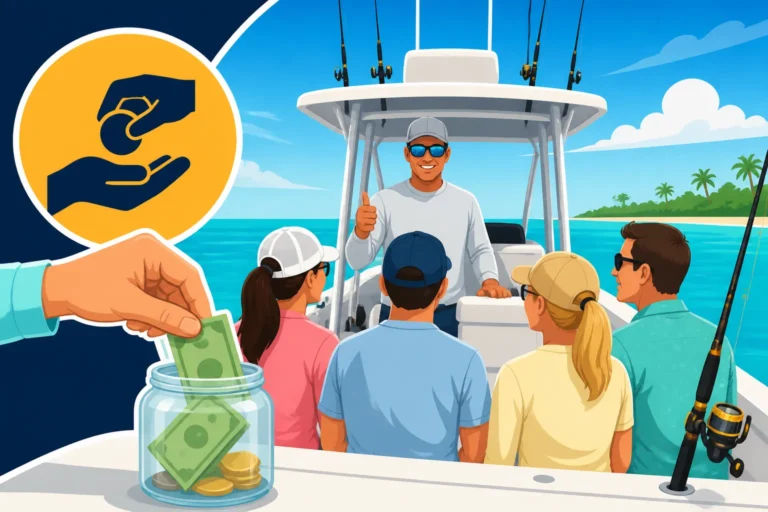
Tipping your captain and crew is customary in the charter fishing industry, much like in restaurants. A standard tip for excellent service is generally 15-20% of the total charter cost. If the crew worked hard, provided great instruction, kept you safe, and helped you land fish, show your appreciation. Even if the fish weren't biting, if the crew made a genuine effort, a tip is still warranted. Tipping Etiquette for Florida Fishing Guides explains this in more detail.
After the trip, if you've caught keepers, the crew will often help unload your fish. Many docks have fish cleaning stations, and some charters offer fish cleaning as an add-on service. This is a great time to take photos with your catch. Remember to adhere to all bag limits and size restrictions, which your captain will ensure.
Common Fish Species You'll Target in Florida Deep Sea Fishing
Florida's deep waters are teeming with a diverse array of fish, each offering a unique challenge and reward to the angler. Depending on the season, location, and fishing technique, you could be battling anything from bottom dwellers to high-flying acrobats. Knowing what you might encounter can help you plan your trip and get excited about the possibilities.
Bottom Dwellers: Snapper and Grouper Species
Many deep sea fishing charters in Florida focus on bottom fishing for delicious reef fish. These species tend to congregate around underwater structures like reefs, wrecks, and ledges.
-
Snapper: Florida is home to several popular snapper species.
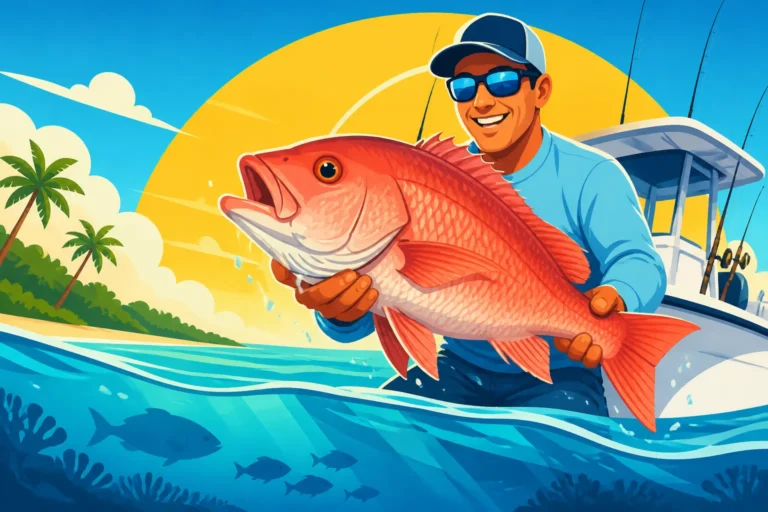
- Red Snapper: Highly prized for their firm, white meat, Florida Red Snapper Fishing Guide explains that these can grow quite large. Their season is often tightly regulated, so check local guidelines before your trip. You’ll usually find them over rocky bottoms and ledges in deeper offshore waters.
- Mangrove Snapper: Also known as Gray Snapper, these are common around reefs, wrecks, and even closer to shore. They are excellent table fare and put up a good fight for their size.
- Mutton Snapper: Known for their beautiful coloring and strong fight, Mutton Snapper prefer deeper reefs and wrecks. They can grow quite large and are a prized catch.
Bottom fishing for snapper often involves using cut bait or live bait dropped directly to the bottom.
-
Grouper: Another highly sought-after group of bottom fish, groupers are powerful fighters and yield fantastic fillets.
- Gag Grouper: A popular choice in the Gulf and Atlantic, Florida Grouper Fishing Guide outlines that these robust fish are ambush predators often found near rocky outcrops and ledges.
- Red Grouper: With their distinctive reddish-brown color, Red Grouper are prevalent throughout Florida's offshore waters, especially in the Gulf. They're often caught by baiting the bottom.
- Scamp Grouper: Known for their delicate white meat, Scamp are often found in deeper waters and are a highly regarded catch.
Fishing for grouper often requires heavy tackle and strong arms, as they will try to "rock you up" – pull your line into a structure to break off.
Pelagic Predators: Mahi-Mahi, Kingfish, and Sailfish
If you're looking for fast-paced action and acrobatic fights, pelagic species are your target. These fish roam the open ocean, often following baitfish schools or temperature breaks.
-
Mahi-Mahi (Dolphin Fish): One of the most exciting fish to catch, Florida Mahi Mahi Fishing Guide covers that Mahi-Mahi are known for their vibrant colors and incredible aerial displays when hooked. They are often found around Sargassum weed lines, floating debris, or temperature breaks in offshore waters. Trolling with lures or live bait is a common and effective method for catching them. They are also fantastic eating.
-
King Mackerel (Kingfish): Known for their blistering runs and sharp teeth, Florida King Mackerel Fishing Guide shows that Kingfish are a popular target, especially on Florida's Atlantic coast and in the Gulf. They are fast, powerful predators that often strike trolled baits or lures. You'll find them from nearshore reefs out to several miles offshore.
-
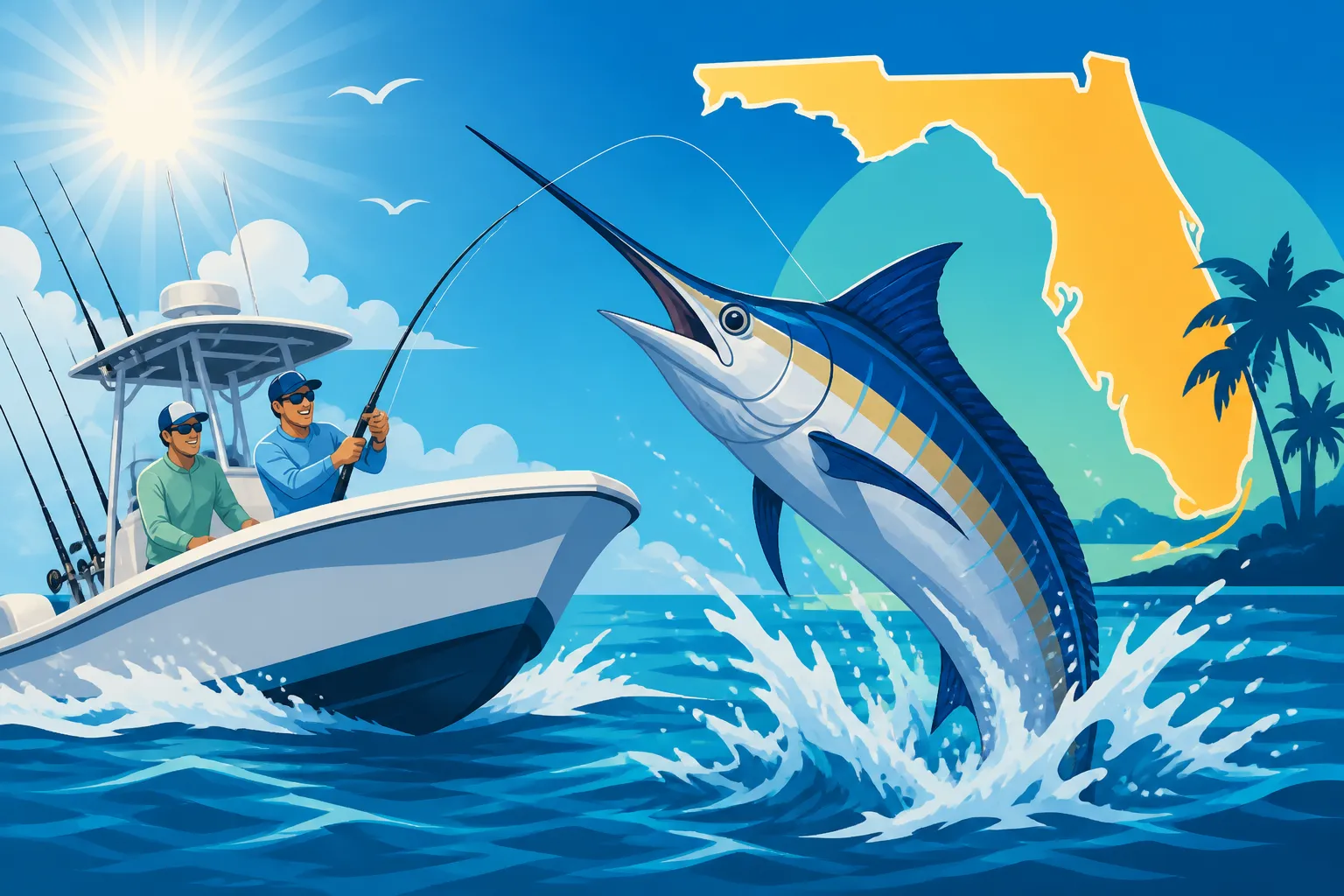
Sailfish: The state saltwater fish of Florida and a true bucket-list species for many anglers, Florida Sailfish Fishing Guide delves into the elegance of these billfish. Sailfish are renowned for their incredible jumps and their magnificent dorsal fin. While often targeted using live bait and kite fishing techniques, they are primarily a catch-and-release species due to their protected status and importance as a sportfish. Hooking a sailfish is an unforgettable experience.
Other Exciting Catches
Beyond these main targets, deep sea charters can also encounter a variety of other exciting species:
- Wahoo: Known for their incredible speed and delicious meat, Wahoo are powerful pelagic fish often caught trolling at high speeds.
- Tuna: Various tuna species, including Blackfin and Yellowfin, can be found offshore, offering hard-fighting battles and some of the best sushi-grade meat.
- Amberjack: Known as "reef donkeys" for their brute strength, Amberjacks are powerful fighters found around wrecks and reefs. They'll give you a serious workout.
- Barracuda: While not typically targeted for food, barracuda are aggressive predators that provide a strong fight and impressive jumps. They are often caught incidentally while trolling.
- Sharks: A variety of shark species can be encountered, from smaller reef sharks to larger pelagic species. Always exercise caution and respect when encountering sharks, and adhere to all regulations regarding their harvest.
Essential Gear and What to Bring for Deep Sea Fishing
Even though your charter will provide the heavy-duty gear, there are still essential personal items you should bring to ensure a comfortable, safe, and enjoyable deep sea fishing experience in Florida. Being prepared for the elements and the action will make a huge difference in your day.
Clothing for Offshore Conditions
The weather offshore can be unpredictable and vastly different from the conditions on land. Layers are key.
- Sun Protection: This is paramount. Florida sun, especially reflecting off the water, can be intense.
- Light-colored, Long-Sleeved Shirt: Opt for moisture-wicking, breathable fabrics (like performance fishing shirts) that offer UV protection.
- Long Pants or Fishing Shorts: Quick-drying materials are best.
- Wide-Brimmed Hat or Cap: To protect your face, ears, and neck from the sun.
- Polarized Sunglasses: Essential for reducing glare off the water, protecting your eyes, and sometimes even spotting fish or structure.
- Rain Gear: Even if the forecast looks clear, pop a lightweight rain jacket or poncho into your bag. Pop-up showers are common in Florida, especially during the summer.
- Footwear: Wear comfortable, non-slip shoes or deck boots. Sandals or flip-flops aren't ideal for moving around a wet, rocking boat, and you'll want closed-toe shoes to protect your feet from hooks, weights, or dropped equipment.
Personal Comfort and Safety Items
Beyond clothing, a few personal items can significantly enhance your comfort and well-being:
- Sunscreen: A high SPF, waterproof sunscreen is non-negotiable. Apply it generously and reapply throughout the day, especially after getting wet.
- Motion Sickness Medication: If you're prone to seasickness, take medication (like Dramamine or Bonine) at least an hour before you board the boat. Don't wait until you feel queasy; it will be too late. Having ginger candies or wristbands can also help. For more tips, see How to Avoid Seasickness on a Florida Fishing Charter.
- Snacks and Drinks: While some charters provide basic beverages, it's always a good idea to bring your preferred snacks and plenty of water or sports drinks to stay hydrated. A small, soft-sided cooler is usually fine to bring aboard.
- Camera or Phone: To capture those epic fish photos and scenic ocean views. Just be mindful of splash zones and consider a waterproof case or a Ziploc bag for protection.
- Small Backpack or Dry Bag: To keep all your personal items organized and protected from spray.
What the Charter Provides (and Why It's Crucial)
Your charter provides the heavy lifting in terms of fishing gear, which is one of the main reasons to book one.
- Rods, Reels, Line, Bait, and Tackle: The captain and crew will have all the appropriate heavy-duty rods and reels, fresh bait (live or cut), and a full arsenal of lures and tackle specifically chosen for the target species and conditions. This saves you thousands of dollars and ensures you have the right tools for the job.
- Safety Equipment: All reputable charters are equipped with Coast Guard-mandated safety gear, including life jackets for everyone on board, flares, first-aid kits, a VHF radio, and often an EPIRB (Emergency Position Indicating Radio Beacon).
- Cooler and Ice for Catch: Most charters will have a large fishbox or cooler on board to keep your catch fresh throughout the day.
- Fishing License: As mentioned, most charters operate under a blanket fishing license that covers all passengers. However, always confirm this detail before your trip to ensure you are compliant with all regulations.
By combining your essential personal items with the comprehensive gear provided by the charter, you'll be well-prepared for a fantastic day of deep sea fishing in Florida.
Making the Most of Your Florida Deep Sea Fishing Experience
Booking a charter is just the first step. To truly maximize your deep sea fishing adventure in Florida, it pays to adopt certain attitudes and practices. It’s about being respectful, engaged, and understanding the nuances of the sport and the marine environment.
Communication and Respect for the Crew
Your captain and crew are your guides and hosts for the day. Open and polite communication with them is paramount. Before the trip, clearly state your expectations – are you focused on catching dinner, or is the thrill of the fight more important? Are there specific species you're hoping to target? This helps them tailor the experience.
During the trip, listen to their instructions. They'll tell you how to properly deploy bait, set the hook, and fight a fish. These techniques are often crucial for success and for the safety of both you and the fish. Be respectful of their expertise and hard work. Remember, they want you to have a great time and catch fish just as much as you do. A good relationship with the crew can turn a good trip into a fantastic one.
Understanding Conservation and Regulations
As responsible anglers, it's vital to understand the conservation efforts and fishing regulations that protect Florida's valuable marine resources. Your captain will be well-versed in current rules, including size limits, bag limits, and closed seasons for various species (e.g., Florida Red Snapper Season Guide, Florida Grouper Season Guide).
Many species, particularly billfish like sailfish and certain shark species, are often catch-and-release only. Even for keeper fish, practicing Catch and Release Best Practices for Snook (which can be adapted for other species) for those you don't intend to keep is important for maintaining healthy fish populations. Listen to your captain's guidance on handling fish properly for release to ensure their best chance of survival. How Florida's fishing license fees contribute to conservation is also an interesting topic.
Managing Expectations and Enjoying the Journey
Fishing, by its very nature, is unpredictable. There will be days when the fish are jumping into the boat, and days when they're playing hard to get. It's important to manage your expectations and remember that a "slow" day of fishing is still a great day on the water. The beauty of the ocean, the camaraderie with your group, and the thrill of simply being out there are all part of the experience.
Focus on learning from the crew, enjoying the scenery, and appreciating the opportunity to connect with nature. Even on days when the bite isn't hot, you might see incredible marine wildlife, witness a stunning sunrise or sunset over the open ocean, or simply enjoy the peace and quiet away from the hustle and bustle of daily life. The memories made on a deep sea fishing charter extend far beyond just the fish you catch.
| Type of Charter | Duration Options | Group Size | Typical Targets | Pros | Cons |
|---|---|---|---|---|---|
| Private Charter | Half-Day, Full-Day | Small (1-6 anglers) | Highly customizable | Personalized, flexible, exclusive | Higher cost per person |
| Shared Charter | Half-Day, Full-Day | Small-Medium (4-12 anglers) | Common offshore species | More affordable than private, still good crew attention | Less control over targets/pace, fishing with strangers |
| Party Boat | Half-Day, Full-Day | Large (20+ anglers) | Bottom fish, general offshore | Most budget-friendly, social atmosphere | Less personalized, crowded, fixed schedule |
Disclaimer
This article is for general informational purposes only and does not constitute professional advice. Laws, prices and regulations vary by location and change over time. Consult a qualified professional for guidance on your specific situation.