Key West Light Tackle Reef Charter Cost
Dreaming of hitting the crystal-clear waters of Key West for some exhilarating light tackle reef fishing, but feeling a bit overwhelmed by the potential costs? It's a common feeling! Planning a fishing trip, especially to a premier destination like the Florida Keys, can bring up a lot of questions about expenses beyond just the hourly rate. This comprehensive guide is here to demystify the cost of Key West light tackle reef charters, helping you understand what influences the price, what's typically included, and how to budget for an unforgettable fishing adventure without any unwelcome surprises.
What Exactly is a Key West Light Tackle Reef Charter?
Before we dive into the nitty-gritty of costs, let's make sure we're all on the same page about what a "light tackle reef charter" actually entails in Key West. It's more than just a boat ride; it's a specialized fishing experience designed for a particular style of angling and a specific marine environment. Understanding these core components will give you a better appreciation for the value you're getting.
Understanding Light Tackle Fishing
Light tackle fishing, at its heart, is about maximizing the fight and experience of catching fish without unnecessarily heavy gear. Instead of using thick, heavy lines and massive rods, light tackle relies on lighter rods, smaller reels, and thinner fishing lines. This might sound counter-intuitive when you're targeting strong reef species, but it makes every strike and every run feel absolutely incredible. You'll feel every head shake, every dive, and every burst of speed from the fish, turning even moderately sized catches into thrilling battles. It requires more skill from the angler and more finesse from the captain, but the rewards in terms of pure angling excitement are immense. It's truly an engaging way to fish, offering a more hands-on and thrilling experience than simply cranking in a fish on heavy gear.
The Reef Fishing Experience in Key West
Key West is renowned for its vibrant coral reefs and artificial structures that teem with marine life. Reef fishing here means you'll be dropping lines over these underwater ecosystems, often just a short boat ride from shore. Unlike offshore deep-sea fishing that might take you miles out into the open ocean targeting pelagic species, reef fishing keeps you closer to the action-packed structures. The captain will typically position the boat over ledges, coral heads, wrecks, or rock piles where fish congregate. You might be drifting, anchoring, or power drifting, depending on the current, wind, and the captain's strategy. It's a fantastic way to experience the biodiversity of the Florida Keys without venturing too far from the comfort of the island. The waters are often calmer on the reef compared to the true deep blue, which can be a relief for those prone to seasickness.
Typical Target Species on Light Tackle Reef Charters
When you embark on a light tackle reef charter in Key West, you're looking to hook into a diverse array of bottom-dwelling and reef-dwelling species. These fish are known for their strong pulls and delicious table fare, making them popular targets for recreational anglers. You can expect to encounter species like:
- Various Snapper Species: This is often the bread and butter of reef fishing. You'll commonly find mangrove snapper, yellowtail snapper, mutton snapper, and lane snapper. Each offers a spirited fight, especially on lighter gear, and they are all excellent eating. Florida Mangrove Snapper Fishing Guide can give you more insights into one of the most common catches.
- Grouper: Depending on the season and regulations, you might hook into gag grouper, red grouper, or black grouper. These fish are powerful, and they love to dive back into the structure, making them a true test of your angling skills. They're definitely a prize catch! Florida Grouper Fishing Guide will tell you everything you need to know about these bottom dwellers.
- Hogfish: A highly prized catch known for its delicate white meat, hogfish are often found around rocky bottoms and coral. They can be tricky to hook but are incredibly rewarding.
- Cobia: While not strictly a "reef fish," cobia often cruise around reefs and wrecks, looking for an easy meal. Hooking into a cobia on light tackle is an absolute blast, as they are strong, acrobatic fighters.
- Mackerel: Spanish mackerel and king mackerel can sometimes be found schooling around the reef edges, offering fast-paced action, especially if they are feeding aggressively.
The beauty of light tackle for these species is that it truly enhances the experience, making every catch feel like a trophy.
Factors That Influence the Cost of Your Reef Charter
Now that we understand the experience, let's talk about the elephant in the room: how much will it actually set you back? The cost of a Key West light tackle reef charter isn't a one-size-fits-all number. Several key factors play a significant role in shaping the final price.
Duration of the Trip
One of the most immediate influences on charter cost is how long you plan to be out on the water. Just like most services, more time generally means a higher overall price, though the hourly rate might fluctuate.
- Half-Day Charters (typically 4 hours): These are a popular choice, especially for families, beginners, or those who want to get a taste of Key West fishing without committing to a full day. They are generally the most affordable option upfront. While you get fewer hours, a good captain will still put you on fish, making it a great introduction to reef fishing. It's perfect if you have other plans for your day or if you're worried about too much sun exposure. For a detailed breakdown, check out Half-Day vs Full-Day Fishing Charter Cost in Florida.
- Three-Quarter Day Charters (typically 6 hours): This duration offers a nice middle ground. You get significantly more fishing time than a half-day, allowing for more spots to be fished, more species to be targeted, and more chances to encounter active bites, without the full commitment of an entire day. It's a great choice if you're serious about fishing but still want to be back on land before dinner.
- Full-Day Charters (typically 8 hours): For the serious angler, a full-day trip is often the preferred choice. It provides ample time to travel to multiple spots, adapt to changing conditions, explore different reef areas, and really settle into a fishing rhythm. While the most expensive upfront, full-day trips often offer the best value per hour of fishing and significantly increase your chances of a successful and diverse catch. This duration also allows for more flexibility if the bite is slow in one area.
| Trip Duration | Typical Hours | Pros | Cons |
|---|---|---|---|
| Half-Day | 4 hours | More affordable, good for beginners/families, less time commitment | Less fishing time, fewer spots, less diverse catch potential |
| Three-Quarter Day | 6 hours | Good balance of time and cost, more opportunities | Mid-range cost, still not a full day of exploration |
| Full-Day | 8 hours | Maximum fishing time, more spots, higher success rate, best per-hour value | Most expensive upfront, longer commitment, more sun exposure |
Private vs. Shared Charters
Another significant cost differentiator is whether you opt for a private charter or join a shared trip.
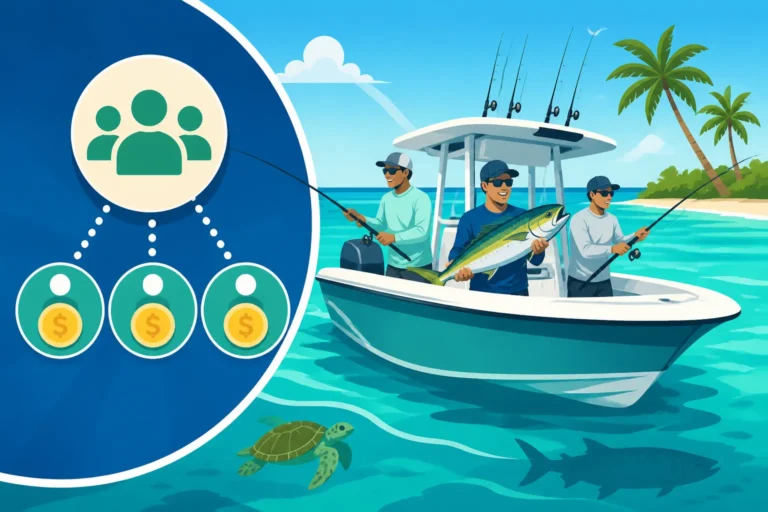
- Private Charters: This is where you book the entire boat for your group, whether it's just you and a friend or a small family. It offers unparalleled flexibility, personalized attention from the captain, and the ability to dictate the pace and focus of the trip. You can decide what species you want to target (within reason for reef fishing), how long you want to stay at a spot, and when to move. The downside, of course, is that you're bearing the entire cost of the boat and captain's time. For smaller groups, this can make the per-person cost quite high. However, for a group of 4-6 anglers, the per-person price can become very reasonable, making it a popular choice. Check out Private Charter vs Shared Charter Cost in Florida for a comparison.
- Shared/Split Charters: If you're traveling solo or as a pair and want to keep costs down, a shared charter might be an option. On these trips, you pay a per-person rate and share the boat with other anglers you don't know. The captain will try to accommodate everyone, but the target species and fishing style will be more general. Shared charters are less common for specialized light tackle reef trips, which often cater to a more dedicated angling experience, but you might find them for broader reef or bottom fishing excursions. While the per-person cost is lower, you sacrifice privacy and customization. Many reputable charter operations, often listed on platforms like FishingBooker, will facilitate split charters if they have enough interest, so it’s always worth inquiring.
The Boat, Captain, and Inclusions
Not all fishing charters are created equal, and the quality of the boat, the experience of the captain, and what's included in the price all contribute to the overall cost.
- Vessel Type and Maintenance: A well-maintained, comfortable boat with modern electronics and safety gear will naturally command a higher price. While a basic center console might be perfectly fine for reef fishing, a larger, more stable vessel with amenities like a head (restroom), ample shade, or advanced fish-finding technology will likely cost more.
- Captain's Experience and Reputation: An experienced, knowledgeable, and personable captain is worth their weight in gold. A veteran Key West captain who knows the reef like the back of their hand, understands fish behavior, and can consistently put you on the bite will often charge more than a newer or less established guide. Their expertise in light tackle techniques and their ability to keep clients happy are invaluable. How to Choose a Florida Fishing Guide is an essential read for selecting the right captain.
- What's Included: Most reputable light tackle reef charters in Key West are "all-inclusive" in terms of fishing necessities. This typically covers:
- Fishing Licenses: The boat will usually have a blanket license that covers everyone on board, so you won't need to purchase a separate Florida Saltwater Fishing License Rules.
- Rods, Reels, and Tackle: High-quality light tackle gear appropriate for the species you're targeting.
- Bait: Live bait (pinfish, pilchards, shrimp, etc.) and/or artificial lures.
- Cooler with Ice: For drinks and to keep your catch fresh.
- Fish Cleaning: Many captains offer to clean and bag your catch at the end of the trip, which is a huge bonus!
However, some charters might charge extra for certain premium live baits, specific lures, or might not include beverages or snacks. Always clarify what's covered when you book.
What to Expect in Terms of Pricing and Value
So, with all these variables, what can you realistically expect to pay for a Key West light tackle reef charter? While I can't give you exact dollar figures, I can certainly provide a framework for understanding the investment and how to ensure you're getting good value.
A Realistic Look at Charter Investment
It's important to view a fishing charter as an investment in an experience, not just a transaction. You're paying for the captain's expertise, their boat, their gear, their fuel, and their time. Considering the specialized nature of light tackle reef fishing and the prime location of Key West, you should anticipate a significant outlay.
For a private charter, expect prices to vary based on the duration. Half-day trips will be the most accessible entry point, while full-day trips represent a more substantial commitment. Remember that these prices are for the entire boat, not per person. If you divide the total cost among your group, the per-person rate can become quite attractive, especially for a full day.
When researching, use platforms like FishingBooker to compare different charters. You can filter by location, trip type, and duration to get a good sense of the going rates and what different captains offer. Pay attention to reviews and what previous clients say about their experience, the captain's demeanor, and the quality of the fishing.
Hidden Costs and How to Avoid Them
No one likes unexpected expenses, especially when you're trying to relax on vacation. Here's how to avoid those pesky hidden costs:
- Gratuity/Tip: This is probably the most common "hidden" cost, not because it's undisclosed, but because many first-timers forget to budget for it. Tipping your captain and mate (if applicable) is customary and expected in the charter fishing industry, much like in restaurants. A standard tip is typically 15-20% of the charter fee, assuming you had a good experience. Always budget for this separately. Tipping Etiquette for Florida Fishing Guides explains this in detail.
- Fuel Surcharges: While less common for reef trips that stay closer to shore, some charters, especially those venturing further, might have a fuel surcharge if gas prices spike significantly. This should always be disclosed upfront.
- Food and Drinks: While ice and a cooler are usually provided, you'll almost always need to bring your own beverages and snacks. Factor this into your trip planning.
- Sun Protection and Personal Items: Don't forget sunscreen, hats, sunglasses, and appropriate clothing. While not a charter cost, these are essential expenses for a comfortable day on the water. What to Bring on a Florida Fishing Charter offers a comprehensive packing list.
- Fish Processing Beyond Cleaning: While many captains will clean your catch, they generally won't fillet it and prepare it for shipping or freezing. If you want specialized processing, you might need to find a local fish house, which will charge a fee.
The best way to avoid surprises is to ask specific questions when you book. A reputable captain will be transparent about their pricing structure and what's included.
Getting the Most Value for Your Money
Getting a good deal isn't always about finding the absolute cheapest charter; it's about getting the best value for your money.
- Book a Reputable Captain: A slightly more expensive charter with a highly-rated, experienced captain will almost always be a better value than a cheaper charter with an unproven guide. Their knowledge of the Best Time of Year to Fish in Florida and local spots will drastically increase your chances of a successful and enjoyable trip.
- Communicate Your Expectations: Clearly communicate with your captain what kind of experience you're looking for. Do you want to fill the cooler, or are you more interested in the challenge of light tackle and catch-and-release? Are you a seasoned angler, or do you need more instruction? This helps the captain tailor the trip to your preferences, enhancing your value.
- Consider Off-Peak Seasons: If your schedule allows, consider booking your trip during Key West's shoulder or off-peak seasons. While certain species might be less active, you might find slightly lower charter rates and fewer crowds, potentially offering a more serene and personalized experience.
- Maximize Your Group Size (for Private Charters): If you're booking a private charter, bringing more people (up to the boat's capacity) will reduce the per-person cost, making a full-day trip more affordable for everyone.
- Review What's Included: Double-check that essential items like rods, reels, tackle, bait, and licenses are included. These items, if you had to rent or buy them separately, would quickly add up. Most good charters cover all these necessities, letting you just show up and fish.
Booking Your Key West Light Tackle Reef Adventure
Ready to cast a line? Booking your charter is the next exciting step. With a clear understanding of costs and what to expect, you can confidently secure your Key West light tackle reef fishing adventure.
Finding Reputable Charters
The internet is your best friend when it comes to finding and comparing charters. Online booking platforms have made it easier than ever to connect with captains in Key West.
- Online Platforms: Websites like FishingBooker are excellent resources. They allow you to search for charters in Key West, filter by trip type (like reef fishing), duration, and even read genuine customer reviews. This transparency helps you compare options and choose a captain whose style and boat align with your expectations. You can often see what's included in the price, boat specifications, and photos of past catches.
- Local Marinas and Fishing Shops: If you're already in Key West, walking around local marinas or popping into fishing tackle shops can yield great recommendations. Locals often know the best captains and can provide invaluable insights.
- Word of Mouth: Ask friends or fellow anglers who have fished in Key West for their recommendations. Personal referrals can lead you to some fantastic hidden gems.
When researching, pay close attention to reviews specifically mentioning light tackle techniques and reef fishing success.
Questions to Ask Before You Book
To ensure a smooth experience and no surprises, always have a list of questions ready for your potential captain or booking agent.
- What's included in the price? Reconfirm what gear, bait, licenses, ice, and fish cleaning services are covered.
- What's your cancellation policy? Understand their policy for weather cancellations or if your plans change. Florida Fishing Charter Cancellation and Refund Policy can provide more general context on this.
- What species will we be targeting? While reef fishing generally means snapper and grouper, it's good to confirm, especially if you have a specific fish in mind.
- What kind of tackle do you use for light tackle reef fishing? This can give you a sense of their commitment to the "light tackle" aspect.
- What should we bring? Ask about food, drinks, sun protection, and any other personal items.
- Is a mate included? If so, remember to budget a separate tip for them.
- How many people can fish comfortably on the boat? This is crucial for private charters, especially if you have a larger group. How Many People Can Fit on a Florida Keys Flats Boat? can give you some comparative idea of capacity, though reef boats are generally larger.
Budgeting for the Entire Experience
Remember, the charter fee is just one part of your overall Key West fishing vacation budget. Don't forget to account for these additional expenses:
- Travel and Accommodation: Getting to Key West and finding a place to stay.
- Food and Dining: Key West has incredible restaurants, and you'll want to enjoy them, perhaps even having a local restaurant cook your fresh catch!
- Transportation: Getting around Key West, whether by foot, bike, taxi, or rental car.
- Souvenirs and Other Activities: You're in paradise; you'll want to explore and take a piece of it home.
- Gratuity for the Captain/Mate: As discussed, this is a non-negotiable expense.
- Fish Processing and Shipping (if desired): If you're bringing a lot of fish home, consider professional processing or coolers for travel.
By planning for all these elements, you can ensure your Key West light tackle reef fishing trip is not only successful but also financially stress-free. There's nothing quite like the thrill of feeling a strong snapper on light tackle with the beautiful Key West backdrop, and with proper planning, it's an experience within reach.
Disclaimer
This article is for general informational purposes only and does not constitute professional advice. Laws, prices and regulations vary by location and change over time. Consult a qualified professional for guidance on your specific situation.