How Many People Can Fit on a Florida Keys Flats Boat?
It’s a common scenario for folks planning a fishing trip to the beautiful Florida Keys: you’ve heard about the incredible shallow-water action on the flats, maybe you’ve seen pictures of anglers sight-casting to bonefish or permit, and you think, "That’s it, that’s the trip for us!" But then the practical questions start to pop up, especially if you’re traveling with a crew. One of the biggest head-scratchers is often, "Just how many people can actually fit comfortably on one of those sleek flats boats?" This guide is here to unravel that mystery for you, diving deep into the realities of flats boat capacity so you can plan the perfect, comfortable, and productive fishing adventure in the Keys.
Understanding Florida Keys Flats Boats
When you talk about flats fishing in the Florida Keys, you're usually talking about a very specific type of vessel: the flats boat. These aren't your typical recreational bay boats or offshore behemoths. They are purpose-built machines designed for a unique kind of fishing, and understanding their design is key to understanding their practical capacity.
What Exactly is a Flats Boat?
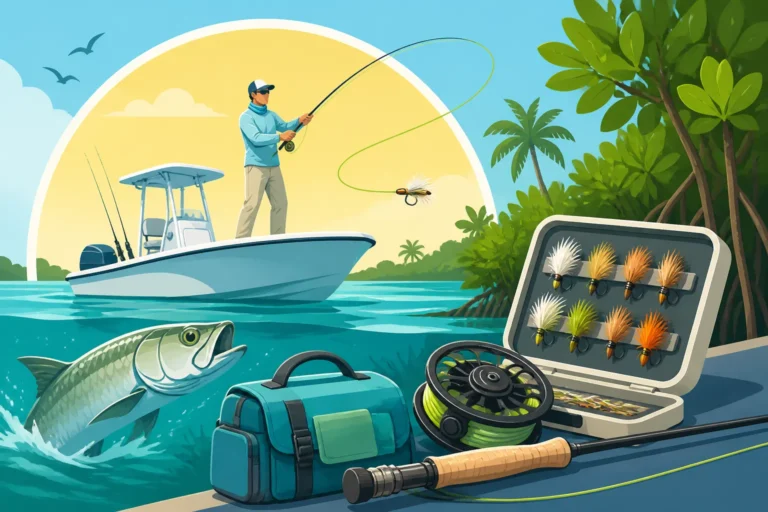
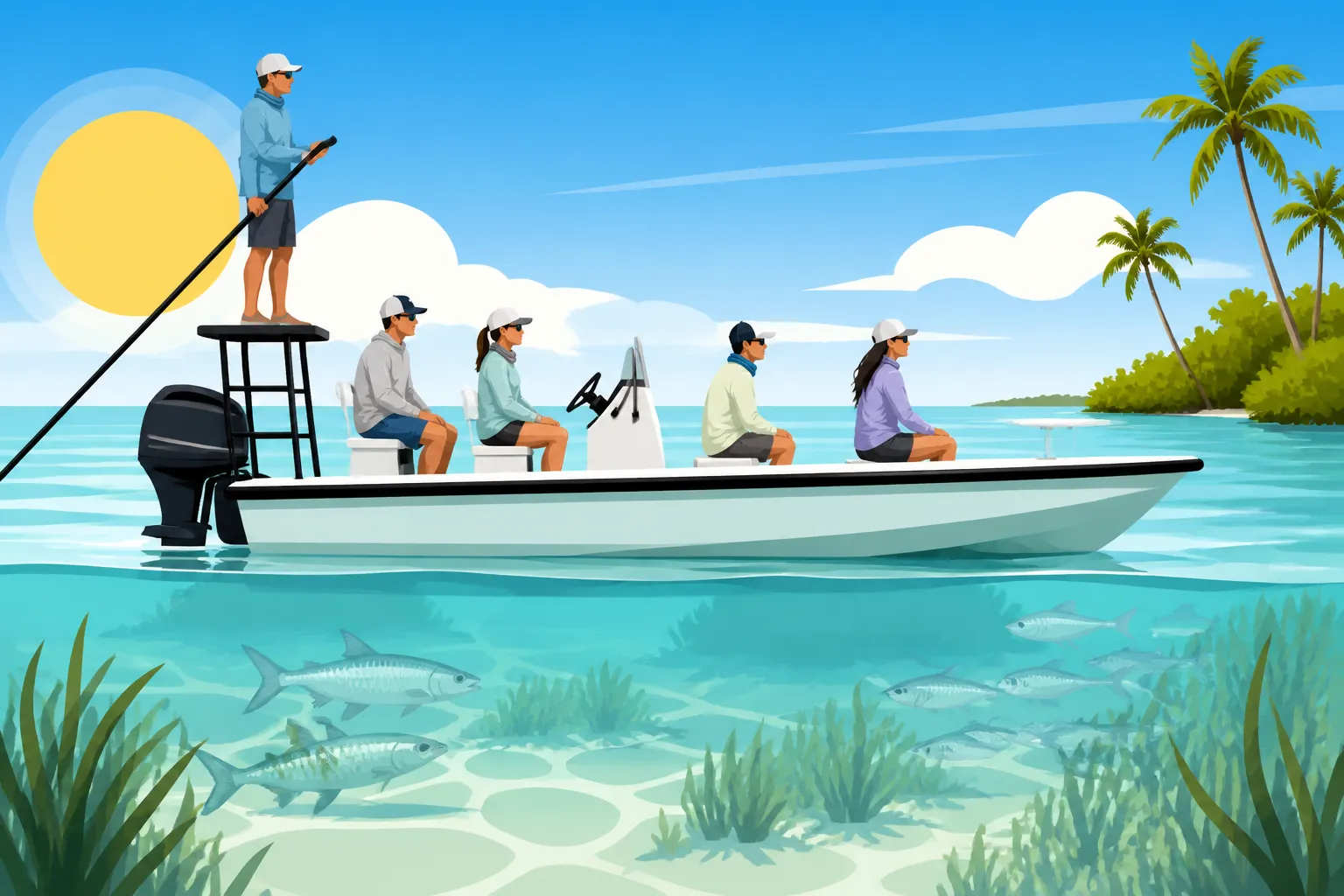
A flats boat is a specialized shallow-draft vessel, typically ranging from 16 to 20 feet in length, though some might stretch a bit longer. Their defining characteristic is a very shallow hull design, often with a tunnel or specific V-hull that allows them to run and pole in incredibly skinny water – sometimes as little as six inches deep! They are built to be stealthy, quiet, and maneuverable, essential traits for sneaking up on wary fish like bonefish, permit, and tarpon in their natural habitat. The deck is usually uncluttered and open, providing a stable platform for casting, often featuring a raised poling platform at the stern for the guide to spot fish from afar.
Think of it this way: if a bass boat is designed for freshwater lakes, and a center console is for open bays and nearshore, a flats boat is the precision instrument for those vast, shimmering expanses of shallow water that define much of the Florida Keys backcountry. These boats are all about sight fishing, where the angler visually spots the fish before making a cast. This requires ample clear deck space and minimal obstruction, which naturally limits how many people can effectively fish at one time.
Why Size and Design Matter for Capacity
The design of a flats boat, while brilliant for its intended purpose, inherently limits its practical fishing capacity. It's not just about how many seats are bolted down or how much weight the boat can legally carry; it's about the experience of flats fishing.
Deck Space and Casting Room: Flats boats prioritize open, unobstructed deck space for casting. When you're sight fishing, you often need to make quick, accurate casts in any direction. With too many people, you create tangles, reduce casting lanes, and generally make for a frustrating experience. Imagine two anglers trying to double-haul a fly line simultaneously – it’s a recipe for disaster and hooks in places you don't want them!
Stealth and Stability: The shallow draft and often lightweight construction of a flats boat are designed for quiet movement. More people mean more weight, more movement, and more potential noise that can spook sensitive shallow-water species. Each additional person also shifts the center of gravity, affecting the boat's stability, especially when someone is standing on the bow casting platform or the poling platform.
Gear Storage: While a flats boat has some storage, it's typically optimized for fishing gear rather than personal items for a large group. Rods, tackle bags, a cooler with drinks and snacks, and safety equipment all take up valuable real estate. Trying to squeeze in extra bags, towels, and personal items for multiple people can quickly make the boat feel cramped and disorganized, hindering the smooth operation of a fishing trip. These specialized boats are about efficiency and focus, not necessarily luxury cruising.
Typical Capacity of a Florida Keys Flats Boat
So, let's get down to the nitty-gritty: how many people can you actually expect to fish comfortably on a Florida Keys flats boat? The answer often comes down to the guide's preference, safety, and the quality of the fishing experience.
Standard Angler-to-Guide Ratio
For serious flats fishing, the gold standard is almost universally one or two anglers, plus the guide. This setup allows for optimal casting room, guide-to-angler communication, and maximum stealth.
- One Angler: This is the most personalized and often the most effective setup, especially for fly fishing or targeting very wary species like permit. The angler has the entire casting deck to themselves, the guide can focus all their attention on spotting fish and coaching that single person, and there's no risk of tangled lines or missed opportunities due to multiple people trying to cast. If you're looking for an intensive, high-focus fishing experience, particularly for trophy fish, a one-on-one trip with a guide is truly unbeatable. It’s also ideal for beginners who need a lot of hands-on instruction.
- Two Anglers: This is a very common and popular option, especially for friends or couples. Typically, one angler fishes from the bow, and the other might sit in the back, ready to switch or cast if a different opportunity arises. Good flats guides are masters at managing two anglers, rotating them through prime casting positions, or having them focus on different areas of the flat. It provides a great balance of camaraderie and fishing opportunity. Most Florida Flats Fishing Guide Rates are structured around this 1-2 angler model, with any additional person often incurring an extra fee.
The Guide: Don't forget, the guide is a person too! They'll be on the poling platform or operating the trolling motor, actively searching for fish, providing instructions, and handling the boat. Their space is critical to their job and the success of your trip. They are not just a chauffeur; they are an integral part of your fishing team.
Factors Influencing Comfort and Safety
While a flats boat might technically be rated for more people by the manufacturer (e.g., a "5-person capacity"), this often refers to recreational cruising, not active fishing. When you're standing, casting, and moving around with gear, the practical capacity shrinks dramatically.
Type of Fishing:
- Fly Fishing: For fly fishing, even two anglers can feel tight on some boats, especially if they are both actively casting at the same time. The long arcs of fly lines need significant clearance, and safety is a major concern. One fly angler is ideal.
- Spin Fishing/Light Tackle: Spin fishing generally requires less casting room than fly fishing, making two anglers more comfortable. You're typically making shorter casts and can often share the bow more effectively. However, three spin anglers are still pushing it, as rods can get tangled, and there's less room to maneuver.
- Sight Fishing Intensity: If you're pursuing highly sensitive species like permit or bonefish, less is definitely more. Every movement, every conversation, every subtle shift in weight can send these fish scurrying. Fewer people means less disturbance.
Size of the Boat and Anglers: A longer flats boat (e.g., 20+ feet) will naturally offer a bit more elbow room than a shorter 16-footer. Also, consider the size of the anglers themselves. Three very large adults will feel significantly more cramped than two average-sized adults and a small child.
Amount of Gear: Think about how much gear each person brings. Rods, tackle bags, cameras, rain gear, personal bags, and coolers all consume space. A good guide will typically provide all the necessary fishing gear, which helps reduce clutter. However, if you bring your own extensive setups, space becomes a premium. This is why many guides recommend minimal personal items, emphasizing the importance of packing smart for a flats trip.
Weather Conditions: Choppy water, strong winds, or a passing rain squall will make a boat feel smaller very quickly. On a calm day, three might be tolerable for casual fishing, but add some white caps, and suddenly the lack of stable footing and secure handholds becomes very apparent. Safety is paramount, and overloading a shallow-draft boat in adverse conditions is never a good idea.
Here's a quick comparison of typical fishing capacities for various boat types you might encounter in the Keys:
| Boat Type | Primary Use | Typical Angler Capacity (excluding guide) | Best For | Considerations |
|---|---|---|---|---|
| Flats Boat | Shallow water, sight fishing | 1-2 anglers | Bonefish, Permit, Tarpon in skinny water | Limited space, highly specialized, stealth-focused |
| Bay Boat | Bays, nearshore, light offshore | 2-4 anglers | Redfish, Snook, Trout, occasional offshore | More versatile, more stable, can handle slightly rougher water, less stealthy |
| Center Console | Nearshore, offshore, reef | 4-6+ anglers | Snapper, Grouper, Mahi, Sailfish offshore | Larger, more powerful, comfortable in open water, not suitable for shallow flats |
| Party Boat | Deep sea, reef (shared trip) | 15-50+ individuals | Bottom fishing for Snapper, Grouper, etc. | Large groups, shared experience, not personalized, usually static fishing |
As you can see, the flats boat is specifically designed for a more intimate, focused fishing experience with a smaller group.
Special Considerations for Larger Groups or Families
It's natural to want to share the magic of the Florida Keys with your family or a group of friends. However, the specialized nature of flats fishing means that a single flats boat might not always be the best solution for larger parties.
When a Flats Boat Might Not Be the Best Fit
If your group includes more than two active anglers, or if you have multiple non-anglers who just want to come along for the ride and sightseeing, a flats boat can quickly become cramped and less enjoyable for everyone.
- Three or More Active Anglers: Trying to have three people actively fishing (casting, retrieving, maneuvering) on a typical flats boat is usually a recipe for frustration. There simply isn't enough clear space for comfortable casting, and the risk of tangles or even accidental hook injuries increases dramatically. The guide's ability to move around and assist is also severely hampered. While a very large flats boat might accommodate three if everyone is very skilled and the fishing is casual, it's rarely recommended for a top-tier experience.
- Families with Young Children: While many guides love introducing kids to fishing, a flats boat can be challenging for very young or restless children. The open deck means less railing and more potential for a tumble. Plus, the need for quiet and stillness during sight fishing might not align with a child's natural exuberance. If the goal is a casual, family-friendly experience where everyone can fish, a different type of vessel might be more appropriate. However, for slightly older, well-behaved children who are genuinely interested in learning to cast, a one-on-one or one-child-plus-one-adult scenario can be fantastic.
- Mixed Group of Anglers and Sightseers: Flats boats are fishing machines, not sightseeing vessels. While the scenery in the Keys is breathtaking, a non-angler might find themselves bored quickly if they're just sitting in the back while two others are intensely focused on sight fishing. The primary purpose of a flats boat charter is active fishing, not a leisurely tour. If your group has a mix of interests, you might want to consider alternatives.
Alternatives for Group Fishing in the Keys
Don't despair if your group is too large for a single flats boat! The Florida Keys offers a fantastic array of fishing experiences suitable for various group sizes and preferences.
- Multiple Flats Boats: This is often the best solution for groups of 3-6 serious anglers. By booking two or three separate flats boats, each with its own guide, you ensure everyone gets a premium, focused flats fishing experience. You can even make it a friendly competition! Many guides work together and can coordinate a multi-boat trip for your party. Booking through a service like FishingBooker can help you find multiple available guides for the same day.
- Bay Boats or Hybrid Boats: These vessels are larger and more stable than flats boats, typically ranging from 20-26 feet. They can handle slightly choppier waters, have more seating, and offer more deck space, making them ideal for 3-4 anglers or a small family (2 adults, 2 kids) looking for a more relaxed inshore fishing experience. While they can't get into the skinniest of waters, they are perfectly capable of fishing the edges of flats, mangrove shorelines, and deeper channels for species like redfish, snook, and trout. They are also often more comfortable for beginners or those prone to seasickness.
- Nearshore/Reef Fishing Charters (Center Consoles): If your group is looking for action and doesn't mind fishing in slightly deeper water, a center console boat targeting nearshore reefs or wrecks is an excellent option for 4-6+ people. You'll be chasing snapper, grouper, mackerel, and possibly even some smaller pelagics. These boats are larger, more powerful, and built for open water, offering a very different but equally thrilling fishing experience. Florida Deep Sea Fishing Charter Guide can give you more insights into these types of trips.
- Party Boats (Head Boats): For very large groups, or for those on a budget who just want to get out on the water and catch some fish, party boats are a great choice. These large vessels take many passengers out to offshore reefs or wrecks for bottom fishing. While it's a less personalized experience, it's very social, and you're almost guaranteed to catch something. Party Boat Fishing Cost in Florida can be quite economical per person.
- Combination Charters: Some guides and captains offer "combo" trips that might involve a bit of shallow-water fishing in a bay boat, followed by some nearshore reef fishing, or even a blend of fishing and snorkeling. These can be perfect for families with mixed interests, ensuring everyone gets a taste of what the Keys has to offer.
When considering alternatives, always communicate your group size, ages, and fishing goals clearly with the charter captain or booking agent (such as when using FishingBooker). They can help steer you toward the best option for a memorable and comfortable trip.
Maximizing Your Flats Boat Experience (Even with Limited Space)
Even though flats boats have limited practical capacity, the experience they offer is truly unparalleled. By being prepared and communicating effectively, you can ensure a fantastic trip regardless of your group size.
Communicating Your Needs with Your Guide
This is, hands down, the most critical step to a successful and enjoyable flats fishing trip. Before you even book, have an honest conversation with your potential guide about your group.
- Be Clear About Your Party Size: Don't just say "a few of us." Specify exactly how many adults and children, including their general ages and fishing experience levels.
- Discuss Your Fishing Goals: Are you serious fly anglers chasing a specific trophy? Are you spin fishing enthusiasts looking for lots of action? Or are you a parent hoping your child catches their first fish? Your goals will influence the guide's recommendations for boat type and fishing strategy. If you're a beginner, a guide might recommend a two-person trip to allow for more individual instruction. The How to Choose a Florida Fishing Guide article provides excellent tips on finding the right fit.
- Ask About Their Preferred Capacity: Most experienced flats guides have a firm idea of what works best on their specific boat for their style of fishing. Respect their expertise. They want you to have a great time and catch fish, and they know what makes that possible within the constraints of their vessel.
- Inquire About Non-Anglers: If someone in your party isn't fishing but wants to come along, discuss this with the guide beforehand. Some guides are amenable to a non-fishing "rider" if the boat isn't already at capacity, but others prefer to stick to a strict angler count to maintain focus and space. Be prepared for a potential extra charge for non-anglers, as they still occupy space and add weight.
- Confirm Inclusions: Always clarify what's included in the charter price. Most flats guides will provide all the necessary fishing gear, bait (if applicable), and even a cooler with ice and water. Knowing this helps you reduce what you need to bring.
Being upfront about your expectations and group dynamics allows the guide to make appropriate recommendations, whether that means adjusting expectations for a single boat, suggesting a multi-boat charter, or recommending a different type of fishing entirely. Services like FishingBooker often facilitate this communication, allowing you to message captains directly with your specific questions.
Packing Smart for a Flats Trip
Since space is at a premium on a flats boat, what you bring (and what you leave behind) makes a huge difference.
- Minimalist Approach to Personal Gear: Unless specifically instructed, avoid bringing large backpacks, multiple changes of clothes, or bulky personal items. A small, waterproof bag for essentials like sunscreen, a phone, and a camera is usually sufficient.
- Wear Appropriate Clothing: Dress in layers suitable for the Florida sun and potential weather changes. Lightweight, long-sleeved shirts, quick-dry shorts, and a hat are staples. Good polarized sunglasses are absolutely essential for spotting fish on the flats.
- Footwear Matters: Wear comfortable, non-marking shoes with good grip. Flip-flops are often discouraged as they offer little support and can be slippery. Shoes that can get wet are a bonus. The What to Wear on a Florida Fishing Charter article has more detailed advice.
- Sun Protection: Beyond clothing, bring plenty of reef-safe sunscreen. The sun's reflection off the water can be intense, and there's usually minimal shade on a flats boat.
- Snacks and Drinks (if not provided): While many guides offer water, confirm if you need to bring your own snacks or other beverages. Opt for easily consumable items that don't require much packaging or create a lot of waste.
- Camera (Securely): You'll want to capture those memories, but ensure your camera is waterproof or stored in a waterproof bag and has a strap to prevent it from going overboard.
Remember, a flats boat is a small, functional space. Every item you bring should serve a purpose. By being mindful of your belongings, you contribute to a cleaner, safer, and more enjoyable fishing environment for everyone on board. The goal is to maximize your time sight fishing and minimize any logistical distractions.
Disclaimer
This article is for general informational purposes only and does not constitute professional advice. Laws, prices and regulations vary by location and change over time. Consult a qualified professional for guidance on your specific situation.