Best Season to Book a Bass Guide on Lake Okeechobee
Planning a fishing trip to the legendary Lake Okeechobee for some trophy bass action can be a bit like trying to solve a puzzle, especially when you're trying to figure out the absolute best time to go. It's easy to feel overwhelmed by all the conflicting advice out there, wondering if you'll hit it big or just end up staring at calm water. This guide will walk you through the various seasons on the Big O, giving you a clear picture of what to expect and helping you determine the prime window for booking a bass guide to maximize your chances of a truly memorable Florida fishing experience.
Understanding Lake Okeechobee's Bass Seasons
Lake Okeechobee, often called the "Big O," is a massive freshwater lake known globally for its exceptional largemouth bass fishing. However, like any natural ecosystem, its fishing conditions fluctuate throughout the year, primarily influenced by weather patterns and the bass's natural life cycles. Knowing these seasonal rhythms is crucial for planning your trip and selecting the right guide.
The Peak Season: Winter and Early Spring
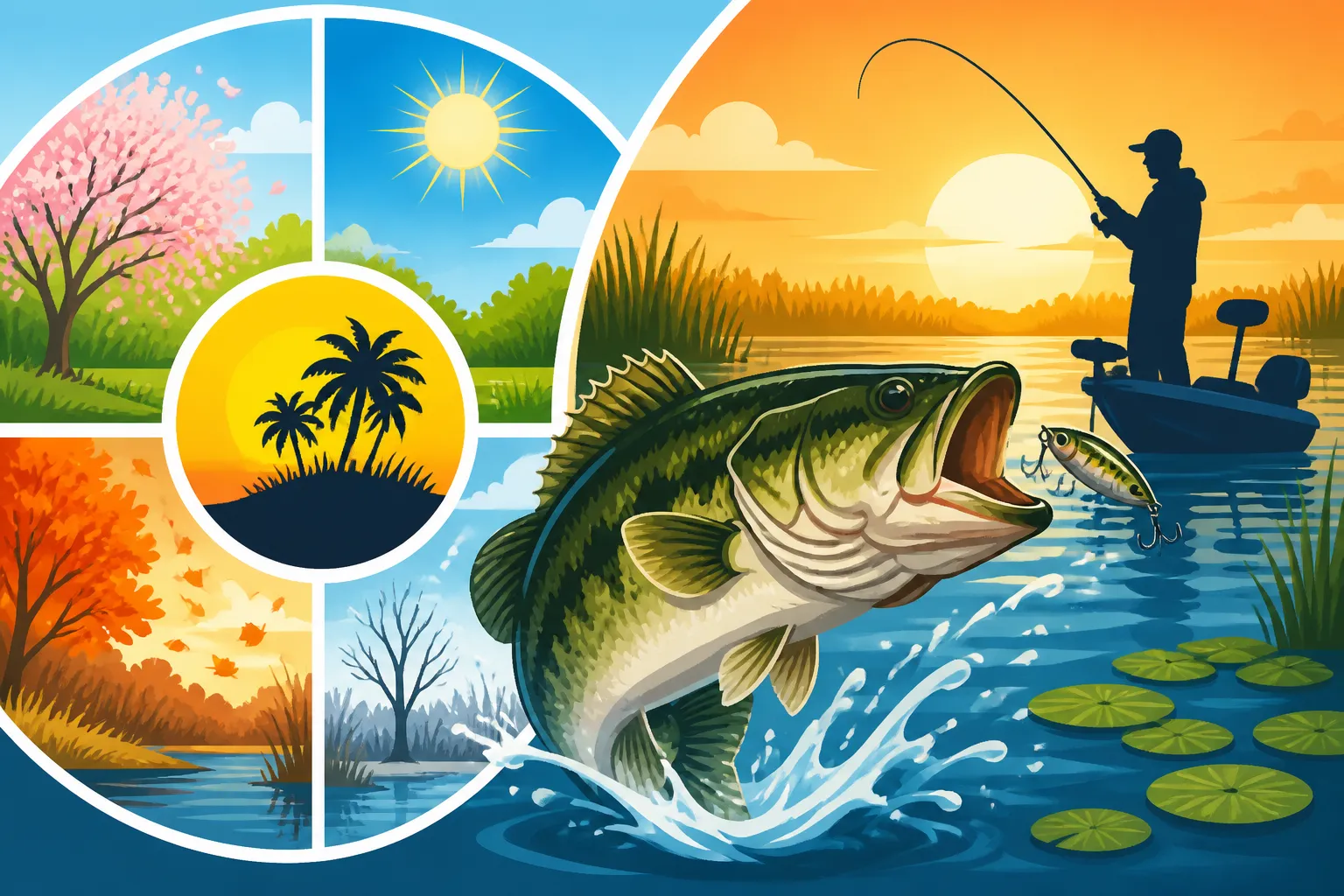
If you ask most seasoned Florida bass anglers or professional guides when the absolute best time to target trophy largemouth on Lake Okeechobee is, many will point directly to the cooler months of winter and early spring. This period, roughly from December through April, is often considered prime time, and for very good reasons. The cooler air temperatures lead to more stable water temperatures, which in turn cues the bass to become highly active, especially as they move into their pre-spawn and spawning phases.
During these months, bass migrate from deeper, open water areas into the shallower, vegetated edges of the lake. They're looking for prime nesting spots, often amidst the dense reeds, hydrilla, and cattails that line the vast expanses of the Big O. This makes them more accessible to anglers targeting these areas. Guides often employ various techniques, from flipping heavy jigs and Texas-rigged plastics into thick cover to slow-rolling spinnerbaits or even casting topwater lures on warmer days. The sheer number of big bass moving up means that a well-placed bait can result in some truly explosive strikes. It's not uncommon to hear tales of multiple five-pound-plus fish caught in a single outing during this peak period. However, be prepared for more company on the water, as this is when the lake sees its highest fishing pressure. Booking a guide well in advance, sometimes months ahead, is absolutely essential if you plan to fish during this bustling time.
The Transitional Seasons: Late Spring and Fall
While winter and early spring get most of the glory, the transitional periods of late spring (May-June) and fall (September-November) offer fantastic, albeit different, bass fishing opportunities on Lake Okeechobee. These months act as bridges between the intense spawn and the challenging summer heat, or the lingering summer heat and the approaching cold fronts. Guides who work the lake year-round truly shine during these times, demonstrating their adaptability.
In late spring, immediately after the main spawn has concluded, bass enter a post-spawn feeding frenzy. They're often recuperating from the rigors of spawning and are aggressively looking for easy meals. This can translate into excellent topwater action in the mornings and evenings, or strong bites on fast-moving baits like crankbaits and swim jigs as bass chase down baitfish. The crowds tend to thin out slightly compared to the peak spawn, offering a bit more elbow room. Fall, on the other hand, sees temperatures starting to drop, which invigorates the bass after the long summer. Baitfish schools become more concentrated, and bass actively feed to put on weight for the upcoming winter. This is a great time for reaction baits, like lipless crankbaits or spinnerbaits, fished around grass lines and points. The weather is generally pleasant, making for comfortable days on the water. A good guide will leverage their knowledge of Best Bass Fishing Hot Spots on Lake Okeechobee, Florida to find these transitioning fish and provide consistent action.
The Summer Challenge
Summer fishing on Lake Okeechobee, typically from July through August, presents a different kind of challenge. The Florida heat can be intense, and water temperatures climb, often pushing bass into deeper, cooler water or into the densest, shadiest cover they can find. This isn't to say fishing is bad; it just requires a change in tactics and expectations. Many anglers shy away from summer, but for those willing to brave the heat, rewards can still be found.
During these hot months, the bite often shifts to early mornings or late evenings, as the sun is less punishing and the water temperatures are at their lowest for the day. Bass become less active during the midday heat, preferring to conserve energy. Guides will often focus on deeper grass lines, hydrilla beds, or areas with good water flow, where bass can find both cooler water and ambush points for baitfish. Techniques like punching heavy mats of vegetation with soft plastics, or fishing deep-diving crankbaits along offshore structure, become highly effective. While you might not experience the sheer numbers of fish caught during the spawn, summer can produce some truly massive bass for anglers patient enough to grind it out. It's a great time to learn specific techniques from a guide focused on adapting to tough conditions. Remember to stay hydrated and protect yourself from the sun if you plan a summer excursion.
Factors Influencing Bass Fishing on Lake Okeechobee
Understanding the general seasonal patterns is a great start, but successful bass fishing on Lake Okeechobee is also heavily influenced by several dynamic factors that can change week to week, or even day to day. A seasoned guide's expertise lies in reading these factors and adjusting strategies accordingly.
Weather and Water Conditions
Florida weather is famously fickle, and it plays a huge role in how bass behave on Lake Okeechobee. Cold fronts, while often signaling the start of the peak season, can temporarily shut down a bite if they bring a sudden, drastic drop in temperature. Bass become sluggish and less willing to chase baits. Conversely, stable, warm weather, even in winter, can ignite an aggressive feeding pattern. Fishing After a Cold Snap in Florida definitely changes things up, and a good guide knows how to adapt.
Water temperature is perhaps the most critical factor, dictating bass metabolism and activity levels. Ideal spawning temperatures range from the mid-60s to low-70s Fahrenheit, which is why late winter and early spring are so productive. Water clarity also matters; after heavy rains, the lake can become muddied in certain areas, pushing bass to cleaner water or making them rely more on scent and vibration. Guides constantly monitor these conditions, using their experience to pinpoint the most promising areas. They'll know which canals or pockets might hold clearer water, or where the bass might be hunkering down when conditions are less than ideal.
Spawning Cycles and Fish Behavior
The largemouth bass spawning cycle is the engine that drives Lake Okeechobee's peak fishing season. Understanding its phases – pre-spawn, spawn, and post-spawn – is key to predicting fish behavior and knowing when to book your guide.
- Pre-Spawn (Late Fall to Early Winter): As water temperatures begin to drop from the scorching summer highs, bass start to move out of their deep-water summer haunts and stage in areas closer to their eventual spawning grounds. They're actively feeding to build up energy for the arduous spawning process, making them incredibly aggressive. This is a fantastic time for catching good numbers of chunky fish, often on reaction baits.
- The Spawn (Winter to Early Spring): This is the moment everyone anticipates. Bass move into shallow, protected areas, typically amidst vegetation, to build nests and lay eggs. Both males and females are highly territorial and can be very aggressive towards anything perceived as a threat to their nest. This is when sight fishing for bedding bass becomes popular, offering a unique challenge and the chance to catch true giants. This is also why many anglers specifically book guides during this window, often securing their dates months in advance.
- Post-Spawn (Late Spring): After the spawn, bass are often exhausted and scattered. Females especially will move to slightly deeper water to recover, while males guard the fry for a short period. Once rested, both sexes enter a period of aggressive feeding to regain strength. This is when a guide's knowledge of Florida Bass Fishing Techniques adapted for post-spawn becomes invaluable, as bass might be anywhere from shallow cover to deeper hydrilla edges. They might not be as concentrated as during the spawn, but hungry bass are always a welcome sight!
Tournament Schedules and Fishing Pressure
Lake Okeechobee is a renowned destination for professional and amateur bass fishing tournaments. These events, especially the larger ones, can significantly impact fishing pressure, boat traffic, and even guide availability. It's not uncommon for major tournaments to draw hundreds of boats to the lake, concentrating fishing efforts in certain areas.
If you're planning a trip during a popular tournament, you might find that many of the top guides are already booked, often far in advance, either participating themselves or guiding clients in preparation for these events. The increased fishing pressure can also temporarily make the bass more skittish or change their patterns, as they've seen countless lures. Conversely, fishing immediately after a major tournament can sometimes be feast or famine – either the fish are completely turned off, or they're ready to bite once the pressure is off. When you're looking to book, especially during the peak season, it’s always a good idea to check the FWC (Florida Fish and Wildlife Conservation Commission) calendar or major tournament organization websites for potential conflicts. Platforms like FishingBooker can sometimes offer insights into popular times and guide availability, helping you navigate these busy periods. A good guide will be well aware of these schedules and can advise you on the best times or areas to fish to avoid the heaviest crowds.
| Season | Typical Months | Pros for Bass Fishing | Cons for Bass Fishing |
|---|---|---|---|
| Peak Season | December – April | Spawning bass, trophy potential, stable weather | High fishing pressure, guides book up fast, crowded |
| Late Spring/Early Fall | May-June / September-November | Aggressive post-spawn/pre-spawn feeding, fewer crowds | Transitional patterns, weather can be unpredictable |
| Summer | July – August | Fewer crowds, unique deep-water techniques | Intense heat, tougher bite, early/late fishing best |
What to Expect from a Lake Okeechobee Bass Guide
Hiring a professional bass guide on Lake Okeechobee is an investment in your fishing success and experience. These guides don't just take you out on the water; they provide invaluable expertise, equipment, and a strategic approach tailored to the conditions of the day.
Guide Expertise and Local Knowledge
The value of a professional Lake Okeechobee bass guide cannot be overstated. These individuals spend hundreds of days a year on the water, meticulously tracking bass movements, seasonal patterns, and environmental changes. Their local knowledge goes far beyond what any casual angler can glean from maps or online reports. They know the subtle nuances of specific grass lines, the hidden hydrilla beds, the optimal depths for certain temperatures, and the current feeding preferences of the bass.
A great guide will understand how a slight change in wind direction affects a particular canal, or how a recent cold front might have pushed fish into a different type of cover. They’ve got years of experience reading the water, understanding the baitfish movements, and interpreting the signs that indicate where bass are holding. This isn't just about finding fish; it's about finding the right fish in the right spots, and knowing which techniques will entice them to bite. Their ability to adapt quickly to changing conditions is paramount, transforming what might be a frustrating day for a solo angler into a productive one. When you book a guide, you're not just renting a boat; you're tapping into a living, breathing database of Lake Okeechobee bass fishing wisdom.
Gear, Techniques, and Strategies Employed
When you step aboard a reputable Lake Okeechobee bass guide's boat, you can expect to find it fully equipped with top-of-the-line gear specifically chosen for the local waters and target species. This typically includes high-quality rods and reels spooled with the appropriate line, a vast array of proven lures and baits, and advanced electronics like GPS, sonar, and sometimes even live-imaging technology. This means you don't need to worry about bringing your own expensive tackle or guessing which lures will work.
Guides on Lake Okeechobee are masters of various techniques, and they'll select the best approach based on the season, water conditions, and bass behavior. In winter and spring, you might learn the art of "flipping and pitching" heavy jigs and soft plastics into thick vegetation, a highly effective method for extracting big bass from dense cover. During post-spawn or fall, you might be throwing topwater frogs over lily pads, working spinnerbaits along grass edges, or cranking deep-diving plugs in open water. Summer trips often involve punching through dense mats or meticulously working plastic worms and jigs. The guide will instruct you on how to properly cast, retrieve, and detect subtle bites, effectively giving you a hands-on masterclass in Florida Bass Fishing Techniques. Their strategy is always evolving, adapting to what the fish are doing that day, ensuring you're using the most productive methods available.
Booking Logistics and Preparation
Booking a Lake Okeechobee bass guide, especially during the coveted peak seasons, requires some foresight. The best guides often have their calendars filled months in advance, so early booking is highly recommended. You can often find and compare guides, check their availability, and even read reviews from past clients on platforms like FishingBooker. This makes the process much smoother than calling individual captains.
Once your trip is booked, your guide will typically provide details on what to bring. Essentials usually include sunscreen, a hat, polarized sunglasses (crucial for spotting fish and structure), appropriate clothing for the weather, and any food or drinks you'd like to have on the boat. Most guides provide all fishing gear, safety equipment, and often even have a cooler with ice. It's also important to discuss Florida Fishing License Requirements for Boat Captains and understand your own needs – while most guides cover the boat's license, individual anglers generally still need their own personal Florida freshwater fishing license. Confirm these details with your guide before your trip. Don't be afraid to ask questions about the type of fishing you'll be doing, what fish species you might encounter, and what their cancellation policy is, especially with Florida's unpredictable weather.
Making the Most of Your Okeechobee Bass Trip
A successful fishing trip isn't just about catching fish; it's about the entire experience, the learning, and the memories made. Approaching your Lake Okeechobee bass adventure with the right mindset can significantly enhance your enjoyment.
Flexibility and Realistic Expectations
One of the most valuable pieces of advice for any angler, especially when booking a guide for a natural environment like Lake Okeechobee, is to maintain flexibility and set realistic expectations. While guides are masters at putting you on fish, bass fishing is still fishing, not catching. There will be days when the bite is on fire, and other days when the fish are finicky, regardless of the guide's expertise. Weather fronts can roll in unexpectedly, water levels can fluctuate, and even the lunar cycle can impact fish activity.
Being flexible with your dates, if possible, can be a huge advantage. If your guide suggests moving a trip by a day or two to avoid a severe cold front or capitalize on a prime weather window, listen to their advice. It comes from a place of experience and a desire to make your trip as successful as possible. Understand that a "trophy bass" trip might not mean catching fifty fish, but rather targeting fewer, larger fish that require more patience and skill. Focus on learning from your guide, enjoying the beautiful surroundings, and appreciating the pursuit itself. The experience of being on the Big O with an expert, learning new techniques and insights, is valuable even if the fish aren't cooperating perfectly.
Considering the Off-Peak Advantages
While the peak seasons undoubtedly offer incredible opportunities, don't discount the advantages of fishing Lake Okeechobee during the "off-peak" periods, particularly late spring, summer, and parts of the fall. These times can offer a unique and often more relaxed fishing experience.
One of the most obvious benefits is significantly reduced fishing pressure. You'll encounter fewer boats on the water, especially in popular areas, giving you and your guide more room to explore and fish undisturbed. This can lead to less pressured fish and sometimes more consistent bites, even if the overall numbers aren't as high as during the spawn. You might also find that guide rates are slightly more competitive during these slower months, and booking availability is much easier. Furthermore, these seasons force guides and anglers to employ different strategies, which can be an excellent learning opportunity. For instance, perfecting the art of flipping heavy mats in the summer heat or targeting deeper brush piles can be incredibly rewarding. You might discover that you prefer the challenge and solitude of these quieter times, and the big bass are still there, just requiring a different approach.
Researching and Selecting Your Guide
Choosing the right guide is paramount to a successful Lake Okeechobee bass fishing trip. With many guides operating on the lake, doing your homework will ensure you find a captain whose style, expertise, and availability match your needs. Start by looking for guides who specialize in bass fishing on Lake Okeechobee specifically, as their focus will be on the nuances of this unique fishery.
Online platforms like FishingBooker are excellent resources for comparing different guides. You can often see their boat setup, read detailed descriptions of their services, and most importantly, check out client reviews and ratings. Pay attention to what past clients say about the guide's patience, instructional ability, local knowledge, and fish-finding prowess. Don't hesitate to contact potential guides directly with any questions you have. Ask about their preferred techniques, what types of bass fishing they specialize in, and what their philosophy is on catch and release versus keeping fish. Discussing your expectations beforehand ensures everyone is on the same page. A good guide will be happy to answer your questions and help you decide if they're the right fit for your dream Lake Okeechobee Fishing Guide adventure.
Disclaimer
This article is for general informational purposes only and does not constitute professional advice. Laws, prices and regulations vary by location and change over time. Consult a qualified professional for guidance on your specific situation.