Fishing After a Cold Snap in Florida
Oh, the dreaded Florida cold snap! It hits us every so often, and if you’re like me, your heart probably sinks a little, thinking about how it’s going to mess with your fishing plans. One day you’re in a t-shirt, catching fish left and right, and the next, a sudden cold front blasts through, dropping temperatures and leaving anglers wondering where all the fish went. This guide is all about navigating those post-cold snap waters, understanding what happens to our finned friends, and how you can still have a successful day on the water, even when it feels like everything's frozen solid.
The Immediate Aftermath: How a Cold Snap Shocks Florida's Fish
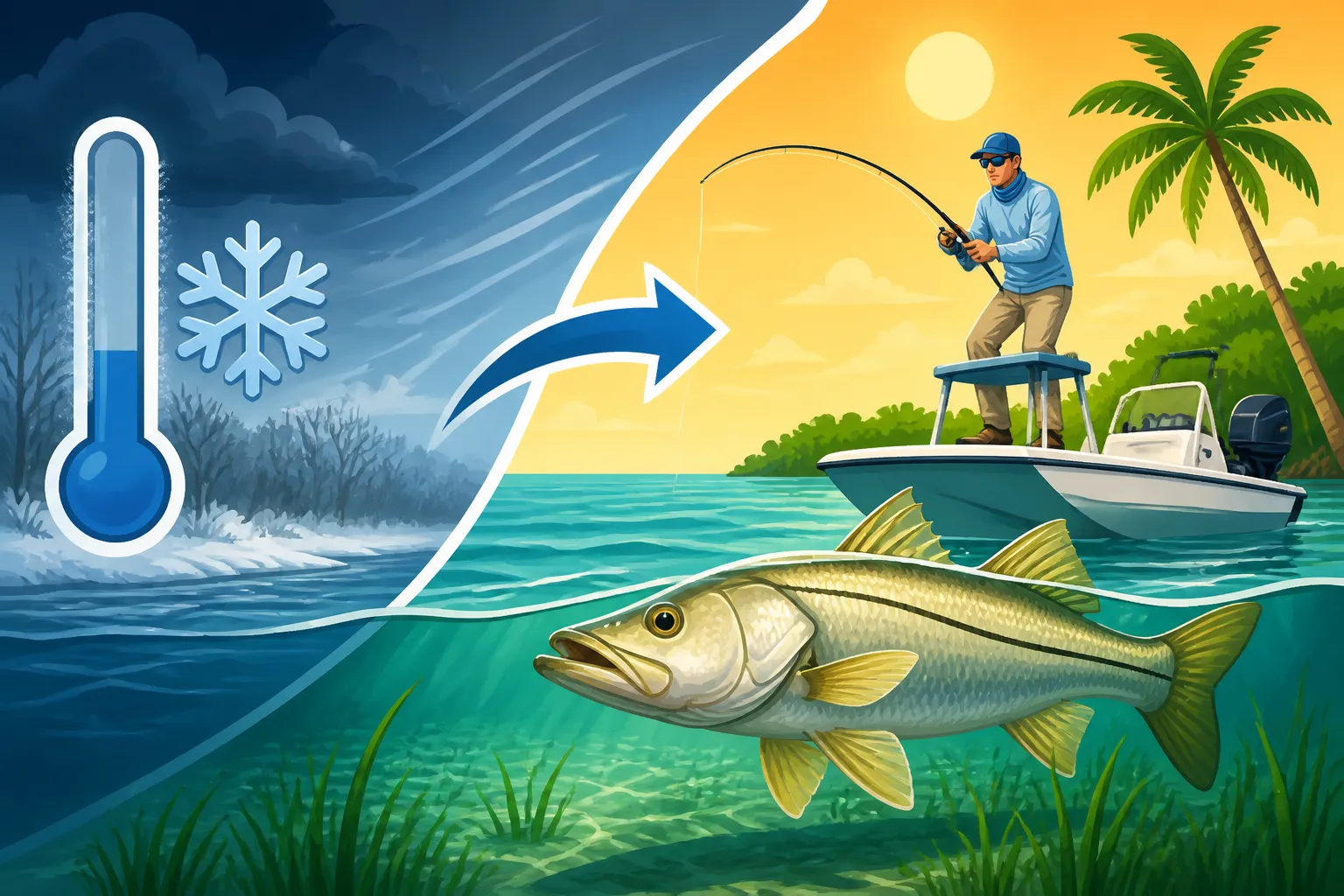
When a cold snap descends upon Florida, it's not just a chilly inconvenience for us; it's a dramatic, sometimes life-threatening event for the fish. Unlike areas further north where fish are accustomed to long, cold winters, Florida’s ecosystems are designed for warmth. A sudden drop in temperature sends a shockwave through the aquatic environment, and our beloved game fish react quickly and often predictably.
Understanding the Water Temperature Drop
Florida's shallow waters, particularly inshore flats, estuaries, and smaller freshwater lakes, are highly susceptible to rapid temperature changes. A strong cold front bringing freezing air temperatures and brisk winds can cool these shallow areas dramatically in a very short amount of time. We’re talking about water temperatures plummeting by 10, 15, or even 20 degrees Fahrenheit in less than 24 hours. This isn't just a minor shift; it's an extreme alteration of their environment.
These rapid drops in temperature force fish to make immediate decisions for survival. They can't just put on a jacket! Their metabolism is directly tied to water temperature, and cold water slows everything down. Think of it like trying to run a marathon in slushy snow after training in perfect sunny conditions – everything just becomes harder and slower. Understanding this rapid temperature shift is the first key to figuring out where the fish might be hiding.
The Physiological Impact on Fish
The most significant impact of a cold snap on fish is the drastic slowing of their metabolism. This means they become lethargic, less active, and their digestive systems effectively shut down. For species like snook, which are particularly sensitive to cold, prolonged exposure to temperatures below 50 degrees Fahrenheit can be deadly. You've probably heard the heartbreaking stories about "cold stun" events, where thousands of snook and other species are found lifeless after severe freezes. It's a stark reminder of their vulnerability.
Beyond the threat of cold stun, even less severe cold snaps make fish incredibly sluggish. Their immune systems can be compromised, making them more susceptible to disease. Their feeding instincts diminish greatly, as they're focused primarily on finding warmth and conserving energy rather than actively hunting. This physiological shutdown means that your typical fast-moving, aggressive presentations might not even register on their radar, let alone entice a strike. This knowledge is crucial when planning How Cold Fronts Affect Winter Fishing in Florida.
Where Do the Fish Go? Finding Post-Snap Havens
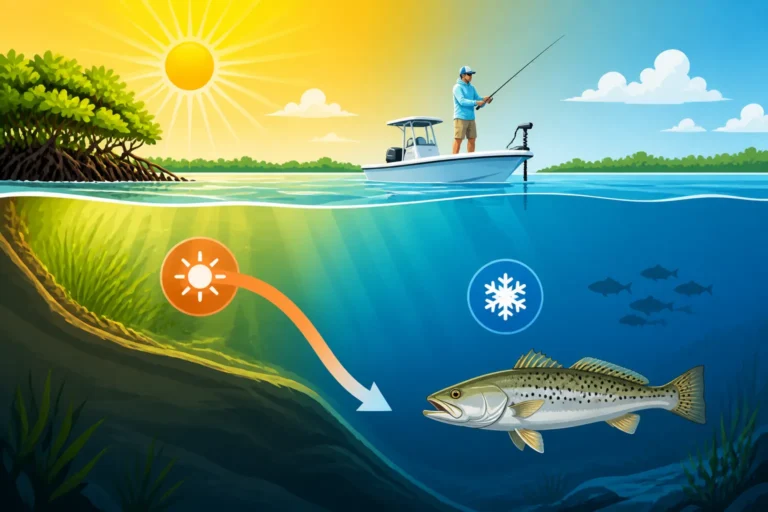
After a cold snap, fish aren’t just magically gone; they’ve simply moved to where they can find thermal refuge. Their survival instincts kick in, and they seek out the warmest water available, often congregating in these spots in large numbers. Knowing these predictable hideouts is half the battle in figuring out Where Fish Go During a Cold Snap in Florida.
Saltwater Sanctuaries: Inshore and Nearshore Hideouts
In the saltwater realm, especially in Florida's vast inshore waters, fish will abandon the shallow flats and exposed areas first. They’re looking for deeper pockets, dark-bottomed canals, residential canals, spring-fed creeks, and areas with warm effluent from power plants or industrial outflows. These spots, even if only a few degrees warmer, can be critical survival zones. Oyster beds and rocky structures in slightly deeper water can also retain heat better than open sand flats.
One of the most common and critical sanctuaries for snook, redfish, and trout are residential canals. These man-made waterways often have dark, muddy bottoms that absorb solar radiation, and their protected nature means less wind chill. Fish will pack into these canals, sometimes stacked hundreds deep, seeking warmth. Deeper channels, natural spring discharges, and areas around bridges that offer deeper water and structure are also prime targets. Remember, Why Snook Are Protected During Cold Weather is precisely because of their vulnerability in these conditions, so always be extra mindful of regulations and handling practices.
Freshwater Retreats: Lakes, Ponds, and Rivers
Freshwater species like largemouth bass, crappie, and bluegill also react to cold snaps by seeking warmer, more stable water. In larger lakes and rivers, this typically means moving to deeper holes, channels, and areas with dark, mucky bottoms that absorb and retain heat better. Creek mouths and spring-fed areas are also magnets for fish, as these influxes of water can be several degrees warmer than the main body of water. Submerged timber and dense hydrilla beds in slightly deeper water can also offer a degree of thermal insulation.
Smaller ponds and canals, while still affected, might see fish congregating in the deepest sections, especially if there's structure like submerged brush piles or docks. These structures can offer a slight thermal buffer and ambush points, even if metabolism is slowed. For anglers targeting species like those in a Florida Largemouth Bass Fishing Guide, understanding these depth and cover relationships is vital. They won't be chasing spinnerbaits in the shallows; they'll be hunkered down, waiting for a meal to come to them.
Your Game Plan: Tactics for Successful Post-Cold Snap Fishing
Alright, so the fish are cold and sluggish, and they’ve moved to specific areas. Now what? Your usual high-energy, fast-paced Florida fishing techniques are probably going to be a bust. Success after a cold snap demands a complete shift in your approach, focusing on slow, deliberate presentations in the right places at the right time.
Adjusting Your Approach: Slower, Deeper, Smaller
This is probably the most critical adjustment you’ll need to make. Forget about covering vast expanses of water quickly. After a cold snap, fish are holding tight to cover or the bottom, conserving energy. This means your retrieve needs to be incredibly slow, almost painstakingly so. Lures should be allowed to sit and soak in the strike zone for extended periods. Think subtle twitches, long pauses, and slow drags along the bottom.
Furthermore, you need to target deeper water than usual. The fish aren't going to be cruising the shallow flats unless there's an unusually warm sunny afternoon. Focus your efforts on the deepest parts of canals, channels, river bends, or lake depressions. If you’re throwing artificials, smaller profiles often work better, mimicking lethargic or vulnerable baitfish or crustaceans that are easier for sluggish predators to catch. Sometimes even a 1/8 oz jig head with a small soft plastic is all it takes, rather than a bulky swimbait.
Bait and Lure Selection for Chilly Waters
When the water is cold, live bait often reigns supreme. A twitching, struggling live shrimp or a small mud minnow can be irresistible to a cold-stunned fish that won't expend much energy chasing. If you're going the live bait route, keep them lively and present them slowly, letting them drift naturally or just barely bumping the bottom. For example, when it comes to Best Bait for Snook Fishing in Florida, a live shrimp or small pinfish presented slowly is often far more effective than a fast-moving topwater lure in these conditions.
If artificials are your preference, think soft plastics, suspending baits, and jigs. Darker colors tend to absorb heat better and can be more visible in deeper, sometimes murkier, cold-water conditions. Soft plastic jerkbaits or grubs rigged on light jig heads, slowly bounced along the bottom, can imitate distressed baitfish. Suspending twitchbaits are excellent because you can cast them out, twitch them a few times, and then let them suspend in the strike zone for a long, enticing pause. You might find a good selection of cold-water specific lures and accessories on Amazon, which can deliver them right to your door before your next outing.
Timing is Everything: When to Hit the Water
After a cold snap, the best fishing window is often very specific. Forget those early morning, pre-dawn starts. Fish are at their coldest and most lethargic then. Instead, focus on the warmest part of the day, typically from late morning through mid-afternoon. When the sun has had a chance to beat down on those dark bottoms and protected waters for a few hours, the water temperature might rise just enough to spark a brief feeding window.
Look for bluebird skies and light winds – conditions that allow the sun’s rays to penetrate the water and warm it. A rising tide during this warmest part of the day can also be beneficial in saltwater, pushing slightly warmer water into those deeper pockets. You'll want to adjust your schedule and think about Best Time of Day to Fish in Florida not just generally, but specifically for these post-cold snap conditions. Sometimes, just a one or two-degree rise in water temperature can make all the difference.
Species-Specific Strategies for Cold-Stunned Fish
While the general principles of slow, deep, and warm water apply across the board, different species have varying tolerances and reactions to cold. Understanding these nuances can help you fine-tune your approach for the fish you're targeting.
Targeting Saltwater Favorites
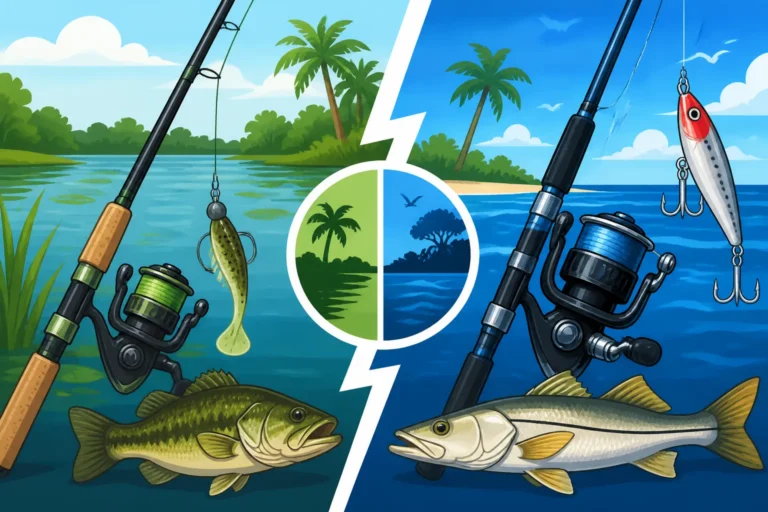
Our prized inshore saltwater species—snook, redfish, and spotted seatrout—are the ones most dramatically affected by cold snaps.
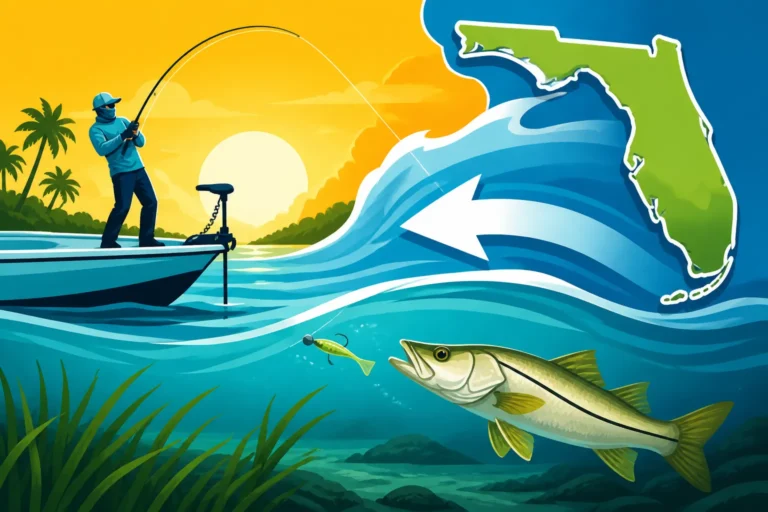
- Snook: These tropical fish are the most susceptible. After a cold snap, they will congregate in massive numbers in deep, protected residential canals, spring-fed rivers, and power plant discharges. Your best bet is to target these areas during the warmest part of the day with very slow presentations. Small live shrimp or mud minnows, fished on a jig head or under a popping cork with a long leader, are excellent. Artificials like suspending twitchbaits or soft plastic paddle tails on light jig heads, retrieved at a snail’s pace with long pauses, can also work. Remember, What Happens to Snook During a Cold Snap? is a severe physiological stress, so handle them with extreme care if you do catch one, ensuring a quick and gentle release.
- Redfish: While more tolerant of cold than snook, redfish will still seek out deeper, warmer water. Look for them in deeper sections of canals, along mangrove shorelines that have deep cuts, or on oyster bars in slightly deeper water. They might even hug residential docks. A slowly retrieved weedless gold spoon or a scented soft plastic on a jig head worked along the bottom can entice a strike. Live shrimp or cut bait, allowed to sit on the bottom, can also be effective.
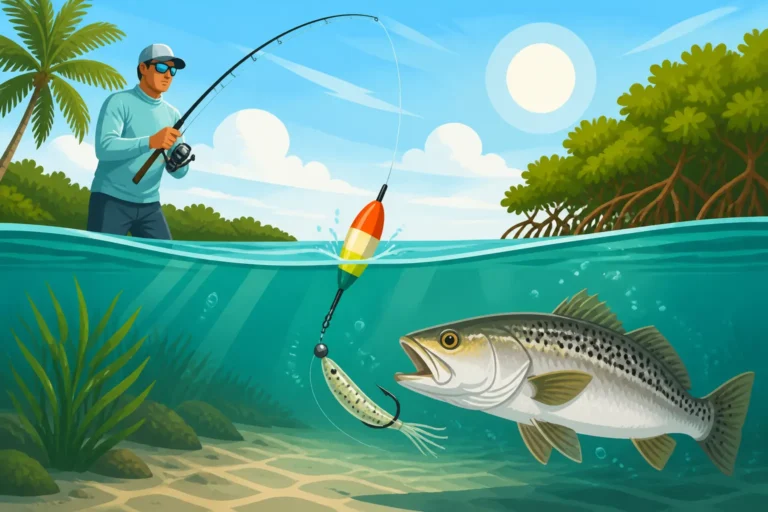
- Spotted Seatrout: These fish also move from shallow grass flats to deeper troughs, channels, and sometimes residential canals. They might hold just off the edges of deep grass beds or near oyster structures. Slow-sinking suspending lures, or soft plastic grubs and paddle tails on light jig heads, twitched and paused near the bottom, are your best bet. A live shrimp under a popping cork, fished slowly, can also be deadly. You can find excellent quality jig heads and soft plastics for trout fishing on Amazon. For more on these beauties, check out our Florida Spotted Seatrout Fishing Guide.
It’s also particularly important during these times to know and follow all regulations, especially size and bag limits. Cold-stunned fish are vulnerable, and we need to ensure their populations remain healthy. Ignoring limits could lead to issues where What Happens If You Keep an Undersized Fish in Florida results in fines and harm to the fishery.
Pursuing Freshwater Giants
Freshwater fish in Florida, while not facing the exact same cold stun risks as snook, still get incredibly sluggish after a cold snap.
- Largemouth Bass: Florida bass will pull off shallow flats and move to deeper main lake basins, channel bends, submerged timber, and brush piles. They'll also gravitate towards dark, mucky bottom areas that absorb heat. Your approach needs to be painfully slow. Jigs, especially football jigs or flipping jigs, slowly dragged or pitched into cover, are highly effective. Carolina rigs and Texas rigs with plastic worms or creature baits, fished with minimal movement, can also trigger strikes. Lipless crankbaits or suspending jerkbaits might work if retrieved with long pauses. Sometimes, even a slower retrieve with a spinnerbait or a chatterbait in deeper water can surprise them, especially if the sun has been out for a while.
- Crappie (Speckled Perch): These delicious panfish will often suspend in deeper water over brush piles or other structure after a cold snap. Vertical jigging small jigs or using live minnows under a slip bobber, set to the depth where you're seeing fish on your sonar, is the key. Look for them in river channels or deep holes in lakes like Lake Okeechobee or other Best Freshwater Fishing Lakes in Florida.
- Panfish (Bluegill, Sunfish): Even smaller panfish will seek the warmest, deepest water available. Small worms or crickets fished on tiny hooks under a bobber, targeting deep pockets in canals or around boat docks, can still produce bites. Again, slow and steady wins the race here.
Remember, patience is paramount when fishing after a cold snap. The bite might be subtle, and you might need to work a spot much longer than usual. But when you do connect with a fish, the reward of cracking the code on a tough bite is incredibly satisfying. Before you head out, make sure your Florida Fishing License Guide is up to date and you understand the specific regulations for the species you're targeting.
| Species | Typical Cold Snap Behavior | Recommended Post-Snap Lure/Bait | Retrieval Strategy | Prime Locations After Cold Snap |
|---|---|---|---|---|
| Snook | Highly sensitive, seek extreme warmth, lethargic | Live Shrimp, Mud Minnows, Suspending Twitchbaits, Soft Plastics | Very slow, long pauses, subtle twitches | Deep residential canals, spring-fed rivers, power plant discharges |
| Redfish | Seek deeper, protected water, less active | Live Shrimp, Cut Bait, Scented Soft Plastics, Gold Spoons | Slow bottom drags, occasional twitches | Deep canal sections, mangrove cuts, oyster bars (deeper), docks |
| Spotted Seatrout | Move to deeper troughs, channels, lethargic | Live Shrimp (under cork), Soft Plastics (jigged), Suspending Lures | Slow retrieve with long pauses, light jigging | Deeper grass flat edges, channels, residential canals |
| Largemouth Bass | Seek deep holes, structure, slow metabolism | Jigs, Carolina Rigs, Texas Rigs, Suspending Jerkbaits | Slow drags, pitches into cover, long pauses, minimal movement | Deep main lake basins, channel bends, submerged timber, brush piles |
| Crappie | Suspend over deep structure, lethargic | Live Minnows, Small Jigs | Vertical jigging, slow retrieve under slip bobber | Deep brush piles, river channels, deep holes in lakes |
Disclaimer
This article is for general informational purposes only and does not constitute professional advice. Laws, prices and regulations vary by location and change over time. Consult a qualified professional for guidance on your specific situation.