Best Season to Book an Offshore Grouper Charter
Deciding on the absolute "best" season to book an offshore grouper charter in Florida can feel like trying to hit a moving target. Anglers often get excited about a specific time of year, only to find out that regulations have shifted, or the weather patterns are making certain areas unfishable. This guide is here to help you navigate those complexities, offering a realistic breakdown of the factors at play so you can pinpoint the most promising times to land that prized grouper.
Understanding Florida's Grouper Seasons
The first thing you need to grasp is that grouper seasons in Florida aren't just one blanket rule. They are dynamic, heavily regulated, and can change based on the specific species of grouper, whether you're fishing the Gulf or Atlantic coast, and even what government agency is making the rules. It’s a lot to keep track of, and it’s a common source of frustration for both seasoned anglers and newcomers alike.
The Regulatory Dance: Why Seasons Change
Florida's grouper fisheries are managed by both state (Florida Fish and Wildlife Conservation Commission, FWC) and federal (NOAA Fisheries) agencies. This dual oversight means regulations can sometimes feel like a complicated dance, particularly when it comes to offshore species that might roam between state and federal waters. These regulations are in place to ensure the sustainability of grouper populations, which is incredibly important, but it does mean anglers need to stay vigilant.
Imagine you're planning a dream trip for next summer, booking your flights and accommodation six months out. You check the regulations, and everything looks good. Then, a few weeks before your trip, a new federal amendment comes down the pipe, shortening the season or even closing it in certain areas due to stock assessments. It happens. This kind of last-minute change is a real possibility, especially for highly regulated species like Gag Grouper and Red Snapper. That's why it's crucial to always, always, verify the most current regulations directly with the FWC or NOAA closer to your trip date. You can get a general overview by checking out resources like our Florida Grouper Season Guide.
General Trends for Gulf Coast Grouper
The Gulf of Mexico side of Florida is perhaps best known for its robust grouper fisheries, primarily Red Grouper and Gag Grouper. These two species often have different seasonal restrictions.
- Red Grouper in the Gulf generally has a more consistent and often longer open season compared to Gag Grouper. While there can be federal changes, it's not uncommon to find Red Grouper open for much of the year in federal waters, though state water rules might differ. They are a staple catch for offshore charters and can be found over hard bottom, ledges, and wrecks at varying depths.
- Gag Grouper in the Gulf is a different beast entirely. It's often subject to much shorter, more specific open seasons, sometimes only a few months out of the year. Historically, you might see Gag Grouper seasons open in late spring or early summer, and then again in the fall. These seasons are often determined by annual stock assessments and can change from one year to the next. The demand for Gag Grouper charters during these brief windows is incredibly high because they are a fantastic fighting fish and excellent table fare. For the most current information, you'll definitely want to check specific guides like our Florida Gag Grouper Season Dates.
General Trends for Atlantic Coast Grouper
While the Gulf gets a lot of attention for its grouper, the Atlantic side of Florida also boasts excellent grouper fishing. Here, you'll find species like Gag, Red, Scamp, Black, and Snowy Grouper, among others.
- Atlantic Gag Grouper seasons can also be regulated, but they often follow slightly different patterns than their Gulf counterparts. It's not uncommon for the Atlantic season to be open for longer stretches, sometimes from late spring through early winter. This can offer a more extended window of opportunity for anglers.
- Atlantic Red Grouper are also plentiful and generally have open seasons that are more generous, similar to the Gulf side. Many offshore charters along the Atlantic coast target Red Grouper as a primary bottom fish.
- Other species, like Snowy and Scamp Grouper, often have specific regulations that can differ. These deepwater species are typically targeted by charters running further offshore into federal waters. When planning your trip, it's always a good idea to discuss with your chosen charter captain which species they anticipate being open and abundant. You can learn more about these different species in our comprehensive Florida Grouper Fishing Guide.
Factors Influencing Grouper Activity (Beyond Regulations)
While regulations dictate when you can fish, other environmental factors heavily influence where the grouper will be and how actively they'll bite. Understanding these elements is key to having a successful and enjoyable offshore charter.
Water Temperature and Grouper Behavior
Water temperature is a huge driver of grouper movement and feeding patterns. These fish are ectothermic, meaning their body temperature, and thus their metabolism, is regulated by the surrounding water.
- Cooler Months (Late Fall to Early Spring): As water temperatures drop, particularly after a strong cold front, Gag Grouper in the Gulf of Mexico often move shallower. This can be a fantastic time for inshore or nearshore grouper fishing, as they congregate on shallower ledges and rock piles. However, offshore, Red Grouper might still be active in deeper, more stable temperatures. For anglers who don't want to venture too far offshore, cooler months can present unique opportunities closer to shore for specific species.
- Warmer Months (Late Spring to Early Fall): During the peak of summer, surface waters become very warm. Many grouper species, particularly larger ones, will retreat to deeper, cooler waters offshore. This means charters might have longer runs to reach productive grounds. While it's still possible to catch grouper, the intense heat can sometimes make the bite a bit slower in shallower offshore areas. You might find a charter focused on deeper wrecks or reefs to find the most active fish. It also means you'll be out in the blazing sun, so proper hydration and sun protection are non-negotiable.
Spawning Cycles and Aggression
Grouper, like many fish, have specific spawning cycles, and these periods can sometimes influence their behavior and catchability.
- Spawning Aggregations: Some grouper species, particularly Gag Grouper, form spawning aggregations in specific offshore locations. While fishing during these peak spawning times might be restricted to protect the species, the period leading up to and immediately following spawning can sometimes see increased activity as the fish feed heavily. Charters that are aware of these cycles will adjust their strategies accordingly, targeting areas where fish are likely to be staging or recovering.
- Post-Spawn Feeding: After the energy expenditure of spawning, grouper can become quite aggressive feeders. This post-spawn period can often coincide with favorable fishing conditions and open seasons, offering excellent opportunities for anglers. A knowledgeable captain will be tracking these cycles and have a good idea of where the fish are likely to be.
Weather Patterns and Offshore Conditions
Nobody wants to pay for an offshore charter only to get tossed around like a cork, or worse, have their trip canceled due to unsafe conditions. Florida's weather is beautiful, but it can be notoriously unpredictable, especially offshore.
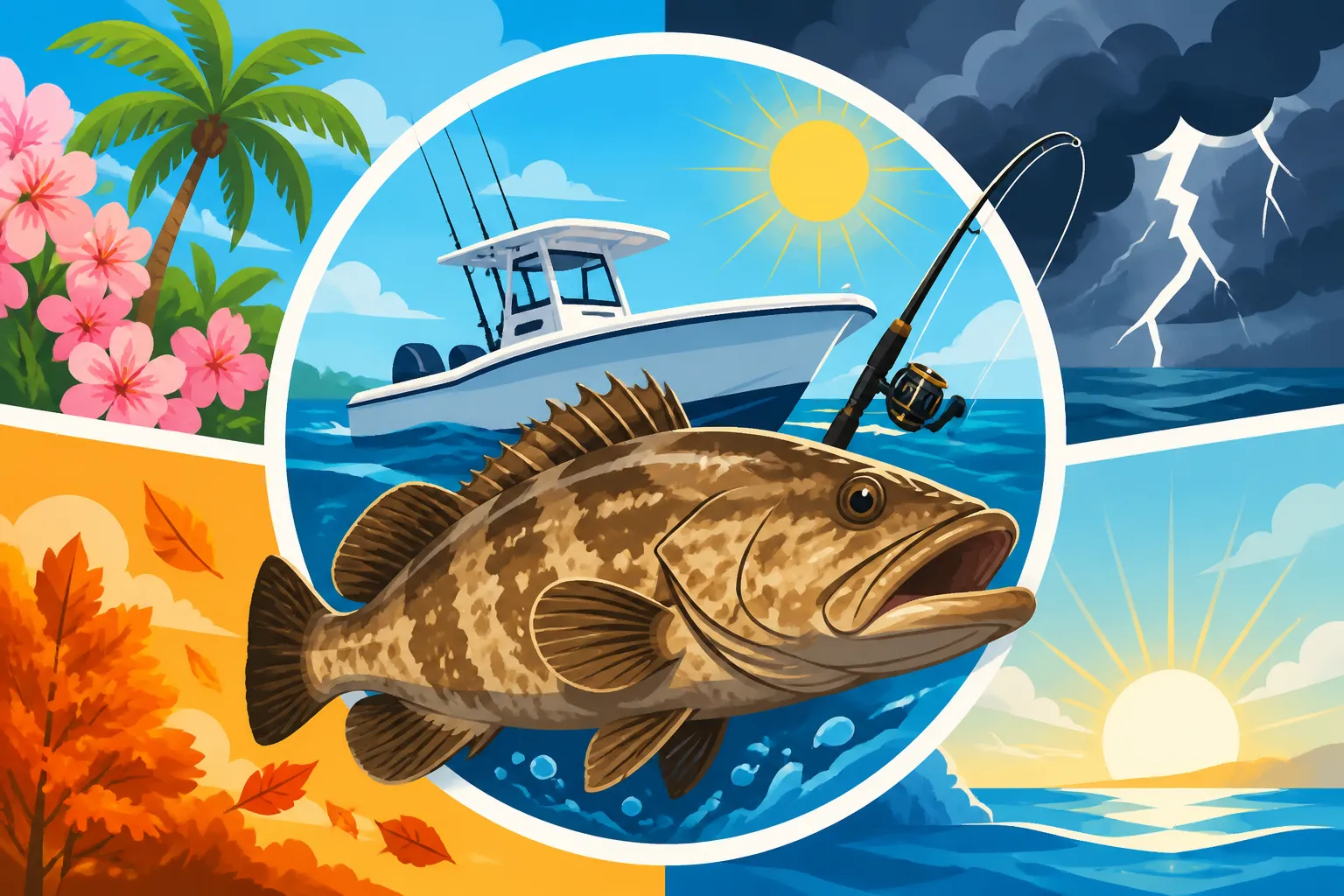
- Spring and Fall: These are often considered the "shoulder" seasons and can offer some of the most stable and pleasant weather for offshore fishing. Cold fronts are less frequent than in winter, and the oppressive heat of summer hasn't fully set in (or has begun to recede). Calmer seas make for a much more comfortable ride out to the fishing grounds and easier fishing once you're there.
- Summer (June – November): This is hurricane season in Florida, and while not every summer day brings a storm, afternoon thunderstorms are a daily occurrence, and tropical systems can pop up quickly. Even without a direct hurricane threat, large swells can linger for days, making offshore trips uncomfortable or impossible. Charters are very vigilant during this time, and flexibility with your booking is often a good idea. For more on this, check out Fishing During Florida's Hurricane Season.
- Winter (December – February): While beautiful on land, winter can bring strong cold fronts that push through the state, bringing high winds and rough seas offshore. Trips might be canceled or rescheduled frequently during these months due to weather. However, on calm days, the fishing can be fantastic, especially for species that move shallower in cooler water.
Choosing Your Optimal Grouper Charter Season
So, with regulations, water temperature, and weather all playing a role, how do you pick the best time? It really comes down to balancing these factors with your personal preferences and flexibility.
Peak Seasons for Consistent Action
Generally speaking, the late spring and early summer (April-June), and then again in the fall (September-November), are often considered the prime windows for offshore grouper fishing in Florida.
- Late Spring/Early Summer: This period is often a sweet spot. Water temperatures are warming up, triggering increased fish activity, but before the oppressive summer heat truly settles in. Gag Grouper seasons in the Gulf are frequently open during this time, making it a highly sought-after window. The weather is often more stable with fewer strong cold fronts than winter and fewer tropical disturbances than late summer. If you're looking for consistent action and a good chance at a variety of grouper species, this is a fantastic time. You'll want to book your charter well in advance during these peak times, as the best captains fill up quickly. Using a service like FishingBooker can help you compare available dates and captains.
- Fall (Post-Summer): As summer's heat and hurricane season begin to wane, the fall can offer another fantastic opportunity. Water temperatures start to cool, often stimulating a strong bite. Gag Grouper seasons in the Gulf often reopen in the fall, creating another flurry of activity. The weather can be absolutely gorgeous, with crisp, clear days and calmer seas, making for a truly enjoyable offshore experience. This is also often considered one of the Best Time of Year to Fish in Florida overall for many species.
Shoulder Seasons: Good Fishing, Fewer Crowds
If you prefer a slightly less crowded experience or have more flexibility with your schedule, considering the "shoulder" seasons can be a smart move.
- Early Spring (March): While still technically spring, March can sometimes feel like a transition month. Depending on how quickly water temperatures rise and how many cold fronts have passed, fishing can be excellent. The crowds typically haven't reached their peak yet, and you might find more availability with your preferred Florida Offshore Fishing Charter Guide. You might also encounter slightly better rates during these times.
- Early Winter (December – January): If the weather cooperates between cold fronts, early winter can provide some spectacular fishing, especially for Gag Grouper that have moved shallower in the Gulf. However, you run a higher risk of weather-related cancellations. If you're flexible and can book last-minute when a weather window opens up, you could be rewarded with some incredible fishing without the high season crowds. It’s a bit of a gamble, but the payoff can be huge for those looking for a more relaxed trip.
What to Expect in Off-Seasons (If Open)
Even when certain grouper seasons are technically "open" during less ideal times of the year (like the peak of summer or deepest winter), the fishing experience can differ significantly.
- Summer Challenges: If you're fishing for grouper in the middle of summer, be prepared for longer runs offshore to deeper water where the fish seek cooler temperatures. The heat can be intense, and afternoon thunderstorms are a regular occurrence, potentially cutting your trip short. However, experienced captains know how to adapt, focusing on early morning starts and targeting specific depths and structures.
- Winter Challenges: Winter offshore fishing can be feast or famine. When a cold front blows through, the seas can be too rough to venture out. But on those calm, high-pressure days in between fronts, the fishing can be phenomenal, especially for species like Gag Grouper moving inshore. It often requires more patience and flexibility.
Booking Tips and Charter Availability
Regardless of when you decide to go, booking your charter is a critical step. For those peak seasons (late spring/early summer, fall Gag Grouper seasons), book as far in advance as possible. The best captains are often booked out months ahead of time.
- Research and Compare: Use reputable platforms to find and compare charters. FishingBooker is a great resource where you can read reviews, see what's included in the price, and check availability. This helps ensure you're getting a quality experience with an experienced captain.
- Communicate Your Goals: When you book, be clear with the captain about your primary target species (e.g., Gag Grouper, Red Grouper) and your expectations. They can advise you on the most realistic season and conditions.
- Be Flexible: Especially if you're aiming for a species with a short season or fishing during a more volatile weather period, try to have a backup date or two in mind, if possible. This makes it easier for the captain to reschedule if conditions become unsafe. For more details on the process, read our How to Book a Florida Fishing Charter Online guide.
Species-Specific Considerations for Grouper
While we often talk about "grouper" as a single entity, different species have different habits, preferred habitats, and, critically, different regulations. Understanding these nuances will refine your decision for the best charter season.
Red Grouper: Often More Accessible
Red Grouper are arguably the most commonly caught grouper species in Florida, especially in the Gulf of Mexico. They are known for their reddish-brown color, distinct white spots, and relatively consistent availability.
- Broader Season: Red Grouper generally enjoy longer open seasons, making them a reliable target for offshore charters for much of the year. While exact dates can vary, they often have a more stable regulatory framework compared to Gag Grouper.
- Habitat: You'll typically find Red Grouper over hard bottom, ledges, and rocky reefs in depths ranging from 60 to over 300 feet. They are ambush predators that lurk near structure.
- Best Seasons: Given their longer seasons and wide distribution, Red Grouper are a good target for charters from spring through fall. Even in winter, on calm days, they can be successfully targeted in deeper waters where temperatures are more stable. If you're simply looking to catch a good eating grouper and the Gag season is closed, Red Grouper are an excellent alternative. Our Florida Grouper Fishing Guide has more on this species.
Gag Grouper: The Elusive Prize
Gag Grouper, often called "grey grouper" or simply "Gag," are highly prized for their powerful fight and exceptional flavor. They are typically darker in color with worm-like markings.
- Specific Seasons: This is where things get tricky. Gag Grouper seasons, especially in the Gulf, are often much shorter and subject to more frequent changes. Historically, Gulf Gag seasons might open for a short window in late spring/early summer and then again in the fall. These windows are often very specific and announced by FWC and NOAA well in advance (but still subject to change).
- Habitat: Gag Grouper are often found in shallower waters than Red Grouper, especially during cooler months. They love ledges, wrecks, rock piles, and even large sponges in depths from 20 to 200 feet, sometimes even inshore in colder water. Their tendency to move shallower makes them an exciting target for nearshore charters during specific times.
- Best Seasons: If Gag Grouper is your primary target, you absolutely must align your trip with the announced open seasons. For the Gulf, this typically means late spring/early summer and fall. These times are highly competitive for charters, so booking far in advance is essential. Keep a close eye on the Florida Gag Grouper Season Dates to ensure you pick an open window.
Other Grouper Species (Black, Scamp, etc.)
Florida waters are home to several other grouper species that charters might target, especially when conditions or regulations favor them.
- Black Grouper: These are often found alongside Gag Grouper and can grow to impressive sizes. Their seasons can sometimes align with Gag seasons or have slightly different regulations. They are a powerful fighting fish.
- Scamp Grouper: A delicious deepwater species, Scamp are known for their slender bodies and excellent table fare. They are typically found in deeper offshore waters and can be targeted during extended offshore trips.
- Snowy Grouper, Warsaw Grouper, Speckled Hind: These are generally deepwater species, requiring longer runs and specialized deep dropping techniques. Their seasons are often tied to federal management plans and can be highly restrictive due to their slow growth rates.
If you have a particular grouper species in mind, always confirm with your charter captain that they typically target that species and that its season will be open during your desired dates. The best captains are well-versed in the regulations and can guide you to the most productive and legal fishing.
General Grouper Fishing Season Overview
Here's a quick summary table to help visualize the general best times for targeting grouper, keeping in mind that regulations are always the final word and can supersede these general trends.
| Grouper Species | Location | General Best Season | Notes |
|---|---|---|---|
| Gag Grouper | Gulf of Mexico | Late Spring/Early Summer, Fall | Highly regulated with often short, specific open seasons. Check FWC dates carefully. Often move shallower in cooler months. |
| Red Grouper | Gulf of Mexico | Spring, Summer, Fall | More consistent open seasons. Good year-round potential in deeper water if accessible. |
| Gag Grouper | Atlantic Coast | Late Spring, Summer, Early Fall | Seasons vary, generally less pronounced closures than Gulf. Always check FWC. |
| Red Grouper | Atlantic Coast | Spring, Summer, Fall | Good general availability. Less impacted by major closures. |
| Black Grouper | Both Coasts | Generally warmer months | Can be targeted offshore, often alongside Gag. Check specific regulations. |
| Scamp Grouper | Both Coasts | Year-round (deeper water) | Deeper water species, often less impacted by seasonal closures for shallower grouper, but still regulated. |
Choosing the "best" season to book an offshore grouper charter in Florida is clearly a nuanced decision. It requires more than just picking a pretty month on the calendar; it demands an understanding of complex regulations, the impact of natural factors like water temperature and weather, and even the specific habits of the grouper species you're hoping to catch.
Ultimately, flexibility and diligent research are your best allies. Keep an eye on the official FWC and NOAA Fisheries websites for the most current regulatory information. Work with reputable charter captains who are experts in their local waters and stay on top of the rules. Using platforms like FishingBooker can help you find experienced guides and compare options that suit your schedule and target species. Whether you prioritize calmer seas, specific species, or fewer crowds, there’s a window of opportunity in Florida's vast waters for your ideal grouper adventure.
Disclaimer
This article is for general informational purposes only and does not constitute professional advice. Laws, prices and regulations vary by location and change over time. Consult a qualified professional for guidance on your specific situation.