Best Bass Fishing Hot Spots on Lake Okeechobee, Florida
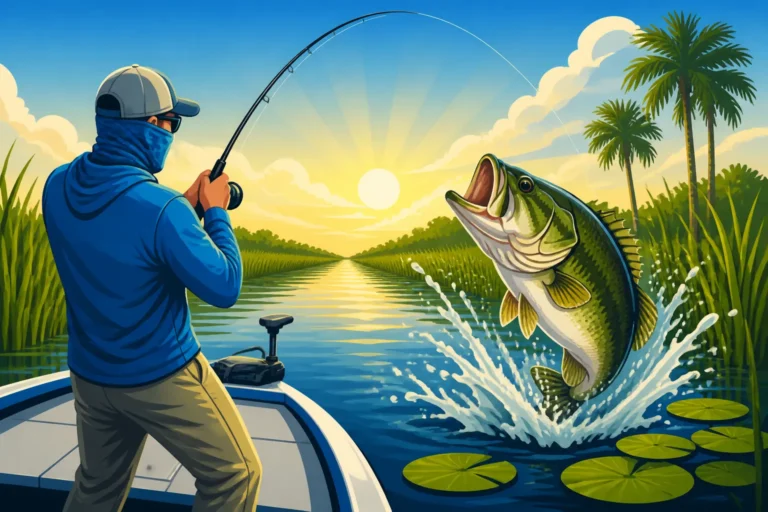
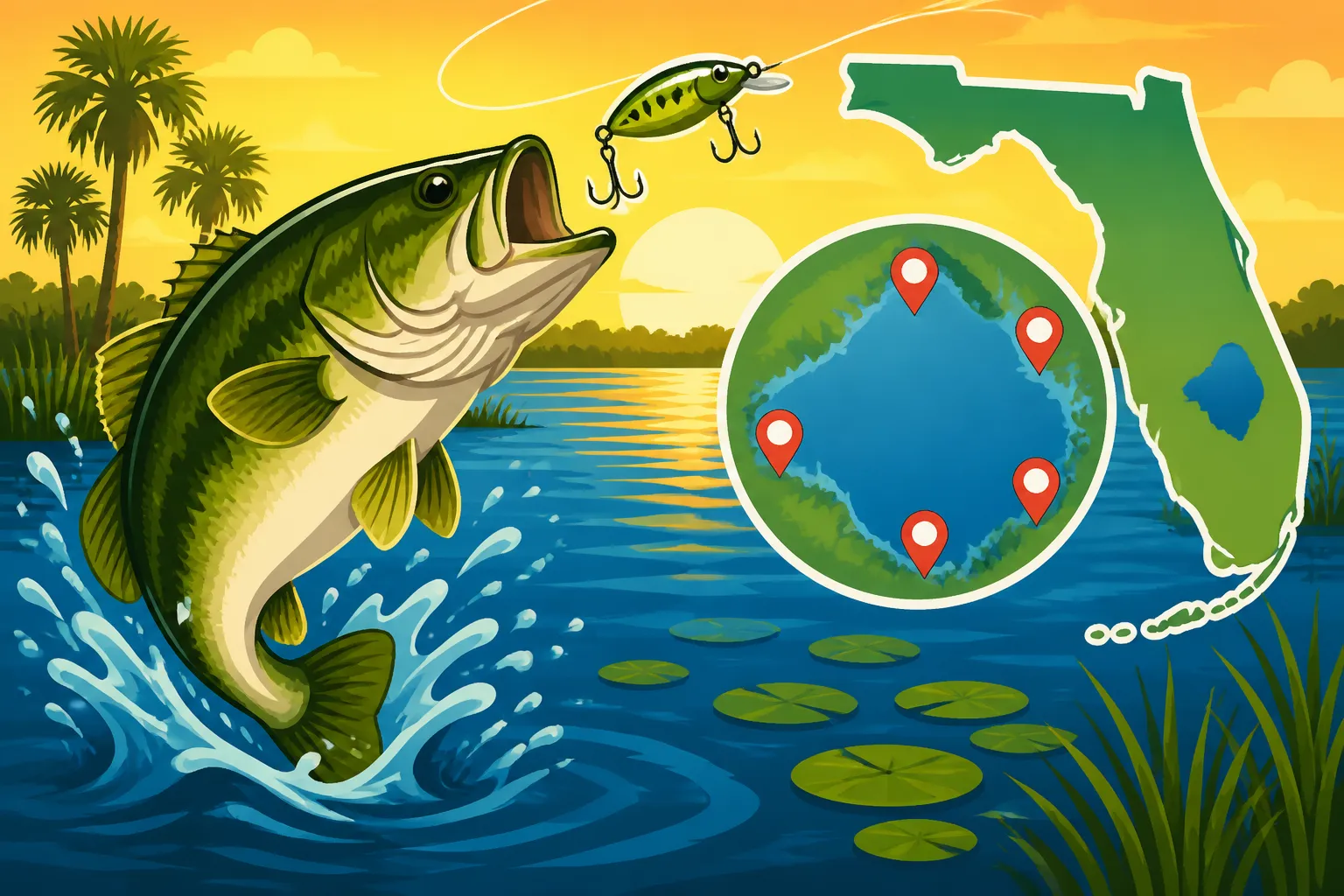
The sheer size of Lake Okeechobee, often affectionately called the "Big O," can be intimidating for any angler, whether you're a seasoned pro or just starting out. Spanning over 730 square miles, it's easy to feel lost amidst its vast expanse, wondering where on earth the best bass fishing hot spots truly are. This comprehensive guide is here to demystify the "Big O," breaking down its most productive areas, essential techniques, and seasonal strategies to help you land those legendary Florida largemouth bass.
The Lure of the "Big O" for Bass Anglers
Lake Okeechobee isn't just a large body of water; it's a living, breathing ecosystem perfectly designed for growing monster largemouth bass. Its unique characteristics are what draw anglers from all over the world, hoping to catch the fish of a lifetime.
An Ecosystem Built for Giants
Imagine a shallow, vast inland sea, teeming with life – that's Lake Okeechobee. Averaging only about 9 feet deep, its expansive shallowness allows sunlight to penetrate, fostering dense vegetation growth that provides ideal habitat for bass and their prey. The lake is encircled by a diverse mix of marshy grasses, cattails, reeds, and hydrilla, which serve as nurseries, ambush points, and protective cover. This rich, varied environment supports an incredible forage base, including abundant populations of golden shiners, shad, bluegill, and various other baitfish. It's this continuous, readily available food supply, coupled with the warm Florida climate, that allows bass to grow quickly and reach impressive sizes. The sheer biological productivity of the lake means that bass always have something to eat, leading to healthy, strong fish with impressive girth.
Why Lake Okeechobee is a Trophy Bass Haven
Lake Okeechobee isn't just famous; it's legendary. Its reputation as a trophy bass haven is well-earned, consistently producing largemouth bass in the 8 to 10-pound range, with many exceeding that mark. Major fishing tournaments, from Bassmaster to FLW, frequently choose Lake Okeechobee as a host site precisely because of its ability to challenge anglers and consistently produce competitive weights and huge individual fish. For decades, it has been a proving ground for bass pros and a dream destination for recreational anglers. The Florida Fish and Wildlife Conservation Commission (FWC) actively manages the lake, with habitat restoration projects and thoughtful regulations contributing to the sustained health of the bass population. These efforts, combined with the lake's natural bounty, ensure that the potential for a personal best, or even a state record, is always lurking beneath the surface. If you're looking for the thrill of a lifetime, learning about the Best Time of Year to Fish Lake Okeechobee is your first step.
Navigating Lake Okeechobee's Prime Bass Zones
With so much water to cover, knowing where to start on Lake Okeechobee can be the trickiest part. However, local knowledge and consistent patterns have highlighted several key areas that consistently produce big bass.
The Western Edge: Fisheating Creek and Harney Pond Canal
The western side of Lake Okeechobee, particularly around the mouths and interior sections of Fisheating Creek and Harney Pond Canal, offers some incredible fishing opportunities. Fisheating Creek is the largest tributary flowing into Lake Okeechobee, and its influence brings in cooler, often clearer water, especially during periods of heavy rain. The creek mouth is a dynamic area, with currents creating eddies and distinct weed lines that are magnets for bass. Further up the creek, you'll find cypress trees, submerged timber, and dense hydrilla beds that provide excellent cover. Harney Pond Canal, another significant waterway on the western side, is known for its deep edges and extensive cattail and reed lines. Anglers often find success here by flipping and pitching heavy jigs or soft plastics into the thickest cover, targeting bass hiding deep within the vegetation. The transition areas where the canals meet the open lake are also crucial, as bass often stage there, moving in and out with baitfish.
Southern Shores: Clewiston and Belle Glade
Head to the southern end of the lake, and you'll find yourself in prime bass country, especially around Clewiston and Belle Glade. Clewiston, home to the famous Roland Martin Marina, is a hub for bass fishing activity and is often considered the "Bass Capital of the World." This area is characterized by vast expanses of reeds, lily pads, and dense hydrilla mats. The dykes and canals around the edges, like the Rim Canal, offer protected waters that can be phenomenal, especially during windy conditions on the main lake. Flipping and pitching into the thickest mats with heavy weights and stout tackle is a go-to technique here. Similarly, the Belle Glade area, further east along the southern shore, presents a similar landscape of lush vegetation. Targeting specific cuts, pockets, and points within these extensive grass fields often yields impressive results. Many anglers swear by fishing the edges of the thick vegetation and sight fishing for bass in clearer pockets, particularly during the spawn. If you're looking to learn more, consider exploring a Florida Bass Fishing Guide Services or contacting a professional guide from this area to tap into their localized expertise.
Northern Exposure: Okeechobee City and Taylor Creek/Nubbin Slough
The northern end of Lake Okeechobee, near Okeechobee City, offers a different, yet equally productive, fishing experience. Here, you'll find the influence of Taylor Creek and Nubbin Slough, two important inflows that bring nutrients and baitfish into the lake. This area often features extensive shell beds, which are subtle but highly productive structures that bass love to congregate around, especially when water levels are slightly higher. The shoreline vegetation can be a mix of cattails, reeds, and scattered hydrilla, but it's often more broken up than the dense mats of the south. Fishing the mouths of Taylor Creek and Nubbin Slough with spinnerbaits, ChatterBaits, or swim jigs can be incredibly effective, especially when baitfish are moving in and out. Look for areas where the main lake grass lines meet these creek channels, as these transition zones are natural ambush points. The fishing can vary greatly with water clarity and current, so paying attention to recent reports and local patterns is key.
Exploring the Interior: Hydrilla and Kissimmee Grass Flats
While the shorelines and canal mouths are fantastic, some of the best bass fishing on Lake Okeechobee happens in the vast interior of the lake, particularly over the expansive hydrilla and Kissimmee grass flats. These offshore areas can be more challenging to find, but they often hold untouched populations of giant bass. Look for subtle depth changes, areas with mixed vegetation (hydrilla interspersed with eelgrass or Kissimmee grass), and any isolated clumps of cover that stand out. These areas are less pressured and can be incredibly rewarding, especially during the warmer months when bass disperse from the shallow edges. Techniques like slow-rolling large swim jigs, fishing bladed jigs through the grass, or even punching heavier mats that form in these central areas can be highly effective. A good GPS and depth finder are invaluable tools for locating these productive offshore structures. Understanding Florida Freshwater Fishing License Rules is crucial before heading out to these prime spots.
Essential Tactics and Gear for Big O Bass
Successfully fishing Lake Okeechobee's hot spots requires a combination of robust gear and specialized techniques designed to tackle the lake's unique challenges, particularly its dense vegetation.
Heavy Duty Gear for Heavy Cover
When you're fishing Lake Okeechobee, subtlety often takes a backseat to brute strength. The bass here are big, and they live in some of the thickest, nastiest cover imaginable. This means your gear needs to be up to the task of not just hooking a fish, but wrenching it out of dense hydrilla, cattail reeds, or lily pad mats before it can bury itself.
- Rods: Opt for heavy to extra-heavy power baitcasting rods, typically in the 7' to 7'10" range. Look for fast or extra-fast actions to provide the backbone needed for quick hooksets and leverage against heavy cover. Brands like St. Croix, G. Loomis, or Dobyns offer excellent options.
- Reels: Pair your heavy rods with high-quality baitcasting reels that have a strong drag system and a fast gear ratio (7.1:1 or higher is ideal). This allows you to quickly pick up slack line and get the fish moving away from cover as soon as it bites.
- Line: Braided line is non-negotiable for most Okeechobee applications. Its zero-stretch characteristic helps with powerful hooksets, and its abrasion resistance is crucial when fishing around sharp reeds and thick grass. Most anglers use 50 to 80-pound test braided line directly to their lure or a short, heavy fluorocarbon leader (20-30 pound test) for presentations where invisibility might be beneficial, especially in clearer water.
Top Baits and Lures for Okeechobee's Big Bass
The diverse forage and habitat on Lake Okeechobee mean a variety of baits can be effective, but some stand out as consistent producers for big bass.
- Soft Plastics: These are kings on the Big O.
- Flipping and Pitching Baits: Creature baits, compact jigs with craw trailers, and heavy-gauge plastic worms (like a Berkley PowerBait worm or Zoom Brush Hog) are perfect for punching through vegetation. Weights can range from 3/4 oz to 1.5 oz or even heavier, depending on mat thickness.
- Senkos/Stick Baits: Weightless or lightly weighted stick baits (like Gary Yamamoto Senkos) are deadly around sparse grass and pockets, offering a tantalizing slow fall that big bass can't resist.
- Flukes: Soft plastic jerkbaits (like Zoom Super Flukes) fished weightless or Texas-rigged are excellent for imitating baitfish around hydrilla edges.
- Swim Jigs: These versatile lures, often paired with a grub or small paddle-tail swimbait trailer, are fantastic for working through hydrilla and Kissimmee grass. Colors like black and blue, white, or natural baitfish patterns are popular.
- Frogs: Topwater frogs (e.g., Spro Bronzeye Poppin' Frog, Koppers LiveTarget Frog) are exhilarating to fish over matted vegetation and lily pads. The explosive strikes are unforgettable.
- ChatterBaits/Bladed Jigs: These baits, like the Z-Man ChatterBait, provide vibration and flash, making them excellent search baits for covering water along grass lines or over submerged hydrilla.
- Live Shiners: For truly giant bass, live golden shiners are often the most effective bait. Many local guides on Lake Okeechobee swear by them, especially for clients looking to catch a true trophy. They can be expensive but often worth it.
Specialized Techniques for the "Big O"
Fishing Lake Okeechobee demands specific approaches to consistently find and catch its bass.
- Punching Mats: This is perhaps the most iconic Okeechobee technique. It involves using heavy weights (1 oz to 2 oz) and compact soft plastics to literally "punch" through dense, matted vegetation. The goal is to drop the bait into the dark, oxygen-rich pockets beneath the mats where big bass hide. A strong, fast hookset is critical once you feel a bite, as the bass will try to run back into the mat.
- Flipping and Pitching: For less dense cover, flipping and pitching jigs, worms, or creature baits into specific holes, around isolated clumps of reeds, or along hydrilla edges is highly effective. Accuracy and a quiet entry are key to avoid spooking wary bass.
- Frogging: When bass are actively feeding on the surface, especially over lily pads or sparse mats, throwing a weedless topwater frog can lead to explosive strikes. Work the frog with pauses and twitches, mimicking a frog or rodent moving across the surface.
- Slow-Rolling Swim Jigs: This technique involves casting a swim jig out and retrieving it slowly, just above or through the top of submerged hydrilla. The paddle-tail trailer creates enticing action, and the jig's design helps it come through cover without snagging excessively.
- Sight Fishing: In clearer water areas, particularly during the spring spawn, sight fishing for bass on beds or cruising the flats can be productive. Polarized sunglasses are essential, and precise casts are required. For more on strategies, check out our guide on Florida Bass Fishing Techniques.
| Hot Spot Area | Primary Cover | Key Baits/Lures | Dominant Techniques | Notes |
|---|---|---|---|---|
| Fisheating Creek | Cypress, Hydrilla, Reeds | Jigs, Soft Plastics, Spinnerbaits | Flipping, Pitching, Casting | Current-influenced, good in varying conditions |
| Harney Pond Canal | Cattails, Deep Edges | Heavy Jigs, Punch Baits, Swim Jigs | Punching, Flipping | Excellent for thick cover, consistent |
| Clewiston (South) | Reeds, Lily Pads, Mats | Punch Baits, Frogs, Live Shiners | Punching, Frogging, Flipping | Major bass hub, dense vegetation |
| Belle Glade (South) | Reeds, Hydrilla, Dykes | Soft Plastics, ChatterBaits, Swim Jigs | Flipping, Casting, Sight Fishing | Similar to Clewiston, good for mats |
| Okeechobee City (North) | Shell Beds, Scattered Grass, Cypress | Bladed Jigs, Crankbaits, Soft Plastics | Casting, Dragging, Finessing | Varies with clarity, good structural spots |
| Taylor Creek/Nubbin Slough | Creek Channels, Grass Edges | Spinnerbaits, Swim Jigs, Flukes | Casting, Slow-Rolling | Inflow areas, good baitfish concentrations |
| Interior Grass Flats | Hydrilla, Kissimmee Grass | Swim Jigs, ChatterBaits, Deep-Diving Cranks | Slow-Rolling, Trolling, Punching | Less pressured, good for searching |
Seasonal Strategies for Consistent Okeechobee Success
The "Big O" offers fantastic bass fishing year-round, but understanding how bass behave with the changing seasons and fluctuating water temperatures is critical for consistent success.
Spring Spawning: Shallow Water Excitement
Spring is arguably the most exciting time for bass fishing on Lake Okeechobee. As water temperatures climb into the 60s and low 70s, bass begin their annual migration to shallow, protected areas to spawn. This pre-spawn period sees bass aggressively feeding, bulking up for the energy-intensive spawning ritual. Look for them staging on the edges of spawning flats, around points, and in ditches leading into bays. Crankbaits, bladed jigs, and lipless crankbaits are excellent for covering water and triggering strikes.
Once the actual spawn begins, bass move onto beds in shallower water, often in protected coves, canals, or within sparse vegetation. This is when sight fishing becomes a primary technique. With polarized sunglasses, you can spot bass on their beds, guarding their eggs. Soft plastics like Senkos, small creature baits, or even traditional worms pitched accurately into the bed can provoke a strike from a protective bass. After the spawn, bass will move off the beds, often resting in slightly deeper cover nearby before resuming aggressive feeding in what's known as the post-spawn. This period can be tricky, but targeting areas with abundant baitfish using topwater lures or soft jerkbaits can be highly effective. Understanding Florida Fishing Seasons Explained can further refine your spring approach.
Summer Heat: Seeking Shade and Oxygen
Florida summers are hot, and Lake Okeechobee is no exception. As water temperatures soar, bass will seek cooler, more oxygenated water and dense shade. This often means moving into the thickest, matted vegetation in the lake. "Punching" becomes the dominant technique during the peak summer months. Heavy jigs and creature baits, weighted to penetrate dense hydrilla or cattail mats, are dropped into the cool, dark pockets beneath, where bass are trying to escape the sun. Early mornings and late evenings can also be productive with topwater lures around open areas of grass, as bass will venture out to feed before the sun gets too high. Additionally, areas with good water flow, such as canal mouths or channels, can also hold active bass seeking cooler currents. Keep an eye on the weather; overcast days or periods following summer thunderstorms can often spark a bite.
Fall Turnover: Aggressive Feeding Frenzy
As fall approaches and water temperatures begin to cool, Lake Okeechobee bass become incredibly active. This is often a period of aggressive feeding as bass prepare for the cooler winter months. The baitfish, sensing the changing seasons, often school up, and the bass follow. Look for bass to be spread out more throughout the lake, from the edges of main lake grass lines to the interior hydrilla flats. Reaction baits shine in the fall: spinnerbaits, ChatterBaits, lipless crankbaits, and topwater lures can all draw ferocious strikes. Bass will be chasing bait, so covering water quickly and presenting active lures that mimic panicked baitfish is the key. Pay attention to bird activity, as diving birds can often indicate schools of baitfish, and aggressive bass, beneath the surface. This time of year is excellent for both quantity and quality.
Winter Chill: Slow and Steady Wins the Race
While Florida winters are mild compared to northern states, cold fronts can significantly impact Lake Okeechobee bass fishing. Bass become lethargic and often move to deeper holes, canal bends, or areas with dark, mucky bottoms that absorb sunlight, providing a slight warmth. Fishing typically slows down, requiring a more patient and subtle approach. Slower presentations, such as jigging soft plastics (like a Texas-rigged worm or jig) along the bottom, or slowly working bladed jigs through sparse grass, become more effective. Bass might congregate in specific thermal refuges, making them harder to find but easier to catch in numbers once located. After a strong cold front, give the fish a day or two to recover before heading out. Focus on areas that offer protection from cold winds and have access to deeper water. While the bite might be slower, winter can still produce some truly enormous bass that are feeding opportunistically. Remember to check on Florida Fishing Regulations and Bag Limits even if you're practicing catch and release.
Maximizing Your Okeechobee Bass Fishing Success
Lake Okeechobee is a fantastic fishery, but its size and complexity can be a challenge. Taking advantage of local knowledge and staying informed about conditions will greatly increase your chances of success.
The Value of a Local Fishing Guide
For anyone visiting Lake Okeechobee, especially for the first time, hiring a local fishing guide is one of the best investments you can make. These seasoned professionals spend hundreds of days a year on the water, intimately understanding the lake's ever-changing moods, current patterns, and the subtle nuances that determine where the fish are biting. A good guide knows precisely where to go based on recent weather, water levels, and time of year. They can put you on fish quickly, teach you specific techniques for the Big O, and help you navigate the vast waters safely. Think of it as a crash course in Okeechobee bass fishing. Platforms like FishingBooker make it easy to find and book highly-rated local guides, allowing you to compare options and read reviews from other anglers who have experienced their expertise firsthand. Don't underestimate the learning curve; a guide can save you days of frustration and drastically improve your chances of catching a trophy bass. If you're pondering the benefits, read more about Best Guides for Lake Okeechobee Bass Fishing.
Understanding Water Levels and Weather
Lake Okeechobee is a dynamic environment, and its fishing patterns are heavily influenced by water levels, rainfall, and prevailing weather conditions. The U.S. Army Corps of Engineers manages the lake's water levels, which can fluctuate throughout the year depending on rainfall and water management needs. Higher water levels can push bass further into the marshy perimeter, making them harder to access, while lower levels can concentrate them in main lake grass lines or deeper channels.
Monitoring local weather forecasts is equally crucial. Strong winds can make large sections of the lake unfishable due to rough conditions and stirred-up water, especially in open areas. Fishing protected canals or the Rim Canal becomes essential on windy days. Conversely, a few calm days can allow the water to settle and clear, improving visibility for sight fishing or identifying subtle grass lines. Pay attention to cold fronts in winter and severe thunderstorms in summer. Checking resources like the FWC's Lake Okeechobee report or local bait shops for up-to-date conditions and fishing reports is highly recommended. These small details can make all the difference in planning a successful trip. Also consider reading about Current Water Level at Lake Okeechobee.
Preserving the Fishery: Catch and Release
Lake Okeechobee is a world-class fishery, and its continued health depends on responsible angling practices. While Florida does have bag limits for largemouth bass, many anglers, especially those targeting trophy fish, practice catch and release. This ensures that these magnificent fish can continue to grow, spawn, and provide exciting opportunities for future generations.
When practicing catch and release, handle fish with care. Use appropriate landing nets (rubberized nets are gentler on fish scales and slime coats), minimize their time out of the water, and support their body weight horizontally to prevent internal injury. If you catch a truly massive bass, consider having a quick photo taken and then release it gently, allowing it to swim off under its own power. Education and conservation are paramount to preserving this incredible natural resource. If you're interested in proper fish handling, our article on Catch and Release Best Practices for Snook offers valuable insights that can be adapted for bass.
Disclaimer
The information provided in this guide is for general informational purposes only. Fishing conditions and regulations in Florida can change frequently. Always consult the latest Florida Fish and Wildlife Conservation Commission (FWC) regulations and local advisories before engaging in any fishing activities. Adherence to all applicable laws and regulations is the responsibility of the angler.