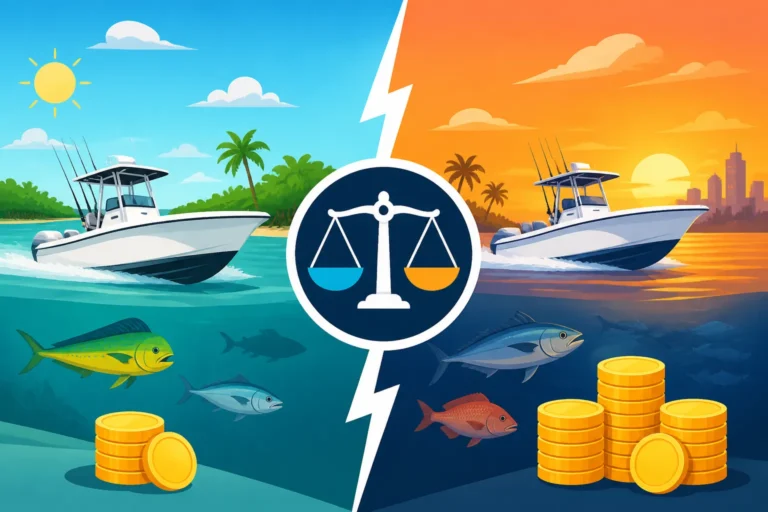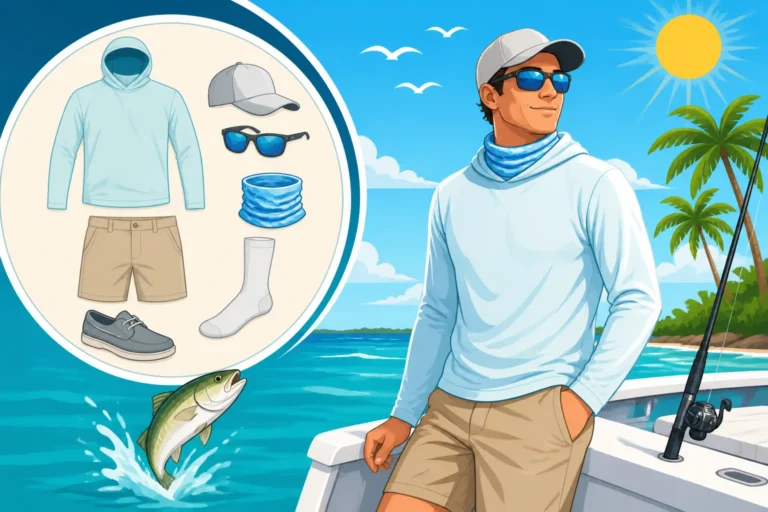
Difference Between a Fishing Guide and a Charter Captain
It's incredibly easy to get tangled up in the terminology when you're planning a fishing trip in Florida. You hear folks talking about "fishing guides" and "charter captains" almost interchangeably, and it leaves you wondering if there's actually a difference, or if it's just two ways of saying the same thing. This confusion can make it tough to figure out who you should hire for your specific angling adventure, and even lead to booking the wrong kind of trip for your expectations. This guide is here to untangle that knot for you, clearly explaining the distinct roles, qualifications, and typical experiences you can expect from a Florida fishing guide versus a charter captain, so you can book your next trip with confidence.
Unpacking the Role of a Florida Fishing Guide
When most people refer to a "fishing guide" in Florida, they're often envisioning a highly specialized expert, usually operating in specific, often shallower, environments. These are the folks who know the nuances of a particular ecosystem like the back of their hand, specializing in a certain style of fishing or targeting specific species. They're not just taking you out on the water; they're teaching you, sharing their intimate knowledge, and providing a truly tailored, immersive experience.
The Inshore and Freshwater Specialist
Think of a Florida fishing guide as someone who lives and breathes a particular type of water, be it the skinny saltwater flats, mangrove labyrinth, or the vast freshwater lakes and rivers. They are absolute masters of their chosen domain. For example, a renowned Everglades guide might specialize in chasing peacock bass and largemouth bass deep within the freshwater canals, navigating incredibly intricate waterways where larger vessels simply can't go. Their focus is often on an in-depth, hands-on experience, teaching you how to read the water, spot fish, and refine your casting techniques.
On the saltwater side, an inshore guide in a place like the Florida Keys or Tampa Bay will often focus on species like snook, redfish, and spotted seatrout. They know the oyster beds, the grass flats, and the mangrove edges where these fish hide. You'll spend your day sight fishing in clear, shallow water, often poling the boat silently or wading alongside it. This isn't about brute force or speed; it's about stealth, precision, and the thrill of the hunt in intimate environments. Many clients seek out these guides for a true "backcountry" experience, away from the hustle and bustle of busier waters, and they often come equipped with specific knowledge that can only be gained from years of quiet observation and dedication to a particular fishery. If you're looking for a personalized instructional experience on the flats, a guide is your go-to.
Vessel Types and Trip Focus
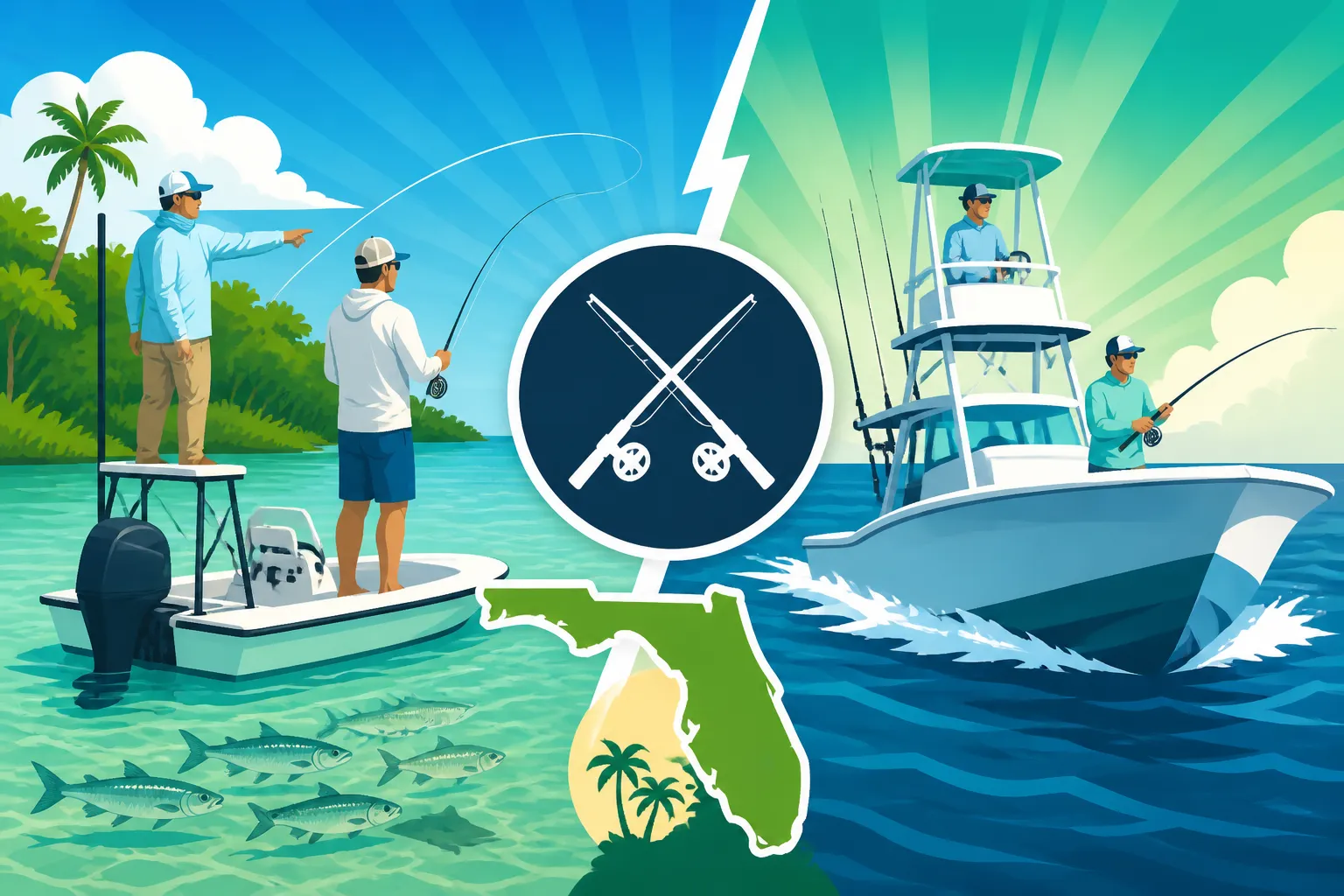
The vessels used by fishing guides are often a dead giveaway to their specialization. You'll typically find them operating smaller, more agile boats designed for shallow water access. Think technical poling skiffs or flats boats for saltwater inshore fishing, allowing them to glide silently into mere inches of water to stalk wary fish. For freshwater, they might use bass boats or even smaller jon boats, perfectly suited for navigating tight canals and cypress-lined lakes. The emphasis here is on getting into those hard-to-reach honey holes that bigger charter boats can only dream of accessing.
The trips themselves tend to be more intimate. A guide usually takes a smaller group, often just one or two anglers, sometimes three if the boat configuration allows and the conditions are right. This small client-to-guide ratio is crucial because it allows for extensive one-on-one instruction, personalized attention, and a truly customized trip based on the clients' skill levels and desired targets. If you're a fly fisherman, for instance, you'll almost certainly be looking for a specialized fly fishing guide, as they have the specific gear, knowledge, and patience to help you achieve your goals. Their focus is often as much on the process and the learning as it is on the catch, creating a memorable experience far beyond just reeling in fish.
Licensing and Expertise Requirements
This is where the distinction starts to get a bit technical, but it's crucial for understanding the difference. In Florida, a recreational fishing guide who takes clients out for a fee must possess a valid U.S. Coast Guard (USCG) Captain's License. This isn't just a formality; it demonstrates that they've met rigorous federal requirements for navigation, safety, first aid, and seamanship. They also need to carry appropriate commercial insurance. This license ensures that even though they might be poling a small skiff, they are trained professionals responsible for your safety on the water.
Beyond the federal license, these guides also need to ensure their vessel is properly registered and equipped with all necessary safety gear. And, of course, they themselves, or their clients if not covered by a vessel-wide license, will need to abide by Florida's recreational fishing license requirements, which vary depending on whether you're targeting freshwater or saltwater species. For instance, a guide specializing in backcountry fishing will ensure all aboard are compliant with Florida Saltwater Fishing License Rules or Florida Freshwater Fishing License Rules as needed. The expertise of a guide isn't just about knowing where the fish are; it's also about understanding the ever-changing regulations, season closures, and bag limits for various species. They are often the best source of real-time information on Florida Snook Season Guide or Florida Redfish Season Guide, for example. Their deep local knowledge goes beyond just fishing; it encompasses tides, weather patterns, local flora and fauna, making the entire trip an educational experience.
The Scope of a Florida Fishing Charter Captain
Now, let's turn our attention to the charter captain. While they also hold a USCG Captain's License and are dedicated fishing professionals, their typical operation, vessel, and clientele often differ significantly from a specialized guide. They tend to cater to a broader range of fishing desires, from deep-sea excursions to coastal trips on larger boats, and are often focused on maximizing the catch for a more diverse group of anglers.
Offshore Adventures and Larger Groups
A charter captain often operates a larger vessel, designed to handle open water conditions, especially if they specialize in offshore or "deep sea" fishing. These trips take you miles away from shore, into the Gulf of Mexico or the Atlantic Ocean, targeting pelagic species like mahi-mahi, king mackerel, wahoo, sailfish, and various snapper and grouper species that inhabit reefs and wrecks. The experience here is less about stalking individual fish in shallow water and more about covering ground, using specialized electronics, and deploying multiple lines to find and catch schooling fish or large bottom dwellers.
These captains are experts at navigating offshore, understanding complex current patterns, and locating structures or temperature breaks that hold fish. Their goal is often to put as many fish in the box (or provide exciting catch-and-release action for big game) as possible, catering to families, corporate groups, or groups of friends looking for a fun day out on the big water. The fishing techniques employed, such as trolling, deep dropping, or jigging, are different from the finesse required on the flats. You'll find a clear division between those who focus on Florida Offshore Fishing Techniques and those who master Florida Inshore Fishing Techniques. When booking, platforms like FishingBooker make it easy to filter for captains who specialize in deep sea versus bay fishing.
The Commercial Vessel Standard
The vessels run by charter captains are typically larger, more robust boats built for seaworthiness and comfort in open water. We're talking center consoles, sportfishing yachts, or head boats (also known as party boats) that can accommodate anywhere from a handful of anglers to dozens on a single trip. Because they often carry more passengers and venture further offshore, these vessels are subject to stricter federal regulations regarding construction, safety equipment, and operational inspections. They often have more amenities, like private heads (restrooms), shaded cabins, and ample deck space, to ensure comfort on longer trips.
The capacity of these boats can be significantly higher than a guide's skiff. While a guide might take 1-3 people, a private charter boat might accommodate 4-6 passengers comfortably, and a party boat can have 20, 30, or even more anglers on board. This difference in capacity directly impacts the cost per person, the level of individualized attention, and the overall fishing experience. If you're planning a trip with a larger group or want to share the cost with other anglers, a charter boat is typically the most suitable option.
Licensing and Regulatory Framework
Like fishing guides, charter captains must possess a valid USCG Captain's License. However, depending on the size of their vessel and the number of passengers they carry, they might hold a higher-tonnage license (e.g., a "Master" license versus an "OUPV" or "6-Pack" license). The "6-Pack" license is the most common for guides and smaller charters, allowing up to six paying passengers. Larger vessels carrying more passengers require a Master license, along with a mate or additional crew members, further adding to the professionalism and safety protocols on board.
Beyond the captain's license, the vessel itself might need to be "inspected" by the Coast Guard, a process that ensures it meets specific structural, safety, and equipment standards for its intended passenger capacity. This is particularly true for vessels carrying more than six passengers. All these layers of regulation are designed to ensure the safety of everyone on board, especially when venturing into potentially rough offshore conditions. When you book a Florida Fishing Charter Guide, you are essentially hiring a federally licensed maritime professional operating a commercially vetted vessel. They are responsible for providing all the necessary Florida Fishing License Guide coverage for their passengers, so you generally don't need your own individual license when fishing on a licensed charter.
Key Distinctions Between Guides and Captains
While both fishing guides and charter captains are licensed professionals dedicated to helping you catch fish and enjoy your time on the water, understanding their core differences is paramount to setting the right expectations for your trip. It's not just about semantics; it's about the entire experience.
Legal Requirements and Vessel Certifications
The foundational difference often lies in the vessel's classification and the specific USCG license held. All professionals taking paying clients on the water must have a USCG Captain's License. However, the type of license (e.g., Operator of Uninspected Passenger Vessels, commonly known as an "OUPV" or "6-Pack" license, versus a Master license) and whether the vessel itself is "inspected" by the USCG determines how many passengers they can legally carry and the areas they can operate in.
- Fishing Guides (often "6-Pack" licensed): Typically operate smaller, "uninspected" vessels and are limited to carrying no more than six paying passengers. Their focus on smaller groups aligns perfectly with this licensing. These vessels don't undergo the same rigorous annual inspections as larger, "inspected" vessels, but they must still meet specific safety equipment requirements. Many guides, especially those specializing in flats fishing, operate within "state waters" which extend up to 3 nautical miles offshore on the Atlantic side and 9 nautical miles on the Gulf side.
- Charter Captains (can be "6-Pack" or "Master" licensed with inspected vessels): Can also operate under a "6-Pack" license for smaller private charters. However, many larger "deep sea" or "party boat" charters operate "inspected" vessels, which means they've passed a comprehensive USCG inspection, allowing them to carry more than six passengers. These vessels adhere to even stricter safety and construction standards, given their increased passenger count and often longer voyages into federal waters. This distinction is vital for understanding How Many People Can a Florida Charter Boat Legally Carry?.
Target Species and Fishing Environments
The type of fish you want to catch and where you want to catch them will largely dictate whether you book a guide or a captain.
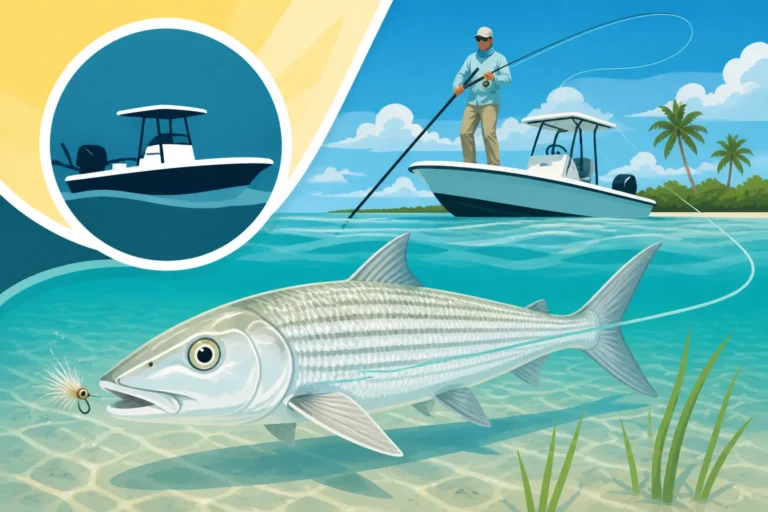
- Fishing Guides: Excel in inshore, nearshore, or freshwater environments. Their expertise is often hyper-local, focusing on specific estuaries, flats, rivers, or lakes. They are your best bet for targeting species like redfish, snook, seatrout, tarpon (inshore), largemouth bass, and peacock bass. The experience is often about the hunt, the sight fishing, and the delicate presentation of a lure or fly. If you want to learn how to properly cast a fly rod for a spooky bonefish on the flats, a dedicated guide is who you need.
- Charter Captains: Primarily focus on offshore or nearshore fishing, often in deeper waters. They target a wider array of species depending on the season and location, including snapper, grouper, amberjack, king mackerel, mahi-mahi, wahoo, and sailfish. Their trips are geared towards getting you to prime fishing grounds efficiently, whether that's trolling along weedlines or dropping baits down to reefs. If you're dreaming of a cooler full of fresh snapper and grouper, or battling a powerful sailfish offshore, a charter captain running a deep-sea trip is your clear choice.
Client Experience and Expectations
The overall experience and what clients typically expect also differ. It's not just about the fish, but how you want to spend your day.
- Fishing Guides: Offer a more hands-on, instructional, and intimate experience. They are often educators as much as they are fishing experts. Clients typically seek out guides for a specific, often challenging, fishing experience or to improve their skills. The pace can be slower, more deliberate, and focused on technique and environmental appreciation. If you want to actively participate in the fishing process, learn local techniques, and enjoy a quiet day spotting fish in stunning natural settings, a guide is ideal. They thrive on building a rapport with their clients and providing a truly bespoke adventure.
- Charter Captains: Tend to provide a more "turnkey" fishing experience. All gear, bait, and often the fishing license are provided, and the captain and crew handle much of the heavy lifting. The focus is often on putting clients on fish quickly and efficiently, especially for those less experienced or groups looking for a more relaxed outing. While they'll certainly offer advice and help, the instruction might be less intensive than with a dedicated guide. Clients on a charter often prioritize catching fish for dinner, or simply enjoying the open water and the thrill of a big offshore battle. Platforms like FishingBooker clearly list what's included, which helps manage expectations about gear, bait, and Is Fish Cleaning Included in a Florida Charter?.
Here's a quick comparison table to help visualize these differences:
| Feature | Florida Fishing Guide (Typical) | Florida Charter Captain (Typical) |
|---|---|---|
| Primary Focus | Specialized, instructional, intimate, specific species, specific areas | Catch-oriented, broader appeal, diverse species, various environments |
| Fishing Environment | Inshore flats, backcountry, rivers, lakes, shallow water | Offshore, deep sea, nearshore, reefs, wrecks, open water |
| Vessel Type | Smaller skiffs, flats boats, bass boats (uninspected) | Larger center consoles, sportfishing yachts, party boats (inspected/uninspected) |
| Typical Group Size | 1-3 anglers (very rarely 4) | 2-6 anglers (private charter); 6+ anglers (party boat) |
| USCG License | OUPV ("6-Pack") Captain's License | OUPV ("6-Pack") or Master Captain's License |
| Vessel Inspection | Generally uninspected (under 6 passengers) | Can be uninspected (under 6 passengers) or inspected (6+ passengers) |
| Client Experience | Hands-on learning, sight fishing, stealth, personalized attention | Turnkey operation, efficient fish catching, open water experience |
| Target Species | Snook, redfish, trout, tarpon (inshore), bass, peacock bass | Snapper, grouper, mahi, kingfish, sailfish, tuna, amberjack |
Choosing the Right Professional for Your Florida Fishing Trip
Now that you understand the fundamental differences, how do you decide which one is right for you? It really boils down to what kind of experience you're after, who you're fishing with, and what your budget looks like. Don't underestimate the importance of setting clear expectations for your trip – it's key to ensuring everyone has a fantastic time on the water.
Assessing Your Fishing Goals
Before you even start looking for a guide or captain, sit down and honestly evaluate what you want to achieve on your trip. Are you a seasoned angler looking to tackle a specific, challenging species on fly in the backcountry? Or are you a family with young kids hoping to catch some fish for dinner without too much fuss?
- For the Serious Angler or Learner: If your goal is highly specific, like targeting trophy snook on artificials, learning how to properly cast a fly rod, or experiencing the quiet solitude of sight fishing in the Everglades, then a dedicated fishing guide is almost certainly your best choice. They offer unparalleled expertise in their niche and a personalized teaching environment. You're paying for their deep knowledge of a specific area and species, and their ability to help you hone your skills.
- For Diverse Groups or Offshore Action: If you have a mixed group of experienced and novice anglers, want to venture into the open ocean for big game, or simply want a relaxing day where someone else handles all the details, a charter captain running a private charter or even a party boat might be more suitable. They are equipped for broader appeal, often aiming for a higher quantity of catchable fish or a thrilling deep-sea battle. If catching dinner is a high priority, or if you simply crave the excitement of offshore fishing, look into Florida Offshore Fishing Charter Guide options.
Consider the level of participation you desire. With a guide, you'll likely be much more involved in spotting fish, casting, and even poling the boat in some cases. On a charter, especially a larger one, you might have less direct input into the fishing methods, but more opportunity to sit back and reel in whatever bites.
Considering Group Size and Budget
Your group size and budget are also major factors in this decision. These two elements often go hand-in-hand and can significantly narrow down your options.
- Group Size: If it's just you, you and a buddy, or you and a spouse, a fishing guide is perfect. Their smaller boats and intimate focus are designed for these smaller parties. If you have 4-6 people, a private charter captain operating a "6-pack" vessel can easily accommodate you. For larger gatherings, like a family reunion or a corporate outing with 7+ people, you'll definitely need an "inspected" charter captain with a larger vessel or a party boat. Platforms like FishingBooker usually specify the maximum number of anglers for each trip, which is incredibly helpful when planning.
- Budget: Generally speaking, a highly specialized fishing guide focusing on one or two anglers might have a higher per-person cost, but you're paying for an exclusive, highly personalized experience. However, since the overall boat rate is usually for the entire boat, a two-person trip can be more affordable than a large charter if you split the cost. For example, you can compare Florida Flats Fishing Guide Rates with Key West Fishing Charter Rates. Private charters also charge a boat rate, which can be split among 4-6 people. If budget is a primary concern for a larger group, a party boat trip (often called a head boat) is usually the most economical option per person, as you're sharing the vessel and the cost with many other anglers. It’s always a good idea to inquire about Half-Day vs Full-Day Fishing Charter Cost in Florida and what exactly is included in the price, like bait, tackle, and licenses.
Ultimately, both Florida fishing guides and charter captains offer incredible opportunities to experience the diverse and abundant fishing waters of the Sunshine State. By understanding their differences, you can better articulate your needs and select the professional who will make your next Florida fishing trip an unforgettable one. Don't hesitate to communicate your expectations when booking, and enjoy your time on the water!
Disclaimer
This article is for general informational purposes only and does not constitute professional advice. Laws, prices and regulations vary by location and change over time. Consult a qualified professional for guidance on your specific situation.