Best Fishing Charter for Someone Who Gets Seasick
There's nothing quite like the crushing disappointment of planning an exciting Florida fishing trip, only to have it overshadowed by the looming dread of seasickness. That queasy feeling, the dizziness, the desperate need for solid ground – it can turn a dream day on the water into an absolute nightmare, making you wonder if a fishing charter is even an option for you. But don't despair! This guide is here to walk you through exactly how to choose the best fishing charter that minimizes the risk of seasickness, ensuring you can actually enjoy catching some amazing Florida fish.
Understanding Seasickness and Its Impact on a Fishing Trip
Seasickness isn't just "feeling a little sick"; it's a genuine physiological response that can completely incapacitate someone. For anglers, it's particularly frustrating because you're out there, surrounded by the beauty of Florida's waters, but all you can focus on is trying not to lose your lunch. It's a real barrier to enjoying what should be a fantastic experience.
The Unpleasant Reality of Seasickness: Symptoms and Triggers
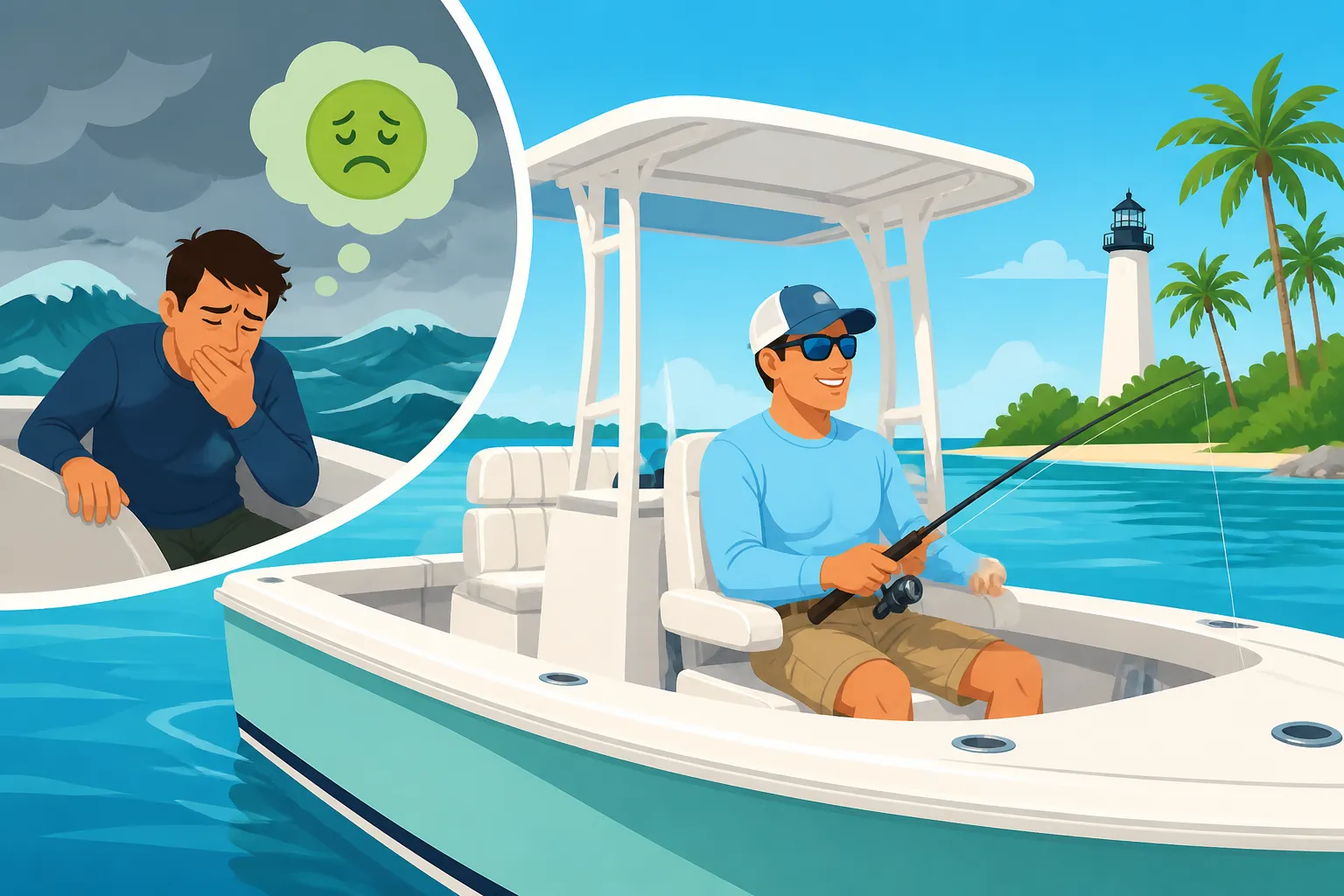
Let's be honest, seasickness is miserable. It typically starts with a feeling of unease, often accompanied by cold sweats and a pale complexion. Then comes the nausea, which can quickly escalate to vomiting. Dizziness, headaches, and a general sense of malaise often follow, making it almost impossible to concentrate on fishing, or anything else for that matter. The triggers are primarily the motion signals from your inner ear conflicting with what your eyes are seeing. When you're on a boat, especially one that's rocking and rolling, your inner ear senses movement, but if you're looking at a stationary object inside the cabin or focusing intently on your fishing line, your eyes tell your brain you're still. This sensory mismatch is the root of the problem. Some people are more susceptible than others, and it can be exacerbated by factors like lack of sleep, dehydration, anxiety, or even strong odors like bait or diesel fumes.
Why Certain Fishing Charters Worsen Seasickness
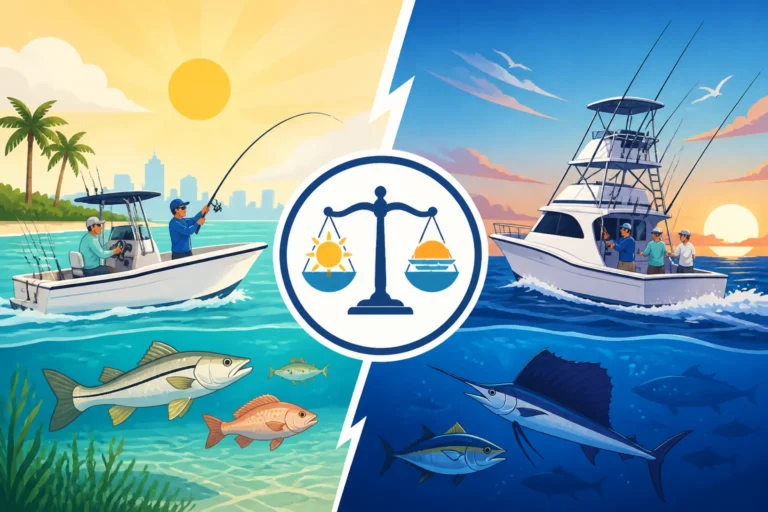
Not all fishing experiences are created equal when it comes to seasickness. The type of charter, the waters you're fishing, and even the captain's style can significantly impact your comfort level. For instance, deep-sea fishing charters that head far offshore into the open ocean are inherently more challenging. The waves are often larger, the boat's motion is more pronounced, and the ride out to the fishing grounds can be long and rough. Imagine a 30-foot center console pounding through choppy swells for an hour before you even drop a line – that's a recipe for disaster for someone prone to seasickness. Similarly, smaller, faster boats might offer less stability in choppy conditions, and enclosed cabins can make the feeling of disorientation worse by limiting your view of the horizon. Conversely, a smooth ride in calm, protected waters on a stable vessel can make all the difference, transforming a potential ordeal into a pleasant day.
Key Factors to Consider When Choosing a Seasickness-Friendly Charter
If you're prone to seasickness, your primary goal when booking a charter should be to minimize motion and maximize stability. This means thinking beyond just the target fish and focusing on the vessel and the environment.
Boat Size and Type: Your First Line of Defense
This is arguably the most critical factor. Generally speaking, bigger boats offer more stability. They tend to cut through waves rather than bounce over them, leading to a smoother ride. But it's not just about size; the type of boat matters too.
- Catamarans: These twin-hulled vessels are often champions of stability. Their wide stance and two hulls significantly reduce rolling motion, making them an excellent choice for those sensitive to seasickness. While not as common for hardcore fishing charters, some larger party boats or sightseeing boats might be catamarans and offer a more comfortable ride to certain fishing spots.
- Larger Sportfishers or Head Boats (Party Boats): These bigger vessels (often 40+ feet) are designed to handle offshore conditions and provide a much more stable platform than smaller center consoles. While they still move, the motion is usually less jarring. Head boats, in particular, due to their sheer size and the number of people on board, tend to be very stable, although you'll be fishing with a crowd.
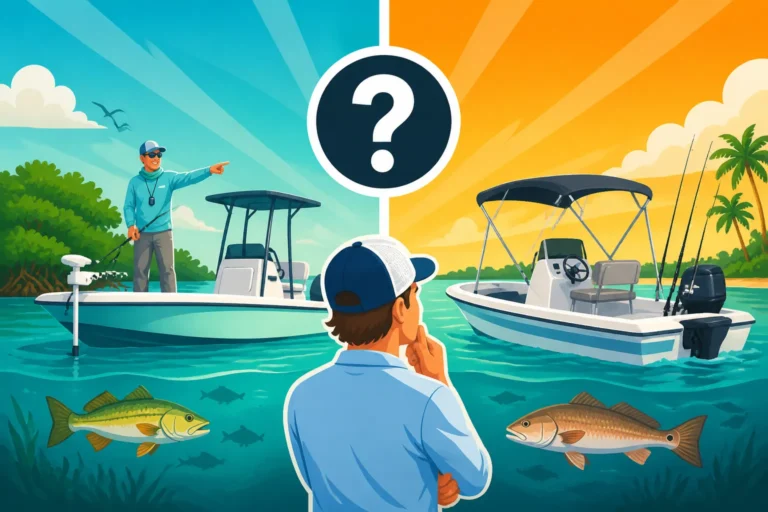
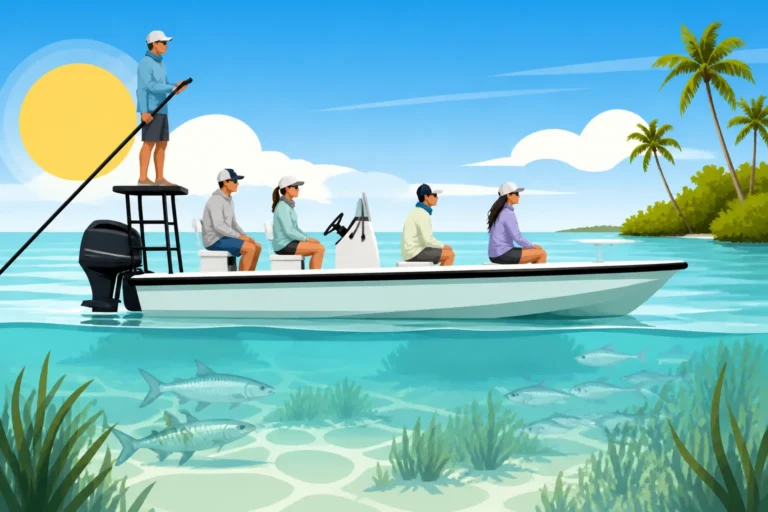
- Bay Boats or Flats Boats: These are fantastic options if you stick to inshore or nearshore waters. They are designed for shallow-water fishing in bays, estuaries, and flats, where the water is typically much calmer. The trade-off is that you won't be heading out for deep-sea species like snapper or grouper, but you'll have a much more pleasant experience targeting redfish, snook, and trout. Check out our guide on Florida Inshore Fishing Techniques for more on what you can catch in these calmer areas.
Here's a quick comparison of boat types and their seasickness potential:
| Boat Type | Typical Fishing Area | Stability (Seasickness Factor) | Considerations |
|---|---|---|---|
| Large Catamaran | Nearshore/Offshore (Party) | Excellent (Low) | Often more geared for sightseeing, less common for dedicated fishing charters. |
| Large Sportfisher | Offshore | Good (Medium-Low) | Still experiences offshore swell, but heavier and more stable than smaller boats. |
| Head Boat/Party Boat | Offshore/Nearshore | Very Good (Low) | Large, stable, but you'll be fishing with many others. |
| Bay Boat / Flats Boat | Inshore/Nearshore | Excellent (Very Low) | Stays in calm, protected waters; limits species to inshore. |
| Small Center Console | Inshore/Nearshore/Offshore | Fair to Poor (High) | Very susceptible to choppy water, especially offshore. |
Trip Duration and Location: Shorter, Shallower, Smoother
The length and location of your fishing trip play a huge role in how seasick you might get.
- Shorter Trips: Opt for a half-day charter over a full-day, especially for your first time. This limits your exposure to potential seasickness. Four to five hours is generally enough time to get a good fishing experience without pushing your limits. If you feel good, you can always consider a longer trip next time. Our article on Half-Day vs Full-Day Fishing Charter Cost in Florida can help you weigh your options.
- Inshore or Nearshore Fishing: This is your best friend when it comes to avoiding seasickness. These trips typically stay within bays, estuaries, or just a few miles offshore, where the water is much more protected from open ocean swells. Targeting species like redfish, snook, trout, or even tarpon in these calmer environments allows you to enjoy the thrill of the catch without the constant motion sickness. You might explore areas like Tampa Bay, the Indian River Lagoon, or the backcountry of the Florida Keys. The guide Best Spots to Fish From the Shore in the Florida Keys also hints at areas that are generally calmer.
- Avoid Rough Seas: A good captain will always prioritize safety and comfort, but if you're booking in advance, try to choose a time of year known for calmer weather. Early mornings often have less wind and chop, making for a smoother ride out. Be aware that even inshore, strong winds can kick up a significant chop, so flexibility with your booking or choosing a charter with a good Cancellation Policy for Florida Fishing Charters is wise.
Captain's Experience and Flexibility
A seasoned captain can make an immense difference. They know the local waters like the back of their hand, including where to find calmer conditions on a breezy day.
- Local Knowledge: A great captain understands how tides, wind, and currents affect comfort. They can often suggest a route or a fishing spot that offers more protection from the chop. For example, knowing which side of a large island offers a lee from the wind can turn a rough day into a manageable one. When reviewing charters on platforms like FishingBooker, pay attention to how long captains have been operating in a specific area.
- Flexibility with Itinerary: Before booking, ask the captain if they are flexible with the itinerary if conditions worsen or if a guest starts to feel unwell. A truly client-focused captain will be willing to move to a calmer area or even cut a trip short if someone is really suffering. This open communication is key.
- Focus on Comfort: Some captains are particularly attuned to guest comfort. They might drive slower, avoid sudden turns, or have strategies for making the ride smoother. Look for reviews that mention the captain being patient, accommodating, or great with first-timers, as these often correlate with a more considerate approach to guest experience. Our guide on How to Choose a Florida Fishing Guide offers more general advice on finding a great captain.
Preparing for Your Seasickness-Friendly Florida Fishing Charter
Even with the perfect charter, preparation is essential. There are many things you can do before and during your trip to minimize the chances of seasickness.
Pre-Trip Prevention Strategies
Taking proactive steps before you even step foot on the boat can significantly reduce your susceptibility to seasickness.
- Medication is Your Friend: This is often the most effective defense. Over-the-counter medications like Dramamine (dimenhydrinate) or Bonine (meclizine) are popular choices. The key is to take them before you start feeling sick, usually 30-60 minutes before the boat departs. Once you're already nauseous, they are much less effective. Some people also find success with a prescription patch, like Scopolamine, which is applied behind the ear. Talk to your doctor to see what's best for you.
- Ginger Power: Many swear by natural remedies like ginger. You can take ginger capsules, chew on ginger candies, or drink ginger ale. While scientific evidence varies, many find it helps settle their stomach. It's a low-risk option to try in conjunction with other methods.
- Light Meal & Hydration: Avoid heavy, greasy, or acidic foods before your trip. A light, bland meal like toast or crackers is ideal. Stay well-hydrated, but avoid excessive alcohol the night before, as dehydration and hangovers will only amplify seasickness symptoms.
- Get Enough Rest: Fatigue makes you more vulnerable to motion sickness. Ensure you get a good night's sleep before your charter.
Onboard Comfort and Management Tips
Once you're on the water, there are still strategies you can employ to keep seasickness at bay.
- Focus on the Horizon: This is a classic tip for a reason! By keeping your eyes on a fixed point on the distant horizon, you help synchronize the visual information your brain receives with the motion your inner ear senses. It provides a stable reference point.
- Stay in the Fresh Air: Avoid enclosed cabins if possible. Being out on deck where you can feel the breeze and see the open water is much better than being below deck where the motion feels exaggerated and the air can be stale.
- Find a Stable Spot: The stern (back) of the boat is generally the most stable spot on most vessels, especially offshore. The bow (front) tends to bounce and pitch more. The center of the boat, close to the waterline, is also often a good compromise.
- Avoid Reading or Staring at Your Phone: These activities require your eyes to focus on a nearby, stationary object, which creates that sensory conflict. Save the scrolling and reading for when you're back on solid ground.
- Stay Hydrated: Sip water regularly. If you do feel nauseous, a little ginger ale or plain water can sometimes help settle your stomach.
- Keep Busy (Within Reason): Sometimes, focusing on the act of fishing can distract you from the nausea. However, if the act of baiting a hook or reeling feels too much, then it's better to rest and focus on the horizon. Our guide What to Bring on a Florida Fishing Charter lists other essentials that can help with comfort.
How to Communicate Your Needs to the Charter Captain
Don't be shy about discussing your concerns with your captain. They've seen it all before, and a good captain will want you to have a positive experience.
- Be Upfront When Booking: When you're making your reservation, tell the charter operator that someone in your party is prone to seasickness. This allows them to suggest the most suitable boat, trip type, and even a specific captain who is known for gentler trips. Using platforms like FishingBooker often allows you to include notes with your booking, which is a great place to mention this.
- Reiterate Before Departure: On the morning of your trip, remind the captain. They can then take extra precautions, such as choosing calmer routes or checking conditions more frequently.
- Speak Up Immediately: If you start to feel unwell, don't suffer in silence. Tell the captain right away. The sooner they know, the more options they have to help you, whether it's changing course, slowing down, or heading to a calmer spot. Waiting until you're severely sick limits their ability to assist effectively. Remember, they want you to be comfortable and enjoy the trip, and they've likely helped many others through similar situations. This honest communication is key to a successful trip, and vital for things like understanding What Happens If a Florida Charter Is Canceled for Weather? or how it might affect your trip.
Finding and Booking Your Ideal Charter
Now that you know what to look for, it's time to put that knowledge into action and find the perfect charter for a seasickness-free experience.
Online Resources and Platforms
The internet is your friend when it comes to researching and booking fishing charters.
- Specialized Booking Sites: Platforms like FishingBooker are incredibly useful. They allow you to filter charters by location, boat type, trip duration, and even read reviews from past clients. Look for reviews where people specifically mention the smoothness of the ride, the captain's attentiveness to guest comfort, or successful trips for those prone to motion sickness. This is where you can find those gems who understand your needs.
- Charter Websites and Social Media: Many individual captains and charter operations have their own websites and social media pages. These can offer more detailed information about their specific boats, typical fishing areas, and what they do to ensure a comfortable trip. Look for photos of their boats – you can often gauge the size and stability.
- Forums and Local Fishing Groups: Online fishing forums or local Facebook groups for Florida fishing can be a goldmine of candid advice. Post a question asking for recommendations for charters that are good for people prone to seasickness. You'll often get honest opinions and direct referrals from people who have been in your shoes. When researching different areas, consider looking into a Florida Keys Fishing Charter Guide for operations known for their calmer backcountry options.
Questions to Ask Before Booking
When you've narrowed down your choices, don't hesitate to call the captain or booking agent directly. Having a direct conversation is the best way to get specific answers to your concerns.
- "What type of boat do you operate, and how stable is it typically in choppy conditions?"
- "What areas do you usually fish, and how far offshore do you generally go?"
- "Do you offer primarily inshore or nearshore trips that stay in calmer waters?"
- "What measures do you take to ensure guest comfort, especially for those prone to seasickness?"
- "Are you flexible with the fishing location if the conditions are rough or if a guest starts to feel unwell?"
- "What's your policy if we need to return to shore early due to seasickness?"
- "Do you recommend any specific medications or preparations for seasickness?"
These questions demonstrate that you're prepared and serious about your comfort, and a good captain will appreciate your proactive approach.
Reading Reviews with a Seasickness Lens
When you're sifting through reviews, don't just look for comments on how many fish were caught. Instead, put on your "seasickness detective" hat.
- Look for Mentions of Smoothness: Are there comments like "smooth ride," "very stable boat," or "didn't feel a thing"? These are golden.
- Captain's Demeanor: Positive remarks about the captain being "patient," "attentive," or "great with beginners" often indicate a captain who prioritizes guest experience and comfort.
- Trip Experience: If someone mentions they got seasick but the captain did everything they could to help, that's a good sign of a caring operation, even if the conditions weren't perfect for that individual. Conversely, if multiple reviews complain about a rough ride or an uncaring captain, steer clear.
- Location and Conditions: Pay attention to reviews that mention fishing in specific areas or during certain conditions. For instance, a review praising a calm ride during an inshore trip might be more relevant to you than one about a successful offshore trip in rough seas.
By taking these steps, you can significantly increase your chances of having a fantastic, seasickness-free fishing adventure in the beautiful waters of Florida. Don't let past bad experiences deter you; with the right choices, your next charter can be a comfortable and memorable one.
Disclaimer
This article is for general informational purposes only and does not constitute professional advice. Laws, prices and regulations vary by location and change over time. Consult a qualified professional for guidance on your specific situation.