Do You Need to Bring Your Own Fly Rod?
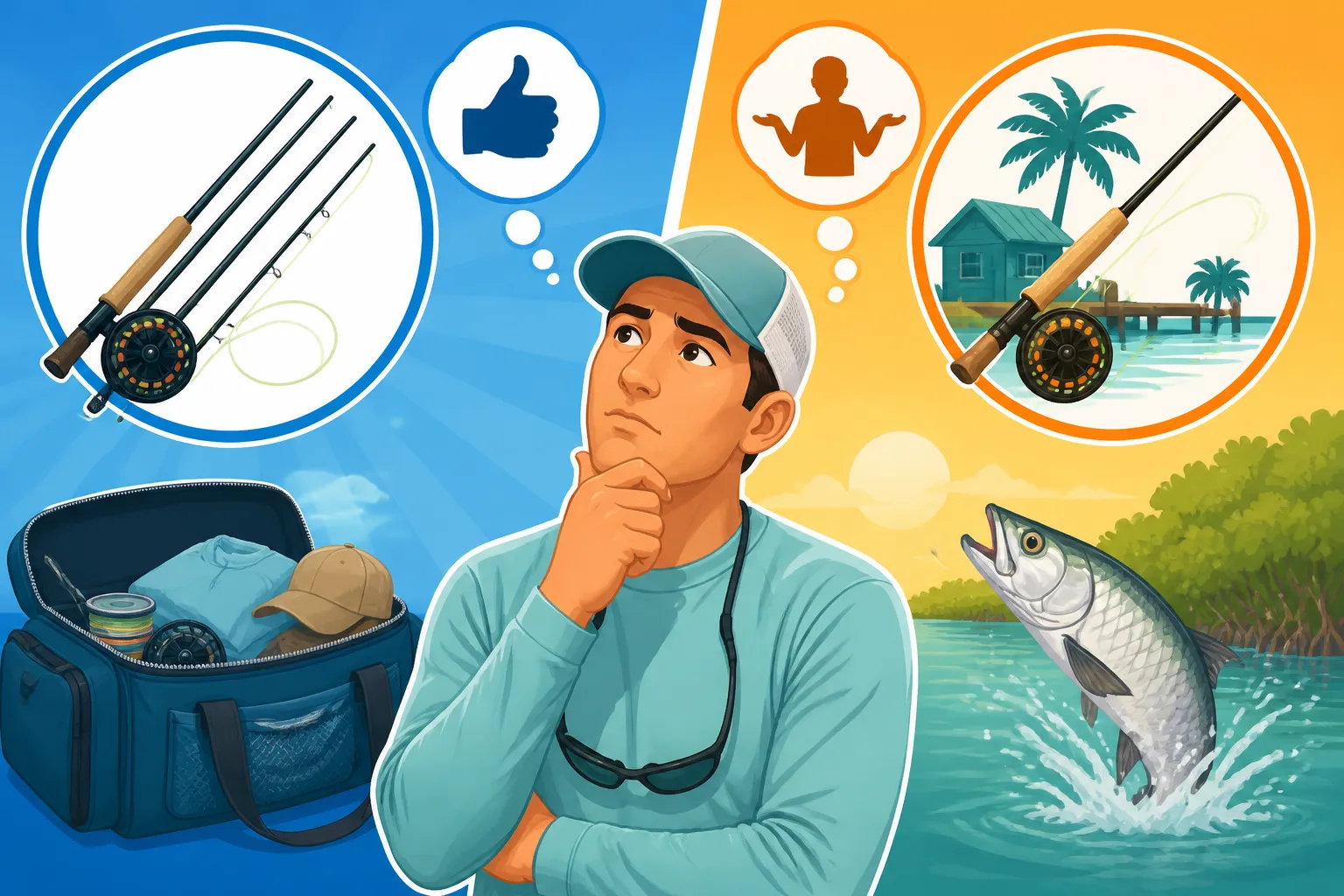
One of the biggest head-scratchers when planning a Florida fly fishing adventure is whether you really need to lug your precious fly rod setup all the way down here. It's a common dilemma – you love your gear, but traveling with it can be a hassle, and you might wonder if it's even necessary. This guide will help you navigate the ins and outs of bringing your own fly rod on a Florida fishing charter, helping you decide what's best for your trip and avoid any unwelcome surprises.
The Standard Charter Practice: Gear Provided
Let's be real: most reputable Florida fishing charters, especially those specializing in fly fishing, are set up to provide all the necessary gear. This isn't just a convenience; it's often a strategic choice on the guide's part to ensure you have the best possible chance of success. Imagine showing up to target trophy tarpon only to realize your personal 6-weight rod isn't quite up to the task! Your guide knows the local waters, the target species, and the specific demands of the fishing conditions better than anyone, and they rig their boats accordingly.
Guides invest heavily in high-quality rods, reels, lines, and an arsenal of flies. They maintain this equipment meticulously, knowing that their reputation and your success depend on it. This also means their gear is perfectly suited for the fish you'll be pursuing, whether it's snook in the mangroves, redfish on the flats, or tarpon in the pass. They’ve probably spent years perfecting their setups for the exact fishing scenarios you're about to encounter, from delicate presentations for spooky bonefish to heavy-duty battles with powerful sharks.
What "Provided Gear" Typically Means
When a Florida fishing charter advertises "all gear provided," it genuinely means a comprehensive setup, especially for fly fishing. You can expect to find a range of fly rods, usually from 8-weight to 12-weight, sometimes even heavier for certain offshore species or giant tarpon. These will be paired with appropriate fly reels spooled with quality fly lines, leaders, and tippets designed for the specific conditions and fish you're after.
Beyond the rod and reel, guides also stock a curated selection of flies. These aren't just generic patterns; they are often hand-tied by the guide or local experts, mimicking the specific baitfish and crustaceans prevalent in the area during that particular season. Think shrimp patterns, crab imitations, various baitfish profiles, and poppers. This local knowledge, embedded in their fly selection, can make all the difference on a tough day. They’ll have everything from the tiny grass shrimp patterns needed for a cautious permit to the large black-and-purple streamers perfect for sight casting to a cruising tarpon. They even consider things like water clarity and light conditions when selecting flies. You can often check what's typically included by looking at guide profiles on platforms like FishingBooker.
The Advantages of Using the Guide's Gear
There are several compelling reasons to embrace using your guide's provided fly fishing equipment. Firstly, it means less hassle for you. You don't have to worry about packing fragile rods, checking them as oversized baggage, or the risk of them getting damaged in transit. Anyone who’s had a rod tube go missing or get crushed by an airline knows the pain! Secondly, the guide's gear is optimized for the local conditions and target species. They'll have the right rod weight, line type, and leader setup to match the wind, water depth, and the particular temperament of the fish. This local advantage is huge.
Consider a situation where you're targeting elusive bonefish on a calm, clear flat. Your guide will likely have a lighter rod, perhaps an 8-weight, with a delicate leader and a small, precise fly pattern. If the wind picks up or you shift to chasing powerful redfish in a strong current, they'll seamlessly hand you a heavier 9-weight with a more robust leader and a larger fly, perfectly rigged for the change. You simply can't carry that kind of versatile arsenal with you on a plane, and frankly, you shouldn't have to. You’re paying for their expertise, and that includes their equipment expertise. You can find more details about what gear is generally provided in Do Florida Fishing Charters Provide Rods and Reels?.
When Bringing Your Own Fly Rod Makes Sense
While most charters provide excellent gear, there are definitely situations where an angler might feel a strong pull to bring their own fly rod. This is particularly true for seasoned fly anglers who have developed a deep connection with their personal equipment or have very specific needs. It’s not about mistrusting the guide; it’s about personal preference and comfort.
Perhaps you've spent years honing your casting stroke with a particular rod action, or you've invested in a high-end, custom-built rod that feels like an extension of your arm. For many, a fly rod isn't just a tool; it's a cherished piece of equipment, almost a partner in their angling journey. Using unfamiliar gear, even if it's top-notch, can sometimes feel awkward and detract from the enjoyment or performance. If you're planning a trip focusing on a very specific technique, like delicate dry fly presentations in freshwater (though less common in Florida saltwater fly fishing) or extreme distance casting, your personal rod might be calibrated precisely for that.
Specialized Preferences and Familiarity
Think about it: you’ve spent countless hours with your own fly rod. You know its nuances, its casting sweet spot, and how it loads perfectly for your style. This familiarity translates to confidence and precision on the water, especially when every cast counts. Maybe you prefer a fast-action rod for throwing big flies into a stiff breeze, or a softer action for delicate presentations on glass-calm water. While a guide’s rods are excellent, they might not feel exactly like yours.
Anglers often develop a deep comfort with their specific rod and reel combination, almost a muscle memory. When you're trying to make a quick, accurate cast to a fast-moving fish on the flats, that familiarity can be the difference between a hook-up and a missed opportunity. If you're targeting a particular species and have a specific rod weight that you know performs best for that fish in various conditions, bringing it can give you that extra edge of confidence. For instance, if you're specifically going for big redfish and you have a 9-weight you absolutely adore for that purpose, it's understandable why you'd want it with you. For tips on general gear, check out Best Rod and Reel Setup for Florida Inshore Fishing.
Unique or Custom Equipment
Then there’s the case of truly unique or custom equipment. Some anglers invest in bespoke fly rods, often handcrafted from exotic materials or tuned to extremely precise specifications. These aren't just off-the-shelf rods; they are works of art and engineering. For these individuals, the idea of leaving their prized possession behind is almost sacrilege. They want to fish with their rod, the one that represents their passion and investment in the sport.
Similarly, some anglers might have very specialized reels, perhaps with a specific drag system they trust implicitly for battling powerful species like tarpon or tuna. While guide reels are robust, some anglers have a particular attachment to a reel known for its flawless performance in high-stakes situations. It could also be a matter of collecting or simply wanting to experience a new destination with a cherished piece of gear. These aren't common scenarios for every angler, but for those who fall into this category, bringing their own gear is a significant part of the experience. Just be sure to communicate this clearly with your guide beforehand, as discussed in How to Choose a Florida Fishing Guide.
Communicating with Your Guide About Personal Gear
This is, without a doubt, the most crucial step if you're even contemplating bringing your own fly rod. Communication with your guide should start well before your trip, ideally as soon as you book. Don't just show up with your rod case and expect them to be thrilled. Guides operate on tight schedules and specific plans, and any deviation needs to be discussed and approved.
A good guide will appreciate your passion and understand your desire to use your own equipment, but they also have to ensure it's practical and safe. They might have concerns about space on the boat, compatibility with their chosen flies or fishing style for the day, or even just wanting to ensure you’re not using something wildly under-gunned for the target species. A quick chat can clarify everything and prevent any awkward moments at the dock. This is especially true if you've booked your trip through a platform like FishingBooker, where communication tools are readily available.
Why Early Communication Is Key
Imagine booking a Florida Keys tarpon charter, known for its powerful fish, and planning to bring your cherished 7-weight fly rod. If you don't tell your guide until you're already on the water, they might be put in a tough spot. They've likely prepared their 10-12 weight outfits, knowing those are the appropriate tools for a long day of fighting big tarpon. Your 7-weight, while a lovely rod, would be severely underpowered for a fish that can easily top 100 pounds, leading to prolonged fights that are detrimental to the fish's survival during catch and release.
Early communication allows your guide to adjust their expectations, offer advice, and confirm if your gear is suitable. They might suggest a different rod weight or line type if your current setup isn't ideal for the target species or fishing conditions. This also gives them time to tell you if there are any space constraints on their boat for extra rod tubes or if they prefer all anglers use their gear for uniformity and safety. It avoids surprises for everyone and ensures a smoother, more enjoyable fishing day. For a general overview of charter operations, read Florida Fishing Charter Guide.
Specifics to Discuss Before Your Trip
When you reach out to your guide, be specific. Don't just say, "Can I bring my rod?" Instead, provide details:
- Rod Weight and Length: "I have a 9-weight, 9-foot fly rod that I love for redfish. Would that be appropriate for our trip targeting snook and redfish?"
- Reel and Line: "My reel is spooled with an intermediate saltwater line. Is that suitable, or would you recommend a different taper or sink rate for the areas we'll be fishing?"
- Target Species: Reiterate the fish you're hoping to target, as this directly influences appropriate gear. For example, What Pound Test Line for Snook Fishing? will vary greatly from what you'd use for smaller trout.
- Space Concerns: Ask, "Do you have space for a rod tube on board, or would it be better if I just carried the assembled rod?"
Being proactive and detailed shows respect for your guide’s operation and their expertise. They might even suggest you bring your preferred rod but still have their heavier outfits ready as a backup or for different situations. A good guide wants you to have a memorable experience, and if using your own rod contributes to that, they'll usually try to accommodate you, provided it's practical and safe. This level of detail helps them plan the best experience for you.
Traveling with Your Fly Rod: Logistics and Considerations
If, after consulting with your guide, you decide to bring your own fly rod, be prepared for the logistics of traveling with delicate and often lengthy equipment. This isn't like tossing a spinning rod in the car; fly rods require careful handling and protection, especially when flying. The goal is to get your rod to Florida and back home in one piece, ready for your next adventure.
The main concern for fly anglers is usually air travel. Checked luggage is notoriously rough, and a soft rod case simply won't cut it. You'll need a rigid, protective rod tube that can withstand impacts. Even with a sturdy tube, there's always a risk of loss or damage, which is why preparing adequately is essential. Whether you’re heading to the Florida Keys for permit or chasing largemouth bass on Lake Okeechobee, protecting your investment is paramount.
Packing and Protecting Your Gear
Your fly rod is an investment, often a significant one. When packing for travel, especially air travel, a sturdy, rigid rod tube is non-negotiable. These tubes come in various materials, from PVC to aluminum or composite, and are designed to protect your rod sections from crushing forces. Many fly rods come with a cloth sock and a basic tube, but for serious travel, consider an aftermarket hard case.
Inside the tube, ensure each rod section is separated by a cloth sock or foam dividers to prevent them from rubbing together and potentially scratching or damaging the blanks. For reels, it’s often best to remove them from the rod and pack them separately in your carry-on luggage. This protects the reel itself and, more importantly, keeps expensive fly lines safe from extreme temperatures or damage. Always check TSA regulations for both carry-on and checked items, though fly rods in hard cases are typically fine as checked luggage. Label your rod tube clearly with your contact information, just in case it gets separated from you. You wouldn't want to lose your favorite rod after reading Best Rod for Inshore Fishing in Florida and making a perfect choice!
Insurance and Liability
This is the part nobody wants to think about, but it’s crucial. What happens if your prized fly rod, despite all your careful packing, gets damaged or goes missing during travel? Airlines have limits on liability for checked baggage, and often, the replacement cost of a high-end fly rod and reel combo far exceeds these limits.
Before you travel, check your homeowner's or renter's insurance policy. Some policies offer coverage for personal property, even when traveling, but there might be specific exclusions or deductibles. You might also consider purchasing a dedicated sports equipment or travel insurance policy that specifically covers your fishing gear. Document your gear by taking photos and keeping receipts. If something does happen, having clear documentation will make the claims process much smoother. While your guide's boat will have insurance, it likely won't cover your personal gear if it's damaged while on their vessel. Understanding your own insurance coverage provides peace of mind, allowing you to focus on the fishing, whether it's for Florida Tarpon Fishing Season Guide or any other exciting species.
Comparison: Using Guide's Gear vs. Bringing Your Own Fly Rod
To help you visualize the pros and cons, here’s a quick comparison:
| Feature/Consideration | Using Guide's Gear | Bringing Your Own Fly Rod |
|---|---|---|
| Convenience | Extremely high. No packing, no travel worries. | Low to moderate. Requires careful packing, airline fees. |
| Gear Suitability | Perfectly matched to local conditions & target species. | May or may not be perfectly suited; depends on research. |
| Maintenance | Guide handles all maintenance and repairs. | Your responsibility; potential for wear/damage on trip. |
| Cost | Included in charter fee. | Initial purchase cost, plus travel/baggage fees. |
| Familiarity/Comfort | Requires adjusting to new gear. | Maximum comfort and familiarity with your own equipment. |
| Risk of Damage/Loss | Minimal for you; guide bears the risk. | Moderate to high (during travel and on the boat). |
| Variety of Options | Guide provides multiple setups for different scenarios. | Limited to what you can realistically travel with. |
| Local Expertise | Guide’s gear reflects years of local experience. | Your gear reflects your personal preferences, not necessarily local needs. |
Conclusion
So, do you need to bring your own fly rod on a Florida fishing charter? The short answer for most anglers is: probably not. Reputable Florida fishing guides, especially those specializing in fly fishing, meticulously maintain and provide high-quality equipment perfectly suited for the local conditions and target species. It’s an integral part of their service and expertise. You’re paying for a seamless experience, and that includes having the right tools for the job.
However, if you're a seasoned fly angler with a deep attachment to a specific, specialized rod, or you simply prefer the comfort and familiarity of your own gear, bringing it can certainly enhance your personal enjoyment. The key, in any scenario, is transparent and early communication with your guide. Discuss your intentions, your gear, and the target species well in advance. This ensures everyone is on the same page, and you can focus on what truly matters: enjoying the incredible fly fishing opportunities that Florida has to offer, reeling in some fantastic fish, and making memories on the water.
Disclaimer
This article is for general informational purposes only and does not constitute professional advice. Laws, prices and regulations vary by location and change over time. Consult a qualified professional for guidance on your specific situation.