Cost of a Fly Fishing Guide in the Florida Keys
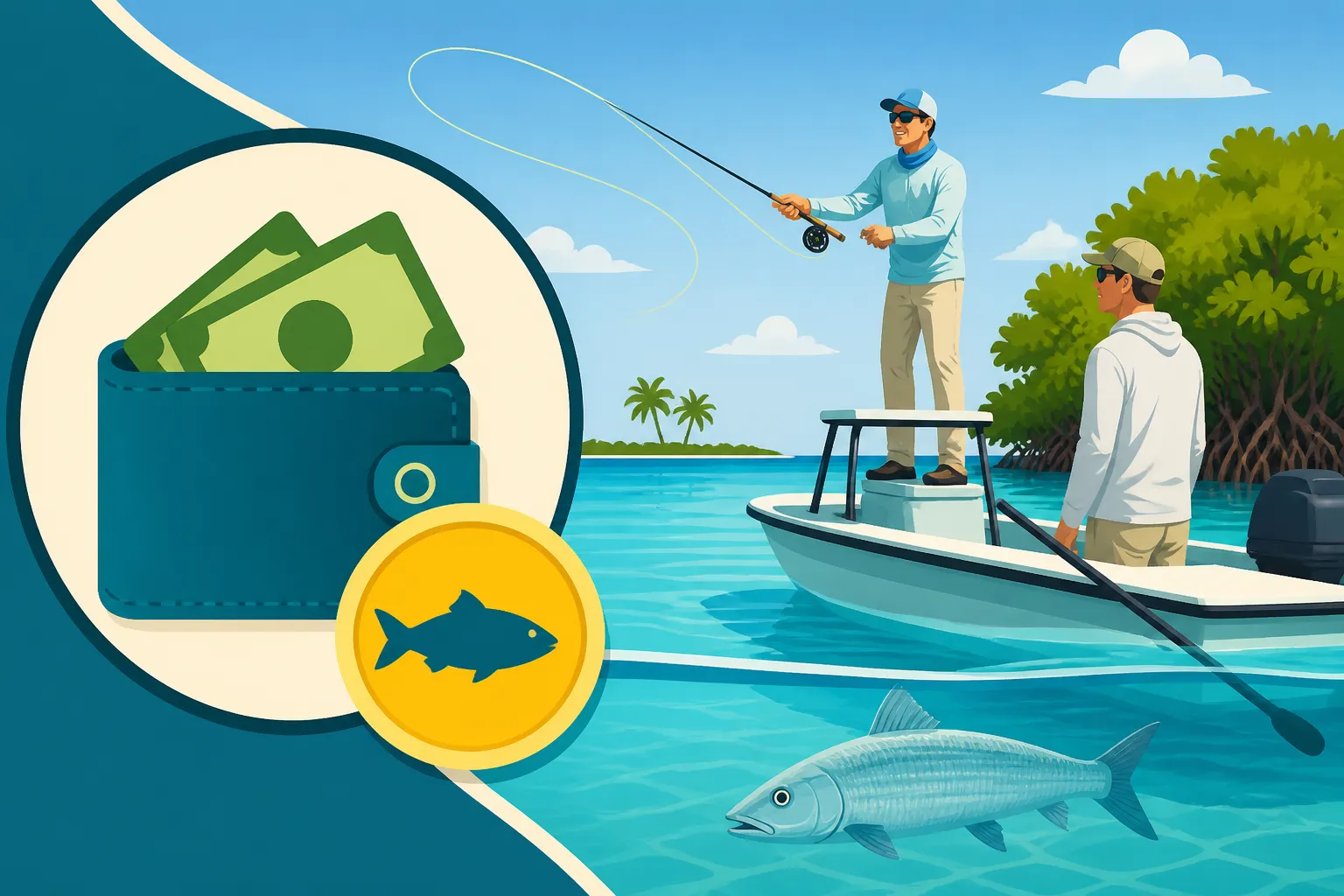
Ah, the Florida Keys! Just the mention of it conjures up images of crystal-clear flats, schooling bonefish, and the majestic silver king, the tarpon, exploding on a fly. If you're dreaming of this kind of experience, you're not alone. Many anglers grapple with understanding what goes into the cost of hiring a fly fishing guide in this iconic destination. It's not just a simple hourly rate; there are numerous factors at play that can make the price seem daunting, but knowing what you're paying for will help you budget and plan for an unforgettable trip. This guide will break down the elements that influence guide fees, helping you understand the investment in your Keys fly fishing adventure.
Decoding the Investment: What Shapes Fly Fishing Guide Costs in the Keys
Booking a fly fishing guide in the Florida Keys isn't like renting a car; it's an investment in expertise, local knowledge, and access to some of the most challenging and rewarding fishing in the world. Several key variables coalesce to determine the final price tag, each reflecting the unique demands and opportunities presented by this angling paradise. It’s crucial to understand these elements so you can make an informed decision that aligns with your expectations and budget.
Trip Duration: Half-Day, Full-Day, and Multi-Day Charters
One of the most immediate and significant factors impacting the cost of a fly fishing guide is the duration of your trip. Just like any professional service, more time on the water generally means a higher overall fee.
A half-day charter typically runs for about four hours. These trips are fantastic for anglers looking for a taste of the Keys' fly fishing, perhaps targeting a specific species during a prime tide, or for those with limited time or budget. They can also be a great option for beginners who might find a full day on the flats physically demanding. While a half-day costs less than a full-day, the per-hour rate can sometimes feel a bit higher, as the guide still has significant prep and travel time involved in getting ready for any trip, regardless of its length. You might focus on a specific flat for bonefish or spend time polishing your casting with some smaller species.
Full-day charters are the most popular option, usually lasting around eight hours. This extended time allows for more diverse fishing opportunities, giving the guide flexibility to chase different species, move to various locations as tides change, or wait out a tricky weather pattern. For instance, if you're targeting elusive permit, a full day provides the necessary patience and coverage to find and present to these wary fish. It also offers a more immersive experience, allowing for deeper engagement with the guide's knowledge and the local environment. Most serious fly anglers opt for a full day to maximize their chances and experience.
For the truly dedicated, multi-day charters offer the ultimate Keys fly fishing immersion. These are often custom-tailored packages that might include lodging, multiple guides, or trips to more remote areas. The costs for these naturally escalate, but they provide unparalleled opportunities for consecutive days of fishing, allowing for pattern recognition, deeper exploration of the vast flats and backcountry, and higher chances of achieving grand slams or specific trophy targets. Guides often offer a slight per-day discount for multi-day bookings compared to booking individual full days, but the upfront cost is substantial. If you're interested in comparing these options further, check out our guide on Half-Day vs Full-Day Fishing Charter Cost in Florida.
Target Species: The Prestige of Tarpon, Permit, and Bonefish
The specific fish you hope to target with your fly rod can dramatically influence the guide's rate. This isn't just about the fish's size; it's about the skill, patience, and specialized knowledge required to consistently put clients on them. The Florida Keys is famous for its "Grand Slam" of bonefish, permit, and tarpon, and these species command the highest guide fees.
Tarpon fishing, especially during the spring migration (often referred to as the "tarpon season"), is typically the most expensive. This is due to the intense demand for guides, the sheer size and power of the fish, and the specialized techniques and equipment required. Guides dedicate countless hours scouting migration routes and understanding their feeding patterns. Landing a tarpon on fly is considered one of the pinnacle achievements in saltwater fly fishing, and guides who consistently put clients on them are in high demand. Learn more about the best times to target them in our Florida Tarpon Fishing Season Guide.
Permit are notoriously difficult to catch on fly. They are incredibly wary, have exceptional eyesight, and are easily spooked. Successfully targeting permit requires a guide with an eagle eye, stealthy poling skills, and an intimate understanding of their behavior on the flats. This challenge translates into higher guide fees, as the success rate is lower, and the effort involved is immense. If you're looking for the ultimate test of skill, permit will deliver, and your guide will earn every penny. We delve deeper into this challenging pursuit in our Florida Permit Fishing Guide.
Bonefish are often considered the entry point for Keys flats fishing, though they are by no means easy. Known as "ghosts of the flats" for their speed and camouflage, they provide thrilling sight fishing opportunities. While still requiring a skilled guide, bonefish trips are often slightly less expensive than tarpon or permit trips. They offer consistent action and are excellent for honing casting and presentation skills. Don't underestimate them, though; a big bonefish on light tackle is a blast! For more details, see our Florida Bonefish Fishing Guide.
Occasionally, you might find guides who specialize in other species like barracuda, sharks, or even some smaller snappers and jacks on fly, particularly for half-day trips or for anglers looking for steady action rather than trophy pursuits. These trips can sometimes be a bit more budget-friendly.
Guide Experience and Reputation
Just like in any profession, experience, reputation, and demand play a significant role in a fly fishing guide's rates. A guide who has been poling the Keys flats for decades, who is consistently recommended, and who has a track record of putting clients on trophy fish will naturally command a higher price than a newer guide building their clientele.
Veteran guides possess an encyclopedic knowledge of the local waters, understanding nuances of tides, weather, and fish behavior that only come with years on the water. They know where the fish are, how they'll react, and what subtle adjustments are needed to secure a bite. This expertise is invaluable and allows them to deliver a premium experience. Many top guides are booked months, even a year, in advance, especially during peak seasons like tarpon migration.
Newer guides might offer slightly lower rates as they establish their reputation and build a loyal client base. This isn't to say they aren't skilled; many newer guides are incredibly passionate and eager to prove themselves, often bringing fresh perspectives and boundless energy. They can be an excellent option for anglers looking for a more affordable trip or for those who prioritize a relaxed, learning-focused experience.
Ultimately, you're paying for the guide's ability to maximize your chances of success and provide a safe, enjoyable day on the water. Reviewing testimonials on platforms like FishingBooker can offer insight into a guide's reputation and client satisfaction.
The Spectrum of Costs: Half-Day vs. Full-Day and Beyond
Now that we understand the influencing factors, let's talk about the typical cost ranges you might encounter for fly fishing guides in the Florida Keys. Remember, these are general figures, and actual prices will vary based on the guide, their specific offerings, and the current market demand. It's always best to contact guides directly or check their booking platforms for the most up-to-date pricing.
General Cost Brackets for Florida Keys Fly Fishing Guides
When you start researching, you'll notice a distinct range in prices, often influenced by the factors we just discussed. A good rule of thumb is that fly fishing guides in the Keys are typically at the higher end of the spectrum compared to general inshore fishing charters, due to the specialized nature of the sport and the intense demand for specific species.
For a half-day fly fishing trip, you might expect to see prices starting in a mid-range bracket, going up significantly for very experienced or high-demand guides. These shorter trips are great for getting your feet wet or focusing on a specific tide.
Full-day charters generally fall into a higher bracket, but often offer better value per hour than half-day trips, as they provide more flexibility and fishing time. This is where most serious fly anglers focus their budget, knowing that the extended time often makes the difference between a few shots and a truly productive day.
Factors like the peak tarpon season, a guide's reputation, and specialized equipment (like high-end fly rods and reels for specific species) can push these figures towards the upper echelons. It's not uncommon for top guides, particularly during peak tarpon season, to be at the very top of these ranges.
Example Cost Comparison: Half-Day vs. Full-Day
To illustrate the general difference, let's look at a hypothetical comparison for two common trip durations:
| Feature | Half-Day Fly Fishing Charter | Full-Day Fly Fishing Charter |
|---|---|---|
| Duration | ~4 hours on the water | ~8 hours on the water |
| Target Species | Often focused on one primary species (e.g., bonefish), or a mix of smaller species. | More flexibility to pursue multiple species (e.g., tarpon, permit, bonefish) or switch targets. |
| Flexibility | Limited, usually tied to specific tide or prime bite window. | High, allows for movement, waiting out lulls, exploring different areas. |
| Pace | Faster, often trying to maximize shots in a shorter window. | More relaxed, allowing for patient hunting and longer stalks. |
| Value | Good for beginners, budget-conscious, or specific short-window targets. | Best for serious anglers, higher chance of trophy species, more immersive experience. |
| Typical Cost Shape | Mid to Upper-Mid Range | Upper-Mid to High Range |
Keep in mind that these are general observations. Some guides may focus exclusively on full-day trips, especially for species like tarpon or permit where the extended time significantly increases the odds of success. When browsing platforms like FishingBooker, you can usually filter by trip duration to get a clear picture of what's available and at what price point.
Beyond the Sticker Price: What Your Fly Fishing Charter Includes (and Excludes)
When you look at the price for a fly fishing guide in the Florida Keys, it’s important to understand what’s typically covered and what you’ll still need to account for in your overall budget. Many anglers assume everything is included, only to be surprised by additional costs. A good guide will clarify this upfront, but it pays to be prepared.
Standard Inclusions: What You Can Generally Expect
Most reputable fly fishing guides in the Florida Keys aim to provide a comprehensive experience once you step aboard their boat. Here’s what’s usually part of the package:
- Professional Guide Services: This is the core of your investment. You’re paying for the guide's expert knowledge, their ability to pole the skiff silently, spot fish from a distance, instruct on casting and presentation, and make crucial decisions throughout the day. Their expertise is paramount to your success on the flats.
- Boat and Fuel: The guide's specialized flats skiff – designed for shallow water access and stealth – along with all the necessary fuel for the day's adventure, is always included. These boats are expensive to maintain and operate, and a portion of your fee covers this.
- High-Quality Fly Fishing Tackle: This is a big one, especially if you're traveling or new to fly fishing. Most guides provide top-notch fly rods, reels, lines, and leaders specifically matched to the target species and conditions. This includes a range of weights (e.g., 8-weight for bonefish, 10-weight for permit, 12-weight for tarpon) and different fly lines (floating, intermediate) to cover various scenarios. Having access to this specialized gear means you don't have to invest a fortune in tackle you might only use once or twice. If you're wondering if you should bring your own, check out Do You Need to Bring Your Own Fly Rod?.
- Flies: The guide will supply a selection of hand-tied, proven flies suitable for the species you’re targeting. These flies can be surprisingly expensive, and a good guide often has hundreds, if not thousands, in their box, ready for any situation. They know which patterns work best in specific conditions.
- Cooler with Ice and Water: Staying hydrated under the Florida sun is essential. Guides typically provide a cooler stocked with ice and bottled water. Some might include a few sodas or sports drinks as well.
- Safety Gear: All necessary safety equipment, including life jackets, first-aid kits, and communication devices, will be onboard and readily accessible.
Common Exclusions: What You'll Likely Pay Extra For
While guides provide a lot, there are usually a few items you'll need to budget for separately:
- Florida Fishing License: This is a non-negotiable. Every angler over a certain age needs a valid Florida fishing license, even when fishing with a guide. Guides usually carry a vessel license that covers general fishing, but individual anglers require their own personal license. You can purchase these online through the FWC website or at local tackle shops. Make sure you understand the requirements by reading our Florida Fishing License Guide.
- Food and Beverages (Beyond Water): While water is usually provided, you'll need to bring your own snacks, sandwiches, and any other specific drinks you prefer. A long day on the water can make you hungry, so pack a good lunch!
- Sun Protection: Sunglasses (polarized are a must for spotting fish), sunscreen, wide-brimmed hats, and sun-protective clothing are critical. The Keys sun is intense, and being uncomfortable will detract from your experience.
- Rain Gear: Florida weather can be unpredictable, with pop-up showers common, especially in summer. Bringing a lightweight rain jacket is a smart move.
- Gratuity for the Guide: This is perhaps the most significant "hidden" cost, but it's a standard practice and deeply appreciated. Tipping your guide is customary and reflects your satisfaction with their service, hard work, and effort. The industry standard often falls within a certain percentage range of the charter fee, but always tip what you feel is appropriate based on your experience. You can learn more about this in our Tipping Etiquette for Florida Fishing Guides.
- Fish Cleaning: For fly fishing charters in the Keys, particularly when targeting the "Glamour Slam" species (tarpon, permit, bonefish), it's almost exclusively catch and release. Therefore, fish cleaning services aren't typically a consideration. If you happen to catch something edible and legal, discuss this with your guide beforehand, though it's less common in fly fishing circles compared to general recreational fishing.
Making the Most of Your Fly Fishing Guide Experience in the Keys
Investing in a fly fishing guide in the Florida Keys is about more than just catching fish; it's about the entire experience, the education, and the opportunity to fish some of the most beautiful and challenging waters on earth. To ensure you get the absolute best value and enjoyment from your trip, a little preparation and understanding go a long way.
Booking Your Guide: Timing and Research
Timing is everything when it comes to securing a top-notch guide, especially if you have specific dates or target species in mind.
- Book Early: For peak seasons (like tarpon migration in spring) and for highly sought-after guides, you often need to book 6-12 months in advance. The best guides fill their calendars quickly.
- Flexibility Helps: If your dates are flexible, you might have an easier time finding availability and potentially even a better rate during shoulder seasons or weekdays.
- Do Your Homework: Don't just pick the first name you see. Research guides, read reviews, and check their websites or social media. Platforms like FishingBooker are excellent for comparing guides, reading genuine reviews from past clients, and getting a sense of their specialties and communication style. You can search specifically for guides who excel in fly fishing for bonefish, for instance, by looking at Best Charters for Catching Bonefish on Fly.
- Communicate Clearly: Once you've chosen a few potential guides, reach out and clearly communicate your expectations. What species do you want to target? What's your skill level? Are you looking for a hardcore fishing trip or a more relaxed experience? This helps the guide tailor the day to your needs. This is part of the crucial process of How to Choose a Florida Fishing Guide.
Preparation for Your Trip
Once your trip is booked, a little preparation on your part will ensure a smoother and more enjoyable day:
- Practice Your Casting: Fly fishing on the flats is often about making quick, accurate casts to moving targets, often in windy conditions. The more proficient you are, the more shots you'll get, and the less time your guide will spend teaching basic mechanics. Even 15-20 minutes of practice in your backyard before the trip can make a huge difference.
- Physical Fitness: A full day of standing on a poling platform, scanning for fish, and making numerous casts can be physically demanding. Being in reasonably good shape will enhance your endurance and enjoyment.
- Pack Smart: Refer back to the "Exclusions" section. Bring adequate sun protection (polarized sunglasses are non-negotiable for spotting fish), a rain jacket, plenty of snacks, and any specific drinks you desire. Layered clothing is often best. Our guide on What to Bring on a Florida Fishing Charter offers more comprehensive advice.
- Listen to Your Guide: They are the expert on the water. Their instructions on spotting fish, presentation, and fighting techniques are invaluable. Even if you're an experienced angler, local knowledge is king.
- Be Patient and Enjoy the Process: Fly fishing for challenging species in the Keys requires patience. You might have long stretches without a bite, or miss several shots. It’s all part of the game. Embrace the beauty of the surroundings, the thrill of the hunt, and the challenge of the sport. The Keys ecosystem itself is a wonder, so enjoy the entire Florida Keys Fishing Guide experience, regardless of how many fish you catch.
By understanding the cost factors, preparing diligently, and communicating openly with your guide, you'll set yourself up for an incredible and memorable fly fishing adventure in the Florida Keys. The investment is significant, but the memories and the pursuit of these majestic fish on fly are truly priceless.
Disclaimer
This article is for general informational purposes only and does not constitute professional advice. Laws, prices and regulations vary by location and change over time. Consult a qualified professional for guidance on your specific situation.