Do Florida Charters Provide Life Jackets for Kids?
Ah, the joys of planning a family fishing trip to Florida! There's nothing quite like imagining those excited little faces reeling in their first catch. But if you're like most parents, that excitement is probably mixed with a healthy dose of worry, especially when it comes to safety on the water. A huge question that often pops up is whether fishing charters in the Sunshine State actually provide life jackets for the kiddos. Let me tell you, that's a perfectly valid concern, and I'm happy to tell you that, yes, absolutely, Florida fishing charters do provide life jackets for children – it's not just good practice, it's the law, and a cornerstone of any reputable charter's operation.
The Legal Mandate: What Florida Law Says About Life Jackets on Charters
When you step aboard a Florida fishing charter, you're not just hopping on a friend's boat for a casual afternoon. These are professional, licensed operations, and as such, they are held to stringent safety standards by both federal and state authorities. This isn't just a suggestion; it's a non-negotiable requirement that protects everyone on board, especially our youngest anglers.
Federal and State Regulations for Children's PFDs
Let's dive into the nitty-gritty of what the law actually requires. In Florida, specific regulations govern the use and availability of personal flotation devices (PFDs), commonly known as life jackets, for children on recreational vessels. However, licensed fishing charters operate under slightly different rules as commercial vessels, and they are typically guided by U.S. Coast Guard (USCG) regulations in addition to state laws. The overarching rule from the USCG is that there must be a properly-sized, USCG-approved PFD for every person on board.
For children, Florida state law generally dictates that any child under the age of six who is on a vessel less than 26 feet long must wear a USCG-approved PFD while the vessel is underway. While this specific rule primarily applies to recreational boaters, commercial charters often adopt or exceed these standards due to their higher duty of care. For all commercial vessels, including fishing charters, the rule is generally that children under 13 years of age must wear a PFD unless they are in an enclosed cabin. Even if a charter boat has an enclosed cabin, most reputable captains encourage, and sometimes require, children to wear their PFDs while moving or fishing, especially if they are actively participating on deck. These PFDs must be "readily accessible," meaning they aren't stowed away in some hard-to-reach locker but are easily grabbed and put on in an emergency. This ensures that in the unlikely event of an unexpected situation, there's no frantic scramble to find appropriate safety gear for your little ones.
The Captain's Responsibility
Behind every safe and successful fishing trip is a captain who takes their responsibility seriously. Florida fishing charter captains are not just expert anglers; they are also highly trained and licensed professionals, often holding a USCG Master Captain's license, which demands a deep understanding of maritime law, navigation, and, crucially, safety protocols. This isn't just about avoiding fines; it's about genuine care for their passengers.
Their commitment to safety often goes above and beyond the minimum legal requirements. A good captain understands that parents are entrusting them with their most precious cargo. They know that a positive, safe experience means repeat customers and glowing reviews. Therefore, they make it a point to stock a variety of child-sized PFDs, ensuring there's one that fits correctly and comfortably for every young angler on board. They’ll usually give a thorough safety briefing before leaving the dock, pointing out where life jackets are located and explaining their use. This proactive approach helps put parents at ease, allowing everyone to focus on the thrill of the catch rather than worrying about what might happen. If you're ever in doubt, the captain is always your first point of contact for any safety questions you might have. You can learn more about the responsibilities of these professionals in our guide on Florida Fishing License Requirements for Boat Captains.
Beyond the Law: Why Reputable Charters Prioritize Kid's Safety
While the law sets the baseline, truly excellent Florida fishing charters go much further. They understand that a family-friendly charter isn't just about having the right gear; it's about creating an experience where everyone feels secure, happy, and ready to make lasting memories. This commitment to safety extends far beyond simply checking a box on a regulatory form.
Comfort and Fit: The Key to Kid-Friendly Charters
We all know how squirmy kids can be, especially when they're uncomfortable. A life jacket that's too big can ride up around their ears, hindering their vision and movement, making them feel insecure. One that's too small can be constricting and chafing, quickly turning excitement into misery. This is a common frustration for parents, and reputable charters recognize it. They know that a generic "one-size-fits-all" approach simply doesn't work for children, who come in all shapes and sizes, from toddlers to pre-teens.
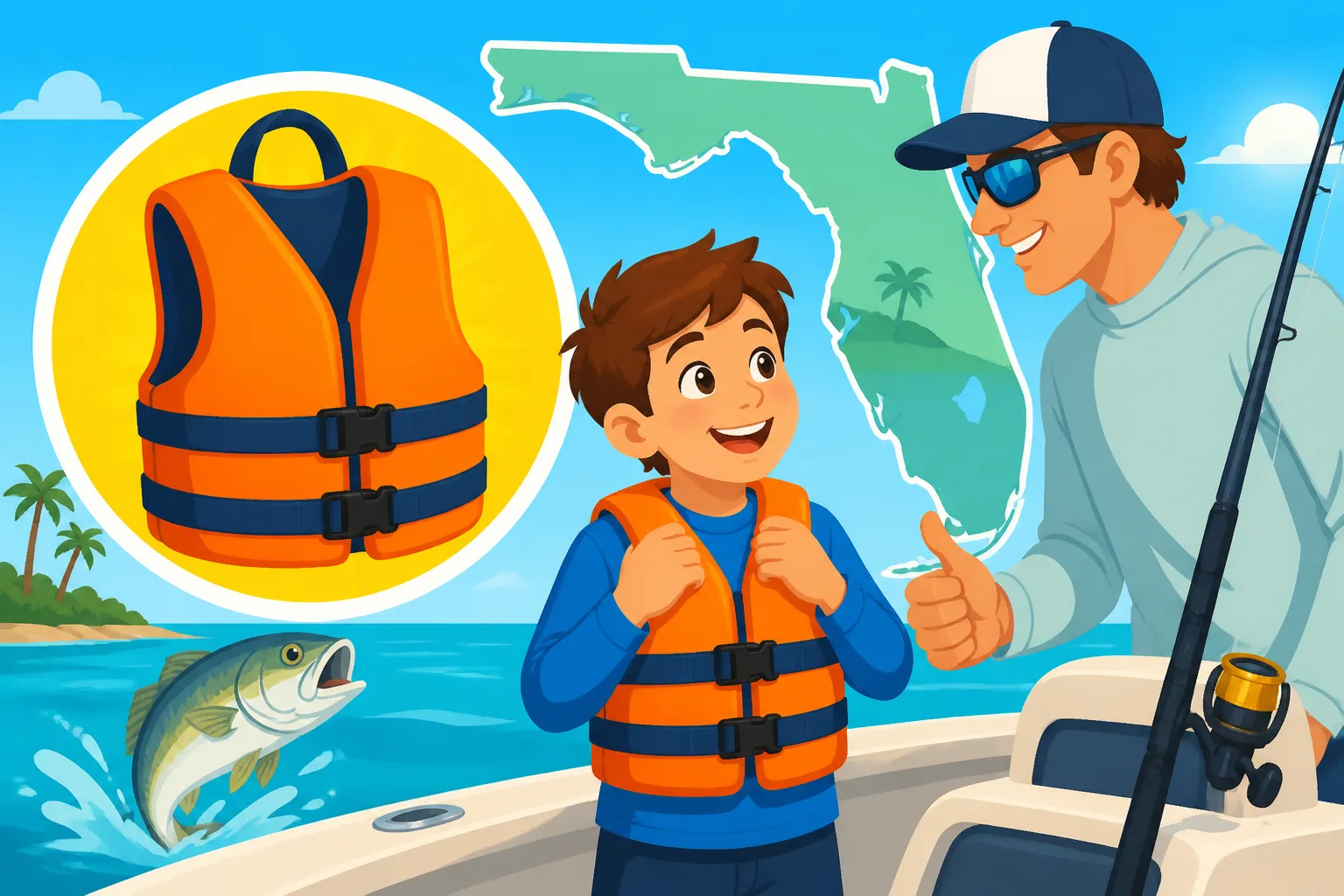
That's why these charters invest in a range of USCG-approved PFDs specifically designed for children of different weights and age groups. You'll often find vests with adjustable straps, crotch straps to prevent ride-up, and vibrant colors that make them appealing to kids. The goal isn't just flotation, but also comfort, which in turn encourages compliance. When a child feels comfortable and secure in their life jacket, they're less likely to complain, fidget, or try to take it off, making the entire trip more enjoyable for everyone. This thoughtful provision means parents don't have to stress about their child being miserable or unsafe, allowing them to relax and enjoy the fishing too.
Peace of Mind for Parents
Let's be real, parents have enough to worry about in daily life. Planning a vacation should be a time for fun, not added stress. The moment you book a fishing charter, you're looking for an escape, an adventure, and most importantly, a safe environment for your loved ones. The unspoken promise of a good charter is that you can hand over the safety reins and simply enjoy the moment. This is precisely why providing child-sized life jackets is such a huge selling point for family-friendly charters.
Imagine arriving at the dock, your kids buzzing with anticipation, and seeing a neat stack of various brightly colored, well-maintained life jackets ready for them. That instant visual reassurance can melt away a parent's anxieties faster than a popsicle in the Florida sun. It sends a clear message: "We care about your children's safety." This level of consideration is what transforms a good charter into a great one, ensuring that parents can truly unwind. Websites like FishingBooker often highlight charters that are particularly well-suited for families, sometimes even listing specific amenities like child-sized PFDs, making it easier for you to find a perfect match and alleviate those pre-trip jitters. It’s also worth checking out guides on Best Fishing Charters for Families in Florida or Are Kids Allowed on Florida Fishing Charters? for more insights.
What to Expect and How to Confirm
Even though the provision of child life jackets is standard, understanding what to expect and how to confirm details can further enhance your peace of mind and ensure a smooth experience for your family. Not all charters are identical, and a little proactive communication goes a long way.
Different Types of Charters and Their PFD Provisions
Florida's fishing scene is incredibly diverse, offering everything from serene freshwater bass trips to exhilarating offshore deep-sea adventures. The type of charter you choose might subtly influence the specific life jacket arrangements, though all will meet legal requirements.
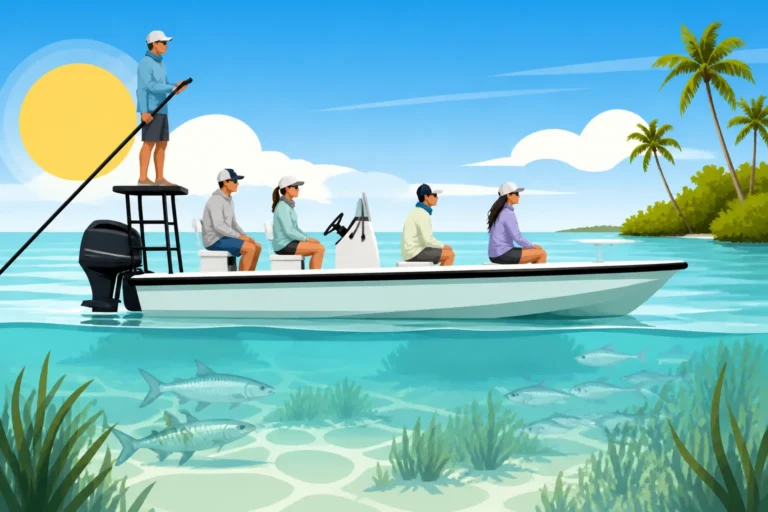
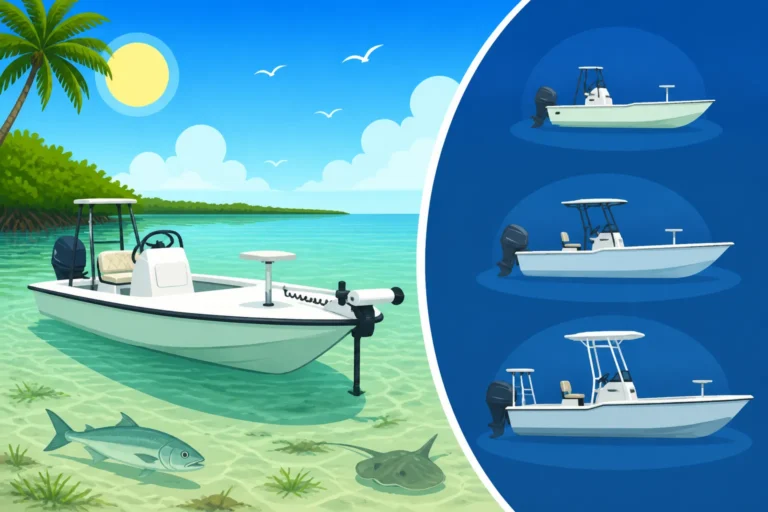
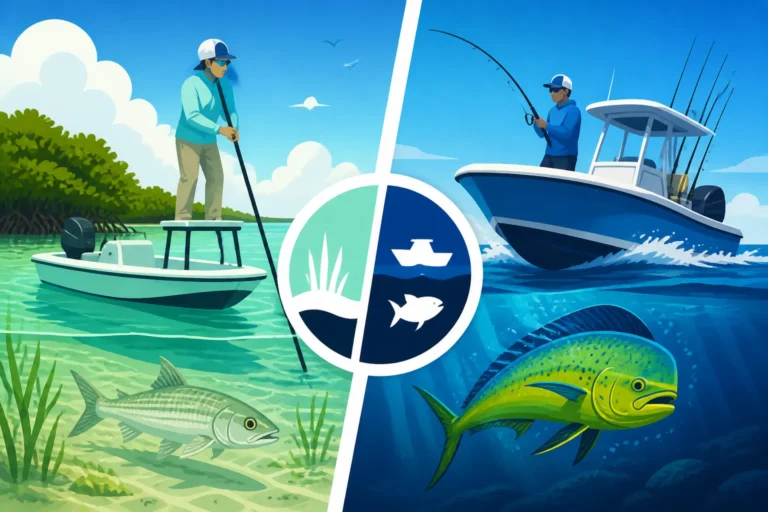
- Inshore and Flats Boats: These vessels, often smaller and designed for navigating shallow waters, might not have an enormous inventory of every single size of child PFD readily visible. However, rest assured, your captain will always have USCG-approved options onboard. They are typically very experienced with families and can quickly assess and provide a suitable jacket. Because these trips are often in calmer, shallower waters, parents might feel a bit more relaxed, but safety is still paramount.
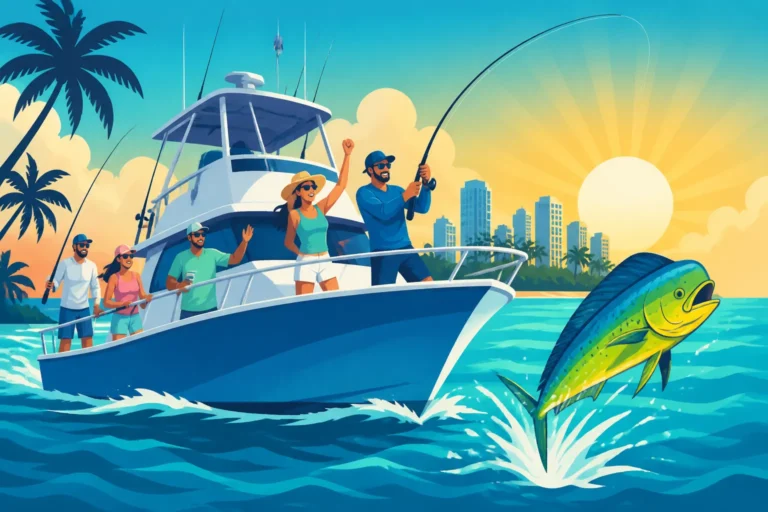
- Offshore and Deep-Sea Vessels: Larger boats heading into the open ocean generally carry a more extensive selection of safety gear, including a wider range of child-sized life jackets. The nature of offshore fishing means more unpredictable conditions, so captains are especially vigilant about PFD use for children, often requiring them to wear them for the duration of the trip, especially if they are frequently moving about the deck.
- Party Boats/Head Boats: These larger, communal fishing trips often have a dedicated crew member who helps distribute PFDs and provides safety instructions. Given the sheer number of passengers, they are well-stocked with PFDs for all ages and sizes. These can be a fantastic option for families, as the crew is accustomed to managing many people, including energetic children.
Regardless of the type, if you have a very specific concern about a child's size or comfort, always communicate it upfront. It’s also important to remember that all charter boat fishing in Florida is subject to rules, and you can learn more about these in Charter Boat Fishing License Rules in Florida.
Communicating with Your Charter Captain
The best way to guarantee a worry-free experience is to simply ask! Don't feel like you're being a nuisance. Captains expect these questions, especially from parents. When you're in the process of booking, or even after you've made your reservation, reach out to your captain directly.
Here's what you can do:
- Direct Contact: A quick phone call or email is often the most effective. Simply state, "Hi Captain, we're really looking forward to our trip! We'll be bringing our two children, ages X and Y (and roughly weights Z and W). Just wanted to confirm you'll have appropriately sized life jackets for them on board."
- Online Platforms: If you booked through an online portal like FishingBooker, many of these platforms offer a direct messaging feature to communicate with the captain. You can use this to send the same inquiry. Some even have a "notes" section during booking where you can include this information.
- Check FAQs/Website: Many reputable charters will have an FAQ section on their website that addresses common questions, including safety equipment and provisions for children. It’s always a good idea to check there first.
Providing your child's age and approximate weight is incredibly helpful. This allows the captain to confirm they have the right size or even make a note to specifically set aside jackets that will be a good fit. This small step ensures that when you arrive, everything is ready, and your kids can get straight to the excitement of fishing without any uncomfortable delays. You'll also want to know What to Bring on a Florida Fishing Charter in general.
When to Consider Bringing Your Own (and Why)
While Florida fishing charters are legally required and generally happy to provide child life jackets, there are certain situations where bringing your own might actually be the best option for your family. It's not about distrusting the charter; it's about maximizing comfort and minimizing potential fuss for your child.
Ensuring a Perfect Fit and Familiarity
Think about it: your child likely has a favorite blanket, a specific toy, or even a preferred brand of shoes. The same can apply to life jackets, especially for younger kids or those prone to sensory sensitivities. A life jacket that your child already owns, has worn before, and finds comfortable can make a world of difference.
Here's why bringing their own might be beneficial:
- Custom Fit: You know your child's exact measurements and comfort preferences. A jacket you've purchased yourself is likely to be the best possible fit, tailored to their body shape. This means less chafing, less riding up, and overall greater comfort throughout the trip.
- Familiarity Breeds Confidence: For a child, a new environment like a boat can be overwhelming, even exciting. Adding an unfamiliar, potentially scratchy or bulky life jacket can increase anxiety. If they're wearing their own "lucky" or well-broken-in PFD, it provides a sense of continuity and comfort, helping them feel more secure and confident on the water. This familiarity can be especially helpful for very young children who might be less adaptable to new sensations.
- Hygiene: While charters strive to keep their equipment clean, a personal life jacket guarantees a level of hygiene that might be important to some parents. You know exactly how it's been cleaned and stored.
This little touch can turn potential meltdowns into smooth sailing, allowing your child to fully enjoy the adventure.
Specific Situations Where Your Own Might Be Best
Beyond general comfort, there are a few specific scenarios where packing your child's own life jacket is a really smart move:
- Very Young Children or Infants: While not all infants require a PFD by law if in an enclosed cabin, if you have a baby or very young toddler who will be on deck, you'll want an infant-specific PFD. These are designed with head support and specific flotation properties for the smallest passengers. Charters might have a few, but a personal one ensures the exact fit and style you're comfortable with. Remember to consider the Minimum Age for a Florida Fishing Charter if bringing very young children.
- Children with Special Needs or Sensory Issues: Some children might be particularly sensitive to textures, tightness, or unfamiliar items. A life jacket that you've carefully selected to meet their sensory needs can prevent discomfort and distress, allowing them to have a much better experience.
- Unique Body Types: If your child falls outside the typical weight/height ranges for their age, or has a unique build, you might struggle to find a perfect fit among a charter's general stock. Bringing a jacket you know fits them well eliminates this potential problem.
- Longer or Multi-Day Trips: For extended adventures where comfort is even more critical, or if you're chartering a very small, specialized vessel where storage space for many PFD sizes might be limited, having your own jacket can be a significant advantage.
Ultimately, the decision to bring your own life jacket or rely on the charter's is a personal one, weighing convenience against familiarity and fit. Most captains are perfectly fine with you bringing your own, as long as it is a USCG-approved PFD. Just let them know beforehand, so they don't count an extra PFD for your child in their inventory! Making sure everyone feels safe and secure is the top priority for a fantastic fishing trip in Florida.
| Charter Type | Typical PFD Provision for Children | When to Consider Bringing Your Own |
|---|---|---|
| Inshore/Flats | USCG-approved, various child sizes (may be fewer) | Very young kids, sensory issues, specific fit needs |
| Offshore/Deep Sea | USCG-approved, ample child sizes, encouraged for use | Extreme discomfort with unfamiliar PFDs, unique body types |
| Party/Head Boat | USCG-approved, abundant sizes, crew assists with fitting | Personal preference for fit/familiarity, hygiene concerns |
Disclaimer
This article is for general informational purposes only and does not constitute professional advice. Laws, prices and regulations vary by location and change over time. Consult a qualified professional for guidance on your specific situation.