What Happens If You Catch a Fish Over the Limit on a Charter?
It’s a scenario every angler dreads, especially when you’re out on a Florida fishing charter, just trying to enjoy the beautiful waters: you hook into what feels like a trophy, fight it to the boat, only to realize it might be over the legal limit. That sudden rush of excitement can turn to a wave of anxiety, making you wonder, "Now what?" This comprehensive guide is here to unravel the mystery of what happens when you catch an over-the-limit fish on a Florida charter, explaining the rules, your role, and how experienced captains navigate these situations to keep everyone compliant and the fish population healthy.
Understanding Florida's Fishing Regulations and Limits
Florida's waters are teeming with incredible fish, but keeping them healthy for future generations means we all have to play by the rules. The Florida Fish and Wildlife Conservation Commission (FWC) sets these regulations, and they're constantly being updated to protect various species. It can feel like a lot to keep track of, but it's crucial for sustainable fishing.
The Importance of Size and Bag Limits
These aren't arbitrary rules; size and bag limits are carefully crafted conservation tools. Think of them as speed limits for fish. A minimum size limit allows fish to reach reproductive maturity, ensuring they have a chance to spawn and contribute to the population before being harvested. A maximum size limit, often part of a "slot limit," protects the largest, most productive breeders, which are essential for genetic diversity and robust populations. A bag limit, on the other hand, controls the total number of fish an angler can keep per day, preventing overfishing of popular species.
For instance, certain species like snook and redfish often have strict slot limits – meaning you can only keep fish within a specific size range, protecting both the juveniles and the large breeding adults. Grouper and snapper species, particularly when fishing offshore, also have specific minimum sizes and sometimes even closed seasons that are incredibly important to respect. It's a complex system, but it’s all designed to ensure the vibrant marine ecosystem of Florida remains healthy for us all to enjoy. If you're keen to dive deeper into all the rules, checking out Florida Fishing Regulations and Bag Limits is a fantastic starting point.
Who is Responsible for Knowing the Rules?
This is a common point of confusion, and frankly, it's a bit of a shared responsibility. As an individual angler, you are ultimately responsible for adhering to all fishing regulations. This includes having the appropriate Florida Fishing License Guide and understanding the limits for the species you’re targeting. Ignorance of the law is rarely an excuse that holds up.
However, when you're on a licensed fishing charter in Florida, your captain and crew are the ultimate experts and are legally responsible for the operations of their vessel, including ensuring compliance with all FWC regulations. They are professional mariners and fishing guides, and their knowledge of local rules, seasonal closures, and specific bag/size limits is paramount. A good captain will continuously monitor the fish being caught, measure them immediately, and instruct you on what to keep and what to release. They are your guide through this regulatory labyrinth, and you should always follow their instructions. Many anglers even use resources like FishingBooker to find reputable captains who are known for their expertise in local regulations and conservation practices.
The Immediate Reaction: What to Do When You Hook an Over-the-Limit Fish
So, you’ve hooked something substantial, brought it alongside the boat, and the captain or mate quickly identifies it as being outside the legal slot or minimum size. Don't panic! This happens more often than you might think, and how you react is key.
Immediate Identification and Communication
The very first step is to quickly identify the species. Sometimes, especially for beginner anglers, telling similar species apart can be tough, like distinguishing a red snapper from a vermilion snapper when you're deep dropping. Your charter captain or mate will be an expert at this. As soon as a fish is at the boat, before it even comes out of the water if possible, the captain or mate will usually take a look. They’ll quickly measure it against a pre-marked measuring board or a physical ruler.
If they determine the fish is over the maximum size, under the minimum size, or falls outside a specific slot limit (like a Florida Snook Size and Slot Limits or Florida Redfish Size and Bag Limits), they will immediately instruct you on what to do. Your job is to listen carefully and act promptly. Do not hesitate or try to argue. Their instruction will almost always be to release the fish quickly and carefully.
Proper Handling for Release
This is where your actions become critically important. When a fish is over the limit and must be released, the goal is to give it the absolute best chance of survival. This means minimizing stress and physical damage.
- Speed is Essential: The less time the fish spends out of the water, the better. Have your camera ready for a quick photo, but prioritize its health.
- Wet Hands Only: Always handle fish with wet hands to protect their delicate slime coat, which acts as their immune system against parasites and infections.
- Support the Fish: When lifting a fish for release or a quick photo, support its body horizontally, especially larger fish. Avoid holding it vertically by the jaw or tail alone, as this can damage its internal organs or spine.
- Dehooking Tools: Your charter will have dehooking tools. These allow for quick and efficient hook removal, especially when the hook is deep. The captain or mate will likely do this for you.
- Revival: For some species, especially if they’ve fought hard, a little revival might be necessary. This involves holding the fish in the water, facing into the current, allowing water to flow over its gills until it regains strength and swims away on its own.
- Deepwater Release Devices: If you’re fishing offshore and catch a deep-dwelling species like a grouper or snapper that needs to be released but is showing signs of barotrauma (swollen stomach, bulging eyes), a deepwater release device is crucial. These devices rapidly descend the fish back to depth, allowing its swim bladder to recompress. Many Gag Grouper Size and Bag Limits and Red Snapper Size and Bag Limits regulations emphasize the use of such devices. Learning Catch and Release Best Practices for Snook or How to Handle a Redfish for Release are excellent ways to prepare for these situations.
The Captain's Role and Responsibilities
When you step aboard a Florida fishing charter, you're not just getting a ride to the fishing grounds; you're entrusting your experience, and often your safety, to the captain. This includes their deep understanding of fishing regulations.
Captain's Expertise and Guidance
A professional fishing charter captain in Florida isn't just someone who knows how to drive a boat. They are licensed professionals who spend countless hours on the water, observing fish behavior, understanding weather patterns, and, crucially, staying current with all FWC regulations. They are the frontline educators and enforcers of conservation on their vessel.
Your captain will be your primary source of guidance on what to target, what bait to use, and what can and cannot be kept. Before you even drop a line, a good captain will typically brief you on the target species for the day and their specific bag and size limits. As fish come aboard, they will quickly measure and verify compliance. If a fish is over or under the limit, they will immediately instruct you on its safe and swift release. This expertise is one of the main reasons people opt for a charter, especially when visiting an unfamiliar area or targeting a species with complex regulations. Many excellent captains who prioritize both a great fishing experience and conservation can be found by researching reputable charters, perhaps through platforms like FishingBooker, which often include reviews mentioning a captain’s adherence to regulations. If you're still weighing your options, learning How to Choose a Florida Fishing Guide can be incredibly helpful.
Consequences for Non-Compliance
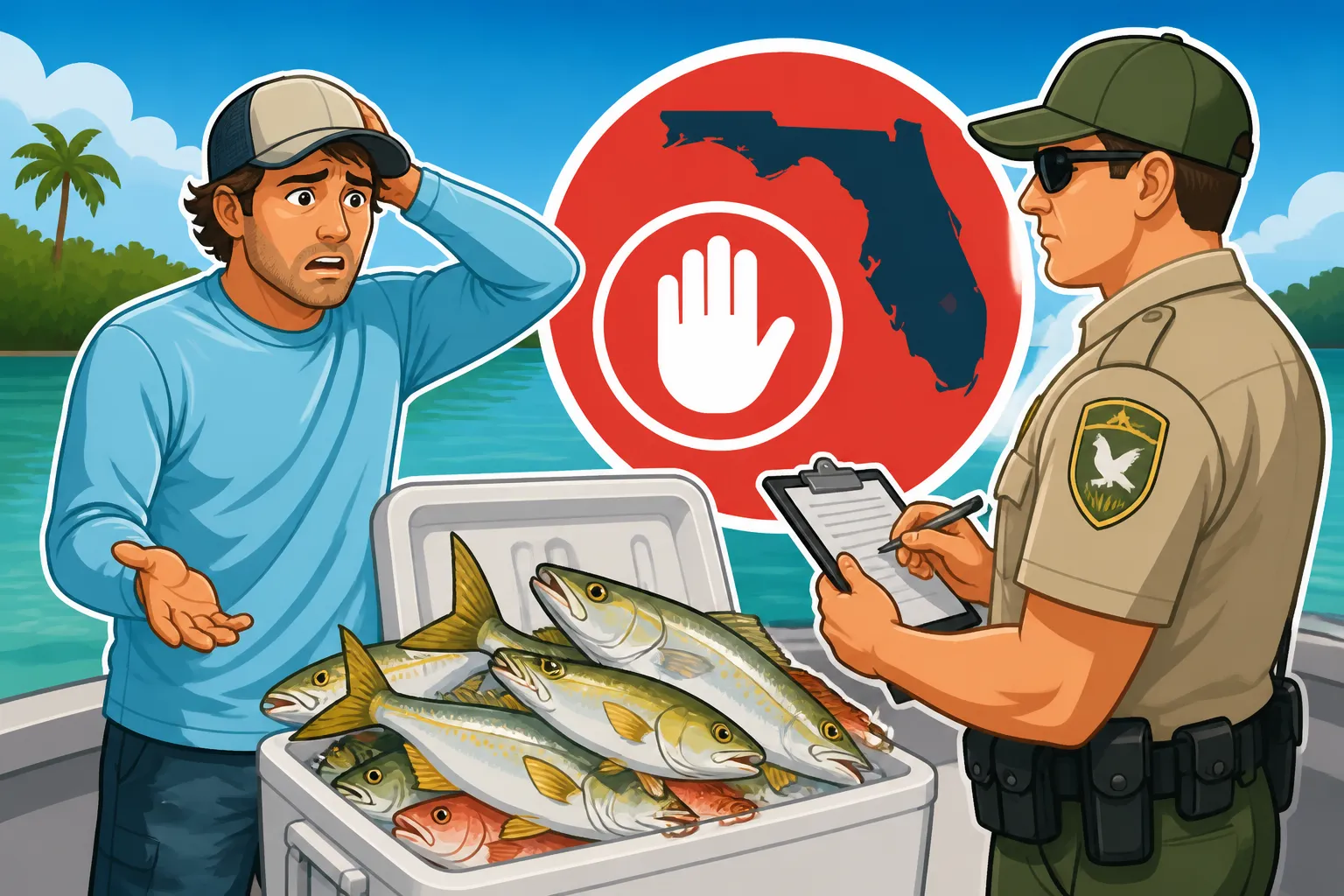
Nobody wants to face fines or legal trouble while trying to enjoy a day on the water. Unfortunately, exceeding bag limits or keeping undersized/oversized fish falls under poaching, which carries real consequences in Florida.
For the angler, getting caught with an over-the-limit fish can result in a hefty fine. The amount can vary depending on the species, the number of fish, and whether it’s a first offense. In some cases, it could even lead to forfeiture of your fishing gear. This is why following the captain’s instructions for immediate release is so important.
For the captain, the consequences can be even more severe. As the operator of a commercial vessel, a captain can face substantial fines, suspension or revocation of their captain's license, and damage to their professional reputation. This is why reputable captains are so meticulous about compliance. They have a vested interest in ensuring all rules are followed to the letter. They will proactively measure fish, enforce release, and ensure proper documentation if anything out of the ordinary occurs. In short, a captain's livelihood depends on adherence to these regulations. This is also why Florida Fishing License Requirements for Boat Captains are so rigorous. It’s a very different set of rules than for the average recreational angler, though you should still have your own Do You Need Your Own License for a Florida Charter? question answered. If you're curious about the general implications of not following fishing laws, you might want to read up on What Happens If You Fish Without a License.
Best Practices for a Stress-Free Charter Experience
While fishing regulations can seem daunting, a little preparation and good communication can make your charter experience smooth and enjoyable, even when you encounter those "problem" fish.
Pre-Trip Preparation and Communication
The best way to avoid uncomfortable situations on the water is to address potential issues before you even leave the dock.
- Ask Questions Before Booking: When you’re researching charters (perhaps on FishingBooker, where you can often message captains directly), don't hesitate to ask about their approach to bag limits and catch-and-release. If you have a specific goal, like wanting to keep fish for dinner, make that clear upfront. Some charters are strictly catch-and-release for certain species, while others focus on putting dinner in the cooler.
- Clarify Expectations: Before the trip, confirm with your captain or mate what species you'll be targeting and what the current regulations are for those fish. A quick check of the FWC website or a reliable app like FWC Fish Rules before your trip can also empower you with knowledge.
- Know Your Role: Understand that the captain makes the final call on what's legal to keep. Your role is to fish responsibly, handle fish carefully, and follow instructions. Think of yourself as part of a team effort to ensure a successful and compliant outing. Sometimes, you might even encounter unique circumstances like Do Florida Fishing License Rules Change During Red Tide Events?, which your captain will be well-versed in.
Respecting Conservation and the Charter's Ethics
Ultimately, fishing in Florida is about enjoying the natural beauty and incredible marine life. Respecting conservation efforts and the ethics of your chosen charter is paramount.
Many top-tier fishing charters in Florida are passionate advocates for conservation. They understand that a healthy fishery means sustained business and enjoyment for everyone. They will often go above and beyond merely following the letter of the law, sometimes opting for catch-and-release even when a fish is technically legal, especially for larger breeding stock or particularly vulnerable species.
Embrace the catch-and-release philosophy for those over-the-limit or otherwise protected fish. A great photo of a released trophy fish is often more rewarding than a fish in the cooler that shouldn't have been there. It contributes to the long-term health of the fishery and ensures that future generations, and future you, will have plenty of incredible fishing experiences in Florida. Remember that even though you're paying for a trip, responsible angling is a shared responsibility, and your captain is there to guide you through it all. Don't forget to show your appreciation for their hard work and expertise – Tipping Etiquette for Florida Fishing Guides is a great resource to understand how.
Here's a quick reference for general fish handling practices, especially for fish that need to be released:
| Action | Description | Best Practice for Release |
|---|---|---|
| Identification | Confirm species quickly and accurately. | Rely on captain/mate for quick ID; if unsure, assume release. |
| Measurement | Determine if fish meets legal size/slot limits. | Captain/mate uses measuring device; follow their call immediately. |
| Handling Out of Water | Minimize air exposure and physical contact. | Wet hands, support horizontally, remove hook quickly. |
| Dehooking | Remove hook efficiently and with minimal damage. | Use pliers/dehookers; captain/mate will usually assist. |
| Revival | Help distressed fish regain strength before swimming off. | Hold fish in water, facing current, until it swims away. |
| Deepwater Release | For fish caught from deep water showing barotrauma. | Use a specialized descending device to return fish to depth. |
Disclaimer
This article is for general informational purposes only and does not constitute professional advice. Laws, prices and regulations vary by location and change over time. Consult a qualified professional for guidance on your specific situation.