Florida Charter Boat Fishing License Rules
Navigating the ins and outs of fishing regulations in Florida can feel like trying to untangle a particularly stubborn fishing knot, especially when you're planning a trip with a professional charter. Many anglers arrive in the Sunshine State wondering if they need to purchase their own individual fishing license even if they're stepping aboard a licensed charter boat. This guide is here to clear up that confusion, explaining precisely when you're covered by the charter's license and when you might need your own, ensuring your fishing adventure is smooth sailing and completely legal.
The Basics: Do You Need Your Own License on a Charter?
It's a common question, and honestly, it's one of those things that keeps a lot of new anglers (and even some seasoned ones) scratching their heads. The short answer, for most situations, is a resounding "no." But, as with all things related to regulations, there are always a few important caveats you need to be aware of. The beauty of booking a reputable fishing charter in Florida is that they typically handle a lot of the regulatory heavy lifting for you.
The Captain's Blanket License
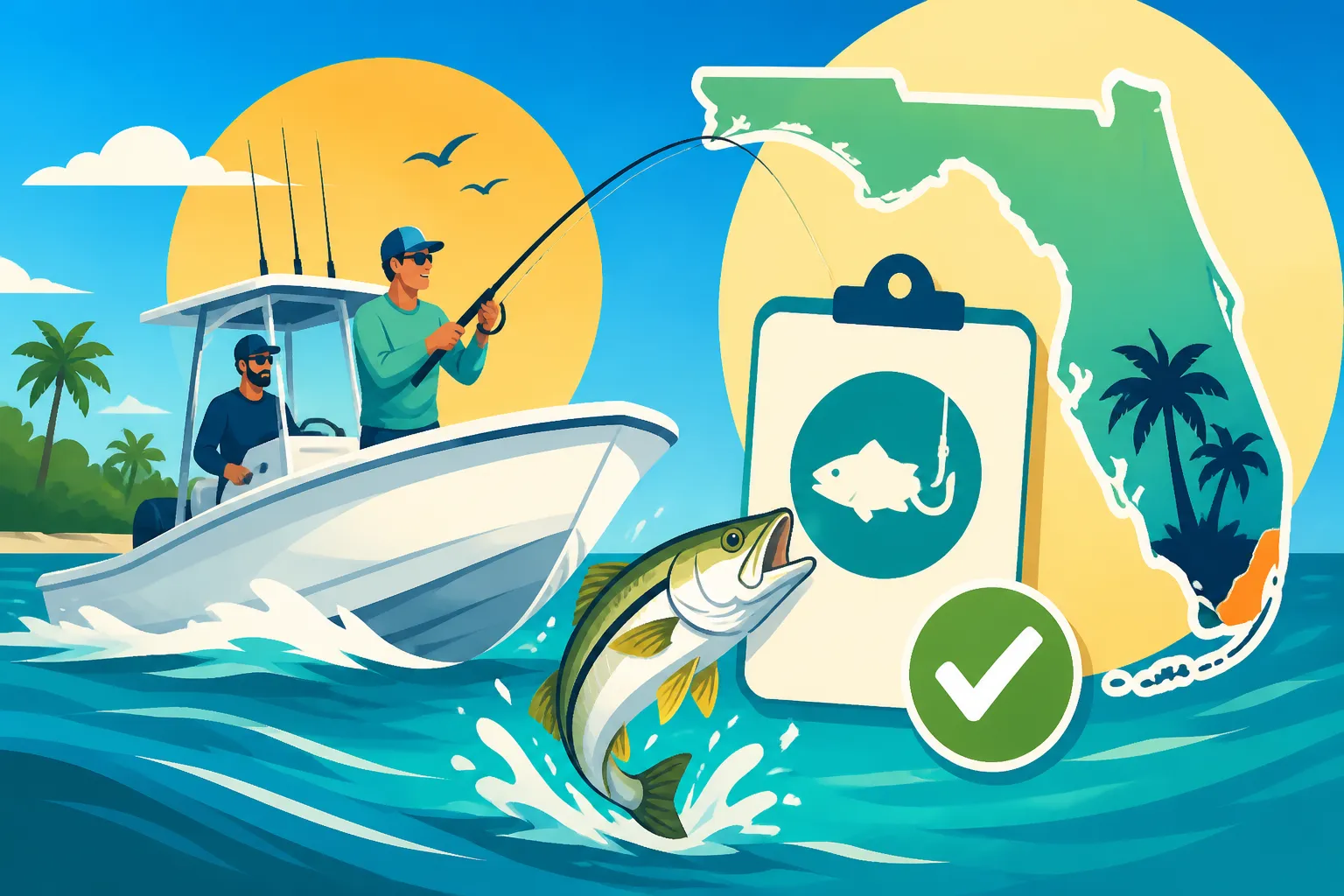
One of the biggest advantages of fishing with a licensed charter captain in Florida is the "blanket license" they carry. This isn't just any old fishing license; it's a special for-hire license issued by the Florida Fish and Wildlife Conservation Commission (FWC) that covers everyone on board their vessel. Think of it as a group pass for fishing. This means that as long as you're a paying passenger on a legitimate, licensed charter, you generally don't need to worry about purchasing your own individual recreational saltwater or freshwater fishing license.
This blanket coverage is a huge relief for visitors, tourists, and even local anglers who don't want the hassle of figuring out individual license requirements or remembering to renew. It removes a significant barrier to entry, making it easier for folks to enjoy Florida's incredible fishing opportunities. It's truly a convenience, allowing you to focus on the thrill of the catch rather than the paperwork. Your captain has already done the homework and paid the necessary fees to ensure everyone fishing under their guidance is legally covered.
When Individual Licenses ARE Required
While the blanket license covers most scenarios, it's crucial to understand the exceptions. Florida's fishing regulations can be quite detailed, especially when it comes to certain highly sought-after species or specific types of fishing activities. Ignoring these exceptions could lead to fines, even if you thought you were fully compliant. It's always best to clarify with your captain beforehand if you have any doubts.
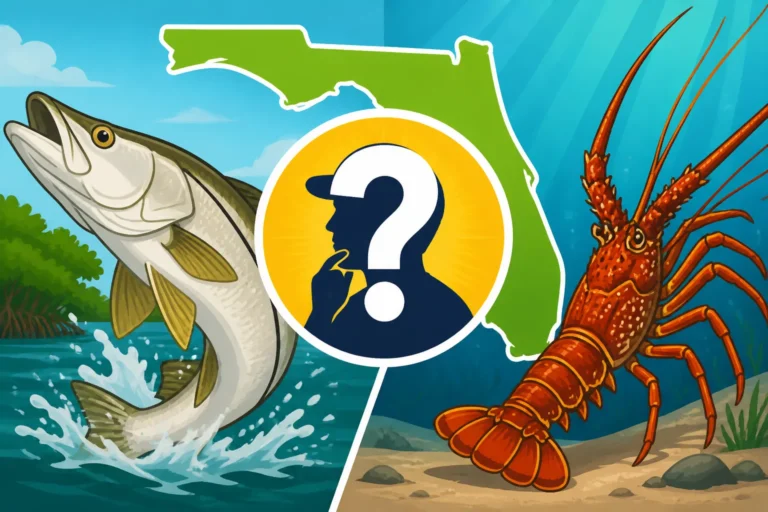
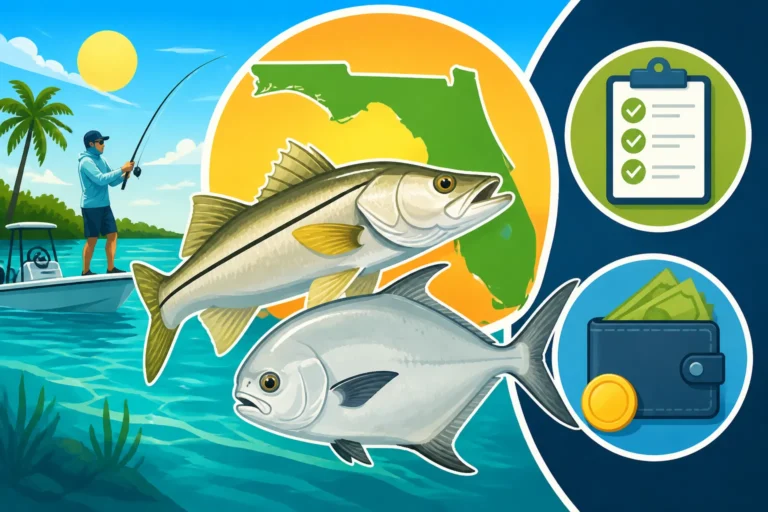
The primary exceptions revolve around special permits for specific species. For instance, if you're targeting or intending to harvest snook or lobster, you, as the individual angler, will need to purchase the appropriate permit in addition to being covered by the charter's general license. These permits are relatively inexpensive and can often be purchased online through the FWC website or even at local tackle shops. The logic here is that these species are managed with specific conservation goals in mind, and individual accountability for their harvest is a key part of that strategy. You wouldn't want to miss out on the chance to take home your prized catch because you overlooked a small detail.
Understanding Different Types of Charter Operations
Florida's charter fleet is incredibly diverse, ranging from small, nimble flats boats that glide through shallow estuaries to massive offshore vessels that venture far into the Gulf and Atlantic. While the blanket license principle generally applies across the board, understanding the nuances of different operations can further clarify your responsibilities as an angler.
Headboats vs. Private Charters
The type of charter you book can sometimes subtly influence how you perceive the licensing process, even if the underlying rules remain the same. "Headboats," often called "party boats," are typically larger vessels that take many anglers out for a set fee per person. They usually fish for bottom dwellers like snapper and grouper, or troll for pelagic species. On these boats, the captain's for-hire license absolutely covers everyone on board. It’s a seamless experience where you just show up, pay your fee, and fish.
Private charters, on the other hand, offer a more intimate and personalized experience, where you book the entire boat for your group. Whether you're targeting giant tarpon in Boca Grande Pass or sight fishing for redfish on the flats of the Indian River Lagoon, your private charter captain's blanket license covers all passengers. The key takeaway here is that regardless of the size or style of the charter, as long as it's a legitimate for-hire operation with a licensed captain, the general fishing license requirement for individual anglers is waived. This is a fundamental aspect of the Florida Fishing License Guide when it comes to charter services.
Offshore vs. Inshore Charters
The waters you fish in Florida can vary dramatically, from the shallow, brackish estuaries and sprawling seagrass flats of the inshore fishery to the deep, blue waters of the Gulf Stream offshore. You might wonder if the type of water – saltwater, freshwater, state waters, or federal waters – changes the individual license requirements on a charter. The good news is, for the recreational angler on a charter, it typically does not.
A licensed Florida charter captain holds the necessary for-hire licenses to operate in both state and federal waters for the species they target. Whether you're chasing snook and redfish inshore, or heading miles offshore for mahi-mahi and tuna, your captain's blanket license covers you. However, the captain themselves must possess specific federal permits (like Highly Migratory Species permits for certain offshore species) to even offer those trips. But for you, the passenger, the blanket coverage is still the standard. This simplifies things greatly; you don't need to carry a separate Florida Saltwater vs Freshwater Fishing License if your charter crosses those boundaries, as the captain's license is comprehensive for their operation.
Specific Species and Additional Permits
While the blanket license is fantastic, Florida's incredible biodiversity means some species are managed with extra care. These species often require additional permits, even when fishing on a charter. This isn't meant to be burdensome, but rather a way to ensure the long-term health and sustainability of these popular fish populations.
Snook and Lobster Permits
Let's talk about snook and lobster, two of Florida's most iconic and sought-after species. Anglers travel from all over the world to target these, and for good reason! However, if you plan on harvesting (keeping) a snook or lobster, you, as the individual angler, must possess the respective Florida Snook Permit or Florida Lobster Permit. This is above and beyond the captain's blanket fishing license.
Why the extra step? Both snook and lobster populations are heavily managed due to their popularity and ecological importance. The FWC implements specific seasons, size limits, and bag limits, and these permits help fund their conservation efforts directly. You can easily purchase these permits online through the FWC's Go Outdoors Florida platform, often integrated with your basic fishing license purchase if you were getting one. It's a small fee to pay for the privilege of bringing home one of these incredible creatures. Imagine landing a trophy snook in Southwest Florida, only to realize you can't keep it because you overlooked the permit. Don't let that happen to you! Ensure you understand the Florida Snook Permit Requirements and Florida Lobster Permit Requirements before your trip if you plan to keep these prized catches.
Federal Waters and Highly Migratory Species
When your charter ventures beyond Florida's state waters (which typically extend 9 nautical miles into the Gulf and 3 nautical miles into the Atlantic), you enter federal waters. Here, federal regulations often take precedence, and some species are managed under specific federal permits. These are generally for highly migratory species (HMS) like tuna, swordfish, marlin, and certain sharks.
Now, this is where it's important to differentiate: it's the charter vessel and the captain who must possess these federal permits, not the individual angler. For example, a captain offering offshore trips targeting bluefin tuna must have a federal HMS Charter/Headboat permit. Without it, they cannot legally target or harvest these species, regardless of whether their passengers have individual state licenses. As a passenger, you're still covered by the captain's operational permits. This level of detail about federal permits might seem like overkill for an angler, but it highlights the immense responsibility charter captains bear to operate legally and ensures you're fishing with a professional who understands all layers of regulation. Reputable charters listed on platforms like Amazon experiences or local booking sites will always have these in order.
What a Reputable Charter Provides and How to Verify
Choosing the right charter is about more than just finding a boat; it's about finding a professional operation that prioritizes safety, legality, and an enjoyable fishing experience. A reputable charter will be transparent about their credentials and what's included in your trip.
Documentation and Captain's Responsibilities
A professional Florida fishing charter is led by a United States Coast Guard (USCG) licensed captain. This isn't just a fancy title; it signifies that the captain has undergone rigorous training, passed demanding exams, and has accumulated significant sea time. They are certified in first aid, CPR, navigation, and maritime law. It's a serious qualification that ensures your safety on the water.
Your captain should be able to present their USCG license, as well as their state-issued Florida Fish and Wildlife Conservation Commission (FWC) charter boat fishing license, upon request. These documents are proof that they are operating legally and are permitted to take paying passengers fishing. Don't be shy about asking to see them; a legitimate captain will be proud to show them off. Additionally, they are responsible for knowing and adhering to all current Florida Fishing Regulations and Bag Limits, which can change seasonally or in response to fish stock assessments. This includes size limits, bag limits, and closed seasons for various species. Hiring a captain means you don't have to keep up with these often-complex rules yourself, making the trip much more relaxing. If you're wondering Do Florida Fishing Guides Need a Coast Guard License?, the answer is unequivocally yes for anyone running a for-hire vessel.
What Your Charter Fee Covers
When you book a Florida fishing charter, the fee typically encompasses a comprehensive package designed to make your day on the water as hassle-free as possible. This is where the value truly shines!
Generally, your charter fee will include:
- The Blanket Fishing License: As discussed, this covers all passengers for general recreational fishing. No individual license purchase necessary for most species.
- Rods, Reels, and Tackle: High-quality gear appropriate for the target species and fishing conditions is almost always provided. This saves you the expense and hassle of transporting your own equipment, especially for out-of-state visitors.
- Bait: Live bait, dead bait, and artificial lures are typically supplied by the charter. Sourcing fresh bait is a crucial part of a successful fishing trip, and your captain will handle this.
- Fuel: The cost of fuel, which can be significant, is usually factored into your overall charter price.
- Safety Equipment: All USCG-mandated safety equipment, including life jackets, flares, and emergency communication devices, will be on board.
What's usually not included? Food, drinks (though many charters provide bottled water), sunscreen, sunglasses, hats, and certainly tips for the captain and mate (which are customary and greatly appreciated for good service!). Always confirm with your charter what specifically is included when you book. Many charters will clean and bag your catch at the end of the trip, but it's worth asking if this service is complementary or if there's a small additional charge. This upfront clarity helps avoid any surprises and ensures you have a fantastic experience, knowing exactly what to expect from start to finish. For more details, you can look into What's Included in a Florida Fishing Charter Price.
The Captain's Role in Maintaining Licenses and Permits
It's easy to overlook the amount of administrative work and continuous education required for a charter captain to operate legally and successfully. They aren't just experts at finding fish; they're also diligent record-keepers and regulatory compliance officers for their vessel.
Different Licenses for Different Water Types
Florida, with its vast and varied aquatic landscapes, differentiates between freshwater and saltwater fishing licenses. While a recreational angler typically chooses one or the other (or a combination), a versatile charter captain might need to cover all their bases. For example, a captain who primarily runs saltwater trips in Tampa Bay might also offer specialized trips targeting largemouth bass on Lake Okeechobee or peacock bass in Miami's freshwater canals.
In such cases, the captain would need to ensure their for-hire license covers both saltwater and freshwater operations. This demonstrates a comprehensive understanding of Florida's diverse fisheries and the commitment to operating legally across different environments. It's a complex system, but it's designed to protect the resources that draw so many anglers to the state. When you book a charter, you're not just paying for their fishing expertise, but also for their in-depth knowledge of these licensing requirements. You can explore the intricacies of this division further in our guide on Florida Saltwater vs Freshwater Fishing License.
Staying Up-to-Date with Regulations
Fishing regulations in Florida are dynamic. Seasons open and close, size limits change, and bag limits are adjusted based on scientific assessments and conservation needs. It's a constant cycle of updates, and it’s the charter captain’s primary responsibility to stay completely current with all these changes. They subscribe to FWC alerts, follow industry news, and often attend workshops to ensure they are always in compliance.
This constant vigilance is a huge benefit to you, the angler. Instead of poring over regulations every time you plan a trip, you can trust that your captain already knows the current rules inside and out. They'll tell you what's in season, what the legal size is, and how many fish you can keep. This expert knowledge not only keeps you legal but also ensures you're fishing responsibly, contributing to the sustainability of Florida's fish populations. It's a partnership between the FWC, charter captains, and anglers, all working together to preserve our incredible natural resources for future generations.
| Scenario | Individual License Needed? (Typical) | Exceptions for Individual Permits | Covered by Charter's License? |
|---|---|---|---|
| Private Recreational Boat | YES (for ages 16-64) | Snook, Lobster, Tarpon (if retaining) | NO |
| Licensed Charter Boat | NO (for general fishing) | Snook, Lobster, Tarpon (if retaining) | YES |
| Shoreline Fishing | YES (for ages 16-64, if resident/nonresident) | FREE Resident Shoreline license available for residents | N/A |
| Pier Fishing (Public) | YES (unless the pier has a blanket license) | Snook, Lobster (if retaining) | Varies by pier |
Common Misconceptions and FAQs
Despite the clear rules, some aspects of charter boat fishing licenses continue to puzzle anglers. Let's tackle a couple of frequently asked questions and common misunderstandings to ensure you're completely informed.
Age Requirements on Charters
Florida has specific age exemptions for recreational fishing licenses:
- Residents and non-residents under 16 years of age do not need a recreational fishing license.
- Florida residents 65 years of age or older also do not need a recreational fishing license.
However, a common misconception is that these age exemptions still apply when fishing on a licensed charter boat. This is generally not the case for the general fishing license requirement. When you are on a for-hire vessel, everyone is covered by the captain's blanket license, regardless of their age. So, while a 70-year-old Florida resident might not need a license to fish from their own boat or the shore, they are still "covered" by the charter's blanket license when on a charter. It simply means they don't need to buy a separate one.
The one area where age might factor in is if a specific individual permit is required, such as a snook or lobster permit. For these, the FWC's rules regarding age exemptions for permits would still apply to the individual. For instance, if a youth under 16 wanted to keep a snook, they might still be exempt from purchasing the snook permit based on specific FWC youth regulations, but this needs verification for the specific permit type. For standard fishing, rest assured, the charter's license has you covered. You can learn more about general age requirements in our Florida Fishing License Age Requirements article.
What Happens If the Charter Captain Doesn't Have the Proper License?
This is a serious concern, and one that underscores the importance of choosing a reputable charter. If a charter captain is operating without the proper USCG captain's license or the required FWC for-hire fishing license, they are breaking the law. This can lead to severe penalties for the captain, including substantial fines, seizure of their vessel, and even imprisonment.
For you, the passenger, the immediate impact might be less severe than for the captain, but you could still face consequences. Fishing without a valid license (even if you were under the impression you were covered) can result in a fine. More importantly, it puts your safety at risk, as an unlicensed captain likely hasn't undergone the necessary safety training or inspections. Always do your due diligence when booking. Check reviews on sites like Amazon Experiences, ask for references, and don't hesitate to confirm their licensing. A legitimate captain will always be happy to provide proof of their credentials. You certainly don't want your memorable Florida fishing trip to turn into a legal entanglement, so always ensure your captain is fully licensed and compliant. For more information on potential consequences, read our guide on What Happens If You Fish Without a License.
Disclaimer
The information provided in this guide is for general informational purposes only and is not intended as legal advice. Florida fishing regulations, including licensing requirements, can change. Always consult the official Florida Fish and Wildlife Conservation Commission (FWC) website or a local FWC office for the most current and accurate regulations before engaging in any fishing activities.