Florida Saltwater vs Freshwater Fishing License
Navigating the world of Florida fishing licenses can feel like trying to untangle a particularly stubborn fishing knot, especially when you're faced with the distinction between saltwater and freshwater. Many anglers, both residents and visitors, often scratch their heads, wondering why there isn't just one universal license and how they can avoid accidentally breaking the rules. This comprehensive guide is designed to cut through that confusion, clearly outlining the differences between Florida's saltwater and freshwater fishing licenses, who needs which, and how to make sure you're properly covered for your next fishing adventure.
Understanding Florida's Unique License System
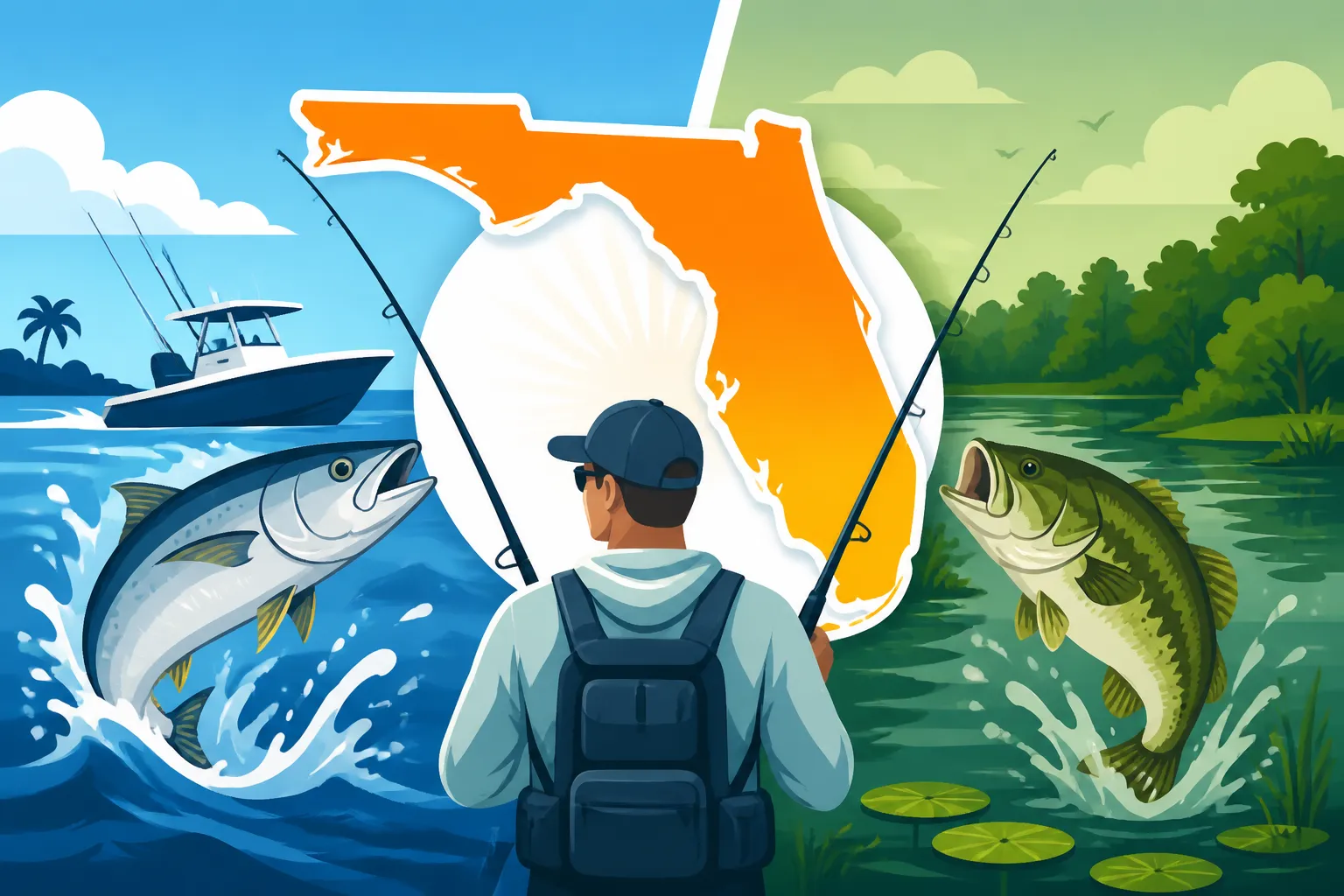
Florida, often hailed as the "Fishing Capital of the World," boasts an incredibly diverse range of aquatic environments, from vast freshwater lakes and meandering rivers to expansive saltwater flats and deep offshore structures. This rich biodiversity and varied ecosystems are precisely why the state has implemented a distinct licensing system for its freshwater and saltwater domains. It's not just to make things complicated; it's a strategic approach to manage and conserve these unique resources effectively.
Why Florida Divides Its Waters
The separation of fishing licenses into freshwater and saltwater categories stems from both ecological necessity and practical management. Freshwater ecosystems, like Lake Okeechobee or the St. Johns River, host species such as largemouth bass, crappie, and bluegill, which have different life cycles, habitats, and population dynamics compared to saltwater species like snook, redfish, or mahi-mahi. The Florida Fish and Wildlife Conservation Commission (FWC) uses the revenue generated from each specific license type to fund conservation efforts directly related to those environments. This means your freshwater license fees directly support projects like habitat restoration in inland lakes, while your saltwater license fees contribute to marine research and coastal enforcement. It’s a targeted approach to ensure that the funds are used where they are most needed to protect the specific fish populations and their respective environments.
Furthermore, the types of fishing gear, techniques, and even the pressures on these fish populations can differ significantly. For instance, the challenges of managing invasive species might be more prevalent in freshwater, while protecting sensitive coral reefs and managing commercial fishing impacts are critical in saltwater. This dual system allows for tailored regulations, bag limits, and seasons that can be adjusted independently to respond to specific conservation needs and fishing pressures in each environment, ultimately aiming for sustainable fishing for generations to come.
The Importance of Knowing Your Water Type
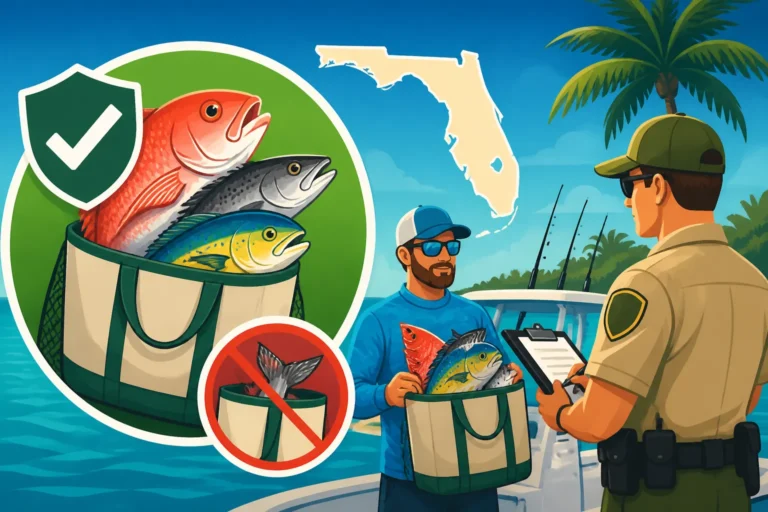
Mistaking a brackish creek for purely freshwater or venturing into saltwater without the correct endorsement can lead to more than just a stern look from a wildlife officer. It can result in significant fines and penalties, not to mention the disappointment of having your fishing trip cut short. The lines between freshwater and saltwater aren't always crystal clear, especially in coastal areas where rivers meet the sea, creating estuaries. These transitional zones, known as brackish waters, are particularly tricky. For the purpose of licensing, if the water has a direct connection to the ocean and is subject to tidal influence, it is generally considered saltwater. However, there are exceptions, and ignorance of the law is no excuse.
Knowing your water type isn't just about avoiding trouble; it's about being a responsible angler. Different species thrive in different conditions, and understanding whether you're in a freshwater or saltwater domain helps you better target the fish you're after and adhere to specific regulations, such as slot limits and seasons. For example, some anglers might use an app on their phone or even a simple hydrometer, easily found on Amazon, to check the salinity of the water if they're unsure. Taking a moment to understand the local environment you're fishing in can save you a lot of headache and ensure you're fishing legally and ethically. If you're ever in doubt, the FWC's website or a quick call to their regional offices can provide clarity, or you can always opt for a combination license to cover all your bases.
Deciphering the Florida Freshwater Fishing License
If your angling dreams involve battling a largemouth bass or reeling in a mess of panfish, then a Florida freshwater fishing license is your key to unlocking those experiences. This license is specifically tailored for the vast network of inland waterways that define much of Florida's natural beauty, far from the crashing waves of the coast.
What a Freshwater License Covers
A Florida Freshwater Fishing License is your official permit to fish in any of the state's lakes, ponds, rivers, and non-tidal canals that are not designated as saltwater or brackish by the FWC. This includes iconic destinations like Lake Okeechobee, the Kissimmee Chain of Lakes, and the meandering St. Johns River. With this license, you're permitted to harvest popular freshwater species such as largemouth bass, butterfly peacock bass, speckled perch (crappie), bluegill, sunfish, catfish, and various other panfish. It covers most common freshwater fishing methods, whether you're casting artificial lures, using live bait, or even trotlining for catfish.
It's important to remember that while the license grants you access to these waters, specific regulations still apply. These include daily bag limits, minimum or maximum size limits for certain species, and specific gear restrictions that might vary by location or fish species. For instance, there are strict rules for keeping largemouth bass, and different limits for various panfish species. Always consult the latest FWC regulations handbooks or their website before heading out to ensure you're compliant. Understanding your Florida Freshwater Fishing License Rules is crucial for a successful and legal trip.
Common Freshwater Fishing Scenarios
Let's imagine you're planning a weekend getaway to one of Florida's many state parks, like O'Leno State Park, where the Santa Fe River offers excellent fishing opportunities for bass and panfish. If you plan to cast a line from the bank, a canoe, or a small fishing boat, you'll need a freshwater license. Similarly, if you're visiting friends who live on a canal system in central Florida that's distinctly freshwater, and you want to try your hand at catching some oscars or Mayan cichlids, that freshwater license is a must.
Another common scenario involves fishing in smaller, public ponds within residential communities or conservation areas. Unless specifically designated as exempt (like some private ponds where you have permission), a freshwater license will be required. For those interested in pursuing the famed peacock bass in the urban canals of South Florida, specifically around Miami and Fort Lauderdale, a freshwater license is essential. Even if you're just enjoying a quiet afternoon of Do You Need a License for Catch and Release Fishing in Florida, the law still mandates you hold the appropriate license to fish, regardless of whether you keep your catch or not. Don't forget, if you're targeting specific species like bass, a specialized rod and reel setup, often found on Amazon with great reviews, can make all the difference.
Navigating the Florida Saltwater Fishing License
Florida's extensive coastline, from the Panhandle down to the Keys and up the Atlantic, is a paradise for saltwater anglers. But to responsibly enjoy these bountiful waters, you'll need a Florida Saltwater Fishing License. This license is your passport to the state's marine environments, whether you're standing on the shore or venturing far out into the Gulf or Atlantic.
Scope of the Saltwater License
A Florida Saltwater Fishing License authorizes you to recreationally fish in all of Florida's marine waters. This includes the Atlantic Ocean, the Gulf of Mexico, bays, estuaries, tidal rivers, and any other waters that are directly connected to the sea and influenced by tides. Essentially, if it smells like the ocean, chances are you need this license. It covers a vast array of popular saltwater game fish and table fare, such as snook, redfish, spotted seatrout, snapper, grouper, king mackerel, mahi-mahi, and many more. Whether you're casting a line from a pier, wading the flats, fishing from a bridge, or heading offshore, this license is fundamental.
Just like with freshwater fishing, the saltwater license comes with its own set of detailed regulations. These regulations are often more complex due to the sheer number of species and varying ecological needs. They include specific open and closed seasons, minimum and maximum size limits (often referred to as "slot limits" for species like snook and redfish), daily bag limits, and gear restrictions. Some popular species, like snook and lobster, even require additional permits on top of your standard saltwater license. Staying informed about Florida Fishing Regulations and Bag Limits is critical, as these can change annually based on stock assessments and conservation needs.
Typical Saltwater Fishing Situations
Imagine planning a deep-sea fishing trip out of Destin, targeting snapper and grouper. Every angler aboard (unless exempt) will need a Florida Saltwater Fishing License. This also applies if you're enjoying a relaxing day Do You Need a License to Fish From a Florida Pier along the Sunshine Skyway Fishing Pier near St. Petersburg, hoping to catch some mackerel or a flounder. Even if you're exploring the backcountry of the Florida Keys in a kayak, sight fishing for bonefish and permit, this license is non-negotiable for anyone who doesn't fall under a specific exemption.
Another scenario involves fishing in the vast estuaries like Tampa Bay or the Indian River Lagoon, where both saltwater and some freshwater species can coexist. Since these areas are tidal, the saltwater license is typically required. Even casting a net for baitfish (unless you're on your own private property) often falls under the umbrella of requiring a saltwater license, especially for certain species. If you're a visitor, understanding Florida Nonresident Fishing License Rules is crucial, as the requirements for out-of-state anglers are similar to residents for saltwater access. Many anglers use resources like the FWC's "GoOutdoorsFlorida" app or local bait shops to confirm whether they're in saltwater or freshwater zones before wetting a line.
The Convenient Combination License: Best of Both Worlds?
For those of us who just can't pick a favorite between reeling in a trophy bass from a quiet lake or battling a snook in a bustling estuary, Florida offers a truly convenient solution: the combination license. This isn't just about bundling; it’s about simplifying the angling experience for those who love all types of fishing.
Benefits of a Combination License
The primary benefit of a Florida Combination Freshwater and Saltwater Fishing License is the sheer convenience it offers. Instead of having to purchase and manage two separate licenses, you get one document that covers both fishing environments. This eliminates the guesswork and stress of wondering if you have the right license when you decide to switch from chasing bass in a local pond to targeting redfish in a nearby bay. Imagine you're on vacation, and one day you feel like chartering a boat for offshore action, and the next you want to quietly fish a lake from the shore. With a combo license, you're ready for both. It’s an ideal choice for residents who live near both freshwater and saltwater opportunities, or for visitors who want to experience the full spectrum of Florida's diverse fishing landscape without having to worry about distinct licenses for each outing.
Beyond convenience, the combination license offers peace of mind. You won't have to cut your trip short or skip a fishing opportunity because you realized you only bought one type of license. It simplifies compliance, as you only have one set of license numbers to keep track of, whether on your person or through the Florida GoOutdoors App Fishing License. This flexibility encourages anglers to explore more of what Florida has to offer, fostering a broader appreciation for the state's natural resources and potentially leading to more diverse fishing experiences.
Cost-Effectiveness and Convenience
From a financial perspective, buying a combination license is often more cost-effective than purchasing separate freshwater and saltwater licenses individually. The state offers these bundles at a discounted rate, acknowledging that many anglers enjoy both types of fishing. This Florida Combo License Savings Versus Buying Two Licenses can add up, especially for annual licenses, making it a smart investment for avid anglers. For example, a resident annual freshwater license and a resident annual saltwater license purchased separately would typically cost more than a single resident annual combination license. While specific prices can vary, the savings are usually significant enough to warrant choosing the combo if you anticipate fishing in both environments even a few times a year.
The ease of purchase also contributes to its appeal. You can buy a combination license just as easily as individual licenses, whether online through the FWC website, in person at a licensed agent (like Walmart or Bass Pro Shops), or over the phone. This streamlined process means less time spent on paperwork and more time dedicated to what you love: fishing. For many, the slight upfront cost difference is well worth the hassle-free experience and the flexibility it provides, allowing them to spontaneously decide whether to head inland or coastal, without a second thought about licensing.
Exemptions and Special Considerations
While the general rule is that anyone aged 16 or older needs a license to fish in Florida, there are several key exemptions and special circumstances that can impact whether you need a freshwater, saltwater, or combination license. Understanding these can save you time and money, and prevent unnecessary purchases.
Who Doesn't Need a License?
Florida offers several thoughtful exemptions to its fishing license requirements, designed to make fishing accessible for certain groups or in specific situations. For instance, children under 16 years of age are exempt from needing a recreational fishing license for both freshwater and saltwater. This is a fantastic initiative to encourage youth participation in outdoor activities and foster a love for fishing early on. Similarly, Florida residents who are 65 years of age or older (and possess a valid Florida Driver's License or ID card) are also exempt, though they can opt for a Florida Resident Senior Citizen Hunting and Fishing Certificate if they wish.
Other notable exemptions include:
- Disabled Residents: Certain permanently disabled Florida residents may be eligible for a free fishing license or exemption. Details can be found under Disabled Resident Fishing License Exemption in Florida.
- Military Personnel: Active duty military personnel who are Florida residents on leave may have exemptions. Explore Florida Military Fishing License Exemptions for specifics.
- Private Ponds: Anglers fishing in a Florida Private Pond and Farm Pond Fishing Rules that is entirely enclosed and not connected to other public waters, and where they have the owner's permission, typically do not need a license.
- Charter Boats and For-Hire Vessels: If you're fishing from a licensed for-hire vessel, like a fishing charter, the vessel itself usually holds a blanket license that covers all passengers. This is a common question, and yes, Do You Need a License to Fish From a Charter Boat in Florida – usually not as an individual.
- Free Fishing Days: The FWC designates several Florida Free Fishing Days each year where residents and non-residents can fish without a license. These are great opportunities to try fishing or introduce someone new to the sport.
- Shoreline Fishing (Residents Only): Florida residents can often fish for saltwater species from the shore or a structure attached to the shore (like a pier or bridge) in saltwater without a license, thanks to the Florida Free Shoreline Fishing License for Residents. However, this exemption has specific limitations and does not apply to non-residents, nor does it cover fishing from a boat.
It's absolutely essential to confirm your eligibility for any exemption before heading out. Rules can change, and misinterpreting an exemption can still lead to a fine.
Specific Permits and Add-ons
While a base freshwater, saltwater, or combination license covers most recreational fishing activities, certain highly sought-after species in Florida require additional permits. These permits are typically separate from your main fishing license and are mandatory for anglers who wish to harvest these specific fish or crustaceans. The two most prominent examples are the Snook Permit and the Lobster Permit.
-
Florida Snook Permit: Snook are an incredibly popular game fish in Florida's saltwater estuaries and nearshore waters. Due to their sensitive populations and high demand, the FWC requires a separate Florida Snook Permit Requirements for anyone who intends to harvest (keep) a snook. This permit helps manage the snook fishery and ensures that conservation efforts are adequately funded. Even if you have a saltwater license, you must purchase this additional permit if you plan to keep a snook, even if you only catch one within the legal slot limit during the open season.
-
Florida Lobster Permit: For those who enjoy recreational lobstering (specifically for spiny lobster), a Florida Lobster Permit Requirements is mandatory. This permit is required in addition to a valid saltwater fishing license for anyone attempting to harvest spiny lobster by any legal method, including snorkeling or diving. The permit ensures proper management of the lobster fishery, which is a significant economic and recreational resource for the state.
These permits are usually quite affordable and can be purchased at the same time and through the same channels as your regular fishing license. It's always a good idea to check the latest regulations for these species, as seasons and bag limits are strictly enforced, and without the proper permits, you could face hefty penalties. These extra permits are a testament to Florida's commitment to protecting its most prized marine resources, ensuring that future generations can continue to enjoy these unique fishing opportunities.
How to Purchase Your Florida Fishing License
Getting your Florida fishing license is a straightforward process, thanks to multiple convenient purchasing options. Whether you're a planner who likes to buy online or prefer a last-minute stop on your way to the water, Florida has you covered.
Online, In-Person, and Phone Options
The most popular and often easiest way to buy a Florida fishing license is online. The Florida Fish and Wildlife Conservation Commission (FWC) operates the "GoOutdoorsFlorida" website, which allows you to purchase all types of licenses and permits from the comfort of your home, 24/7. This platform is user-friendly and provides immediate access to your license, often allowing you to print it or save it to your phone. It's a fantastic option for both residents and non-residents looking to secure their Florida Fishing License Guide quickly. You can also explore options like a Florida 5-Year Resident Fishing License Cost through this portal if you're a long-term angler.
If you prefer to purchase your license in person, there are numerous authorized license agents throughout the state. These include most Walmart stores with sporting goods departments, Bass Pro Shops, marinas, bait and tackle shops, and local county tax collector's offices. Buying a Florida Fishing License at Walmart or a specialized tackle shop can offer the added benefit of getting local fishing advice or picking up any last-minute gear you might need. For those who prefer the traditional route, you can also purchase a license over the phone by calling the FWC customer service line, where an agent can assist you with your purchase and mail you a physical copy if needed. Each method is designed to be accessible and efficient, so you can spend less time on logistics and more time on the water.
Essential Information for Buying a License
When you're ready to purchase your Florida fishing license, whether online, in-person, or over the phone, you'll need to have a few pieces of information ready. For Florida residents, you'll typically need to provide proof of residency. This usually means a valid Florida Driver's License or Florida Identification Card issued by the Department of Highway Safety and Motor Vehicles. Other forms of proof may be accepted, but these are the most common and easiest to use. You might also need to provide your Social Security number, as this is a federal requirement for all hunting and fishing licenses.
Non-residents will need to provide similar personal identification, such as a driver's license from their home state or country. For visitors from outside the U.S., a passport might be required. If you're considering a short visit, you might look into Short-Term Fishing License Options available for non-residents. It's always a good idea to double-check the FWC's official website for the most up-to-date requirements before you make your purchase, especially if you're a new resident or an international visitor. Having all your information handy will make the purchasing process smooth and swift, getting you out on the water without delay.
| License Type | Covered Waters | Key Species | Common Uses | Cost Considerations (Resident Annual) |
|---|---|---|---|---|
| Freshwater | Lakes, Rivers, Non-tidal Canals, Ponds | Largemouth Bass, Crappie, Bluegill, Catfish | Bass fishing tournaments, pond fishing, river trips | Approx. $17 (plus fees) |
| Saltwater | Oceans, Bays, Estuaries, Tidal Rivers, Coastal Waters | Snook, Redfish, Trout, Snapper, Grouper | Pier fishing, offshore charters, flats fishing | Approx. $17 (plus fees) |
| Combination | All Florida Public Freshwater and Saltwater Waters | All species covered by both individual licenses | Versatile angler, unsure water type, ease of use | Approx. $32.50 (plus fees) |
Note: Prices are approximate for resident annual licenses and subject to change by the FWC. Additional permits (e.g., Snook, Lobster) are not included in these base prices.
Disclaimer
The information provided in this guide is for general informational purposes only and does not constitute legal advice. Fishing regulations in Florida can be complex and are subject to change by the Florida Fish and Wildlife Conservation Commission (FWC). It is always the responsibility of the individual angler to consult the most current FWC regulations and statutes before engaging in any fishing activity. Failure to comply with all applicable laws and regulations can result in fines and penalties.