Do License-Free Days Cover Snook and Lobster in Florida?
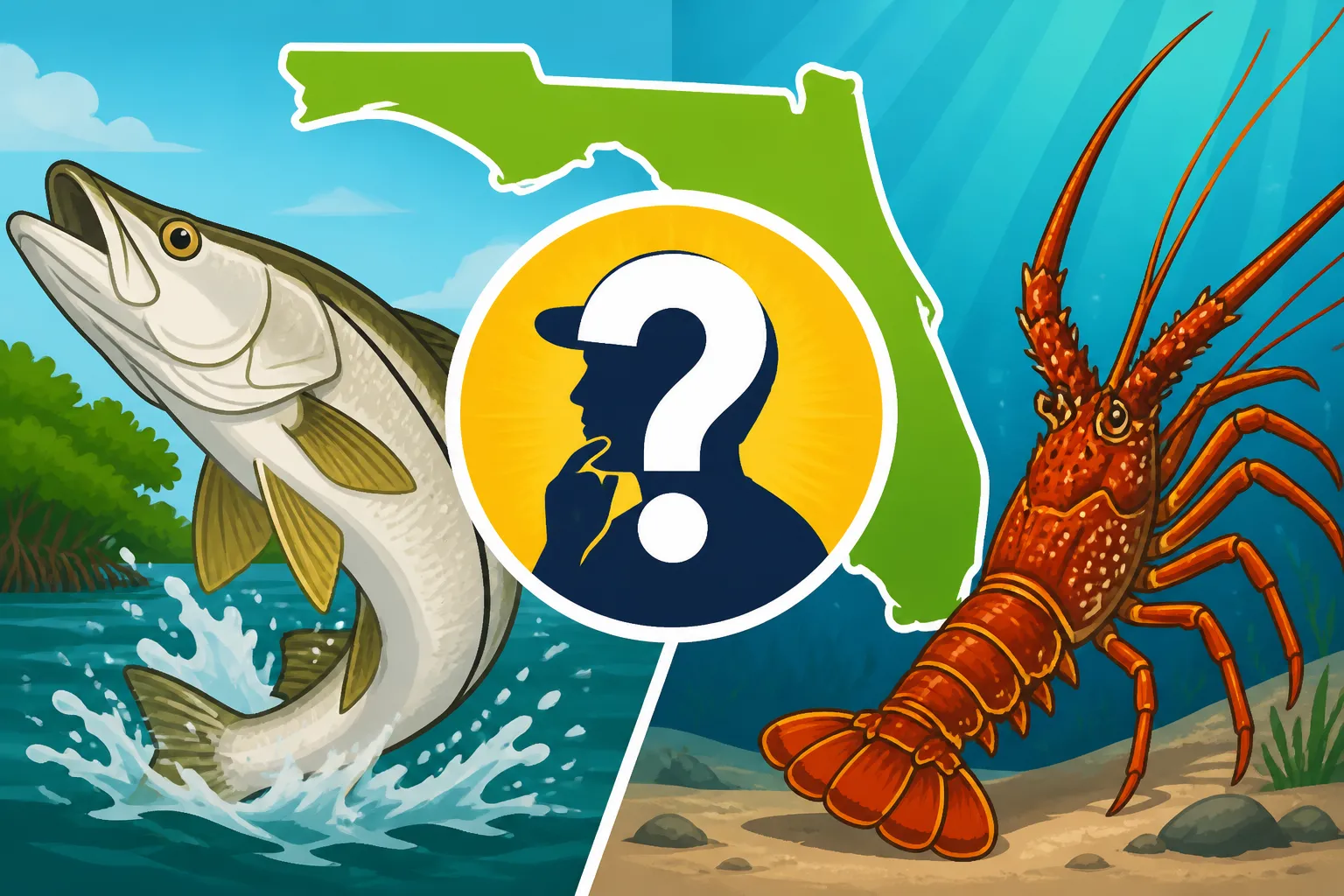
It’s a common misconception that Florida’s much-anticipated license-free fishing days mean you can fish for anything and everything without any special paperwork. Anglers often get excited, thinking they can finally try their hand at catching a prized snook or diving for delicious lobster without the usual hoops. However, the reality isn't quite so simple, and heading out with this misunderstanding could quickly lead to a frustrating encounter with wildlife officers. This guide will meticulously break down what Florida's free fishing days truly cover, clarify the specific requirements for snook and lobster, and help you avoid any unwelcome surprises.
Understanding Florida's License-Free Fishing Days
Florida offers specific days throughout the year when residents and non-residents alike can enjoy recreational fishing without needing to purchase a general fishing license. These days are a fantastic opportunity to introduce new people to the joy of fishing, let visitors experience Florida's incredible waters, or simply enjoy a day on the water without the usual financial commitment of a license. However, it's crucial to understand the limitations.
What License-Free Days Actually Cover
When the Florida Fish and Wildlife Conservation Commission (FWC) designates a license-free fishing day, it waives the requirement for a recreational fishing license. This applies to both the Florida Saltwater Fishing License Rules and the Florida Freshwater Fishing License Rules, depending on the specific license-free day. For instance, if it's a saltwater license-free day, you don't need your standard annual or short-term saltwater fishing license to cast a line in the ocean, a bay, or along the coast. The same goes for freshwater on its designated days.
These days are designed to promote general recreational angling. You can typically fish for common species like snapper (within season and size limits), redfish (within season and slot limits, though redfish generally require a license which is waived, but not a separate permit), trout, or various freshwater species like bass and panfish. It's truly a gift to new anglers who might be hesitant to invest in a full license before they even know if they enjoy the sport. You can find information on upcoming opportunities in our Florida Free Fishing Days guide.
The Purpose Behind License-Free Days
The FWC organizes these special days primarily to encourage participation in fishing and to foster an appreciation for Florida's diverse aquatic ecosystems. It's a way to remove a barrier for entry, allowing more people to experience the state's natural beauty and recreational opportunities. Think of it as an open house for fishing. These events often coincide with holidays or peak seasons to maximize turnout and provide a fun, family-friendly activity. While the general license fee is temporarily lifted, the intent is still to maintain sustainable fishing practices, which brings us to the next point about specific species.
The Special Case of Snook Fishing in Florida
Snook are one of Florida's most iconic and sought-after game fish. Known for their powerful fights and delicious table fare, they draw anglers from all over the world. But because of their popularity and historical overfishing, snook are heavily regulated, and these regulations don't magically disappear on license-free days.
Why Snook Require a Separate Permit
Even if you're fishing on a designated saltwater license-free day, you still need a Snook Permit if you intend to harvest or possess snook. This isn't just a suggestion; it's a mandatory requirement. The reason for this additional permit is purely for conservation. Snook populations are extremely sensitive to environmental changes and fishing pressure. The funds generated from these specific permits directly support snook research and management efforts, ensuring their sustainability for future generations.
The snook permit is a nominal fee, but it serves as an extra layer of tracking and funding dedicated specifically to this species. It’s a way for the FWC to gather data on snook anglers and manage the species more precisely than a general fishing license allows. Even when the general license is waived, the specific conservation need for snook remains. Our Florida Snook Permit Requirements article delves deeper into this essential document.
Snook Season, Size, and Bag Limits
Beyond the permit, all other Florida Snook Season Guide rules, including open and closed seasons, slot limits, and bag limits, remain strictly in effect, even on license-free days. You can't just keep any snook you catch.
For example, snook in the Gulf Coast region have a different season than those on the Atlantic Coast. There are specific slot limits (e.g., typically 28-33 inches total length) meaning you can only keep fish within that specific size range, protecting both juvenile and large breeding adults. Bag limits are usually one snook per person per day. Catching a snook out of season, outside the slot limit, or over the bag limit can result in significant fines, regardless of whether you paid for a general license or not. It’s crucial to know the current regulations for the region you’re fishing, as these can change. You can easily find an official FWC measuring device, sometimes available on platforms like Amazon, to ensure your catch meets the legal requirements.
The Specific Requirements for Florida Lobster
Florida's spiny lobster are another highly prized recreational catch, particularly in the Florida Keys. The excitement around mini-season and the regular season is palpable, with divers and snorkelers flocking to the waters. Just like snook, however, harvesting lobster comes with its own set of distinct regulations and permit requirements.
Why Lobster Harvesting Needs a Special Permit
Similar to snook, if you plan on harvesting spiny lobster, you are required to have a Florida Lobster Permit, even during license-free fishing days. This permit is separate from a general saltwater fishing license (which would be waived on a free day) and is absolutely essential for anyone engaging in recreational lobster harvesting. The primary reason for this permit is also conservation and management. Spiny lobster populations need careful monitoring and protection to prevent overfishing, and the permit fees help fund these critical programs.
The FWC uses these permits to track participation and ensure that harvest levels are sustainable. Without this specific permit, even if you’re fishing for general species on a license-free day, you cannot legally take or possess spiny lobster. We cover all the details in our comprehensive Florida Lobster Permit Requirements guide.
Lobster Seasons, Size, and Bag Limits
Florida spiny lobster have very specific seasons and regulations. There’s a two-day "mini-season" in July, followed by a longer regular season that typically runs from August through March. All these seasons, as well as strict size and bag limits, remain in full effect on license-free days.
During both mini-season and the regular season, there are strict rules about the number of lobsters you can take per person per day (bag limit) and the minimum size they must be (measured from the front of the carapace to the end of the tail). Any lobster caught that doesn't meet the minimum size must be immediately released unharmed. Additionally, specific gear like tickle sticks and nets are often used, and possession of a dive flag is mandatory when diving for lobster. Knowing the current Florida Spiny Lobster Mini-Season License Requirements and regular season rules is critical to a legal and enjoyable harvest.
The Crucial Distinction: License vs. Permit
This is where much of the confusion lies, and it's vital for every angler and diver to understand. Florida's license-free days waive the need for a general recreational fishing license. This is the basic license most people buy to fish for common species in either freshwater or saltwater.
However, a permit is a special authorization required for specific, often highly regulated species or activities. These permits are in addition to a general fishing license and are not waived during license-free fishing days.
Let's break down the difference:
- Recreational Fishing License: This is your entry ticket to fish in general. It covers a broad range of common species. On license-free days, this requirement is temporarily lifted. You can learn more about general requirements in our Florida Fishing License Guide.
- Species-Specific Permits: These are like special VIP passes for particular species that need extra conservation effort or management. Snook and lobster fall into this category. These permits are always required, regardless of whether it's a license-free day or not. The fees from these permits go directly to the research and protection of those specific species.
Think of it this way: on a license-free day, the gate to the general fishing park is open for free. But if you want to enter the "Snook Sanctuary" or the "Lobster Lair" within that park, you still need your special, separately purchased pass. This distinction is paramount to staying legal and contributing to conservation efforts.
A Quick Comparison of Rules
To help clarify the differences, here's a quick table outlining what's covered and what's not on Florida's license-free fishing days:
| Aspect | General Recreational Fishing (e.g., trout, redfish, bass) | Snook Fishing (Harvest/Possession) | Spiny Lobster Harvesting |
|---|---|---|---|
| General Fishing License | NOT Required (on designated free days) | NOT Required (on designated free days) | NOT Required (on designated free days) |
| Snook Permit | Not applicable | REQUIRED | Not applicable |
| Lobster Permit | Not applicable | Not applicable | REQUIRED |
| Seasons (Open/Closed) | ALWAYS Apply | ALWAYS Apply | ALWAYS Apply |
| Size/Slot Limits | ALWAYS Apply | ALWAYS Apply | ALWAYS Apply |
| Bag Limits | ALWAYS Apply | ALWAYS Apply | ALWAYS Apply |
| Gear Restrictions | ALWAYS Apply | ALWAYS Apply | ALWAYS Apply |
| Conservation Fund | Supported by general license fees (waived on free days) | Supported by Snook Permit fees | Supported by Lobster Permit fees |
This table clearly illustrates that while the general license is waived, the species-specific permits and all associated regulations remain firmly in place.
Potential Consequences of Not Having the Right Permit
Ignorance of the law is not an excuse, and Florida Fish and Wildlife Conservation Commission (FWC) officers take regulations very seriously. If you are found harvesting snook or spiny lobster without the appropriate permit, even on a license-free fishing day, you could face significant penalties.
Fines and Penalties
Fishing without a required permit is often treated similarly to fishing without a license. This can result in monetary fines that can easily run into hundreds of dollars. For instance, the penalty for What Happens If You Fish Without a License can vary depending on the severity of the violation, but it's rarely a slap on the wrist. If you possess multiple snook or lobsters illegally, or if they are out of season or undersized, the fines can escalate dramatically, and additional charges might apply. This means that a supposed "free" day of fishing could end up being very expensive.
Confiscation of Catch and Gear
In addition to fines, FWC officers have the authority to confiscate your illegally harvested catch. This means not only do you lose the fish or lobster you caught, but you also lose any potential enjoyment or meal you might have planned. In some severe cases, repeated offenses or gross violations of regulations could potentially lead to the confiscation of fishing gear or even your vessel, though this is less common for first-time, minor infractions. The most important thing to remember is that all of Florida's Florida Fishing Regulations and Bag Limits are designed to protect the resources, and officers are trained to enforce them.
Final Thoughts on Responsible Angling
Florida's license-free fishing days are a wonderful initiative designed to make fishing more accessible. They truly are a fantastic opportunity for individuals and families to explore the state's incredible fishing opportunities. However, it's absolutely paramount to remember that these days waive only the general recreational fishing license. They do not, under any circumstances, waive the requirement for species-specific permits like those for snook or spiny lobster.
Before you head out on any license-free day, always double-check the current regulations for the species you intend to target, especially for those highly regulated, prized catches. The FWC website is an excellent resource for up-to-date information on seasons, bag limits, and permit requirements. Being a responsible angler means not only respecting the law but also actively contributing to the conservation of Florida's precious marine and freshwater resources. Investing a small amount in a snook or lobster permit, which you can easily purchase online or at many retail locations (some of which you might find listed with products on Amazon for convenience), is a small price to pay to ensure these amazing creatures thrive for generations to come.
Disclaimer
The information provided in this guide is for general informational purposes only and does not constitute legal advice. Fishing regulations in Florida can change, and it is the sole responsibility of each angler to stay informed of and comply with all current local, state, and federal laws and regulations. Always refer to the latest official publications from the Florida Fish and Wildlife Conservation Commission (FWC) before engaging in any fishing or harvesting activities.