Do You Need a Permit to Spearfish in Florida?
It can be incredibly confusing trying to figure out all the nuances of Florida's fishing regulations, especially when you start getting into specialized methods like spearfishing. Many anglers wonder if their standard fishing license covers spearfishing, or if they need some extra permit to legally pursue their catch underwater. This guide is here to clear up that murky water, detailing exactly what you need to know to spearfish legally and responsibly in the Sunshine State.
The Core Question: Do You Need a Separate Spearfishing Permit?
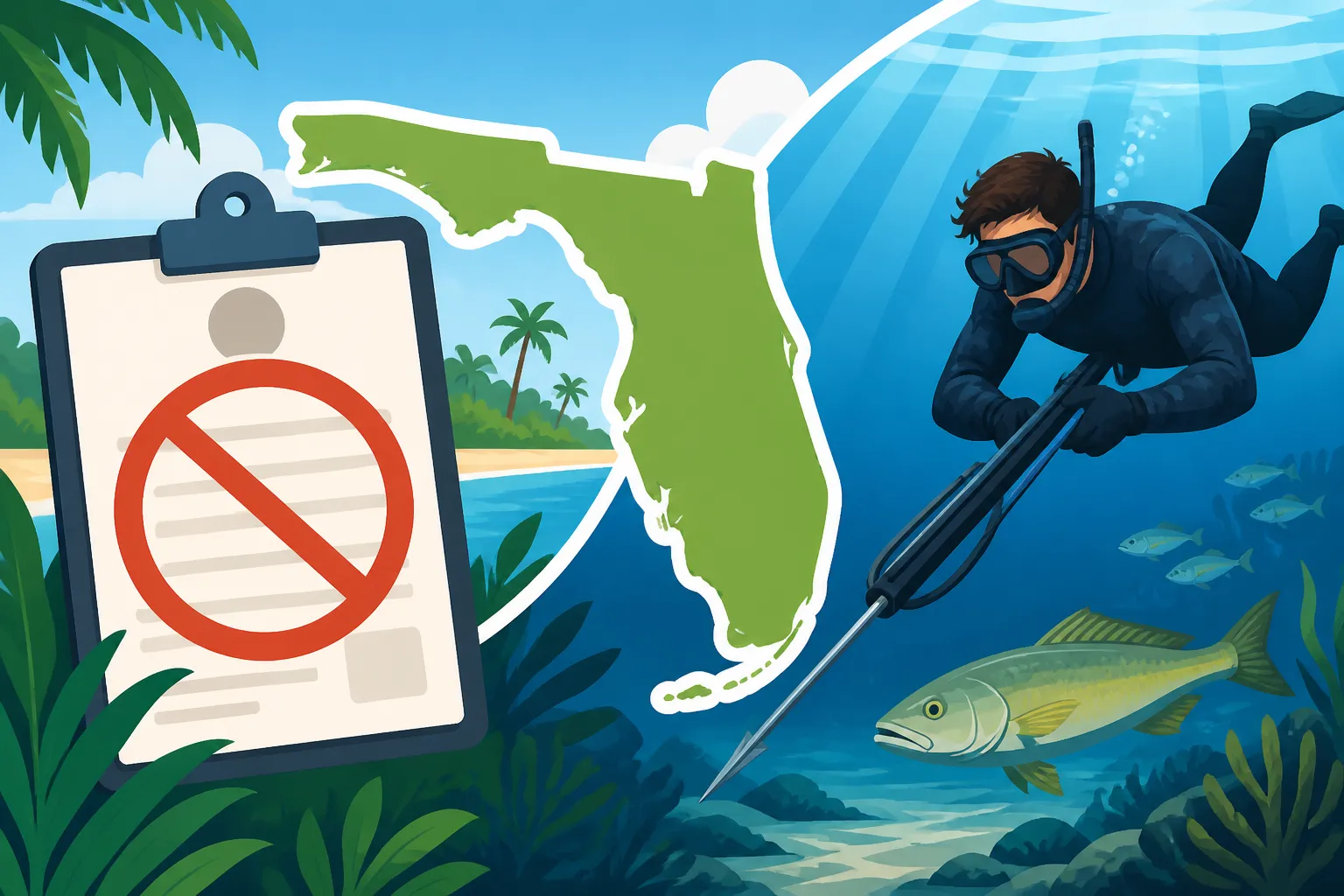
Let's cut right to the chase because this is the question on everyone's mind: no, you typically do not need a separate dedicated "spearfishing permit" in Florida. That's a huge relief for many folks who dread stacking up permits and licenses! However, and this is a big "however," you absolutely do need a valid Florida saltwater fishing license if you are spearfishing in saltwater. If you plan to spearfish in freshwater, you'll need a Florida freshwater fishing license instead. These licenses are your foundational requirement for any recreational fishing activity, including spearfishing, whether you're using a rod and reel or a speargun.
The confusion often comes from thinking spearfishing is somehow fundamentally different from other fishing methods, requiring a unique, additional layer of bureaucracy. While it is a unique and incredibly rewarding way to fish, the state of Florida treats it as another form of recreational harvest, generally covered by the standard fishing license. This means that if you're already geared up with your regular license, you're halfway there. But don't click away just yet, because there are still plenty of rules, restrictions, and species-specific permits you need to be aware of.
Consider the common frustration: you've spent money on a top-notch speargun, a mask, snorkel, and fins, and you're ready to hit the water. The last thing you want is to run afoul of the law because you misunderstood a regulation. The Florida Fish and Wildlife Conservation Commission (FWC) works hard to make these rules accessible, but deciphering them can still feel like a treasure hunt. So, while a specific "spearfishing permit" isn't a thing, understanding your general Florida fishing license requirements is paramount. You can find comprehensive details in our Florida Fishing License Guide, which breaks down who needs what and why.
Understanding the Different "Permits" and Licenses
When people talk about "permits" in the context of spearfishing, they're often lumping together several distinct requirements. It’s not just about one piece of paper; it’s about having the right overarching license and any necessary endorsements for specific species. Let's break down the essential components you need to consider before you ever get in the water.
The Essential Florida Fishing License
The most crucial piece of documentation for any recreational angler in Florida, including spearfishers, is a valid fishing license. For saltwater spearfishing, this means a Florida saltwater fishing license. For freshwater spearfishing (which has very specific restrictions we'll cover later), it's a Florida freshwater fishing license. These licenses fund vital conservation efforts, habitat restoration, and fisheries management across the state, ensuring that future generations can enjoy the same incredible fishing opportunities we have today.
These licenses come in various durations: annual, 5-year, or even combination licenses that cover both hunting and fishing. For non-residents, there are usually shorter-term options like 3-day or 7-day licenses. The type you need depends on your residency status and how often you plan to fish. You can easily purchase these licenses online through the FWC's GoOutdoorsFlorida website, or via their mobile app, which is super convenient when you realize you need one last minute. Retailers like Walmart and Bass Pro Shops, as well as local county tax collector offices, also sell them. Our guide on How to Buy a Fishing License Online offers a step-by-step process.
It's vital to understand the difference between freshwater and saltwater regulations. Florida is unique in that it bifurcates its licenses and regulations quite distinctly. If you're planning to spearfish in the vast marine environments surrounding Florida, the Florida Saltwater Fishing License Rules are what you need to study. On the other hand, if you're venturing into canals, lakes, or rivers, be aware that freshwater spearfishing rules are much stricter and limit species you can target.
Species-Specific Permits and Endorsements
While no general spearfishing permit exists, certain species do require additional endorsements on your fishing license, regardless of your fishing method. These are not permits for spearfishing, but rather permits for harvesting specific species that you might also encounter while spearfishing. The two most common examples are the Snook permit and the Lobster permit.
For instance, if you plan to target Snook – one of Florida's most iconic and sought-after inshore species – you'll need a Snook permit in addition to your regular saltwater fishing license. This permit is an annual endorsement that helps FWC monitor harvest levels and ensure the sustainability of Snook populations. It's important to note that spearfishing for Snook is explicitly prohibited in Florida waters, so while you need the permit to harvest Snook, you cannot use a speargun to do it. This is a common misunderstanding, and it highlights why understanding specific regulations is so critical. Our Florida Snook Permit Requirements guide provides all the details you need on this.
Similarly, if you're hoping to dive for Florida's delicious spiny lobster, particularly during the popular mini-season, you'll need a Florida Lobster permit (often called a "lobster stamp" or endorsement). This permit also requires a valid saltwater fishing license. While spearguns aren't typically used for lobster, the broader "diving to harvest" category applies, and having the correct permit is non-negotiable. Learn more about it in our Florida Lobster Permit Requirements article. Always check the current Florida Fishing Regulations and Bag Limits for any species you plan to target, as these can change seasonally or annually.
Specific Regulations and Restrictions for Spearfishing
Beyond the general license and species-specific endorsements, spearfishing comes with its own set of unique rules and restrictions. These are designed to ensure safety, fair chase, and the conservation of marine and freshwater ecosystems. Ignoring these can lead to significant fines and legal trouble.
Where You Cannot Spearfish
Florida has clear geographical restrictions on where spearfishing is permitted. This is crucial to understand before you even consider dropping into the water.
- Freshwater Limitations: Spearfishing in freshwater is highly restricted. In most Florida freshwater bodies, only certain non-game fish (like tilapia, carp, and catfish) can be taken by spear, and only if you have a valid freshwater fishing license. It is illegal to spear any game fish in Florida freshwater, which includes popular species like largemouth bass, crappie, and sunfish. Always double-check local ordinances, as some freshwater areas might have even tighter restrictions or outright bans on spearfishing. You really need to know your stuff here, because mistakenly spearing a protected game fish in freshwater can land you in serious hot water.
- Protected Nearshore Areas: Within 100 yards of public swimming beaches, fishing piers, or bridges, spearfishing is generally prohibited. This is primarily for public safety, as spearguns can be dangerous in crowded areas. This also applies to areas within certain distances of commercial or public fishing piers, where you'll often see "no spearfishing" signs posted.
- National Parks and Preserves: Areas like Everglades National Park, Biscayne National Park, and certain state parks have their own, often stricter, rules. For example, within federal waters of the Florida Keys National Marine Sanctuary, spearfishing is generally allowed, but there are specific zones, such as the Sanctuary Preservation Areas (SPAs) and Ecological Reserves, where spearfishing (and all extractive activities) are prohibited. Always verify the rules for specific protected areas before you go.
- Artificial Reefs: While often fantastic spots for fish, some artificial reefs maintained by the state or local governments might have specific rules against spearfishing to protect the structure itself or the marine life it supports, particularly if it's a popular spot for other forms of angling or diving.
- Monroe County (Florida Keys): There are unique regulations in Monroe County (the Florida Keys) for spearfishing. For instance, the harvest of any fish with a speargun within the boundaries of a state park, or within 100 yards of a bridge or fishing pier, is generally prohibited. Also, within specific areas of the Florida Keys National Marine Sanctuary, certain species may be off-limits or specific gear restrictions might apply. It's truly a complex area to navigate, so detailed local knowledge or checking specific FWC resources for Monroe County is highly recommended.
Gear Restrictions and Safe Practices
Spearfishing isn't just about jumping in with a pointy stick. There are rules about the equipment you can use and how you must use it.
- Powerheads/Bangs Sticks: The use of powerheads, also known as bang sticks, is generally prohibited for the harvest of reef fish in state waters. These devices use an explosive charge to stun or kill fish. Their use is mostly restricted to large pelagic species in federal waters by permitted individuals.
- Speargun Use: Spearguns are typically defined as a device used to propel a spear by means of elastic energy, pneumatic pressure, or other mechanical means. When actively spearfishing, your dive flag must be displayed, and you must stay within 300 feet of it in open water, or 100 feet in rivers, inlets, or navigation channels. This is a critical safety rule for both spearfishers and boaters.
- Night Spearfishing: Generally, spearfishing at night is allowed in state waters, but some local ordinances or specific areas might have restrictions. It's always best to check local regulations for your chosen spearfishing spot.
- Scuba vs. Freediving: While most spearfishing is done via freediving (holding your breath), spearfishing with SCUBA gear is generally permitted in Florida state waters, with the exception of specific areas (like the upper Florida Keys for certain species). However, there are federal regulations that prohibit the harvest of certain reef fish (like snapper and grouper) with a speargun while using SCUBA gear in federal waters. This is where it gets really tricky, as crossing into federal waters can change the rules dramatically, especially for bottom-dwelling species often targeted by spearfishermen.
| Spearfishing Regulation Aspect | General Rule in Florida | Important Exceptions/Notes |
|---|---|---|
| Required License | Florida Saltwater Fishing License (for saltwater) or Florida Freshwater Fishing License (for freshwater). | No separate "spearfishing permit." Species-specific permits (e.g., Snook, Lobster) may be needed depending on target, but Snook cannot be speared. |
| Freshwater Spearfishing | Only non-game fish (e.g., tilapia, catfish, carp) may be speared. | Illegal to spear any game fish (e.g., Bass, Crappie). Check local ordinances for further restrictions. |
| Prohibited Areas | Within 100 yards of public swimming beaches, fishing piers, or bridges. | Specific national parks, state parks, marine sanctuaries (e.g., Florida Keys National Marine Sanctuary SPAs, Ecological Reserves) often prohibit spearfishing. |
| Powerheads/Bang Sticks | Prohibited for reef fish harvest in state waters. | Generally restricted to large pelagic species in federal waters by authorized individuals. |
| Dive Flag Rule | Must display a dive flag. Spearfishers must stay within 300 feet of flag in open water, 100 feet in channels. | Critical for diver safety and required by law. |
| Spearfishing at Night | Generally allowed in state waters. | Check local ordinances, as some areas may have specific night-time restrictions. |
| Spearfishing with SCUBA | Generally permitted in Florida state waters. | Federal waters prohibit harvest of certain reef fish (snapper, grouper) with speargun while using SCUBA. Upper Keys has specific SCUBA spearfishing limits. |
Always remember that ignorance of the law is not an excuse. It’s your responsibility as an angler to be informed. Regularly check the official FWC website or pick up a current copy of the Florida fishing regulations brochure, which is usually available at tackle shops or FWC offices.
Getting Your Spearfishing Essentials and Further Information
Okay, so we've established that while you don't need a specific spearfishing permit, you certainly need your ducks in a row with your regular fishing license and adherence to specific rules. Now, let's talk about how to get equipped and where to find more information.
Where to Obtain Your Fishing License
Getting your Florida fishing license is straightforward. The most convenient method for most people is online. The FWC's GoOutdoorsFlorida.com website allows you to purchase and print your license instantly. They also have a mobile app, the Florida GoOutdoors App Fishing License, which is incredibly handy for carrying your license digitally on your phone.
If you prefer to buy in person, you can visit any Florida county tax collector's office, or many authorized license agents. This includes large retailers like Walmart and Bass Pro Shops, as well as many local tackle and bait shops throughout the state. It's often a good idea to buy from a local tackle shop, as the staff there can sometimes offer valuable, up-to-date local advice on regulations specific to their area. You can find more detailed information on Where to Buy a Florida Fishing License Near You.
Remember, whether you buy it online or in person, make sure you understand the difference between resident and nonresident licenses and their associated costs. Proving Florida residency often involves showing a Florida driver's license or other state-issued identification.
Essential Spearfishing Gear
Beyond your license, having the right gear is crucial for a safe and successful spearfishing trip. Don't skimp on quality, as your safety and enjoyment depend on it.
- Speargun: From pole spears to Hawaiian slings and elaborate pneumatic or band-powered spearguns, there's a wide variety. Choose one appropriate for the species you're targeting and your diving style (freediving vs. SCUBA). Brands like Cressi, Mares, and Rob Allen are popular choices and readily available on platforms like Amazon.
- Mask, Snorkel, and Fins: Good quality freediving fins are essential for efficient propulsion. A comfortable, low-volume mask provides clear vision, and a snorkel allows you to breathe on the surface without lifting your head.
- Wetsuit: Even in Florida's warm waters, a thin wetsuit offers protection from the sun, minor abrasions, and can help with buoyancy control. In cooler months or deeper waters, a thicker suit is a must.
- Dive Knife: A dive knife is not for the fish; it's a critical safety tool. You might get tangled in fishing line, nets, or even your own speargun line. A sharp, easily accessible knife can save your life.
- Dive Flag and Float: As discussed, this is a legal requirement and an absolute necessity for safety. Make sure it's clearly visible and properly deployed. You can easily find these and other essential safety gear on Amazon.
- Gloves and Booties: Protect your hands from sharp coral, rocks, and fish spines, and your feet from fin rub and jagged seafloor.
- Weight Belt: Essential for achieving neutral buoyancy, especially with a wetsuit. Proper weighting is critical for safe and efficient diving.
When preparing for your trip, consider the Florida Fishing Seasons Explained for when certain species are in season, and what kind of Florida Inshore Fishing Techniques or Florida Offshore Fishing Techniques might be most effective for spearfishing. Understanding these aspects will greatly enhance your success and safety.
Disclaimer
The information provided in this guide is for general informational purposes only and does not constitute legal advice. Fishing regulations in Florida are subject to change by the Florida Fish and Wildlife Conservation Commission (FWC). It is the responsibility of every angler to consult the most current FWC regulations and local ordinances before engaging in any fishing activity. Always prioritize safety and environmental stewardship.