Florida Stone Crab Season License Requirements
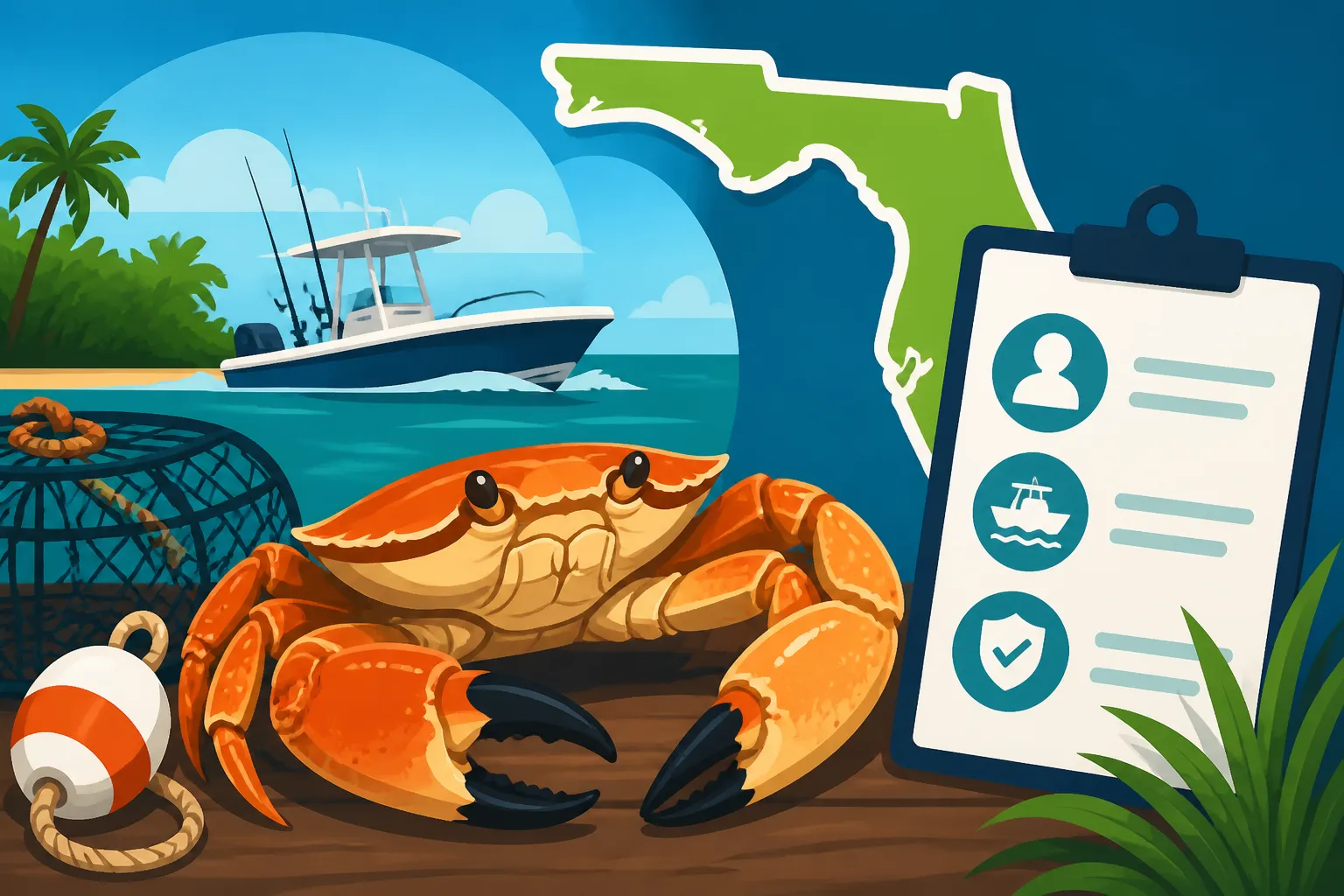
Trying to figure out all the specific rules for harvesting Florida stone crabs can feel like trying to solve a puzzle while juggling. You’re excited about the season, dreaming of fresh claws, but then you hit the wall of regulations, permits, and licenses. It's a common frustration, and this guide is here to untangle the complexities of Florida stone crab season license requirements, ensuring you're fully prepared to enjoy this unique Florida culinary and recreational experience legally and responsibly.
Understanding Florida Stone Crab Season and Regulations
Florida's stone crab season is a much-anticipated time for many, a true highlight of the fall and winter months. But before you even think about dropping a trap, it's crucial to understand the foundational rules that govern this delicate fishery. Without this groundwork, you might find yourself on the wrong side of the law, and nobody wants that.
The Basics of Stone Crab Season
The stone crab season in Florida typically runs from October 15th through May 15th each year. This isn't just a suggestion; it's a strict period enforced to protect the stone crab population during their spawning and molting cycles. Outside of these dates, it is illegal to harvest stone crabs. This ensures the sustainability of the species, allowing them to reproduce and grow, which in turn means more delicious claws for future seasons. Imagine the disappointment of setting out your gear only to realize the season isn't open – it's a frustrating but entirely avoidable situation with a little planning. The Florida Fish and Wildlife Conservation Commission (FWC) carefully monitors these timelines to maintain a healthy ecosystem, and for recreational crabbers, knowing these dates is paramount.
This designated season is a testament to Florida's commitment to conservation, balancing the enjoyment of a valuable resource with its long-term health. It's not just about getting your fill of claws; it's about respecting the natural cycles of these incredible crustaceans. Throughout the season, you'll see commercial boats and recreational anglers alike participating, all under the watchful eye of the FWC to ensure everyone plays by the rules. It's a tradition that brings many Floridians and visitors to the docks and waterways, all in pursuit of that sweet, succulent stone crab meat.
Recreational vs. Commercial Crabbing
One of the biggest areas of confusion for aspiring stone crabbers is understanding the difference between recreational and commercial crabbing. These two activities operate under entirely different sets of rules, permits, and expectations. Recreational crabbing is for personal consumption – you're catching a few claws for your family dinner or a backyard gathering. Commercial crabbing, on the other hand, involves harvesting stone crabs for sale to restaurants, seafood markets, and distributors, forming a significant part of Florida's seafood industry. The scale, equipment, and regulatory burden are vastly different.
For a recreational crabber, the process is usually simpler, focusing on personal limits and minimal gear. You're not trying to run a business; you're just trying to catch some dinner. This means the license requirements are less stringent than those faced by commercial operations, which involve specialized endorsements, larger trap numbers, and stricter reporting. It’s important to clearly define your intent before you even think about what kind of license you need, as misunderstanding this distinction can lead to serious legal issues. Your approach to stone crabbing, whether it’s a casual weekend activity or a dedicated income stream, will dictate the exact licenses and permits you’ll be required to hold.
Recreational Stone Crabbing License Requirements
Alright, let's get down to brass tacks for the recreational angler. You want to catch some stone crabs for fun, maybe for a delicious meal at home. What do you actually need in terms of licenses? This is where many people get tripped up, thinking there's some obscure "stone crab license," but it's usually simpler than that, assuming you're sticking to recreational limits.
Who Needs a Recreational Saltwater Fishing License?
For most recreational stone crabbers in Florida, the primary requirement is a valid Florida saltwater fishing license. This license covers the taking of most saltwater species, including stone crabs, when harvested recreationally. If you're wondering Who Needs a Fishing License in Florida, the general rule is that anyone aged 16 and over, who is not a Florida resident, needs one for recreational saltwater fishing. Florida residents between the ages of 16 and 64 also need one. However, there are some key exemptions. For instance, children under 16 generally don't need a license, and Florida residents aged 65 or older are also typically exempt from the annual recreational fishing license requirement, though they often need to carry proof of age and residency, such as a Florida Resident Senior Citizen Hunting and Fishing Certificate. So, before you rush out to buy a license, check if you fall into one of these exempt categories. You can find detailed information on Florida Saltwater Fishing License Rules to make sure you're covered.
If you plan to fish from a pier that has a valid pier fishing license, you might be exempt as well, but this is specific to certain structures, so always confirm locally. Similarly, if you're fishing during one of the state's Florida Free Fishing Days, you won't need a license for that specific period. However, these free days are few and far between, so don't count on them for your regular stone crabbing adventures. The key takeaway here is that a standard recreational saltwater fishing license is your entry ticket to harvesting stone crabs for personal use. You can purchase this license easily online through the FWC website, or at authorized vendors like Walmart and Bass Pro Shops, which we'll cover in more detail later.
Additional Permits and Endorsements
Now, here's where some of the "stone crab permit" confusion often comes in. For recreational stone crabbing, you generally do not need a separate "stone crab permit" in addition to your saltwater fishing license. Your valid recreational saltwater fishing license typically covers the act of harvesting stone crab claws within the specified recreational limits. However, there's a crucial distinction: while you don't need a separate permit for yourself, you do need recreational stone crab trap tags for each trap you use. These are specific tags issued by the FWC that must be affixed to your traps. Think of them as individual licenses for your traps, rather than an additional license for you, the angler. Each tag has a unique identification number that corresponds to your fishing license.
The number of recreational trap tags you can get is limited, typically to five traps per person. These tags ensure that all recreational traps are accounted for and comply with regulations, helping the FWC monitor recreational harvesting effort. You'll apply for these tags through the FWC, usually when you purchase or renew your fishing license, or separately if needed. It's a small but vital detail that many newcomers overlook. Having your saltwater fishing license is great, but without properly tagged traps, your efforts could still be considered illegal. It’s vital to understand that this is distinct from the extensive commercial stone crab endorsements and licenses, which involve much higher fees and trap allocations, sometimes thousands of traps for a single operator. So, remember: saltwater fishing license for you, trap tags for your traps.
Age and Residency Considerations
Just like with other types of fishing licenses, your age and residency status play a significant role in determining what you need for recreational stone crabbing. If you are a Florida resident between the ages of 16 and 64, you'll need a Florida resident saltwater fishing license to legally harvest stone crabs. Proving Florida residency often requires a valid Florida driver's license or state ID that has been active for a certain period, sometimes a year or more, depending on FWC guidelines. For military personnel, there might be specific Florida Military Fishing License Exemptions, so it's always worth checking those details if they apply to your situation.
For those young anglers under 16, it’s good news – they generally don't need a fishing license, including for recreational stone crabbing. This is a wonderful opportunity to introduce children to the joys of responsible harvesting without an additional bureaucratic hurdle. On the other end of the spectrum, Florida residents who are 65 years of age or older also enjoy an exemption from the recreational fishing license requirement. They simply need to carry a valid Florida identification showing their age and residency. Non-residents, regardless of age (over 16), will need to purchase a Florida Nonresident Annual Fishing License Cost or a short-term license if available. Always ensure you have the correct identification and licenses on your person when you are out on the water, as FWC officers regularly patrol and check compliance.
Navigating Stone Crab Trap Regulations and Gear
Once you've got your head around the licensing, the next big hurdle is understanding the specific rules for your traps and gear. Florida has strict guidelines on how you can catch stone crabs, all designed to promote sustainability and prevent harm to the crabs or the environment. It's not just about tossing any old trap into the water; there's a method to the madness.
Recreational Trap Limits and Specifications
Recreational stone crabbers are limited to a maximum of five traps per person. This isn't five traps per boat or per family, but five per licensed individual. Each of these five traps must be clearly marked with a recreational stone crab trap tag obtained from the FWC, as we discussed earlier. These tags are absolutely mandatory, and fishing with unmarked traps can lead to fines and confiscation. The traps themselves also have specific design requirements. They must be no larger than two feet by two feet by one foot, and they must be constructed of wood, plastic, or wire mesh. Using metal rebar or other potentially harmful materials is prohibited.
Another crucial specification is the escape ring or panel. Traps must have at least one unobstructed escape ring on a vertical side, no smaller than 2 3/8 inches in inside diameter, or a degradable panel that creates an opening of at least this size if the trap is lost. This allows smaller crabs to escape, reducing bycatch and ensuring that only crabs of legal size are retained. You'll often find suitable traps for sale at local bait and tackle shops, or you can even find trap kits and supplies on Amazon if you prefer to build your own. It's really important to ensure your traps meet all these specifications down to the letter, as non-compliant traps are a quick way to draw the attention of FWC enforcement.
Buoy Marking and Identification
Every single stone crab trap you deploy must be attached to a buoy that floats on the surface of the water, and this buoy has very specific marking requirements. The buoy must be at least six inches in diameter and clearly marked with the harvester's FWC license number. For recreational crabbers, this is usually your individual saltwater fishing license number. It's a non-negotiable rule – if an FWC officer finds an unmarked buoy or a buoy with an incorrect license number, that trap is subject to confiscation, and you could face penalties. Using a permanent marker or paint that won't easily rub off in the saltwater environment is key.
The color of your buoy also matters. While commercial crabbers use specific color codes, recreational crabbers typically have more flexibility in color, as long as it's not a color that conflicts with established commercial buoy colors in your area. However, regardless of color, the primary concern is clear, legible identification. This system allows enforcement officers to quickly identify the owner of a trap, which helps to deter poaching and ensures accountability. When purchasing your buoys, consider options that are highly visible and durable, capable of withstanding strong currents and boat traffic. You might even find pre-marked buoys or stencils for your license number online or at specialized fishing stores.
Legal Harvest Methods and Gear
For stone crabs, the only legal method of harvest in Florida for recreational anglers is by using traps or by hand. You cannot use spears, gigs, or any other impaling devices to catch stone crabs. Even if you see a crab crawling on the bottom, you cannot use anything other than your hands to grab it (and be careful, their claws are strong!). The vast majority of recreational harvesting is done with traps, as it's the most efficient and practical method. When using traps, bait is key. Popular bait choices include cut fish, such as mullet or pinfish, or even chicken necks. Many crabbers swear by oily fish to really draw them in. You can buy these baits at local bait shops, or catch your own if you have the appropriate gear and license.
When it comes to gear for setting and retrieving your traps, a sturdy line (often polypropylene rope) that's heavy enough to sink is essential to prevent it from floating into boat props. A bait bag or bait holder within the trap is also highly recommended to keep your bait secure and prevent it from being eaten too quickly by smaller creatures. For pulling traps, a strong arm is often enough for a few traps, but many recreational crabbers use a simple manual trap hauler or even just a gaff hook to snag the buoy line. You can find robust trap lines and specialized bait bags for sale at marine supply stores or easily order them from retailers like Amazon. Remember, all the gear in the world won't matter if your traps aren't legally marked and compliant.
Where and How to Obtain Your Licenses and Trap Tags
You've got the knowledge about what you need; now, let's talk about how to actually get your hands on it. The process is pretty straightforward, thanks to modern technology and established state systems, making it easier than ever to get licensed up for your stone crabbing adventures.
Purchasing Your Saltwater Fishing License
Getting your Florida saltwater fishing license is generally a very easy process, which is a relief when you're just trying to get out on the water. The most convenient way for many is to buy it online directly through the Florida Fish and Wildlife Conservation Commission's (FWC) GoOutdoorsFlorida website. This portal allows you to purchase a new license, renew an existing one, or even access your digital license on your phone. Many anglers prefer this method because you can do it anytime, anywhere, and you get immediate confirmation. The FWC GoOutdoors app is also a fantastic resource for managing your licenses and checking regulations on the go. If you're wondering How to Buy a Fishing License Online, the FWC website is always your best bet.
If you prefer an in-person transaction or have questions, you have several options. You can head to any Florida County Tax Collector's office, where trained staff can help you navigate the different license options and ensure you get exactly what you need. Many sporting goods stores are also authorized license vendors. For instance, you can easily pick up a Florida Fishing License at Walmart or get expert advice and purchase your license at larger retailers like Bass Pro Shops or West Marine. These locations are particularly handy if you're also stocking up on other fishing gear. Having multiple avenues to purchase your license means there's really no excuse to be fishing without one!
Securing Recreational Stone Crab Trap Tags
Remember those all-important recreational stone crab trap tags? These are purchased through the FWC, usually in conjunction with your recreational saltwater fishing license. When you're buying or renewing your annual saltwater license, you'll typically see an option to add the stone crab trap tags to your purchase. The cost for these tags is usually minimal, designed to cover the administrative costs of issuing them and not to be a significant revenue generator. You’ll specify how many traps you intend to use, up to the maximum of five per person, and the corresponding number of tags will be issued.
It’s crucial to understand that these tags are annual and expire on May 15th, concurrent with the end of the stone crab season. This means you'll need to re-purchase them each year if you plan to continue recreational stone crabbing. Once you receive your tags, they must be securely affixed to each of your traps before deployment. Make sure they are visible and won't easily detach or degrade in the harsh marine environment. Many experienced crabbers use zip ties or small nails to secure them firmly. Misplaced or improperly attached tags are a common reason for traps being pulled by FWC, so take this step seriously.
Understanding the Costs Involved
Let's talk money, because while stone crabbing can be incredibly rewarding, there are some costs involved beyond just the bait and gear. The good news is that recreational licenses and tags are generally affordable, especially when compared to the commercial equivalents. For a Florida resident, an annual saltwater fishing license typically costs around $17. This covers you for a full year of saltwater fishing, including recreational stone crabbing. Non-residents face a higher fee, with an annual license usually costing around $47, or you might opt for a short-term license like a Florida 3-Day Nonresident Fishing License Cost or a 7-day option if your trip is brief.
On top of the fishing license, you'll need those recreational stone crab trap tags. These are usually a nominal fee, often just a few dollars per tag. So, for your maximum of five traps, you're looking at a small additional cost. While these prices are subject to change, the FWC keeps them fairly consistent to encourage participation while still funding conservation efforts. You can verify the most current costs on the FWC's GoOutdoorsFlorida website. Factor these costs into your overall budget, and consider the long-term benefits of a 5-year resident fishing license if you're a dedicated angler, as these often offer some savings over annual renewals.
Here's a quick overview of the key differences between recreational and commercial stone crabbing, focusing on the regulations:
| Feature | Recreational Stone Crabbing | Commercial Stone Crabbing |
|---|---|---|
| Primary License | Florida Recreational Saltwater Fishing License | Commercial Saltwater Products License (SPL) |
| Additional Permits | Recreational Stone Crab Trap Tags (up to 5 per person) | Commercial Stone Crab Endorsement & Trap Tags (often thousands) |
| Trap Limit | 5 traps per person | No limit with proper endorsements, thousands common |
| Trap Marking | Buoys marked with recreational license number, trap tags required | Buoys marked with SPL number and specific color codes, trap tags |
| Harvest Limit (Claws) | 1 gallon of claws per person, per day, OR 2 gallons per boat, whichever is less | No daily limit, only total allowable catch based on fishery health |
| Sale of Claws | Prohibited | Permitted with proper licenses and endorsements |
| Season | Oct 15 – May 15 | Oct 15 – May 15 |
| Claw Size Limit | Minimum 2 3/4 inches | Minimum 2 3/4 inches |
| Trap Dimensions | Max 2x2x1 ft; wood, plastic, or wire mesh; escape ring required | Max 2x2x1 ft; wood, plastic, or wire mesh; escape ring required |
Key Stone Crab Harvesting Rules and Conservation Efforts
Beyond licenses and trap specs, there are fundamental rules governing the actual harvest of stone crab claws. These aren't arbitrary; they're rooted in decades of scientific research and are absolutely vital for maintaining a healthy and productive stone crab fishery in Florida. Ignoring them isn't just illegal; it undermines the entire system.
Claw Size Limits and Declawing Practices
One of the most unique and crucial aspects of stone crabbing is the harvest method itself: only the claws are taken, and the crab is returned to the water alive. This "declawing" practice allows the crab to regenerate its lost limb, making it a sustainable fishery if done correctly. However, not just any claw can be taken. There is a strict minimum claw size limit of 2 3/4 inches, measured from the elbow to the tip of the longest immovable finger. This ensures that crabs have reached a certain maturity and likely had a chance to reproduce before their claws are harvested. If you catch a crab with claws smaller than this, you must return the entire crab to the water immediately and unharmed.
Furthermore, only one claw may be harvested if both claws meet the minimum size requirement. While it might be tempting to take both, FWC regulations explicitly state that only one claw can be removed per crab. This "one claw only" rule further aids in the crab's survival and ability to forage and defend itself while it regenerates the harvested claw. It's incredibly important to handle the crabs gently and return them quickly to their habitat after declawing. Rough handling or keeping crabs out of water for too long significantly reduces their chances of survival. Always have a measuring device handy, like a stone crab gauge, which you can easily find at most bait shops or on Amazon, to ensure compliance before you even think about twisting off a claw.
Bag Limits and Restricted Areas
Just like with finfish, stone crabs have bag limits for recreational harvesters to prevent overfishing. For recreational stone crabbing, the daily bag limit is one gallon of claws per person OR two gallons of claws per vessel, whichever is less. This means if you have three people on your boat, you can still only take a maximum of two gallons of claws for the entire vessel. This limit is critical for managing the resource and ensuring that future generations can also enjoy stone crabs. Don't be tempted to exceed this limit; FWC officers are vigilant, and penalties for exceeding bag limits can be severe. These regulations are part of the broader Florida Fishing Regulations and Bag Limits that apply to various species across the state.
Beyond bag limits, there are also areas where stone crabbing might be prohibited or restricted. For example, within certain state or national parks, wildlife refuges, or marine protected areas, specific rules or outright bans on crabbing might apply. It's always a good practice to check local regulations for any specific area you plan to crab in. Additionally, it is illegal to harvest stone crabs from seawalls, bridges, or causeways in Collier, Monroe, and Miami-Dade counties. Always do your homework on the specific location you plan to visit, as ignorance of the law is never an excuse. Staying informed about both statewide and localized restrictions will help you have a successful and legal stone crabbing experience.
Why These Rules Matter: Conservation
At the heart of all these seemingly complex rules and regulations is a singular, vital goal: conservation. The Florida Fish and Wildlife Conservation Commission (FWC) doesn't implement these rules to make your life harder; they do it to protect the stone crab population and ensure the long-term health of this important fishery. Stone crabs are a slow-growing species, and their ability to regenerate claws is a remarkable natural advantage, but it's not foolproof. Overharvesting, improper declawing, or ignoring size and bag limits can quickly deplete local populations and jeopardize the entire ecosystem. Every single rule, from the specific season dates to the one-claw limit, is designed to give the crabs the best chance to survive, reproduce, and continue to thrive in Florida's waters.
The fees collected from fishing licenses, including those used for stone crabbing, directly contribute to these conservation efforts. This money helps fund research into stone crab populations, habitat restoration projects, and the enforcement of regulations that protect marine life. When you purchase your Florida Fishing License Costs and Fees, you're not just buying a piece of paper; you're investing in the future of Florida's natural resources. It's a collective responsibility, where every recreational and commercial harvester plays a part in maintaining the delicate balance of our marine environment. Understanding and adhering to these rules isn't just about avoiding a fine; it's about being a responsible steward of Florida's incredible natural heritage.
Disclaimer
Please note that fishing regulations, license requirements, and costs can change. While this guide provides comprehensive information, it is always your responsibility to verify the most current rules and regulations directly with the Florida Fish and Wildlife Conservation Commission (FWC) or other relevant authorities before engaging in any fishing activities. This content is for informational purposes only and should not be considered legal advice.