Florida Nonresident Annual Fishing License Cost
Florida is a fishing paradise, attracting anglers from all corners of the globe with its diverse aquatic ecosystems, from the vast Gulf waters to the tranquil freshwater lakes. However, for those visiting from out of state, the process of understanding and acquiring the correct fishing license can feel a bit like navigating a winding canal without a map. This guide aims to demystify the Florida nonresident annual fishing license cost, breaking down what you need, how much it'll set you back, and how to get squared away so you can focus on what truly matters: catching fish.
Navigating the Waters: Why Nonresidents Need a Florida Fishing License
The allure of Florida's fishing grounds is undeniable, promising everything from trophy largemouth bass in the freshwater lakes to snook and tarpon along the coast. But before you can cast your line into the Sunshine State's abundant waters, there's a crucial step many out-of-state visitors initially overlook or misunderstand: obtaining a fishing license. It's a fundamental requirement, and one that trips up many eager anglers.
The primary reason behind this requirement isn't just bureaucracy; it's about conservation. The funds generated from fishing license sales directly support the Florida Fish and Wildlife Conservation Commission (FWC) in their vital work. This includes managing fish populations, maintaining habitats, conducting research, and enforcing regulations that ensure sustainable fishing for generations to come. So, while it might feel like an extra hoop to jump through, your license fee contributes directly to keeping Florida's fisheries thriving. It's a small investment in a huge resource.
It's also important to understand that nearly everyone over a certain age needs a license, regardless of whether you're a seasoned angler or a curious first-timer. While there are some specific exemptions, particularly for very young children or those on licensed charter boats, most visitors will need to purchase one. This guide specifically dives into the annual nonresident option, which is a fantastic choice if you plan on making multiple trips to Florida throughout the year. However, it’s worth noting that shorter-term licenses, such as 3-day or 7-day options, are also available and might be more suitable for a single, brief visit, as detailed in the Florida Nonresident Fishing License Rules. For a deeper dive into who specifically needs a license based on age, you can check out our comprehensive guide on Florida Fishing License Age Requirement for Nonresidents.
Ignoring the license requirement isn't just a minor oversight; it can lead to significant headaches and financial penalties. Florida takes its fishing regulations seriously, and FWC officers are diligent in their enforcement. Getting caught fishing without a valid license can result in fines that far exceed the cost of the license itself, not to mention the potential for your fishing trip to be cut short. It's simply not worth the risk. To understand the full implications and avoid any unpleasant surprises, you might want to read more about What Happens If You Fish Without a License.
The Specifics: Florida Nonresident Annual Fishing License Costs
Now, let's get down to brass tacks: how much does that annual nonresident fishing license actually cost? Florida operates on a dual licensing system, meaning you'll need separate licenses for freshwater and saltwater fishing, or a combination license that covers both. This distinction is vital for out-of-state anglers, as many other states have a single license that covers all types of recreational fishing.
For those dreaming of reeling in a trophy largemouth bass from Lake Okeechobee or one of Florida's many other incredible inland waters, an annual nonresident freshwater fishing license is your ticket. As of early 2024, the cost for this license is typically around $47.00. This license grants you the privilege to fish in all public freshwater lakes, rivers, and ponds across the state, adhering to all applicable bag limits and seasons, of course. For a more detailed look at the specific rules for inland angling, our Florida Freshwater Fishing License Rules guide has you covered.
If your heart is set on the thrill of saltwater fishing—whether it's casting for redfish in the Mosquito Lagoon, targeting snapper offshore, or battling a king mackerel in the open ocean—you'll need an annual nonresident saltwater fishing license. This one usually comes in at approximately $47.00 as well. This license covers you for fishing in all Florida coastal waters, including bays, estuaries, and the Gulf of Mexico and Atlantic Ocean within state waters. You can find more comprehensive information on this topic in our article on Florida Saltwater Fishing License Rules.
Many visitors come to Florida wanting to experience both the tranquility of freshwater angling and the excitement of saltwater action. If this sounds like you, then the combination freshwater and saltwater fishing license is likely your best and most economical option. For nonresidents, an annual combination license typically costs around $95.00. While it might seem like a higher upfront cost, it often represents a slight saving compared to purchasing both annual freshwater and saltwater licenses separately. This combined license is a popular choice for Florida Fishing License for Out-of-State Visitors who plan extended stays or multiple visits. To explore the cost benefits further, check out our piece on the Florida Combination Freshwater and Saltwater License Cost.
It's also crucial to remember that certain popular species, like snook and spiny lobster, require additional endorsements (often called "permits") even if you hold a valid annual freshwater, saltwater, or combination license. These are not automatically included and come with their own separate fees. For example, a Snook permit is usually around $10.00, and a Lobster permit costs approximately $5.00. These permits are essential if you plan to target and keep these specific species. Skipping them means you'd have to release any snook or lobster you catch, even if you have a valid general fishing license. Always double-check if your target species requires a special endorsement; for snook, you can find more information in Florida Snook Permit Requirements, and for lobster, refer to Florida Lobster Permit Requirements.
To help clarify the costs, here's a quick overview of the typical annual nonresident fishing license fees in Florida:
| License Type | Approximate Cost (Annual) | What it Covers | Notes |
|---|---|---|---|
| Nonresident Freshwater Fishing License | $47.00 | All public freshwater bodies in Florida (lakes, rivers, ponds) | Required for bass, panfish, catfish, etc. |
| Nonresident Saltwater Fishing License | $47.00 | All Florida coastal waters (bays, estuaries, Gulf, Atlantic within state waters) | Required for redfish, trout, snapper, mackerel, etc. |
| Nonresident Combination (Freshwater & Saltwater) | $95.00 | Both freshwater and saltwater environments | Economical choice for anglers fishing both types of waters. |
| Snook Permit (Add-on) | $10.00 | Required to harvest Snook | In addition to saltwater or combo license. |
| Spiny Lobster Permit (Add-on) | $5.00 | Required to harvest Spiny Lobster | In addition to saltwater or combo license. |
Note: These prices are subject to change by the FWC. Always verify current costs before purchasing.
Making the Purchase: How and Where Nonresidents Can Buy an Annual License
Once you've decided which annual nonresident license is right for your Florida fishing adventure, the next step is actually purchasing it. Thankfully, the Florida Fish and Wildlife Conservation Commission (FWC) has made the process quite straightforward, offering multiple convenient options for out-of-state anglers.
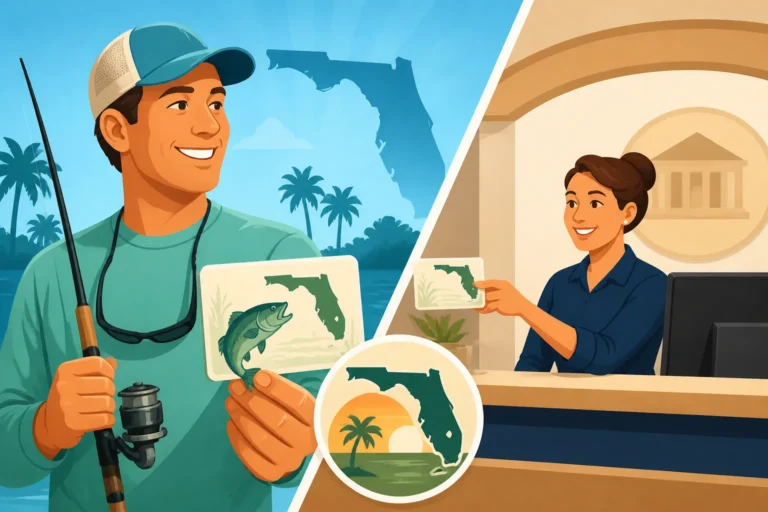
The most popular and often easiest method for purchasing your Florida fishing license is online, directly through the FWC's GoOutdoorsFlorida.com website. This platform is incredibly user-friendly and allows you to buy your license from anywhere, anytime, using a computer or even your mobile phone. The process typically involves creating a customer account (if you don't already have one), selecting "non-resident," choosing your desired license type (freshwater, saltwater, or combination, plus any necessary endorsements), and then completing the payment. Once purchased, you'll receive a confirmation, and your license will be valid immediately. You can either print a physical copy or save a digital version on your phone, which is perfectly acceptable as proof. For a step-by-step walkthrough, our guide on How to Buy a Fishing License Online is a great resource.
If you prefer a more traditional approach or want the opportunity to chat with a local expert, you have plenty of in-person options. Fishing licenses are widely available at authorized license agents throughout the state. This includes most bait and tackle shops, many sporting goods retailers like Bass Pro Shops or West Marine, and even large chain stores such as Walmart. These local establishments are often fantastic resources not just for purchasing your license, but also for getting up-to-the-minute fishing reports, advice on hot spots, and recommendations on local baits and tackle. While you're at the tackle shop or browsing online for licenses, you might also be stocking up on new lures or a new fishing hat from Amazon to complete your gear setup. If you're looking for a specific location near your Florida destination, consult our guide on Where to Buy a Florida Fishing License Near You.
When purchasing in person, you'll generally need to provide some basic identification, such as a driver's license or passport, and your out-of-state address. The staff at these locations are usually very helpful and can guide you through the options, ensuring you get the correct license for your planned activities. The best part is that, whether you buy it online or in person, your annual nonresident fishing license is active immediately. There's no waiting period, so you can literally buy it and head straight to the water, line in hand, ready for your adventure.
Maximizing Your Annual License: Tips for Out-of-State Anglers
Purchasing an annual nonresident fishing license for Florida is a smart move if you anticipate visiting the state multiple times within a 12-month period, or if you simply want the flexibility of fishing for an extended duration without worrying about short-term renewals. While the initial investment might seem higher than a 3-day or 7-day option, the cost-effectiveness quickly balances out with repeated use. For a deeper understanding of all the associated fees, you can always refer back to our general Florida Fishing License Costs and Fees guide.
Beyond just the license itself, successful and legal fishing in Florida requires a good understanding of the state's broader regulations. Your license grants you permission to fish, but it doesn't automatically mean you can keep every fish you catch. Florida has specific bag limits (how many fish you can keep), size restrictions (minimum and sometimes maximum lengths), and seasonal closures for various species to protect fish populations. These regulations can change, so it's vital to stay informed. A good habit is to always check the most current FWC regulations online or grab a printed copy from a bait shop before each trip. Having useful gear like a fish measuring tape and a small, organized tackle box, which you can easily find on Amazon, will also prove invaluable on the water.
A common point of confusion for nonresidents, especially those used to different state laws, is the concept of "shoreline fishing" exemptions. While Florida residents can sometimes fish for saltwater species from shore or structures like piers without a saltwater fishing license (they often still need a free shoreline fishing license), this exemption typically does not apply to nonresidents. As an out-of-state angler, if you are fishing in saltwater, whether from a beach, bridge, or pier, you will almost certainly need a valid saltwater fishing license. Always assume you need a license unless explicitly stated otherwise by the FWC for nonresidents in a very specific scenario.
Finally, if you're planning to fish with a professional guide or on a charter boat, there's good news regarding licenses. Generally, if you're fishing aboard a vessel that holds a valid vessel license, individual recreational fishing licenses are not required for the anglers on board. The captain's commercial license covers everyone. However, it is always a good practice to confirm this with your specific charter captain when you book your trip, just to be absolutely sure. This convenience makes charter trips a fantastic, hassle-free way for visitors to experience Florida's world-class fishing. For more detailed rules concerning this, you can check out Florida Charter Boat Fishing License Rules.
Disclaimer
Please remember that fishing regulations and license costs in Florida are subject to change. While we strive to provide the most accurate and up-to-date information, it is always recommended to verify all details directly with the Florida Fish and Wildlife Conservation Commission (FWC) or on their official website (MyFWC.com / GoOutdoorsFlorida.com) before engaging in any fishing activities. This guide is for informational purposes only and does not constitute legal advice.