Bridge Fishing License Rules in Florida
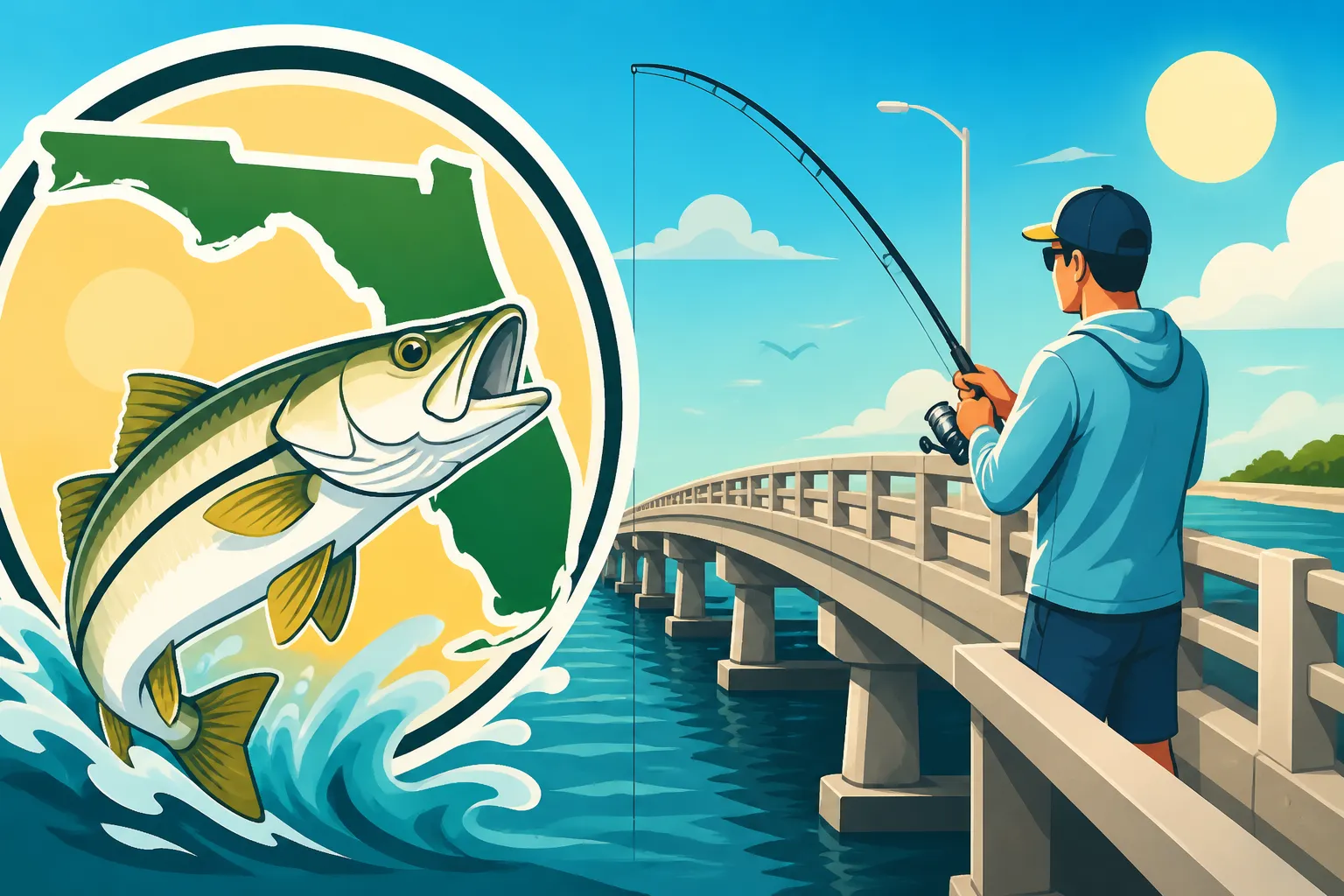
It’s a common scene in Florida: an angler casting a line from a picturesque bridge, hoping to reel in a prize. But as idyllic as it seems, a nagging question often surfaces: "Do I need a fishing license to fish from this bridge?" The rules around bridge fishing licenses in Florida can feel like a tangled line, creating frustration and uncertainty. This comprehensive guide will untangle those regulations, ensuring you can enjoy your bridge fishing experience without worrying about legal repercussions.
The General Rule for Bridge Fishing Licenses in Florida
Why Most Bridges Require a Standard Fishing License
When you decide to cast a line from a bridge in Florida, it's easy to assume it falls under a special category, perhaps like fishing from a public pier that might hold a blanket license. However, the vast majority of bridges across the Sunshine State operate under the same fundamental rules as any other public fishing spot. This means that, in nearly all cases, if you're 16 years of age or older and not covered by a specific exemption, you will need a valid Florida fishing license. This applies whether you're targeting snook from a bridge overlooking an inlet or casting for sheepshead near the pilings. The Florida Fish and Wildlife Conservation Commission (FWC) views fishing from a bridge as simply another method of engaging with the state's diverse aquatic resources, and thus, the standard licensing requirements are in effect to help fund crucial conservation efforts. These funds are vital for sustaining fish populations, maintaining habitats, and ensuring future generations can also enjoy the thrill of a good catch.
Distinguishing Bridges from Licensed Fishing Piers
Here's where some of the confusion frequently creeps in. Florida is home to numerous fantastic fishing piers, some of which proudly boast a "pier fishing license" that covers all anglers casting from their decks. This means you don't need your own individual license when fishing on such a pier. A prime example is the Sunshine Skyway Fishing Pier State Park, which holds a blanket license for its patrons. However, bridges are generally not included in this category. A bridge is primarily a thoroughfare for vehicles and pedestrians, not a dedicated fishing pier established with a commercial pier license. Unless a specific bridge has been designated and explicitly advertises a blanket fishing license (which is extremely rare and usually part of a park or private concession), you should always assume your personal fishing license is required. Always double-check signage at the location or the official FWC website if you're unsure about a particular structure. Understanding Which Florida Piers Don't Require a Fishing License? can help clarify this distinction further, as these exceptions are quite specific.
Common Misconceptions and Specific Exemptions
The "Free Shoreline Fishing License" and Bridges
One of the most persistent misunderstandings surrounding bridge fishing is the idea that it might fall under the state's free shoreline fishing license. This fantastic exemption allows Florida residents to fish in saltwater from land or structures attached to land, like docks or seawalls, without needing a traditional saltwater fishing license. It sounds like it should apply to bridges, right? Unfortunately, for most bridges, it doesn't quite fit. The FWC generally defines "shoreline" for this exemption as the contiguous land directly adjacent to the water, where you can literally stand on the bank or a simple seawall. While a bridge is technically attached to land, its primary function and position often place it over the water in a way that goes beyond the spirit of the shoreline exemption. Think of it this way: if you're casting into deep channels, open bay waters, or even out into the Gulf or Atlantic from a bridge, you're not typically "shoreline fishing" in the traditional sense. So, unless you are strictly fishing from the land leading up to the bridge, a standard Florida Saltwater Fishing License Rules will almost certainly apply. It's vital to clarify the specific details of the Florida Free Shoreline Fishing License for Residents to avoid a citation, as misinterpreting this can lead to unexpected fines.
Age and Other Statutory Exemptions for Bridge Fishing
Even if a bridge generally requires a license, there are still specific exemptions that might apply to you, regardless of where you're fishing in Florida. It's helpful to understand Who Needs a Fishing License in Florida in general, as these rules are universal.
- Children Under 16: Anglers under the age of 16 are completely exempt from all recreational fishing license requirements in Florida, whether they're fishing from a bridge, a boat, or the beach. This is a wonderful initiative by the state to encourage youth participation in outdoor activities and foster a love for fishing from a young age.
- Florida Residents 65 and Older: If you're a Florida resident aged 65 or older, you are exempt from needing a recreational fishing license. This applies to both freshwater and saltwater fishing, and yes, it extends to fishing from bridges. So, if you're a seasoned angler enjoying your golden years, you can likely cast your line from a bridge license-free. For more specific details on this, check out Do Seniors Need a Fishing License in Florida?.
- Disabled Residents: Certain disabled Florida residents may also be eligible for fishing license exemptions. This often requires specific documentation and an application through the FWC to ensure you meet the criteria.
- Military Personnel: Active-duty military personnel stationed in Florida may also have specific exemptions or discounts, which can be verified through the FWC website or by contacting them directly.
These exemptions are consistent across all types of fishing locations, including bridges. If you believe you qualify for one of these, always carry appropriate identification or documentation to prove your status.
Navigating Licensing for Different Water Types on Bridges
Freshwater vs. Saltwater Bridges and License Requirements
Florida is unique with its incredible array of freshwater and saltwater fishing opportunities, sometimes even within a short drive. This distinction is crucial for licensing, as the FWC has separate requirements for each.
- Freshwater Bridges: If you're fishing from a bridge over a river, a lake, or a canal that is clearly designated as freshwater (e.g., portions of the St. Johns River, canals in the Everglades, or large inland lakes), you will need a valid Florida Freshwater Fishing License Rules. Think about bridges over large lakes like Lake Okeechobee or the vast Kissimmee Chain of Lakes. The species you're targeting—like largemouth bass, crappie, or bluegill—will usually be a clear indicator that you're in freshwater territory.
- Saltwater Bridges: Most of Florida's famous bridge fishing takes place over saltwater – intercoastal waterways, bays, and inlets connected to the ocean. For these locations, a Florida Saltwater Fishing License Rules is required. This would include iconic spots like bridges connecting the islands in the Florida Keys, sections of the Sunshine Skyway Bridge in Tampa Bay, or bridges crossing passes along the Gulf or Atlantic coasts. Species like snook, redfish, spotted seatrout, and various snapper species are common targets in these areas.
Sometimes, a bridge might span brackish water, where freshwater and saltwater mix. In these transitional zones, it's generally safer to have both a freshwater and a saltwater license, or a combination license, to cover all your bases, especially if you're unsure of the exact salinity and the diverse species you might encounter. A Florida Fishing License Guide can offer more general information on these distinctions and help you decide if a combination license is right for you.
Short-Term vs. Annual Licenses for Bridge Anglers
When it comes to purchasing your Florida fishing license for bridge fishing, you have options depending on how frequently you plan to cast a line. Choosing the right one can save you money and ensure continuous compliance.
- Annual Licenses: For Florida residents and non-residents who plan to fish regularly throughout the year, an annual license is usually the most cost-effective and convenient choice. It covers you for a full 12 months from the date of purchase, meaning you don't have to worry about renewals for a whole year. This is ideal for those who live in or frequently visit Florida and want the freedom to fish whenever the mood strikes.
- Short-Term Nonresident Licenses: If you're just visiting Florida for a vacation and only planning a few days of bridge fishing, non-residents can purchase 3-day or 7-day licenses. These are perfect for brief trips and ensure you're covered for your specific trip length without having to commit to a full year. Remember, these short-term licenses are only available for non-residents.
Florida residents also have the option for 5-year licenses, which can provide even greater savings and hassle-free long-term coverage. The right choice ultimately depends on your fishing frequency and duration of stay. You can typically purchase these licenses online through the FWC website, by phone, or in person at various retailers. Before heading out, make sure you know Where to Buy a Florida Fishing License Near You.
Here's a quick reference table to help clarify license needs for bridge fishing:
| Angler Status | Fishing from Most Public Bridges | Fishing from Dedicated "Pier License" Piers (e.g., Skyway Pier) |
|---|---|---|
| Florida Resident (16-64 years) | YES (Saltwater or Freshwater) | NO (Typically covered by pier license) |
| Florida Resident (65+ years) | NO (Exempt) | NO (Exempt) |
| Non-Resident (16+ years) | YES (Saltwater or Freshwater) | NO (Typically covered by pier license) |
| Anyone under 16 years | NO (Exempt) | NO (Exempt) |
| Disabled Florida Residents | NO (If qualified for exemption) | NO (If qualified for exemption) |
Practical Steps for Obtaining Your Bridge Fishing License
Purchasing Your Florida Fishing License
Getting your Florida fishing license is thankfully pretty straightforward, especially in this digital age. You have several convenient options, so there's really no excuse to fish without one!
- Online: The easiest and quickest way for most people is to purchase their license directly from the Florida Fish and Wildlife Conservation Commission (FWC) website. Their Go Outdoors Florida platform allows you to select your license type (freshwater, saltwater, or combination), residency status, and duration, then pay instantly with a credit card. You'll receive a confirmation and can usually carry a digital copy on your phone. Many anglers find the FWC's official GoOutdoorsFlorida app incredibly useful, as it makes managing your license super simple, right from your pocket.
- In Person: If you prefer a face-to-face transaction or need to pick up some last-minute gear, you can buy a license at many sporting goods stores, local bait and tackle shops, and even some large retailers like Walmart or Bass Pro Shops. These locations are usually well-versed in the different license types and can answer basic questions. Simply ask for a Florida fishing license at the customer service desk.
- By Phone: You can also purchase a license by calling the FWC's licensing customer service line. This is a great option if you have specific questions or prefer to speak with someone directly.
Regardless of how you purchase it, make sure to keep proof of your license on you while fishing. A wildlife officer might ask to see it, and a simple digital copy on your phone is perfectly acceptable. Many anglers opt to carry a physical copy in their tackle box, which you can easily grab alongside other essentials like sunscreen or a measuring tape from retailers like Amazon. For more detailed, step-by-step instructions, refer to How to Buy a Fishing License Online.
Consequences of Fishing Without a License
This is the part nobody wants to think about, but it's crucial to understand. Fishing without the proper license in Florida, even from a bridge, is a violation of state law. It's not just a minor oversight; the penalties can be significant and certainly put a damper on your day.
- Fines: The most common consequence is a monetary fine. The exact amount can vary depending on the specific violation, but it's almost always more expensive than the license itself, sometimes amounting to several hundred dollars. This cost can easily overshadow any perceived savings from not buying a license.
- Court Appearance: In some cases, especially for repeat offenses or if other violations (like exceeding bag limits or fishing in a closed area) are involved, you might be required to appear in court. This means extra time, legal fees, and significant inconvenience.
- Confiscation of Gear: While less common for a first-time, simple license violation, law enforcement can confiscate your fishing gear. Imagine losing your favorite rod and reel, all for trying to save a few bucks on a license. This can be a particularly painful loss for dedicated anglers who have invested in quality equipment.
- Criminal Record: Although typically a non-criminal infraction, serious or repeated offenses could potentially lead to more severe penalties and even a mark on your criminal record.
It's simply not worth the risk. A Florida fishing license is an affordable investment in the state's natural resources, helping to fund vital conservation, management, and enforcement programs that ensure there are fish to catch for generations to come. Don't let a small oversight turn your relaxing day of bridge fishing into a stressful and expensive ordeal. Understanding What Happens If You Fish Without a License can underscore the importance of compliance and help you appreciate the value of that little piece of paper or digital record.
Disclaimer
The information provided in this guide is for general informational purposes only and does not constitute legal advice. Fishing regulations can change, and specific rules may vary by location. Always consult the latest Florida Fish and Wildlife Conservation Commission (FWC) regulations or contact them directly for the most up-to-date and accurate information before fishing.