How Much Do Florida Fishing License Fees Fund Conservation?
It's easy to look at the cost of a Florida fishing license and feel a little pinch, wondering where that money actually goes, especially when we're just trying to enjoy a peaceful day on the water. Many anglers assume it just disappears into a black hole of government bureaucracy, but the truth is, a significant portion of those fees directly fuels critical conservation efforts, protecting the very fish and habitats we love to explore. This guide will meticulously break down how your Florida fishing license fees contribute to safeguarding the state's incredible aquatic resources.
Understanding the Impact: How Your Fishing License Dollars Fuel Conservation
When you purchase a Florida fishing license, whether it's an annual resident freshwater license or a short-term nonresident saltwater one, you're not just buying permission to fish; you're investing in the future of Florida's diverse ecosystems. It's a direct contribution to the health and sustainability of the state's fisheries, from the vast freshwater lakes to the intricate coastal estuaries and offshore reefs. Without these funds, many of the programs that protect our fish, their habitats, and even endangered species would simply cease to exist.
Think about it this way: every time you cast a line, you're engaging with a complex natural system. That system needs stewardship, management, and protection from various threats like pollution, habitat loss, and overfishing. The Florida Fish and Wildlife Conservation Commission (FWC) is the state agency tasked with this monumental responsibility, and your license fees are a cornerstone of their funding. They manage everything from setting appropriate Florida Fishing Regulations and Bag Limits to enforcing those rules, conducting scientific research, and actively restoring damaged habitats. It’s a cyclical relationship: you pay to fish, and that payment helps ensure there are fish to catch for generations to come. This tangible link often gets overlooked amidst the excitement of planning a fishing trip, but it's vital for all of us who cherish Florida's natural beauty.
The FWC's Role: Where Do Your Dollars Actually Go?
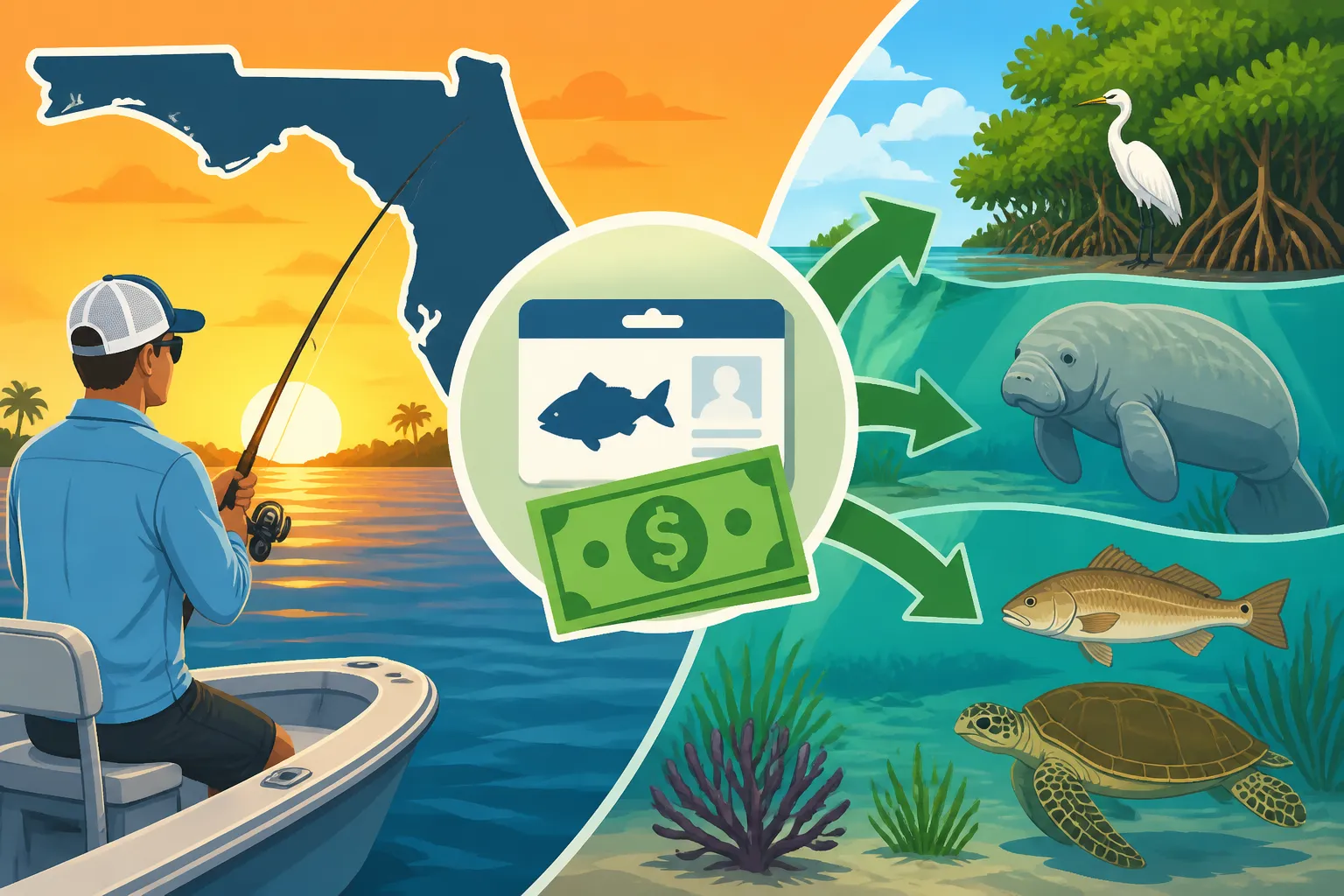
The money collected from recreational fishing licenses in Florida doesn't just sit in a general state fund. It's primarily deposited into the Fish and Wildlife Trust Fund, which is specifically earmarked for fish and wildlife conservation and management activities. This dedicated fund is crucial because it ensures that angler contributions directly benefit the resources they care about. The FWC then strategically allocates these funds across a wide array of programs designed to protect, manage, and enhance Florida's fish and wildlife.
What's even more impactful is the federal component. A substantial portion of the FWC's budget comes from the Sport Fish Restoration Act, also known as the Dingell-Johnson Act. This is where your fishing license fees really shine. The Dingell-Johnson Act imposes an excise tax on fishing tackle, certain fishing equipment, and motorboat fuel. The revenue from these federal taxes is then distributed back to states for sport fish restoration projects. However, here’s the kicker: for a state to receive these federal dollars, it must provide matching funds, typically 25% of the project cost. Your Florida fishing license fees provide that essential state match. So, when you buy a new rod and reel from a retailer or even online on platforms like Amazon, you're contributing to the federal fund, and when you buy your license, you're enabling Florida to unlock those federal dollars, effectively tripling or quadrupling the impact of your state license fee! This matching system means your contribution is leveraged far beyond its initial value, making it an incredibly efficient way to fund conservation.
Here's a simplified breakdown of where license fees and associated funds are channeled:
| Program Area | Description | Key Activities Funded |
|---|---|---|
| Fisheries Management & Research | This is the core of sustainable fishing. Funds support scientific studies on fish populations, spawning patterns, migration routes, and habitat needs. This data is critical for setting sound regulations. | Stock assessments, genetics research, fish tagging programs, monitoring harvest rates, ecosystem health studies. |
| Habitat Restoration & Enhancement | Protecting and improving the physical spaces where fish live, breed, and feed. This includes both freshwater and saltwater environments. Healthy habitats mean healthy fish populations. | Seagrass restoration, oyster reef creation, artificial reef construction, invasive aquatic plant control, shoreline stabilization, managing water levels in lakes. |
| Law Enforcement | Ensuring that fishing regulations, bag limits, and seasons are adhered to. This prevents overfishing and protects vulnerable species, making sure everyone plays by the rules. | Patrolling waterways, investigating violations, ensuring compliance with Florida Fishing License Guide requirements, confiscating illegal catches. |
| Fish Hatcheries & Stocking | For some species, especially in freshwater, stocking programs help boost populations, particularly in areas impacted by environmental changes or high fishing pressure. | Raising fish (like largemouth bass) in controlled environments, releasing them into public waters to supplement natural populations. |
| Public Access & Education | Making sure anglers have places to fish and providing them with the knowledge to fish responsibly. This promotes ethical angling and encourages participation, which in turn generates more license revenue. | Maintaining boat ramps, fishing piers, developing educational materials, youth fishing clinics, promoting Florida Free Fishing Days to introduce new anglers to the sport. |
| Endangered & Threatened Species | While general fishing funds primarily target sport fish, the FWC's broader mission includes protecting all aquatic life. License fees contribute to the overall trust fund that supports these efforts. | Manatee rescue and rehabilitation, sea turtle nesting site protection, monitoring of rare aquatic species, habitat protection for panthers and other wildlife that rely on healthy aquatic environments. |
This detailed breakdown shows that your fishing license isn't just a fee; it's a critical financial component of a robust, science-backed conservation strategy that benefits every angler and nature enthusiast in the Sunshine State.
Direct Results: Tangible Conservation Projects Funded by Anglers
It's one thing to talk about where the money goes in general terms, but it's even more powerful to see the tangible impact of these funds on the ground (or, more accurately, in the water!). Fishing license fees, amplified by federal matching funds, support a multitude of visible and vital projects across Florida. These initiatives directly improve the quality of fishing and the health of the aquatic environment.
One prime example is the extensive work on habitat restoration in major freshwater systems. For instance, projects on Lake Okeechobee Fishing Guide and the St. Johns River system regularly receive funding to combat invasive aquatic vegetation, restore native plant communities, and improve water quality. Controlling invasive species like hydrilla allows native plants, crucial for bass spawning and forage, to thrive. The outcome? Healthier fish populations and better fishing experiences for everyone targeting species like the Florida Largemouth Bass Fishing Guide. Similarly, in saltwater environments, funds are used to construct and maintain artificial reefs. These reefs create new complex habitats that attract a wide variety of marine life, from snapper and grouper to baitfish, providing excellent fishing opportunities and supporting biodiversity. Many of these reefs are strategically placed offshore, offering new grounds for anglers and divers alike.
Furthermore, a portion of the funds goes directly into specific species management programs. Take redfish and snook, two of Florida's most iconic inshore sport fish. Research funded by license sales helps determine appropriate Florida Snook Size and Slot Limits and Florida Redfish Size and Bag Limits, ensuring sustainable populations. This includes genetic studies, monitoring juvenile populations in nursery habitats, and tracking adult fish movements. These scientific insights are essential to prevent overfishing and adapt management strategies as environmental conditions change. When you buy a special endorsement like a Florida Snook Permit Requirements, that additional fee goes directly to snook research and management, making your contribution even more targeted. Without this angler-driven funding, these popular species could face significant declines, impacting both recreational fishing and the overall ecosystem.
Beyond the License: Broader Funding for Florida's Natural Treasures
While fishing license fees are incredibly important, it's worth noting that they are part of a larger, multifaceted funding approach to conserve Florida's natural resources. The FWC relies on several revenue streams, and your fishing license is a critical piece that often unlocks other significant contributions. Beyond the direct fees, other state and federal sources contribute to conservation efforts, often working in conjunction with license funds.
State general revenue funds, though sometimes variable, can also be allocated to specific conservation initiatives, particularly those related to land acquisition or large-scale ecosystem restoration projects that benefit a wider range of wildlife beyond just fish. For instance, projects aimed at improving water quality in the Everglades or restoring coastal marshes might receive funding from various state budgets, which indirectly benefits fishing by improving the overall health of the aquatic system. On the federal side, grants from agencies like the Environmental Protection Agency (EPA) or the National Oceanic and Atmospheric Administration (NOAA) often support larger-scale research or habitat restoration projects. However, it’s often the state matching funds, derived partly from your license purchases, that make Florida eligible for these larger federal grants, significantly amplifying the impact.
Additionally, non-profit organizations and volunteer groups play a huge role, often leveraging license-funded projects with their own resources and volunteer power. Groups like Coastal Conservation Association (CCA) Florida often partner with the FWC on projects such as oyster reef construction or artificial reef deployments. They also advocate for sound fisheries management, working to ensure the FWC has the resources it needs. So, while your fishing license is a direct contribution, it's also a catalyst that enables Florida to tap into a much larger pool of resources, creating a truly comprehensive conservation network. Every time you consider Who Needs a Fishing License in Florida or perhaps look up Florida Fishing Seasons Explained to plan your next trip, remember that your participation is actively contributing to this vital network, helping to preserve the state's incredible outdoor heritage.
Disclaimer
The information provided in this guide is for general informational purposes only and does not constitute legal advice. Fishing regulations and license requirements in Florida can change, so it's essential to always consult the official Florida Fish and Wildlife Conservation Commission (FWC) website or a local FWC office for the most current and accurate information before engaging in any fishing activities.