Lake Kissimmee Fishing Guide in Central Florida
Stepping into the world of Central Florida bass fishing can feel a lot like looking at a massive, beautiful painting – you know there’s incredible detail and beauty, but figuring out where to focus first can be a real head-scratcher. Lake Kissimmee, with its sprawling waters and legendary reputation, often presents this very challenge. But don't you worry, because this comprehensive guide is here to break down everything you need to know, transforming that overwhelming expanse into your next favorite fishing honey hole.
Why Lake Kissimmee Stands Out for Anglers
Lake Kissimmee isn't just another body of water in Florida; it's a living, breathing ecosystem that has earned its stripes as a premier fishing destination. Part of the larger Kissimmee Chain of Lakes, this expansive freshwater lake offers an incredible diversity that appeals to all kinds of anglers, from those chasing trophy bass to folks looking for a relaxing day catching panfish. Its rich history and strategic location in Central Florida make it a cornerstone of the state's fishing culture.
A Legacy of Trophy Bass
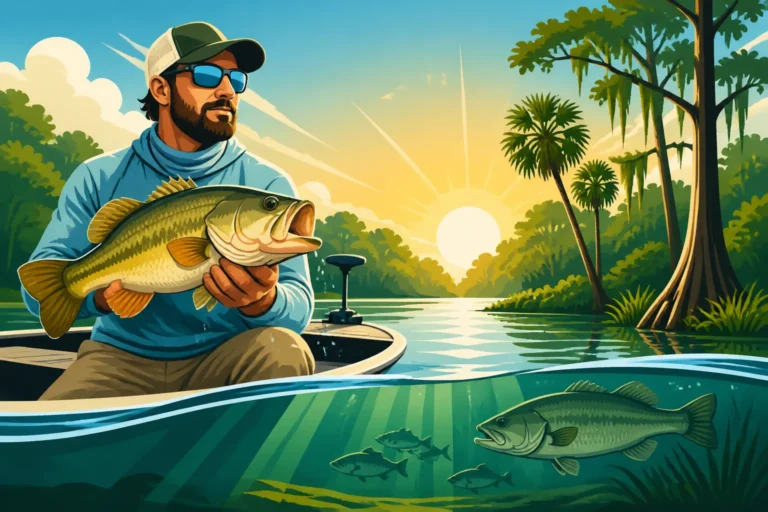
Let's be honest, when most people think of Florida freshwater fishing, their minds immediately jump to giant largemouth bass. And for good reason! Lake Kissimmee has consistently produced some truly monstrous specimens, cementing its reputation as a bucket-list destination for bass enthusiasts. This isn't just hearsay; the lake's unique characteristics, from its abundant forage to its diverse underwater structures, create the perfect conditions for bass to thrive and grow to impressive sizes. Anglers regularly report catches well into the double digits, and the thrill of battling a 10-pound-plus Florida largemouth here is an experience that truly never leaves you. The lake’s shallow, fertile waters allow for rapid growth, and the extensive cover provides ideal ambush points for these apex predators. Many anglers who have spent years navigating these waters will tell you that it's not just about luck; understanding the seasonal patterns and preferred habitats is key to landing that trophy fish. If you're really serious about pursuing the "fish of a thousand casts," our in-depth guide on the Florida Largemouth Bass Fishing Guide can provide even more specialized insights.
Diverse Habitats and Ecosystems
What truly sets Lake Kissimmee apart is its incredible range of habitats. Unlike some more uniform lakes, Kissimmee offers a mosaic of environments, each attracting different species and presenting unique fishing opportunities. You’ll find vast expanses of lush hydrilla, which are essentially underwater grass beds that serve as nurseries for baitfish and ambush points for larger predators. Then there are the cypress tree lines, their gnarled roots providing shade and structure along the shorelines, especially in the quieter canals. Beyond that, deep channels wind through the lake, offering cooler water and different forage opportunities. These diverse ecosystems mean that whether you're a fan of throwing topwater frogs over matted vegetation, jigging for crappie in open water, or flipping soft plastics into thick cover, Lake Kissimmee has a spot for you. This natural variety also contributes to the overall health and resilience of the fishery, making it a sustainable and exciting place to cast a line year after year. Understanding how these various habitats interact is a big part of the challenge and reward of fishing here, often requiring anglers to adapt their strategies throughout the day as conditions change.
More Than Just Bass: A Multifaceted Fishery
While bass might steal the spotlight, it would be a disservice to overlook the other incredible fishing opportunities Lake Kissimmee provides. This lake is a true multi-species haven, offering fantastic action for crappie, bluegill, and shellcrackers, often referred to collectively as "panfish." For many local anglers, a day out targeting crappie, also known as speckled perch, can be just as rewarding as a bass trip, especially when they're schooling up. The panfish population here is robust, providing excellent opportunities for family fishing trips or for those who simply enjoy consistent action. Imagine drifting slowly along a grass line, pulling in bluegill after bluegill – it’s a perfect way to introduce kids to fishing or to simply unwind. These smaller species are not only fun to catch but also make for some delicious table fare, adding another dimension to your fishing adventure. This diversity ensures that no matter your preference or skill level, Lake Kissimmee offers a rewarding experience, solidifying its place as one of the best fishing spots in Florida.
Top Fish Species to Target in Lake Kissimmee
Alright, let's talk about the main characters you'll be meeting when you dip your line into Lake Kissimmee. While the lake supports a healthy population of various aquatic life, there are a few species that really draw the crowds and offer the most consistent and exciting action for recreational anglers. Knowing what you're after helps you tailor your gear and techniques for maximum success.
The Reigning Largemouth Bass
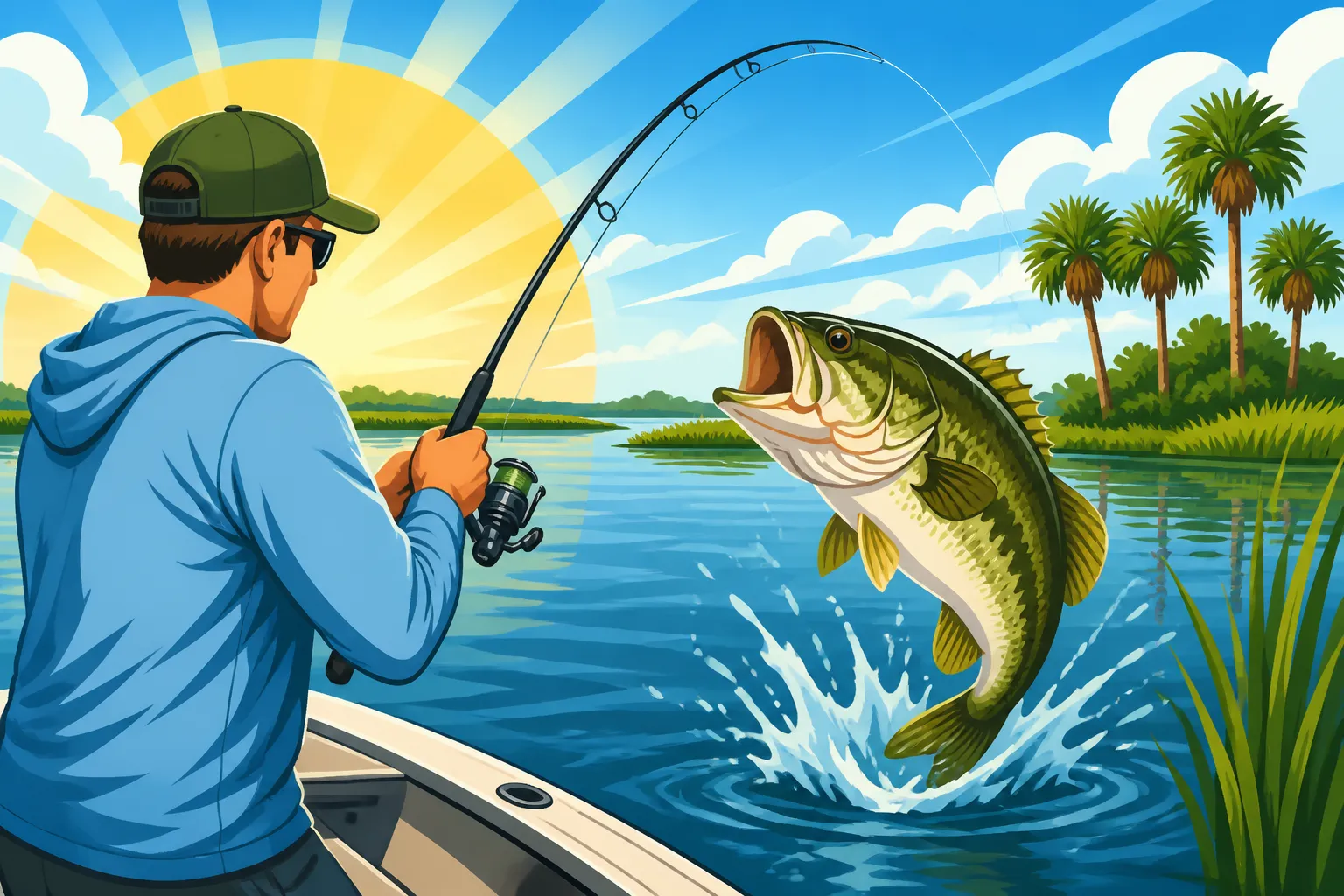
Without a doubt, the largemouth bass is the crown jewel of Lake Kissimmee. This lake is a legitimate big bass factory, routinely producing catches that would make any angler proud. The Florida strain of largemouth is known for its aggressive nature and impressive size, and Kissimmee provides the ideal habitat for them to flourish. You’ll find them lurking in the hydrilla beds, beneath lily pads, or nestled around the bases of cypress trees. They are particularly active during the cooler months and early mornings/late evenings in the warmer seasons. Targeting these fish often involves a mix of power fishing techniques, like flipping heavy jigs into dense cover, and finesse approaches, such as working a Senko worm slowly along grass edges. The challenge and reward of hooking into a truly massive bass here is what keeps anglers coming back year after year. If you're planning your trip around bass spawning times, our article on the Florida Bass Spawning Season can offer valuable insights into when these fish are most concentrated and active in the shallows.
Crappie (Speckled Perch) Galore
If you're looking for consistent action and some fantastic eating, Lake Kissimmee's crappie fishery is absolutely outstanding. Known locally as "speckled perch," these panfish are abundant and can provide fast-paced fishing, especially during the cooler months from fall through spring. They tend to school up in open water, often suspending around submerged structures, deep edges of hydrilla, or in the deeper channels of the lake. Locating a school of crappie can lead to catching dozens in a single outing, making them a favorite target for both seasoned anglers and families with kids. Light tackle is key for crappie fishing, allowing you to feel their subtle bites. Minnows, small jigs, and tiny spinnerbaits are all excellent choices for enticing these tasty fish. Crappie fishing offers a completely different, yet equally rewarding, experience compared to bass fishing, focusing more on numbers and a delicious reward for your efforts.
Panfish Perfection: Bluegill and Shellcracker
Beyond bass and crappie, Lake Kissimmee boasts a thriving population of other panfish, including bluegill and redear sunfish (commonly known as shellcrackers). These species are incredibly fun to catch on ultra-light tackle and are perfect for a relaxed day on the water, especially if you're introducing someone new to fishing. Bluegill are often found in shallower water, around docks, lily pads, and brush, eager to strike at small worms, crickets, or tiny artificial lures. Shellcrackers, true to their name, are experts at eating snails and clams, so you'll often find them foraging on the bottom in slightly deeper areas or along hard-bottomed edges. Worms are usually the go-to bait for shellcrackers. While they might not offer the same explosive fight as a largemouth, the sheer volume of catches and their delicious fillets make them a highly sought-after species. These panfish truly round out Lake Kissimmee's diverse offerings, ensuring there's always something biting, regardless of the season or your angling preference.
Here’s a quick overview of what you can expect from these prime Lake Kissimmee species:
| Species | Primary Habitat | Go-To Baits/Lures | Best Time to Target | Notes |
|---|---|---|---|---|
| Largemouth Bass | Hydrilla, lily pads, cypress trees, canals | Plastic worms, jigs, crankbaits, topwater | Spring, Fall; Early/Late Summer | Trophy potential; often found in thick cover. |
| Crappie (Speckled Perch) | Open water, submerged brush, hydrilla edges | Live minnows, small jigs, tiny spinnerbaits | Fall, Winter, Spring | Excellent eating; tend to school up, offering high volume. |
| Bluegill | Shallow cover, lily pads, docks | Worms, crickets, small artificial lures | Year-round | Great for beginners and kids; consistent action. |
| Shellcracker (Redear Sunfish) | Hard bottoms, deeper grass lines | Worms (especially red wigglers) | Spring, Summer | Bottom feeders; known for their strong pull. |
Essential Fishing Techniques for Lake Kissimmee
Now that we know what we're fishing for, let's talk about how to catch 'em. Lake Kissimmee's diverse environment means you'll need a versatile approach, but focusing on a few key techniques will give you a solid foundation for success. It's about adapting to the conditions and the fish's behavior, which can change not just seasonally, but even hourly.
Lures and Baits for Bass Success
For largemouth bass on Lake Kissimmee, variety is key. The water here can range from clear to slightly stained, and the vegetation is often dense. This means you'll want a tackle box stocked with options. Soft plastics are indispensable. Think Texas-rigged worms and creature baits in natural colors like junebug, green pumpkin, or black and blue, especially when flipping into thick hydrilla or around cypress stumps. Weight them appropriately to penetrate the cover. Jigs are another heavy hitter, particularly during cooler months or when bass are holding tight to structure. Black and blue, or brown and orange jigs with a matching trailer, can be deadly around submerged timber and hydrilla edges.
When the bass are aggressive and feeding actively, particularly during low-light conditions or over expansive grass flats, topwater lures like frogs, poppers, and walking baits can produce explosive strikes. Imagine a bass blowing up on a frog lure as it skitters across matted vegetation – it's pure adrenaline! For covering water and finding active fish, crankbaits that mimic baitfish or sunfish can be effective, especially those that dive to the depth of the grass lines or channel edges. Don't forget spinnerbaits and chatterbaits for their ability to be fished through lighter cover and their enticing flash and vibration. And, of course, for those really tough bites or when you want to tempt a true monster, live shiners are often considered the ultimate bait for trophy bass on Lake Kissimmee. Presenting them under a cork or free-lined near cover can be incredibly effective. For even more detailed recommendations, check out our guide on Best Lures for Florida Bass Fishing.
Mastering Crappie Tactics
Crappie fishing on Lake Kissimmee is all about finesse and location. These schooling fish tend to hang out in specific areas, so once you find them, you can often catch quite a few. The most common and effective technique is spider rigging or tight-lining with multiple rods. This involves slowly drifting or trolling with several light-action rods, each rigged with a small jig (1/32 to 1/16 ounce) tipped with a live minnow, or a soft plastic crappie jig. Colors like chartreuse, pink, and white are often very effective. The key is to find the depth where the crappie are holding. They might be suspended 5 feet down in 15 feet of water, so a good fish finder is invaluable for locating these schools.
Another popular method, especially when crappie are shallower around brush piles or hydrilla edges, is vertical jigging. You simply drop a small jig straight down into the cover and gently twitch it. Many anglers also enjoy bobber fishing with live minnows, especially in areas with scattered cover or along cypress tree lines. The subtle bobber dip is your signal for a bite. Remember, crappie have delicate mouths, so a soft hookset and gentle retrieve are crucial to avoid tearing the hook out.
Seasonal Strategies and Weather Wisdom
Lake Kissimmee fishing changes dramatically with the seasons and weather patterns, and understanding these shifts is crucial for consistent success.
- Spring (March – May): This is prime time for bass, especially during their spawn. They move into shallower waters to build nests, making them more accessible and aggressive. Focus on pitching and flipping plastics and jigs to visible cover. Crappie fishing also remains strong as they move to shallow areas before heading to deeper, cooler water. Panfish become very active.
- Summer (June – August): The heat pushes bass into deeper hydrilla, shady pockets, or they become very active during low-light hours. Early mornings and late evenings are best for topwater and aggressive retrieves. Look for bass in areas with good current or deeper grass beds. Crappie move to deeper, cooler water, often suspending. Panfish remain active in shaded areas. Fishing during Florida's Summer Thunderstorm Pattern can also be surprisingly productive before a storm hits.
- Fall (September – November): As temperatures drop, bass become more active and start feeding heavily in preparation for winter. This is a fantastic time for crankbaits, spinnerbaits, and soft plastics on grass lines and points. Crappie begin to school up again and move shallower.
- Winter (December – February): Bass might be slower, but trophy potential is still high, especially on warmer days. Deeper pockets and areas with stable water temperatures are key. Crappie fishing is often at its peak, with large schools found in deeper open water or along channel edges. Our guide on the Best Time of Year to Fish in Florida offers a broader look at seasonal patterns across the state.
Always pay attention to weather fronts. A sudden cold front can shut down a bite, pushing fish deep and making them sluggish. Conversely, a stable warm spell in winter can ignite a feeding frenzy. Reading the water temperature and clarity, as well as understanding local barometric pressure changes, will give you a significant advantage.
Prime Fishing Spots on Lake Kissimmee
Lake Kissimmee is vast, covering roughly 35,000 acres, so knowing where to start can feel like finding a needle in a haystack. But fear not, there are several consistently productive areas that seasoned anglers frequent, each offering unique opportunities depending on the species you're targeting and the time of year.
Productive Canals and Hydrilla Beds
The intricate network of canals connected to Lake Kissimmee, as well as the expansive hydrilla beds within the main lake, are absolute magnets for fish. Canals like the C-37 Canal (Kissimmee Canal) and the canal leading to Lake Hatchineha offer deeper, often cooler, water and excellent current flow, which bass and crappie both appreciate. These areas provide relief from the open lake's conditions and are often lined with docks, brush piles, and fallen trees, creating ideal ambush points. Flipping jigs and plastics into the shaded pockets of these canals can yield impressive bass, while drifting with minnows or jigs is a proven crappie tactic.
The vast hydrilla beds are perhaps Lake Kissimmee's most iconic feature. These underwater meadows provide crucial oxygen, shelter, and a smorgasbord of food for all species. For bass, pitching creature baits or punching heavy jigs through the thickest mats can be incredibly effective, especially when the fish are buried deep in the cover. When the hydrilla isn't too dense, working spinnerbaits, chatterbaits, or even lipless crankbaits along the edges can trigger explosive strikes. Pay close attention to subtle changes in the grass line, pockets, or points within the hydrilla, as these are often where the biggest fish lie in wait. These grass beds are not static; they grow and die back, so staying updated on their current condition is always a good idea.
Shoreline and Shallow Water Hotspots
While the deep hydrilla and canals hold their share of fish, don't underestimate the power of Lake Kissimmee's shallow water and shoreline areas. These zones are particularly productive during the cooler months and during the bass spawn. Look for cypress tree lines that fringe many parts of the lake. These ancient trees offer incredible shade and structure, creating perfect habitats for bass to hide and ambush prey. Flipping jigs or soft plastics right up against the cypress knees can often elicit a strike. Topwater baits walked along these edges in low light are also highly effective.
Lily pad fields are another common shallow water feature. Bass love to tuck themselves under these pads, waiting for an unsuspecting baitfish or frog to swim by. Buzzbaits, frogs, and soft plastic Texas-rigged worms worked over and through these pads are excellent choices. For panfish, these shallow, vegetated areas are ideal. Drifting a live worm under a bobber around the edges of lily pads or near fallen timber will often result in consistent bluegill and shellcracker action. The key to these shallow areas is often a stealthy approach; use your trolling motor sparingly and make accurate casts to avoid spooking the fish. For those who prefer to fish from land, understanding which Florida Shoreline Fishing License Explained options are available to residents is critical.
Navigating the Open Waters and Deep Channels
While much of Lake Kissimmee's fame comes from its shallow water and cover, the open water and deeper channels shouldn't be overlooked, especially for crappie and occasionally for suspended bass. The main lake features several deeper areas, particularly around the larger bends in the old river channel that winds through the lake. These channels provide cooler water and often hold baitfish, attracting predatory species.
For crappie, using your fish finder to locate schools suspended over deeper parts of the lake is paramount. Once found, techniques like spider rigging or slow trolling with multiple jigs and minnows are highly effective. You might also find bass relating to deeper structure or bait schools in these open water areas, especially during the peak of summer when they seek refuge from the heat. Large crankbaits that dive to considerable depths can be useful here, as can vertical jigging spoons or heavy plastics. While it might not offer the visual excitement of a topwater bite in the pads, successfully targeting fish in the open water requires a different kind of skill and patience, often rewarded with good numbers of fish.
Navigating Lake Kissimmee: Access and Logistics
Alright, you're pumped to hit Lake Kissimmee, but how do you actually get out there? This massive lake requires a bit of planning, especially if you're not familiar with the area. From launching your boat to deciding whether to hire a guide, there are some practical considerations to ensure your trip is smooth and successful.
Public Boat Ramps and Access Points
Lake Kissimmee has several well-maintained public boat ramps that offer access to its vast waters. Knowing where these are and what facilities they offer can save you a lot of time and frustration. Some of the most popular access points include:
- Joe Overstreet Road Landing: Located on the south end of the lake, this ramp provides direct access to some excellent open water and grass flats, popular for both bass and crappie. It's known for its relatively easy access and ample parking.
- Kissimmee Lakefront Park: While not directly on Lake Kissimmee itself, this park provides access to the northern end of the Kissimmee Chain of Lakes, which connects to Lake Kissimmee. It's a great option if you're staying closer to the city of Kissimmee and want to explore the connecting waterways.
- Lake Cypress Fish Camp (near Lake Cypress and Kissimmee's north end): This is a popular spot with a ramp and often bait/tackle services, offering good access to the chain of lakes leading to Kissimmee.
Before heading out, it's always a good idea to check local conditions, especially water levels, as they can fluctuate and impact ramp accessibility. While these ramps provide excellent entry points, navigating the lake itself requires caution. Lake Kissimmee has many shallow areas and submerged hazards, so having a good map, a reliable GPS, and paying attention to channel markers is crucial. For information on general rules for boaters, understanding Florida Fishing License Age Requirements can be a good starting point, as certain regulations apply to all individuals on the water.
The Advantage of a Local Fishing Guide
For many anglers, especially first-timers or those looking to maximize their chances of a trophy catch, hiring a local fishing guide is an invaluable investment. A professional guide brings years of experience and intimate knowledge of Lake Kissimmee's ever-changing conditions. They know where the fish are biting, what baits they prefer, and how to navigate the complex terrain of the lake safely and efficiently. This can dramatically cut down on your learning curve and significantly increase your success rate.
Guides also provide all the necessary gear, bait, and often cover the required licenses for their clients, making your trip hassle-free. Imagine stepping onto a fully rigged boat, having an expert put you right on the fish, and teaching you the nuances of Lake Kissimmee fishing – it’s a game-changer! Platforms like FishingBooker make it incredibly easy to find and book reputable Lake Kissimmee fishing guides, allowing you to browse different captains, read reviews, and find the perfect fit for your budget and fishing goals. They list guides specializing in bass, crappie, or even multi-species trips. Our article on How to Choose a Florida Fishing Guide can offer more tips on making the right selection. If you're specifically targeting bass, our guide on Best Fishing Guides Near Lake Kissimmee for Bass will help you find the top local experts.
Preparing for Your Trip
A successful fishing trip to Lake Kissimmee isn't just about showing up; it's about being prepared. Florida weather can be unpredictable, often swinging from bright sunshine to sudden thunderstorms. Always pack appropriate clothing for sun protection (hat, sunglasses, long sleeves), rain gear, and plenty of water to stay hydrated. Bug spray is also a must, especially during warmer months or in marshy areas.
Beyond personal items, ensure your tackle is in order. Check your line, hooks, and reels, and make sure your lure selection is diverse enough for various conditions and species. If you're bringing your own boat, verify all safety equipment is on board and in working order – life jackets, fire extinguisher, and a sounding device are mandatory. Lastly, don't forget your Florida Fishing License Guide! Most recreational anglers over the age of 16 will need one, even if you’re a Florida resident or an out-of-state visitor. You can often purchase these online through the Florida Fish and Wildlife Conservation Commission (FWC) website or at local tackle shops, and some even allow you to use a Florida GoOutdoors App Fishing License on your phone.
Rules and Conservation Efforts
Fishing in a place as vibrant and important as Lake Kissimmee comes with a responsibility: to respect the resource and ensure its health for future generations. The Florida Fish and Wildlife Conservation Commission (FWC) sets clear guidelines to manage fish populations and maintain ecological balance. Understanding and adhering to these rules isn't just about avoiding fines; it's about being a good steward of Florida's natural heritage.
Understanding FWC Regulations
Before you even cast a line, it's crucial to be aware of the specific regulations for Lake Kissimmee. These include bag limits (how many fish you can keep), size limits (minimum and sometimes maximum lengths for keeping fish), and season dates for certain species. For largemouth bass, for instance, there are statewide regulations that apply, but sometimes specific lakes might have special rules, so always check the latest FWC freshwater fishing regulations pamphlet or their website. For most panfish like bluegill and crappie, general statewide rules apply, often with generous bag limits to encourage harvest.
These regulations are put in place based on scientific data to prevent overfishing and protect spawning populations. For example, during certain times, fish might be catch-and-release only, or a specific slot limit might be enforced, meaning you can only keep fish within a certain size range. This allows larger, mature fish to remain in the water to reproduce. Always have a measuring device handy and know how to properly identify your catch. Penalties for violating these regulations can range from fines to more serious consequences, so ignorance is truly no excuse. Keeping up-to-date with the Florida Fishing Regulations and Bag Limits is essential for every angler.
Practicing Responsible Angling
Beyond just following the rules, responsible angling involves a broader commitment to conservation. This means practicing proper catch-and-release techniques when you're not keeping fish. Handle fish gently with wet hands, support their body weight, and quickly release them. Avoid prolonged exposure to air, especially for larger, heavier fish like trophy bass. If a fish is deeply hooked, it's often better to cut the line rather than attempt to remove the hook, which can cause more damage.
It also means being mindful of the environment. Pack out everything you pack in – absolutely no littering. This includes fishing line, bait containers, and any other trash. Fishing line, in particular, can be incredibly harmful to wildlife. Avoid disturbing sensitive habitats like bird nesting areas or spawning beds. Supporting local conservation efforts, whether through purchasing your fishing license (which directly funds conservation programs) or participating in clean-up events, also contributes to the health of Lake Kissimmee. By doing our part, we ensure that the incredible fishing opportunities here will continue to thrive for generations of anglers to come.
Disclaimer
Please note that fishing regulations in Florida are subject to change. Always consult the latest Florida Fish and Wildlife Conservation Commission (FWC) rules and regulations before heading out on your fishing trip to ensure compliance. This guide is for informational purposes only and does not constitute legal advice.