Best Pier Fishing Spots in Florida
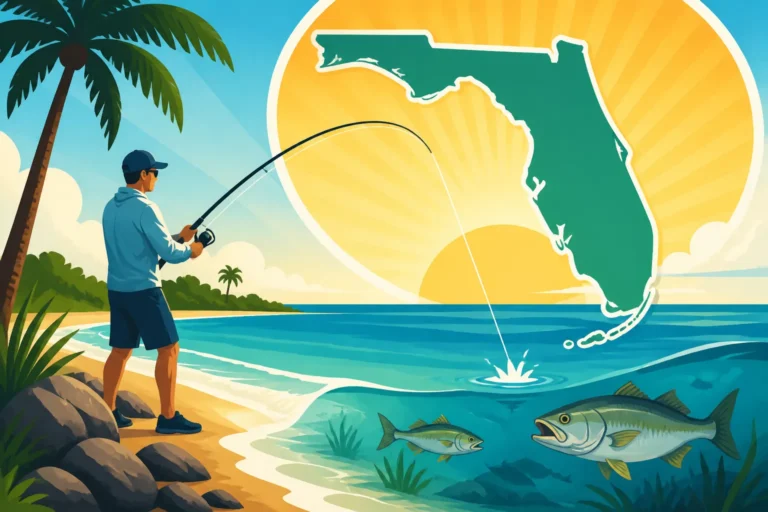
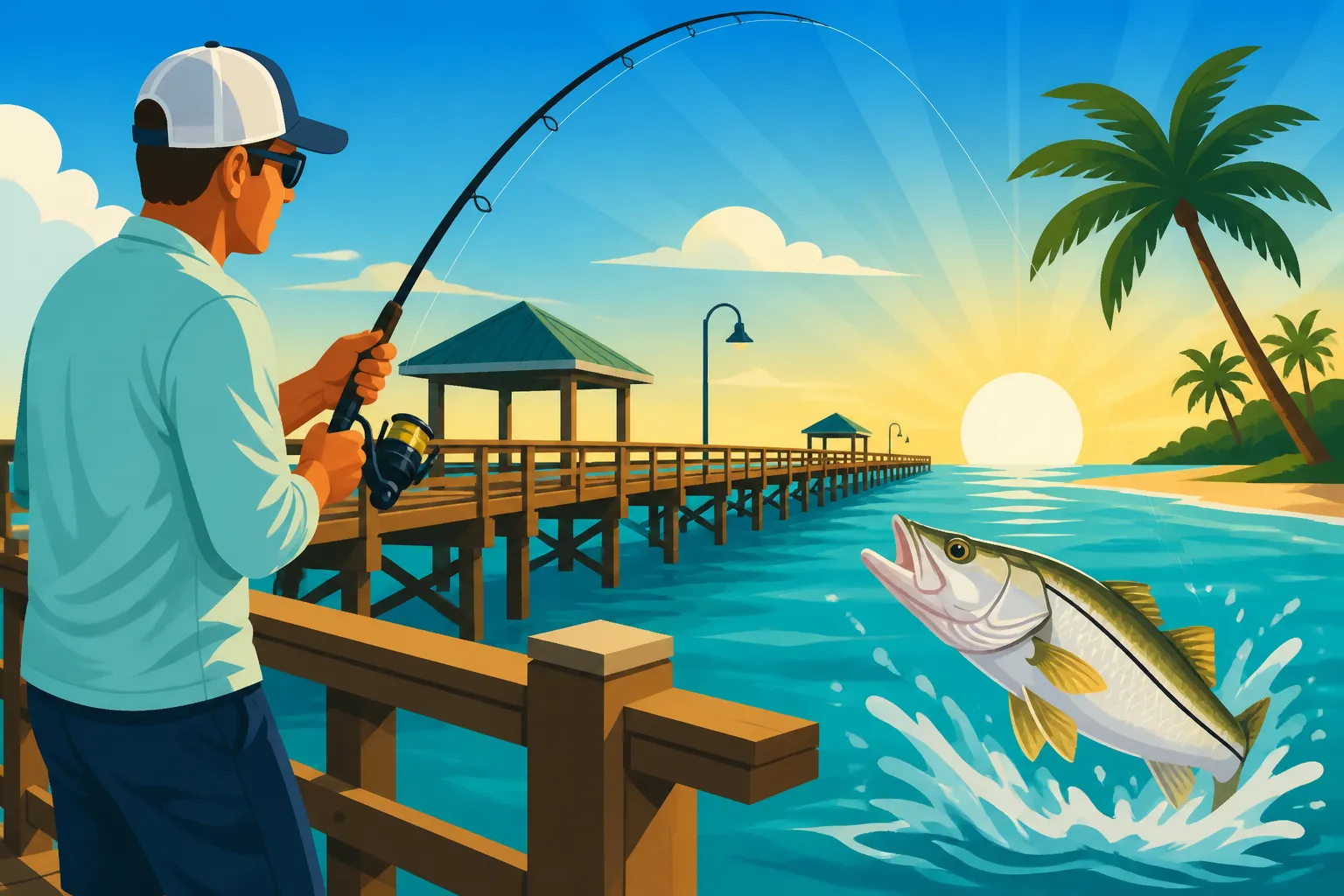
There’s nothing quite like the allure of pier fishing in Florida. You pack your gear, drive to the coast, and step onto a long, wooden (or sometimes concrete) structure stretching out over the glittering water, full of hope for that trophy catch. But let's be real, finding the best pier – the one that consistently delivers, offers great amenities, and provides a truly memorable experience – can feel like searching for a needle in a haystack. Many times, you end up on a pier that's either too crowded, too short, or just doesn't have the fish biting. This comprehensive guide will cut through the guesswork, helping you discover Florida's prime pier fishing locations, what to expect at each, and how to maximize your chances of a successful day.
The Unique Appeal of Pier Fishing in Florida
Pier fishing holds a special place in the hearts of anglers, and nowhere is this more true than in Florida. It's often seen as the most accessible form of saltwater fishing, a way to get out over deeper water without needing a boat. For many, it's their first taste of the ocean's bounty. The feeling of the breeze, the rhythmic sound of waves, and the shared camaraderie with fellow anglers all contribute to its charm.
Accessibility for All Anglers
One of the greatest benefits of pier fishing is its unparalleled accessibility. Whether you're a seasoned pro with years of experience under your belt or a complete novice just looking to dip a line for the first time, piers welcome everyone. You don't need a boat, an expensive kayak, or even extensive knowledge of tides and navigation. Most piers are designed with easy access, often featuring ramps or gentle slopes, making them perfect for families, seniors, and even those with mobility challenges. Many piers also offer bait and tackle shops right on-site, so if you're traveling light or simply forgot something, you're covered. This low barrier to entry means more people can experience the joy of fishing, fostering a love for the sport and for Florida's incredible marine environments.
Target Species Diversity
Florida's piers are veritable ecosystems unto themselves, attracting an incredible array of fish species. Because many piers extend far into the gulf or ocean, they bridge the gap between inshore and nearshore habitats. Close to the pilings and shallower sections, you'll find classic inshore species like Florida Spotted Seatrout Fishing Guide, redfish, and even snook, especially during warmer months. As you move further out, into deeper water, the possibilities expand. You might hook into Spanish mackerel, king mackerel, bonita, or even formidable sharks. Bottom fishing often yields snapper (mangrove snapper are a common catch), grouper, pompano, and flounder. The migratory patterns of many species mean that the action can change dramatically with the seasons, offering year-round excitement. This incredible diversity ensures that no two pier fishing trips are ever quite the same, always keeping you on your toes and offering a chance at something new.
Understanding Florida Fishing Regulations for Piers
Before you even think about casting a line, it's crucial to understand the rules. While many piers hold a blanket fishing license that covers all anglers on the structure, it's not universally true. Some smaller, less commercial piers might still require individuals to carry their own Florida Fishing License Guide. This is particularly important if you plan to fish from the adjacent shoreline or a bridge nearby. Always check with the specific pier's management or the Florida Fish and Wildlife Conservation Commission (FWC) website to confirm if you need your own license. Generally, if a pier has a significant entrance fee, it likely holds a pier-wide license, but it's best to verify. Also, irrespective of licensing, all anglers must adhere to Florida's strict Florida Fishing Regulations and Bag Limits, including size limits and catch limits for various species. Ignorance of the law is not an excuse, and fines can be steep if you're caught breaking the rules. Take the time to familiarize yourself with these regulations before your trip.
Premier Pier Fishing Spots in the Florida Panhandle
The Florida Panhandle, with its sugar-white sands and emerald green waters, boasts some fantastic piers that extend far into the Gulf of Mexico. These long structures offer access to migratory species and excellent bottom fishing opportunities, especially popular for anglers chasing mackerel, pompano, and various bottom dwellers.
Navarre Beach Fishing Pier
Often touted as the longest pier on the Gulf of Mexico in Florida, the Navarre Beach Fishing Pier stretches an impressive 1,545 feet into the emerald waters. This incredible length means you can reach deeper water and encounter a wider range of species than on shorter piers. Walking out feels like an adventure in itself, with panoramic views of the Gulf. The pier features plenty of space, so even on busy days, you can usually find a comfortable spot. There's also a bait and tackle shop conveniently located at the entrance, offering everything from live shrimp and squid to rods, reels, and terminal tackle, plus snacks and drinks. You'll often find knowledgeable staff willing to offer tips on what's biting and what rigs to use.
Anglers here regularly pull in Spanish mackerel, king mackerel (especially during their migrations), pompano, redfish, flounder, and various snapper and grouper species. During the summer months, you might even spot large sharks cruising below, and some anglers specifically target them from the pier with heavy gear. The water clarity is usually excellent, allowing you to sometimes spot schools of baitfish or larger predators moving through. This pier is particularly famous for its king mackerel run in the fall, attracting serious anglers who bring specialized setups.
A small fee is typically required to access the pier for fishing, but it covers a pier-wide fishing license, meaning you won't need an individual Florida Saltwater Fishing License if you're only fishing from the pier itself. Many visitors also enjoy simply strolling the pier to enjoy the views, watch the dolphins, or catch a stunning sunset. Whether you're a seasoned angler or just looking for a relaxing day by the sea, Navarre Beach Pier offers a truly fantastic experience.
Russell-Fields Pier in Panama City Beach
When you think of Panama City Beach, you might picture bustling beaches and lively boardwalks, but it's also home to the Russell-Fields Pier, a fantastic fishing destination. This pier, located near Pier Park, is another one of the longer structures on the Gulf Coast, providing ample opportunity to get your bait into productive waters. Its close proximity to dining and shopping makes it a great option for families where not everyone is dedicated to fishing. You can easily grab lunch or dinner nearby and return to the pier, or have non-fishing companions explore the attractions of Pier Park.
The pier itself is well-maintained and offers good lighting for night fishing, which can be particularly productive for certain species. Species commonly caught include Spanish mackerel, king mackerel, redfish, pompano, flounder, and various types of snapper. During the warmer months, anglers frequently encounter schools of baitfish, which in turn attract larger predatory species. Many locals and seasoned pier anglers recommend using shiny spoons or Gotcha Plugs for mackerel when they're running, while bottom fishing with live shrimp or cut bait can yield good results for flounder and snapper.
Similar to Navarre, the Russell-Fields Pier typically has a daily fishing fee that includes the necessary fishing license for all anglers on the pier. They also usually have a bait shop on-site for convenience. The concrete structure provides a stable platform, and you'll find plenty of railing space for setting up multiple rods. It's a vibrant spot that combines great fishing with the energy of a popular tourist destination, making it a unique pier fishing experience.
Exceptional Piers Along Florida's Atlantic Coast
Moving to the northeastern coast of Florida, the Atlantic Ocean offers different currents, depths, and species. Piers here often experience strong tidal flows, which can be a boon for specific types of fishing, drawing in baitfish and the predators that follow them.
Jacksonville Beach Pier
The Jacksonville Beach Pier, after a lengthy reconstruction following Hurricane Matthew and Irma, reopened as a gleaming new structure, ready to welcome anglers and sightseers alike. This pier stretches an impressive 1,300 feet into the Atlantic, offering deep-water access that's hard to come by without a boat in this area. The new design incorporated lessons learned from past storm damage, making it a robust and popular spot for the local community and visitors. The atmosphere is typically lively, with anglers of all skill levels sharing tips and enjoying the ocean air. It's truly a testament to the resilience of Florida's coastal communities and their passion for fishing.
Anglers here can expect a diverse range of catches. During the spring and fall migrations, Spanish mackerel and king mackerel are common targets, often caught by casting shiny spoons or jigs. Pompano and whiting are popular catches closer to the surf, especially when using shrimp or sand fleas as bait. Further out, anglers target redfish, flounder, sheepshead around the pilings, and various snapper species. Even larger sharks are occasionally hooked, providing an exhilarating challenge for those with heavy tackle. The strong currents often found on the Atlantic side mean that heavier sinkers might be necessary to hold bottom.
The pier usually charges a small fee for fishing, which covers your fishing license while on the pier. There's a bait and tackle shop at the entrance, ensuring you have access to fresh bait and essential gear. Its location in a vibrant beach town means there are plenty of amenities nearby, from restaurants to restrooms. The revitalized Jacksonville Beach Pier is a must-visit for anyone looking to experience Atlantic Coast pier fishing at its finest, whether you're hoping for a drum or a mackerel.
St. Johns County Ocean Pier in St. Augustine
Just a short drive south from Jacksonville, you'll find the St. Johns County Ocean Pier in historic St. Augustine Beach. This pier might not be as long as some of its Panhandle counterparts, but it offers excellent fishing opportunities and a charming, more laid-back atmosphere. It extends just over 600 feet into the Atlantic, providing sufficient depth to access a good variety of fish. The pier is part of a larger beachfront park, complete with restrooms, showers, picnic areas, and a splash pad, making it a family-friendly destination even for those not fishing.
The species you'll encounter here are typical of the Northeast Florida coast. Pompano, whiting, and drum are frequently caught closer to shore, especially using bottom rigs with shrimp or clams. Further out, anglers target Spanish mackerel, bluefish, and redfish. Sheepshead are often found around the pier pilings, and a skilled angler with a keen eye can tempt them with fiddler crabs or small pieces of shrimp. The pier is also known for its strong catches of flounder, particularly when using live minnows or scented soft plastics near the structure.
A nominal fee is required to fish from the St. Johns County Ocean Pier, which typically includes your fishing license for the duration of your stay on the pier. There's a small shop offering bait and tackle essentials, along with refreshments. What truly sets this pier apart is its location in St. Augustine, allowing anglers to combine a great day of fishing with exploring the oldest continuously inhabited European-established settlement in the United States. It's an ideal spot for those who appreciate history as much as a good bite.
Productive Piers on Florida's Central Gulf Coast
The central Gulf Coast of Florida is renowned for its calmer, shallower waters compared to the Atlantic, but don't let that fool you. These waters are incredibly rich in marine life, and the piers here often extend into channels or deeper pockets, providing access to an abundance of popular inshore and nearshore species.
Skyway Fishing Pier State Park
The Skyway Fishing Pier State Park is not just a pier; it’s an absolute phenomenon, representing one of the most unique and productive fishing destinations in all of Florida. It's composed of the remnants of the old Sunshine Skyway Bridge, which collapsed in 1980. Instead of demolishing the entire structure, sections of the approach spans were converted into two massive fishing piers – one on the south side and one on the north side of Tampa Bay – making it the largest fishing pier complex in the world. This means incredible length and access to the deep, nutrient-rich waters of Tampa Bay and the Gulf of Mexico. The sheer scale allows for a wide variety of fishing experiences, from shallow-water tactics to deeper-water bottom fishing.
Given its size and unique location, the species diversity at Skyway is unparalleled. You can target virtually any inshore or nearshore species found in Florida. This includes huge schools of Spanish mackerel, king mackerel, bonita, and even tarpon during their migrations. Snook, redfish, spotted seatrout, flounder, pompano, sheepshead, and various snapper and grouper species are all common catches. Many anglers also specifically target sharks, particularly at night, using large cut baits. The pier is open 24/7, offering continuous fishing opportunities, which is a massive draw for dedicated anglers. Night fishing under the lights can be incredibly productive, especially for snook and baitfish.
There is a per-vehicle entry fee to the Skyway Fishing Pier State Park, and this fee conveniently includes your fishing license for everyone in your vehicle fishing from the pier. Both the North and South piers feature bait and tackle shops, restrooms, and vending machines, ensuring you have everything you need for an extended stay. The wide, sturdy platforms accommodate large crowds, and you'll find plenty of space to spread out your gear. For those looking for a comprehensive fishing experience, or even a shot at a true trophy, the Skyway Fishing Pier State Park is an absolute must-visit. You can spend an entire day, or even several days, exploring its vast fishing grounds.
Clearwater Pier 60
Clearwater Beach is famous for its stunning white sands and vibrant atmosphere, and Pier 60 perfectly complements this energy. While not as long or expansive as the Skyway, Pier 60 is an iconic landmark that extends 1,080 feet into the Gulf of Mexico. It's particularly famous for its daily "Sunsets at Pier 60" festival, which features artisans, street performers, and musicians, creating a lively backdrop for your fishing adventure. This combination of entertainment and angling makes it a unique destination, especially for families.
Fishing from Pier 60 offers a good mix of species. Closer to the beach, you'll often find whiting, pompano, and small schooling fish. Further out, Spanish mackerel are a frequent catch, especially during their migratory seasons in spring and fall. Look for schools of baitfish, and you'll often find mackerel feeding nearby. Redfish, flounder, and various snapper can also be caught, particularly by bottom fishing with live or cut bait. Sheepshead are typically found around the pilings, eager to snatch a fiddler crab or small piece of shrimp. Occasionally, even a snook might make an appearance, especially near the lighted areas at night.
Pier 60 charges a small fee for fishing, and this fee includes your necessary fishing license while on the pier. There's a bait house located midway down the pier, stocking fresh bait, tackle, and basic snacks. The pier is well-lit at night, making it safe and inviting for evening fishing. The concrete structure provides a stable platform, and you'll often see anglers using various techniques, from casting Gotcha Plugs for mackerel to slow-retrieving soft plastics for flounder. While the Sunset Festival can draw crowds, there's usually enough space for dedicated anglers to enjoy their sport. It's a fantastic spot to enjoy the best of Clearwater Beach while trying to hook into some Gulf Coast favorites.
Productive Piers in Southwest Florida
Southwest Florida is characterized by its tranquil Gulf waters, rich estuaries, and stunning barrier islands. The piers in this region provide excellent access to both inshore gamefish and migratory species that follow baitfish close to shore.
Naples Pier
The Naples Pier is more than just a fishing spot; it's a historic landmark and the undisputed symbol of Naples, Florida. Stretching 1,000 feet into the Gulf of Mexico, it offers breathtaking views, especially at sunset, drawing crowds daily. Despite its popularity as a tourist attraction, it remains an excellent place to wet a line. The atmosphere here is often relaxed and friendly, with locals and visitors mingling and sharing stories of their catches. While it’s currently undergoing reconstruction after Hurricane Ian, the pier has always been a beacon for anglers in the area and is expected to return stronger than ever.
When fishing from the Naples Pier, you can expect to encounter a variety of species. Pompano and whiting are popular catches, especially with shrimp or sand fleas on a Pompano Rig. Spanish mackerel frequently pass through, often caught by casting small spoons or Gotcha Plugs. Sheepshead are commonly found around the pilings, eager for fiddler crabs or barnacles. In the warmer months, anglers might also hook into snook, redfish, and even small sharks. Occasionally, a tarpon will cruise by, offering a fleeting glimpse of a truly magnificent game fish. Many anglers use a variety of Best Live Bait for Florida Inshore Fishing like shrimp or small pilchards, which can be readily caught with a sabiki rig right off the pier.
The Naples Pier is unique in that it typically operates under a blanket fishing license, so individual anglers do not need to purchase a separate Florida Saltwater Fishing License Rules if they are fishing from the pier itself. There are restrooms and a concession stand at the pier's entrance, providing convenience. While there isn't a dedicated bait and tackle shop on the pier, several excellent shops are located within a short drive in Naples. The pier's location in a upscale community means it’s well-maintained and offers a clean, pleasant environment for fishing. When it fully reopens, it will undoubtedly reclaim its spot as one of Southwest Florida's premier pier fishing destinations.
Fort Myers Beach Fishing Pier
The Fort Myers Beach Fishing Pier, located on Estero Island, has long been a beloved spot for both serious anglers and casual visitors. Like the Naples Pier, it has faced challenges from hurricanes, particularly Ian, and is undergoing extensive repairs. However, its history as a fishing hotspot and community gathering place ensures its eventual return. When fully operational, the pier extends well into the Gulf of Mexico, providing access to productive nearshore waters and offering spectacular views of the coastline and passing dolphins. The pier's proximity to Times Square, the bustling heart of Fort Myers Beach, means easy access to shops, restaurants, and other attractions, making it a great day trip for the whole family.
Before the hurricane, anglers on the Fort Myers Beach Pier could expect to catch a good mix of species. Common catches included Spanish mackerel, often targeted with casting spoons or jigs when schools of baitfish were present. Pompano and whiting were reliable bottom fish, especially using shrimp or sand fleas. Redfish and snook were frequently caught, particularly near the pilings or structure. Larger species like king mackerel and even sharks would occasionally make an appearance, especially during migratory periods. The pier's location offers a fantastic opportunity to observe diverse marine life, even if the fish aren't biting every minute.
The Fort Myers Beach Pier traditionally did not require individual fishing licenses for anglers, as it held its own pier-wide license. Amenities typically included restrooms and concessions at the base of the pier, with bait and tackle shops readily available in the surrounding Fort Myers Beach area. While we await its full restoration, the community's anticipation highlights its importance as a local fishing and recreational hub. Its eventual reopening will once again provide an accessible and exciting platform for experiencing the Gulf's abundant fisheries.
Prime Piers in Southeast Florida
Southeast Florida, known for its vibrant cities and proximity to the Gulf Stream, offers piers that often provide access to deeper water and pelagic species much closer to shore. These piers can be incredibly productive, especially during seasonal migrations.
Anglin's Fishing Pier in Lauderdale-by-the-Sea
Anglin's Fishing Pier, located in the charming town of Lauderdale-by-the-Sea, is a true local gem and a historic landmark. As Florida's longest pier on the Atlantic coast, stretching an impressive 1,000 feet, it offers an exceptional vantage point for fishing in the nutrient-rich waters of the region. This pier has a rich history, surviving numerous storms and always bouncing back, a testament to its enduring appeal. The town itself has a relaxed, beach-town vibe, making the pier a pleasant retreat from the busier areas of South Florida. The pier also has a strong reputation for being well-maintained and family-friendly, drawing in anglers of all ages.
The species diversity at Anglin's is outstanding. Anglers regularly catch a wide range of fish, from common inshore species to powerful pelagics. Pompano, whiting, croaker, and various snapper species are common on bottom rigs. Further out, you'll find plentiful Spanish mackerel, bluefish, and jack crevalle, often caught by casting Gotcha Plugs, spoons, or live bait. During the peak migratory seasons (spring and fall), king mackerel are a highly sought-after prize, with anglers using specialized kingfish rigs and live baits like goggle-eyes or blue runners. Tarpon and permit are also caught with regularity, adding to the excitement. The pier's lighting also makes it a productive spot for night fishing, especially for snook, snapper, and even small sharks.
Anglin's Fishing Pier charges a reasonable daily fee for fishing, which includes your fishing license for the pier. A well-stocked bait and tackle shop is located right on the pier, offering everything from live shrimp and pilchards to rods, reels, and expert advice. They even rent rods and reels, making it perfect for tourists or those who just want to try fishing for an hour or two. The pier also boasts a restaurant at its entrance, providing delicious food and drinks, so you can make a whole day of it. This combination of history, amenities, and phenomenal fishing makes Anglin's Fishing Pier a perennial favorite.
Lake Worth Municipal Pier (Juno Beach Pier)
The Lake Worth Municipal Pier, more commonly known as the Juno Beach Pier, is a beloved institution in Palm Beach County. Stretching 990 feet into the clear, often turquoise waters of the Atlantic, this pier offers some of the best fishing opportunities in Southeast Florida, primarily due to its proximity to the Gulf Stream, which brings warm water and migratory species close to shore. Operated by the Loggerhead Marinelife Center, the pier also serves as an educational hub, with interpretive displays about marine life and conservation efforts. You might even spot a sea turtle rehabilitation pool nearby, adding a unique educational element to your fishing trip.
Anglers at the Juno Beach Pier can expect a thrilling variety of catches. The pier is famous for its excellent pompano fishing, particularly in the cooler months, with sand fleas and shrimp being the baits of choice. Spanish mackerel, bluefish, and jack crevalle are abundant, often caught by casting lures like spoons, jigs, or Gotcha Plugs. During the spring and fall runs, large king mackerel, often called "smokers," can be hooked, providing intense battles. Snook are frequently caught around the pilings and lighted areas, especially at night. You might also encounter permit, tarpon, and various snapper and grouper species. The clarity of the water often allows for sight fishing, adding another exciting dimension to the experience.
A daily fishing fee is required at the Juno Beach Pier, which includes your fishing license. The pier has an excellent bait and tackle shop that's truly a full-service operation, offering not just bait and tackle but also rod rentals, fishing instruction, and valuable insights into current biting patterns. It’s an invaluable resource for both experienced and novice anglers. The pier is also well-maintained, features restrooms, and is a fantastic spot for simply observing marine life or enjoying a sunrise over the Atlantic. For serious anglers and families alike, the Juno Beach Pier offers a top-tier fishing experience in a beautiful setting.
Captivating Piers in the Florida Keys
The Florida Keys, a string of tropical islands stretching off the southern tip of Florida, are legendary for their fishing. While most Keys fishing is done from boats, several piers offer unique opportunities to tap into the archipelago's incredible marine biodiversity, often targeting species more commonly associated with flats and backcountry.
Bahia Honda State Park Pier
Bahia Honda State Park, consistently ranked among America's best beaches, offers more than just pristine sands and clear turquoise waters. It’s also home to the remnants of the old Flagler Over-Sea Railroad Bridge, which has been converted into two excellent fishing piers. One section extends into the Atlantic and another into the Gulf side, providing anglers with unique access to both ecosystems. The setting is absolutely breathtaking, with panoramic views of the turquoise waters and lush islands, making it a truly immersive Keys experience. The piers are sturdy, well-maintained, and offer plenty of space to set up your gear.
Fishing from the Bahia Honda piers can be incredibly rewarding. The species you'll encounter here are truly diverse, reflecting the unique environment of the Keys. Mangrove snapper are a perennial favorite, often found around the bridge pilings and structure, eager to take live shrimp or cut bait. Grunts, yellowtail snapper, and various other reef fish are also common. Pompano and permit are frequently caught, particularly on the Gulf side, using sand fleas or small jigs. During certain times of the year, schools of Spanish mackerel and even barracuda can cruise by. The Atlantic side can also yield impressive catches of bonefish and small tarpon, especially for those casting artificials or live baits at sight-fished targets. It's truly one of the Best Shore Fishing Spots in Florida for the Keys.
Access to the Bahia Honda State Park piers is included with your park entrance fee. Unlike many commercial piers, individual anglers do need to possess a valid Florida Saltwater Fishing License Rules to fish here, as the park does not provide a blanket license. There are no bait and tackle shops directly on the piers, so it's essential to come prepared with your own gear, bait, and refreshments. However, the park offers restrooms, picnic areas, and stunning natural beauty. For an authentic, picturesque Keys pier fishing experience, away from the hustle and bustle, Bahia Honda State Park is an unparalleled choice.
Islamorada Pier
While not as long or commercially developed as some other piers, the Islamorada Pier (often referred to simply as the fishing pier at Long Key State Park or the Amara Cay Resort pier, which allows public fishing for a fee) provides a distinct taste of Keys fishing. These smaller, more localized piers often grant access to the rich inshore and nearshore waters that surround the "Sportfishing Capital of the World." The appeal here isn't just about length, but about getting a line into prime Keys water without needing a boat. It's a more intimate experience, often with calmer waters than the exposed Gulf or Atlantic.
Anglers on Islamorada piers can expect to target classic Keys species. Mangrove snapper are almost always present around the structure, providing consistent action for those using small live baits or cut bait. Grunts, small groupers, and various jacks are also common. Closer to the bottom, you might pick up hogfish or even small permit. The clear waters often allow for sight fishing, especially for smaller species or rays. Occasionally, a snook or small tarpon might be lurking, especially if there's good current flow or structure nearby. During migration, schools of Spanish mackerel or even cero mackerel might pass through, adding to the excitement.
Specific rules and license requirements vary for these smaller piers. For public piers like those within state parks (e.g., Long Key State Park), you will need your own Florida Saltwater Fishing License, and a park entrance fee may apply. If fishing from a resort pier open to the public, there might be a separate fee that sometimes includes a pier-wide license, but always verify. Bait and tackle are typically not available on these smaller piers, so preparing in advance is crucial. This is where researching local bait shops in Islamorada can be very helpful. These piers offer a fantastic way to experience the unique fishing of the Florida Keys in a more casual, relaxed setting, perfect for soaking in the breathtaking scenery. If you ever feel like the pier isn't enough, remember you can always check FishingBooker for local charters that can take you to even more productive spots around Islamorada.
Maximizing Your Pier Fishing Experience
Pier fishing can be incredibly rewarding, but a little preparation and strategy can go a long way in turning a decent day into an unforgettable one. It’s not just about showing up with a rod and reel; it’s about understanding the nuances of the environment and being ready for what the fish throw at you.
Essential Gear and Bait Selection
Having the right gear is paramount for a successful pier fishing trip. You'll want a medium to heavy spinning rod and reel combo, capable of handling line in the 15-30 lb range. This setup provides the versatility to cast lighter lures for mackerel or handle heavier bottom rigs for snapper. A sturdy rod holder is also a good idea, freeing up your hands while you wait for a bite. Don't forget a landing net or a gaff with a long handle; many piers have high railings, and trying to hoist a big fish by the line alone is a recipe for disaster. Pliers, a knife, and a cooler with ice for your catch are also indispensable.
When it comes to bait, variety is often the key. Live bait is almost always superior, and live shrimp are a universal favorite for nearly all species you'll find on a pier. Pinfish, pilchards, or mullet, if you can catch them with a cast net (check regulations for Do You Need a License to Cast Net in Florida?), are excellent choices for larger game fish like snook, redfish, or king mackerel. For cut bait, squid, fresh mullet, or threadfin herring work wonders for bottom dwellers and sharks. Artificial lures like Gotcha Plugs, spoons (e.g., Kastmasters or Gulf Stream Flash), and soft plastic paddle tails are fantastic for actively pursuing Spanish mackerel, bluefish, and even some redfish. Don't forget various hooks (circle hooks are often mandatory for certain species), sinkers, swivels, and leader material (fluorocarbon for stealth, wire for toothy critters).
Understanding Tides, Weather, and Seasons
Fish behavior is heavily influenced by environmental factors, and understanding these can dramatically improve your success. Tides are perhaps the most critical factor for pier fishing in Florida. Moving water, whether incoming or outgoing, often triggers feeding frenzies as baitfish are swept past the pier pilings, attracting predators. Pay attention to tide charts; the periods around high or low tide slack water can sometimes be slower. Wind direction and strength can also affect water clarity and current, so a calm day with light winds is often ideal.
Weather patterns, especially cold fronts in winter and summer thunderstorms, play a huge role. Fish tend to become less active during strong cold snaps, often seeking deeper, warmer water. Conversely, after a front passes and the weather stabilizes, fishing can pick up. Summer afternoons often bring popup thunderstorms, so it's wise to plan your trips for early mornings or late evenings to avoid the worst of the weather. Seasons dictate migratory patterns: spring and fall are prime times for mackerel, pompano, and larger predatory fish as they move along the coast. Summer is excellent for resident species like snapper and snook, while winter often means targeting sheepshead and cooler-water species. Learning the Best Time of Year to Fish in Florida for specific species will give you a significant advantage.
Pier Etiquette and Safety
Pier fishing is a communal activity, and observing proper etiquette ensures a pleasant experience for everyone. Be mindful of casting lines; avoid tangling with other anglers. If you're using multiple rods, try to keep them reasonably close to your setup. Don't crowd other anglers, especially if they're actively fighting a fish. Keep your fishing area clean, disposing of all trash, including discarded lines and bait, responsibly. This helps maintain the beauty of the pier and protects marine life.
Safety should always be your top priority. Wear appropriate footwear with good grip, as pier surfaces can become wet and slippery. Sun protection (hat, sunglasses, sunscreen, long-sleeved shirts) is essential, given Florida's intense sun exposure. If fishing at night, a headlamp is invaluable for rigging bait and navigating. Be aware of your surroundings, especially if children are present, and never allow them to climb on railings or unstable structures. Adhere to all posted rules and warnings on the pier. Remember, you're on a public structure, and common courtesy goes a long way. If you're unsure about any rule or regulation, don't hesitate to ask a pier attendant or a fellow angler – most are happy to help!
Disclaimer
The information provided in this guide is for general informational purposes only. Fishing regulations, license requirements, pier access, fees, and conditions can change rapidly. Always consult the official Florida Fish and Wildlife Conservation Commission (FWC) website and contact specific pier management directly for the most current and accurate information before planning your fishing trip. Fishing carries inherent risks, and adherence to safety guidelines is essential.