Rodman Reservoir Fishing Guide in North Florida
If you've ever found yourself staring at a map of North Florida, wondering where in the world you can find genuinely spectacular freshwater fishing, especially for those elusive trophy bass, you're not alone. Many anglers feel overwhelmed by the sheer number of lakes and rivers, often getting stuck in the same old spots. This comprehensive guide is here to unravel the mysteries of Rodman Reservoir, revealing why this unique body of water near Palatka is a true gem and how you can unlock its incredible fishing potential.
Understanding Rodman Reservoir: A Unique Fishery
Rodman Reservoir isn't just another lake; it's a testament to nature's resilience and a prime example of managed fisheries at their best. Located within the Ocala National Forest, this 9,500-acre impoundment of the Ocklawaha River has a storied history, tied directly to the controversial Cross Florida Barge Canal project. While the canal was never completed, the dam that created Rodman remains, creating a fluctuating water system that has sculpted a truly unique and productive fishing environment. Its waters are a haven for huge bass, a reputation built on its rich ecosystem and management practices.
The Drawdown Cycle: What It Means for Anglers
One of the most defining characteristics of Rodman Reservoir, and frankly, one of the biggest reasons for its legendary fishing, is its periodic drawdown cycle. Every three to four years, the Florida Fish and Wildlife Conservation Commission (FWC) orchestrates a carefully managed drawdown, lowering the water level significantly. This isn't just for show; it's a crucial ecological tool. During a drawdown, the exposed lake bed dries out, compacting the soft bottom sediments and allowing beneficial vegetation like hydrilla and native grasses to take root and flourish. When the water is reflooded, this fresh growth provides incredible new habitat, spawning grounds, and cover for baitfish, which in turn fuels the growth of larger predatory fish like bass.
For anglers, understanding the drawdown cycle is paramount. Fishing immediately after a reflood, especially in the first year or two, can be absolutely phenomenal as fish spread out into the newly available cover and gorge themselves. Conversely, during the lowest points of a drawdown, fish are concentrated in the remaining channels and deeper pools, making them easier to locate but also more vulnerable. Knowing the current stage of the cycle through the FWC website or local bait shops can give you a significant edge, helping you plan your trip for optimal conditions and understand how fish might be behaving. It's a dynamic system that keeps you on your toes but rewards those who pay attention.
Unique Habitat and Structure
Beyond the drawdowns, Rodman Reservoir boasts an incredible array of natural and man-made structures that create an ideal environment for a diverse fishery. Imagine vast expanses of hydrilla, peppered with stands of timber, stumps, old river channels, and even remnants of the original Ocklawaha River bed. These diverse features offer fish everything they could want: ambush points, shelter from predators, cooler water, and abundant food sources. The river channel itself, particularly in the lower end of the reservoir, provides deeper water and current breaks where fish can congregate, especially during colder months or periods of low water.
The reservoir's unique character also comes from the varying depths and bottom compositions. You'll find everything from shallow, grassy flats perfect for topwater action to deeper bends and submerged humps that hold larger fish. The constant interplay between the natural river flow and the impoundment creates distinct current patterns and nutrient distribution, further enriching the ecosystem. This complexity means that successful fishing often requires a versatile approach, adapting your techniques to the specific type of structure and cover you're targeting. It’s a challenge, but one that provides endless opportunities for exploration and discovery.
Top Fish Species to Target in Rodman Reservoir
While Florida is famous for its diverse fishing, Rodman Reservoir really shines for a few key species that thrive in its unique environment. If you're coming to Rodman, you're probably dreaming of one fish in particular, but it's good to know what else might tug on your line.
Largemouth Bass: The Main Event
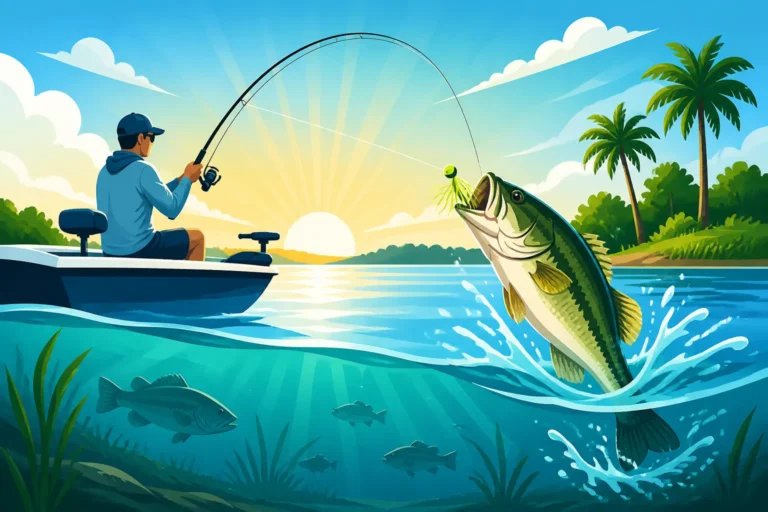
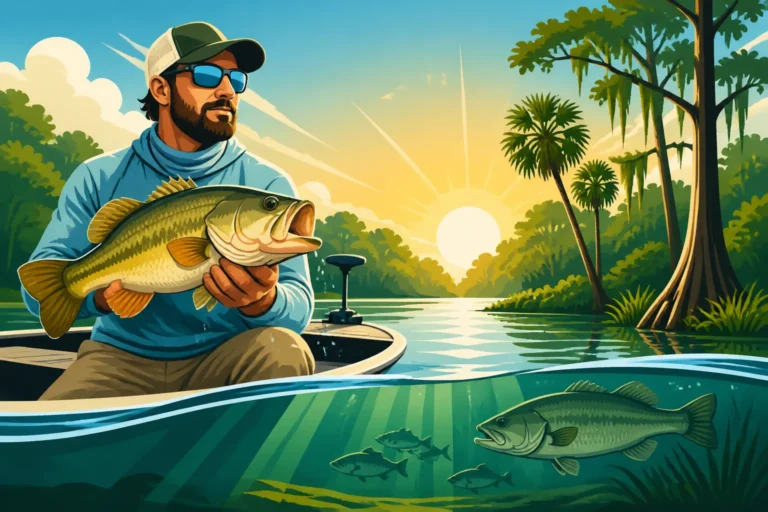
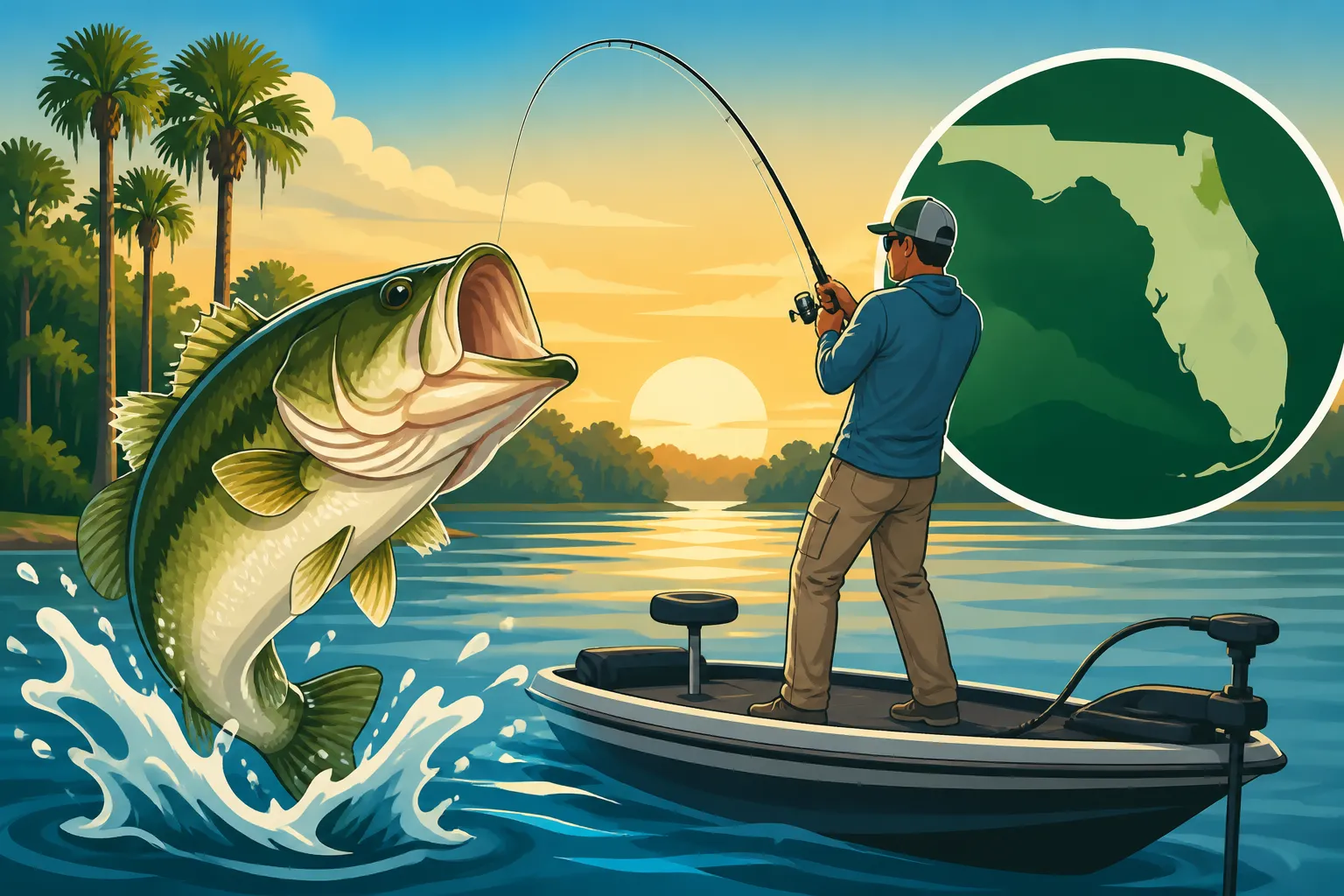
Let's be real, most people travel to Rodman Reservoir with one species in mind: the colossal Largemouth Bass. This place has a well-earned reputation as a trophy bass factory, and for good reason. The rich habitat provided by the drawdown cycles, coupled with an abundance of forage fish like shad and shiners, creates perfect conditions for bass to grow to impressive sizes. It’s not uncommon for anglers to pull out bass weighing in the double digits here. Whether you’re targeting a personal best or just enjoying a day of consistent action, the largemouth bass is undeniably the star of the show.
Fishing for these giants requires patience and often a bit of local knowledge. They can be found lurking in the dense hydrilla beds, tucked away in submerged timber, or cruising the edges of the main river channel. Early mornings and late evenings are often the most productive times, especially during warmer months, as bass move into shallower water to feed. Don't be surprised if a 5-pounder feels like a small fish here; Rodman has a way of recalibrating your expectations for bass size! If you want to dig deeper into techniques for these green monsters, check out our Florida Largemouth Bass Fishing Guide.
Other Popular Catches: Crappie and Bream
While the largemouth might steal the spotlight, Rodman Reservoir also offers fantastic opportunities for other popular freshwater species, particularly crappie and various types of bream (panfish). These fish provide excellent light-tackle action and are delicious table fare, making them a perfect complement to a bass-centric trip or a great target if you prefer a different kind of angling.
Crappie, both black and white, thrive in Rodman's structure-rich waters. They often school around submerged timber, brush piles, and hydrilla edges, especially during cooler months. Anglers targeting crappie typically use small jigs, live minnows, or even tiny spinnerbaits. You can easily fill a cooler with these speckled beauties on a good day, providing hours of fun and a tasty reward. For more on catching these schooling fish, exploring Florida Bass Fishing Techniques might offer some transferable insights.
Bream, including bluegill, redear sunfish (shellcrackers), and warmouth, are abundant throughout the reservoir. These feisty panfish are perfect for anglers of all ages and skill levels. They congregate around vegetation, lily pads, and shallow cover, eagerly biting on crickets, worms, or small artificial baits. Catching a cooler full of bream on ultralight tackle offers some of the most enjoyable and consistent action you can find. Rodman Reservoir truly offers a diverse freshwater experience for anyone willing to explore beyond the bass.
Best Fishing Techniques and Baits for Rodman Reservoir
Fishing Rodman Reservoir successfully often boils down to understanding the habitat and how the fish relate to it. Because the reservoir is so dynamic with its drawdowns and dense vegetation, you need a flexible approach. What works one week might not work the next, so always be ready to adapt!
Techniques for Trophy Bass
When you're chasing those monster largemouth bass in Rodman, you'll need to employ some specific tactics. One of the most effective strategies involves flipping and pitching into the thick cover. Think dense hydrilla mats, submerged timber, and brush piles. Bass love to ambush prey from these hidden spots. Heavy-action rods, stout braided line, and tungsten weights are your best friends here. You’ll be punching through vegetation, trying to drop your bait right into the bass's living room. This isn't finesse fishing; it's a power game, often requiring you to literally "rip" a big bass out of the weeds.
Another highly productive technique, especially when the bass are actively feeding or schooling, is topwater fishing. Early mornings and late evenings, particularly in warmer months, are prime times. Frogs, poppers, and walking baits thrown over grass mats or along the edges can trigger explosive strikes that will get your heart pounding. Keep an eye out for schooling activity in open pockets or along channels; sometimes, a fast-moving topwater plug is the only thing they'll touch when they're in a feeding frenzy. Also, consider slow-rolling spinnerbaits or chatterbaits through sparse hydrilla or along drop-offs when bass are slightly deeper but still active.
Effective Baits and Lures
Choosing the right bait can make all the difference on Rodman. For flipping and pitching, soft plastic creature baits, bulky worms, and jigs with trailers are go-tos. Colors like junebug, black and blue, or green pumpkin are often highly effective in the stained waters of the reservoir. A 1/2 to 1-ounce tungsten weight will help you penetrate that thick cover.
When it comes to topwater, soft plastic frogs (like those from Zoom or Strike King) are phenomenal for working over heavy mats. For open water or grass edges, traditional walking baits (Heddon Zara Spook) or poppers (Rebel Pop-R) can trigger aggressive strikes. Don't shy away from lipless crankbaits, especially after a drawdown when new grass starts to emerge. They're excellent for covering water and triggering reaction bites.
For crappie, small jigs (1/16 to 1/8 ounce) tipped with a small plastic grub or a live minnow under a bobber are classic and effective. For bream, nothing beats a live worm or crickets, fished on a small hook with a tiny split shot, often under a bobber as well. Many local anglers also have success with micro-jigs tipped with a piece of Gulp! bait. Remember, presentation is key, and sometimes just a slight change in retrieve speed or bait color can turn a slow day into a fantastic one. If you're looking for more general bait advice, our Best Lures for Florida Bass Fishing article has some great ideas.
Prime Fishing Spots and Access Points on Rodman Reservoir
Navigating a large body of water like Rodman Reservoir can feel daunting, especially if you're new to the area. Knowing where to launch your boat and which areas tend to hold fish is crucial for a successful trip. The reservoir stretches over 15 miles, offering plenty of diverse areas to explore.
Key Areas to Explore
Rodman Reservoir essentially has two distinct sections: the upper, narrower riverine section and the broader, more lake-like lower section near the dam. The main river channel that winds through the reservoir is always a good starting point, particularly in areas where it deviates from straight lines, forming bends or deeper pockets. These areas often concentrate baitfish and provide excellent ambush points for bass. Look for areas where submerged timber is abundant along the channel edges.
The grass flats and hydrilla beds are perhaps the most iconic feature of Rodman. These vast expanses of vegetation are teeming with life. Focus on the edges of these mats, as well as any isolated holes or pockets within them. During a drawdown, these areas become exposed, but after reflooding, they become prime real estate for bass. The middle to lower sections of the reservoir, closer to the Rodman Dam, often feature the largest and most established grass beds. However, fishing in these dense mats can be challenging, requiring heavy tackle to pull fish out. Local guides frequently have success around areas like Kenwood Landing or the flats near the dam.
Public Access and Boat Ramps
Getting your boat into Rodman is relatively straightforward, with several public ramps available. The most popular and well-maintained option is often the Rodman Dam Boat Ramp, located near the dam itself on the east side of the reservoir. This ramp provides easy access to the lower, wider sections of the reservoir, known for its extensive hydrilla and deeper channels. You'll find ample parking and facilities here, making it a convenient choice for many anglers.
Another excellent access point is Kenwood Landing, situated on the western side of the reservoir, a bit further north than the dam. This ramp provides good access to both the main river channel and some of the productive grass flats in the central part of Rodman. It’s a favorite among local tournament anglers. Further upstream, for those looking to explore the narrower, more riverine parts of the reservoir, smaller ramps might be available, though they might have fewer amenities. Always check with local resources or the FWC website for current conditions and any temporary closures, especially during drawdown periods. You can find more general information about various Florida fishing access points in our guide to Florida Fishing Regulations and Bag Limits, which also covers important rules. When considering your trip, checking a platform like FishingBooker can sometimes help identify charters that depart from specific, well-known ramps, giving you an idea of common starting points for successful trips.
Seasonal Fishing Strategies for Rodman Reservoir
Rodman Reservoir's fishing opportunities can change dramatically throughout the year, influenced by water temperatures, fish spawning patterns, and, of course, the ever-present drawdown cycle. Being aware of these seasonal shifts will help you plan your trips for maximum success, ensuring you're targeting fish when and where they're most active.
Spring and Summer Action
Spring is arguably the most anticipated time of year for bass anglers in Rodman, as it's primetime for the spawn. As water temperatures rise into the 60s and 70s, bass move into shallower areas to create nests. Look for them around sparse vegetation, lily pads, and sheltered coves. This is when sight fishing can be incredibly effective, carefully spotting bass on their beds. Spinnerbaits, slow-rolled worms, and even soft plastic jerkbaits can be deadly during this period. The fish are aggressive and focused on reproduction, making them more vulnerable. However, remember to practice good catch-and-release practices, especially with spawning fish, to protect the future of the fishery.
As summer fully arrives, the Florida sun heats the water, and bass generally move to deeper, cooler water or seek refuge in the dense shade of hydrilla mats and submerged timber. Early mornings and late evenings become crucial for topwater action over grass. During the heat of the day, anglers will often switch to flipping and pitching heavy jigs or creature baits into the thickest cover they can find. This is also a good time to target crappie, which tend to school up in deeper channels or around brush piles. Understanding How Hot Weather Affects Summer Fishing in Florida can significantly improve your summer strategy. FishingBooker can also be a useful tool to find guides who specialize in these warmer weather tactics, offering insights into their best hot-weather spots.
Fall and Winter Patterns
Fall brings a welcome cool-down to Rodman Reservoir, and with it, a renewed burst of feeding activity. As water temperatures drop, baitfish become more active, and bass follow suit, often moving out of the super dense summer cover and onto the edges of grass lines, humps, and points to feed aggressively. This is an excellent time for throwing lipless crankbaits, spinnerbaits, and chatterbaits to cover water and locate active schools of fish. Topwater action can still be good during mornings and evenings, especially on warmer days, but it transitions into more reaction-strike fishing through the middle of the day.
Winter fishing in Rodman, while potentially slower, can yield some of the biggest bass of the year. As temperatures plummet (for Florida, anyway!), bass become more lethargic and often congregate in deeper holes, channels, and around submerged structures where the water temperature is more stable. Slow-moving baits are key here. Jigs, Carolina rigs, and slowly retrieved lipless crankbaits can entice strikes from cold-stunned bass. Crappie fishing can also be excellent in winter, as they stack up in tight schools in deeper sections of the river channel or around bridge pilings. Don’t forget to consider How Cold Fronts Affect Winter Fishing in Florida as these events can really shut down the bite for a few days before it picks back up. Persistence and precise bait placement are often rewarded during these colder months. For a broader overview, our article on the Best Time of Year to Fish in Florida can give you more general insights.
Navigating Rodman Reservoir: Tips for a Successful Trip
Preparing for a trip to Rodman Reservoir involves more than just packing your rods and reels. A little foresight regarding regulations, safety, and local considerations can make your experience much smoother and more enjoyable.
Important Regulations and Permits
Like all Florida public waters, Rodman Reservoir falls under the jurisdiction of the Florida Fish and Wildlife Conservation Commission (FWC). This means you'll need a valid Florida fishing license to cast a line. Whether you're a resident or an out-of-state visitor, ensuring you have the correct license is the first step. You can easily purchase these online, at most tackle shops, or through the FWC's GoOutdoorsFlorida app. For a detailed breakdown, consult our Florida Fishing License Guide. It's critical to understand bag limits and size restrictions, especially for largemouth bass, which might have specific regulations within the reservoir to protect its trophy potential. Always check the latest FWC regulations before you head out, as they can change.
Beyond the general fishing license, be aware that certain areas or species might have specific permits or rules. While Rodman is not within a state park, understanding general rules for public lands like those detailed in Do You Need a License to Fish in a Florida State Park? can give you a better overall picture of Florida's diverse fishing regulations. It’s also worth noting that the operation of internal combustion engines on parts of the Ocklawaha River and Rodman Reservoir may have restrictions at certain times, particularly during drawdowns, so it's always wise to check local notices.
Safety and Local Considerations
Safety should always be a top priority when you're out on the water, especially in a reservoir with varying depths and abundant submerged timber. Always wear a life jacket, especially if you're boating alone or in smaller craft. The reservoir can also be quite shallow in places, and navigation can be tricky due to stump fields and submerged hazards, particularly when water levels are low. A good GPS unit with detailed mapping is invaluable here to help you stay in safe channels and avoid running aground or damaging your propeller. If you're using a guide found on a platform like FishingBooker, they will, of course, handle all these navigation and safety aspects for you, providing a stress-free experience.
Weather in Florida can change rapidly, with sudden thunderstorms popping up, especially in the summer. Always check the forecast before you go, and be prepared to seek shelter if conditions turn nasty. High-quality polarized sunglasses are also a must, not just for spotting fish but also for improving visibility and avoiding hazards. Finally, be respectful of other anglers and the natural environment. Pack out everything you pack in, and handle fish carefully for release, especially those trophy bass that are the future of Rodman's incredible fishery.
| Season | Primary Target Species | Recommended Techniques | Key Baits/Lures | Notes |
|---|---|---|---|---|
| Spring | Largemouth Bass, Crappie | Sight Fishing, Flipping, Trolling | Soft Plastics, Jigs, Spinnerbaits, Minnows | Bass spawn, crappie active. Focus on shallow cover. |
| Summer | Largemouth Bass, Bream | Flipping/Pitching, Topwater | Creature Baits, Frogs, Worms, Crickets | Early/late topwater. Deep cover during midday heat. |
| Fall | Largemouth Bass, Crappie | Cranking, Spinnerbaits, Jigs | Lipless Crankbaits, Soft Plastics, Minnows | Aggressive feeding as water cools. Covering water. |
| Winter | Largemouth Bass, Crappie | Slow Presentation, Deep Jigs | Jigs, Carolina Rigs, Live Minnows | Fish congregate in deeper channels. Patience is key. |
Disclaimer
Please remember that fishing conditions, regulations, and access points can change. Always check the latest information from the Florida Fish and Wildlife Conservation Commission (FWC) before planning your trip to Rodman Reservoir or any other Florida fishing destination. Local guides and bait shops are also excellent resources for up-to-the-minute reports.