Best Canals in Miami for Peacock Bass
If you've ever dreamt of battling a fiercely colorful, hard-fighting sportfish against a backdrop of swaying palm trees and city skylines, then Miami's extensive canal system offers an experience you absolutely have to try. Many anglers, especially those visiting Florida, might only think of saltwater fishing, completely overlooking the incredible freshwater opportunities right in the heart of urban South Florida. This guide is going to peel back the layers on Miami's best canals, revealing where and how to find those elusive, beautiful peacock bass that make for an unforgettable fishing adventure.
Why Miami's Canals are Peacock Bass Paradise
Miami isn't just about beaches and bustling nightlife; it's also a secret haven for freshwater anglers, especially those chasing the vibrant peacock bass. These canals are far more than just drainage ditches; they are complex, thriving ecosystems that support an incredible fishery.
The Allure of Peacock Bass in an Urban Jungle
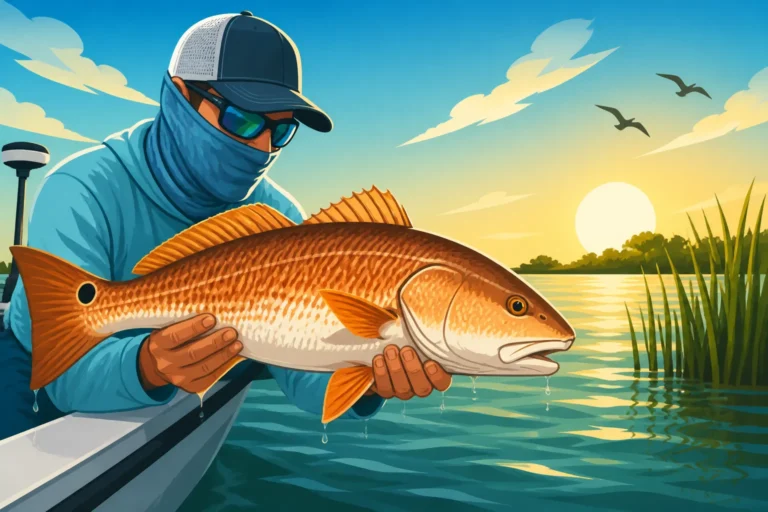
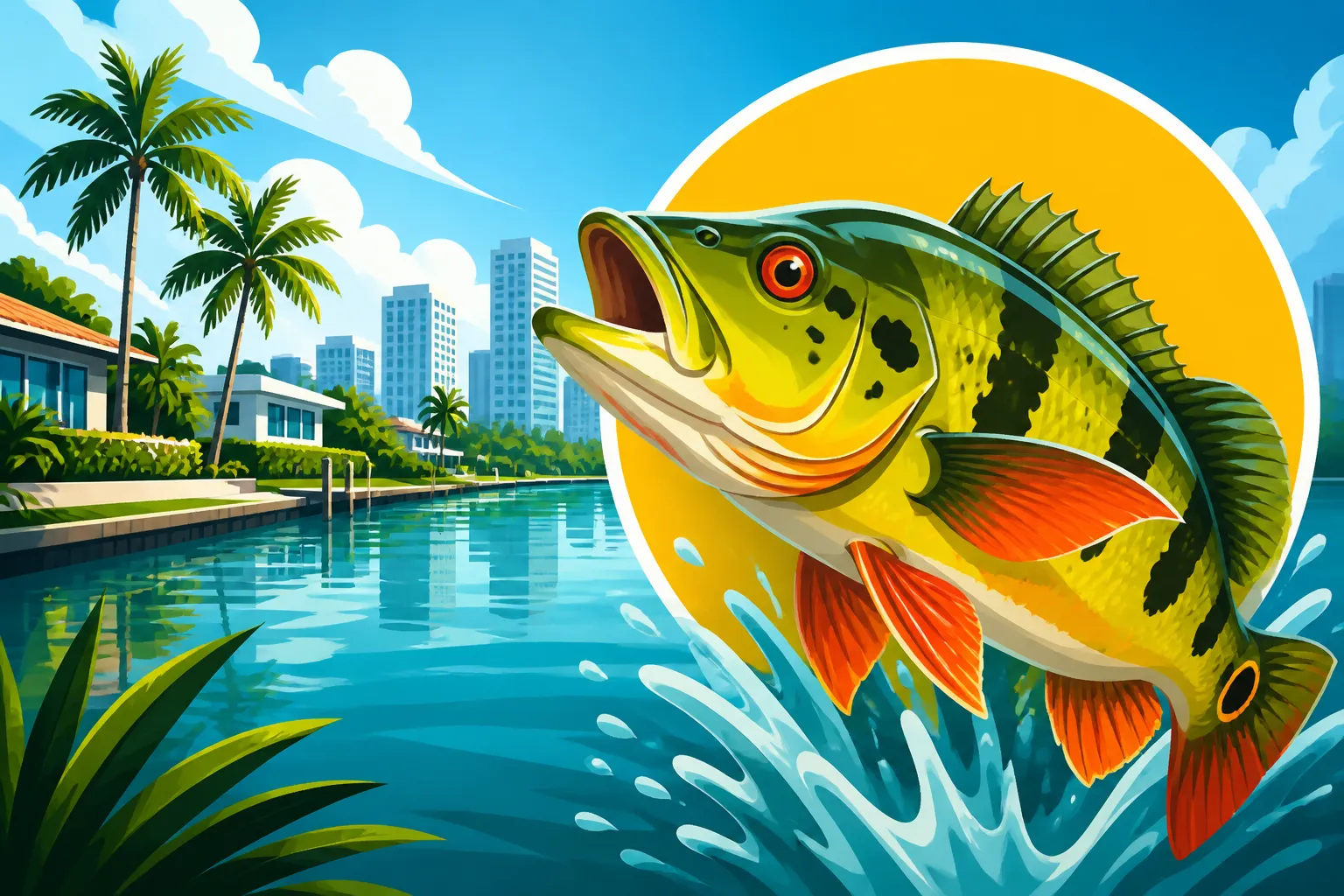
Peacock bass, originally introduced from South America, have found a perfect home in the warm, interconnected canal systems of Miami-Dade County. They're not just any bass; their iridescent green, orange, and yellow hues, often adorned with black spots or bars, make them one of the most visually stunning freshwater fish you can target. Beyond their beauty, they are renowned for their aggressive strikes and powerful fights, often jumping clear out of the water to throw a hook. Imagine reeling in such a specimen with the distant hum of city traffic or the distinct outline of a high-rise in your periphery – it's a truly unique blend of urban adventure and wild sportfishing.
One of the biggest draws is the accessibility. Unlike some remote fishing destinations, many of Miami's best canals are easily reached from public parks, residential areas, and even major roads. This means you don't necessarily need a boat to get in on the action, though a kayak or canoe can certainly expand your reach. For many, the idea of catching a fish this exotic, so close to civilization, is a thrilling contrast that keeps them coming back for more.
Understanding the Canal Systems
Miami's canal network is a sprawling labyrinth designed primarily for flood control, but it has inadvertently created an ideal habitat for peacock bass. These canals are typically wide, deep enough to hold substantial fish, and often lined with concrete or rip-rap, which provides excellent ambush points for predators like peacock bass. The water temperature rarely dips below their comfort zone, even in winter, allowing them to thrive year-round.
The interconnectedness is key. Many canals feed into each other, as well as into larger lakes and even the Everglades, allowing fish to migrate and maintain healthy populations. This vast system provides a diverse array of structures—from bridges and culverts to fallen trees and residential docks—all of which serve as prime holding spots for peacock bass. Understanding how these canals flow and connect will significantly improve your chances of locating productive fishing areas.
Top Miami Canals for Targeting Peacock Bass
While virtually any canal in South Florida could hold a peacock bass, some systems are consistently more productive due to their size, depth, and habitat structure. Focusing your efforts on these well-known hotspots will dramatically increase your success rate.
The C-4 Canal Snapper Creek Canal
The C-4 Canal, also widely known as the Snapper Creek Canal, is arguably one of Miami's most famous and productive peacock bass fisheries. It runs for miles through residential areas and even skirts alongside the Don Shula Expressway, offering numerous access points for bank anglers and kayakers alike. The canal is generally wide and deep, especially in its central and western sections, making it ideal for patrolling peacock bass.
You'll find plenty of structure here, including seawalls, culverts, bridge pilings, and even some scattered vegetation. Many anglers report great success targeting areas where smaller canals or storm drains feed into the main C-4, as these often concentrate baitfish. Don't be shy about exploring the various public parks and green spaces that border the canal; many offer ample parking and safe access points.
The C-8 Canal Biscayne Canal
The C-8 Canal, or Biscayne Canal, is another fantastic option, particularly for those looking for a slightly different environment. This canal runs through more established urban areas, including North Miami and North Miami Beach, eventually draining into Biscayne Bay. While it's technically a freshwater system for much of its length, its proximity to the bay means there's a slight chance of encountering brackish water species as well, though peacock bass dominate the freshwater sections.
The C-8 is characterized by strong currents in some areas, especially after heavy rains, which can create excellent feeding opportunities for peacock bass. Look for areas around bridges and deeper cuts, as these often hold larger fish. Like the C-4, it offers numerous public access points, though some sections might require more creative exploration to find safe and productive spots away from heavy traffic.
The C-100 Canal System Kendall Canals
The C-100 system, often referred to collectively as the Kendall Canals, is a sprawling network of interconnected waterways stretching through the Kendall area of Miami-Dade County. This system includes C-100A, C-100B, C-100C, and C-100D, each offering distinct fishing opportunities. These canals are frequently narrower and shallower than the C-4 or C-8 in some sections, but they are absolutely loaded with baitfish and, consequently, peacock bass.
What makes the Kendall Canals so appealing is the sheer number of feeder canals and residential ponds that connect to them. These smaller waterways act as highways for baitfish, drawing in the predatory peacock bass. Anglers often find success by targeting culverts, boat docks, and even storm drains that empty into the main canal. This system is particularly popular with kayak anglers due to the more intimate nature of some of the narrower stretches.
Other Productive Canals
While the C-4, C-8, and C-100 systems are prime targets, Miami boasts several other canals that offer excellent peacock bass fishing. The Black Creek Canal (C-1) down in South Miami-Dade County, for instance, is another large, deep canal known for producing good numbers of fish. Its more rural setting in some areas can offer a different vibe for anglers.
Further west, the Tamiami Canal (C-4), which runs parallel to Tamiami Trail (US-41) and extends towards the Everglades, is a vast waterway that holds substantial populations of peacock bass, as well as largemouth bass and various panfish. Access here can be a bit more spread out, and many sections require a small boat or kayak to effectively fish. Exploring these diverse systems is part of the fun, and you never know when you'll stumble upon your own secret spot.
Essential Techniques and Tackle for Miami Peacock Bass
Catching peacock bass isn't overly complicated, but having the right approach and gear will certainly tip the odds in your favor. These fish are aggressive, but they can also be wary, especially in heavily fished areas.
Lures and Baits That Get Bites
Peacock bass are opportunistic feeders and will strike a variety of lures and baits. When it comes to artificials, topwater lures are incredibly exciting. Poppers and walking baits like the Heddon Super Spook or Rebel Pop-R are fantastic, especially during low light conditions or when fish are actively feeding on the surface. Nothing beats seeing a peacock bass explode on a topwater lure!
Jerkbaits, such as those from Rapala or Lucky Craft, are also highly effective. These baits mimic injured baitfish and can provoke aggressive strikes when twitched and paused. Soft plastics, like flukes or swimbaits rigged weedless, are great for probing submerged structure or fishing around vegetation without getting snagged. For fly anglers, clouser minnows, deceivers, and other baitfish imitations tied on stout hooks will certainly get their attention. Ultimately, the best lure for bass fishing often mimics the local baitfish, so observe what the peacocks are feeding on.
Live bait is, hands down, one of the most effective ways to catch peacock bass, especially for larger specimens. Small shiners, minnows, or even juvenile tilapia are irresistible to these predatory fish. You can often purchase live shiners from local bait shops in Miami, or if you're keen, you can try catching your own bait. If you're using live bait, a simple wild shiner rig with a small split shot and a circle hook is often all you need.
Rods, Reels, and Line Setup
For peacock bass, a medium to medium-heavy spinning or baitcasting setup is ideal. You'll want a rod with enough backbone to handle their powerful runs and quick dives into cover, typically in the 6'6" to 7'6" range. A fast action rod will give you the sensitivity to feel subtle bites and the power to set the hook firmly.
Pair your rod with a reliable spinning reel in the 2500-3000 size or a baitcasting reel with a smooth drag system. For line, 10-20 lb braided line is highly recommended. Braid offers superior sensitivity and casting distance, and its thin diameter allows you to pack more line on your spool. Since peacock bass often live around abrasive structure, and to counter their sharp gill plates, it's crucial to use a fluorocarbon leader of 15-30 lb test. A leader of about 18-24 inches should suffice, connected to your main line with a strong knot like an FG knot or an Albright knot.
Best Times to Fish for Success
Peacock bass are most active in warmer water, making Florida's spring, summer, and fall prime seasons. However, even in the cooler winter months, Miami's mild climate means you can still find them, though they might be a bit more lethargic. Understanding the Florida fishing seasons explained can help you plan your trip.
Generally, the best time of day to fish for peacock bass is during the low light periods of early morning and late afternoon, just like many other bass species. During these times, they are often more willing to venture out from cover to hunt. On overcast days, they might remain active throughout the day. Pay attention to water temperatures; they tend to be most aggressive when the water is between 75-85°F. On really hot days, consider fishing deeper sections or areas with good shade, as they'll often retreat to cooler water.
Navigating and Accessing Miami's Canal Fisheries
Getting onto or alongside Miami's canals is a key part of your peacock bass adventure. There are several ways to approach these waterways, each with its own advantages.
Bank Fishing vs. Kayak/Canoe Access
Bank Fishing: Many sections of Miami's canals are accessible by foot from public parks, bridges, and even certain residential areas. This is a fantastic option for anglers without a boat or those who prefer to explore different spots on foot. Look for public easements, park entrances, and street ends that provide safe access to the canal banks. Keep an eye out for bridges and culverts, as these structures often concentrate fish and provide good vantage points. While convenient, bank fishing can limit your reach, making it harder to access the middle of wider canals or areas with dense shoreline vegetation. Always be respectful of private property and adhere to any posted signage.
Kayak/Canoe Access: For those who want to cover more water and reach less-pressured spots, a kayak or canoe is an excellent choice. These small, maneuverable vessels allow you to paddle silently along the canal banks, cast into tight pockets, and explore areas inaccessible to larger boats. Many public parks along the canals have small launch areas, or you can often launch from the bank in suitable spots. Kayak fishing in Florida has grown immensely in popularity for good reason – it offers a quiet, immersive experience that puts you right on top of the fish.
When choosing between bank fishing or a personal watercraft, consider how much ground you want to cover and the type of fishing experience you're looking for. A combination of both might be the most effective strategy, allowing you to hit easily accessible spots while saving the kayak for more remote stretches.
Finding Local Guides and Resources
While you can certainly explore Miami's canals on your own, especially if you're armed with a good map and this guide, hiring a local fishing guide can significantly boost your success, especially if it's your first time targeting peacock bass. A knowledgeable guide will know the nuances of the local canal systems, current fish patterns, and the most effective techniques for the day. Services like FishingBooker connect anglers with reputable local guides who specialize in peacock bass fishing. They can often provide all the necessary gear, bait, and most importantly, their years of local expertise.
| Canal System | Primary Access | Key Features | Recommended Lure Types |
|---|---|---|---|
| C-4 (Snapper Creek) | Parks, Bridges, Residential | Wide, deep, concrete/rip-rap banks | Topwater, Jerkbaits, Live Shiners |
| C-8 (Biscayne Canal) | Urban Parks, Bridges | Strong currents, urban backdrop | Jerkbaits, Swimbaits, Flukes |
| C-100 (Kendall Canals) | Residential, Smaller Parks | Interconnected, varied depth/width | Soft Plastics, Poppers, Flies |
| Black Creek (C-1) | Rural Parks, Roadside | Deep, some vegetation, less crowded | Live Bait, Crankbaits, Swimbaits |
| Tamiami (C-4) | US-41 access, some launches | Vast, connects to Everglades | Topwater, Jerkbaits, Live Bait |
Many guides will also provide the necessary Florida fishing license guide that covers everyone on the boat, simplifying the regulations for you. However, if you plan to fish independently from the bank or a personal kayak, remember to obtain your Florida Freshwater Fishing License Rules before casting a line. You can typically purchase one online through the Florida Fish and Wildlife Conservation Commission (FWC) website. For specific details on where to buy a Florida fishing license near you, checking local tackle shops or even larger retailers is always an option. If you’re serious about catching a trophy, checking out a guide through FishingBooker might be your best bet, as they specifically know the best spots to catch Peacock Bass in Miami. Don't forget, if you're interested in the cost of a Peacock Bass guide in Miami, many of these platforms offer transparent pricing and options for half-day or full-day trips, ensuring you find the perfect fit for your budget and schedule.
Remember, fishing for peacock bass in Miami is not just about catching fish; it's about experiencing the unique charm of urban angling in one of Florida's most vibrant cities. Whether you're a seasoned angler or a curious beginner, these canals offer an adventure unlike any other.
Disclaimer
Please note that fishing regulations, including license requirements, bag limits, and seasons, are subject to change by the Florida Fish and Wildlife Conservation Commission (FWC). Always consult the latest FWC regulations before heading out to fish. The information provided in this guide is for general informational purposes only and should not be considered legal advice or a substitute for official FWC guidelines. Fishing involves inherent risks, and anglers should always prioritize safety and environmental responsibility.