Boca Grande Pass Tarpon Fishing in Southwest Florida
For anglers chasing the thrill of a lifetime, the sheer volume of information and conflicting advice about specific fishing spots can be overwhelming. You've heard whispers of legendary places, but understanding the nuances of how and when to fish them effectively is a whole different ballgame. This comprehensive guide cuts through the noise, offering a deep dive into Boca Grande Pass, widely hailed as the "Tarpon Capital of the World," providing you with everything you need to know to successfully pursue the magnificent Silver King in this iconic Southwest Florida locale.
The Allure of Boca Grande Pass for Tarpon Fishing
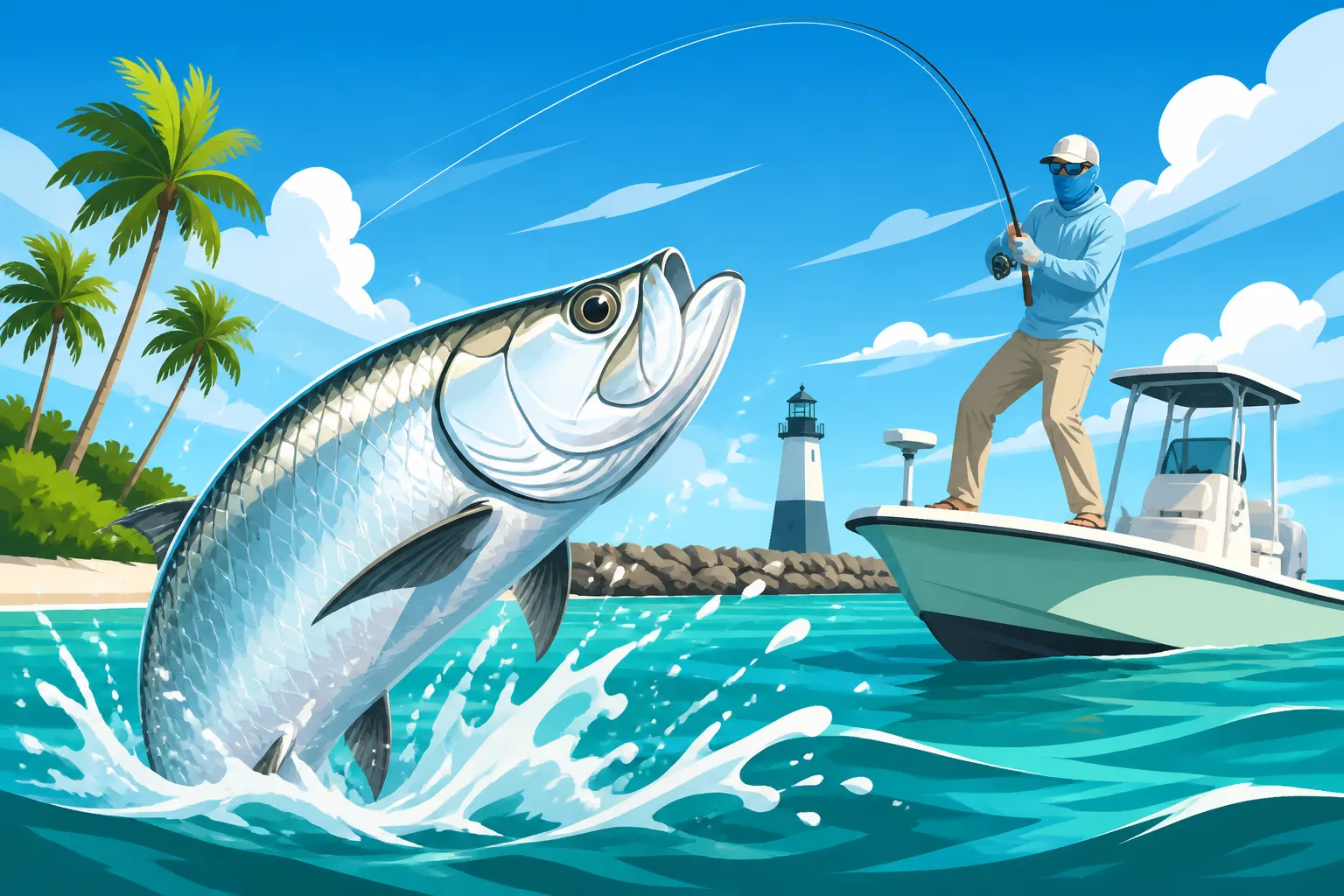
Boca Grande Pass isn't just another fishing spot; it's a natural wonder, a crucible where conditions conspire to create one of the most incredible tarpon migrations on the planet. For generations, anglers have flocked to this narrow, deep channel, drawn by the promise of battling a "Silver King" that can easily top 150 pounds. The experience here is intense, often chaotic, and utterly unforgettable, making it a bucket-list destination for serious fishermen.
Geographical Significance of the Pass
The pass itself is a deep, swift-moving channel located at the mouth of Charlotte Harbor, separating Gasparilla Island to the north from Lacosta Island to the south. What makes it so unique is its depth and strong currents, plunging over 80 feet deep in some areas, far deeper than the surrounding shallow waters of Pine Island Sound and the Gulf of Mexico. These characteristics create a natural funnel for baitfish and, consequently, for the predatory tarpon following them. The sheer volume of water moving in and out with the tides creates a dynamic feeding ground, especially during the crucial spring and summer months when tarpon arrive en masse. This unique geography, combined with the abundance of forage, forms an irresistible magnet for these powerful fish.
Why Tarpon Concentrate Here Annually
Tarpon are migratory fish, and their annual journey brings them from various parts of the Gulf of Mexico and even the Caribbean to the fertile waters of Southwest Florida. Boca Grande Pass serves as a critical staging area for these fish before and after their spawning rituals. As the water temperatures rise in late spring, millions of threadfin herring, scaled sardines, and blue crabs begin to move into and out of Charlotte Harbor, providing a veritable buffet for hungry tarpon. The strong currents in the pass also make it an ideal place for tarpon to "roll" and flush their swim bladders, a behavior often observed by anglers and an indicator of their presence. The deep channels offer refuge and a clear path to the open Gulf for spawning, while the shallower edges provide ample feeding opportunities. It's a perfect storm of environmental factors that creates this incredible natural spectacle year after year, attracting not just tarpon but also a passionate community of anglers eager to intercept them.
Understanding the Annual Tarpon Migration
The tarpon migration through Boca Grande Pass is a well-oiled natural phenomenon, a symphony of timing and instinct that dictates the entire fishing season. Missing the window means missing the show, so understanding the patterns and influences on this migration is paramount for any angler hoping to connect with a Silver King. It's not just about showing up; it's about understanding the pulse of the ocean and the rhythm of these magnificent fish.
The Spring-Summer Phenomenon
The heart of the Boca Grande tarpon season typically kicks off in late April and can run strongly through July, sometimes even into August. This period sees an incredible influx of migratory tarpon entering the pass. They arrive from warmer southern waters, drawn by the increasing water temperatures, abundant baitfish, and the instinct to spawn. During these months, the sheer numbers of tarpon can be astounding, with schools of hundreds, sometimes thousands, of fish moving through the pass with the tides. This is when the legendary "hill tides" occur, particularly during the full and new moons, where massive schools of tarpon can be seen rolling on the surface. These are the moments that anglers dream of, offering visual confirmation of the incredible biomass present. If you're planning a trip, aiming for this window dramatically increases your chances of encountering these majestic fish. For more detailed information, check out our guide on the Florida Tarpon Migration Timing.
Factors Influencing Migration Timing and Behavior
While late spring to early summer is the general rule, the exact timing and intensity of the migration can fluctuate based on several environmental factors. Water temperature is perhaps the most significant. Tarpon prefer water temperatures in the mid-70s to low 80s Fahrenheit. A colder spring can delay their arrival, while an early warm spell can bring them in sooner.
- Moon Phases: The moon plays a critical role, especially the full and new moons, which produce the strongest tidal currents. These "hill tides" are legendary, as the increased water movement pushes more baitfish through the pass, and tarpon become incredibly active. Many anglers swear by these moon phases for peak action.
- Barometric Pressure: Stable high-pressure systems generally mean better fishing, as sudden drops in pressure (often associated with incoming storms) can make tarpon less willing to feed.
- Wind and Weather: Strong winds can make fishing the pass challenging and even dangerous, creating rough conditions. Light winds, especially from the east, are often preferred. Severe weather, like tropical storms, can temporarily disrupt patterns, scattering fish or driving them deeper.
- Bait Availability: The presence of baitfish like threadfin herring, scaled sardines, and especially blue crabs, is a major draw. Tarpon are opportunistic feeders, and where the bait goes, they follow. The "pass crabs" or "hill crabs" that flush out of Charlotte Harbor on outgoing tides are a prime food source and an iconic part of Boca Grande tarpon fishing.
Understanding these variables helps anglers not just plan their trips, but also adapt their strategies day-to-day. A knowledgeable guide, often booked well in advance through platforms like FishingBooker, will be able to interpret these conditions and put you in the best position for success.
Prime Time to Target Boca Grande Tarpon
Knowing when the tarpon are in the pass is one thing, but pinpointing the absolute best windows to actually hook them requires a deeper understanding of tidal flows, daily patterns, and the subtle cues these fish provide. It's a highly competitive fishery, and being in the right place at the right time with the right presentation can make all the difference.
Peak Season Dynamics
As mentioned, the peak of the Boca Grande tarpon season typically spans from May through July. During these months, the concentration of tarpon is at its highest, and the chances of seeing large schools are significantly elevated. The most sought-after times within this peak are often centered around the new and full moon cycles, specifically the "hill tides." These tides, driven by the gravitational pull of the moon, create exceptionally strong currents that flush out countless blue crabs, a favorite delicacy of tarpon. When these crabs are pouring out of the harbor on a strong outgoing tide, it can trigger a feeding frenzy, creating some of the most exciting and productive fishing opportunities. However, the competition among boats can also be at its highest during these periods. It's a spectacle, almost like a marine rodeo, with dozens, if not hundreds, of boats jockeying for position.
| Season | Typical Months | Tarpon Activity | Angler Crowds | Primary Techniques | Considerations |
|---|---|---|---|---|---|
| Pre-Peak | April | Building numbers, scattered schools | Moderate | Live bait, Jigs (deeper) | Early arrivals, less competition |
| Peak | May – June | Highest concentration, spawning activity | Very High | Jigs, Live bait (pass crabs) | Strong currents, competitive |
| Late Peak | July | Still strong, some fish moving out | High | Live bait, Jigs (deeper) | Later spawners, potentially warmer |
| Post-Peak | August | Declining numbers, resident fish | Moderate to Low | Live bait, Cut bait (deeper) | Less consistent, but still possible |
Tides, Moon Phases, and Weather Considerations
The tide is king in Boca Grande Pass. Tarpon in the pass are highly influenced by the movement of water. Strong outgoing tides are famous for flushing out the "pass crabs," making them prime feeding times. However, incoming tides can also be productive, bringing in different types of baitfish from the Gulf. Many experienced guides will tell you that the bite can happen at any stage of the tide, but the peak action often coincides with the stronger movements.
- Slack Tide: This period, when the water movement is minimal between the incoming and outgoing tides, is generally considered the slowest for tarpon in the pass. The fish become less active and less inclined to feed as the current isn't presenting bait to them as readily.
- Moon Phases: As discussed, the full and new moons generate the strongest tidal swings and the best opportunities for the "hill tide" phenomenon. Intermediate moon phases (first and last quarter) still offer good fishing but with less dramatic tidal flushing. To maximize your chances, consult a tide chart religiously.
- Weather: Beyond the wind, other weather factors play a role. Overcast skies can sometimes prolong the bite, as tarpon are less sensitive to light. Hot, sunny days might push them deeper or make them more lethargic. Light rain can also be productive, often quieting the boat traffic and making the fish less skittish. However, heavy thunderstorms common in Florida summers will send everyone scrambling for cover, and fishing during hurricane season can be risky. Always check the forecast and prioritize safety. Knowing when the Best Time of Year to Fish in Florida generally might help, but Boca Grande has its own specific windows.
Effective Fishing Techniques for Boca Grande Tarpon
Catching a tarpon in Boca Grande Pass is a challenge that demands skill, patience, and the right approach. The fish are powerful, the currents are strong, and the environment is dynamic. There isn't a single "magic" technique, but rather a combination of methods perfected over decades by local anglers and guides.
The Art of "The Boca Grande Jig"
One of the most iconic and effective methods for targeting tarpon in Boca Grande Pass is jigging. This technique often involves using specialized jigs, typically weighing 1 to 3 ounces, often in white, pink, or chartreuse colors, fished on heavy spinning or conventional tackle. The goal is to present the jig near the bottom in the deep channels where tarpon often hold, especially during periods of strong current or when they are not actively feeding on surface bait.
The retrieve is crucial: a slow, subtle retrieve with occasional lifts and drops to mimic a struggling baitfish or a pass crab sinking through the water column. It's an art form to feel the jig bounce along the bottom and detect the incredibly subtle tap of a tarpon taking the bait in a strong current. The "Boca Grande Jig" isn't just a lure; it's a specific approach to vertical jigging in a dynamic environment, requiring a keen understanding of depth, current, and the tarpon's preferred holding patterns. When a tarpon hits, it's often a jarring strike that demands an immediate, powerful hookset and a readiness for an epic battle. For advice on specific gear, you might consider What Pound Test Line for Tarpon Fishing? is best suited for this.
Live Bait Tactics for Finicky Fish
While jigging is popular, live bait is often the go-to for picky tarpon, especially when they're feeding on specific forage. The primary live baits used in Boca Grande are threadfin herring, scaled sardines ("pilchards"), and the legendary blue crabs (often called "pass crabs").
- Threadfin Herring and Pilchards: These small baitfish are usually caught with a cast net in the shallower waters of Charlotte Harbor or nearby grass flats. They are typically fished on a strong circle hook (often 7/0 to 9/0) under a float or free-lined with minimal weight, allowing them to drift naturally with the current in the pass. The trick is to match the hatch, presenting live bait that closely resembles what the tarpon are naturally feeding on.
- Blue Crabs (Pass Crabs): These are perhaps the most coveted bait in the pass. During strong outgoing tides, especially around new and full moons, blue crabs are flushed out of Charlotte Harbor. Anglers will often drift these crabs, hooked through the point of one of their side legs or the corner of their shell, allowing them to tumble naturally with the current. Tarpon absolutely devour these crabs, making them incredibly effective. The visual aspect of seeing large schools of tarpon "rolling" and then presenting a live crab directly into their path is an adrenaline rush like no other.
- Cut Bait: While less common than live bait or jigs, cut bait, particularly mullet or ladyfish, can be effective, especially during slower periods or when targeting larger, more lethargic fish that are hugging the bottom. This is typically fished on a heavy sinker to keep it in place, appealing to the tarpon's sense of smell.
No matter the bait, presenting it naturally is key. The powerful currents of the pass mean your bait needs to be rigged to drift correctly without spinning unnaturally.
Essential Equipment and Tackle Specifics
To successfully battle a tarpon in Boca Grande Pass, your gear needs to be robust and reliable. These fish are incredibly strong, famous for their powerful runs, aerial acrobatics, and endurance.
- Rods: Medium-heavy to heavy action rods, typically 7 to 8 feet long, are preferred. They need enough backbone to cast heavy jigs or large live baits, absorb powerful head shakes, and provide leverage during the fight. Brands like Star Rods, St. Croix, and G. Loomis are popular choices among serious tarpon anglers for their strength and sensitivity.
- Reels: High-quality spinning or conventional reels capable of holding 300+ yards of line are essential. Look for reels with smooth, powerful drag systems that can withstand sustained pressure. Spinning reels in the 8000-10000 size range (e.g., Shimano Saragosa, Penn Spinfisher) or conventional reels like a Shimano Talica or Penn Fathom are common.
- Line: Braided line is almost universally used for its strength, lack of stretch, and smaller diameter, which allows for more line capacity. A 50-80 lb test braided mainline is standard. This is usually connected to a heavy monofilament or fluorocarbon leader, typically 60-100 lb test, to withstand the tarpon's abrasive mouth and violent fights.
- Hooks: Strong, sharp circle hooks are generally required by law in Florida for tarpon fishing when using natural bait, to ensure better hookups in the corner of the mouth, reducing harm to the fish. Sizes 7/0 to 9/0 are common for live bait, while jigs have their own integrated hooks.
- Fighting Belt and Gimbal: These are highly recommended, especially if you plan on fighting a large tarpon for an extended period. They provide crucial support and leverage, easing the strain on your back and arms.
- Gloves: Fishing gloves protect your hands from line burns during powerful runs and from the rough scales of the tarpon during release.
- De-hooking Tools and Release Gear: Essential for safe, ethical catch and release. Long-nosed pliers, bolt cutters (for cutting hooks if necessary), and a specific tarpon "lip gaff" (not used to gaff the fish, but to control its head for de-hooking) are important. Remember, tarpon are almost exclusively catch-and-release in Boca Grande, so responsible handling is critical for their survival. Read more about Catch and Release Best Practices for Snook to get a general idea for other species.
Navigating the Pass and Regulations
Fishing Boca Grande Pass, especially during peak season, isn't just about tackle and technique; it's also about understanding the complex dynamics of the pass itself, from boater etiquette to strict conservation regulations. Ignorance of these rules can lead to fines or, worse, harm to the fish population.
Boating Safety and Congestion
The popularity of Boca Grande Pass means that during peak tarpon season, especially on weekends and during strong hill tides, the pass can become incredibly congested. Dozens, sometimes hundreds, of boats can be vying for position, making navigation challenging and requiring a high degree of situational awareness.
- Respect the "Line": There's an unwritten rule, often enforced by the Florida Fish and Wildlife Conservation Commission (FWC), about maintaining a "line" when drifting through the pass. Boats generally drift in an orderly fashion from north to south (or vice-versa depending on the tide), taking turns presenting baits. Cutting across the line or anchoring haphazardly is a serious breach of etiquette and can lead to dangerous situations and heated arguments.
- Slow Speed Zones: Be aware of marked slow speed zones, especially near the shoreline and docks of Gasparilla Island.
- Anchor Responsibly: If anchoring, ensure your anchor is set securely and that you're not in a primary drift lane or blocking other boats. Many prefer to drift-fish rather than anchor to cover more ground and avoid permanent conflicts.
- Watch for Other Boats: Constant vigilance is required. Be aware of boats around you, their drifts, and their lines. Maintain safe distances and be prepared to take evasive action if necessary. The strong currents can quickly push boats together if not managed properly.
- Communication: A VHF radio is invaluable for communicating with other vessels, especially regarding potential hazards or if you hook a fish and need space.
Boating Boca Grande Pass is a unique experience. It's a place where seasoned captains navigate with precision, and newcomers quickly learn the ropes, often by observing and asking questions.
Tarpon Regulations and Permits
Florida has some of the strictest tarpon regulations in the country, designed to protect this iconic species. It's vital for every angler to be intimately familiar with these rules. For a general overview, check out the Florida Fishing Regulations and Bag Limits.
- Tarpon Tag/Permit: While tarpon are generally a catch-and-release species in Florida, if you intend to keep a tarpon (which is highly discouraged and rarely done, mainly for state record purposes or certain tournaments), you must purchase a Tarpon Tag in advance. This tag is specific to the angler, not the boat, and each angler is limited to one tag per year. The cost of a Florida Snook Permit Requirements are similar in concept, requiring an additional license for specific species.
- Circle Hook Requirement: When fishing for tarpon with natural bait (live or dead), non-offset circle hooks are mandatory. This regulation helps reduce gut-hooking, improving the fish's chances of survival upon release.
- Legal Harvest Slot: The legal harvest slot for tarpon (if you have a tag) is 60-80 inches total length. Any fish outside this range, or if you don't have a tag, must be immediately released unharmed.
- Harvest Restrictions: It is illegal to possess tarpon larger than 60 inches unless you have a tarpon tag. In many areas, including Boca Grande Pass, there are even stricter prohibitions on removing tarpon over 40 inches from the water unless they are being immediately released. The "no tarpon over 40 inches out of the water" rule is especially important in Boca Grande, meaning no "grip and grin" photos of large tarpon hoisted out of the water. They must remain in the water, supported horizontally.
- Gear Restrictions: While not specific to Boca Grande, Florida also has rules regarding spear fishing, gigging, and snagging, none of which are permitted for tarpon.
- Seasonality: While the "Boca Grande Pass Tarpon Fishing Season Guide" explains the general timing, there aren't typically specific closed seasons for tarpon in Florida, but rather continuous catch-and-release regulations with the permit for harvest exception.
These regulations are in place because tarpon are a vital part of Florida's ecosystem and economy. Following them meticulously ensures the health of the fishery for future generations.
Hiring a Professional Tarpon Guide
For many, fishing Boca Grande Pass is a once-in-a-lifetime experience, and the best way to maximize your chances of success, especially if you're unfamiliar with the area or tarpon fishing, is to hire a professional guide. Their local knowledge, expertise, and specialized equipment are invaluable.
Benefits of a Guided Trip
Navigating the complexities of Boca Grande Pass, from the powerful currents and crowded conditions to the intricate tarpon behavior and specific techniques, can be daunting for even experienced anglers. This is where a professional guide truly shines.
- Local Expertise: A good tarpon guide has spent countless hours on the water, meticulously observing patterns, learning the tides, and understanding how the fish react to different conditions. They know where the fish are holding, what baits they prefer on a given day, and how to position the boat for the best presentation. Their knowledge is honed over years, and it's something you simply can't replicate with a few days on the water.
- Specialized Equipment: Tarpon fishing requires heavy-duty, well-maintained gear. Guides provide top-of-the-line rods, reels, and terminal tackle specifically chosen for battling these powerful fish. This saves you the considerable expense of purchasing specialized equipment for a single trip.
- Safety and Navigation: The pass can be a challenging environment, especially with strong currents and heavy boat traffic. Guides are experts at navigating these waters safely, ensuring your trip is enjoyable and free from mishaps. They're also equipped with all necessary safety gear and are usually CPR/First Aid certified.
- Permit and License Coverage: Most reputable guides operate under a blanket fishing license that covers all their clients, meaning you don't need to purchase your own Florida Fishing License Guide (unless you specifically want one for other fishing outside the charter). However, if you plan to keep a tarpon, you would still need your own Tarpon Tag.
- Instruction and Coaching: A guide will teach you the specific techniques for jigging, live bait presentation, and, critically, how to fight a large tarpon effectively. Learning how to properly set the hook, manage the drag, and anticipate those acrobatic jumps dramatically increases your chances of landing a fish.
- Conservation and Ethics: Guides are well-versed in Florida's tarpon regulations and release best practices, ensuring that your fishing trip is not only successful but also ethical and sustainable. They emphasize proper handling and quick, safe release to protect these magnificent fish.
For a deeper look into the broader topic, you might check out our Florida Fishing Charter Guide.
Choosing the Right Tarpon Charter
Selecting the right guide is paramount for a successful Boca Grande tarpon trip. Not all guides are created equal, and finding one whose style and experience match your expectations is key.
- Experience in Boca Grande: Look for guides with extensive experience specifically in Boca Grande Pass. While many excellent guides operate in Florida, the pass is a unique beast, and local knowledge of its currents, bottom structure, and specific tarpon behavior is crucial.
- Reputation and Reviews: Do your homework. Check online reviews on platforms like Google, TripAdvisor, and specialized fishing booking sites like FishingBooker. Look for consistent positive feedback regarding their professionalism, boat maintenance, fish-finding ability, and client satisfaction. A good guide will have a strong track record.
- Boat and Equipment: Inquire about their boat (size, type, condition) and the tackle they provide. A well-maintained boat and quality gear are indicators of a professional operation. Bay boats or center consoles typically ranging from 22 to 27 feet are common for fishing the pass.
- Communication Style: Reach out to potential guides and gauge their communication. Do they respond promptly? Are they willing to answer your questions thoroughly? A good rapport with your guide enhances the entire experience.
- Availability: The best Boca Grande tarpon guides book up incredibly fast, often a year or more in advance, especially for peak season dates. Plan ahead!
- Rates and Inclusions: Understand the Florida Fishing Charter Cost Guide. Clarify what's included in the price (bait, tackle, fuel, ice, drinks) and what you might need to bring (snacks, specific beverages, sunscreen, hats, polarized sunglasses). Also, inquire about their policy regarding gratuities; understanding Tipping Etiquette for Florida Fishing Guides is important.
- Focus on Conservation: Ensure the guide emphasizes catch and release, proper fish handling, and adherence to all FWC regulations. A guide who prioritizes the resource is a sign of a true professional.
When booking through a reputable service like FishingBooker, you can often read reviews, compare prices, and see detailed descriptions of the captains and their offerings, making the selection process a bit easier. Don't be afraid to ask for references or talk to previous clients if you're making a significant investment in a trip.
Final Thoughts and Ethical Angling
Boca Grande Pass offers an unparalleled opportunity to tangle with one of the most magnificent game fish in the world. It’s an experience that combines thrilling angling action with a deep connection to nature. However, with great fishing comes great responsibility.
The vast majority of tarpon fishing in Boca Grande is catch and release. These fish are slow-growing, long-lived, and vital to the ecosystem. Practicing ethical angling ensures that future generations can also experience the magic of the Silver King. This means minimizing fight times, handling the fish gently while it's in the water, avoiding prolonged air exposure for photos, and using appropriate de-hooking tools for a quick and safe release. The health of the Boca Grande tarpon fishery depends on every angler's commitment to these principles.
Disclaimer
Fishing in Florida involves inherent risks and is subject to evolving regulations. Always consult the latest Florida Fish and Wildlife Conservation Commission (FWC) guidelines and local advisories before engaging in any fishing activities. This guide provides general information and recommendations, but individual experiences may vary. Always prioritize safety and environmental stewardship.