Fishing Flamingo in Everglades National Park
Oh, the legendary Flamingo! If you're dreaming of fishing in a place where the wild heart of Florida truly beats, you've probably heard whispers of Flamingo in Everglades National Park. It's not your typical beach access or crowded pier scenario, and that's precisely why it can feel a little intimidating to plan a trip there. You want to experience that untouched wilderness, chase those elusive backcountry fish, but navigating the rules, the unique environment, and simply knowing where to even cast a line can be a real head-scratcher. This guide is here to untangle all those complexities, making your Flamingo fishing adventure a reality.
Why Flamingo in Everglades National Park is a Unique Fishing Destination
When people talk about Florida fishing, images of bustling charter docks, sandy beaches, or perhaps the sprawling freshwater lakes often come to mind. But Flamingo, deep within the Everglades National Park, offers something entirely different. It's a place where the concrete jungle disappears entirely, replaced by a sprawling wilderness that promises both incredible fishing and an unforgettable connection to nature.
The Allure of the Everglades Backcountry
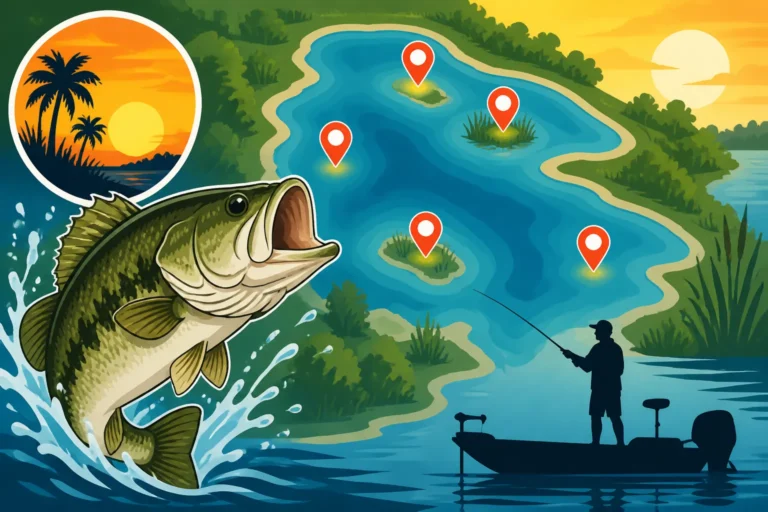
The Everglades backcountry, particularly around Flamingo, is a mosaic of habitats unlike anywhere else. Here, the freshwater sloughs and prairies of the interior slowly merge with the saltwater estuaries of Florida Bay and the Gulf of Mexico. This brackish environment creates a truly diverse ecosystem where you can find species that thrive in both worlds, sometimes in the same cast! Imagine sight-casting to a snook in a shallow creek, only to find a largemouth bass lurking just around the bend in slightly fresher water. It's this wild, untamed nature, the feeling of being truly remote, that draws anglers seeking a different kind of challenge and reward. The vastness means you can often go hours without seeing another boat, offering a profound sense of solitude that's a rare commodity in today's busy world.
Distinguishing Flamingo from Other Florida Spots
So, what truly sets Flamingo apart from, say, the bustling fishing grounds of the Florida Keys or the expansive flats of Tampa Bay? For starters, the landscape itself is dramatically different. Instead of coral reefs or large, open bays, you'll find a labyrinth of mangrove islands, shallow mud flats, and narrow tidal creeks. This intricate network demands a particular approach, often favoring stealth and precision. The fish here are accustomed to a quieter environment, making them more wary but also incredibly rewarding to catch once you've learned their patterns.
Another key differentiator is the blend of fresh and saltwater influence. While the Keys are purely saltwater and most of Central Florida's lakes are pure freshwater, Flamingo sits at the dynamic intersection. This means you might be targeting redfish and snook on the incoming tide, and then later in the day, exploring a freshwater canal for a different thrill. It's not uncommon to fish for the famous "Everglades Slam" – catching a snook, redfish, and tarpon, often along with a largemouth bass, all in a single day. This unique brackish ecosystem makes it a true angler's paradise for those seeking diversity and a genuine wilderness experience. It's definitely a place where understanding the local nuances for a "sight fishing technique for shallow flats" will pay off huge.
Essential Rules and Regulations for Fishing in Flamingo
Fishing in a National Park adds an extra layer of responsibility and regulation that you might not encounter in other Florida fishing spots. It's not just about knowing your "Florida Fishing Regulations and Bag Limits"; you also need to understand the specific rules set forth by the National Park Service (NPS) for Everglades National Park. Ignoring these rules isn't just bad etiquette; it can lead to hefty fines and disruptions to the delicate ecosystem.
National Park Service Regulations vs. FWC Rules
When you're fishing in Flamingo, you're essentially operating under a dual regulatory system. The Florida Fish and Wildlife Conservation Commission (FWC) establishes statewide rules regarding bag limits, size limits, and seasons for various species, whether they're "Florida Snook Fishing Guide" targets or freshwater bass. These FWC regulations are your baseline. However, the National Park Service, as the steward of Everglades National Park, often implements additional or sometimes even more stringent rules to protect the park's unique resources.
For instance, certain areas within the park might be designated as "no-motor zones" to protect sensitive habitats, or there might be specific guidelines on where you can launch a boat or even walk along the shoreline. It's crucial to consult both the FWC regulations (which are easily found on their website) and the official Everglades National Park regulations before your trip. These park-specific rules can cover everything from bait restrictions to idle speed zones, and they are rigorously enforced to preserve this vital national treasure for future generations. Don't assume that just because something is legal outside the park, it's fair game within it.
Fishing Licenses and Permits
Yes, even in the heart of the Everglades, you absolutely need to be properly licensed. The general rule of thumb for any recreational angler is that a valid Florida fishing license is required for anyone over the age of 16. Since Flamingo offers both saltwater and freshwater opportunities, you'll want to make sure you have the appropriate license for the type of fishing you plan to do, or better yet, a combination license. You can find comprehensive details in the "Florida Fishing License Guide".
While you don't typically need a separate park-specific fishing permit for general recreational angling in Flamingo, certain species, like snook or lobster, often require additional endorsements or permits under FWC rules. Always double-check if your target species in the Everglades requires anything beyond your standard fishing license. For example, if you happen upon a snook, you'll need the proper snook permit in addition to your regular saltwater license. The good news is that obtaining a Florida fishing license is quite straightforward, often available online through the FWC's GoOutdoorsFlorida website, or at many local bait and tackle shops.
Protected Species and Areas
The Everglades National Park is a sanctuary, and conservation is paramount. This means that catch-and-release fishing is not just encouraged but often mandated for certain species or within specific areas. Tarpon, for example, are typically considered a catch-and-release species for recreational anglers in Florida, and this holds true within the park. Similarly, species like Goliath grouper and sawfish are federally protected and absolutely cannot be harvested.
Beyond individual species, the park also designates specific areas for enhanced protection. These might include zones where fishing is prohibited entirely, or areas where only catch-and-release is allowed. There are also specific "Florida Fishing Regulations and Bag Limits" for various species that must be adhered to strictly. Understanding these protected zones and species is vital for responsible angling. Always respect posted signs, buoy markers, and any information provided by park rangers. The goal is to minimize human impact and ensure that the delicate balance of this unique ecosystem is maintained. If you're unsure about the status of a particular area or species, err on the side of caution and practice catch-and-release.
Top Fishing Techniques and Species to Target in Flamingo
Fishing in Flamingo isn't about brute force; it's often about finesse, observation, and adaptability. The unique environment of the Everglades backcountry demands specific techniques and offers a thrilling variety of species that will test your angling skills.
Inshore and Backcountry Fishing Strategies
The primary mode of fishing in Flamingo is definitely "Florida Inshore Fishing Techniques," focusing heavily on the backcountry. This means navigating shallow water, often poling or using a trolling motor to move stealthily through mangrove tunnels, along grass flats, and into hidden ponds. Sight fishing is a hugely popular and effective method here. This involves scanning the clear, shallow water for the subtle signs of fish – a nervous wake, a flicking tail, or the distinct shape of a snook or redfish cruising the flats. A good pair of polarized sunglasses is non-negotiable for this.
Light tackle is the name of the game, typically spinning rods or even fly rods. Long, accurate casts are essential to present your bait or lure without spooking wary fish. When it comes to presentation, a subtle approach often yields the best results. Whether you're using live bait or artificials, try to mimic the natural movements of prey in the water. Remember, these fish live in a pristine environment and are often not pressured by heavy boat traffic, making them more sensitive to unnatural movements or sounds. Mastering the art of silent approach and precise casting will dramatically increase your success rate in these pristine waters.
Prized Catches in Flamingo Waters
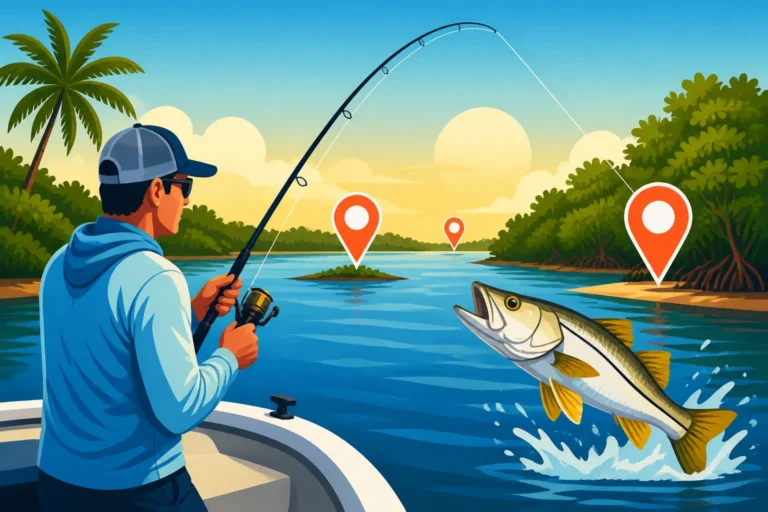
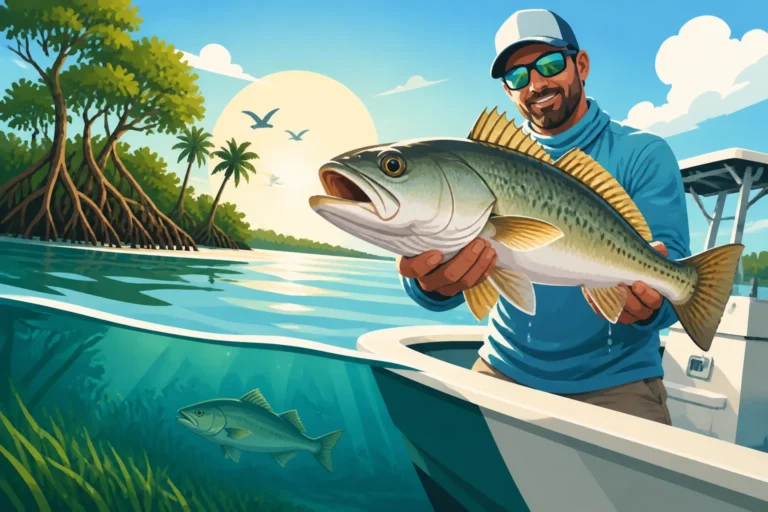
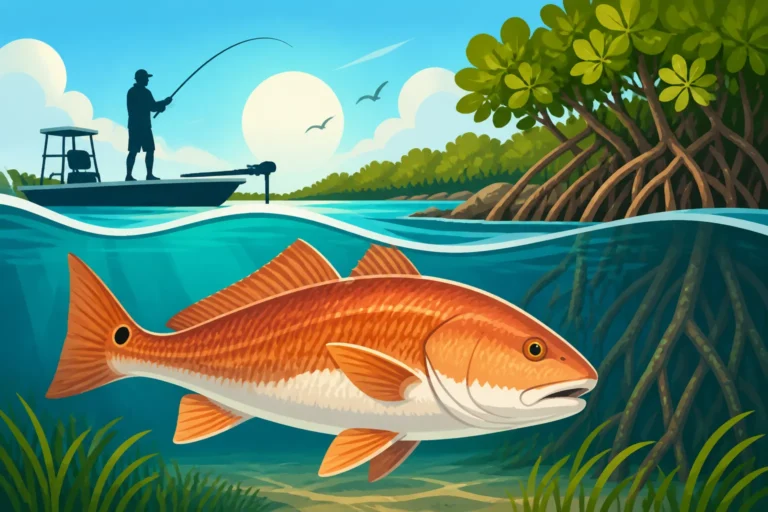
Flamingo is renowned for its incredible diversity, but a few species truly stand out as the prized catches. Top of the list are the snook and redfish. These powerful inshore fighters are abundant in the mangrove estuaries and flats. Snook are famous for their explosive strikes and acrobatic jumps, while redfish offer a strong, stubborn fight that tests your tackle. Many anglers dream of a "Florida Redfish Fishing Guide" kind of day here.
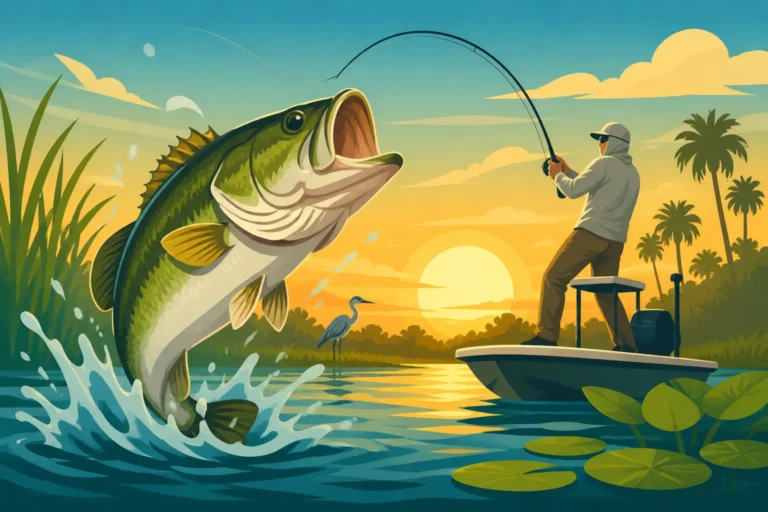
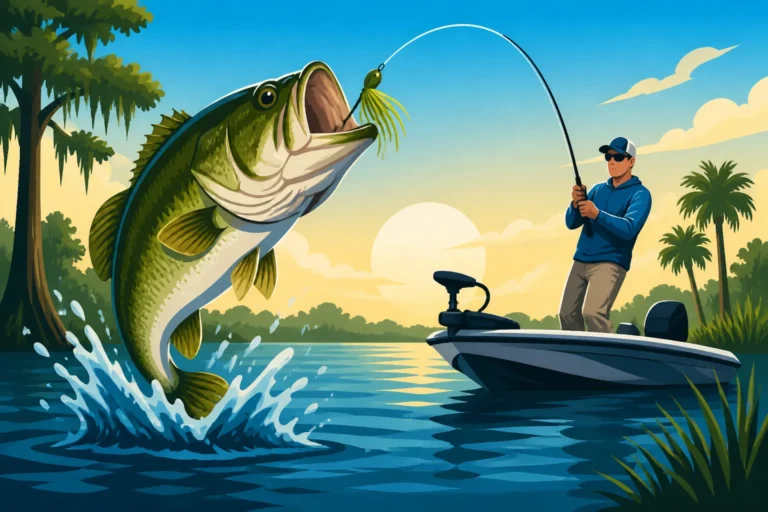
Another highly sought-after species is tarpon. While not always present in massive schools like in the Keys, resident tarpon can be found in the deeper channels and creeks, especially during warmer months. These "silver kings" are legendary for their size and incredible fighting ability. Don't forget the spotted seatrout, which can be found ambushing baitfish over grass flats. And the real wildcard? The largemouth bass. In the interior sections where the water is fresher, you can actually catch quality bass, sometimes just a short distance from where you were catching snook. This unique combination makes Flamingo one of the few places in the world where you can realistically achieve a "Slam" combining saltwater and freshwater trophy fish in a single outing.
Best Baits and Lures for Flamingo
Selecting the right bait or lure is crucial in Flamingo's diverse waters. For live bait enthusiasts, live shrimp and small baitfish like pilchards or mullet are almost universally effective. They mimic the natural food sources that snook, redfish, and trout feed on regularly. Using a simple popping cork rig with a live shrimp can be deadly over grass flats for trout and smaller redfish, while free-lining a pilchard is excellent for targeting larger snook or tarpon along mangrove edges. For specific advice on presentation, check out "Best Bait for Snook Fishing in Florida".
If you prefer artificial lures, soft plastics rigged on jig heads are incredibly versatile. Colors like white, chartreuse, or natural shrimp patterns work well. Twitch baits and topwater plugs are fantastic for snook and redfish, especially during low light conditions or when fish are actively feeding on the surface. For targeting bass in the fresher areas, traditional freshwater lures like plastic worms, spinnerbaits, and topwater frogs can be very effective. It’s always a good idea to bring a variety of options, as fish preferences can change quickly depending on water conditions, time of day, and tidal movements. Many seasoned anglers will tell you that the clearer the water, the more natural and subtle your lure presentation should be.
Planning Your Trip to Flamingo for the Best Fishing Experience
A successful fishing trip to Flamingo requires more than just knowing how to cast a line. The remote nature of the location and the unique Everglades environment mean that thorough planning, from timing to transportation, is absolutely key.
Choosing the Right Time of Year
Flamingo's fishing can be phenomenal year-round, but the type of experience and the species you'll encounter change dramatically with the seasons. Generally, the cooler, drier months from November to April are often considered prime time. During this period, water levels tend to be lower and clearer, making "sight fishing technique for shallow flats" exceptionally productive for snook, redfish, and even resident tarpon. The weather is also more pleasant, with lower humidity and fewer mosquitoes (though they are always present, so be prepared!). This is a great time for a "Florida Tarpon Fishing Season Guide" trip if you're aiming for those silver kings.
However, the warmer, wetter months from May to October can also offer fantastic fishing, especially for tarpon and other migratory species. The trade-off is higher temperatures, increased humidity, and significantly more mosquitoes and other biting insects. Rainfall can also make the water murkier in some areas. It’s crucial to consider the "Best Time of Year to Fish in Florida" based on your target species and tolerance for heat and bugs. Always check weather forecasts and local fishing reports before you go, regardless of the season.
Navigating the Everglades: Boats, Kayaks, and Guides
Flamingo is truly a boater's paradise, but not just any boat will do. Shallow-draft vessels like flats boats, skiffs, or bay boats are essential for navigating the intricate, shallow channels and expansive flats. Deeper V-hull boats simply won't cut it and risk getting stuck or damaging fragile grass beds. Kayaks and canoes are also excellent choices for exploring the even skinnier water and can offer a wonderfully intimate fishing experience, though they require more physical effort. If you don't own a suitable boat, you can rent one from the Flamingo Marina (check availability well in advance!).
For those unfamiliar with the area, hiring a local guide is highly recommended. Everglades National Park is a maze, and a knowledgeable guide will not only put you on fish but also ensure you navigate safely and legally. They understand the tides, the fish movements, and the specific park regulations, making your trip infinitely more productive and enjoyable. Platforms like FishingBooker can be an invaluable resource for finding reputable "Everglades Fishing Guide" services based out of Flamingo or nearby Everglades City. They know the difference between fishing the Ten Thousand Islands and the inner estuaries. While a guide isn't always "Is a Guide Required to Fish the Everglades Backcountry?", it's a huge advantage.
Essential Gear and Supplies
Given the remote nature of Flamingo, being prepared is crucial. Beyond your fishing tackle, here's a checklist of must-have items:
- Sun Protection: Florida sun is no joke, especially on the water. Bring wide-brimmed hats, polarized sunglasses, long-sleeved UPF shirts, and plenty of reef-safe sunscreen.
- Insect Repellent: This is not optional. The mosquitoes and no-see-ums in the Everglades are legendary. Pack strong repellent (with DEET or Picaridin) and possibly a head net, especially if fishing during warmer months or low light.
- Water and Snacks: There are no convenience stores out in the backcountry. Bring more water than you think you'll need, along with plenty of snacks and a packed lunch.
- Navigation Tools: A reliable GPS with up-to-date charts of the area is critical. Cell service can be spotty or non-existent in many parts of the park. Even if you're with a guide, it's smart to have backup navigation.
- First-Aid Kit: For minor cuts, scrapes, and any unexpected bites or stings.
- Rain Gear: Florida weather can change rapidly. A lightweight rain jacket and pants can save your day.
- Trash Bags: Pack out everything you pack in, and perhaps even a little extra. Let's keep the Everglades pristine.
By planning carefully and respecting this incredible environment, your fishing trip to Flamingo in Everglades National Park will undoubtedly be an unforgettable adventure, offering memories and catches that will last a lifetime.
| Target Species | Preferred Habitat | Optimal Conditions | Best Baits/Lures |
|---|---|---|---|
| Snook | Mangrove shorelines, creek mouths, shallow flats | Moving tides, warmer water (not too hot) | Live pilchards/shrimp, soft plastics, topwater |
| Redfish | Shallow grass flats, oyster bars, mud bottom creeks | Incoming/outgoing tides, clear water | Live shrimp/cut bait, spoons, jigs |
| Tarpon | Deeper channels, backcountry lakes, creek junctions | Warmer months, subtle movements | Live mullet/pilchards, large flies, lipped plugs |
| Spotted Seatrout | Grass flats, sandy potholes | Moving tides, cool to mild temperatures | Live shrimp, popping corks, soft plastics |
| Largemouth Bass | Freshwater ponds, canals, tidal creeks in fresher zones | Dawn/dusk, stable weather | Plastic worms, spinnerbaits, crankbaits |
Disclaimer
Always check the latest regulations from the Florida Fish and Wildlife Conservation Commission (FWC) and Everglades National Park before heading out, as rules and seasons can change.