Charlotte Harbor Fishing Guide
Charlotte Harbor is a truly enormous estuary, and for anglers, that vastness can feel both exciting and overwhelming. Trying to figure out where to cast your line, what fish are biting, and how to navigate its intricate network of rivers, bays, and flats can be a real head-scratcher, especially if you're not a local. This guide is here to untangle that complexity, offering a deep dive into successful fishing strategies for one of Florida's most productive waterways.
Why Charlotte Harbor is a Premier Fishing Destination
When you look at Charlotte Harbor on a map, its sheer size immediately impresses. But it's not just the acreage that makes it special; it's the incredibly diverse and rich ecosystem thriving within its boundaries. This isn't just a big body of water; it's a dynamic, interconnected system that supports an incredible array of marine life, making it a dream destination for anglers of all skill levels.
A Vast and Diverse Estuary System
Charlotte Harbor is actually the second-largest open-water estuary in Florida, spanning over 270 square miles. It's fed by several major freshwater rivers, most notably the Peace River and the Myakka River, which bring in nutrient-rich waters that fuel the entire food chain. This mix of fresh and saltwater creates a brackish environment that many species absolutely thrive in. Think about it: you've got everything from shallow grass flats and oyster bars to deep channels, mangrove shorelines, and even artificial reefs scattered throughout. Each of these micro-habitats offers something different for various fish species, and understanding this diversity is key to unlocking its fishing potential. This sprawling nature means you can fish here for a lifetime and still discover new honey holes.
Abundant Baitfish and Healthy Ecosystems
The foundation of any great fishery is a robust baitfish population, and Charlotte Harbor truly delivers. Pilchards, threadfin herring, mullet, and pinfish are just a few of the prolific baitfish species that call these waters home. These small fish, constantly moving with the tides and seasons, provide an endless buffet for the larger predatory game fish we all love to catch. The healthy mangrove forests lining the shores aren't just pretty scenery; they're vital nurseries for juvenile fish and crustaceans, offering shelter and food. Coupled with expansive seagrass beds, which are natural filters and oxygen producers, the harbor boasts an incredibly resilient and productive ecosystem. When you see baitfish showering across the flats, or birds diving, you know the food chain is alive and well, which bodes extremely well for your chances of hooking into a trophy.
Top Fish Species to Target in Charlotte Harbor
One of the most exciting aspects of fishing Charlotte Harbor is the sheer variety of game fish available. You're not just limited to one or two species; depending on the season and your technique, you can target some of the most sought-after inshore and nearshore fish in Florida. This diversity keeps every trip interesting and offers endless opportunities to hone your skills.
Snook The Elusive Fighter
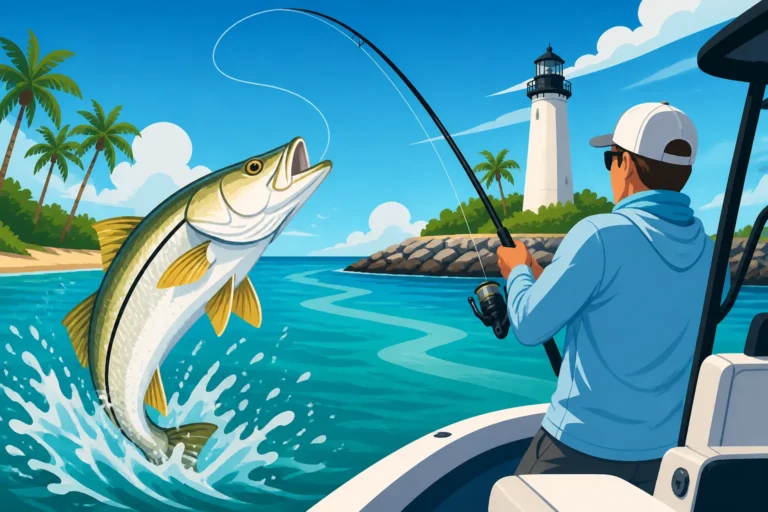
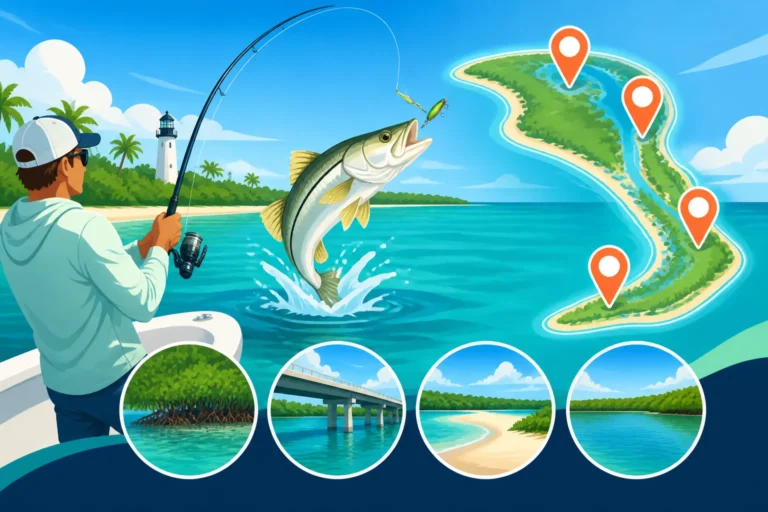
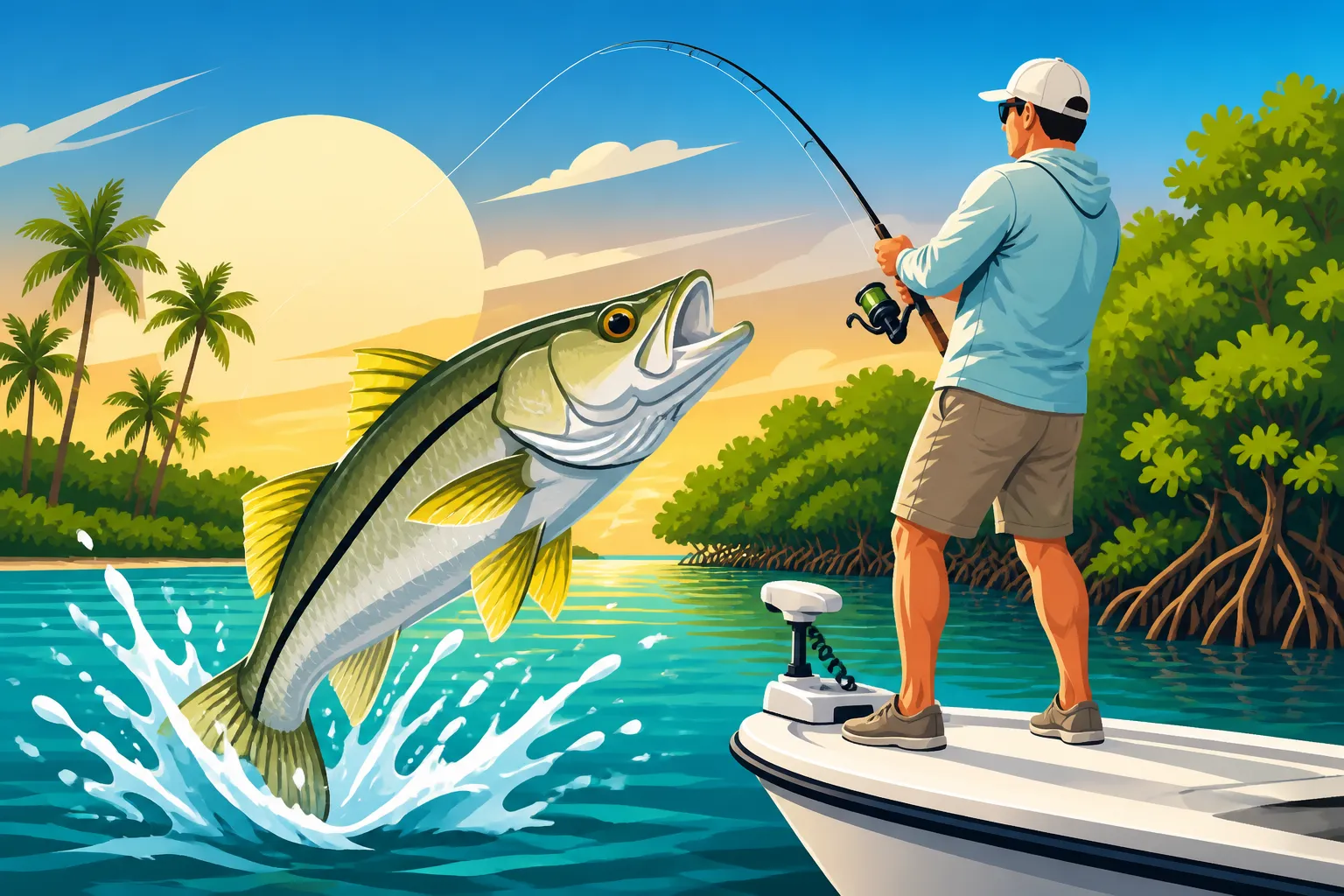
Snook are perhaps the most iconic inshore game fish in Florida, and Charlotte Harbor is absolutely brimming with them. These powerful, intelligent predators are known for their explosive strikes and acrobatic jumps, making every hook-up an adrenaline rush. Snook prefer brackish water, often lurking in mangrove roots, under docks, or along shaded seawalls, waiting to ambush unsuspecting baitfish. Their diet consists primarily of live bait like pilchards, pinfish, or shrimp, but they can be enticed by a well-presented MirrOlure or D.O.A. shrimp.
Understanding their behavior is crucial. Snook are very sensitive to water temperature, becoming sluggish in colder months and more active as the water warms. They also follow tide patterns, moving onto the flats during incoming tides to feed and retreating to deeper channels or creek mouths on outgoing tides. Targeting them with light tackle, braided line, and fluorocarbon leaders can greatly increase your chances, as they have excellent eyesight. Be sure to check the specific Florida Snook Season Guide before heading out, as their season closures vary by region to protect spawning fish.
Redfish The Spot-Tailed Beauties
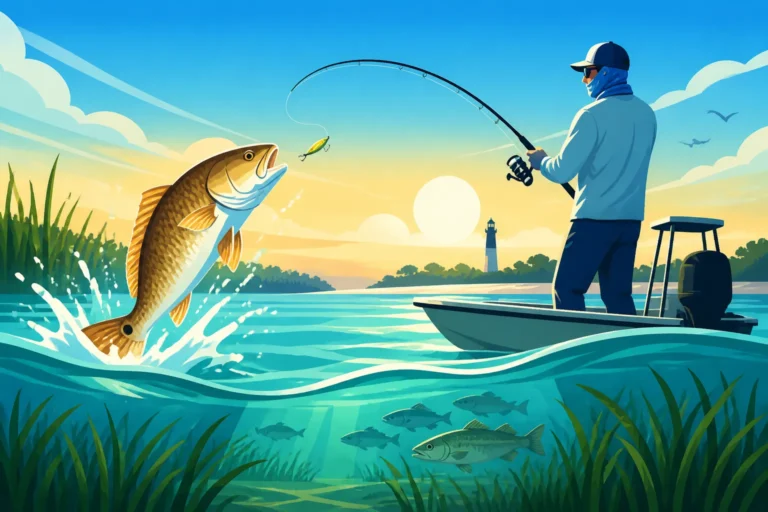
Redfish, easily identifiable by the distinctive black spot (or spots!) on their tail, are another staple of the Charlotte Harbor fishery. These strong, copper-colored fish are a blast to catch, whether you're sight-fishing them tailing on a shallow flat or battling them in a strong current. Redfish are less finicky than snook and will readily eat a variety of baits and lures. They often congregate in schools, particularly during cooler months, making it possible to have multiple hook-ups once you locate a school.
Look for redfish on grass flats, around oyster bars, and in the potholes and cuts within those flats. They use their downturned mouths to root around the bottom for crabs, shrimp, and small baitfish. Live shrimp, cut mullet, or artificial lures like gold spoons, soft plastic jigs, and topwater plugs are all excellent choices. Fly anglers absolutely love targeting redfish on the flats due to their willingness to chase a well-placed fly. Pay close attention to the tides; redfish will push up into very shallow water on high tides to feed, sometimes with their backs completely out of the water, offering fantastic sight-fishing opportunities. Just like snook, there are specific Florida Redfish Size and Bag Limits you need to adhere to.
Tarpon The Silver King
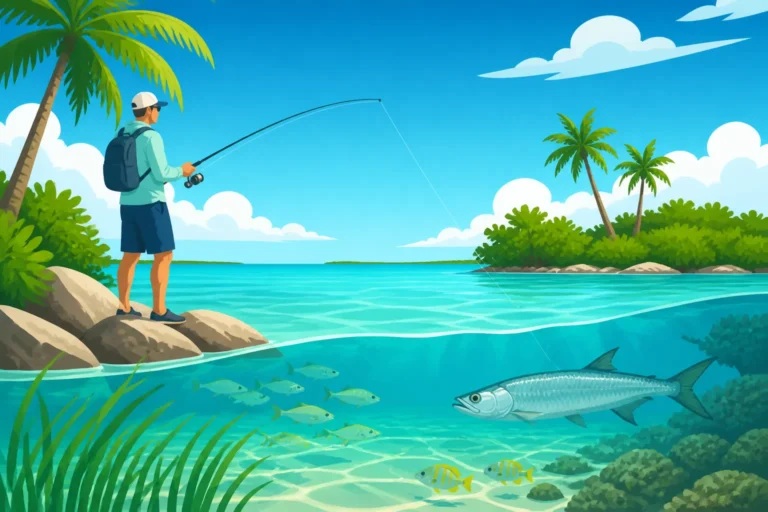
For many, the ultimate challenge in Charlotte Harbor is the mighty Tarpon, affectionately known as the "Silver King." These magnificent fish, reaching sizes well over 100 pounds, migrate through the harbor in impressive numbers, especially during the spring and summer months. Hooking into a tarpon is an experience unlike any other, characterized by long, powerful runs and spectacular aerial acrobatics. They are notoriously difficult to keep hooked due to their hard, bony mouths and violent head shakes.
Tarpon fishing is a specialized pursuit, often requiring heavier tackle and specific techniques. Live bait, such as threadfin herring, mullet, or crabs, drifted in passes like Boca Grande Pass or along deep channels, is a popular method. Fly fishing for tarpon on the flats of Pine Island Sound or Gasparilla Sound is also incredibly popular, though it demands a high level of skill and patience. The annual Florida Tarpon Migration Timing is a highly anticipated event, drawing anglers from around the world to Charlotte Harbor. It's important to remember that tarpon are a protected catch-and-release species in Florida, so proper handling and release techniques are paramount.
Spotted Seatrout The Everyday Delight
If you're looking for consistent action and a delicious meal, spotted seatrout are your go-to in Charlotte Harbor. These beautiful fish, with their iridescent bodies and distinctive spots, are abundant throughout the estuary and can be caught year-round. While they don't fight as hard as snook or tarpon, they offer steady entertainment and are perfect for anglers of all experience levels, including families with kids.
Seatrout prefer grassy areas, often found schooling over expansive seagrass beds where they ambush baitfish and shrimp. They are voracious eaters and respond well to a wide range of baits and lures. Live shrimp under a popping cork is a classic and highly effective method. Soft plastic jigs, suspending twitch baits, and topwater lures can also produce fantastic results, especially during low light conditions. The early morning or late evening bite over a healthy grass flat can be absolutely incredible. Finding the right grass flat, especially those with good tidal flow, is often the key to locating a school of hungry trout.
Best Fishing Spots in Charlotte Harbor
Charlotte Harbor is a massive area, so knowing where to focus your efforts is critical. It's not just one big fishing spot, but a collection of interconnected bays, rivers, and passes, each with its own character and prime targets.
Boca Grande Pass
When it comes to legendary fishing spots in Florida, Boca Grande Pass stands out, especially for tarpon. Located at the southern end of Gasparilla Island, it's one of the deepest natural passes in Florida, acting as a major migratory highway for tarpon. During the peak tarpon season from April to July, the pass becomes a spectacle, with hundreds of boats vying for a chance to hook into a Silver King.
Beyond tarpon, Boca Grande Pass also holds large schools of Spanish mackerel, king mackerel, and cobia at various times of the year. The strong currents and deep waters create a rich feeding ground. Even outside of tarpon season, the surrounding waters offer excellent fishing for snook and redfish, particularly along the edges of the pass and in the adjacent backcountry areas. Due to its popularity, especially during tarpon season, patience and good boat etiquette are essential when fishing Boca Grande Pass. Always be mindful of other anglers and respect local regulations.
Pine Island Sound
To the south of Charlotte Harbor proper lies Pine Island Sound, a vast expanse of shallow, clear water dotted with hundreds of mangrove islands and oyster bars. This entire area is an inshore angler's paradise, offering incredible opportunities for snook, redfish, and spotted seatrout. The intricate network of islands provides endless ambush points and shelter for game fish, making it perfect for sight-fishing.
Fishing Pine Island Sound often involves navigating skinny water, so a shallow-draft boat or a kayak is ideal. Anglers often pole their boats quietly across the flats, looking for signs of feeding fish or cruising predators. The eastern side of the sound, near Matlacha and Bokeelia, is particularly productive, with numerous creeks and channels that funnel baitfish. During colder months, the deeper channels within the sound can hold large schools of redfish and trout. The abundance of mangroves also means you'll find plenty of juvenile snook and redfish tucked away, growing into future trophies. Exploring these areas on your own can be rewarding, but if you're new to the area, a local guide found on a platform like FishingBooker can help you navigate the labyrinthine waterways safely and effectively.
The Peace and Myakka Rivers
While Charlotte Harbor is primarily known for its saltwater species, its two main freshwater arteries, the Peace River and the Myakka River, offer fantastic brackish and freshwater fishing opportunities. As these rivers wind their way towards the harbor, the water gradually transitions from fresh to salty, creating unique zones where you can find a mix of species.
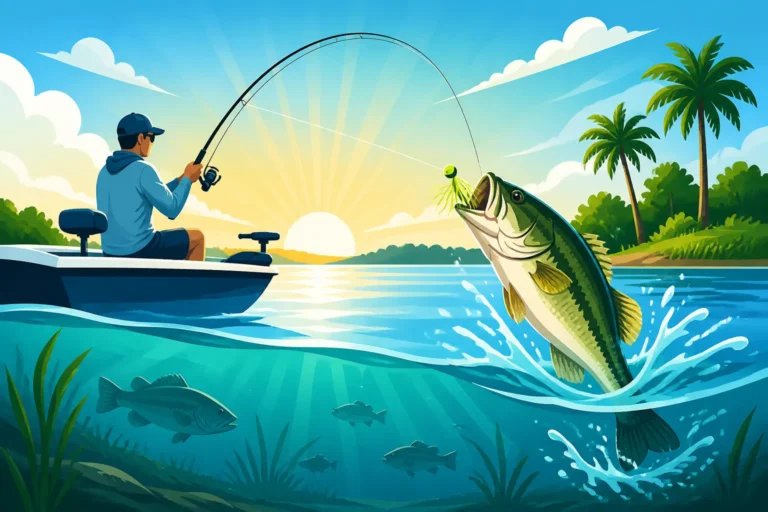
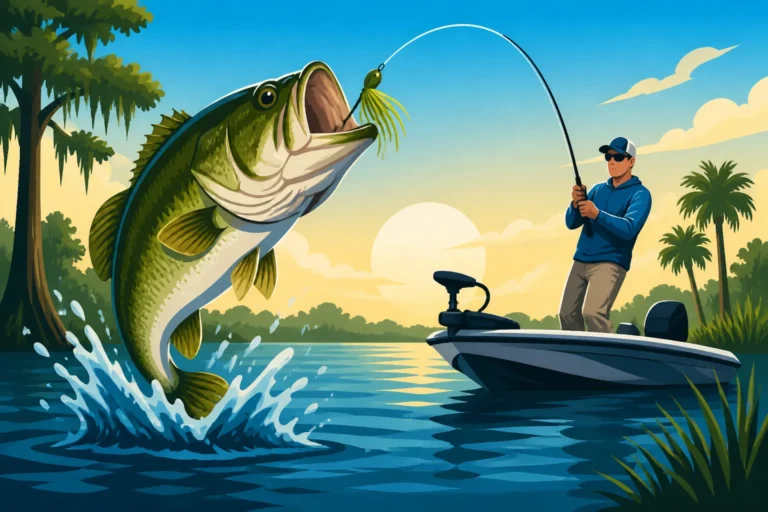
In the upper reaches, you'll find classic freshwater species like largemouth bass, bluegill, and catfish. As you move downstream, toward cities like Port Charlotte and Punta Gorda, the water becomes more brackish, and you'll start encountering snook, redfish, and even occasional tarpon. These rivers are excellent choices during cooler weather when inshore species seek warmer, deeper water, or after a strong cold front when they move further upstream. Fishing around fallen trees, creek mouths, and deeper bends can be highly productive. The banks of the rivers also offer good access for shore anglers, especially in public parks.
Gasparilla Sound and Placida
Gasparilla Sound, located on the northern side of Boca Grande Pass, offers a similar but often less crowded experience compared to its southern counterpart. This area is characterized by vast grass flats, oyster bars, and deeper channels, making it a prime location for snook, redfish, and trout. The protection offered by Gasparilla Island and the barrier islands helps create calmer waters, ideal for sight-fishing on clear days.
Anglers often target the edges of the seagrass beds, focusing on areas with good current flow, especially during tide changes. The numerous small islands and mangrove shorelines provide excellent cover. Placida, a charming fishing village on the mainland side of Gasparilla Sound, serves as a great launch point for exploring these waters. The "backcountry" areas behind Gasparilla Island are legendary for their snook and redfish populations, particularly during the cooler months when these fish seek refuge in the shallower, warmer water. It's a great place to experience the solitude and beauty of Florida's inshore fishing while still having access to incredible fishing action.
Essential Techniques and Tackle for Charlotte Harbor
To truly succeed in Charlotte Harbor, it's not enough to just know where to go; you also need the right tools and strategies. The varied environment demands a versatile approach, from selecting the right rod and reel to understanding how to present your bait effectively.
Rods, Reels, and Line Selection
For general inshore fishing in Charlotte Harbor, a medium-light to medium-heavy spinning rod, typically 7 to 7.5 feet in length, paired with a 2500 to 4000 series spinning reel, is a fantastic all-around setup. This combination offers the versatility to cast lighter baits and lures while still having enough backbone to handle a powerful snook or redfish. Brands like Penn and Shimano are popular choices among local anglers for their durability and smooth drags.
For your main line, braided line is almost universally preferred due to its incredible strength-to-diameter ratio, sensitivity, and casting distance. A 10-20 lb test braided line is usually sufficient for most inshore species. Crucially, you'll need to tie on a fluorocarbon leader. Fluorocarbon is nearly invisible underwater, extremely abrasion-resistant (a must when fishing around oyster bars and mangroves), and offers excellent knot strength. A 20-40 lb test fluorocarbon leader, typically 2-4 feet long, is standard. For heavier species like tarpon, you'll want to step up to a much stronger setup, often 60-80 lb leader and matching rod/reel, like a stout conventional reel.
Live Bait vs. Artificial Lures
This is a perennial debate among anglers, and in Charlotte Harbor, both have their time and place.
Live Bait: There's no denying the effectiveness of live bait, especially for finicky snook and large redfish. Live pilchards, threadfin herring, pinfish, and shrimp are the gold standard. You can either catch your own with a cast net, which is a fantastic skill to learn and practice in Charlotte Harbor's plentiful baitfish grounds, or purchase them from local bait shops. Presenting live bait naturally, either free-lined with a small circle hook or under a popping cork, often yields the best results. Live bait is particularly effective when fish are less active, such as after a cold front or in heavily pressured areas.
Artificial Lures: For anglers who prefer to "work" their bait, artificial lures offer incredible versatility and efficiency. Soft plastic paddletails and jerkbaits rigged on jig heads are incredibly effective for trout, redfish, and snook. Topwater plugs are exhilarating, drawing explosive strikes from snook and redfish during low light conditions. Gold spoons are a classic for redfish. Suspending twitch baits, like the MirrOlure MirrOdine, are deadly for snook and trout. The key with artificials is matching the hatch – using lures that mimic the local baitfish in size, shape, and color. Experimentation is key, and don't be afraid to try different retrieves until you find what triggers a bite.
Reading the Tides and Water Conditions
Charlotte Harbor is a tidal estuary, and understanding the tides is perhaps the most critical factor for consistent success. Fish behavior is heavily influenced by the movement of water.
Tidal Flow: Incoming and outgoing tides create current, which concentrates baitfish and makes predatory species more active. The period around the middle of a moving tide is often the most productive. Strong outgoing tides will pull bait out of mangrove creeks and off the flats, often concentrating game fish at choke points like creek mouths or channel edges. Incoming tides allow fish to push onto shallow flats to feed. Understanding Best Tides for Inshore Fishing in Florida will dramatically improve your catch rate.
Water Clarity: Water clarity can vary greatly depending on recent rainfall, winds, and boat traffic. Generally, clearer water calls for more subtle presentations, lighter leaders, and natural-colored baits. In murky water, scents, vibrations, and brighter, more contrasting lure colors can be more effective. After heavy rains, the freshwater influx can push saltwater species further downstream or into deeper channels. Paying attention to these conditions and adjusting your approach accordingly is what separates successful anglers from those who struggle.
Here's a quick reference for some top species and optimal conditions:
| Species | Preferred Habitat | Best Season | Ideal Tide | Common Baits/Lures | Key Feature |
|---|---|---|---|---|---|
| Snook | Mangroves, Docks, Channel Edges | Spring, Summer, Fall | Moving Tide | Pilchards, Shrimp, Topwater | Explosive Fights |
| Redfish | Grass Flats, Oyster Bars, Potholes | Year-Round | Moving Tide | Shrimp, Cut Bait, Jigs | Tailing on Flats |
| Tarpon | Deep Passes, Channels, Open Bays | Spring, Summer | Moving Tide | Crabs, Mullet, Fly | Aerial Jumps |
| Spotted Seatrout | Seagrass Beds, Sandy Pockets | Year-Round | Moving Tide | Live Shrimp, Soft Plastics | Consistent Action |
Navigating Regulations and Seasons in Charlotte Harbor
Fishing in Florida is a privilege, and with that comes the responsibility of adhering to regulations. Charlotte Harbor is no exception. Ignoring these rules can lead to hefty fines, conservation impacts, and a ruined day on the water. It’s crucial to stay informed, as regulations can change.
Understanding Florida Fishing Licenses
Before you even think about casting a line, ensure you have the proper licensing. In Florida, a recreational fishing license is generally required for anyone 16 years of age or older. This applies to both residents and non-residents. The type of license you need depends on whether you're fishing in freshwater or saltwater, or both. Since Charlotte Harbor is a brackish estuary, often hosting both freshwater and saltwater species, a combination license is usually the most practical choice.
There are various options available, from annual licenses to multi-year and even short-term licenses for visitors. You can easily purchase a license online through the Florida Fish and Wildlife Conservation Commission (FWC) website, at a local tackle shop, or a county tax collector's office. Make sure to understand the specific Florida Fishing License Guide relevant to your residency status and the waters you plan to fish. Remember, even if you’re only fishing from shore or a pier, a license is typically required unless you're on a free fishing pier or during a designated Florida Free Fishing Days. Don't risk a fine by assuming you're exempt!
Species-Specific Regulations and Seasons
Beyond the general fishing license, many popular species in Charlotte Harbor have their own specific regulations regarding size limits, bag limits (how many you can keep), and open/closed seasons. These rules are put in place by the FWC to ensure sustainable fishing practices and protect fish populations, especially during critical spawning periods.
- Snook: Snook have strict slot limits (a minimum and maximum size you can keep) and regional closed seasons, particularly during colder months and peak spawning times.
- Redfish: Redfish also have slot limits and bag limits, with specific rules for different management zones in Florida.
- Tarpon: Tarpon are strictly catch-and-release only, with special provisions for purchasing a tag if you intend to keep a state record fish (which is extremely rare and discouraged).
- Gag Grouper: While primarily an offshore species, gag grouper can sometimes be found in the deeper areas of the harbor, especially during cooler months. They have their own strict season dates and size limits.
- Spotted Seatrout: These are generally more lenient, but still have size and bag limits to protect the population.
It's your responsibility as an angler to know and follow these rules. The FWC website and app are excellent resources for the most up-to-date regulations. Always double-check before you head out, especially if you plan to keep any fish for dinner.
Ethical Angling and Conservation
Beyond simply following the rules, practicing ethical angling is vital for maintaining the health of Charlotte Harbor's fishery. This includes proper catch-and-release techniques, especially for vulnerable species like tarpon and snook, or any fish you don't intend to keep. Use appropriate tackle to minimize stress on the fish, avoid over-fighting them, and handle them carefully with wet hands or a proper fish gripper.
Consider using circle hooks when fishing with natural bait, as they significantly reduce gut-hooking, leading to higher survival rates for released fish. Be mindful of your impact on the environment: properly dispose of trash, avoid damaging seagrass beds with your propeller, and respect wildlife. The fees from your How Florida Fishing License Fees Fund Conservation are reinvested into habitat protection and fisheries management, so your purchase directly supports the health of these waters. By being a responsible steward, you help ensure that Charlotte Harbor remains a fantastic fishing destination for generations to come.
Hiring a Local Guide for Charlotte Harbor
Charlotte Harbor is immense and complex. While exploring on your own is part of the adventure, for many, especially those new to the area or targeting specific species, hiring a local fishing guide can transform a potentially frustrating day into an incredibly successful and educational experience.
Benefits of Fishing with a Local Expert
Think of a local guide as your shortcut to success. They spend hundreds of days a year on these waters, intimately familiar with every oyster bar, every channel marker, every subtle depth change, and every current rip. They know where the fish are hiding based on the tides, the season, the weather, and even the time of day. This knowledge is invaluable, saving you countless hours of trial and error.
Beyond simply finding fish, a good guide will provide all the necessary gear, bait, and tackle, perfectly matched to the conditions and target species. This means you don't have to worry about bringing your own extensive setup or figuring out what bait works best. They'll also ensure you're fishing legally, always aware of the latest regulations and size limits. For newcomers, a guide provides hands-on instruction, teaching casting techniques, bait presentation, and how to properly fight and release fish. It’s an immersive learning experience that accelerates your own angling skills. Many guides are also fantastic storytellers, adding to the overall enjoyment of the trip. If you're pondering whether to book one, exploring options on platforms like FishingBooker can give you a clear overview of available captains and their specialties.
Types of Charters and What to Expect
Charlotte Harbor offers a variety of charter options to suit different preferences and budgets.
Inshore Flats Charters: These are often the most popular for Charlotte Harbor. You'll typically be on a shallow-draft flats boat, designed to access the skinny water where snook, redfish, and trout feed. These trips are highly interactive, often involving sight-fishing. Expect lighter tackle, live bait, and artificial lures. A typical inshore charter will usually take 1-3 anglers for a half-day (4 hours) or full-day (8 hours).
Nearshore/Gulf Charters: While primarily known for inshore, Charlotte Harbor's proximity to the Gulf of Mexico means you can also book charters that venture out to nearshore reefs and wrecks. Here, you might target gag grouper, snapper, or even king mackerel. These trips usually involve heavier tackle and can be subject to more variable sea conditions.
Tarpon Charters: During the spring and summer, dedicated tarpon charters become the focus. These guides specialize in tracking the migratory tarpon in Boca Grande Pass and the surrounding areas. These trips are highly sought after and often book up far in advance, sometimes a year or more out. They typically run for a half or full day, focusing solely on the "Silver King."
When booking any charter, confirm what's included (license, bait, tackle, cooler space) and what you should bring (sunscreen, hat, sunglasses, snacks, drinks). Always discuss your target species and expectations with the captain beforehand to ensure you're on the same page. Also, be sure to understand Tipping Etiquette for Florida Fishing Guides as it's a significant part of their income.
Finding the Right Charlotte Harbor Guide
With so many guides operating in Charlotte Harbor, choosing the right one can feel a bit daunting. Start by thinking about what you want to catch and what kind of experience you're looking for. Do you want to aggressively chase tarpon, or gently sight-fish for redfish on the flats, or just enjoy a relaxing day catching trout with the family?
Once you have a target, look for guides who specialize in that area or species. Reading reviews and testimonials is crucial. Platforms like FishingBooker allow you to browse numerous local captains, read detailed profiles, see photos of their catches, and check their availability. You can filter by species, boat type, trip duration, and even read what previous clients have to say about their experience. Don't hesitate to call potential guides to chat about your trip. A good guide will be happy to answer your questions and help you decide if they're the right fit for your angling adventure in Charlotte Harbor.
Disclaimer
Please remember that fishing regulations, seasons, and licensing requirements in Florida are subject to change. Always consult the official Florida Fish and Wildlife Conservation Commission (FWC) website or app for the most current and accurate information before planning your fishing trip. This guide is for informational purposes only and should not be considered a substitute for official FWC guidelines.