Fishing Lake Monroe on the St. Johns River
Figuring out where to start when you're looking to fish a new spot in Florida can feel like a real puzzle. You've heard about the St. Johns River, maybe even Lake Monroe specifically, and the thought of reeling in some impressive catches is exciting. But how do you navigate its unique waters, know what to target, and what gear to even bring? This guide will cut through the confusion and give you the lowdown on successfully fishing Lake Monroe, helping you make the most of your time on this beautiful part of the St. Johns River.
Understanding Lake Monroe's Unique Fishery
Lake Monroe, nestled in Central Florida and fed by the majestic St. Johns River, is a truly remarkable body of water. It's not your typical small, quiet lake; it's a dynamic, expansive system that offers a diverse fishing experience, but also presents its own set of challenges. Knowing a bit about its geography and what species call it home is the first step to a successful outing.
Geography and Ecosystem Dynamics
Lake Monroe is one of the larger lakes along the St. Johns River, covering about 9,400 acres. It's situated directly on the main stem of the river, meaning it experiences the ebbs and flows and even the tides of the St. Johns, which eventually makes its way to the Atlantic Ocean. This connection gives Monroe a fascinating characteristic: while primarily a freshwater lake, it can sometimes experience a slight brackish influence, especially during dry seasons when saltwater intrusion from the ocean is more pronounced further downstream. However, for all intents and purposes, it fishes like a robust freshwater lake.
The lake itself is relatively shallow, with an average depth of around 8-10 feet, though some deeper channels exist, particularly in the old riverbed. Its bottom composition is a mix of mud, sand, and shell, often covered with submerged vegetation like hydrilla, eelgrass, and lily pads. These aquatic plants are crucial for fish habitat, providing cover, food sources, and spawning grounds. The shoreline is varied, with developed areas around Sanford, Florida, and more natural stretches of cypress trees and marsh grasses. The river flows in from the south and exits to the north, creating current patterns that concentrate baitfish and, consequently, game fish. Understanding these currents, especially around the mouth of the river entering and exiting the lake, can be a game-changer for finding active fish.
Primary Target Species
When you hit Lake Monroe, you're primarily thinking about a few key freshwater species that thrive in its rich waters. While the St. Johns River system is vast and diverse, Monroe is particularly known for these:
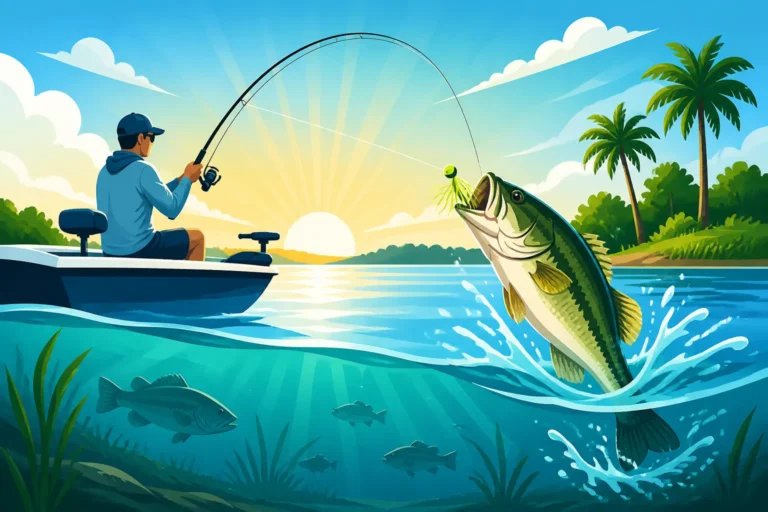
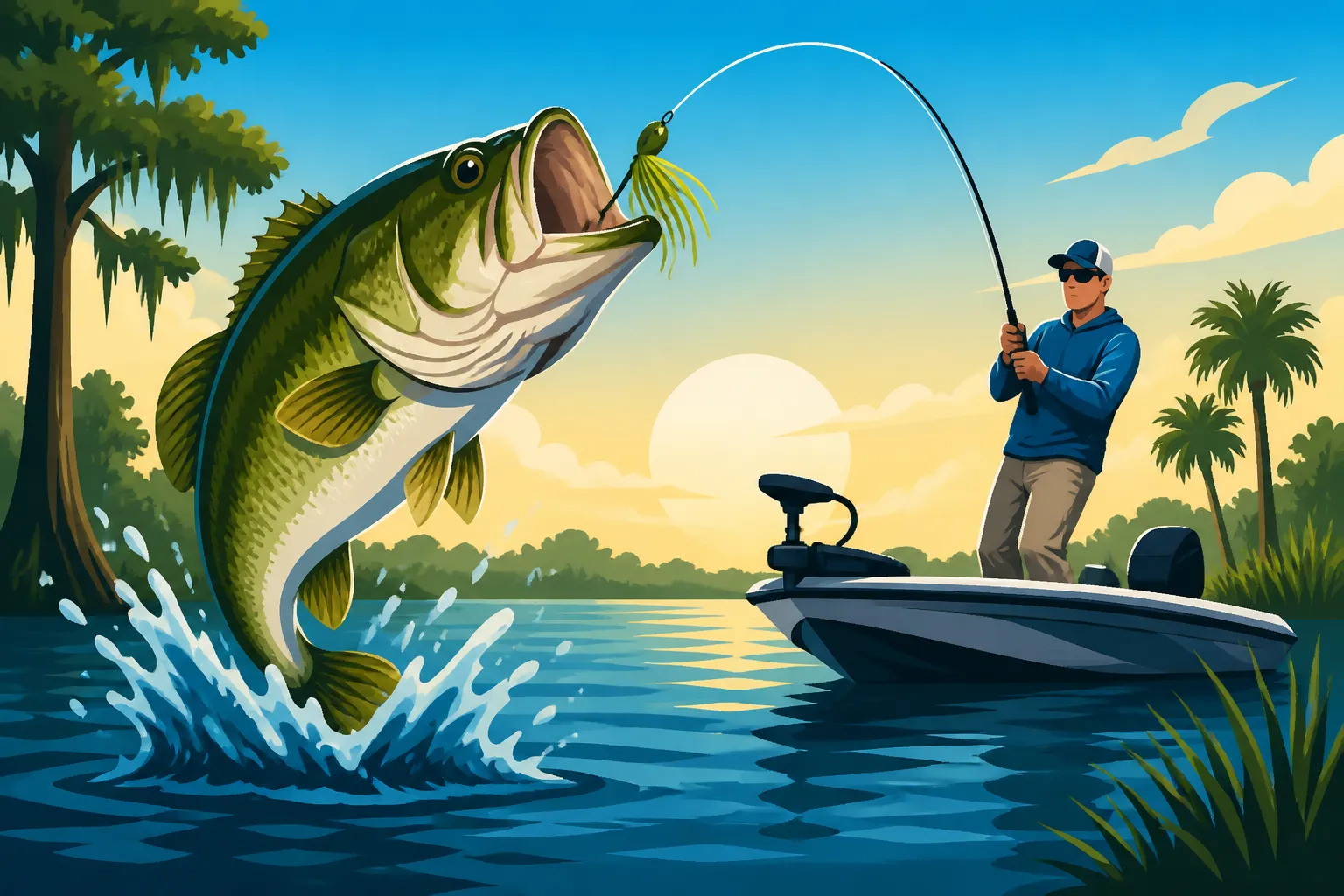
- Largemouth Bass: This is arguably the most sought-after species in Lake Monroe. The lake's abundant vegetation, baitfish populations (like shiners and shad), and connection to the larger river system provide an ideal environment for bass to grow to impressive sizes. You'll find them holding tight to hydrilla beds, lily pads, cypress knees, and submerged structures. If you're passionate about landing a trophy, checking out a comprehensive guide like the Florida Largemouth Bass Fishing Guide can give you the edge you need.
- Black Crappie (Speckled Perch): Lake Monroe is a phenomenal crappie fishery, especially during the cooler months. These schooling fish congregate in deeper channels, around submerged brush piles, and under docks and bridges. They're a favorite among anglers for their delicious taste and the sheer numbers you can sometimes catch. For those looking to fill a cooler, understanding the Florida Crappie Fishing Guide can be incredibly helpful.
- Bluegill and Other Bream: The lake is teeming with various panfish, including bluegill, redear sunfish (shellcrackers), and warmouth. These smaller, feisty fish are abundant, easy to catch, and provide excellent action, making them perfect for family outings or beginners. They're often found in shallower vegetated areas and around shoreline structure. If you're looking for a relaxing day of consistent bites, delve into the Florida Bluegill and Bream Fishing Guide.
- Catfish: Channel catfish and the occasional blue catfish are also prevalent in Lake Monroe. They prefer the deeper, muddier bottoms and river channels, feeding on baitfish, crustaceans, and anything else they can scavenge. They're a great target for bottom fishing, especially after a good rain.
While the St. Johns River further downstream might offer opportunities for brackish water species like redfish and snook, Lake Monroe itself is predominantly a freshwater haven, so focus your efforts on these prime freshwater targets.
Best Fishing Techniques and Seasons for Lake Monroe
Successfully fishing Lake Monroe means adapting your approach to the seasons and understanding what baits and techniques work best for the target species. The dynamic nature of the St. Johns River system influences fish behavior significantly, so what works in spring might not be as effective in summer.
Seasonal Fishing Strategies
Florida's fishing seasons are less about dramatic temperature shifts and more about subtle changes that trigger spawning patterns and feeding frenzies. Knowing when and where to find fish throughout the year is crucial. You might find our general Florida Fishing Seasons Explained helpful in conjunction with these Lake Monroe specifics.
- Spring (March – May): This is prime time for many species, especially largemouth bass. As water temperatures rise into the 60s and 70s Fahrenheit, bass move into shallow, vegetated areas for their spawn. Look for them around lily pads, hydrilla beds, and cypress trees. Crappie fishing remains strong early in spring, gradually tapering off as waters get warmer. Panfish are also very active.
- Bass: Focus on flipping and pitching jigs, creature baits, or Texas-rigged worms into heavy cover. Topwater lures can be incredibly exciting during early mornings and late evenings.
- Crappie: Use small jigs (1/16 to 1/8 oz) tipped with minnows or soft plastics, fished under a bobber or trolled slowly in deeper areas or channels.
- Summer (June – August): The heat ramps up, pushing fish into deeper, cooler waters or shaded cover during the day. Early mornings and late evenings become the most productive times. Thunderstorms are common, often sparking a bite before or after they roll through.
- Bass: Look for them in deeper hydrilla lines, under docks, or in the main river channel. Crankbaits, deep-diving swimbaits, and Carolina-rigged worms can be effective. Early morning topwater bite is still on.
- Crappie: They'll be harder to find as they move to deeper, more open water or very dense cover. Trolling or spider-rigging with minnows in the river channel can sometimes produce results.
- Catfish: Summer is excellent for catfish, as they're active in the warmer water. Target them on the bottom in deeper holes with cut bait or stink baits.
- Fall (September – November): As temperatures cool slightly, fish become more active again, feeding heavily to prepare for winter. This can be another fantastic time, particularly for bass.
- Bass: They'll often school up and chase baitfish, especially in open water near the river channel. Spinnerbaits, swimbaits, and lipless crankbaits can be very effective as they hunt. Also, check around structure.
- Crappie: They start to become more active as water cools, moving into more accessible depths. Look for them in brush piles and channel edges.
- Winter (December – February): While Florida winters are mild, the water does cool down, slowing down the metabolism of many fish. However, this is prime crappie season in Lake Monroe! Bass fishing can be slower but offers chances for truly large fish.
- Bass: They tend to hold tight to cover in deeper areas, often near vertical structure or channels. Slow-moving baits like jigs, jerkbaits, and large shiners are effective.
- Crappie: This is the time to shine for crappie anglers. They school up in large numbers, often suspended in the deeper river channels or around bridge pilings. Trolling jigs and minnows, or vertical jigging, can lead to incredible hauls.
- Understanding the Best Time of Day to Fish in Florida can also significantly improve your winter fishing success, especially for species that might be less active.
Effective Baits and Lures
Choosing the right bait or lure is paramount to hooking into Lake Monroe's resident fish. It often comes down to what the fish are feeding on naturally and what presents the most enticing meal.
- Live Bait:
- Wild Shiners: For trophy largemouth bass, wild shiners are king. Free-lined or fished under a float around heavy cover, they're irresistible to big bass.
- Minnows: Essential for crappie fishing. Small minnows fished under a bobber or slow-trolled are deadly.
- Worms: Earthworms and nightcrawlers are excellent for panfish (bluegill, shellcrackers) and catfish.
- Cut Bait: For catfish, pieces of shad, mullet, or even hot dogs can be highly effective when fished on the bottom.
- Artificial Lures: For bass, the options are vast, and you can delve deeper with a guide like Best Lures for Florida Bass Fishing.
- Soft Plastics: Senkos, worms (Texas-rigged or Carolina-rigged), creature baits, and swimbaits are versatile and effective year-round. Green pumpkin, black and blue, junebug, and watermelon red are popular colors.
- Jigs: Flipping and pitching jigs into heavy cover is a go-to technique for bass. Small marabou or curly-tail jigs are fantastic for crappie.
- Crankbaits: Lipless crankbaits are great for covering water and targeting schooling bass. Squarebill crankbaits work well around shallow cover, while deep-diving models are for deeper channels.
- Topwater Lures: Poppers, walk-the-dog lures, and frogs create exciting surface strikes, especially during low-light conditions or over matted vegetation.
- Spinnerbaits & Chatterbaits: Excellent for covering water, especially in fall, or when bass are aggressive.
Popular Fishing Methods
When you're out on Lake Monroe, you'll see a variety of approaches. Here are some of the most popular and effective methods:
- Flipping and Pitching: This is a close-quarters combat technique for bass, where you accurately present a bait (usually a jig or soft plastic) into dense cover like hydrilla mats, lily pads, or cypress trees. It requires precision and stealth. You can learn more about specific techniques in a resource like Florida Bass Fishing Techniques.
- Trolling: Very effective for crappie, especially in open water or along channel edges. Anglers use multiple rods with small jigs or minnows, slowly moving the boat to cover ground and find schools. This can also be done for bass with crankbaits in certain situations.
- Casting: General casting with a variety of lures, from spinnerbaits to soft plastics, is a fundamental technique for covering expansive areas and targeting bass that might be holding in less dense cover or cruising edges.
- Bottom Fishing: The preferred method for catfish and often panfish. A simple weight and hook rig, baited with worms or cut bait, cast to deeper holes or channel edges.
- Drift Fishing: Letting your boat drift with the current or wind, presenting baits as you move, can be a great way to cover water and locate active schools of crappie or even bass.
Navigating and Accessing Lake Monroe
Getting onto Lake Monroe is generally straightforward, but knowing the best access points and options for fishing from shore or with a kayak can make your trip much smoother. The infrastructure around Sanford is quite angler-friendly, providing several convenient spots.
Boat Ramps and Access Points
If you're bringing your own boat, you'll find excellent public ramps around Lake Monroe. These are well-maintained and offer ample parking, making for a stress-free launch.
- Lake Monroe Boat Ramp (Sanford, FL): This is one of the most popular and well-equipped ramps. Located right off US-17/92 on the south side of the lake, it offers multiple launching lanes, plenty of parking, and easy access to the main lake basin and the St. Johns River. It's a fantastic starting point for any boat angler.
- Mullet Lake Park Boat Ramp (Sanford, FL): A bit further south, this ramp provides access to Mullet Lake, which is connected to Lake Monroe by a navigable channel. It's a quieter option and can be a good staging point for fishing the southern end of Monroe or the river flowing in.
- Crows Bluff Public Boat Ramp (DeBary, FL): On the north side of the lake, this ramp offers another excellent point of entry, particularly for those coming from the Volusia County side. It gives good access to the northern end of Monroe and the St. Johns River as it flows out towards Lake Jessup.
Always double-check local conditions and any potential fees before you head out. These ramps are generally well-lit and accessible, but busy days, especially weekends, can see them crowded.
Shoreline and Kayak Fishing Opportunities
Even if you don't have a big bass boat, Lake Monroe offers great chances to wet a line from shore or a paddlecraft.
- Sanford Riverwalk: The beautiful Riverwalk in Sanford offers numerous spots where you can cast a line directly into the lake. You'll often see anglers enjoying the views while targeting panfish and catfish. While not ideal for covering vast distances, it's a very accessible option for casual fishing. Remember to be mindful of pedestrians and other users of the Riverwalk.
- Public Parks: Several smaller parks along the shoreline might offer limited bank access, especially around the Sanford area. Look for designated fishing piers or bank access points within these parks.
- Kayak and Canoe Launches: Kayak fishing on Lake Monroe is a fantastic way to explore the shallower, vegetated areas that larger boats might struggle to reach. Many of the larger boat ramps have designated kayak launch areas, or you can easily put in from calmer shoreline spots. The ability to silently paddle into hydrilla beds or cypress stands gives you a stealth advantage, especially when targeting bass. Exploring the shallower edges, creek mouths, and areas away from the main boat traffic can be incredibly rewarding for kayak anglers.
Hiring a Guide for Lake Monroe
For anglers who are new to Lake Monroe or the St. Johns River system, or simply want to maximize their chances of a trophy catch, hiring a local fishing guide is an excellent investment. A seasoned guide will have up-to-the-minute knowledge of where the fish are biting, what baits they prefer, and how to navigate the lake's ever-changing conditions. They provide all the necessary gear, expertise, and often, a delicious shore lunch!
When looking for a guide, consider their specialization (e.g., bass, crappie), their experience on Lake Monroe specifically, and their reputation. Platforms like FishingBooker are a fantastic resource for finding reputable guides with detailed reviews and transparent pricing for a Florida Fishing Charter Guide. You can compare different captains, see their vessel details, and understand what's included in the trip. It's truly one of the best ways to get straight to the action without the guesswork, and a good guide can teach you invaluable local techniques.
| Season | Target Species | Best Baits/Lures | Preferred Areas | Key Techniques |
|---|---|---|---|---|
| Spring | Largemouth Bass | Jigs, Texas-rigged worms, Spinnerbaits, Shiners | Shallow hydrilla, lily pads, cypress | Flipping, Pitching, Casting |
| Black Crappie | Minnows, Small jigs | Deeper channels, brush piles | Trolling, Vertical Jigging | |
| Bluegill/Bream | Worms, Crickets | Shallow vegetation, docks | Bobber fishing | |
| Summer | Largemouth Bass | Deep-diving crankbaits, Carolina rigs, Topwater (AM/PM) | Deeper hydrilla, main channel, shaded cover | Casting, Trolling (deep) |
| Catfish | Cut bait, Worms | Deeper holes, muddy bottoms, river channel | Bottom fishing | |
| Fall | Largemouth Bass | Spinnerbaits, Lipless crankbaits, Swimbaits | Open water near channels, schooling baitfish, cover | Casting, Trolling |
| Black Crappie | Minnows, Small jigs | Brush piles, channel edges | Trolling, Vertical Jigging | |
| Winter | Black Crappie | Minnows, Small jigs | Deep river channels, bridge pilings, brush piles | Trolling, Vertical Jigging |
| Largemouth Bass | Jigs, Jerkbaits, Large shiners | Deep cover, vertical structure, river channels | Slow presentations | |
| Catfish | Cut bait, Worms | Deeper holes, muddy bottoms | Bottom fishing |
Remember, while this table gives you a great starting point, local conditions always play a role. Don't hesitate to check local bait shops for the latest hot tips! For those considering a wider fishing adventure in the region, the St. Johns River Fishing Guide offers broader insights into the entire river system, showcasing just how connected Lake Monroe is to the larger ecosystem.
Regulations and Conservation
Before you head out, always make sure you're up-to-date on Florida's fishing regulations. A valid Florida Freshwater Fishing License Rules is required for most anglers aged 16 and over. Additionally, be aware of specific bag limits and size restrictions for different species, which you can find in the Florida Fishing Regulations and Bag Limits. These rules are in place to ensure the health and sustainability of Florida's incredible fisheries, and adhering to them is part of being a responsible angler.
Tight lines, and enjoy your time on the water exploring the bountiful waters of Lake Monroe! Whether you're targeting a trophy bass or a cooler full of crappie, this unique part of the St. Johns River promises a memorable fishing experience. Don't forget that if you're ever in doubt, or want to explore other exciting fishing opportunities, a simple search on platforms like FishingBooker can connect you with experienced guides across the state, ensuring you're always getting the best advice and local knowledge.
Disclaimer
The information provided in this guide is for general informational purposes only and is subject to change. Fishing regulations, seasons, and local conditions can vary. Always consult the latest regulations from the Florida Fish and Wildlife Conservation Commission (FWC) before engaging in any fishing activities. Adherence to all applicable laws and safety guidelines is the sole responsibility of the angler.