Sebastian Inlet Fishing Guide in Florida
Oh, Sebastian Inlet! If you've ever dreamt of battling some of Florida's most iconic game fish from shore, or just exploring a truly unique fishing ecosystem, this place has likely crossed your mind. But let's be real, Sebastian Inlet isn't just another walk-up-and-cast spot. It's a dynamic, often challenging, and incredibly rewarding fishing destination that can humble even the most experienced angler. This guide is here to unravel the mysteries of Sebastian Inlet, helping you understand its quirks, its treasures, and how to make your next trip a successful one.
Why Sebastian Inlet is a Premier Fishing Destination
Sebastian Inlet State Park, nestled on Florida's East Coast, isn't just a pretty place; it's a fishing powerhouse. This narrow cut between the Atlantic Ocean and the Indian River Lagoon creates a funnel of moving water, bringing baitfish, predators, and unique fishing conditions that you simply won't find anywhere else. It’s a place where the currents are strong, the fish are often big, and the challenge is part of the allure.
The Unique Estuary and Its Rich Biodiversity
What makes Sebastian Inlet truly special is its location at the confluence of the Indian River Lagoon and the Atlantic Ocean. This isn't just any estuary; it's a vibrant mixing zone where freshwater runoff meets saltwater tides, creating a nutrient-rich environment that supports an incredible diversity of marine life. Imagine a massive buffet line for fish, continually refreshed by the ebb and flow of the ocean. This constant movement of water brings in everything from tiny baitfish like mullet and pilchards to juvenile game fish, making it an irresistible magnet for larger predators. You'll find a blend of species typically associated with either fresh or saltwater, often coexisting in surprising harmony within the brackish zones. This rich biodiversity means you never quite know what might grab your line, adding an element of exciting unpredictability to every cast.
Strong Currents and Structure Attract Game Fish
The bedrock of Sebastian Inlet's fishing prowess lies in its formidable currents and abundant structure. The inlet itself is a relatively narrow channel, and when the tides surge in or out, they create a powerful, swift-moving flow. These strong currents are like a conveyor belt for food, sweeping baitfish and other nutrients right past the hungry mouths of waiting predators. Fish, being opportunistic feeders, position themselves strategically along the edges of these currents or within eddies where the water slows down, allowing them to ambush prey with minimal effort.
Beyond the currents, the inlet is also defined by significant man-made structures: the North and South Jetties. These granite rock piles extend hundreds of yards into the ocean, creating complex underwater topography. The rocks provide shelter from the ripping currents, ambush points, and a habitat for countless crustaceans and smaller fish, which in turn attract larger species. Fishing around these jetties requires precise casting and an understanding of how the water moves around the structure, but the rewards can be immense. Additionally, the pilings of the A1A bridge that spans the inlet offer even more structure, acting as giant fish aggregators where species like snook and redfish love to hide and feed. These combined elements create a truly dynamic fishing environment, demanding respect but promising incredible action for those who learn to read the water.
Navigating the Unique Challenges of Sebastian Inlet
While Sebastian Inlet offers unparalleled fishing opportunities, it's not for the faint of heart. The very conditions that make it so productive also present significant hurdles for anglers. Knowing what to expect and how to prepare can make all the difference between a frustrating day and a fantastic one.
Understanding the Powerful Tides and Currents
One of the biggest hurdles at Sebastian Inlet is undeniably the powerful tides and currents. This isn't your average gentle ebb and flow; the water here can rip, creating formidable challenges for casting, bait presentation, and even just standing your ground on the jetties. During peak tidal movements, especially around a new or full moon, the currents can be so strong that it becomes nearly impossible to keep your bait on the bottom or present a lure naturally. Many anglers arrive, see the powerful flow, and become instantly intimidated, and rightfully so. It's a common frustration to cast out only to have your bait swept away in seconds or your line bowed so much by the current that you can't feel a bite.
To truly succeed here, you need to become a student of the tides. Paying attention to tide charts is paramount, but it’s also important to observe how the current actually behaves on any given day. Sometimes the slack tide, which is the brief period of minimal current between an incoming and outgoing tide, offers the best window for certain techniques or species. Other times, fishing the edges of the stronger current, where eddies form, can be incredibly productive. Using heavier weights than you might typically expect is often necessary to get your bait down, and learning how to "feed" line into the current can help your bait drift naturally. This constant battle with the water movement is a defining characteristic of Sebastian Inlet fishing.
Dealing with Crowds and Fishing Etiquette
Another reality of fishing such a renowned spot like Sebastian Inlet is the presence of crowds, especially during prime seasons or on weekends. It can feel like shoulder-to-shoulder combat on the jetties, with lines crisscrossing and tempers potentially flaring if proper etiquette isn't observed. This can be particularly frustrating for new anglers or those used to more secluded spots. You might have your perfect cast ruined by someone else's errant throw, or find your desired fishing spot already occupied.
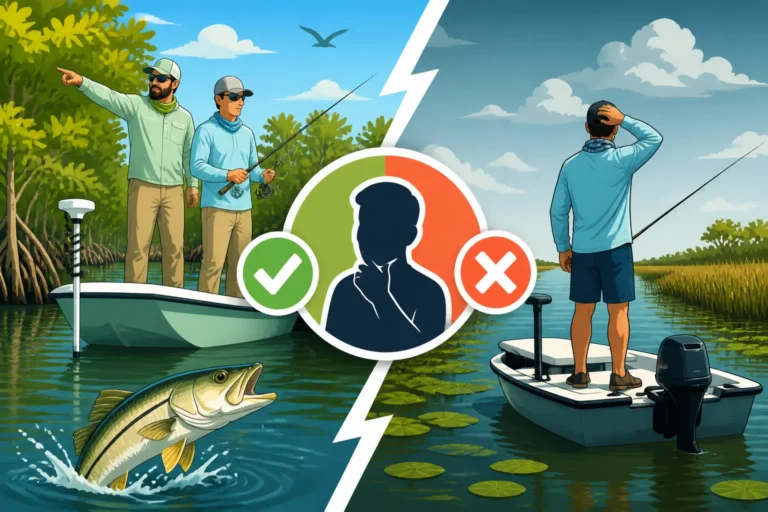
To navigate this, a little patience and understanding go a long way. Arriving early, especially at dawn, can help you secure a good spot. When you're fishing alongside others, maintain a reasonable distance, if possible, and be mindful of your casting arc. If someone hooks a fish, be ready to reel in your line quickly to avoid tangles. Communication is key; a simple "On your left!" before casting or a friendly nod can defuse potential tension. Remember, everyone is there to enjoy the fishing, so a respectful attitude helps ensure a positive experience for all. Don't be afraid to politely ask about the bite or what's working, as many seasoned regulars are happy to share insights if approached respectfully.
Top Fish Species to Target at Sebastian Inlet
Sebastian Inlet's unique ecosystem provides a haven for a wide array of desirable game fish. Depending on the season, tide, and your preferred method, you could be targeting several different species. Each one offers a distinct challenge and reward.
Snook: The Inlet's Elusive King
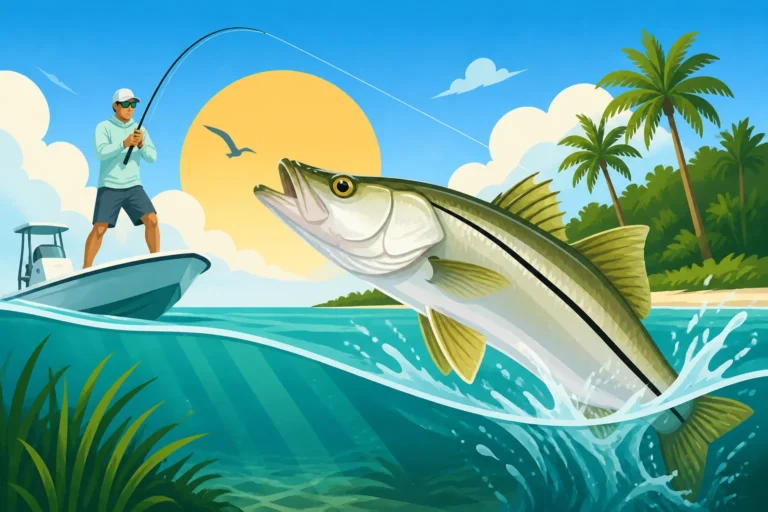
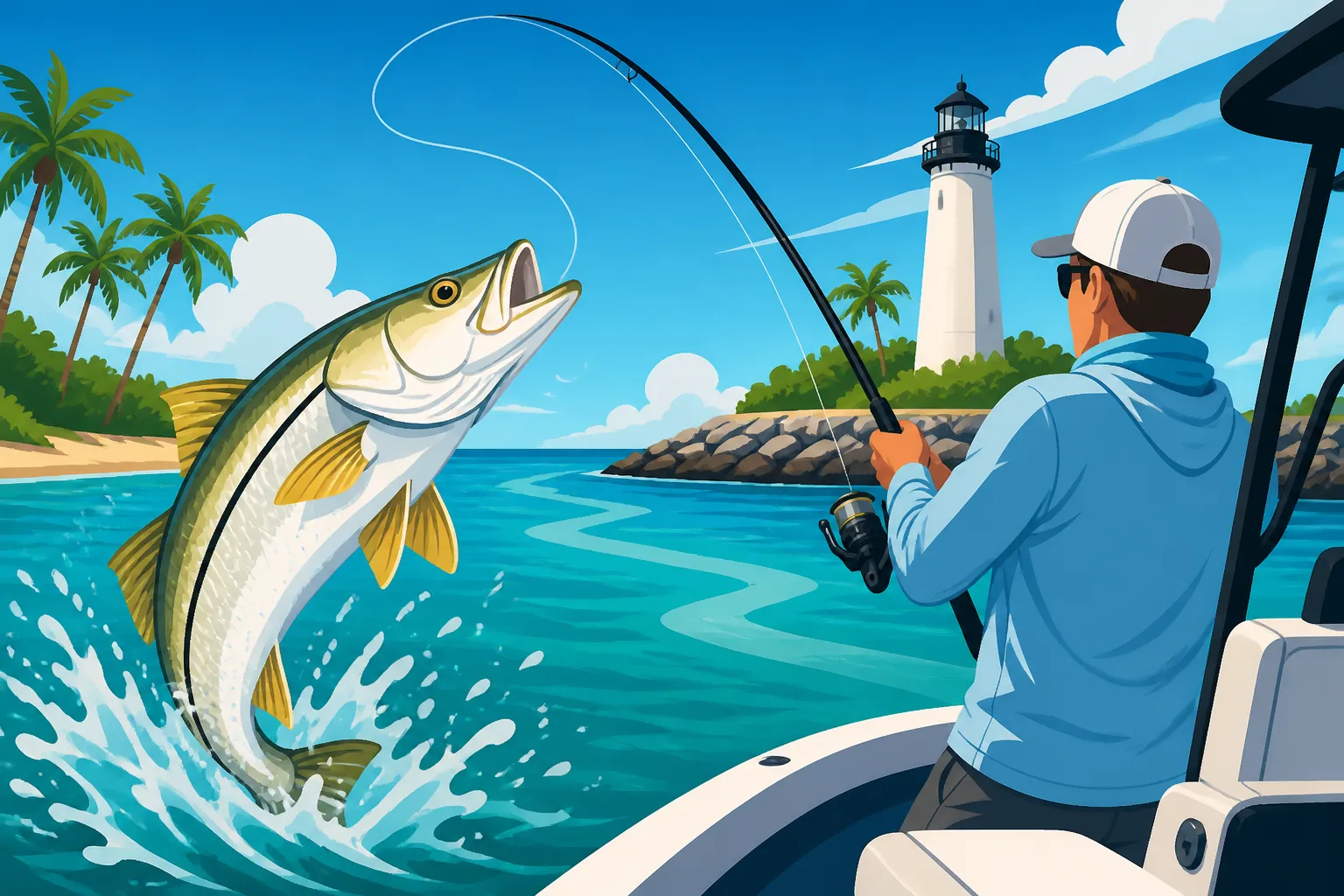
When most people think of Sebastian Inlet, they think of snook, and for good reason. This place is famous for producing some absolute monster snook, often referred to as the "linesider" for the distinctive lateral line running down their sides. Snook are prized for their aggressive strikes, powerful runs, and acrobatic jumps, making them an incredible sportfish. They love the fast-moving water around the jetties and bridge pilings, using the structure to ambush baitfish that get swept through the inlet. Fishing for snook here typically involves live bait like mullet, pilchards, or croakers, either free-lined or fished on a light lead. Artificial lures like jigs, soft plastics, and topwater plugs can also be incredibly effective, especially at dawn, dusk, or night. Remember, snook have strict Florida Snook Size and Slot Limits and are catch-and-release only during certain times of the year, so it’s essential to be aware of the current regulations. Anglers often spend countless hours perfecting their technique, trying to entice these wary but voracious predators.
Redfish: Hard-Fighting Bottom Dwellers
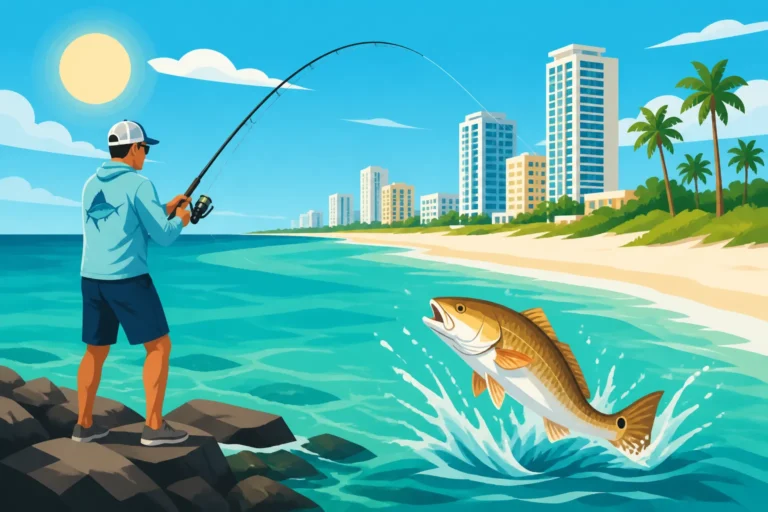
Another star of Sebastian Inlet is the redfish, or red drum. While not quite as acrobatic as snook, redfish are renowned for their powerful, stubborn fights, often digging deep and pulling hard. They patrol the bottoms around the jetties and sandy flats within the inlet, often in schools, searching for crabs, shrimp, and baitfish. Redfish at Sebastian Inlet can range from smaller "slot" fish (within the legal size limit) to massive "bull reds" that can weigh 30 pounds or more.
Successful redfish angling often involves live or cut bait fished on the bottom, utilizing a knocker rig or a fish-finder rig to keep the bait in the strike zone despite the current. Pinfish, crabs, and chunks of mullet are excellent choices. Artificial lures like gold spoons, soft plastic jerkbaits, and scented baits can also draw strikes, especially when bounced along the bottom. Much like snook, understanding the Florida Redfish Size and Bag Limits is crucial, as regulations are designed to protect their populations. Targeting redfish at the inlet often means focusing on slower moving water adjacent to the main current or casting into deeper holes where they might be congregating.
Flounder: Masters of Ambush
While perhaps not as glamorous as snook or redfish, flounder are a highly sought-after species at Sebastian Inlet, primarily for their delicious table fare. These flatfish are masters of camouflage, burying themselves in the sandy or muddy bottom, waiting patiently to ambush unsuspecting baitfish or crustaceans. They are often found in areas where the current creates sandy depressions or along the edges of grass flats, but they’re also frequently caught right off the jetties and around the bridge pilings.
Fishing for flounder usually involves targeting the bottom. Live mud minnows, finger mullet, or shrimp fished on a small jig head or a Carolina rig are highly effective. Many anglers also have great success with artificial scented baits like Gulp! shrimp or small soft plastic grubs, jigged slowly along the bottom to mimic a struggling baitfish. The bite can be subtle – often feeling like a gentle tug or just added weight on the line – so paying close attention is key. When you do hook one, prepare for a surprisingly strong fight, as they'll often try to pin themselves to the bottom. Knowing the best techniques for how to catch flounder in Florida can greatly increase your chances of success here.
Other Notable Species
Sebastian Inlet's rich waters host an impressive variety of other species that can surprise and delight anglers. During certain times of the year, the inlet can be teeming with Spanish mackerel and bluefish, especially during their migratory periods. These toothy predators often chase baitfish schools right into the inlet, providing fast and furious action for anglers casting spoons, Gotcha plugs, or fast-retrieved jigs. Imagine a school of baitfish getting hammered on the surface – that's often mackerel or bluefish.
Sheepshead, with their distinctive human-like teeth, are another common catch, especially around the pilings and rocky structures where they feed on barnacles and small crustaceans. These stealthy eaters require a subtle touch and small pieces of shrimp or fiddler crabs as bait. Pompano, known for their strong pulls and excellent taste, often cruise the surf lines just outside the inlet and can be caught with small jigs or sand fleas. Drum, both black drum and red drum, also make appearances, especially in the deeper holes. Additionally, various snapper species, including mangrove snapper, can be found around the rocks. The diversity truly means you never know what you might hook next, making every trip to Sebastian Inlet an adventure.
Essential Gear and Techniques for Sebastian Inlet
Tackling Sebastian Inlet requires a specific approach when it comes to gear and techniques. Because of the strong currents and potentially large fish, you can't just show up with any old rod and expect success. The right setup and a willingness to adapt your methods are crucial.
Rods, Reels, and Line Selection
Choosing the right rod, reel, and line setup for Sebastian Inlet is paramount, especially given the powerful currents and the size of the fish you might encounter. For most jetty fishing scenarios, you'll want a medium-heavy to heavy action spinning rod, typically in the 7 to 9-foot range. This length provides the casting distance needed to reach distant eddies or current breaks, while the heavier action gives you the backbone to fight strong fish in current and lift them over the jetty rocks. Brands like Daiwa, Penn, and Shimano offer excellent options that can withstand the rigors of inlet fishing.
Pair that rod with a robust spinning reel, sized between 4000 and 6000. Look for reels with a strong drag system and good line capacity, as a big snook or redfish can make powerful runs. A quality reel is an investment that will pay off in durability and performance. For line, braided line is almost a necessity here. It offers superior sensitivity, minimal stretch, and incredible strength for its diameter. A 30 to 50-pound braided main line is a good starting point. You'll then want to attach a fluorocarbon leader, typically 30 to 60-pound test, depending on the target species and water clarity. Fluorocarbon is nearly invisible underwater and offers excellent abrasion resistance, which is critical when fishing around sharp rocks and pilings. Knowing the appropriate What Pound Test Line for Snook Fishing can be especially helpful for anglers targeting those elusive linesiders.
Baits and Lures for Different Species
The diverse ecosystem of Sebastian Inlet means a variety of baits and lures can be effective, but knowing which to use when and where is key. For live bait, nothing beats what the fish are already eating. Live finger mullet, pilchards, and croakers are absolute gold for snook and redfish. These can be free-lined in the current, cast out with a small split shot, or drifted under a float. Shrimp, whether live or frozen, are a universal bait that will catch almost anything, from flounder to sheepshead and even smaller snook. For redfish and bottom-feeding species, cut bait like chunks of mullet or ladyfish can also be highly effective.
When it comes to artificial lures, the options are vast. Bucktail jigs, often tipped with a piece of cut bait or a soft plastic trailer, are incredibly versatile for bottom fishing or working deeper water. Soft plastic jerkbaits or paddletails rigged on jig heads can imitate a variety of baitfish and are deadly for snook, redfish, and even trout. Topwater plugs are exhilarating to use during low light conditions for snook, providing explosive surface strikes. For migratory species like Spanish mackerel and bluefish, fast-retrieved spoons or Gotcha plugs are often the ticket. Always carry a selection, as fish preferences can change rapidly with the tide and time of day.
Essential Terminal Tackle
Having the right terminal tackle is just as important as your rod and reel setup at Sebastian Inlet. You'll lose gear, it's a fact of fishing in a high-current, high-structure environment, so always come prepared with plenty of spares.
- Hooks: A variety of strong, sharp hooks is essential. Circle hooks (sizes 3/0 to 7/0) are popular for live bait, especially when targeting snook, as they are safer for the fish and promote healthy releases. J-hooks (sizes 1/0 to 5/0) are also useful, particularly for cut bait or when a more aggressive hookset is desired.
- Weights: You'll need an assortment of lead weights, ranging from 1/2 ounce up to 3 or 4 ounces, especially during strong current flows. Pyramid sinkers or egg sinkers are commonly used for bottom fishing rigs. You'll also want some split shot for free-lining live baits.
- Leaders: As mentioned, fluorocarbon leader material is critical. Have spools of different pound tests (30-60lb) and a variety of swivels (ball-bearing swivels are best for preventing line twist) and snaps for quick lure changes.
- Tools: Don't forget a good pair of pliers for removing hooks and cutting line, a measuring device to ensure your fish meet Florida Fishing Regulations and Bag Limits, and a sturdy net or lip grippers for landing larger fish, especially on the jetties where getting a fish up onto the rocks can be a challenge.
| Target Species | Preferred Live Bait | Effective Artificial Lures | Typical Leader (lb) | Hook Size (Circle Hook) |
|---|---|---|---|---|
| Snook | Mullet, Pilchards, Croakers | Jigs, Soft Plastics, Topwater Plugs | 40-60 | 4/0 – 7/0 |
| Redfish | Pinfish, Crabs, Mullet | Gold Spoons, Soft Plastics, Scented Baits | 30-50 | 3/0 – 6/0 |
| Flounder | Mud Minnows, Finger Mullet, Shrimp | Small Jigs, Gulp! Shrimp, Soft Plastic Grubs | 20-30 | 1/0 – 3/0 |
| Spanish Mackerel | Pilchards, Glass Minnows | Spoons, Gotcha Plugs, Fast-Retrieved Jigs | 20-30 | N/A (treble hooks on lures) |
| Sheepshead | Fiddler Crabs, Shrimp | Small Jigs (tipped with bait) | 20-30 | #1 – 1/0 |
Best Times to Fish Sebastian Inlet
Timing is everything at Sebastian Inlet. The dynamic nature of this location means that conditions, and consequently the fishing, can change dramatically depending on the time of day, season, and even the moon phase. Being aware of these factors will significantly improve your chances of a memorable catch.
Seasonal Hotspots and Migratory Patterns
Sebastian Inlet truly shines year-round, but specific seasons offer peak opportunities for certain species due to their migratory patterns. Understanding the Best Time of Year to Fish in Florida for specific species will give you a significant advantage.
- Spring (March-May): As water temperatures rise, the inlet becomes a highway for migrating baitfish, attracting a variety of predators. This is prime time for big snook, which become increasingly active as they prepare for their summer spawn. Redfish are also abundant. Spanish mackerel and bluefish often make strong runs through the inlet, especially on incoming tides. Pompano can be found in the surf outside the inlet.
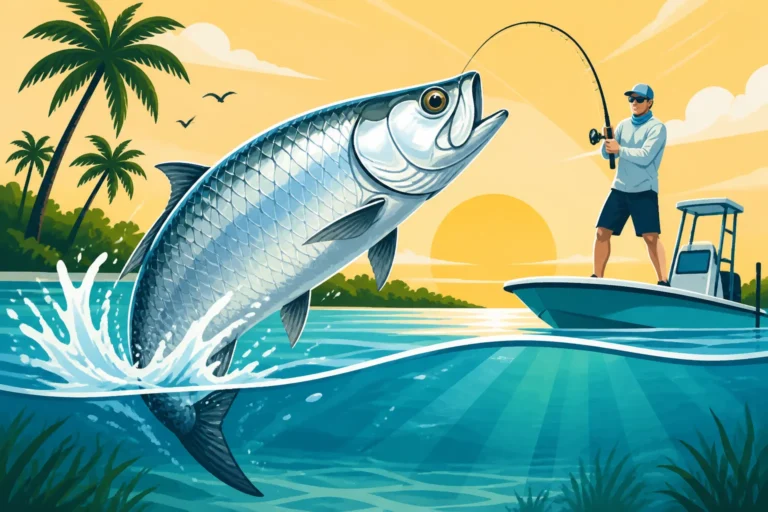
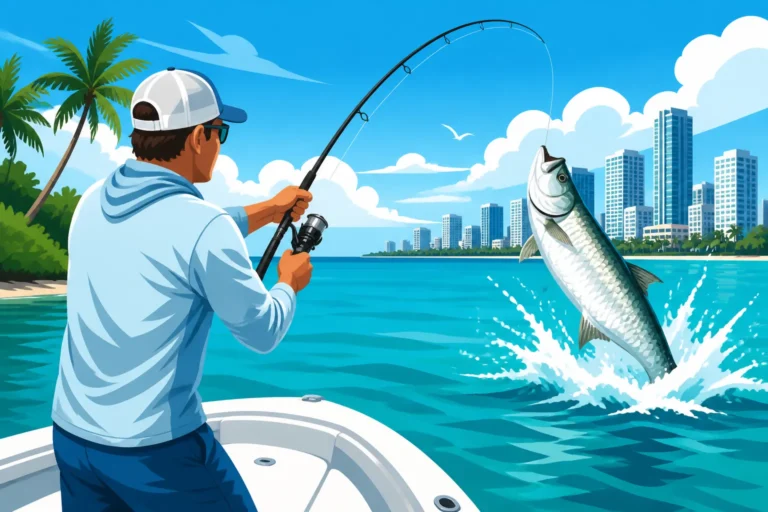
- Summer (June-August): While snook season is typically closed for harvest during parts of the summer to protect spawning fish, the catch-and-release action can be phenomenal. Tarpon, the "Silver King," make their annual migration along the coast, and Sebastian Inlet is a major thoroughfare for them. Early mornings and late evenings are best to beat the heat and the crowds. You might also encounter mangrove snapper, jacks, and various sharks.
- Fall (September-November): Many consider fall to be the absolute best fishing at Sebastian Inlet. The mullet run, a massive migration of baitfish south along the coast, funnels countless mullet through the inlet, igniting a feeding frenzy among all predator species. Snook, redfish, tarpon, bluefish, and Spanish mackerel are all present and actively feeding. This is when some of the biggest fish of the year are caught.
- Winter (December-February): While cooler temperatures can slow some species down, winter still offers excellent opportunities. Sheepshead fishing around the pilings and rocks is usually at its peak. Flounder are abundant in the cooler months, as are various drum species. Snook will often move into deeper, warmer holes within the inlet during cold snaps, offering a different kind of challenge.
Tides and Moon Phases
Beyond the seasons, the daily tides and the overarching moon phases exert immense influence over the fishing at Sebastian Inlet. The movement of water brings in new food, concentrates bait, and positions predators, making tide charts your best friend here.
- Incoming Tide: An incoming tide often brings clear, ocean water and baitfish into the lagoon, which can trigger feeding activity. Many anglers prefer the last few hours of an incoming tide, as the water levels rise and new feeding grounds become accessible. This is often a good time for snook and redfish positioned on the ocean side of the jetties.
- Outgoing Tide: An outgoing tide flushes water, bait, and nutrients from the Indian River Lagoon out into the ocean. This can be fantastic for species that sit and wait for food to come to them, especially near the end of the outgoing flow. This is frequently when larger predatory fish like sharks, tarpon, and even bigger snook will stage themselves to ambush anything being washed out.
- Slack Tide: The brief period of minimal current between an incoming and outgoing tide (high slack and low slack) can sometimes be challenging, as the lack of water movement means less active feeding for many species. However, it can also be a good time to target species that prefer calmer waters or to work slower presentations on the bottom without battling heavy current.
- Moon Phases: The moon's gravitational pull directly influences the strength of the tides. New moons and full moons create "spring tides," characterized by stronger currents and higher tidal swings. These can be excellent for concentrating bait and triggering aggressive feeding, but also present the most challenging current conditions. Quarter moons result in "neap tides," with weaker currents and smaller tidal ranges, which can make for more comfortable fishing, though sometimes less intense feeding. Paying attention to these cycles will help you predict the water's behavior and plan your strategy accordingly.
Time of Day Considerations
Just like anywhere else, the time of day plays a critical role in fishing success at Sebastian Inlet.
- Dawn and Dusk: These low-light periods are universally considered prime feeding times for most predatory fish. The reduced light gives fish an advantage over their prey, and the cooler temperatures can make them more active. Topwater lures for snook and redfish are incredibly effective during these windows, as are various live baits.
- Night Fishing: Sebastian Inlet truly comes alive at night. The bridge lights and jetty lights illuminate the water, attracting baitfish, which in turn attract large snook and other predators. Night fishing can be an exhilarating experience, often producing some of the biggest fish. However, it requires extra caution due to reduced visibility and the dangers of navigating the jetties in the dark. Bring a headlamp and be aware of your surroundings.
- Midday: While often slower, midday can still be productive, especially on overcast days or during cooler months. Fish may retreat to deeper holes or areas with more structure to escape the sun, so adjusting your presentation to target these areas is key.
Local Tips for Maximizing Your Sebastian Inlet Trip
Beyond the technical aspects, a few insider tips can really elevate your Sebastian Inlet experience, helping you navigate the unique environment and tap into its full potential.
Consulting Local Bait and Tackle Shops
This is, hands down, one of the most valuable pieces of advice for fishing any new spot, and it holds especially true for Sebastian Inlet. Local bait and tackle shops aren't just places to buy worms; they are community hubs teeming with real-time, hyper-local information. Places like the Sebastian Inlet Bait & Tackle or similar shops in the nearby towns of Sebastian or Vero Beach are goldmines. The folks working there spend every day talking to anglers, seeing what's being caught, and stocking what's working.
Don't be shy! Walk in, buy some bait or a few lures, and strike up a conversation. Ask them about the current conditions: "What's the water looking like today?" "Which tide has been best for snook?" "What bait are they hitting?" "Are the reds on the north or south jetty?" They can tell you about the strength of the current, which specific spots on the jetties are producing, and even warn you about potential issues like heavy weed lines or recent cold fronts. This information can save you hours of fruitless casting and point you directly to the bite. Plus, they'll likely stock the exact, locally favored rigs and terminal tackle you'll need.
Considering a Fishing Charter or Guide
If you're new to Sebastian Inlet or Florida fishing in general, the sheer complexity of the currents, structure, and species behavior can be overwhelming. This is where investing in a local fishing charter or guide truly pays off. A professional guide, particularly one specializing in Florida Inshore Fishing Techniques for inlets, will have years of experience navigating these waters, understanding the intricate tidal patterns, and knowing exactly where the fish are holding based on current conditions.
Booking a guide through platforms like FishingBooker can connect you with experienced captains who know Sebastian Inlet like the back of their hand. They'll provide all the necessary gear, bait, and most importantly, the expertise to put you on fish. A guide can teach you specific casting techniques for the inlet's unique currents, how to read the water, and proper fish handling for various species. Even a half-day trip can provide an invaluable learning experience, giving you the confidence and knowledge to tackle the inlet on your own in future visits. This can be especially beneficial if you're targeting specific species like tarpon, which can be incredibly challenging to find and hook without local knowledge.
Safety and Regulations
Fishing at Sebastian Inlet is an incredible experience, but it’s crucial to prioritize safety and adhere to all regulations. The jetties, while exciting, can be treacherous. They are often slippery with algae, especially at low tide, and a rogue wave can knock you off your feet. Always wear appropriate footwear with good grip, and consider wearing a life vest, especially if you plan to venture out far on the rocks or fish at night. Bring plenty of water, sunscreen, and a hat, as the Florida sun can be intense.
Beyond personal safety, understanding Florida Fishing Regulations and Bag Limits is non-negotiable. These rules are in place to protect fish populations and ensure sustainable fishing for everyone. Always have your Florida Fishing License Guide readily accessible, either a physical copy or on the Florida Fish and Wildlife Conservation Commission (FWC) Fish|Hunt Florida app. Be aware of closed seasons for species like snook and certain grouper, and always measure your fish accurately. Violations can result in hefty fines and penalties, and it’s simply not worth the risk. Respecting the environment means taking out everything you bring in, including discarded fishing line and trash, to keep this beautiful spot pristine for future generations.
Disclaimer
Fishing conditions and regulations in Florida can change rapidly. Always consult the latest Florida Fish and Wildlife Conservation Commission (FWC) rules and regulations before heading out. The information provided in this guide is for general informational purposes only and does not constitute professional advice.