Is a Guide Required to Fish the Everglades Backcountry?
Fishing the vast, wild expanse of the Everglades backcountry is a dream for many anglers, but the sheer scale and unique challenges of this wilderness can feel incredibly intimidating. You might be staring at maps, wondering if you can even navigate those labyrinthine channels safely, or if you'll accidentally stumble into a restricted zone. The big question often looming in people's minds is: do I really need a guide to fish the Everglades backcountry, or can I tackle it myself? This guide is here to demystify the rules, highlight the realities, and help you decide the best approach for your unforgettable Florida fishing adventure.
Understanding the Everglades Backcountry Challenge
The Everglades isn't your average fishing hole. It's a truly unique, often unforgiving ecosystem that demands respect and a certain level of preparedness. Many anglers, even seasoned ones, find themselves overwhelmed by the sheer complexity and raw nature of this incredible wilderness.
Navigational Complexity
Imagine miles upon miles of shallow, winding channels, mangrove tunnels, and expansive flats that all look remarkably similar. That's the Everglades backcountry. Unlike many other fishing destinations with clear markers or well-traveled paths, the Everglades can be a true maze. Tides play a massive role, influencing water levels dramatically and affecting which areas are even accessible. What looks like a navigable channel at high tide might become a mud flat or an impassable obstacle course when the water drops. Charts, while helpful, don't always capture the ever-changing nature of the environment, especially after a storm or just the natural ebb and flow of silt and vegetation. It's incredibly easy to get turned around, run aground, or even become stranded if you don't know the intricate ins and outs of these waters. For this reason, many experienced anglers still rely on local knowledge to avoid costly mistakes.
Environmental Sensitivities and Regulations
Beyond the navigational puzzles, the Everglades is a highly protected national park and wildlife refuge, meaning there are strict regulations in place to preserve its delicate ecosystem. These rules aren't just about fish size and bag limits; they cover everything from idle zones and no-wake areas to specific access points and even how you retrieve a stuck boat. Ignorance of these rules isn't an excuse, and violations can lead to hefty fines or even more serious consequences. Furthermore, the environment itself demands careful handling. Prop scarring in shallow seagrass beds is a serious issue, and accidentally disturbing nesting birds or other wildlife is a no-go. Understanding the nuanced "leave no trace" ethos and specific local regulations is paramount. Planning your trip here might involve consulting the official Florida Fishing Regulations and Bag Limits to ensure you're compliant.
Unique Species and Specialized Techniques
The Everglades backcountry is a world-class fishery, home to incredible species like snook, redfish, tarpon, and even freshwater largemouth bass in certain areas, sometimes all in the same day! However, these fish often behave differently than their counterparts in more open waters. The shallow, clear water demands a stealthy approach, and the mangrove cover requires precise casting and specific lure presentations. For example, catching a trophy snook hiding deep in the shadows of a mangrove root system requires a different strategy than fishing for them off a beach. Knowing what bait to use, what tide to fish, and which specific holes hold fish at different times of the year is an acquired skill that takes years to master. Without this specialized knowledge, you might spend an entire day casting without a single bite. For a more detailed look at targeting specific fish, you might enjoy our Florida Snook Fishing Guide or the Florida Tarpon Fishing Guide.
Is a Fishing Guide Legally Required in the Everglades Backcountry?
Let's cut right to the chase, because this is often the core question on everyone's mind when planning an Everglades adventure.
Official Regulations and Permits
The simple answer is no, a fishing guide is not legally required to fish in the Everglades backcountry. As long as you possess the appropriate Florida fishing license for saltwater or freshwater (depending on where you plan to fish) and any necessary permits for specific species like a Florida Snook Permit Requirements, you are generally allowed to navigate and fish these waters on your own. Most anglers will need to have a valid Florida Fishing License Guide to ensure they are compliant.
However, there's a crucial caveat: while a guide isn't legally mandatory, adherence to all National Park Service and Florida Fish and Wildlife Conservation Commission (FWC) regulations is absolutely non-negotiable. This includes:
- Florida Fishing License: You'll need the appropriate license based on whether you're targeting saltwater or freshwater species. Check the Florida Freshwater Fishing License Rules or Florida Saltwater Fishing License Rules for specifics.
- Special Permits: Certain species, like snook or lobster, may require additional permits on top of your standard fishing license.
- Park Entrance Fees: If you're entering Everglades National Park, there will be an entrance fee, regardless of whether you're fishing or not.
- Zone Regulations: Pay close attention to maps and signage indicating idle speed zones, no-motor zones, or even completely restricted areas. These are strictly enforced to protect sensitive habitats and wildlife.
- Size and Bag Limits: Familiarize yourself with the specific size and bag limits for all species you intend to target, as these can vary by region and season.
Failing to follow these rules, even unknowingly, can result in significant fines and may lead to a less-than-enjoyable trip.
When a Guide is Highly Recommended Even if Not Required
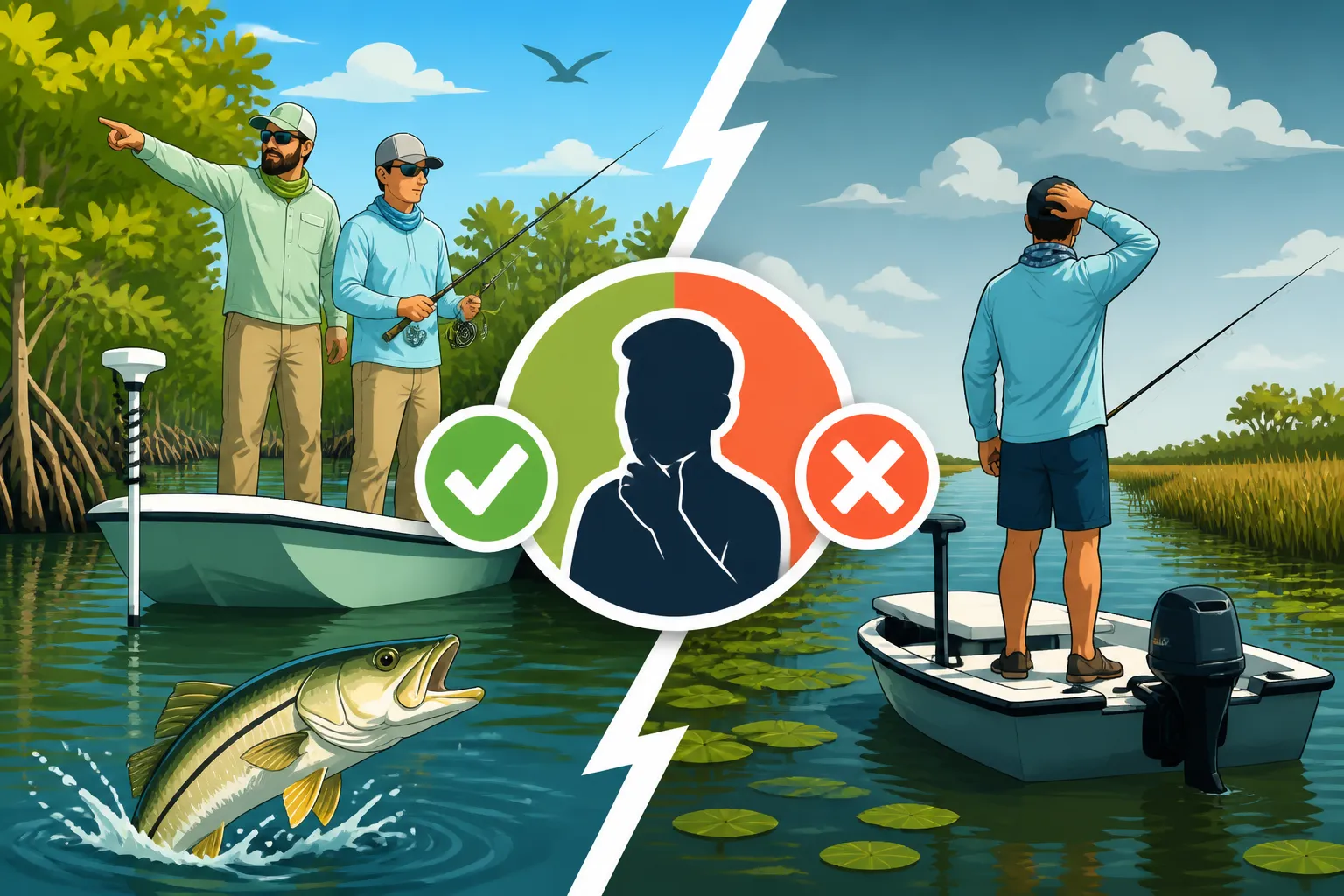
While not legally mandated, there are many compelling reasons why hiring a guide is highly recommended, especially for those unfamiliar with the Everglades backcountry. This isn't just about catching fish; it's about safety, conservation, and maximizing your experience.
Think about it:
- First-Time Visitors: If you've never been to the Everglades, the sheer scale and complexity can be overwhelming. A guide provides an essential orientation to the environment.
- Limited Experience in Shallow Water: Running a boat in extremely shallow water, often navigating around oyster bars and hidden obstacles, requires significant skill. Guides operate specialized flats boats designed for these conditions and know how to pole or motor quietly without damaging the environment.
- Targeting Specific Species: If you have your heart set on catching a trophy tarpon or a monster redfish, a guide dramatically increases your chances. They know where the fish are, what they're biting on, and the best techniques for success. Our guide on Florida Tarpon Fishing Season Guide is a great read, but a local guide knows the exact spots.
- Limited Time: Vacation time is precious. Do you want to spend it getting lost, running aground, or struggling to find fish? A guide ensures your time on the water is productive and enjoyable.
- Safety Concerns: The Everglades is wild. Alligators, venomous snakes, and getting lost are real possibilities. Guides are trained in wilderness first aid and emergency procedures, and they always carry appropriate safety gear and communication devices.
A guide brings invaluable local knowledge, ensuring a safer and much more rewarding experience, turning potential frustrations into fishing triumphs. Many experienced anglers find excellent guides through reputable booking platforms like FishingBooker, which allows you to compare different captains and their specialties.
Considerations for Self-Guided Trips
For the truly adventurous and experienced angler who still wants to attempt a self-guided trip into the Everglades backcountry, certain prerequisites and preparations are absolutely essential. This isn't a place for the unprepared.
Before even considering a solo or self-guided venture, you should possess:
- Extensive Boating Experience: You need to be highly proficient in operating a shallow-draft boat, understanding how to navigate in extremely low water, and safely handle various marine conditions. This means familiarity with poling, trolling motors, and understanding prop clearance.
- Advanced Navigation Skills: Relying solely on a basic GPS unit won't cut it. You need detailed charts, a reliable depth sounder, and the ability to read the water for subtle changes in depth and structure. Knowing how to use an app like Navionics or C-MAP on your phone or tablet can be a lifesaver, but always have a backup.
- Thorough Knowledge of Local Regulations: As mentioned, ignorance is no defense. You must meticulously research and understand all FWC and National Park Service rules, including idle zones, no-entry areas, and specific bag/size limits for the fish you're targeting. Our Florida Fishing License Guide is a good starting point, but detailed park maps are crucial.
- Emergency Preparedness: This includes carrying ample water, food, sun protection, a comprehensive first-aid kit, a reliable means of communication (satellite phone or marine radio, as cell service is often nonexistent), and a tow rope/anchor.
- Conservation Ethic: The Everglades is a fragile ecosystem. You must be committed to practicing strict "leave no trace" principles, avoiding prop scarring, and minimizing your impact on wildlife.
Without these foundational elements, a self-guided trip can quickly turn from an adventure into a dangerous and frustrating ordeal. Even if you're an experienced angler, a short trip with a local guide might be a wise investment before tackling the backcountry solo, just to get your bearings.
Benefits of Hiring an Everglades Backcountry Fishing Guide
Hiring an experienced Everglades fishing guide isn't just about convenience; it's an investment in a safer, more productive, and truly memorable fishing experience. They offer advantages that are nearly impossible to replicate on your own. Many people start their search for a great experience by looking at reputable platforms like FishingBooker.
Local Knowledge and Expertise
This is perhaps the single most significant benefit of having a guide. These professionals spend hundreds of days a year on these waters, and their brains are a living, breathing navigational chart and fish almanac.
- Navigational Mastery: They know the deepest channels, the hidden oyster bars, the ever-shifting sand flats, and the safest routes through dense mangrove tunnels. They understand how tides affect water levels in specific areas and can expertly navigate conditions that would leave a novice hopelessly lost or aground.
- Fish Behavior and "Secret Spots": Guides know exactly where the fish are hiding, what they're biting on, and when. They understand the nuances of the season, water temperature, moon phases, and how these factors influence fish movement and feeding patterns. They have those "secret spots" – shallow cuts, deeper holes, or specific mangrove islands – that only years of experience can reveal. This means less time searching and more time fishing. For example, they'll know the Best Backcountry Spots in the Ten Thousand Islands or the productive areas around Fishing Flamingo in Everglades National Park.
- Optimal Timing: Knowing the best tides, the peak feeding windows, and how to position the boat for the perfect cast is an art form mastered by guides. They can predict when the snook will be ambushing baitfish or when the tarpon will roll on the surface.
Safety and Equipment
The Everglades backcountry is no place to be unprepared. Guides come equipped not only with the right fishing gear but also with crucial safety provisions and the right vessel for the job.
- Specialized Boats: Everglades guides typically operate specialized shallow-draft flats boats or technical poling skiffs. These boats are designed to navigate incredibly skinny water without damaging the seagrass beds, allowing access to areas larger boats can't reach. They're also equipped with powerful, reliable engines and often poling platforms for silent, stealthy approaches.
- Emergency Preparedness: Guides carry extensive safety equipment: marine radios, satellite phones, comprehensive first aid kits, extra fuel, and often a wealth of tools for minor boat repairs. They are trained in CPR and wilderness first aid, offering peace of mind in a remote environment where help might be hours away.
- Proper Gear: Forget worrying about what rod, reel, or lure to bring. Guides provide top-of-the-line equipment perfectly suited for the species and conditions you'll encounter. They have a vast array of live bait, artificial lures, and tackle that they know will perform best on a given day, saving you money and frustration.
Maximizing Your Fishing Success
Ultimately, most people hire a guide to catch fish. An Everglades backcountry guide drastically increases your chances of a successful and fulfilling trip.
- Targeting Your Desired Species: Whether you dream of a giant tarpon, a hard-fighting snook, or a feisty redfish, a guide knows how to put you on those specific fish. They'll adjust strategies, move to different locations, and change baits or lures until they find what's working. If you're hoping for a Florida Redfish Fishing Guide experience, they are your best bet.
- Instruction and Skill Improvement: Guides are also excellent teachers. They can show you proper casting techniques for tight quarters, how to fight a powerful fish effectively, and the nuances of reading the water. You'll leave the trip not only with memories of great catches but also as a more skilled angler.
- Efficiency and Time Management: Instead of wasting hours trying to figure things out, a guide allows you to hit the best spots at the best times, maximizing your fishing opportunities. This is especially valuable on half-day or full-day charters where every minute counts. To understand the typical costs, you might want to review our Florida Fishing Charter Cost Guide.
How to Choose the Right Everglades Backcountry Guide
Once you've decided that a guide is the way to go (and for the Everglades backcountry, it usually is!), the next step is finding the right one. This isn't a decision to rush.
Researching and Booking Your Guide
Finding a reputable guide takes a bit of homework, but it's well worth the effort to ensure a great experience.
- Online Platforms and Reviews: Start by checking specialized fishing charter platforms like FishingBooker. These sites offer extensive listings of guides, complete with detailed profiles, customer reviews, photos, and availability. Pay close attention to recent reviews, looking for comments on the guide's patience, local knowledge, boat condition, and communication skills. Websites like these offer transparency and a convenient way to compare options.
- Word-of-Mouth: Ask friends, family, or fellow anglers who have fished the Everglades for recommendations. Personal referrals are often the best way to find a truly exceptional guide.
- Local Bait Shops and Marinas: When you're in the area, pop into a local bait and tackle shop or marina office. They often have business cards and strong opinions about the best guides operating in the area. They know who consistently puts people on fish and who has a good reputation.
- Specialization: Ensure the guide you choose specializes in Everglades backcountry fishing. Some guides focus on offshore, while others might stick to more accessible bay fishing. For the backcountry, you need someone intimately familiar with the unique challenges of that environment. You can find more tips in our How to Choose a Florida Fishing Guide.
What to Expect and What to Ask
Before you commit, have a clear understanding of what your trip will entail. Don't be afraid to ask questions!
- Licenses and Certifications: Confirm your guide is a licensed U.S. Coast Guard captain and carries all necessary permits for commercial operation in the Everglades. While you, the angler, will need your own Florida Fishing License Guide, the captain needs appropriate commercial licenses.
- Inclusions and Exclusions: Clarify what's included in the charter price. Most guides provide rods, reels, tackle, bait, and a cooler with ice. Some might include bottled water or snacks, while others expect you to bring your own. Ask about fish cleaning services – some guides include it, while others charge a small fee or simply offer advice.
- Target Species and Techniques: Discuss your fishing goals. Are you hoping for a specific species, or are you open to whatever is biting? Let the guide know if you prefer fly fishing, spin fishing, or live bait. A good guide will manage expectations based on current conditions.
- Contingency Plans: Inquire about their policy for bad weather. What happens if the trip needs to be rescheduled or canceled due to high winds, thunderstorms, or other unsafe conditions?
- Boat and Safety Gear: Ask about the type of boat they run and the safety equipment on board. For backcountry trips, a flats boat or technical poling skiff is ideal.
By doing your homework and asking the right questions, you'll be well-prepared for an incredible fishing adventure in the unique ecosystem of the Everglades backcountry.
| Feature | Self-Guided Trip | Guided Trip |
|---|---|---|
| Legal Requirement | Not legally required | Not legally required, but highly recommended |
| Navigation | Relies on personal charts, GPS, and experience | Expert local knowledge of complex channels |
| Safety | Dependent on personal preparedness & gear | Professional safety equipment & trained captain |
| Fishing Success | Variable, high learning curve | Maximized by guide's expertise & "secret spots" |
| Equipment | Must own/rent appropriate shallow-draft boat, gear | Specialized flats boat & top-tier tackle provided |
| Cost | Initial investment in boat/gear, fuel, licenses | Charter fee, typically all-inclusive (minus tip) |
| Conservation | Requires extensive knowledge of park regulations | Guide ensures compliance and minimal impact |
| Learning Curve | Steep, prone to errors like getting stuck | Opportunity to learn from a seasoned pro |
Ultimately, while you are not legally required to hire a guide to fish the Everglades backcountry, the unique challenges of this vast and intricate ecosystem make it an extremely wise decision for anyone who isn't already intimately familiar with its waters.
Disclaimer
The information provided in this guide is for general informational purposes only and does not constitute legal or professional advice. Fishing regulations in Florida, especially within protected areas like the Everglades National Park, can change frequently. Always consult the latest official regulations from the Florida Fish and Wildlife Conservation Commission (FWC) and the National Park Service before planning any fishing trip.