Panama City Beach Fishing Spots
Oh, the sheer excitement of planning a fishing trip to Panama City Beach! But let's be real, stepping into a place with so much water, so many options, and whispers of legendary catches can be a bit overwhelming. You might be wondering where to even begin, what kind of fish you can realistically hope to land, and whether you need a boat or can stick to solid ground. This guide is going to peel back the layers of PCB's incredible fishing scene, helping you pinpoint the best spots, understand the local nuances, and equip you with the knowledge to make your angling dreams a reality, whether you're a seasoned pro or just casting your first line.
Overview of Panama City Beach's Unique Fishing Landscape
Panama City Beach isn't just a pretty face with white sands and emerald waters; it's a bonafide fishing mecca that offers something for every type of angler. The sheer diversity of its aquatic environments, from the vast expanse of the Gulf of Mexico to the intricate network of St. Andrew Bay, makes it a truly special place to wet a line.
Why PCB is a Fishing Paradise
What truly sets Panama City Beach apart for fishing enthusiasts is its incredible ecological diversity and accessibility. You've got the warm, nutrient-rich waters of the Gulf right on your doorstep, teeming with pelagic species like king mackerel, mahi-mahi, and wahoo, alongside bottom dwellers such as snapper and grouper. Then, just a stone's throw away, lies the expansive St. Andrew Bay system, a brackish estuary that serves as a nursery for countless inshore species. This means you can be chasing redfish and speckled trout in calm bay waters in the morning and battling a hefty amberjack offshore by the afternoon. This dynamic environment supports a huge variety of fish year-round, making it a fantastic destination no matter when you visit.
Moreover, the area boasts fantastic infrastructure to support fishing. There are numerous public boat ramps, well-maintained fishing piers, and an abundance of charter operations ready to take you to the hottest spots. For those who prefer to stay on land, the miles of shoreline offer excellent surf fishing opportunities, and specific jetty systems provide access to deeper water and strong currents that attract larger fish. It's truly a place where you can find your perfect fishing niche, whether that involves a high-speed offshore chase or a peaceful afternoon with a line in the water from the beach.
Understanding PCB's Waterways: Gulf vs. Bay vs. Pass
To truly appreciate fishing in Panama City Beach, it's crucial to understand the distinct characteristics of its main waterways: the Gulf, the Bay, and the Pass. Each offers a unique experience and targets different species. The Gulf of Mexico, obviously, is the big blue expanse, known for its deep-sea fishing, offshore reefs, and migrations of large pelagics. This is where you'll head for the true adrenaline rushes and trophy catches. Fishing here often requires a capable boat, good navigation, and a robust understanding of offshore techniques.
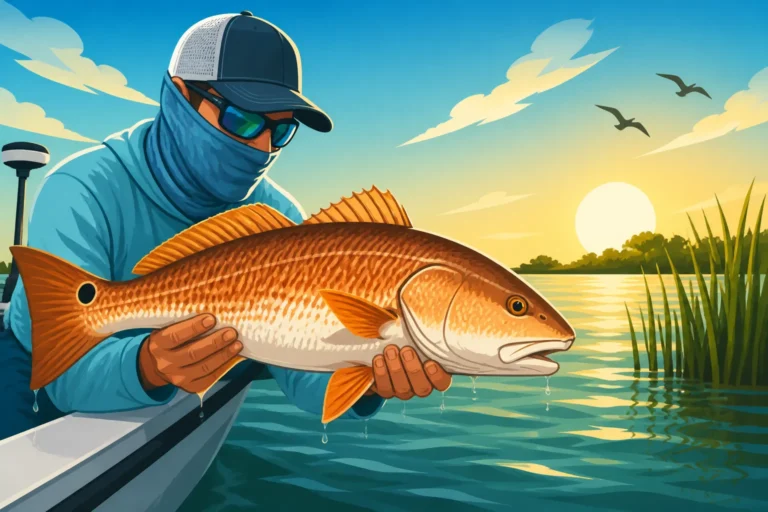
St. Andrew Bay, on the other hand, is a large, relatively shallow estuary system protected from the open Gulf. It’s fed by several freshwater creeks and rivers, creating a brackish environment ideal for inshore species like redfish, spotted seatrout, and flounder. The bay is characterized by extensive grass flats, oyster beds, and mangrove shorelines, offering diverse habitats. Fishing the bay can often be done from smaller boats, kayaks, or even wading, providing a more intimate and often calmer experience. Remember, different types of licenses apply to different waters, so understanding Florida Saltwater Fishing License Rules and Florida Freshwater Fishing License Rules is key.
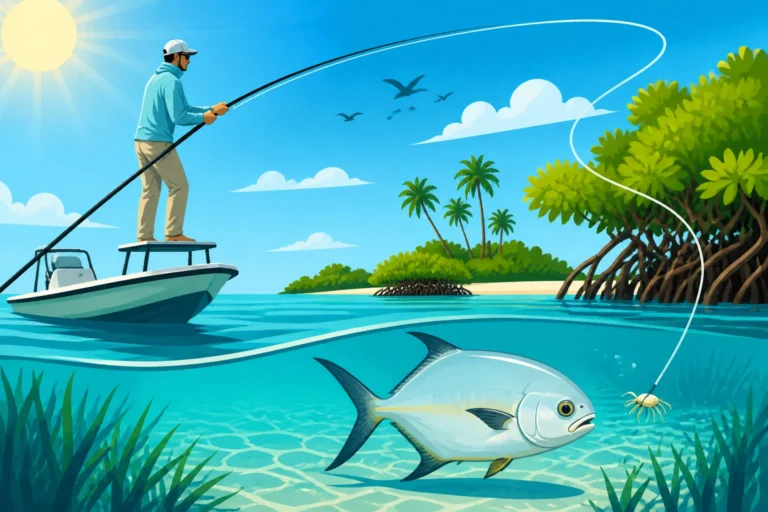
Connecting the Gulf and the Bay is the mighty St. Andrew Pass. This narrow channel is a superhighway for fish moving between the two environments, making it an incredibly productive spot. The strong currents in the Pass bring rich nutrients and baitfish, attracting predatory species like king mackerel, Spanish mackerel, pompano, and even large sharks. Fishing the Pass can be challenging due to the currents but incredibly rewarding. It’s a convergence zone where you can find a mix of species typically found in both the Gulf and the Bay, often offering some of the most exciting action close to shore.
Pier and Shoreline Fishing: Accessible Angling for Everyone
One of the most appealing aspects of fishing in Panama City Beach is the incredible accessibility for anglers without a boat. The coastline offers myriad opportunities to cast a line from a pier, jetty, or directly from the sandy beach. It's a fantastic way to enjoy the sport, whether you're a seasoned local or on vacation with the family.
Iconic Piers: Russell-Fields and Dan Russell
When you think of pier fishing in Panama City Beach, two names immediately come to mind: the Russell-Fields Pier and the Dan Russell Pier. These twin giants stretch over 1,500 feet into the Gulf of Mexico, providing access to deeper waters and a fantastic vantage point for targeting a wide array of species. Both piers are state-of-the-art facilities, offering amenities like bait shops, tackle rentals, and even snack bars, making them perfect for a full day out. You'll typically find an active fishing crowd here, from seasoned regulars with their elaborate setups to excited tourists hoping to land their first big fish.
From these piers, anglers regularly pull in Spanish mackerel, king mackerel, pompano, flounder, and various species of snapper and even small sharks. The key to success often lies in understanding the tides and knowing what bait and techniques to use for your target species. Live bait, like shrimp or small pinfish, often works wonders, as do artificial lures such as Gotcha Plugs or casting spoons, especially for mackerel. There are nominal daily fishing fees for the piers, but these fees often cover your Florida Fishing License Guide requirements while actively fishing on the pier, which is a great convenience! Just be sure to double-check the current rules for each pier, as regulations can sometimes change.
Beach and Surf Fishing: Finding the Gutters
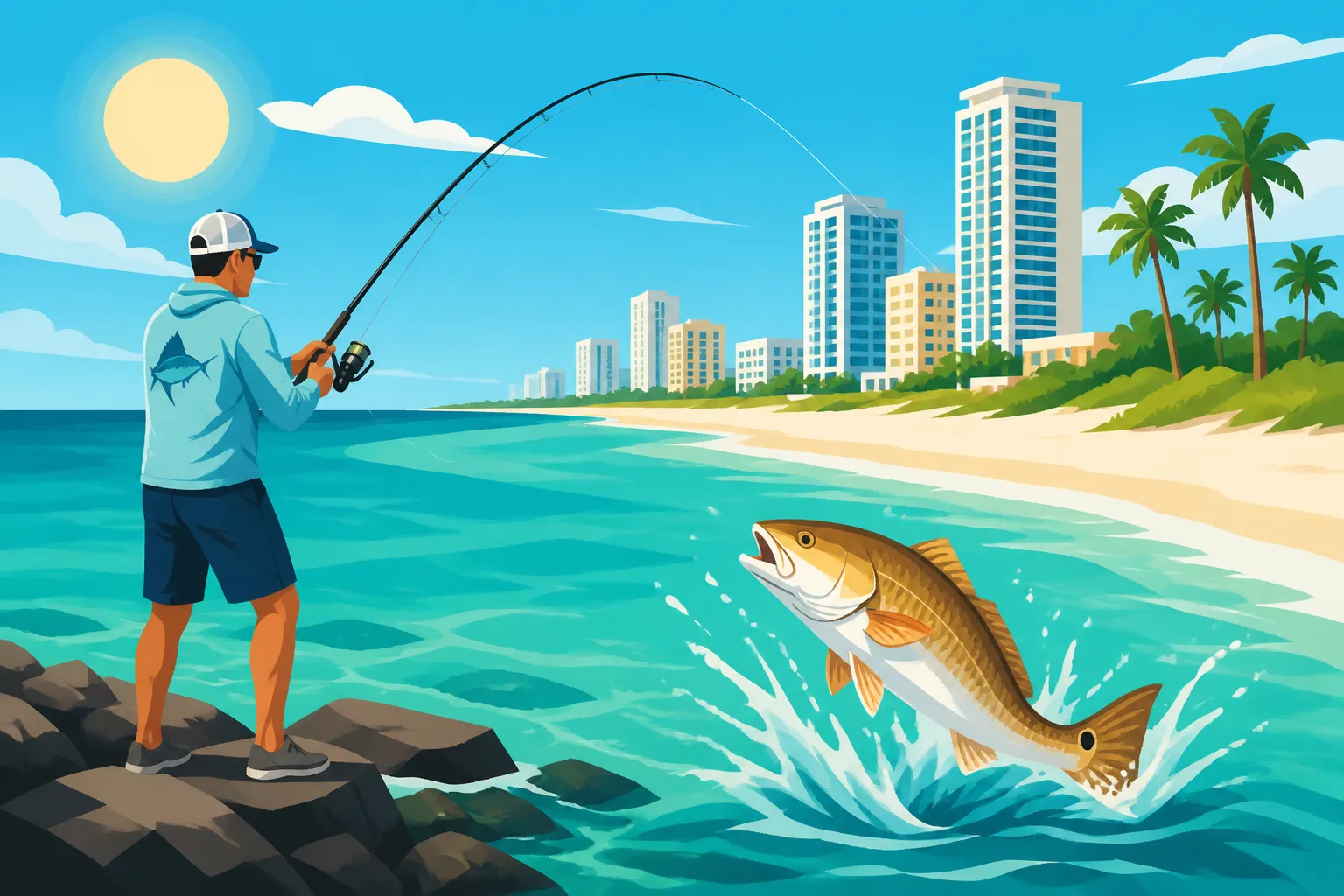
For those who prefer the feel of sand between their toes, surf fishing directly from Panama City Beach's expansive shoreline offers a uniquely relaxing yet potentially rewarding experience. While you might not be reaching the same depths as from a pier, the surf zone is a dynamic ecosystem that constantly shifts, creating natural "gutters" and "holes" where fish congregate. Walking the beach and observing the waves can often reveal these deeper channels, identifiable by areas where waves aren't breaking or where the water looks slightly darker. These are prime locations where fish like pompano, whiting, redfish, and even some smaller sharks forage for food.
Surf fishing typically involves casting heavier rigs with pyramid sinkers to hold your bait in place against the waves. Common baits include fresh shrimp, sand fleas (which you can often dig up right on the beach), and cut bait. The best times for surf fishing are often during incoming and outgoing tides, especially around sunrise and sunset, when fish are most active. While you won't need a pier pass, a valid Florida Saltwater Fishing License Rules is still required if you're over the age of exemption. This type of fishing is incredibly peaceful, offering a chance to connect with the rhythm of the ocean and enjoy the stunning PCB scenery, all while waiting for that tell-tale tug on your line.
St. Andrews State Park Jetty: A Prime Shore Spot
Nestled at the eastern end of Panama City Beach, the jetty at St. Andrews State Park is a legendary fishing spot for good reason. This impressive rock wall extends far into the Gulf, creating a unique environment where strong currents meet calm bay waters, attracting a phenomenal variety of fish. The deep water immediately adjacent to the jetty, combined with the abundance of structure provided by the rocks, makes it a haven for predatory species. It's a fantastic spot for anglers looking to catch everything from Spanish mackerel and pompano to redfish, flounder, and even snook and tarpon during their migrations.
Fishing from the jetty requires a bit more agility than a pier, as you'll be navigating uneven rocks, but the rewards are often worth it. Anglers frequently use live or cut bait fished on the bottom, as well as casting spoons, jigs, and even larger artificial lures for species like king mackerel that patrol the deeper waters. The currents here can be robust, so heavier tackle is often advisable to keep your bait where you want it. Beyond the fishing, St. Andrews State Park itself is a beautiful natural area, offering pristine beaches, nature trails, and opportunities for kayaking or bird watching. Remember that a park entrance fee applies, but the fishing access is unparalleled for land-based anglers.
Inshore Fishing Hotspots: Bays, Flats, and Estuaries
Panama City Beach isn't just about the open Gulf; its inshore waters offer some of the most exciting and consistent fishing experiences, especially for those who love targeting classic Florida sportfish. The vast St. Andrew Bay system and its surrounding estuaries are teeming with life, providing a rich tapestry of habitats where game fish thrive.
St. Andrew Bay System: A Diverse Ecosystem
The St. Andrew Bay system is truly the heart of PCB's inshore fishing scene. This massive estuary, one of the largest and most pristine in Florida, is a complex network of bays, bayous, and tidal creeks, including popular areas like Grand Lagoon, North Bay, and West Bay. Its brackish waters, where fresh and saltwater mix, create ideal conditions for a wide range of species that rely on these nursery grounds. Anglers exploring St. Andrew Bay will find themselves in pursuit of sought-after fish such as redfish, spotted seatrout, flounder, and often snook, especially during warmer months.
Fishing in the bay can be done from a variety of vessels, from small skiffs and bay boats to kayaks and paddleboards, offering a quieter and more serene experience than battling the open Gulf chop. The key to success here often lies in understanding the tides and structure. Targeting areas around oyster bars, submerged grass flats, and the mouths of creeks during tidal movements can be incredibly productive. Light tackle fishing with live shrimp, small pinfish, or artificial lures like soft plastic jerkbaits and topwater plugs are common and effective strategies. This diverse ecosystem requires adherence to Florida Fishing Regulations and Bag Limits to ensure its health for future generations of anglers.
Creeks and Tributaries: Hidden Gems for Freshwater Anglers
While Panama City Beach is famous for its saltwater opportunities, the freshwater creeks and tributaries feeding into the St. Andrew Bay system offer some fantastic, often overlooked, fishing spots. These smaller waterways, tucked away from the main hustle and bustle, provide a different kind of angling adventure and can be a welcome change of pace, especially on windy days when the bay might be too choppy. Places like Econfina Creek, Bear Creek, and Deer Point Lake (a large freshwater reservoir at the northern end of North Bay) are prime examples of these hidden gems.
In these creeks and freshwater areas, you'll find a different suite of species, including largemouth bass, bream (bluegill and other sunfish), and catfish. For those seeking a unique challenge, the occasional striped bass or even a freshwater redfish can sometimes be found in the brackish reaches closer to the bay. Fishing here often involves casting small spinners, jigs, or live worms and crickets. These spots are perfect for kayak anglers or those with small johnboats, allowing for peaceful exploration and a chance to truly connect with nature. Don't forget, if you venture strictly into freshwater, you'll need to ensure your Florida Freshwater Fishing License Rules are in order.
Grass Flats and Oyster Beds: The Nurseries of the Bay
Within the St. Andrew Bay system, the vast expanses of seagrass flats and the numerous oyster beds are not just pretty features; they are crucial habitats that act as the nurseries and feeding grounds for many popular inshore species. These areas provide food, cover, and a perfect ambush point for predators, making them prime targets for anglers. The grass flats, particularly, are where you'll find healthy populations of spotted seatrout and redfish, often cruising for shrimp and baitfish. Oyster beds, with their hard structure and abundant marine life, attract flounder, black drum, and larger redfish.
Targeting these areas requires a stealthy approach, especially on calm days. Wading or poling a shallow-draft boat quietly across the flats can put you directly on top of feeding fish. Using natural baits like live shrimp or mud minnows under a popping cork is incredibly effective, mimicking the sounds of feeding fish. For artificial lure enthusiasts, weedless soft plastics rigged on jig heads or topwater plugs can provide explosive strikes. Learning to "read" the water and identify subtle signs of fish, like nervous baitfish or disturbances on the surface, will greatly increase your success on these productive flats and oyster beds. This is where you really get to hone your sight fishing skills and truly understand the pulse of the inshore ecosystem.
Nearshore Reefs and Wrecks: Beyond the Beaches
Stepping just beyond the immediate shoreline of Panama City Beach opens up a whole new world of fishing opportunities on the nearshore reefs and wrecks. These underwater structures, both natural and artificial, act as magnets for marine life, providing food, shelter, and breeding grounds for a diverse array of fish species. You don't need to go miles offshore to find incredible action; many of these spots are just a short boat ride from the pass.
Artificial Reefs: Man-Made Havens
Panama City Beach is renowned for its extensive artificial reef program, a testament to its commitment to marine conservation and excellent fishing. These man-made structures—ranging from old bridge sections and sunken barges to concrete culverts and purpose-built reef balls—are strategically placed relatively close to shore, making them accessible even for anglers with smaller boats. Over time, these structures become encrusted with corals and other marine growth, attracting a complex food web from baitfish to apex predators. They essentially create instant ecosystems in what would otherwise be a relatively barren sandy bottom.
Fishing these artificial reefs is incredibly productive. You'll find a bustling community of fish, including various snapper species like gray snapper (mangrove snapper), vermilion snapper, and even the highly prized red snapper during its designated seasons. Grouper, particularly gag grouper, often lurk within the structure, while amberjack can be found patrolling above the larger wrecks. Vertical jigging with heavy metal jigs or deploying live baits like pinfish, cigar minnows, or even squid can yield fantastic results. Always check local regulations for specific reef areas and species limits, as rules can vary. For example, understanding the Florida Red Snapper Season Guide is critical, as its season is often very short and specific.
Natural Bottom Structure: Limestone Ledges
While artificial reefs get a lot of attention, Panama City Beach's nearshore waters also boast significant natural bottom structure, primarily in the form of limestone ledges, rocky outcroppings, and hard bottom areas. These natural formations provide similar benefits to fish as artificial reefs, creating crevices for shelter and elevated spots for ambush. These areas are often less pressured than the well-known artificial reefs and can hold some truly impressive fish if you know how to find them. They might not show up as dramatically on a chart plotter, but experienced captains and savvy anglers know how to spot the subtle clues that indicate productive natural bottom.
These limestone ledges are prime real estate for larger bottom fish, including impressive gag grouper, red grouper, and a variety of snapper. Fishing these spots often involves a more precise approach, using your boat's sonar to pinpoint the exact location of the structure and the fish holding on it. Dropping down live baits or large cut baits on stout bottom fishing rigs is the most common technique. The advantage of these natural spots is that they can sometimes hold fish that haven't seen as much angling pressure, potentially leading to more aggressive bites. Just remember, grouper seasons also have specific guidelines, so refer to the Florida Grouper Season Guide before heading out.
Targeting Pelagic Species Closer to Shore
The nearshore waters of Panama City Beach aren't just for bottom dwellers; they're also a highway for various pelagic species, particularly during their migratory patterns. These open-water fish often cruise surprisingly close to shore, especially when baitfish schools are abundant. This offers exciting opportunities for anglers who want to experience the thrill of a fast-paced fight without committing to a full deep-sea excursion. Species like Spanish mackerel and king mackerel are common nearshore targets, along with the occasional cobia and bonito.
For Spanish mackerel, which are abundant and aggressive, simply trolling small spoons or casting Gotcha Plugs and jigs around schools of baitfish or near the piers can be incredibly effective. For their larger cousins, the king mackerel, a slightly heavier setup and larger baits (like ribbonfish or cigar minnows) slow-trolled or free-lined are the ticket. You'll often find kings patrolling baitfish schools or congregating around nearshore wrecks and reefs. Cobia, known for their curiosity and fighting prowess, can often be sight-fished around buoys, channel markers, or even large rays. Keep a rod rigged with a bucktail jig or live eel ready for an opportunistic cast. Understanding the habits of Florida King Mackerel Fishing Guide and other pelagic species will greatly increase your chances.
| Fishing Spot Type | Target Species (Common) | Best Techniques | Typical Gear | Licenses Required (FL) |
|---|---|---|---|---|
| Piers | Spanish Mackerel, Pompano, Flounder, Snapper, King Mackerel | Casting spoons, jigs, live bait (shrimp, pinfish) | Medium spinning tackle, 10-20lb test | Often covered by pier fee, otherwise Saltwater |
| Surf/Beach | Pompano, Whiting, Redfish, Flounder, Drum | Bottom rigs with natural bait (sand fleas, shrimp, cut bait) | Medium-heavy surf rods, 15-30lb test | Saltwater |
| St. Andrew Bay (Inshore) | Redfish, Spotted Seatrout, Flounder, Black Drum | Popping corks with live shrimp, soft plastics, topwater lures | Light-medium spinning tackle, 8-15lb test | Saltwater |
| Creeks/Tributaries | Largemouth Bass, Bream, Catfish | Small spinners, jigs, live worms, crickets | Light freshwater tackle, 4-10lb test | Freshwater |
| Nearshore Reefs/Wrecks | Snapper (Mangrove, Vermilion, Red), Gag Grouper, Amberjack, Cobia | Bottom fishing with live/cut bait, vertical jigging | Heavy conventional or spinning, 30-80lb test | Saltwater |
| Offshore (Deep Sea) | Red Snapper, Gag Grouper, Amberjack, Mahi-Mahi, Wahoo, Tuna | Trolling, heavy bottom fishing with large baits/jigs | Heavy conventional tackle, 50-100lb test | Saltwater |
Offshore Deep Sea Adventures: The Gulf's Bounty
For many anglers visiting Panama City Beach, the ultimate fishing experience lies in venturing out into the vast, deep blue waters of the Gulf of Mexico. Deep sea fishing here is an adventure that offers the chance to tangle with some of the ocean's most powerful and sought-after game fish. It's a commitment in terms of time and resources, but the rewards can be truly spectacular, providing memories that last a lifetime.
The Amberjack and Red Snapper Grounds
Further offshore from Panama City Beach, the Gulf floor drops away to depths where true monsters lurk. This is where you'll find the legendary amberjack, often referred to as "reef donkeys" for their incredible pulling power and stubborn fight. These powerful fish congregate around large offshore wrecks, oil rigs, and deep-water reefs. A battle with a large amberjack is an intense, arm-wrenching experience that will test even the most seasoned angler. They hit hard and fight dirty, trying to break you off on the structure, making for an unforgettable challenge.
These same deep-water structures and hard bottom areas are also prime grounds for red snapper. This highly prized species is known for its delicious white meat and strong fight. Red snapper populations have rebounded beautifully in recent years, but their season in federal waters off Florida's Gulf Coast is notoriously short and strictly regulated by NOAA. Knowing the specific dates for the Florida Red Snapper Season Guide is absolutely crucial, as fishing for them outside the designated window, even catch-and-release, is illegal. Targeting both amberjack and red snapper typically involves heavy conventional tackle, large live baits (like pinfish or cigar minnows), or substantial cut baits, dropped directly onto the structure.
Trolling for Mahi-Mahi, Wahoo, and Tuna
For those who love the thrill of high-speed trolling and the vibrant colors of pelagic predators, heading even further offshore from Panama City Beach is where the magic happens. The deeper waters of the Gulf are home to some of the most exciting migratory species, including the acrobatic mahi-mahi (dorado), the lightning-fast wahoo, and various tuna species like blackfin and yellowfin. These fish are constantly on the move, following baitfish schools and temperature breaks, and a good captain with a keen eye for subtle signs can put you right in the action.
Trolling techniques vary depending on the target, but generally involve covering large expanses of water with a spread of lures or rigged baits. For mahi-mahi, which often congregate around floating debris (weed lines, sargassum mats, or floating logs), bright, colorful lures and ballyhoo are highly effective. Wahoo prefer faster trolls with dark-colored lures or rigged baits often fished on wire leaders due to their razor-sharp teeth. Tuna, especially blackfin, can be targeted by trolling or chunking (chumming with cut bait) around humps, ledges, and temperature breaks. The sheer power and speed of these fish on the strike and during the fight make offshore trolling an exhilarating experience that keeps anglers coming back for more.
Bottom Fishing for Grouper and Large Snapper
Beyond the seasonal red snapper, the deep offshore waters of Panama City Beach offer year-round opportunities for various species of grouper and other large snapper. These are true bottom dwellers, preferring the rugged terrain of deep-water reefs, wrecks, and rocky ledges. Species like gag grouper, scamp grouper, red grouper, and even the giant Warsaw grouper can be found in these depths. Alongside them, you'll encounter impressive red porgy, triggerfish, and mutton snapper, providing a diverse cooler full of delicious eating fish.
Bottom fishing in deep water requires specialized gear and techniques. Heavy conventional rods and reels, spooled with braided line, are essential for getting baits down quickly and muscling large fish away from structure. Electric reels are sometimes used for extreme depths or by anglers who prefer less strenuous retrieval. Large chunks of cut bait (like bonita, mackerel, or squid) or live baits are deployed on heavy rigs, often with sinkers weighing a pound or more. The strike from a large grouper can be brutal, and the first few seconds of the fight are critical to pull the fish out of its rocky lair. These are often targeted on dedicated Florida Grouper Fishing Guide charters, where captains have years of experience navigating these depths and locating the best spots.
Practical Tips for Fishing in Panama City Beach
Alright, you've got the lowdown on the hot spots, but knowing where to go is only half the battle. To really maximize your chances and have a fantastic time fishing in Panama City Beach, a few practical tips about gear, local conditions, and how to access the best spots can make all the difference.
Essential Gear and Bait
When it comes to fishing in Panama City Beach, having the right gear is paramount. For inshore and pier fishing, a medium-action spinning rod (7-foot range) with a 2500-4000 series reel spooled with 10-20lb braided line is a versatile choice. This setup will handle most redfish, trout, pompano, and Spanish mackerel you encounter. For surf fishing, you'll want a longer, heavier surf rod (9-12 feet) with a larger spinning reel (5000-8000 series) and 15-30lb monofilament or braided line to cast further and handle the waves. Offshore adventures, however, demand much heavier conventional gear, often 50-80lb class rods and reels, especially for bottom fishing for grouper and snapper or trolling for larger pelagics.
Bait choice is equally crucial. For nearly all saltwater fishing in PCB, live shrimp is king. It's a universal bait that almost everything eats. Pinfish, mullet, and cigar minnows are also excellent live baits, particularly for larger predators like redfish, snook, and king mackerel. For bottom fishing and pier fishing, fresh dead shrimp, squid, or cut bait (like bonita or mullet chunks) are very effective. Artificial lures, such as soft plastic jerkbaits, paddle tails, spoons, and topwater plugs, also have their place, especially for targeting Florida Redfish Fishing Guide and Florida Spotted Seatrout Fishing Guide in the bay. You can find bait and tackle at local shops like Half Hitch Tackle or Academy Sports + Outdoors, which are great resources for local advice too.
Understanding Tides and Weather
More than almost anything else, understanding the tides and local weather patterns will dictate your success on the water in Panama City Beach. Tides drive the movement of water, baitfish, and ultimately, game fish. Generally, moving water—incoming or outgoing tides—is best, as it stirs up the bottom and brings food to predatory fish. Slack tide (the period between high and low tide when water movement is minimal) is often the slowest for fishing. Checking a local tide chart before you go out is a non-negotiable step for any serious angler.
Weather also plays a huge role. Calm, sunny days are pleasant, but sometimes a bit of cloud cover or a light chop on the water can actually improve fishing by making fish feel more secure. Wind, however, can be a major factor. A strong wind can make fishing uncomfortable, difficult to cast, and create dangerous conditions offshore. Always keep an eye on the marine forecast, especially if you're heading out in a boat. Thunderstorms are common in the summer afternoons, so plan your trips accordingly. Fishing before a cold front can often be excellent, as fish feed aggressively, but immediately after a strong front, activity can slow down significantly as temperatures drop and fish become lethargic.
Chartering a Boat or Guide
While there are plenty of shore-based options, for the most productive and hassle-free fishing experience in Panama City Beach, especially if you're new to the area or targeting offshore species, chartering a boat or hiring a local guide is often the best route. These professionals live and breathe fishing in PCB; they know the secret spots, understand the nuanced bite patterns, and provide all the necessary gear, bait, and most importantly, their expertise. A reputable charter captain will also ensure you're fishing within all state and federal regulations, which can be complex.
There are various types of charters available to suit every budget and fishing desire. You can opt for a short half-day inshore trip, perfect for families and targeting redfish and trout in the bay. Or, for the serious angler, a full-day offshore deep sea adventure could put you on massive grouper, snapper, or pelagic giants. Party boats (also known as head boats) offer a more economical option, taking multiple anglers on a shared trip to offshore reefs. When looking for a charter, platforms like FishingBooker are excellent resources. They allow you to browse numerous local captains, read reviews, see what species they target, and understand pricing and availability. Make sure to discuss your expectations with the captain beforehand to ensure you're on the same page for your Florida Fishing Charter Guide. Tipping your captain and first mate is also customary and greatly appreciated for their hard work and knowledge.
Disclaimer
Please note that fishing regulations, seasons, and licensing requirements can change. Always consult the latest rules and guidelines from the Florida Fish and Wildlife Conservation Commission (FWC) before heading out on your fishing trip. This guide is for informational purposes only and does not constitute legal advice or an exhaustive list of all regulations.