Current Water Level at Lake Okeechobee
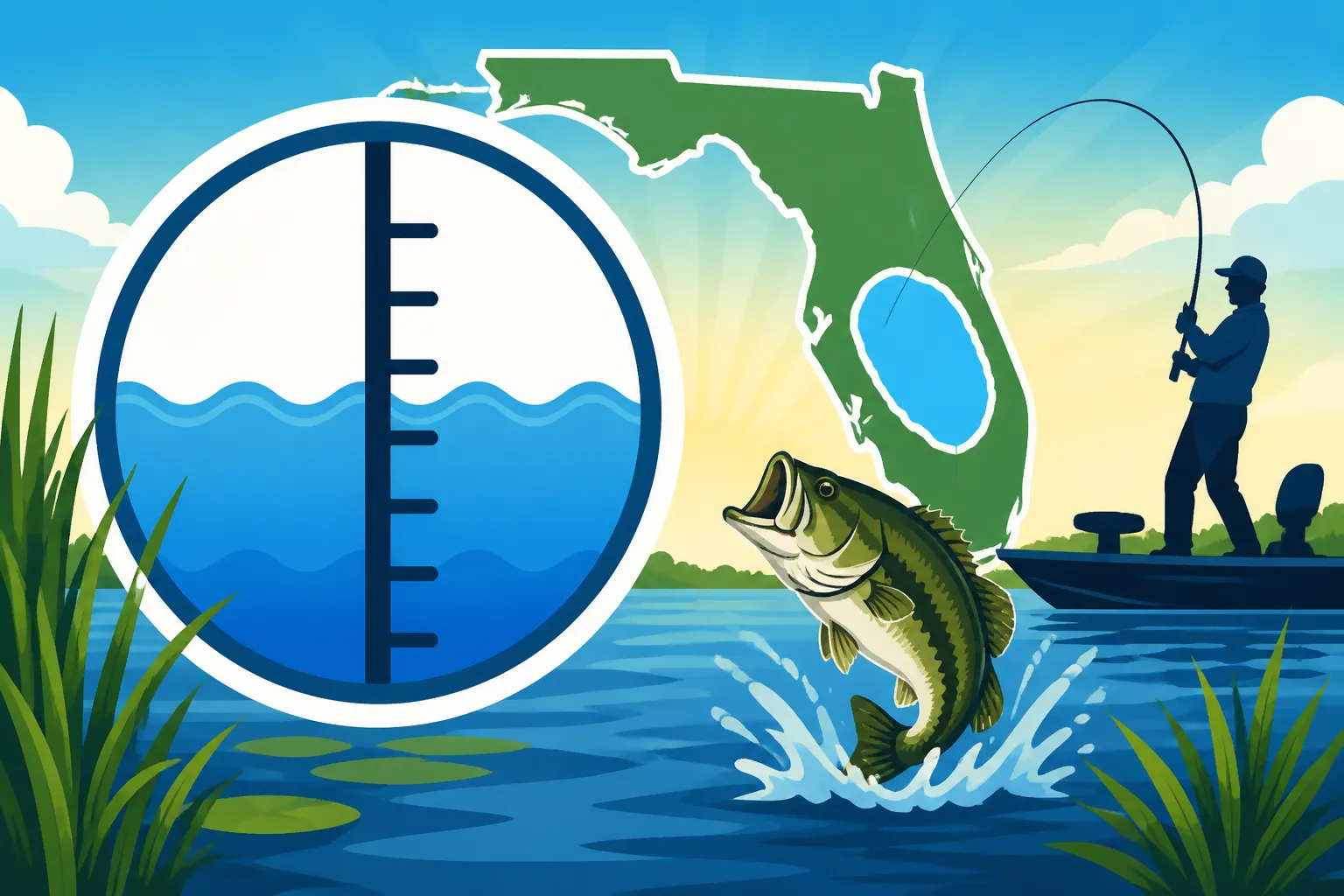
There's nothing quite like planning a fishing trip to the "Big O," Lake Okeechobee, only to arrive and find the water levels are completely different from what you expected. This can throw off your entire strategy, making it tough to locate fish or even navigate some of your favorite spots. Understanding the current water level at Lake Okeechobee is absolutely crucial for a successful outing, and this guide will break down why it matters, how to find the latest data, and how to adjust your fishing techniques accordingly.
Understanding Lake Okeechobee's Water Level Dynamics
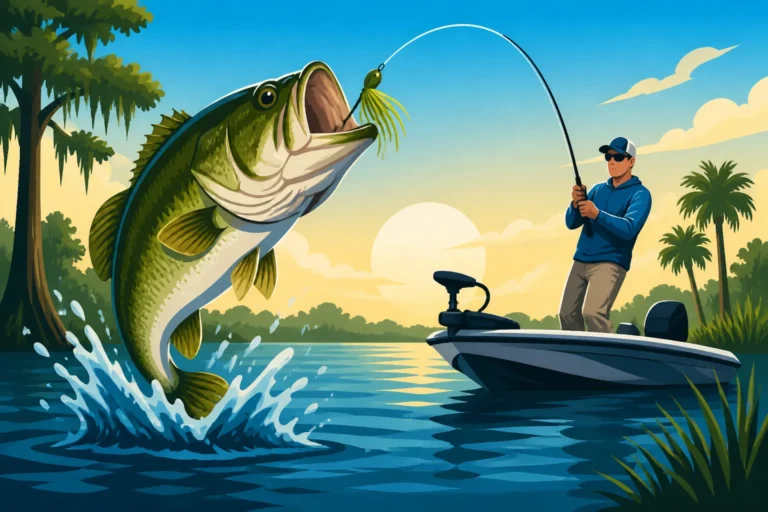
Lake Okeechobee, often affectionately called "The Big O," is a massive, shallow freshwater lake that's the heart of Florida's freshwater fishing scene, especially for largemouth bass. Its water levels are in a constant state of flux, influenced by natural phenomena and human intervention. Ignoring these dynamics is like trying to drive blindfolded – you might get somewhere, but it's probably not where you want to be.
Why Water Levels Matter for Anglers
The water level on Lake Okeechobee isn't just a number; it's a critical factor that dictates everything from fish behavior to boat access and even the health of the ecosystem. When the water is high, it can flood vast expanses of shoreline vegetation, opening up new areas for fish to explore and forage. Bass, crappie, and bluegill will spread out into these newly submerged grasses and bushes, making them harder to pinpoint. Suddenly, those shallow flats you usually fish might be too deep, or previously dry areas become prime hunting grounds.
Conversely, when water levels drop, fish tend to concentrate in deeper channels, canals, and around the remaining cover. This can make them easier to locate but also means increased fishing pressure on those spots. Low water also poses significant challenges for navigation. Boat ramps might become unusable, and prop-fouling hazards like submerged stumps and rocks become much more prevalent. Understanding these shifts allows you to anticipate where the fish will be and how to safely get there, saving you a lot of frustration and potentially a ruined lower unit.
Key Factors Influencing Lake Okeechobee's Water Levels
Lake Okeechobee's water levels are a complex dance between Mother Nature and the human hand. The most significant natural factor is, without a doubt, rainfall. Florida's notorious wet and dry seasons mean the lake can fluctuate dramatically. Summer brings heavy thunderstorms and tropical systems, which can rapidly raise the lake level, sometimes by several feet in a short period. The dry season, on the other hand, can see a gradual decline as evaporation and releases outpace rainfall.
Beyond the rain, the U.S. Army Corps of Engineers (USACE) and the South Florida Water Management District (SFWMD) play a huge role. They manage the lake's water levels primarily through a system of locks, dams, and canals that allow for both releases into the Everglades or out to the coasts, and sometimes inflows from other basins. This management is a balancing act, aiming to provide flood protection, maintain water supply, support navigation, and protect the delicate ecology of the lake and the Everglades downstream. The current management plan, known as the Lake Okeechobee System Operating Manual (LOSOM), directly influences how and when water is moved, making these decisions incredibly impactful on fishing conditions. Hurricanes and tropical storms, of course, can override any plan, leading to rapid, unpredictable changes.
Current Lake Okeechobee Water Level: What Anglers Need to Know
Knowing the current water level is paramount for anyone planning to fish Lake Okeechobee. It's the first piece of information you should check before heading out, as it directly impacts your tackle choices, fishing spots, and even the type of boat you might need.
How to Find the Most Up-to-Date Information
In today's digital age, getting real-time data on Lake Okeechobee's water level is surprisingly easy. The most authoritative sources are governmental agencies. The South Florida Water Management District (SFWMD) provides comprehensive, frequently updated data on their website. You'll typically find charts, graphs, and the exact current elevation measured in feet above the National Geodetic Vertical Datum of 1929 (NGVD29). The U.S. Army Corps of Engineers (USACE) also offers similar information, often with additional details about releases and forecasts.
Another reliable way to check is through apps and websites dedicated to fishing. Many of these platforms integrate real-time data from official sources, providing a convenient one-stop shop. Even a quick web search for "Lake Okeechobee water level" will usually bring up these official pages or reputable fishing news sites right at the top of the results. As of late spring/early summer 2024, the lake has generally been in the 14.5-15.5 foot range. This is often considered a healthy level, offering good access and spreading fish into diverse habitats.
Interpreting the Numbers: What Does the Current Level Mean?
Understanding what those numbers mean for your fishing trip is key. The Lake Okeechobee Regulation Schedule aims to keep the lake generally between 12.5 and 15.5 feet NGVD29, though the LOSOM plan is designed to fluctuate more.
- 15.5 feet and above: This is generally considered a high water level. At these elevations, vast areas of dense reed beds, cattails, and hydrilla on the lake's edges become submerged. This means bass and other fish spread out into these newly flooded zones, making them harder to locate. You might find fish further back in the reeds than usual, making for challenging but rewarding sight fishing if you can get to them. Navigation in shallow areas can be easier, but new hazards like floating debris might appear.
- 14.0 to 15.5 feet: This range is often considered optimal by many anglers. It provides excellent access to most areas of the lake, including many productive shallow flats and inner marsh systems. Fish have plenty of cover, but they're not so spread out that they become impossible to find. Bass often patrol the edges of the main lake and the extensive grass lines, making them accessible to various fishing techniques. This is where you might find the most productive "flipping and pitching" opportunities.
- Below 14.0 feet: When the lake dips below 14 feet, you're looking at lower water conditions. Fish tend to concentrate in deeper sections of the canals, around structural elements like submerged humps, or in the remaining healthy vegetation closer to the main lake. Navigation becomes trickier, with many shallow flats becoming too dry or dangerously shallow for prop boats. This is when local knowledge or a reputable guide from a platform like FishingBooker becomes invaluable, as they know the safe channels and where fish will be holding. Popular spots like the Monkey Box or the Tin House Cove can become much harder to reach or navigate safely without knowing the specific depths.
Knowing that the lake is currently around the 14.5-15.5 foot mark, as it has been in late spring/early summer 2024, suggests that conditions are generally favorable. Anglers should expect fish to be spread out in the vegetation, with good access to most areas.
Fishing Strategies Based on Water Levels
Adapting your fishing strategy to the prevailing water levels is what separates a good angler from a truly successful one on Lake Okeechobee. What works during high water might be a complete bust during low water, and vice-versa.
High Water Level Strategies
When Lake Okeechobee's water levels are high, typically around 15.5 feet or more, the landscape changes dramatically. Imagine vast stretches of shoreline vegetation, usually above water or barely submerged, now completely inundated. This creates an expansive, nutrient-rich buffet for baitfish and, consequently, for hungry bass.
The key challenge here is that the fish spread out. They have more room to roam and more cover to hide in, making them harder to pinpoint. Forget about targeting specific points or channels; you'll need to focus on covering water and getting into the newly accessible flooded areas. This is prime time for flipping and pitching jigs, creature baits, or even Texas-rigged worms deep into the dense cover of cattails, bulrushes, and hydrilla. Look for openings, irregularities, or small pockets within the vegetation where bass might ambush prey. Also, consider using topwater frogs or rats over matted vegetation, as bass will often push up through the sparse grass to strike. Using a shallow-draft boat or even a kayak can be incredibly effective for reaching these tucked-away spots that larger boats can't access. Don't be afraid to venture further into the "glades" areas, as the higher water opens up new fishing real estate. You might even discover a new favorite fishing spot that only exists under these conditions.
Low Water Level Strategies
Conversely, when Lake Okeechobee's water levels dip below 14.0 feet, the game completely shifts. Lower water concentrates fish into smaller areas, making them potentially easier to find but often more pressured. Many of the shallow flats that were so productive during higher levels might become dry, muddy, or too shallow to navigate.
In these conditions, focus your efforts on the main lake's deeper channels, canals that connect to the lake, and the edges of remaining healthy vegetation closer to deeper water. Bass will congregate in these areas, seeking refuge, stable water temperatures, and access to food. Lipless crankbaits, spinnerbaits, and ChatterBaits can be very effective for covering water along these edges or in open pockets. Pay close attention to any subtle changes in depth or structure, as these can hold significant numbers of fish. Jigs and Texas-rigged plastics worked slowly along the bottom of canals or submerged hydrilla beds can also be deadly. When navigating, exercise extreme caution. Stick to well-marked channels, consult updated navigation charts, and trim your motor up if you're venturing into unfamiliar territory. Many experienced guides on FishingBooker specialize in navigating these challenging low-water conditions and can quickly put you on fish while keeping you safe. Some popular spots like Horse Island or King's Bar become tricky, but the fish often concentrate around the deeper contours there.
"Normal" or Optimal Water Level Fishing
When Lake Okeechobee is in its "sweet spot" — typically between 14.0 and 15.5 feet NGVD29 — anglers enjoy a fantastic balance of accessibility and widespread fish distribution. This is often considered the most versatile period for fishing, allowing for a broader range of techniques and target areas.
In these optimal conditions, bass and other sport fish are found throughout the diverse habitats the lake offers. You can effectively target them on the vast grass flats, around isolated cover, along the edges of channels, and in the numerous coves and bays. This is a great time to experiment with a variety of lures, from topwaters in the mornings and evenings to spinnerbaits and crankbaits for covering water during the day. Flipping and pitching remain highly effective in the denser cover, while soft plastic stickbaits or jerkbaits can entice bites in more open water or along sparse hydrilla edges. Boat access is generally excellent across most of the lake, including many of the public ramps on the different portions of the lake, such as at Okee-Tantie Park near Okeechobee City or Belle Glade. For those looking to explore, a comprehensive Lake Okeechobee Fishing Guide can help you pinpoint prime locations that are easily accessible during these conditions. Always remember to check the specific Florida Fishing Regulations and Bag Limits for any species you intend to keep.
The Impact of Regulatory Schedules (LOSOM) on Fishing
Understanding how Lake Okeechobee's water levels are managed is incredibly important, not just for knowing where to fish today, but also for anticipating future conditions. The lake is a massive reservoir, and its management directly affects everyone from anglers to farmers and environmentalists.
Understanding the Lake Okeechobee System Operating Manual (LOSOM)
For years, Lake Okeechobee's water releases were guided by the Lake Okeechobee Regulation Schedule (LOPR 2008), which aimed to balance various needs but often faced criticism for environmental impacts, especially regarding harmful algal blooms. More recently, the U.S. Army Corps of Engineers implemented the Lake Okeechobee System Operating Manual (LOSOM) in 2022. This new manual is a game-changer. LOSOM seeks to prioritize human safety, reduce harmful discharges to the St. Lucie and Caloosahatchee estuaries, and provide more water for the Everglades.
What does this mean for anglers? LOSOM is designed to allow the lake's water levels to fluctuate more naturally, staying higher for longer during wet seasons and potentially dropping lower during dry periods, compared to the previous schedule. This "dynamic" management is a significant shift. For instance, in the past, water might have been held at a more consistent level. Now, expect to see more pronounced swings. If you're planning a trip, looking up the Lake Okeechobee System Operating Manual (LOSOM) specifics or checking the SFWMD website for current operations is a must. These operational decisions directly influence where fish will be and how easily you can access different parts of the lake.
How Future Changes Might Affect Your Fishing Trips
The implications of LOSOM, and any future adjustments, are far-reaching for Florida fishing. On one hand, allowing the lake to experience more natural highs and lows could lead to healthier overall ecology, which benefits fish populations in the long run. Higher water levels, managed correctly, can expand critical marsh habitat, providing more spawning and nursery grounds. This means more fish in the future! Conversely, prolonged periods of lower water could expose more bottom, leading to consolidation of fish and easier targeting in some respects, but also potential challenges for boat navigation and increased pressure on remaining deep-water habitats.
For anglers, this means staying flexible and informed. The historical "Best Time of Year to Fish Lake Okeechobee" might still hold true for general patterns, but the specifics of exactly where to fish will depend heavily on the current water stage. You might find certain shallow areas are productive only during specific windows dictated by the schedule, while other, deeper sections become consistent producers during lower levels. It also emphasizes the importance of robust Florida Bass Fishing Techniques that can be adapted to varying conditions. Whether you're fishing the Indian Prairie Canal on Lake Okeechobee or exploring the extensive grass flats, staying abreast of water level news will be as important as choosing the right lure. Reputable guides listed on platforms like FishingBooker are usually the first to understand and adapt to these changes, making them invaluable resources for a productive trip.
General Lake Okeechobee Water Level and Fishing Impact Summary
To give you a quick overview, here's a table summarizing how different water levels typically affect fishing on Lake Okeechobee. Remember, these are general guidelines, and local conditions can always vary.
| Water Level (feet NGVD29) | General Condition | Angling Impact & Strategies | Navigation Considerations | Fish Behavior |
|---|---|---|---|---|
| 15.5+ feet | High | Fish spread out into flooded vegetation; focus on flipping/pitching heavy jigs into dense cover; topwater frogs over mats. | Good access to most areas, but new floating debris; exercise caution. | Dispersed, seeking new foraging grounds in flooded marshes. |
| 14.0 – 15.5 feet | Optimal/Normal | Excellent accessibility; diverse techniques work well; target grass lines, hydrilla beds, channel edges with spinnerbaits, crankbaits, plastics. | Most boat ramps and channels fully navigable. | Actively feeding along vegetation edges and in open pockets. |
| Below 14.0 feet | Low | Fish concentrate in deeper channels, canals, and remaining healthy vegetation; focus on jigs, lipless crankbaits, or slow-fished plastics. | Tricky navigation; many shallow flats become impassable; stick to known channels. | Concentrated, may be more sensitive to pressure; seeking deeper, stable water. |
No matter the water level, Lake Okeechobee offers fantastic fishing opportunities. Knowing the current level and how to adapt your approach can significantly increase your chances of a memorable day on the water. For those looking for local expertise, checking out some of the Best Guides for Lake Okeechobee Bass Fishing can provide an edge, as they live and breathe these conditions daily. They can help you understand the nuances of the lake's fluctuating environment and put you on the fish, regardless of what the gauge reads.
Disclaimer
The information provided in this guide is for general informational purposes only and is subject to change. Water levels and fishing regulations can fluctuate based on environmental conditions and official management decisions. Always consult official sources such as the South Florida Water Management District (SFWMD) and the Florida Fish and Wildlife Conservation Commission (FWC) for the most current data, rules, and safety guidelines before planning any fishing trip. Fishing conditions are inherently unpredictable, and success is never guaranteed.