Why Mosquito Lagoon Is Known for Trophy Redfish
For many anglers, the dream of hooking into a truly massive redfish can feel like a distant fantasy, often requiring endless hours of trial and error in vast, unfamiliar waters. It's a frustrating pursuit when you're seeking that "once-in-a-lifetime" trophy, but just can't seem to locate where those giants truly thrive. This guide dives deep into the specific reasons why Florida's legendary Mosquito Lagoon consistently produces some of the biggest, most sought-after redfish in the world, helping you understand its unique allure and what it takes to experience it firsthand.
The Unique Ecosystem Driving Redfish Growth
Mosquito Lagoon isn't just another body of water; it's a finely tuned natural system that provides everything a redfish needs to not only survive but also flourish into a true behemoth. Understanding this delicate balance is key to appreciating why this place is so special for trophy redfish anglers.
Shallow, Protected Waters Offer Ideal Habitat
Imagine a sprawling, shallow estuary, largely protected from the harsh open ocean by a series of barrier islands. That's Mosquito Lagoon. Its average depth is incredibly shallow, often just a few feet, even in its deepest channels. This characteristic creates vast expanses of clear, sun-drenched water that are perfect for sight fishing. These shallow waters are also heavily sheltered, meaning less turbulent conditions compared to the open ocean or even larger bays like Tampa Bay. The calm environment reduces stress on the fish and allows delicate ecosystems like seagrass beds to thrive without constant disruption.
These protective conditions mean that redfish, particularly the larger ones, don't have to expend as much energy fighting currents or seeking shelter from harsh weather. Instead, they can focus that energy on what they do best: eating and growing. The intricate network of tidal creeks, shallow flats, and deeper channels within the lagoon offers a variety of micro-habitats where redfish can hunt, hide, and spawn, allowing them to remain within the lagoon's boundaries for extended periods, sometimes even their entire lives. This isolation from migratory patterns seen in more open coastal areas contributes significantly to their ability to grow exceptionally large within this contained system.
Abundant Forage and Nutrient-Rich Waters
The primary driver behind any fish growing to trophy size is a consistent and abundant food supply, and Mosquito Lagoon excels in this department. Its nutrient-rich waters support a diverse food chain, starting from microscopic organisms and extending all the way up to the apex predators like redfish. The extensive seagrass beds, particularly species like turtle grass and shoal grass, act as critical nurseries and feeding grounds for a huge variety of baitfish and crustaceans.
Redfish in Mosquito Lagoon feast on a smorgasbord of high-protein meals. Their diet includes prolific populations of mullet, a staple in their diet, as well as various species of shrimp, crabs, and smaller fish like pinfish and mud minnows. The sheer density and availability of these food sources mean that redfish don't have to travel far or work excessively hard to find their next meal. This constant caloric intake, combined with the stable environment, allows them to grow at an impressive rate, packing on size and weight year after year, eventually tipping the scales as true trophy specimens.
Factors Contributing to Trophy Redfish Growth
Beyond the basic ecosystem, specific management and environmental conditions in Mosquito Lagoon work synergistically to foster a population of redfish that are not just plentiful but also incredibly large. It's a testament to both nature's bounty and thoughtful human intervention.
Limited Pressure and Conservation Efforts
One of the most significant reasons for the abundance of trophy redfish in Mosquito Lagoon is the stringent management and conservation efforts in place. Much of the lagoon falls within the boundaries of the Merritt Island National Wildlife Refuge and the Canaveral National Seashore. These protected areas have strict regulations, including extensive "no-motor zones" where only poling or electric trolling motors are allowed. This drastically reduces boat traffic and noise, creating sanctuaries where redfish can live undisturbed.
The fishing culture here also emphasizes conservation. While Florida has specific Florida Redfish Size and Bag Limits, many anglers and guides in Mosquito Lagoon practice catch-and-release, especially for the larger, breeding-size fish. This voluntary commitment to conservation ensures that these giant redfish can continue to spawn and contribute to the next generation, perpetuating the cycle of trophy-sized fish. It's a collective understanding that preserving the resource is paramount to enjoying its unique offerings. This conscious effort has allowed generations of redfish to reach maturity and beyond, making the likelihood of encountering a true monster much higher than in heavily pressured areas.
Ideal Water Salinity and Temperature Fluctuations
The lagoon's semi-enclosed nature, with limited direct connections to the open ocean, helps maintain a relatively stable salinity level. While some freshwater input occurs, it’s generally not enough to drastically alter the brackish environment that redfish thrive in. This consistency in salinity is crucial for their physiological well-being and reproductive cycles. Redfish are quite adaptable to varying salinities, but a stable range allows them to dedicate more energy to growth rather than physiological adjustments.
While Florida is known for its warmth, Mosquito Lagoon does experience seasonal temperature fluctuations. However, the shallow, dark-bottomed flats can warm up quickly, providing ample comfort for redfish even during cooler periods. Conversely, the lagoon's extensive shallow areas can become quite warm in the summer, pushing fish into slightly deeper channels or shaded areas. Redfish in Mosquito Lagoon are incredibly resilient, and while severe How Cold Fronts Affect Winter Fishing in Florida can sometimes stun fish, the overall mild climate allows for year-round feeding and growth, contributing to their impressive size. This prolonged growing season, unimpeded by extreme cold or heat for long stretches, means redfish can continually add inches and pounds.
Fishing Techniques and Strategies for Trophy Redfish
Catching these magnificent fish in Mosquito Lagoon isn't just about showing up; it requires a specific approach tailored to the unique environment and the behavior of these large redfish. It's a nuanced game that rewards patience, stealth, and knowledge.
Sight Fishing in Clear, Shallow Waters
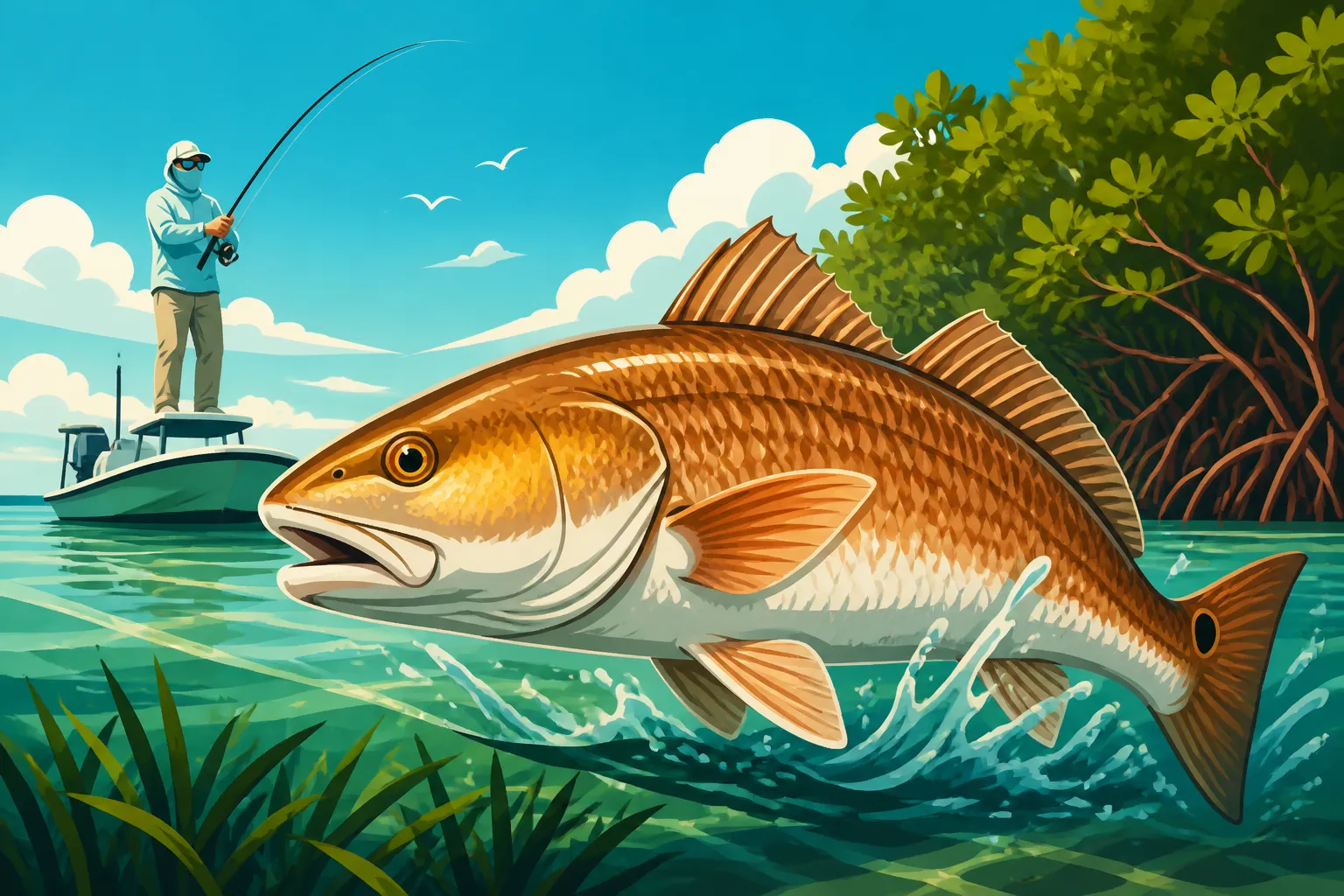
One of the most thrilling aspects of fishing for trophy redfish in Mosquito Lagoon is the prevalence of sight fishing. The clear, shallow waters, often just ankle to knee-deep, allow anglers to literally spot redfish cruising, tailing, or laid up on the flats. This isn't just a bonus; it's often the most effective way to target the biggest fish. Anglers in poling skiffs, kayaks, or even wading, meticulously scan the water with polarized sunglasses, looking for tell-tale signs: a subtle ripple, a dark shadow, a flashing tail, or even the distinctive "push" of a fish moving water.
The challenge lies in making a precise, quiet cast to these wary fish without spooking them. This demands excellent casting skills and an understanding of how fish react to presentation. It's an immersive experience, combining the hunt with the cast, making the eventual hook-up incredibly satisfying. A misplaced cast can send a trophy redfish rocketing away, reinforcing the need for finesse. Many guides specialize in this delicate dance, guiding anglers to spots where Best Spots in Mosquito Lagoon for Redfish are known to frequent, and coaching them through the intricacies of a perfect presentation. For a deeper dive into this technique, check out our guide on Sight Fishing Technique for Shallow Flats.
Preferred Baits and Lures for Lagoon Redfish
Trophy redfish in Mosquito Lagoon aren't always easy to fool, but certain baits and lures consistently prove effective. For live bait enthusiasts, shrimp are almost universally loved by redfish and can be fished under a popping cork or free-lined. Live mullet, especially finger mullet, are also highly effective, particularly for larger fish looking for a more substantial meal. Some anglers even use small crabs, which are natural prey items in the lagoon. The key with live bait is to present it naturally and quietly, mimicking how a real baitfish or crustacean would move.
When it comes to artificial lures, a variety of options work well depending on the conditions and the fish's mood. Soft plastic jerkbaits or paddletails rigged on a weedless hook or a lightweight jig head are incredibly popular, imitating a struggling baitfish. Spoons, especially gold or copper, can mimic fleeing baitfish or crabs. For aggressive fish, especially during low light conditions or over deeper grass, topwater plugs can elicit explosive strikes. The color and action of the lure are crucial, often needing to be subtle in the clear water. Understanding what Best Bait for Redfish Fishing in Florida works best at different times of the year can make a huge difference.
Hiring a Local Expert for Navigating the Flats
While Mosquito Lagoon is renowned for its trophy redfish, it's also a complex and often shallow environment that can be difficult for newcomers to navigate safely and effectively. This is where the value of a local, experienced fishing guide truly shines. These guides spend countless days on the water, learning the subtle nuances of tides, feeding patterns, and the exact locations where big redfish congregate. They know the channels, the hidden sandbars, and the "no-motor zones" like the back of their hand, ensuring a safe and productive trip.
A good guide provides not only the expertise but also the right equipment, including specialized shallow-draft boats or kayaks perfectly suited for the lagoon. They'll teach you the specific casting techniques, how to spot fish, and how to properly handle a trophy redfish for release. For anyone serious about targeting a trophy redfish in Mosquito Lagoon, especially if it's your first time, hiring a guide is highly recommended. Platforms like FishingBooker make it incredibly easy to find and book experienced local captains who specialize in Mosquito Lagoon redfish, allowing you to choose a guide whose style and boat suit your preferences. You can browse various listings on FishingBooker, read reviews from other anglers, and compare prices to find the perfect match for your adventure. Consulting our guide on How to Choose a Florida Fishing Guide can also help you make an informed decision when searching for a top-notch guide on FishingBooker or elsewhere.
The Experience of Chasing Trophy Redfish in Mosquito Lagoon
Beyond the technicalities, fishing for trophy redfish in Mosquito Lagoon offers an unparalleled experience, blending the thrill of the chase with the serene beauty of one of Florida's most pristine natural environments. It's an adventure that leaves a lasting impression, long after the last cast.
The Thrill of the Hunt and the Fight
There's nothing quite like slowly poling across a glassy flat, eyes straining, searching for a subtle movement that betrays the presence of a giant redfish. The anticipation builds with every silent push of the pole, every scanning glance across the water. When you finally spot that dark shadow, a massive tail waving in the air as it feeds, your heart rate quickens. The cast has to be perfect, the retrieve just right, and when that fish finally commits and slams your bait or lure, it's an explosion of energy.
Trophy redfish are known for their powerful, stubborn fights. They'll make blistering runs, often peeling line off your reel with surprising speed, and then dig deep, trying to rub your line against unseen oyster beds or structure. The fight is a testament to their strength and the challenge of the lagoon. Landing one of these magnificent creatures, measuring its impressive length, and then watching it swim off strong for the next angler, is a memory that lasts a lifetime. It’s a rewarding battle that epitomizes the challenge of the lagoon, making you appreciate the sheer power of these fish.
Respecting the Resource and Future Generations
The ability to consistently catch trophy redfish in Mosquito Lagoon is not something to be taken for granted. It’s a privilege that comes with a responsibility to protect this unique fishery. The catch-and-release ethic is deeply ingrained here, especially for the larger fish which are vital for reproduction. Proper fish handling techniques are crucial: minimizing fight time, keeping the fish in the water as much as possible, using barbless hooks, and ensuring a healthy release. These practices are not just suggestions; they are essential for the long-term sustainability of the resource.
Anglers and guides often go above and beyond to educate visitors about the importance of conservation, reminding everyone that these incredible fishing opportunities rely on collective stewardship. Understanding and adhering to all Florida Fishing Regulations and Bag Limits is a given. By respecting the fish and their habitat, we ensure that future generations can also experience the awe and excitement of tangling with a true trophy redfish in this natural treasure. The health of this ecosystem is also supported by broader initiatives, as detailed in our article on How Florida Fishing License Fees Fund Conservation, which illustrates how license fees contribute directly to protecting fisheries like Mosquito Lagoon.
Mosquito Lagoon Trophy Redfish Factors
| Factor | Description | Impact on Redfish |
|---|---|---|
| Shallow, Protected Waters | Extensive shallow flats (1-4 ft deep), sheltered by barrier islands. | Reduces predator pressure, provides vast feeding grounds, stable habitat. |
| Abundant Forage | Dense seagrass beds support prolific populations of mullet, shrimp, crabs. | Consistent, high-calorie diet leads to rapid growth and large sizes. |
| Conservation Efforts | No-motor zones, catch-and-release ethos, refuge status. | Minimizes fishing pressure, allows fish to reach old age and large size. |
| Stable Environment | Consistent salinity, generally mild temperatures, complex habitat. | Optimal physiological conditions for growth, reduced stress, year-round feeding. |
| Sight Fishing Culture | Emphasis on stealth and visual hunting. | Encourages careful angling, often targeting specific large fish. |
Disclaimer
Please remember that fishing conditions, regulations, and fish behavior can change. Always check the latest Florida Fish and Wildlife Conservation Commission (FWC) regulations before heading out. Safety first, and always practice responsible angling.