Best Bass Spots on the Kissimmee River
It can feel overwhelming trying to pinpoint the true honey holes for largemouth bass on a vast, intricate system like the Kissimmee River. With its extensive network of canals, lakes, and wild river stretches, anglers often wonder where to even begin to consistently find those hard-fighting Florida giants. This comprehensive guide is dedicated to cutting through the confusion, revealing the best bass spots on the Kissimmee River and arming you with the knowledge to make your next fishing trip a resounding success.
Understanding the Kissimmee River's Unique Bass Habitat
The Kissimmee River, a vital artery in Central Florida's freshwater ecosystem, offers a distinct and dynamic environment for largemouth bass. Unlike many clear-water lakes, the river system presents a complex mix of open water, dense vegetation, and varying current flows. Successful bass fishing here isn't just about dropping a line; it's about understanding the subtle nuances of its habitat. Many anglers get frustrated because what works in a calm lake often falls flat in the river's moving water and diverse cover.
The River's Transformation and Its Impact on Bass
Historically, the Kissimmee River was a meandering floodplain river, creating vast wetlands that were prime breeding grounds for bass and diverse wildlife. However, in the mid-20th century, parts of the river were channelized into a straight canal system known as the C-38 Canal. This drastically altered the flow and habitat. Over the last few decades, incredible restoration efforts have been underway, re-meandering significant portions of the river and bringing back its natural floodplain.
These restoration efforts have been a game-changer for the bass population. The re-meandered sections now offer slow-flowing oxbows, increased submerged vegetation, and diverse bottom structures that bass absolutely thrive in. The renewed hydrologic connection to the floodplain means more food sources and better spawning areas. It's a testament to how human intervention, when corrected, can lead to a resurgence in natural fisheries.
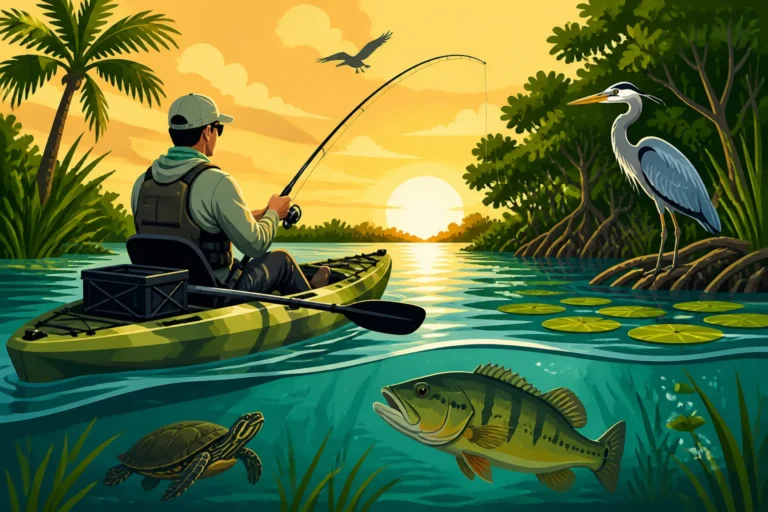
While the restoration is ongoing, anglers still encounter both the old channelized sections and the beautifully restored meanders. It's crucial to distinguish between these when planning your trip, as they fish very differently. The channelized areas often present deeper, more uniform water, where bass might hold to ledges or deeper structure, especially during colder months. Conversely, the re-meandered sections are shallower, often choked with lily pads, hydrilla, and cattails, making them perfect ambush points for aggressive bass.
Identifying Key Structural Elements
Largemouth bass are ambush predators, and on the Kissimmee River, they rely heavily on structure for cover, feeding, and protection. Learning to read the river and identify these key structural elements is paramount. It’s not just about finding water; it’s about finding the right kind of water where bass feel safe and have easy access to prey. The river is constantly changing with water levels and vegetation growth, so flexibility is key.
One of the most productive structural elements is hydrilla and other submerged vegetation. These expansive grass beds provide oxygen, shade, and a buffet of baitfish like shiners and bluegill. Bass will often sit just inside the edges of these beds, waiting to dart out and ambush passing prey. Pitching or flipping heavy jigs and Texas-rigged worms into the thickest parts of these mats can yield some truly explosive strikes.
Another vital structure includes fallen trees, brush piles, and undercut banks. These offer excellent current breaks and deep shade, especially on bright, sunny days. Bass will often hold tight to these features, making precise casts a necessity. Look for areas where the main current is interrupted, creating eddies where baitfish can congregate. Bridges and culverts, particularly where smaller canals feed into the main river, also create current breaks and hard structure that attract bass. These man-made structures often hold surprisingly large fish.
The Role of Water Levels and Flow
Water levels and current flow are perhaps the most influential factors dictating bass behavior on the Kissimmee River. Unlike many lakes, the river is constantly moving, and its levels can fluctuate significantly based on rainfall and water management operations. A rising or falling river can completely change where bass are holding and how they're feeding. It’s a challenge, but also an opportunity for those who pay attention.
When water levels are stable or slowly rising, bass tend to move into the shallower, flooded vegetation along the banks. This is when the fishing can be exceptional, as new feeding opportunities open up. Targeting these newly inundated areas with topwater lures or ChatterBaits can be incredibly effective. However, rapidly rising water can scatter fish and make them harder to locate.
Conversely, falling water levels will often push bass out of the shallow cover and into deeper pockets, creek channels, or into the main river channel itself. During these times, focus your efforts on the edges of deeper grass lines, brush piles, and any identifiable drops or ledges. Understanding these patterns is a significant advantage, ensuring you don't waste time fishing unproductive water. Paying attention to water flow around bridges and bends can also reveal hidden honey holes.
Top Bass Fishing Hotspots on the Kissimmee River
The Kissimmee River is long and diverse, stretching from the chain of lakes south of Orlando down to Lake Okeechobee. Pinpointing the "best" spots often comes down to understanding distinct regions of the river system. Each segment presents its own set of challenges and rewards, and anglers often develop a preference for one area over another. It's not uncommon for a serious bass angler to spend years exploring just a fraction of what the river has to offer.
Targeting the North End: Headwaters and Connecting Lakes
The northernmost reaches of the Kissimmee River begin their journey from the Kissimmee Chain of Lakes, including East Lake Toho, Lake Tohopekaliga, and particularly Lake Kissimmee. The river sections directly connecting these major lakes, often referred to as canals or thoroughfares, are absolutely prime for bass fishing. These areas benefit from the robust bass populations of the lakes and provide a constantly refreshing flow of nutrients and baitfish.
One particularly renowned area is the stretch of river immediately south of Lake Kissimmee, known as the "Kissimmee River Pool A." Here, the river begins to truly take on its more natural, winding form after the structure of the lake. Look for expansive hydrilla beds and lily pad fields in the slower-moving pockets. The edges of these vegetation lines, especially where they meet open water or a slight current, are classic ambush points. This region is famous for producing both numbers of bass and trophy-sized fish, making it a favorite for many local tournaments. Using a local guide found on platforms like FishingBooker can give you a distinct advantage in these complex waters.
Further upstream, the canals connecting Lake Hatchineha and Lake Cypress also hold significant bass. These channels, while sometimes appearing less "river-like," are vital migration routes and feeding grounds. Focus on boat docks, seawalls, and any submerged structure you can find. Remember that these areas can see heavy boat traffic, so early mornings or late evenings often yield the best results when the water is calmer and the bass are more willing to feed in the open.
Mid-River Magic: The Channel and Tributary Inlets
As you move south, past the major lakes, the Kissimmee River enters its more classic "mid-river" phase, characterized by both restored meanders and remaining channelized sections. This diverse habitat provides a smorgasbord of options for the discerning bass angler. Many anglers find this middle section to be less pressured than the areas directly connected to the big lakes, offering a more tranquil and often productive experience.
The re-meandered sections of the river, particularly those that have been extensively restored, are phenomenal. These areas feature oxbows, expansive emergent vegetation, and shallower floodplains that mimic the river's historical state. Bass absolutely stack up in these meandering pockets, especially where the flow is slower and abundant cover exists. Flipping and pitching into dense cattails, lily pads, and willow thickets can be incredibly effective. Also, don't overlook the main channel itself, especially where tributaries or smaller canals feed in. These intersections often concentrate baitfish and provide unique current breaks.
Another key feature in the mid-river stretch are the numerous tributary creeks and smaller canals that empty into the Kissimmee. These inlets often bring in cooler, oxygenated water and a fresh supply of bait, acting as magnets for bass. Examples include creeks like Chandler Slough or the numerous nameless ditches and culverts that dot the landscape. Fish the mouths of these inlets, but also venture a little ways upstream, particularly after a rain event when the water might be stained and bass are pushed further back into the cover. These are often overlooked spots that can hold true giants.
Southern Stretches: Approaching Lake Okeechobee
The southern end of the Kissimmee River eventually flows into the legendary Lake Okeechobee, often called "Florida's Inland Sea." This transition zone is a fantastic area, benefiting from the massive bass population of the lake itself. The river here widens, and the influence of Lake Okeechobee becomes increasingly apparent, often bringing a different dynamic to the fishing. Anglers targeting this section are often rewarded with larger-than-average bass. If you're looking for a truly epic experience, exploring the fishing here can be as rewarding as fishing Lake Okeechobee itself.
One of the prime locations in this southern stretch is the lock system, particularly the S-65 structures and downstream towards the confluence with Lake Okeechobee. These locks create significant current and structure, concentrating baitfish and, in turn, bass. Fishing around the lock gates, discharge areas, and the rip-rap banks can be highly productive. Be mindful of boat traffic around the locks and always exercise caution. Deeper diving crankbaits and heavy jigs often perform well in these current-heavy areas.
The last few miles of the Kissimmee River before it fully opens into Lake Okeechobee are characterized by a mix of open water, extensive marsh areas, and scattered clumps of vegetation. This is where you might start seeing bass that are more typical of the 'Big O' – big, healthy, and often incredibly aggressive. Look for defined edges of marsh grass, scattered hydrilla, and any isolated cover that breaks the expanse of open water. This is also a good area to consider hiring a guide through services like FishingBooker who specializes in the nuances of the Lake Okeechobee region, as they can navigate the sprawling waters and hidden gems with ease.
Essential Techniques and Baits for Kissimmee River Bass
Fishing the Kissimmee River for largemouth bass requires a versatile approach. What works one day might not work the next, given the varying water levels, flow, and weather. The key is to have a diverse tackle box and a willingness to adapt your strategy. Many anglers fall into the trap of using only one technique, missing out on bites from fish that prefer a different presentation. Understanding Florida Bass Fishing Techniques can give you a significant edge on this river system.
Lures That Consistently Produce
For anglers looking to cover water and find active fish, a range of artificial lures are indispensable on the Kissimmee River. Each lure type excels in different conditions and targets bass holding in various types of cover. Having a solid selection is crucial.
- Soft Plastics: These are arguably the most versatile and consistently productive lures. Texas-rigged worms (like a 10-inch culprit worm or Zoom Ol' Monster) or creature baits (such as a Zoom Brush Hog) are deadly when pitched or flipped into dense hydrilla, lily pads, or brush piles. The heavy weight allows them to penetrate thick cover, and the subtle action often provokes a strike from even lethargic bass. Jig worms are also effective when fished slowly along channel edges or ledges. Another excellent option is a weightless Senko-style bait, which has a natural fall that bass find irresistible, particularly around sparse vegetation or docks.
- Jigs: Heavy football jigs or flipping jigs, often paired with a craw-style trailer, are phenomenal for probing deeper cover, rock piles, or current breaks. The compact profile and weedless design make them ideal for dissecting dense areas. Vary your retrieve from a slow crawl to aggressive hops, paying attention to how the bass react. Black and blue, green pumpkin, and brown are classic colors that tend to work well in the often-stained river waters.
- Topwater Lures: When conditions are right – low light, calm water, and active fish – nothing beats the excitement of a topwater strike. Frogs are exceptional for fishing over heavy matted vegetation, while prop baits (like a Devil's Horse or Zoom Horny Toad) or walking baits (such as a Heddon Zara Spook) can draw explosive strikes in open water adjacent to cover. This is particularly effective during warmer months or early mornings.
- Spinnerbaits and ChatterBaits: These lures are excellent for covering water quickly and drawing reaction strikes. Spinnerbaits with tandem willow leaf blades are great for ripping through hydrilla or bouncing off submerged timber. ChatterBaits, with their erratic vibration and skirted profile, are fantastic for mimicking fleeing baitfish, especially along grass edges or over scattered cover. White, chartreuse, and perch patterns are often good starting points. You might find more specific recommendations in a guide on Best Lures for Florida Bass Fishing.
Live Bait Tactics for Bigger Bites
While artificial lures are incredibly effective, sometimes nothing can outperform a lively shiner or a frisky bluegill. For anglers specifically targeting trophy largemouth bass on the Kissimmee River, live bait is often the go-to choice. The natural movement and scent of live bait can entice even the most wary fish, especially in areas with heavy fishing pressure or when the bite is tough.
Wild shiners are, without a doubt, the king of live baits for big bass in Florida. A large, lively shiner, free-lined or fished under a float around dense cover or along current breaks, is an irresistible meal for a hungry bass. Many local bait shops along the Kissimmee River specialize in wild shiners, often caught from the very waters you'll be fishing. It's often worth the extra effort and cost to acquire quality shiners if a monster bass is your target.
Another excellent live bait option, especially when shiners are hard to come by, is a wild-caught bluegill or bream. These panfish are natural prey for bigger bass and can be very effective. Rig them similarly to shiners, paying close attention to keeping them lively. Remember that there are regulations regarding the size and number of baitfish you can possess, so always check the latest Florida Fishing Regulations and Bag Limits before heading out. Sometimes, simply knowing What Do Largemouth Bass Eat? can help you select the best natural or artificial bait.
Strategic Presentation and Retrieval
Beyond just choosing the right bait, how you present and retrieve it is critical for success on the Kissimmee River. Bass in a river environment are often holding tight to cover and reacting quickly to opportunities. A sloppy cast or an unnatural retrieve can mean the difference between a trophy and an empty hook.
- Accuracy is Key: Precision casting is paramount, especially when targeting specific pieces of cover like a fallen tree, a small pocket in hydrilla, or an undercut bank. Overcast or undercast can spook fish or get you hung up. Practice pitching and flipping accurately to within inches of your target. This often means sacrificing distance for pinpoint accuracy.
- Vary Your Retrieve: Don't get stuck in a rut with one retrieval speed or action. Experiment with fast retrieves, slow crawls, pauses, and erratic jerks. Sometimes, a subtle twitch is all it takes; other times, an aggressive rip will trigger a reaction strike. Pay attention to how the bass are biting – are they hitting on the fall, on the pause, or during the retrieve? Let the fish tell you what they want.
- Work the Edges: Bass love to hang out on the edges of cover – the edge of a hydrilla mat, the perimeter of a lily pad field, or the transition from shallow to deeper water. Make multiple casts along these edges, approaching from different angles if possible. These transition zones are prime feeding lanes.
- Silent Approach: Bass have excellent hearing and can feel vibrations in the water. Minimize unnecessary noise in your boat, and approach your chosen spots quietly. If you're using a trolling motor, keep it on a low setting. A stealthy approach can dramatically increase your chances of hooking into unpressured fish. Consider a quality Best Rod and Reel Setup for Florida Inshore Fishing (the principles often apply to heavy freshwater cover) to help with accurate casting and fighting strong river bass.
Planning Your Kissimmee River Bass Adventure
Embarking on a bass fishing trip to the Kissimmee River is an experience every Florida angler should have. However, like any major river system, it requires thoughtful planning to ensure a safe, enjoyable, and successful outing. From navigating its waters to understanding seasonal patterns, a little preparation goes a long way.
Navigating the River Safely and Effectively
The Kissimmee River, while beautiful, can be challenging to navigate, especially for those unfamiliar with its shifting sandbars, submerged vegetation, and varying water depths. Having a reliable boat and proper navigation tools are essential.
A shallow-draft boat, like a bass boat or a flat-bottom jon boat, is ideal for accessing many of the prime bass spots, especially in the shallower, re-meandered sections. Airboats are also common, particularly for reaching truly remote areas within the marsh. Always carry detailed charts or a GPS unit with up-to-date mapping. Many of the restored sections can look confusingly similar, and it's easy to get disoriented. Pay close attention to channel markers, if present, and be vigilant for submerged hazards, especially during periods of low water. Getting stranded on a sandbar is a common frustration, so awareness is key.
Safe boating practices are paramount. Always wear your life jacket, ensure all safety equipment is on board, and let someone know your float plan. The river can be remote in places, and cell service isn't always reliable. Respect other anglers and boaters, and always be aware of the current, which can be stronger than it appears, particularly around locks and bends. Understanding Florida Freshwater Fishing License Rules is also crucial before you even launch your boat. Many public boat ramps, some of which are detailed in guides like Best Public Boat Ramps on Lake Okeechobee, can be found along the river system, but verify their current status before your trip.
Optimal Seasons and Weather Conditions
The Kissimmee River offers excellent bass fishing year-round, but understanding the optimal seasons and how weather impacts fish behavior will significantly enhance your success. Florida's climate swings from hot, humid summers to mild, sometimes chilly winters, and the bass react accordingly.
- Spring (March-May): This is arguably the prime season for trophy bass on the Kissimmee River. Bass are in their pre-spawn, spawn, and post-spawn phases, making them incredibly aggressive and often concentrated in shallower areas. This is when sight fishing for bedding bass can be exceptional. Look for warm, stable weather patterns. This period often aligns with the Best Time of Year to Catch a Trophy Bass in Florida.
- Summer (June-August): While hot, summer can still be very productive, especially during low-light conditions (early morning, late evening, or even night fishing). Bass will retreat to deeper, cooler water or seek refuge under dense mats of vegetation to escape the midday sun. Topwater action can be explosive at dawn and dusk. Be prepared for afternoon thunderstorms, which are a daily occurrence in Florida during summer.
- Fall (September-November): As temperatures begin to cool, bass become more active and start feeding heavily in preparation for winter. This is a fantastic time for schooling bass, as they chase baitfish. Look for fish busting on the surface. The weather is generally more stable and pleasant for anglers.
- Winter (December-February): While cold fronts can shut down the bite temporarily, winter can produce some of the largest bass of the year. Bass will often congregate in deeper holes, channels, or around warmer springs if any are present. Fish slowly with jigs, worms, or slow-rolling spinnerbaits. After a few days of stable, warming weather following a cold front, the bite can really turn on. For general seasonal advice, refer to Best Time of Year to Fish in Florida.
Considering a Guided Experience
For anglers new to the Kissimmee River, or those looking to maximize their chances of success and learn the nuances of the system quickly, hiring a professional fishing guide is an invaluable investment. A local guide brings years of experience, intimate knowledge of current conditions, and access to specialized equipment. They'll know exactly where the fish are holding, what they're biting on, and how to navigate the river safely.
Many fantastic guides operate on the Kissimmee River, specializing in largemouth bass. They often have dedicated boats, tackle, and bait specifically suited for the river's unique challenges. A good guide will not only put you on fish but also teach you valuable techniques, help you read the water, and provide insights into bass behavior that would take years to acquire on your own. Platforms like FishingBooker are excellent resources for finding highly-rated Kissimmee River bass guides. You can often read reviews, compare prices, and book directly, taking the guesswork out of finding a reputable captain. This is especially true if you're interested in a broader Florida Fishing Charter Guide experience or specifically seeking Best Guides for Lake Okeechobee Bass Fishing, which often overlap with Kissimmee River expertise.
Hiring a guide means you can focus entirely on fishing, enjoying the stunning Florida scenery, and the thrill of the catch, without worrying about navigation, boat issues, or finding the fish. It's an excellent way to jumpstart your success on this incredible bass fishery and create lasting memories.
| Hotspot Name | Best Season | Key Structure | Recommended Lures/Baits | Notes |
|---|---|---|---|---|
| Lake Kissimmee Outflow | Spring, Fall | Hydrilla, Lily Pads, Current | Texas Rigs, Frogs, Wild Shiners | High pressure, but big fish. Focus on vegetation edges. |
| Pool A Re-meandered | Spring, Fall, Winter | Oxbows, Cattails, Willows | Jigs, Flipping Worms, Spinnerbaits | Excellent cover, often less crowded than lake connections. |
| Channelized Mid-River | Winter, Summer | Deep Ledges, Brush Piles, Docks | Deep Cranks, Jigs, Senkos | Target structure in deeper water when bass are seeking refuge. |
| Tributary Inlets | Spring, Fall | Mouths of Creeks, Culverts | ChatterBaits, Swim Jigs, Shiners | Look for current breaks and bait concentrations after rain. |
| S-65 Lock Area | Year-Round | Lock Gates, Rip-Rap, Current | Deep Cranks, Heavy Jigs, Shiners | Caution with boat traffic. Fish current breaks. |
| Okeechobee Confluence | Fall, Winter | Marsh Edges, Scattered Hydrilla | Topwater (AM), Flipping Jigs | Transition zone, expect "Big O" size bass. |
Disclaimer
Please note that fishing regulations, including license requirements, bag limits, and season dates, can change. Always check the latest regulations from the Florida Fish and Wildlife Conservation Commission (FWC) before your trip. The information provided in this guide is for general informational purposes only and should not be considered legal or binding advice.