Best Time of Year to Fish Lake Okeechobee
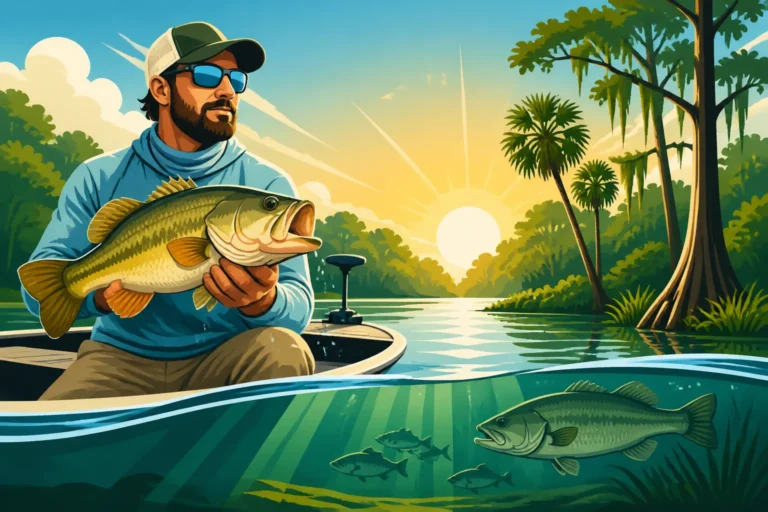
Navigating the vast and legendary waters of Lake Okeechobee can feel like a daunting task, especially when you're dreaming of landing that trophy largemouth bass. Many anglers arrive with high hopes only to be met with inconsistent bites, leaving them wondering if they simply picked the wrong time of year. This comprehensive guide is designed to cut through the guesswork, offering a detailed breakdown of the best times to fish Lake Okeechobee, ensuring your next trip to Florida's "Big O" is as productive as possible.
Understanding Lake Okeechobee's Seasonal Rhythms for Fishing
Lake Okeechobee isn't just a big puddle; it's a dynamic ecosystem that breathes and shifts with the seasons, and understanding these rhythms is the key to consistent fishing success. Fish, particularly the sought-after largemouth bass, are creatures of habit driven by fundamental needs: feeding, spawning, and seeking comfortable conditions. Their behavior is directly influenced by environmental factors that change throughout the year.
The Influence of Water Levels and Temperatures
One of the most significant factors dictating where and how fish behave on Lake Okeechobee is the interplay of water levels and temperature. The "Big O" is part of a managed water system, meaning its levels can fluctuate dramatically due to rainfall, drought, and controlled discharges from the U.S. Army Corps of Engineers.
When water levels are high, especially during the summer and fall, bass gain access to a much wider range of shallow, vegetated areas that might otherwise be dry. This means more cover, more food sources like baitfish and crustaceans, and often, more dispersed fish. It can make finding them a bit trickier, as they're not concentrated in predictable channels or deeper pockets. Conversely, during periods of lower water, fish tend to pull out of the extreme shallows and congregate in main lake canals, deeper grass lines, and shell beds, making them easier to locate if you know where to look.
Water temperature is another massive driver. Bass are cold-blooded, and their metabolism is directly tied to the water's warmth. In cooler months, their metabolism slows, and they become less active, though still needing to feed. As water temperatures rise, their metabolism kicks into high gear, making them more aggressive and prone to chasing bait. However, excessively hot water in the summer can actually make them lethargic again, driving them to seek cooler, deeper water or dense shade. A drop of just a few degrees, perhaps from a passing cold front, can completely shut down a bite or trigger a feeding frenzy, making precise timing critical.
How Spawning Cycles Dictate Bass Behavior
For largemouth bass, the spawning cycle is arguably the most crucial behavioral driver, turning vast sections of the lake into prime real estate during certain times of the year. In Florida, particularly on Lake Okeechobee, this cycle primarily kicks off in the cooler months and can extend well into spring, making these periods incredibly exciting for anglers.
The pre-spawn phase, typically starting in late fall to early winter when water temperatures begin to drop into the mid-60s, sees bass migrating from deeper main lake areas into shallower, protected coves and canals. They are focused on feeding heavily, gorging themselves on baitfish and crawfish to build up energy reserves for the strenuous spawning process. During this time, they are often aggressive and can be found cruising grass lines or congregating near drop-offs leading into spawning flats.
As water temperatures stabilize in the low to mid-60s, the actual spawning phase begins. This is when the females move onto hard bottom areas, often in shallower, sandy or mucky spots protected by vegetation, to lay their eggs. Males will clear beds, guard the eggs, and then protect the fry. While they are highly territorial and aggressive during this time, they are also incredibly vulnerable. Anglers can often sight-fish for bass on beds, but it's crucial to practice ethical catch and release to ensure future generations of trophy bass. Our detailed guide on Florida Bass Spawning Season dives deeper into this critical period.
Once spawning is complete, bass enter the post-spawn phase. Females, exhausted from laying eggs, will retreat to slightly deeper cover to recover, often becoming less active. Males may continue to guard fry for a short period before joining the females in recovery. Gradually, as water temperatures continue to climb into late spring and early summer, bass will disperse and transition into their summer patterns, focusing heavily on feeding to regain lost weight and energy. Understanding these distinct phases is vital for choosing the right techniques and finding where the fish are concentrating.
Prime Fishing Seasons on Lake Okeechobee
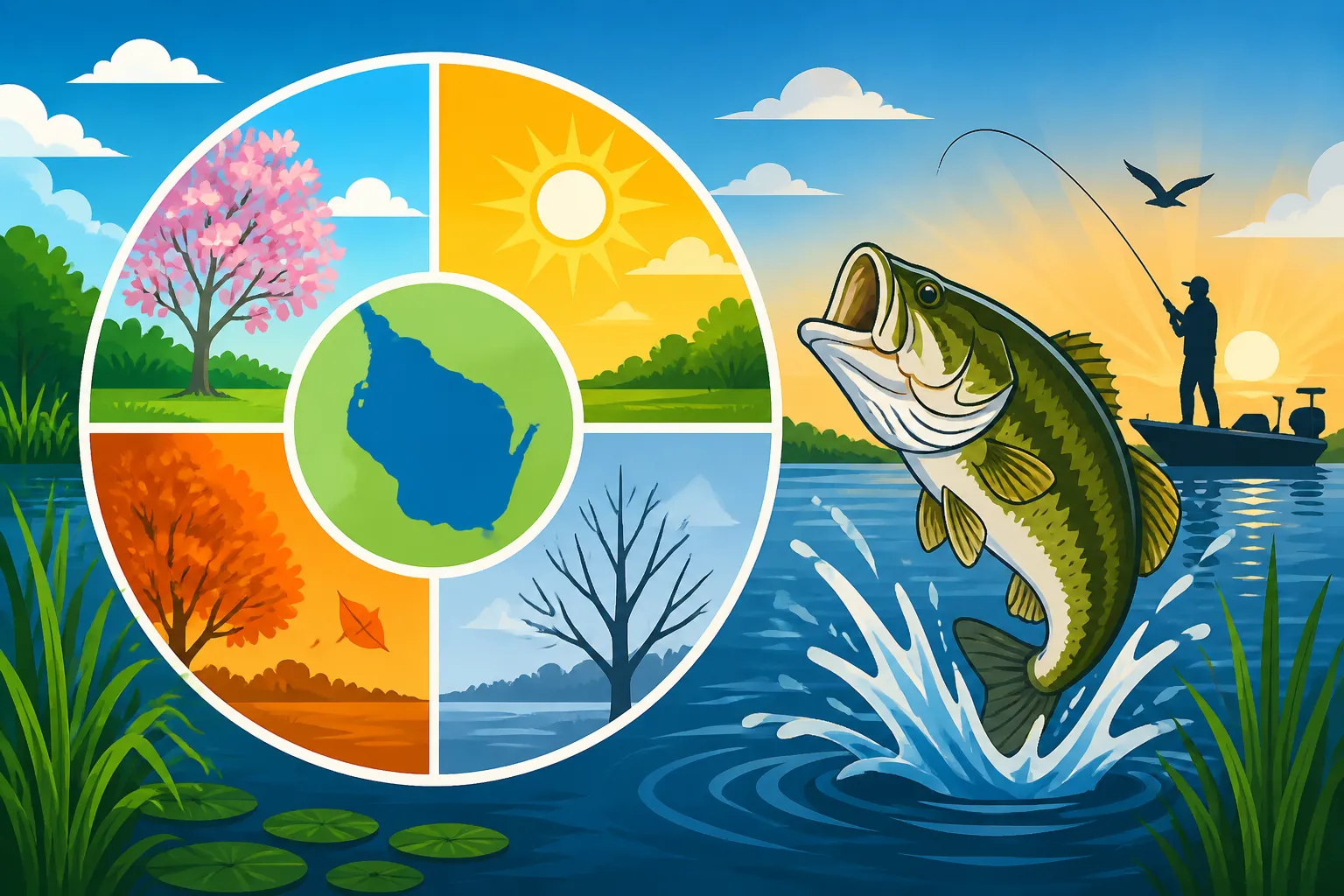
While you can technically fish Lake Okeechobee year-round, there are certainly peak seasons that offer anglers the best chances for a memorable day on the water, whether you're chasing trophy bass or just looking for consistent action. Each season presents its own unique opportunities and challenges.
Winter December – February: The Trophy Hunt
Winter on Lake Okeechobee, roughly from December through February, is renowned as the prime season for catching truly massive largemouth bass. This is when the pre-spawn and early spawning activities really kick into gear, making it a dream for anglers seeking that once-in-a-lifetime fish.
During these months, especially after a mild cold front, water temperatures might drop into the 50s and low 60s, signaling to the bass that it's time to prepare for the spawn. They move from deeper water in the main lake into shallower, protected bays and vast grass flats like those found near the west side of the lake or around King's Bar and Grassy Island. The fish are often fat, healthy, and aggressively feeding to fuel their reproductive efforts. You'll find them staging along the edges of hydrilla beds, cattail lines, and reed islands.
Tactics that shine in winter include slow-rolling spinnerbaits, fishing lipless crankbaits, or patiently working jigs and plastic worms through thick cover. Flipping and pitching into dense vegetation can also be incredibly effective, targeting those big females tucked away in the thick stuff. While a strong cold front can temporarily shut down the bite (our guide on How Cold Fronts Affect Winter Fishing in Florida explains why), the days immediately following a front, as temperatures begin to stabilize and rise slightly, can produce some of the most epic fishing of the year. This is also a fantastic time to consider hiring a local guide through platforms like FishingBooker, as their expertise on current conditions and productive spots can be invaluable.
Spring March – May: Spawning Frenzy and Post-Spawn Recovery
As winter gives way to spring, typically from March through May, Lake Okeechobee experiences its most intense spawning activity. This is when the majority of bass are on their beds, making them accessible to anglers willing to sight-fish.
The peak of the spawn usually occurs when water temperatures consistently hold in the mid-60s to low 70s. You'll find bass in incredibly shallow water, often just inches deep, in areas with a firm bottom protected by reeds or hydrilla. Anglers can look for "white spots" – cleared areas on the bottom where bass have fanned out their beds. Texas-rigged plastic worms, lizards, or creature baits pitched onto these beds can trigger a protective strike. However, it's crucial to remember that these fish are vulnerable, and practicing responsible catch and release, minimizing their time out of water, is paramount for the health of the fishery.
After the frenzy of the spawn, bass enter the post-spawn recovery phase. Exhausted females will often retreat to slightly deeper, denser cover to recuperate, while males may guard fry for a short period. During this time, they might be less aggressive, but they still need to feed. Targeting the immediate drop-offs from spawning flats or deeper grass lines with subtle presentations like Senkos, small swimbaits, or even topwater baits in low-light conditions can be very effective. As the water warms further into late spring, bass will begin to disperse and take on more of their typical aggressive feeding patterns, often cruising open water or holding near offshore structure. For a general overview of seasonal fish patterns, check out our Florida Fishing Seasons Explained article.
Summer June – August: Early Morning & Late Evening Bites
Summer on Lake Okeechobee, from June to August, brings with it the intense Florida heat. While fishing can be more challenging during these months, it's far from impossible, especially if you adjust your approach.
The primary challenge in summer is the soaring water temperatures, often reaching into the high 80s and even low 90s. This heat causes bass metabolism to slow down again, and dissolved oxygen levels in the water can decrease, particularly in shallow, stagnant areas. As a result, bass become less active during the midday sun, seeking cooler, oxygen-rich water.
The best approach for summer fishing is to target the cooler parts of the day: early morning and late evening. Before the sun gets high, or as it starts to set, bass will often move into shallower water to feed aggressively. Topwater baits like frogs, poppers, and buzzbaits can be incredibly exciting in these low-light conditions, especially fished over dense mats of hydrilla or lily pads. During the bright, hot midday, focus your efforts on deeper water, shaded areas under thick canopy, or where there's good current. Jigging spoons, deep-diving crankbaits, or Texas-rigged worms fished slowly along contour lines or offshore structure can entice bites. Don't forget the importance of finding those deep, healthy grass lines, as they provide both cover and slightly cooler water. You can find more tips on Best Time of Day to Fish in Florida to optimize your summer excursions.
Fall September – November: Transition and Feeding Frenzy
Fall on Lake Okeechobee, spanning September through November, is a fantastic transitional period that often ignites a vigorous feeding frenzy among the bass. As the scorching summer heat begins to subside and cooler air temperatures prevail, the water in the Big O starts to cool, invigorating the fish and making them incredibly active.
This period is marked by a noticeable shift in bass behavior. Their metabolism, which might have been sluggish in the peak of summer, speeds up again, driving them to feed aggressively. They instinctively know that winter is coming, and they need to pack on calories. Baitfish schools become more prevalent and active, creating explosive surface action as bass chase their prey. You'll often see birds diving, indicating baitfish, which in turn means bass are likely nearby.
During the fall, bass can be found in a variety of depths, from shallow grass flats where they ambush bait, to the edges of deeper channels and hydrilla beds. Spinnerbaits, chatterbaits, and swim jigs are excellent choices for covering water and finding active fish. Topwater baits can still be highly effective, particularly on overcast days or during the early morning and late evening, mimicking struggling baitfish. Look for areas with lush vegetation, especially healthy hydrilla and eelgrass, as these provide excellent cover and ambush points. Fall offers some of the most consistently exciting fishing as bass prepare for the upcoming spawn, making it a highly rewarding time to visit.
Factors Beyond the Calendar: Maximizing Your Okeechobee Experience
While knowing the general seasonal patterns is a huge advantage, truly successful fishing on Lake Okeechobee often comes down to adapting to immediate conditions. The lake is so vast and dynamic that no two days are exactly alike, and being prepared for various influences can significantly boost your catch rate.
Weather Patterns and Their Immediate Impact
Beyond the broad seasonal shifts, daily and weekly weather patterns have a profound and immediate impact on fish behavior. Ignoring these micro-patterns is a common mistake that can lead to a frustrating day.
- Cold Fronts: We've touched on this, but it bears repeating. A strong cold front bringing high pressure and clear skies often makes fish lethargic. They might hunker down in dense cover, making them harder to entice. Fishing slowly with jigs or soft plastics, or targeting areas with thicker vegetation, can be more effective.
- Warm Fronts/Low Pressure: Conversely, a warm front or approaching low-pressure system can often trigger a strong bite. Fish tend to become more active and aggressive, often feeding heavily before the weather change. This is a great time for reaction baits like crankbaits and spinnerbaits.
- Wind: Wind is a double-edged sword. A moderate breeze can create a "current" in the lake, pushing baitfish and concentrating bass. It also breaks up the water's surface, making it harder for fish to see you and your boat, which can be an advantage. However, too much wind can make boat control difficult and muddy up water in certain areas, making fishing challenging. Pay attention to wind direction and strength, and fish the "wind-blown" side of cover or structure where baitfish might be pushed.
Always check the local forecast before heading out. Flexibility in your approach and being willing to change tactics based on the weather is key to consistent success.
Water Clarity and Vegetation
Lake Okeechobee is famous for its extensive vegetation, which plays a critical role in providing cover, oxygen, and food for bass. However, water clarity and the health of this vegetation can vary wildly across the lake and throughout the year.
- Water Clarity: In some areas, especially after heavy rains or strong winds, the water can be quite murky or stained. In these conditions, bass rely more on their lateral line (which detects vibrations) and scent. Lures with strong vibrations (chatterbaits, lipless crankbaits) or bright, contrasting colors (chartreuse, white) can be effective. If you find clearer water, which often occurs in calmer, more protected areas, natural bait colors and more subtle presentations like finesse worms or topwater lures can shine.
- Vegetation Types: Okeechobee boasts a diverse array of vegetation, including hydrilla, eelgrass, cattails, reeds, lily pads, and peppergrass. Each offers different cover and habitat. Healthy, green hydrilla is almost always a good bet, especially in winter and spring, as it holds bait and offers warmth. Reeds and cattails provide excellent ambush points along their edges. Learning to "read" the vegetation and identify healthy versus dying grass is crucial. Dying vegetation depletes oxygen, making those areas less productive. Our general Lake Okeechobee Fishing Guide has more information on navigating these diverse habitats.
When you're out on the water, observe the conditions around you. Are the reeds green and vibrant, or brown and sparse? Is the water clear enough to see your lure a foot down, or is it chocolate milk? These observations will guide your lure and location choices. When considering your options for gear, our guide on Best Lures for Florida Bass Fishing offers some excellent insights.
Tides and Moon Phases
While Lake Okeechobee is an inland freshwater lake, it's not entirely immune to influences often associated with saltwater fishing, namely moon phases and what might be considered "mini-tides" caused by wind.
- Moon Phases: Many experienced anglers, especially those targeting trophy bass, swear by moon phases. While the science isn't always definitive, anecdotal evidence suggests that bass can be more active during certain lunar cycles, particularly around the full and new moons. These periods are often associated with stronger gravitational pulls that can influence water movement even in large lakes, and it's also believed fish become more active and feed more aggressively under increased nocturnal light. Some anglers plan their trips specifically around these major and minor feeding times indicated by solunar tables.
- Wind-Driven "Tides" or Current: Since Lake Okeechobee is so large and relatively shallow, strong, sustained winds can effectively "push" water from one side of the lake to the other, creating noticeable water movement or currents that act like mini-tides. This current can position baitfish, activate bass, and even change water levels in specific areas by a few inches, which can be enough to turn a spot on or off. Fishing the wind-blown side of structure or along canals where wind funnels water can be highly productive as it concentrates both bait and predatory fish.
Even without true oceanic tides, paying attention to the moon phase and local wind forecasts can give you an edge. Many fishing apps and resources will provide solunar tables that predict peak activity periods, which can be useful for planning your day, especially if you're looking for that trophy fish.
| Season | Primary Target Species | Key Behaviors | Recommended Tactics | Optimal Conditions |
|---|---|---|---|---|
| Winter | Largemouth Bass | Pre-spawn staging, early spawning | Jigs, spinnerbaits, lipless crankbaits, flipping | Water temps 50s-low 60s, post-front warming |
| Spring | Largemouth Bass | Peak spawning, post-spawn recovery | Sight fishing (plastics), subtle worms, topwater | Water temps mid-60s-low 70s, stable weather |
| Summer | Largemouth Bass | Midday lethargy, early/late feeding | Topwater (early/late), deep crankbaits, jigs | Early/late hours, deep cover, current areas |
| Fall | Largemouth Bass | Active feeding, chasing baitfish, transition | Spinnerbaits, chatterbaits, swim jigs, topwater | Cooling water temps, baitfish activity, overcast days |
When you're ready to explore these patterns on the water, remember that finding the right access points can make all the difference. Our guide on Best Public Boat Ramps on Lake Okeechobee has you covered for getting your boat in the water efficiently. If you prefer to have an expert show you the ropes, particularly during those tricky transitional periods, you might consider booking a guide. FishingBooker provides an easy way to compare and book guides who specialize in Lake Okeechobee bass fishing. They can help you navigate the lake's complexities and put you on fish, no matter the season.
Disclaimer
The information provided in this guide is for general informational purposes only. Fishing conditions and regulations in Florida, especially on Lake Okeechobee, can change frequently. Always consult the latest rules and regulations from the Florida Fish and Wildlife Conservation Commission (FWC) before heading out on the water. Local conditions such as water levels, weather, and specific fish behaviors can vary, and personal safety should always be your top priority.