Best Spots to Fish From the Shore in the Florida Keys
Oh, the dream of fishing in the Florida Keys! It’s on so many anglers’ bucket lists. But let's be real, not everyone has a boat, or the budget for a charter, especially if you're just looking for a relaxed day by the water. The good news is, you absolutely don't need a fancy vessel to experience the incredible fishing the Keys have to offer. This guide is all about helping you discover the best shore fishing spots in the Florida Keys, so you can cast a line and reel in some memories without ever leaving dry land.
Why Shore Fishing in the Florida Keys is a Unique Experience
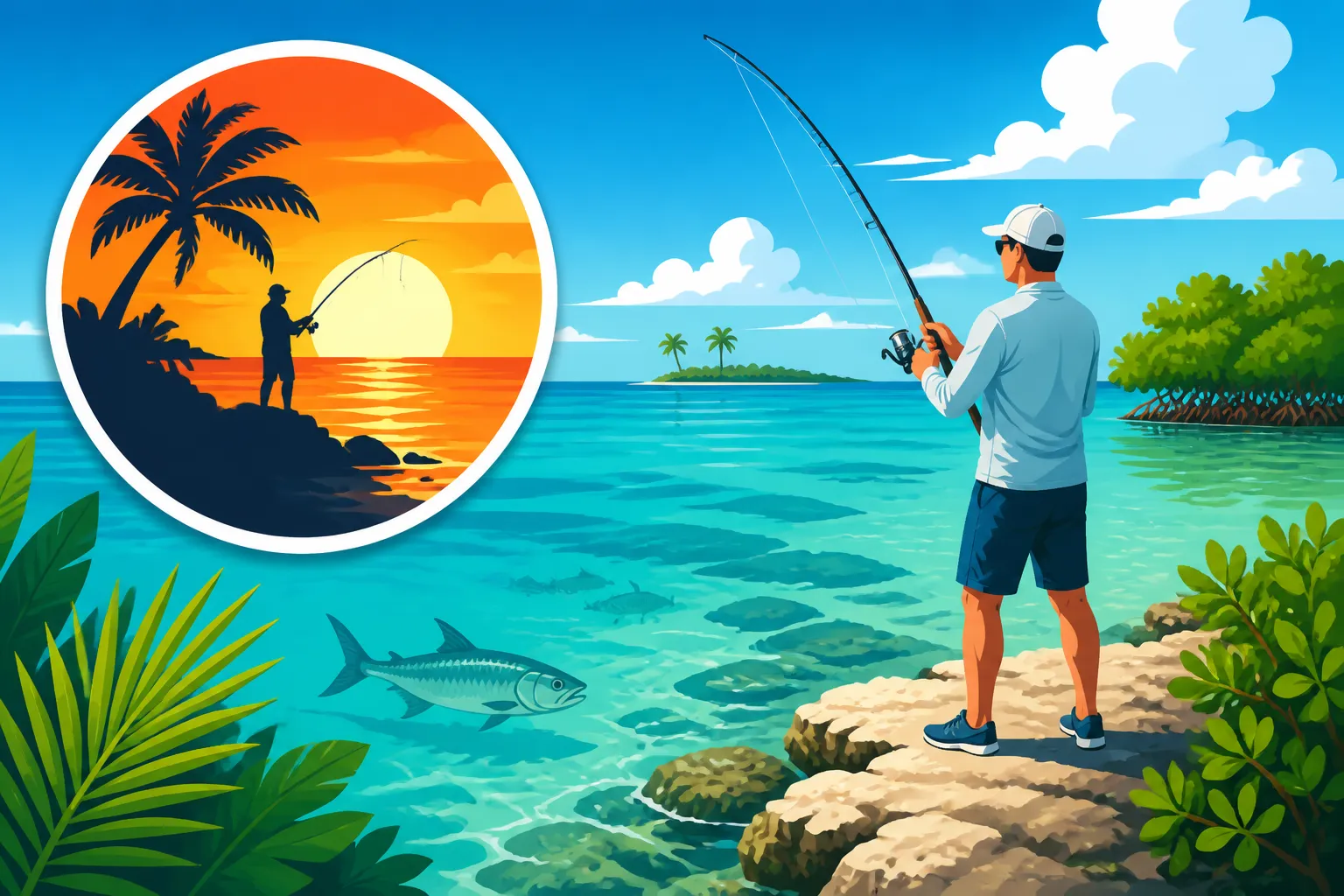
There's something incredibly satisfying about setting up your gear right on the edge of paradise, feeling the warm Keys breeze, and knowing that beneath the clear, turquoise water, incredible fish are waiting. Shore fishing in the Keys isn't just a fallback; it's an authentic way to connect with this unique environment, offering a blend of relaxation and exhilarating sport that's hard to beat.
The Allure of the Accessible Waterfront
The Florida Keys are designed, almost accidentally, for shore fishing. With the Overseas Highway (US-1) stretching across 42 bridges, including the famous Seven Mile Bridge, you're constantly surrounded by water and a myriad of access points. These old bridges, causeways, and public parks provide incredible opportunities to fish right from the roadside or designated fishing platforms. It’s not like trying to find a decent spot in a crowded city; here, the infrastructure itself often doubles as prime fishing real estate. You get stunning views, often a gentle current, and the chance to observe marine life in their natural habitat, all without needing to rent a boat or spend a fortune.
Species You Can Target from Shore
You might be surprised by the variety of fish you can hook from the shore in the Keys. We're not just talking about baitfish here! Anglers regularly pull in impressive catches. You’ve got your classic inshore species like mangrove snapper, often found lurking around bridge pilings and rocky edges. Pompano are frequently caught from sandy beaches and cuts, especially during their cooler season migrations. If you're lucky, you might even encounter juvenile tarpon or snook patrolling the channels and grass flats accessible from certain shorelines. And don't forget the feisty jack crevalle, sheepshead, and various grunt species that are plentiful and offer a good fight. It's truly a diverse fishery that can keep any shore angler entertained.
Top Shore Fishing Hotspots in the Florida Keys
Now, let's get down to brass tacks: where exactly should you go? The Keys are long, and each section offers different opportunities. From the northern reaches of Key Largo all the way down to Key West, there are fantastic spots if you know where to look.
Upper Keys Gems: Key Largo and Islamorada
The Upper Keys, including Key Largo and Islamorada, are often celebrated for their offshore and backcountry fishing, but they hold some excellent shore fishing opportunities too. These spots blend easy access with productive waters.
- Harry Harris Park (Tavernier/Key Largo): This park offers a fantastic, family-friendly environment with a public beach and a jetty that extends into the Atlantic. It's a great spot for targeting snapper, grunts, and sometimes even small sharks. The jetty provides access to slightly deeper water and current, which can attract a wider range of species. It's typically well-maintained, and you'll find plenty of parking and facilities. Just remember that it's a popular spot, so showing up early can help you secure a good piece of the rail.
- Indian Key Channel Bridge (Islamorada): The old Indian Key Channel Bridge (part of the historic Overseas Highway) offers pedestrian access and is a renowned spot for shore anglers. You can cast into the channel, targeting species like mangrove snapper, barracuda, and occasionally small tarpon. The currents here can be strong, which often means good feeding opportunities for fish. It's also a great spot to try some live bait fishing, as the moving water brings plenty of food to the area. Always keep an eye on the tides when fishing bridges like this, as they can significantly impact how the fish bite and how safe it is to cast.
- Anne's Beach (Islamorada): Known for its shallow, calm waters and boardwalks that extend over the flats, Anne's Beach is ideal for light tackle and sight fishing. While it's catch-and-release focused for many, you can still find small snappers, jacks, and even juvenile permit cruising the flats. It's a beautiful spot to wade fish or cast from the boardwalk, offering a different kind of shore fishing experience. It's particularly popular with fly anglers or those using very light spinning gear.
Middle Keys Wonders: Marathon and the Seven Mile Bridge
The Middle Keys, especially around Marathon, are home to some of the most iconic fishing spots, including the monumental Seven Mile Bridge. These areas provide unparalleled access to deep channels and open water right from shore.
- Old Seven Mile Bridge (Marathon): This is arguably the most famous shore fishing spot in the entire Florida Keys. The first two miles of the old bridge, accessible from Marathon, are open to pedestrians and cyclists, making it an incredible fishing pier. Here, you can literally cast into the deep channel that runs under the bridge, a highway for migratory fish. You can expect to encounter large jack crevalle, barracuda, various snapper species, and even permit. During the tarpon migration, anglers often have shots at these "silver kings" from the bridge. Because of its legendary status, it can get crowded, especially on weekends, but the sheer volume of fish and the experience itself make it worth it. You should always be aware of your surroundings and respectful of other anglers.
- Long Key State Park (Long Key): Although currently undergoing renovations, when fully open, Long Key State Park is another prime location. It features elevated boardwalks and sandy shorelines that provide excellent opportunities for targeting snook, redfish, and various other inshore species in the surrounding grass flats and channels. The park’s commitment to preserving its natural beauty means you're fishing in a pristine environment. Keep an eye on the Florida State Parks website for updates on its full reopening, as it's a true treasure.
- Veterans Memorial Park & Beach (Marathon): Located on the south side of Marathon, this park provides access to the calm waters of Florida Bay. You can fish from the shoreline, targeting smaller snappers, grunts, and sometimes even a flounder if you're lucky. It's a more relaxed fishing experience, perfect for families or those just looking to enjoy the scenery. The waters are often shallower, so consider lighter tackle and smaller baits.
Lower Keys and Key West Opportunities
As you head further south, the Lower Keys and Key West offer a unique blend of historical charm and excellent fishing opportunities, often right in the heart of the action.
- Bahia Honda State Park (Big Pine Key): This state park is a jewel, often lauded for having one of the best beaches in the US. More importantly for anglers, it offers access to both the Atlantic Ocean and Florida Bay. You can fish from the sandy shores or from the old Bahia Honda Bridge. The fishing here is fantastic, with opportunities for snapper, grunts, mackerel, and even small sharks. The park’s historic bridge section allows you to cast into deeper channels, similar to the Old Seven Mile Bridge, but often less crowded. It’s also one of the few places where you might find bonefish and permit in the shallow flats, requiring a keen eye and precise casts. Remember that a small entrance fee applies to the park.
- White Street Pier (Key West): In bustling Key West, the White Street Pier, also known as the Edward B. Knight Pier, stretches a thousand feet into the Atlantic. It’s a popular spot for locals and tourists alike, offering fantastic views and good fishing. You can expect to catch snapper, grunts, jack crevalle, barracuda, and even mackerel or small sharks depending on the season. The pier provides access to deeper water without needing a boat, and you'll often find a friendly community of anglers sharing tips. Just be mindful of other pier-goers and give everyone space. If you're looking for gear, there are usually some bait and tackle shops nearby.
- Fort Zachary Taylor Historic State Park (Key West): This park offers rocky shorelines and a small beach area that can be surprisingly productive. The key here is to target the rocks and structure for snapper and other bottom-dwelling species. The currents around the fort can be strong, so be prepared with appropriate tackle. It’s a beautiful place to spend a day, blending history with angling.
Essential Gear and Techniques for Keys Shore Fishing
Success in Keys shore fishing often comes down to having the right gear and knowing how to use it effectively. You don't need a boatload of expensive equipment, but some strategic choices will greatly enhance your experience.
Rods, Reels, and Line Recommendations
For most shore fishing in the Keys, a medium to medium-heavy spinning setup is your best bet.
- Rods: Look for a 7 to 8-foot rod with a fast action. This length gives you enough casting distance to reach productive water, while the fast action provides sensitivity for detecting subtle bites and enough backbone to fight larger fish. Brands like Penn, Shimano, or Daiwa offer reliable options that can handle saltwater conditions.
- Reels: A 3000 to 5000 series spinning reel will balance nicely with your rod. Make sure it's rated for saltwater use to prevent corrosion. The smooth drag system is crucial for fighting strong fish.
- Line: Spool your reel with 15-20 lb braided line. Braid offers incredible sensitivity and casting distance. For a leader, attach 20-30 lb fluorocarbon. Fluorocarbon is nearly invisible in water and more abrasion-resistant, which is vital when fishing around barnacle-covered pilings or rocky bottom. Knowing how to tie a good leader knot, like an FG knot or a double uni knot, is a real game-changer.
Baits, Lures, and Terminal Tackle Essentials
The Keys fishery is diverse, and so should your bait and tackle selection be. You want to be prepared for various species and conditions.
- Live Bait: This is often king in the Keys. Live shrimp, pilchards, and pinfish are excellent choices. You can often buy live bait at local bait shops. If you're feeling adventurous, try using a cast net to catch your own bait, though remember to check local regulations for cast net use. Shrimp are almost universally loved by everything from snapper to trout. For larger predatory fish, a frisky pilchard or pinfish can be irresistible.
- Cut Bait: Chunks of fresh mullet, ballyhoo, or even squid can be incredibly effective, especially for bottom feeders like snapper or sheepshead, and even some sharks. Cut bait releases a strong scent trail that attracts fish from a distance.
- Artificial Lures: Don't discount lures! Soft plastic paddle tails or jerk shads rigged on a jig head can imitate baitfish and are fantastic for targeting snook, redfish, and trout. Spoons are great for Spanish mackerel and blue runners. Topwater plugs can bring explosive strikes from aggressive species like barracuda or jacks. Always have a few weedless options if you're fishing near grass flats.
- Terminal Tackle: You'll need a variety of hooks (circle hooks are often mandatory for certain species and great for catch and release), swivels, and lead weights (from 1/4 oz to 1 oz, depending on current and casting distance). Having an assortment of leader material in different strengths is also wise.
Shore Fishing Techniques for Success
While casting from shore, understanding the water and fish behavior will dramatically improve your chances.
- Reading the Water: Look for signs of life: baitfish schooling, birds diving, or even subtle disturbances on the water's surface. Pay attention to structure like bridge pilings, rock outcroppings, and submerged grass beds—these are natural holding areas for fish. Changes in current flow or water depth can also indicate feeding zones.
- Tidal Influence: Tides are incredibly important in the Keys. Fish often feed most actively during moving tides (incoming or outgoing). The changing water levels bring in fresh food and oxygen. Plan your fishing trips around the peak tidal movements for the best results. You can find local tide charts online or through apps.
- Stealth and Observation: Many Keys species, especially on the flats, are easily spooked. Approach your chosen spot quietly and try to cast efficiently without making excessive noise or splashing. Sometimes, just observing for a few minutes before casting can reveal where fish are holding or moving. Don't be afraid to walk around and try different angles or retrieve speeds if one spot isn't producing. Remember, patience is a virtue in fishing!
Navigating Regulations and Best Practices
Fishing in Florida, especially in the Keys, means being aware of the rules to ensure you're fishing legally and sustainably. It's not just about avoiding fines; it's about preserving these incredible fisheries for future generations.
Understanding Licenses and Permits
One of the most common questions newcomers have is about licenses. Generally, if you're over 16 and under 65, you'll need a Florida fishing license to fish from the shore. This applies to both residents and non-residents, though the costs differ. There are some specific exemptions, such as for those fishing from a licensed pier or a for-hire charter boat, but for casual shore fishing, assume you need one. You can easily purchase a Florida Fishing License Guide online through the Florida Fish and Wildlife Conservation Commission (FWC) website or through licensed vendors like local tackle shops and even big box stores. Make sure to get the appropriate Florida Saltwater Fishing License Rules if you’re fishing the marine environment. If you're planning on targeting specific species like snook or lobster, additional permits, such as a Florida Snook Permit Requirements, might be necessary, so always check the latest regulations.
Here’s a quick overview of common license types and where to get them:
| License Type | Who Needs It | Where to Buy | Common Target Species |
|---|---|---|---|
| Saltwater Fishing License | Most anglers 16-64, resident & non-resident | FWC website, Tackle Shops, Walmart | Snapper, Jacks, Mackerel, Redfish |
| Freshwater Fishing License | For freshwater fishing (not common in Keys shore fishing) | FWC website, Tackle Shops, Walmart | N/A (unless fishing specific canals) |
| Shoreline Fishing License (Free) | Florida Residents fishing from shore | FWC website | Snapper, Grunts, Smaller inshore |
| Snook Permit | Required if keeping snook | FWC website | Snook |
It’s always a good idea to confirm specific Florida Fishing License Age Requirements as well. For those of you planning a trip, websites like FishingBooker are excellent resources for not only finding charters but also often provide updated information on local regulations, helping you stay informed before you even pack your bags.
Respecting the Environment and Fellow Anglers
The Florida Keys are a delicate ecosystem, and it's our responsibility as anglers to protect it. Practice catch and release, especially for breeding stock and protected species. Be familiar with Florida Fishing Regulations and Bag Limits for specific species, including minimum and maximum sizes. Handle fish with wet hands and minimize their time out of the water, especially if you intend to release them. Using circle hooks can also reduce gut-hooking.
Always carry out everything you carry in, including fishing line, bait containers, and any trash. Monofilament fishing line can be incredibly harmful to marine life, so dispose of it properly in designated receptacles or take it home. Be courteous to other anglers and visitors, giving everyone ample space. Public access points can get busy, so a little patience and politeness go a long way.
Finally, remember that the Keys are home to a lot of wildlife, some of which can be dangerous. Be aware of your surroundings for venomous snakes, crocodiles, and other potentially hazardous creatures, particularly in more remote areas or at dawn and dusk. Most importantly, have a fantastic time enjoying the unique shore fishing opportunities the Florida Keys offer! You can find more specific advice on handling your catch responsibly by looking into guides like Catch and Release Best Practices for Snook or How to Handle a Redfish for Release. And if you're wondering what kind of gear might be ideal for hitting these spots, you might want to check out resources like the Best Rod for Inshore Fishing in Florida.
Disclaimer
Fishing conditions, regulations, and access points can change frequently. Always consult the latest Florida Fish and Wildlife Conservation Commission (FWC) regulations before heading out. This guide is for informational purposes only and should not replace official sources.