Best Spots for Night Fishing in Tampa
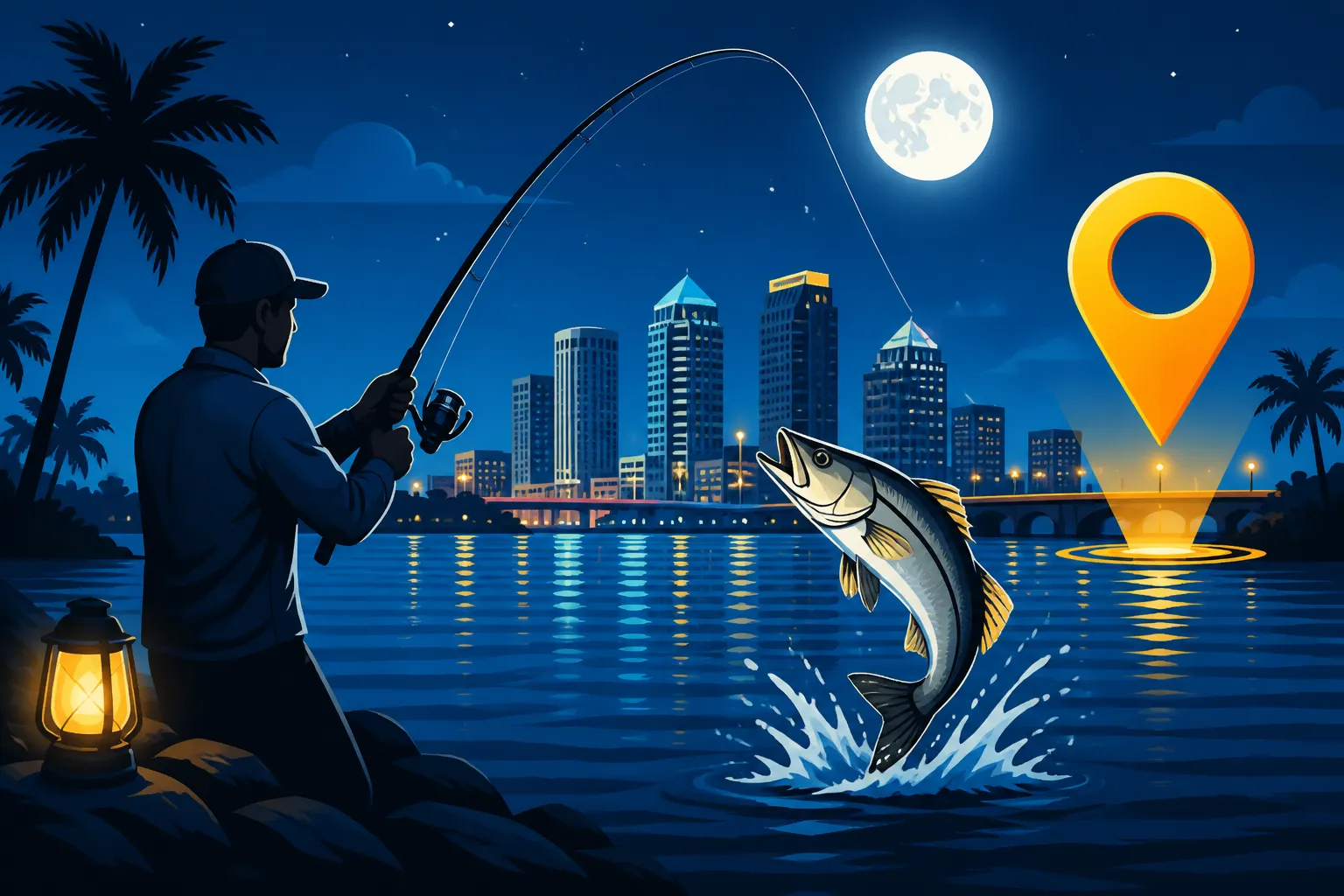
The sun-drenched waters of Tampa Bay are aangler's paradise, but the scorching heat and bustling boat traffic during the day can often make for a less-than-serene experience. Many dedicated anglers find themselves frustrated by crowded boat ramps and spooky fish in broad daylight. This guide will shine a light on the often-overlooked magic of night fishing in Tampa, exploring the best spots, essential gear, and techniques to help you hook into some fantastic catches under the stars.
Why Night Fishing in Tampa Bay is a Game Changer
There's a special kind of peace that settles over Tampa Bay once the sun dips below the horizon. The frenetic energy of the day gives way to a tranquil calm, and with it, a whole new world of angling opportunities opens up. It's not just about avoiding the crowds; it's about tapping into a different rhythm of the marine environment.
Beating the Heat and Crowds
Let's be real, fishing under the blazing Florida sun, especially during the summer months, can be brutal. The humidity is thick, the sun beats down, and you're constantly battling glare. Night fishing completely sidesteps this challenge. The air cools, the humidity often drops, and you can enjoy a comfortable session without constantly wiping sweat from your brow. More importantly, the crowds vanish. Public boat ramps that were a madhouse at dawn become quiet, easily accessible spots. Popular fishing piers and bridges, often shoulder-to-shoulder during the day, thin out significantly, giving you ample space to cast and move around. This reduction in pressure means less competition for prime spots and, often, less spooked fish.
Imagine having a prime spot on a bridge or a secluded dock to yourself, the only sounds being the gentle lapping of waves against the pilings and the occasional splash of a feeding fish. This serene environment isn't just a fantasy; it's the reality of night fishing in Tampa Bay. It allows for a more focused and enjoyable experience, where the chase becomes more about strategy and less about navigating other anglers' lines.
Nocturnal Predators and Active Baitfish
Fish behavior shifts dramatically from day to night, and understanding this change is key to successful night fishing. Many of the most sought-after predatory species in Tampa Bay, like snook, redfish, and even some types of grouper, become far more active after dark. They use the cover of darkness to ambush unsuspecting baitfish, which are also often more dispersed and vulnerable at night.
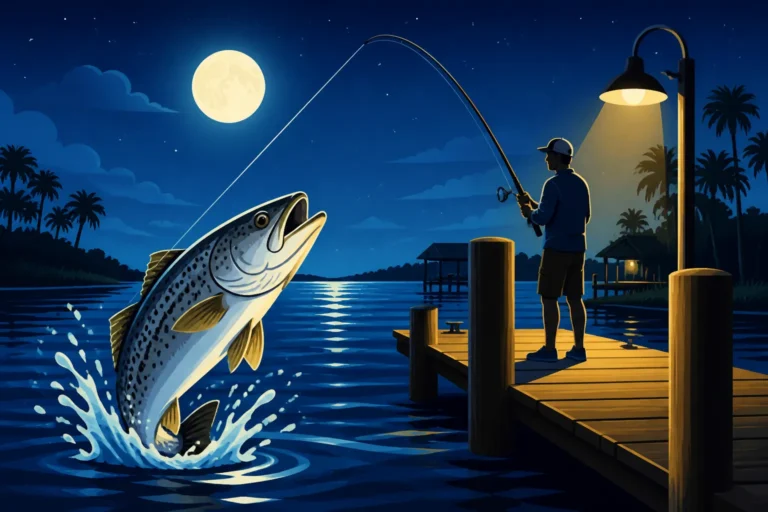
The presence of artificial lights, whether from bridges, docks, or even your boat, plays a crucial role. These lights attract plankton, which in turn attract small baitfish such as glass minnows, scaled sardines, and shrimp. This concentration of bait creates a veritable buffet for larger predators. A well-placed cast into the edge of a light line can be incredibly productive, as predatory fish often lurk just outside the brightest areas, ready to dart in and strike. It's a natural food chain in action, and you, the angler, are strategically positioned to take advantage of it. For a deeper dive into understanding when fish are most active, check out our guide on the Best Time of Day to Fish in Florida.
Prime Spots for Night Fishing in Tampa Bay
Tampa Bay offers a fantastic array of night fishing locations, each with its own charm and target species. Knowing where to go and what to expect is half the battle won.
Bridges and Causeways
The extensive bridge and causeway systems throughout Tampa Bay are absolute goldmines for night fishing. The lights from these structures penetrate the water, creating those irresistible baitfish aggregations mentioned earlier.
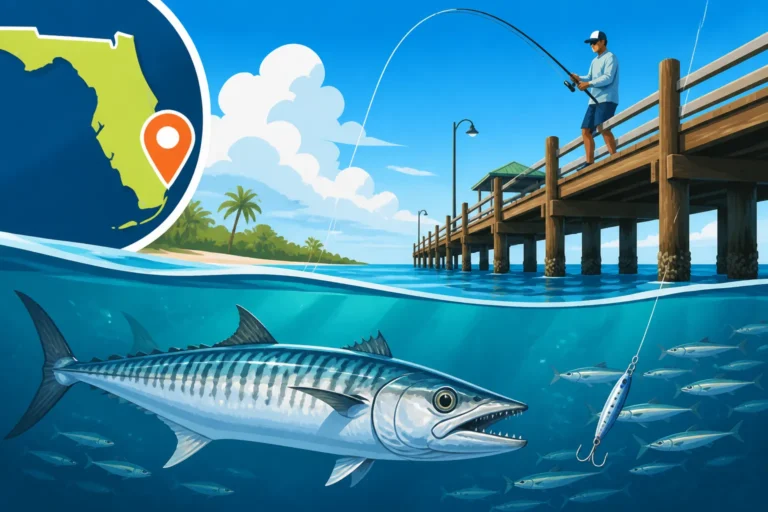
- Sunshine Skyway Fishing Pier: This iconic pier, stretching miles into Tampa Bay, is open 24/7 and is a world-class night fishing destination. Both the North and South piers are equipped with lighting, drawing in everything from snook and redfish to spotted seatrout, flounder, and even king mackerel and tarpon during their seasons. The sheer length and various depths available mean you can target a wide range of species. Anglers often fish live bait, like pinfish or mullet, under the lights or cast artificial swimbaits and jigs along the shadow lines. Remember, while a fishing license is typically required in Florida, often the Skyway Fishing Pier has its own blanket license for all anglers, but it's always wise to confirm the current rules regarding Do You Need a License to Fish From a Florida Pier?.
- Gandy Bridge (Tampa side): The old sections of the Gandy Bridge, particularly the fishing piers, are fantastic for night fishing. Similar to the Skyway, the lights attract bait and predators. Snook are a primary target here, often found lurking around the pilings and light lines. Redfish and trout also make a strong appearance. Live shrimp or artificial shrimp imitations, as well as soft plastics, are highly effective here.
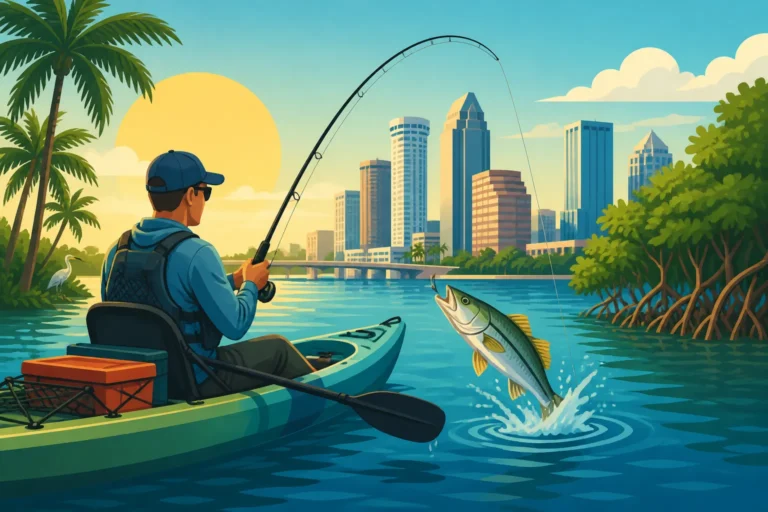
- Courtney Campbell Causeway: This stretch between Tampa and Clearwater offers numerous pullovers and seawalls with lighting, providing easy access for shore anglers. The calmer waters on either side can be excellent for trout, redfish, and smaller snook. Kayak anglers also love this area at night, paddling quietly along the lighted edges.
When fishing these bridges and causeways, focus your efforts on the transition zones between light and dark. This is where predatory fish prefer to hold, darting into the light to feed. Vary your retrieves and baits until you find what the fish are keying in on.
Lighted Docks and Seawalls
Throughout the residential areas bordering Tampa Bay, from St. Petersburg to South Tampa, countless private docks and public seawalls feature underwater or overhead lighting. These lights are magnets for bait and, consequently, for game fish.
- Residential Canals and Intercoastal Waterway: Cruising these areas by boat or kayak at night (with appropriate navigation lights, of course!) can reveal incredible opportunities. Snook, in particular, are notorious for ambushing baitfish congregated around dock lights. Cast artificial shrimp, small jerkbaits, or even live shrimp into the edges of the light, letting them drift into the shadows. The key here is stealth; approach quietly to avoid spooking the fish. For a detailed guide on targeting a popular nocturnal feeder, explore our post on Night Fishing Technique for Trout Under Dock Lights.
- Public Marinas and Boat Ramps: While some marinas might be restricted, many public boat ramps and adjacent seawalls have security lighting that can offer surprising action. Again, snook and redfish are common targets, along with healthy numbers of speckled trout. Always be mindful of private property and respect local regulations.
Fishing lighted docks and seawalls often requires a bit more finesse. Lighter leader, smaller baits, and quiet approaches can make a huge difference. Don't be afraid to experiment with different angles and casting distances, as fish may be holding closer or further from the light depending on the current and bait concentration.
Mangrove Edges and Residential Canals
For anglers seeking a quieter, more natural night fishing experience, the unlit mangrove edges and darker stretches of residential canals can be incredibly productive. These spots rely less on artificial light and more on the moon and natural fish behavior.
- Stealth and Sound: Without the lure of artificial light, fish in these areas are often more sensitive to sound and vibration. A stealthy approach, whether by kayak, paddleboard, or poling skiff, is paramount. Focus on areas with good tidal flow, as this brings bait and oxygen to the mangroves.
- Target Species: Redfish and snook are the prime targets in these darker, shallower waters. They use the dense mangrove roots for cover, ambushing anything that swims by. Topwater lures can be incredibly exciting under a full moon, as you hear the explosive strike rather than seeing it clearly. Weedless spoons and soft plastics rigged Texas-style are also excellent for navigating the snags. Our Florida Redfish Fishing Guide and Florida Snook Fishing Guide offer more detailed insights into these powerful species.
This kind of night fishing demands patience and a good understanding of the local tides. The quiet environment enhances your senses, allowing you to hear subtle splashes and movements that indicate feeding activity. It's a truly immersive experience that connects you more deeply with the natural rhythm of the bay.
Deep Water Structure and Reefs
For those with access to a boat and equipped for offshore navigation, deeper water structures and artificial reefs in Tampa Bay and just beyond can be phenomenal for night fishing, especially for species that move up from the bottom to feed.
- Artificial Reefs and Wrecks: Many artificial reefs and wrecks exist within Tampa Bay and out into the Gulf. At night, certain species like mangrove snapper, permit, and even some types of grouper can become more active, moving up the water column to feed. These spots often require the use of bottom-fishing techniques with live or cut bait. For those venturing further offshore, you might even encounter pelagic species attracted to your boat's lights.
- Ledges and Hard Bottom: Natural ledges and hard bottom areas, particularly those in 30-60 feet of water, can hold a variety of fish at night. Again, lights on your boat can be a huge advantage, drawing in bait and creating a feeding zone. Jigging with glow-in-the-dark jigs or deploying live bait on heavy tackle are common methods. Always ensure you have appropriate safety gear and navigation equipment when fishing offshore at night.
Fishing these deeper spots often means dealing with currents, so heavy sinkers might be necessary to keep your bait in the strike zone. It's a different challenge than inshore fishing, but the rewards can be substantial, often yielding larger fish.
Essential Gear and Techniques for Tampa Night Fishing
Night fishing isn't just day fishing after dark; it requires specific gear and a shift in strategy. Being prepared makes all the difference for a safe and successful outing.
Lighting and Safety Gear
Safety should always be your top priority when fishing after dark. Visibility is reduced, and hazards become harder to spot.
- Personal Lighting: A good quality headlamp with both white and red light options is indispensable. White light is great for rigging and baiting, while red light preserves your night vision and is less likely to spook fish. Carry spare batteries!
- Boat Lighting: If you're on a boat, ensure your navigation lights are fully functional and visible. Consider adding spreader lights or underwater lights; these can be huge fish attractors. Remember to have a spotlight onboard for navigating and spotting channel markers or crab pot floats.
- Personal Flotation Devices (PFDs): Always wear a PFD, especially when boating or kayaking at night. Even strong swimmers can get disoriented in the dark if an unexpected incident occurs.
- Communication: Carry a fully charged cell phone in a waterproof case, and ideally, a VHF radio if you're venturing offshore. Let someone know your float plan – where you're going and when you expect to return.
Beyond lighting, insect repellent is a must, especially during warmer months, as mosquitoes and no-see-ums can be relentless after dark. A small first-aid kit is also a good idea for minor cuts and scrapes.
Baits and Lures That Shine at Night
Fish rely more on their other senses at night, so your bait and lure choices should reflect this.
- Live Bait: Live shrimp are arguably the most effective night bait in Tampa Bay. They glow faintly in the water and are a natural food source for almost every inshore species. Pinfish, scaled sardines, and mullet are also excellent live bait choices, especially when targeting larger predators like snook and tarpon. Rig them effectively to maximize their natural movement.
- Scented Artificials: Soft plastics infused with scent, like those from Berkley Gulp! or Z-Man, can be highly effective. The scent trail helps fish locate the lure in low light. Shrimp and baitfish imitations are popular choices.
- Noisy Lures: Topwater plugs with rattles, chuggers, or propellers create commotion on the surface that can attract fish from a distance. Suspending or slow-sinking jerkbaits with internal rattles are also great for attracting strikes. Our comprehensive guide on the Best Bait for Snook Fishing in Florida provides even more specific recommendations.
- Glow-in-the-Dark and UV Lures: Some jigs and soft plastics come in glow-in-the-dark or UV-reactive colors. While often overhyped, they can sometimes trigger curiosity strikes, especially in deeper, darker waters or under artificial lights.
Experimentation is key. Start with what you know works, but don't be afraid to try different colors, sizes, and actions until you find what the fish are responding to.
Strategic Approaches for Different Species
Each species has its quirks, and tailoring your approach can lead to more consistent success.
- Snook: These powerful ambush predators are kings of the night. Look for them holding just outside the brightest parts of dock lights, bridge shadows, or mangrove edges. Cast your live bait or artificial lure into the light and retrieve it out into the dark, mimicking a fleeing baitfish. Be ready for a brutal strike and a tough fight, as snook will try to break you off on structure.
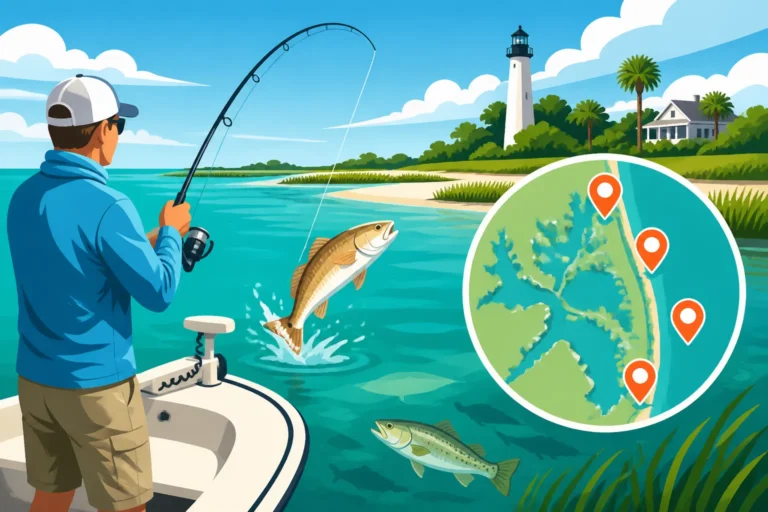
- Redfish: While often targeted during the day, redfish are also active night feeders, especially on incoming tides. They'll cruise shallow flats, oyster bars, and mangrove lines. Use weedless spoons, soft plastic paddletails, or live shrimp. A quieter approach is often necessary, as redfish can be easily spooked by sudden movements or bright lights.
- Spotted Seatrout: Trout love a good light line and are often found in large schools. They'll readily hit live shrimp, suspending baits, or soft plastic jigs under dock and bridge lights. A slow, steady retrieve or a "twitch, twitch, pause" action is usually very effective. They're not as structure-oriented as snook, often preferring open sand or grass flats near the lights. Find out more about them in our Florida Spotted Seatrout Fishing Guide.
| Fishing Spot Type | Common Target Species | Recommended Night Techniques | Key Gear Considerations |
|---|---|---|---|
| Bridges & Causeways | Snook, Redfish, Trout, Tarpon | Casting live bait or artificials (swimbaits, jigs) near light edges. | Headlamp, strong leader, longer rods for casting distance. |
| Lighted Docks & Seawalls | Snook, Trout, Redfish, Flounder | Presenting live shrimp or artificials (jerkbaits, soft plastics) in shadow lines. | Stealthy approach, smaller baits, fluorocarbon leader. |
| Mangrove Edges / Canals | Redfish, Snook, Sheepshead | Stealthy presentations with weedless lures or live shrimp. Topwaters in open areas. | Kayak/SUP, weedless hooks, insect repellent. |
| Deep Water Structure | Mangrove Snapper, Grouper, Permit | Bottom fishing with live/cut bait, vertical jigging with glow jigs. | Boat lights, depth finder, heavy tackle, PFDs. |
Planning Your Tampa Night Fishing Adventure
A successful night fishing trip is all about planning. From understanding the tides to knowing when to hire a pro, a little foresight goes a long way.
Checking Tides and Moon Phases
Just like day fishing, tides and moon phases play a significant role in night fishing success. Strong moving tides are almost always better, as they push bait and activate predatory fish. An outgoing tide around bridge pilings, for example, can create strong current breaks where snook love to wait. An incoming tide can bring bait into shallow mangrove areas, igniting a redfish bite.
The moon phase can also influence activity. A full moon provides more ambient light, which can make fish less light-shy in unlit areas and potentially spread out the bite. New moon nights are darker, often concentrating fish more tightly around artificial lights, making those spots even more productive. Always check a local tide chart for your specific fishing location in Tampa Bay. Understanding these natural rhythms is crucial for predicting fish behavior.
Finding a Reputable Guide or Charter
If you're new to night fishing in Tampa Bay, don't have a boat, or simply want to maximize your chances, hiring an experienced guide is an excellent option. Local captains know the spots, the techniques, and the current conditions like the back of their hand. They'll have all the safety gear, specialized tackle, and bait ready to go.
Many reputable guides in the Tampa area offer dedicated night fishing trips, focusing on species like snook and redfish under the lights. Platforms like FishingBooker make it incredibly easy to find and book these specialized charters. You can read reviews, compare prices, and choose a captain who aligns with your fishing goals. Exploring options for a Florida Fishing Charter Guide can open up possibilities you might not have considered. A good guide can also teach you the nuances of night fishing, providing valuable lessons you can apply to future trips. Whether you're looking for an inshore adventure or perhaps a deeper water experience, checking out captains on FishingBooker is a smart first step.
Even if you're an experienced angler, a night trip with a local guide found on FishingBooker can offer a fresh perspective and introduce you to spots and techniques that take years to discover on your own. It's an investment in learning and a way to safely experience the bay after dark.
Disclaimer
Fishing involves inherent risks. Always prioritize safety, understand and follow all local and state fishing regulations, and be aware of your surroundings. Regulations, bag limits, and seasons for various fish species in Florida are subject to change, so always check the latest rules from the Florida Fish and Wildlife Conservation Commission (FWC) before heading out. The information provided here is for general guidance and informational purposes only.