Best Spots in Destin for Offshore Fishing
Trying to figure out where to drop a line offshore in Destin, Florida, can feel a bit overwhelming, especially with so many incredible opportunities out there. It’s not just about finding "a" spot; it's about knowing which spots hold the fish you're after, understanding the currents, and navigating the vastness of the Gulf of Mexico. This guide will cut through the confusion, taking you through the best offshore fishing spots around Destin, and equipping you with the knowledge to make your next angling adventure truly unforgettable.
Understanding Destin's Offshore Landscape
Destin isn't called the "World's Luckiest Fishing Village" for nothing! Its unique geography, particularly the proximity of deep water to shore, makes it an unparalleled destination for offshore anglers. But to truly maximize your chances, it's vital to understand the underwater topography that holds all those fantastic fish.
The Allure of the Emerald Coast
The Panhandle of Florida, often referred to as the Emerald Coast, boasts stunning turquoise waters and white sand beaches, but beneath the surface lies a complex and vibrant ecosystem. What makes Destin so special for offshore fishing is the "Destin Ditch," a submarine canyon that plunges to depths over 100 feet just a few miles from the coastline. This deep trench acts like a superhighway for migratory species and provides prime habitat for bottom dwellers. Unlike many other parts of Florida where you have to run 50 miles or more to hit significant depth, Destin offers a quick shot to productive waters. This accessibility means less travel time and more fishing time, which is a huge bonus for anyone hitting the open water. The allure isn't just about the fish; it's about the convenience and consistent action that Destin delivers time and time again.
Key Geographical Features Affecting Fishing
The Gulf of Mexico off Destin is far from a barren sandy bottom. It's teeming with structure, both natural and artificial, that attracts and holds fish. Understanding these features is like having a secret map to success.
- Natural Bottom and Reefs: These are typically limestone ledges, rock piles, and hard bottom areas that provide shelter and feeding grounds for a huge variety of species. These natural formations are often discovered by experienced captains using sonar, or by following known productive areas. They create current breaks and offer places for smaller baitfish to hide, which in turn attracts larger predators.
- Wrecks and Artificial Reefs: Florida, and especially the Destin area, has an extensive artificial reef program. These consist of intentionally sunken ships, barges, concrete culverts, and even old bridge sections. These man-made structures quickly become encrusted with marine growth, attracting a new food chain from algae and corals to baitfish, and eventually, the big game species we all love to target. The sheer number of these sites can be overwhelming, so knowing which ones are consistently productive is key.
- The Continental Shelf: Beyond the immediate deep-water drop-offs, the continental shelf gradually slopes further into the Gulf. This transition zone is crucial for targeting pelagic species. While bottom fishing dominates closer in, venturing further out to the edge of the shelf opens up opportunities for truly oceanic fish. The currents along the shelf edge can also concentrate bait, creating feeding frenzies for migratory predators.
Top Offshore Fishing Spots Near Destin
Now that we understand why Destin is great, let's dive into where exactly to find those elusive catches. These spots represent some of the most productive waters for a range of offshore species.
Natural Bottom and Reefs
These aren't always marked on charts as specific "spots," but rather general areas known for consistent production. Experienced captains often have their own secret numbers for particular ledges or rock piles, but there are broader zones to consider.
One of the most reliable natural bottom areas is typically found west of the East Pass, stretching towards Pensacola. This region features a broken bottom with numerous small ledges and coral formations. Here, you'll often find a mix of snapper species like red snapper (during open season, of course!), mangrove snapper, and vermilion snapper, along with various grouper species such as red grouper and gag grouper. The key to fishing these natural bottoms is often a good bottom machine to identify subtle changes in depth or structure that indicate fish-holding areas. You might find success by drift fishing over these areas, allowing your bait to cover more ground, or anchoring precisely if you hit a particularly productive spot. Remember that Florida Grouper Season Guide and Florida Red Snapper Season Guide are critical resources to consult before you head out, as seasons and regulations change frequently.
Wrecks and Artificial Reefs
Destin boasts an impressive network of artificial reefs. These are fantastic fish magnets, concentrating species that might otherwise be dispersed over a wide area.
One popular and productive artificial reef complex is the Destin Nearshore Reefs. These are a series of smaller reefs deployed closer to shore, typically in 60-90 feet of water. While often targeted by smaller boats and even divers, they consistently hold a variety of snapper and grouper. Farther out, the Okaloosa County Artificial Reefs include larger structures and sunken vessels that attract bigger fish. For instance, the Bridge Rubble sites are incredibly effective. When the old Destin bridge was replaced, sections of it were intentionally deployed offshore, creating massive, complex habitats. These spots are renowned for holding huge numbers of red snapper and gag grouper, along with amberjack, cobia, and even king mackerel patrolling the perimeter. Another excellent wreck is the USS Oriskany, an aircraft carrier intentionally sunk off Pensacola, but it's a significant run from Destin. However, closer in, there are several smaller tugboats, barges, and fishing boats that have been sunk and now serve as thriving artificial reefs. Finding these often requires good GPS coordinates, which many local charter captains have meticulously collected. If you’re considering booking a trip, a service like FishingBooker can help you find captains who specialize in these wreck fisheries.
Deeper Waters for Pelagic Species
To chase the true speedsters of the ocean, you need to venture further offshore, often beyond the 20-mile mark, where the water gets significantly deeper.
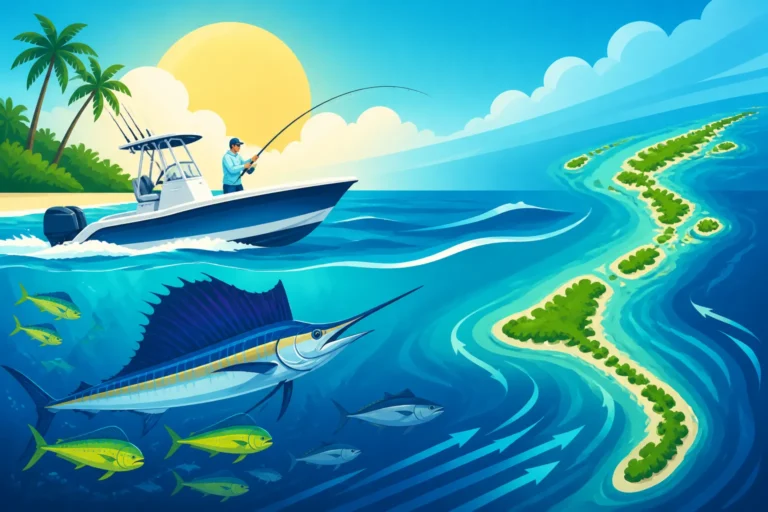
The Desoto Canyon area is a legendary spot for big game fishing. While a considerable run from Destin, it's where you'll find the really deep blue water and the associated pelagic species. This massive submarine canyon plunges thousands of feet, creating upwellings and currents that bring nutrients to the surface, attracting baitfish and, consequently, large predators. This is where anglers target Florida Mahi Mahi Fishing Guide, wahoo, tuna (yellowfin and blackfin), and even marlin. Trolling techniques with various lures and baits are typically employed when working these deep-water zones. The thermocline, a layer of water where the temperature changes rapidly, is also a critical factor here, as many pelagic fish will suspend above or below it, so a good fish finder is indispensable. Another area to keep in mind, though still a decent run, is around the oil rigs. While they are not natural structures, these massive platforms act like artificial islands, attracting and holding a huge amount of marine life, including large pelagic species and bottom fish alike. They essentially create their own ecosystems in the middle of the Gulf, making them incredibly productive but also popular spots.
Targeting Specific Species in Destin's Offshore Waters
Knowing the spots is one thing, but understanding which fish inhabit those spots and how to catch them is the real game-changer. Different species have different preferences and habits.
Red Snapper and Grouper Hotspots
These bottom-dwelling species are highly sought after and for good reason—they're delicious! As mentioned, natural bottom and artificial reefs are your best bets.
For Red Snapper, the bridge rubble sites and larger wrecks are absolutely prime. During the incredibly short Florida Red Snapper Season Guide, these spots get a lot of attention. The key is often to get your bait right on the structure or slightly up-current from it. Live bait like pinfish, cigar minnows, or even cut squid and bonita chunks are highly effective. A Carolina rig or a knocker rig with a heavy lead to get down quickly is standard. For Grouper, particularly gag and red grouper, similar structures work, but they often prefer rockier ledges and crevices where they can ambush prey and "rock out" (run into the structure) after being hooked. Heavier tackle is a must for grouper to prevent them from breaking you off. Live baits like legal-sized grunts, pinfish, or even small ladyfish are deadly for grouper. If you're using a charter, many Destin captains excel at finding these specific ledges that hold grouper.
Mahi-Mahi, Wahoo, and Tuna Beyond the Shelf
These are the pelagic powerhouses, offering screaming drag runs and some of the best table fare. You'll need to head to the deeper waters for these species.
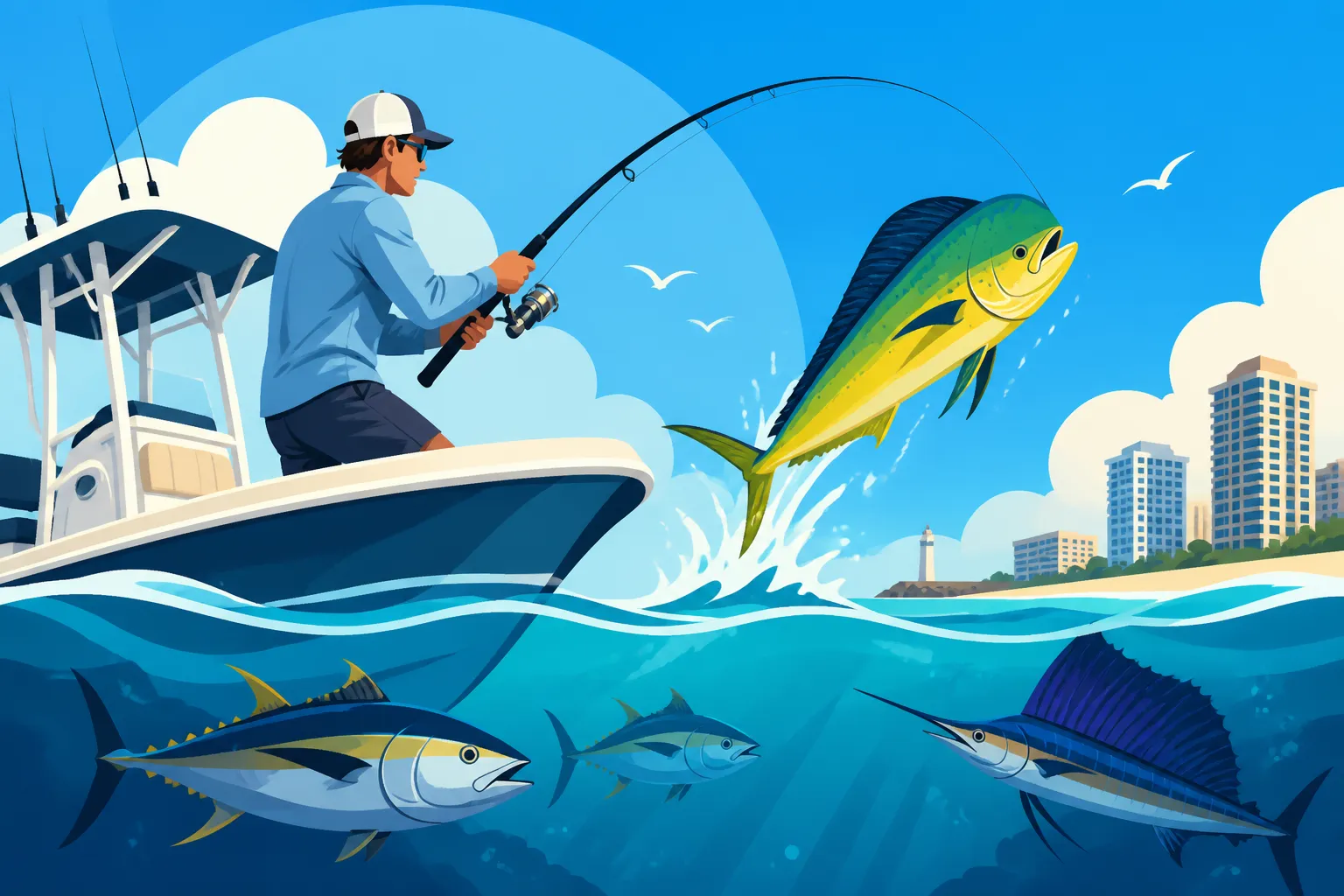
For Mahi-Mahi (Dolphin Fish), look for weedlines, floating debris, or temperature breaks far offshore. These fish love to congregate under any kind of floating structure, which provides shade and attracts bait. Trolling ballyhoo, often rigged with colorful skirts, or artificial lures is a common method. When you find a weedline, sometimes it's productive to slow down and cast small jigs or live bait to mahi holding underneath. Florida Mahi Mahi Fishing Guide will give you more details on targeting these incredible fish. Wahoo are incredibly fast and powerful, often caught while high-speed trolling along current breaks or around deep-water structures. Dark-colored lures or rigged ballyhoo are popular choices. For Tuna (primarily Blackfin and Yellowfin), the Desoto Canyon and areas around the deep-water oil rigs are the go-to spots. Chunking with cut bait, jigging with heavy metal jigs, or slow-trolling live bait are all effective techniques. These fish are strong fighters, so be prepared for a battle!
King Mackerel and Cobia Nearshore Opportunities
You don't always have to run 50 miles to find exciting offshore action. Destin also offers fantastic nearshore opportunities for species like king mackerel and cobia.
King Mackerel, or "kings," are often found closer to shore, especially around artificial reefs, large buoys, and even the jetties at the East Pass. They are aggressive predators that love to hit trolled baits or quickly retrieved lures. Slow-trolling live cigar minnows or blue runners on a stinger rig is a classic method. You can also find them by free-lining live bait while anchored or drifting. Look for bait schools on your sonar, as kings are often lurking nearby. Florida King Mackerel Fishing Guide provides comprehensive strategies for targeting these speedsters. Cobia are famous for cruising near the surface, often around navigation markers, large rays, or even sharks. They are opportunistic feeders and can be sight-fished, making them an exciting target. When you spot a cobia, casting a live eel, bucktail jig, or a large soft plastic bait can often entice a strike. They are powerful fighters and excellent eating, making them a top prize for many anglers. These nearshore opportunities make Destin a versatile fishing destination, allowing for great catches even on shorter trips.
Practical Tips for a Successful Destin Offshore Trip
Heading offshore requires more than just knowing where to go. Proper planning and preparation are crucial for a safe and successful trip.
Planning Your Trip and Hiring a Charter
For many, the best way to experience Destin's offshore fishing is by booking a reputable charter. These captains have years of experience, specialized equipment, and extensive knowledge of local spots, including their "secret" honey holes.
When planning your trip, consider the time of year and the species you want to target. Different fish are more active during different seasons. For instance, while red snapper season is limited, grouper, amberjack, and various pelagic species have longer or year-round seasons. If you're visiting during peak tourist season, booking well in advance is essential. Websites like FishingBooker are excellent resources for finding and booking reputable Destin fishing charters. You can filter by species, boat size, price range, and read reviews from other anglers, which can be incredibly helpful in making an informed decision. Look for captains with strong safety records and those who are enthusiastic about helping you catch fish, whether it's your first time offshore or you're a seasoned pro. Consider if you want a private charter or a party boat, which offers a more budget-friendly option. A Florida Fishing Charter Guide can help you understand the different options available. Don't forget to check the Destin Fishing Charter Rates to understand the costs involved.
Essential Gear and Techniques
If you're heading out on your own boat, or simply want to understand what goes into a successful offshore trip, here’s a quick rundown of essential gear and techniques.
- Rods and Reels: For bottom fishing, heavy-action conventional rods paired with reels spooled with 50-80 lb braided line are common. For trolling for pelagics, similar setups, often with lighter drag settings and longer rods, are used. For lighter nearshore action, a stout spinning setup with 30-50 lb braid can suffice.
- Bait: Live bait is often king for offshore fishing. Pinfish, cigar minnows, greenbacks, and even small ladyfish are popular. Some anglers cast net their own bait, while others purchase it from local bait shops. Cut bait (squid, bonita, mackerel chunks) also works well, especially for bottom fish.
- Lures: A variety of lures can be effective. Heavy jigs (butterfly jigs, vertical jigs) are great for amberjack and grouper. Trolling lures like skirts, diving plugs, and rigged ballyhoo are essential for mahi, wahoo, and tuna.
- Electronics: A reliable GPS/chartplotter is non-negotiable for navigation and marking productive spots. A good fish finder (sonar) is crucial for identifying structure, bait schools, and target fish holding near the bottom or suspended in the water column. Radar is also a huge asset for safety and navigation, especially in fog or at night.
- Safety Gear: Always carry all required USCG safety equipment, including life jackets for everyone on board, flares, a horn, a first-aid kit, and a VHF radio. An EPIRB (Emergency Position Indicating Radio Beacon) is highly recommended for offshore excursions.
- Techniques:
- Bottom Fishing: Dropping baits directly to the seafloor, often with heavy sinkers, to target snapper and grouper.
- Drift Fishing: Allowing the boat to drift over a productive area, covering more ground with your bait. This is effective for bottom fish and sometimes for king mackerel.
- Trolling: Dragging lures or rigged baits behind the boat at various speeds to cover large areas and entice pelagic species.
- Jigging: Using heavy metal jigs dropped to depth and retrieved with an erratic motion to provoke strikes from amberjack, tuna, and sometimes grouper.
Before you even leave the dock, make sure everyone on board understands the current Florida Fishing Regulations and Bag Limits for the species you're targeting. And of course, ensure everyone has the proper Florida Fishing License Guide requirements met. Remember, the better prepared you are, the more enjoyable and successful your offshore fishing adventure in Destin will be!
| Offshore Spot Type | Target Species (Examples) | Typical Depths (Feet) | Key Characteristics |
|---|---|---|---|
| Natural Ledges & Reefs | Red Snapper, Gag Grouper, Mangrove Snapper, Amberjack | 60 – 200+ | Irregular limestone, rock piles, current breaks |
| Artificial Reefs & Wrecks | Red Snapper, Gag Grouper, Cobia, King Mackerel, Amberjack | 60 – 300+ | Sunken vessels, bridge rubble, concrete structures |
| Deep Water / Continental Shelf | Mahi-Mahi, Wahoo, Tuna, Billfish | 300 – 1000+ | Temperature breaks, weedlines, strong currents, canyon edges |
| Nearshore Structures | King Mackerel, Spanish Mackerel, Cobia | 30 – 90 | Buoys, jetties, smaller artificial reefs, bait schools |
Disclaimer
Fishing regulations, seasons, and bag limits are subject to change frequently by the Florida Fish and Wildlife Conservation Commission (FWC). Always verify the most current rules and regulations before heading out on any fishing trip. This guide is for informational purposes only and should not be considered a substitute for official FWC guidelines.