Florida Mahi Mahi Fishing Guide
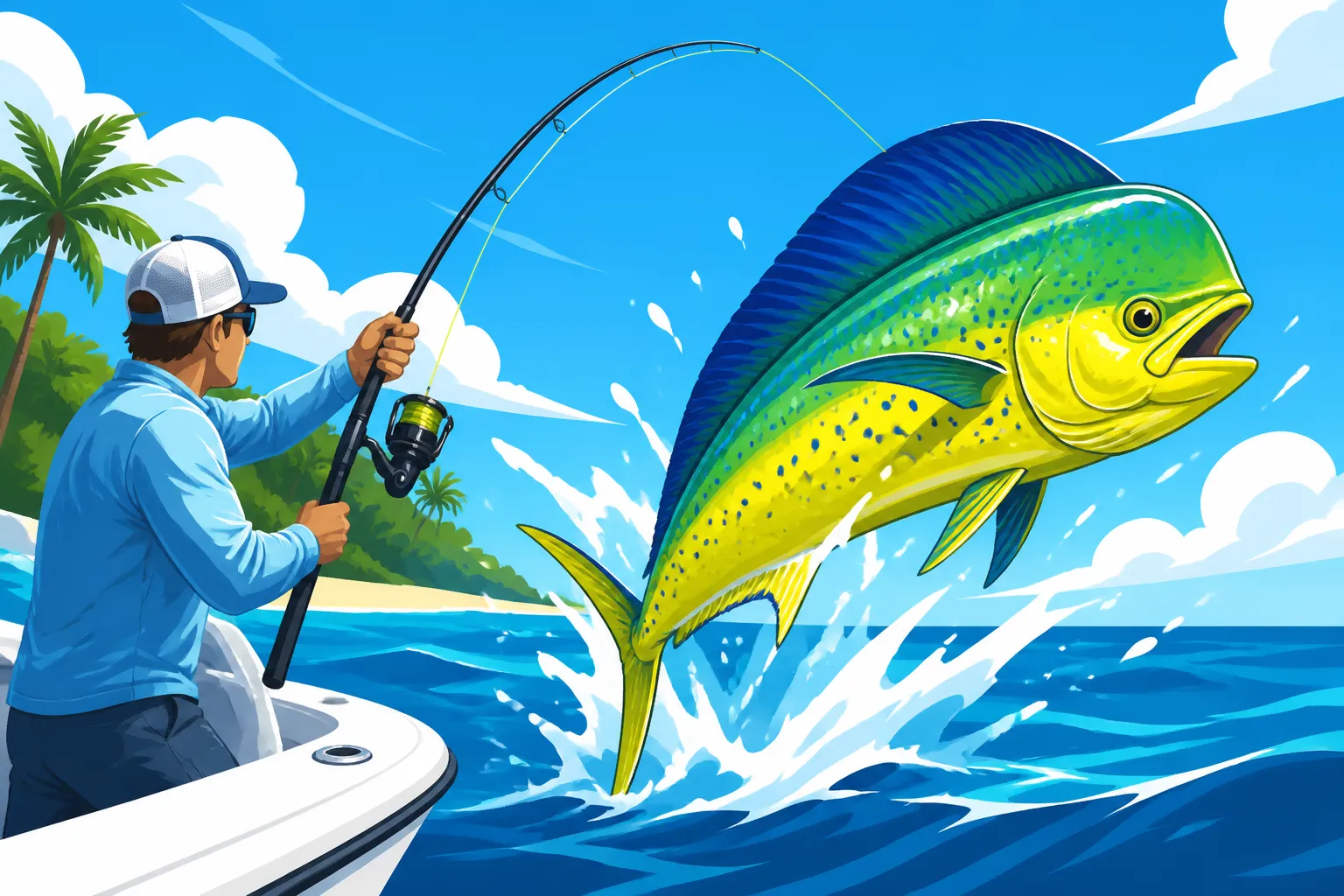
Ah, the mahi-mahi! There's nothing quite like the electrifying flash of emerald green, brilliant gold, and iridescent blue as one of these incredible fish streaks through the water, especially when you've got it hooked and it's putting on an aerial show. Many anglers dream of targeting this pelagic powerhouse, but the open ocean can feel like a vast, intimidating place if you don't know where to start. This guide is going to strip away the mystery, walking you through everything you need to know to successfully find, catch, and enjoy Florida's fantastic mahi-mahi.
Understanding the Mahi Mahi: The Ocean's Colorful Acrobat
Let's start by getting to know our target. The mahi-mahi, often called "dolphin fish" (which, confusingly, has no relation to the marine mammal dolphin), is truly one of the most striking and acrobatic game fish you'll encounter in Florida's offshore waters. Their speed, vibrant colors, and delicious fillets make them a favorite among both recreational anglers and commercial fishermen.
Biology and Identification: A Spectrum of Color
Mahi-mahi are instantly recognizable by their incredible coloration, which can shift and intensify with their mood and excitement. When they're lit up and chasing bait, they glow with brilliant blues, greens, yellows, and even purples. Once brought aboard, these colors can fade quickly, but their beauty in the water is unforgettable. They have a distinct, compressed body shape with a long dorsal fin running almost the entire length of their back. Males, often called "bulls," have a prominent, blunt forehead, while females, or "cows," have a more rounded head profile. This sexual dimorphism is quite noticeable, especially with larger fish.
These fish are incredibly fast-growing, reaching maturity in a year or less. This rapid growth rate means they can go from a small bait-stealing "peanut" mahi to a trophy-sized bull in a relatively short amount of time. They typically live only a few years, making them a truly dynamic species. Because they reproduce quickly and grow fast, they can sustain significant fishing pressure, which is good news for anglers. It's truly amazing how quickly they can put on size, turning a small juvenile into a respectable dinner in just a few months.
Habitat and Behavior: Always on the Move
Mahi-mahi are true pelagic fish, meaning they inhabit the open ocean, far from shore. They're constantly on the move, following warm currents and vast schools of baitfish. In Florida, you'll typically find them offshore, often associated with floating debris, sargassum weed lines, current rips, or anything that provides cover and attracts smaller fish. These floating structures act like mini-ecosystems in the vast ocean, offering shelter and food for small crabs, shrimp, and baitfish, which in turn attract predators like mahi.
They are incredibly aggressive feeders, known for their ravenous appetites. Mahi-mahi are ambush predators that will readily strike at a wide variety of baits and lures. They often travel in schools, sometimes of hundreds of fish, ranging from small "bailer" mahi (small enough to be scooped with a net) to much larger trophy specimens. When you hook one mahi, it's common for others in the school to follow it to the boat, creating an exciting opportunity for multiple hookups – a scenario every offshore angler dreams of. This schooling behavior is key to understanding how to catch them in numbers.
When and Where to Find Mahi Mahi in Florida
Timing and location are absolutely critical when it comes to consistently catching mahi-mahi in Florida. These aren't fish you're going to stumble upon in the bay or near the beach; you need to venture out into the open ocean, often miles offshore, and understand their migratory patterns.
Seasonal Patterns: Following the Warm Water
While you can technically catch mahi-mahi year-round in Florida's southern waters, the peak season for these vibrant fish generally runs from late spring through fall. As the water temperatures rise and the Gulf Stream currents become more active, vast schools of baitfish push north, and the mahi-mahi follow.
The absolute prime time is usually from April or May through September or October. During these warmer months, the mahi are abundant and typically found closer to shore than in the cooler months. You might even find them within sight of land if the conditions are right, especially after a strong east wind pushes sargassum weed rafts closer to the coast. If you're planning a dedicated mahi trip, targeting the summer months will give you the best odds of encountering big schools and trophy fish. For a deeper dive into general fishing seasonality, check out Best Time of Year to Fish in Florida.
Prime Locations and Depths: Offshore Structure and Drift Lines
Mahi-mahi are creatures of structure and current. When you're heading offshore, keep an eye out for several key indicators:
- Weedlines: These are probably the most classic mahi-mahi hotspots. Sargassum seaweed clumps together to form long lines or patches, creating a miniature floating ecosystem that provides shelter and food for juvenile fish, crabs, and shrimp. Mahi-mahi love to patrol these weedlines, ambushing unsuspecting prey. Look for distinct edges or breaks in the weedline; these are often the most productive areas.
- Current Rips and Temperature Breaks: Where two currents meet or where there's a significant change in water temperature, baitfish often congregate. These "rips" or "breaks" are super highways for mahi. Pay attention to your fish finder and water temperature gauge; subtle changes can indicate a productive zone.
- Floating Debris: Anything floating in the open ocean – a discarded pallet, a log, an old fender – can attract baitfish and, consequently, mahi. Always make a pass by any significant floating object you encounter. You might be surprised at what's hiding underneath!
- FADs (Fish Aggregating Devices): These are man-made structures intentionally deployed in deep water to attract pelagic species. While not always publicly known or accessible, if you know of any local FADs, they can be excellent spots.
- Birds: Circling or diving seabirds are often the best indicator of baitfish on the surface, which means predators like mahi-mahi are likely nearby. If you see birds working, head in that direction and be ready to cast. This is nature's fish finder!
Mahi-mahi are usually found in the upper water column, often just below the surface, but they can dive deep to feed. Most of your fishing will be done within the first 50 feet of water, even if you're over thousands of feet of depth. They're often cruising around these structures, ready to pounce. For more specifics on offshore locations, consider reading How Far Offshore Do You Need to Go for Mahi Mahi?.
Essential Gear for Florida Mahi Mahi Fishing
Having the right tackle can make all the difference between landing a trophy mahi-mahi and watching it spit the hook or break your line. While mahi aren't known for being exceptionally line-shy, their power, speed, and acrobatic jumps require gear that can stand up to the challenge.
Rods, Reels, and Line: Balanced for Battle
When targeting mahi-mahi, you'll want a versatile setup that can handle both trolling and casting to schooling fish.
- Rods: Medium-heavy spinning or conventional rods are ideal. For spinning rods, look for something in the 7-foot range that has a fast action to cast lures and live baits, but enough backbone to handle a strong, surging fish. Conventional rods used for trolling can be shorter and stiffer, around 6 feet, designed to sit in a rod holder and absorb the shock of a strike. The best rod for Florida Offshore Fishing Techniques will always offer a good balance of strength and sensitivity.
- Reels: A 4000-6000 series spinning reel or a similar sized conventional reel is a great all-around choice. You need a reel with a smooth, powerful drag system and ample line capacity (at least 250-300 yards of line). Brands like Shimano, Penn, and Daiwa offer excellent options that are reliable and durable for saltwater use. For a quality reel at a reasonable price, you can often find great deals on Amazon that will get the job done.
- Line: Braid is almost universally preferred as your main line due to its strength-to-diameter ratio and sensitivity. A 30-50 lb braided main line is a good starting point. You'll then tie a monofilament or fluorocarbon leader to your main line.
Terminal Tackle: Leaders, Hooks, and Swivels
The business end of your fishing setup is where you connect directly to the fish, so don't skimp on quality here.
- Leaders: Fluorocarbon leader material is highly recommended for mahi. It's nearly invisible underwater, which can be an advantage, and it offers excellent abrasion resistance. A 40-60 lb fluorocarbon leader, about 3-6 feet long, is usually sufficient. Some anglers prefer monofilament leaders for a bit more stretch if they're using lighter tackle, but fluorocarbon is generally superior.
- Hooks: Circle hooks are fantastic for live baiting mahi, as they tend to hook the fish in the corner of the mouth, reducing gut-hooking and making for easier release if you're not keeping the fish. Sizes typically range from 6/0 to 8/0, depending on the size of your bait. For artificial lures, the hooks that come on many quality offshore lures are usually sufficient, but always check their sharpness and consider upgrading if they seem flimsy.
- Swivels: High-quality barrel swivels or ball-bearing swivels are essential for connecting your main line to your leader, especially when trolling to prevent line twist. Choose a swivel rated for at least the breaking strength of your main line.
Tools and Accessories: Safety and Success
Beyond the rod and reel, a few key accessories will make your mahi fishing trip safer and more successful.
- Gaff: A sharp gaff is indispensable for landing larger mahi-mahi. Make sure it's long enough to reach the water comfortably from your boat's deck. Always gaff a fish from behind the head to prevent it from thrashing and getting off the hook. Practice proper gaffing technique before you go.
- Fish Bag or Cooler: Mahi-mahi taste best when bled immediately and kept on ice. A large, insulated fish bag or a quality cooler filled with ice is crucial for preserving your catch. This is a critical step for quality fillets; check out Best Way to Keep Fish Fresh on a Boat for more details on this.
- Pliers/Dehooker: For safely removing hooks, especially when practicing catch and release. Long-nosed pliers or specialized dehooking tools protect both you and the fish.
- Knife: A sharp fillet knife and a bait knife are essential.
- Gloves: Protect your hands from sharp fins, hooks, and line burns.
- Sun Protection: Offshore fishing means prolonged sun exposure. Wide-brimmed hats, UV-protective clothing, polarized sunglasses, and sunscreen are non-negotiable.
Top Techniques for Catching Mahi Mahi
Mahi-mahi are known for their aggressive nature and willingness to strike, making them a blast to target with a variety of methods. The key is understanding when to use which technique and being prepared to switch things up based on what the fish are doing.
Trolling: Covering Ground and Finding Fish
Trolling is perhaps the most popular and effective method for finding and catching mahi-mahi, especially when you're covering large expanses of open water searching for weedlines or current breaks. It allows you to present multiple baits or lures at different depths and speeds.
- Baits and Lures: For trolling, natural baits like ballyhoo are hard to beat. They can be trolled naked, rigged with a small lead head, or paired with a colorful skirt or chugger head for added attraction. Many anglers buy pre-rigged ballyhoo, which saves a lot of time on the boat. Artificial lures such as small to medium-sized plastic skirts, feathers, or resin heads in bright colors (pink, chartreuse, blue/white) are also very effective. Run a spread of different baits and lures at varying distances behind the boat, using outriggers if you have them, to cover more water.
- Dredge Fishing: For serious offshore anglers, a dredge can be a game-changer. A dredge is a large, collapsible frame with dozens of artificial fish or natural baits attached, mimicking a massive school of baitfish. It's deployed deep in the water column and creates a huge commotion, drawing mahi-mahi (and other pelagics) in close to your boat, where they can then be targeted with smaller baits or lures. This technique is more advanced but highly effective.
- Speed and Depth: Trolling speeds for mahi-mahi typically range from 4 to 8 knots, but it's important to experiment. Sometimes a slower troll will entice a bite, while other times, a faster pace triggers their predatory instincts. Most of your trolling will be near the surface or just below, as mahi primarily feed in the upper water column. Varying the depth of your lures by using small weights or planer boards can also be beneficial, especially if fish aren't showing on the surface. Understanding Trolling Technique for Offshore Fishing will significantly improve your success rate.
Live Baiting: An Irresistible Meal
When you find a concentration of mahi-mahi, or if they're being finicky with artificials, live bait can be absolutely deadly. Nothing beats the natural action and scent of a struggling baitfish.
- Baitfish Choices: The best live baits for mahi include pilchards, goggle eyes, threadfin herring, blue runners, and especially ballyhoo. You can catch these baits yourself with a cast net or sabiki rig, or purchase them from bait shops. Keeping them alive and healthy in a well-aerated livewell is crucial.
- Kite Fishing: A popular and highly effective live baiting method for mahi is kite fishing. A special fishing kite carries your baited lines high above the water, presenting the live baits (often goggle eyes or pilchards) skipping on the surface. This technique keeps your main line out of the water, making it virtually invisible, and the surface commotion created by the struggling bait is irresistible to mahi. When a mahi strikes, the line releases from the kite clip, allowing you to fight the fish directly.
- Chumming and Pitch Baits: Once you hook a mahi, others in the school often follow it right to the boat. This is when the real fun begins! Keep a few live baits or pitch baits (small pieces of cut bait) ready to throw to the following fish. You can also deploy a chum bag off the stern to keep the school interested. It's amazing how quickly a feeding frenzy can erupt right behind your boat. This strategy leverages their schooling behavior and aggressive feeding. For more on attracting fish, see How to Chum for Fish From a Boat.
Casting and Jigging: Active Angling for Aggressive Fish
For a more hands-on approach, casting and jigging can be incredibly exciting, especially when you encounter schooling mahi.
- Casting to Sight Fish: If you spot a weedline, a floating object, or even birds working in the distance, slowly approach it and look for cruising mahi. Often, you'll see them free-swimming or busting bait on the surface. This is your cue to cast! Use small poppers, jerkbaits, or soft plastic baits rigged on a jig head. These lures mimic baitfish and, when retrieved with an erratic action, can trigger explosive strikes. The visual aspect of seeing a mahi charge and hit your lure is unparalleled.
- Jigging: While not as common for mahi as it is for bottom fish like grouper, vertical jigging can be effective if you mark fish deeper in the water column or around submerged structure like a FAD. Fast-retrieve jigs, often called "speed jigs," can entice a strike from an opportunistic mahi. This is more of a secondary technique but worth having in your arsenal if other methods aren't working.
- Artificial Lures for Casting: Keep a variety of casting lures on board. Topwater poppers create a lot of splash and attract attention. Spoons and diving plugs can cover different depths. Soft plastic jerkbaits or paddletail swimbaits on a weighted hook are versatile and can be rigged to imitate injured baitfish. Having a tackle box stocked from Amazon with a good assortment of these types of lures means you're always ready for whatever the fish want.
Finding the Fish: Reading the Ocean Signs
The ocean is a vast place, and simply driving around hoping to stumble upon mahi-mahi is an inefficient strategy. Successful mahi anglers are keen observers, constantly reading the subtle (and sometimes not-so-subtle) signs the ocean provides. It's about combining traditional knowledge with modern technology to increase your odds.
Indicators on the Water: Nature's Fish Finders
The best clues for finding mahi-mahi often come from what you can see with your own eyes, extending far beyond the boat's immediate vicinity.
- Birds, Birds, Birds!: This cannot be stressed enough – seabirds are your best friends when mahi fishing. Look for species like frigatebirds, terns, and gulls diving, circling, or hovering low over the water. They are usually feeding on baitfish that mahi-mahi and other predators have pushed to the surface. A truly aggressive bird feeding frenzy is almost a guarantee that something good is happening below. Always head towards the working birds. If the birds are just sitting on the water, they might be resting; but if they are actively plunging, get ready!
- Weedlines and Debris: As mentioned earlier, long, distinct lines of sargassum seaweed are prime mahi habitat. But it's not just the presence of weed that matters; look for discontinuities or breaks in the weedline. These are often where current eddies form, concentrating bait and attracting predators. Also, keep an eye out for any floating debris – a single wooden pallet or even a plastic bucket can hold a school of mahi. Sometimes the biggest fish are found under the smallest piece of trash.
- Water Color and Temperature Changes: Experienced offshore anglers learn to read subtle changes in water color. A distinct change from murky inshore water to cleaner, bluer offshore water often signifies a current break where bait congregates. Similarly, a noticeable change in water temperature (even a degree or two) can indicate a productive zone. Your boat's electronics will show temperature, but sometimes you can even feel the difference when dragging your hand through the water. These "temperature breaks" are invisible highways for pelagic fish.
- Current Rips: Look for areas where the water surface looks agitated or where there's a distinct line of disturbed water. These "rips" are often caused by converging currents, which, again, concentrate baitfish and provide an ambush point for mahi. They're often found around the edges of the Gulf Stream.
Using Technology: Enhancing Your Search
While natural indicators are paramount, modern marine electronics provide powerful tools to complement your observations and refine your search.
- Sonar/Fish Finder: Your boat's fish finder is essential for identifying bait schools and marking individual fish or schools of mahi deeper in the water column. While mahi often feed on the surface, they'll also hold below floating structure or dive after bait. Look for "arches" or schools of baitfish on your screen, especially when near weedlines or structure. A quality fish finder can reveal a lot about what's going on beneath the surface.
- GPS and Chartplotter: Use your GPS to mark successful spots, such as specific weedlines, floating debris, or current rips. This allows you to return to productive areas easily. You can also use it to navigate efficiently between potential hotspots and follow a planned trolling course. Plotting a course parallel to a weedline or current break is often a very effective strategy.
- Satellite Imagery and Weather Apps: In the days leading up to your trip, you can use satellite imagery (often found in specialized fishing apps) to locate significant weedlines, sea surface temperature breaks, and current eddies. This gives you a massive advantage by narrowing down the vast ocean to more promising zones before you even leave the dock. Monitoring marine weather forecasts is also crucial for safety and for understanding how wind and currents might affect conditions and fish behavior.
By combining sharp visual observation with intelligent use of your electronics, you transform from merely cruising the ocean to actively hunting for mahi-mahi. This strategic approach is what separates consistently successful anglers from those who only catch fish by chance.
Florida Mahi Mahi Regulations and Conservation
As with any popular fishery, understanding and adhering to regulations is absolutely vital. Fishing for mahi-mahi in Florida isn't just about the thrill of the catch; it's also about ensuring these magnificent fish remain abundant for future generations. The Florida Fish and Wildlife Conservation Commission (FWC) sets these rules, and they can change, so always check the most current regulations before you head out.
Size and Bag Limits: Respecting the Resource
Mahi-mahi are managed with specific size and bag limits to prevent overfishing and maintain healthy populations. These limits help ensure that enough fish survive to reproduce, which is crucial given their rapid growth and short lifespan.
- Size Limit: There's typically a minimum size limit for mahi-mahi in Florida. This means any fish you catch that doesn't meet this minimum length must be immediately and carefully released. The exact measurement is usually from the tip of the lower jaw to the fork of the tail. Using a legal measuring device is paramount to avoid accidentally keeping an undersized fish.
- Bag Limit: There's also a recreational bag limit, which dictates how many mahi-mahi an individual angler can keep per day, and sometimes a vessel limit, which is the maximum number of fish that can be kept on a single boat, regardless of how many anglers are on board. These limits are designed to spread the harvest among more anglers and reduce pressure on the stock. Always familiarize yourself with both the individual and vessel limits. For a general overview of what applies to various species, consult Florida Fishing Regulations and Bag Limits.
Conservation Efforts: Protecting the Future
The regulations aren't just arbitrary rules; they are a cornerstone of effective conservation. Every angler has a role to play in protecting the mahi-mahi fishery.
- Checking Current Regulations: Before every trip, take a few minutes to check the FWC website or use the Fish Rules app to ensure you have the most up-to-date information on mahi-mahi regulations. Seasons, bag limits, and size limits can change based on stock assessments and management decisions. It's your responsibility as an angler to know the rules.
- Proper Catch and Release: If you're catching more fish than you intend to keep, or if you catch an undersized fish, practicing proper catch and release techniques is essential for their survival. Minimize handling time, use circle hooks to avoid gut-hooking, keep the fish in the water as much as possible, and use a dehooking tool. Avoid touching the gills or eyes.
- Reporting Your Catch (When Required): For certain species or during specific seasons, FWC might require reporting your catch. This data is incredibly valuable for scientists and fisheries managers to assess the health of the stock and make informed decisions about future regulations. While not always required for mahi, being aware of and participating in such programs when they exist contributes directly to conservation.
| Mahi-Mahi Regulation Category | Description | Key Considerations |
|---|---|---|
| Minimum Size Limit | The smallest length a mahi-mahi must be to be legally harvested. | Measured from lower jaw to fork of tail. Always verify current measurements with FWC. |
| Daily Bag Limit | The maximum number of mahi-mahi an individual angler can keep per 24-hour period. | This limit applies to you, personally. |
| Vessel Limit | The maximum number of mahi-mahi that can be onboard a single boat, regardless of the number of anglers. | Crucial for charter boats or groups of friends; the vessel limit often overrides the sum of individual bag limits if it's lower. |
| Closed Seasons | Periods when fishing for mahi-mahi is prohibited (rare for mahi, but check anyway). | While mahi generally don't have closed seasons like Florida Red Snapper Season Guide, always double-check. |
| Gear Restrictions | Any specific rules about the type of hooks or methods allowed (e.g., circle hook requirements). | Circle hooks are often encouraged for catch and release and typically mandated in certain fisheries. |
By understanding and respecting these regulations, you're not just avoiding fines; you're actively participating in the long-term health and enjoyment of Florida's incredible mahi-mahi fishery. It's a testament to responsible angling and a commitment to conservation.
Preparing Your Catch: From Ocean to Table
So, you've successfully battled a beautiful mahi-mahi and brought it aboard. Congratulations! Now comes the crucial step of properly handling and preparing your catch to ensure the best possible flavor for your dinner table. Mahi-mahi are renowned for their firm, white, flaky meat and mild flavor, making them a true culinary delight.
Handling Your Mahi Mahi: Quality Starts on the Boat
The quality of your mahi-mahi fillets begins the moment the fish is landed. Proper handling on the boat makes an enormous difference in taste and texture.
- Bleeding: This is arguably the most important step. As soon as you land a mahi-mahi that you intend to keep, bleed it. Cut the gill arches or sever the tail with a sharp knife and allow the fish to bleed out thoroughly. This removes lactic acid and blood from the meat, which can otherwise give the fish a "gamey" flavor and shorten its shelf life. Place the bleeding fish over the side of the boat or in a designated bleeding bucket, ensuring the blood flows out freely.
- Icing: Once bled, immediately get your mahi-mahi on ice. A cooler or fish bag completely filled with an ice-and-saltwater slushy mix is ideal. This rapid cooling stops bacterial growth and keeps the flesh firm and fresh. Don't just lay them on top of the ice; bury them completely. This is why a large, well-insulated cooler is so important for offshore fishing. Keeping your fish cold is paramount; otherwise, all your hard work can be wasted.
- Cleaning/Filleting: Once back on shore (or even on a stable boat if you're experienced), it's time to fillet your fish. Mahi-mahi have large, clean fillets with a skin that's relatively easy to remove. Start by making an incision behind the gill plate, down to the backbone. Then, run your knife along the backbone towards the tail, carefully separating the fillet. Flip the fillet over and skin it by running your knife between the skin and the meat. You'll end up with four beautiful, boneless fillets from a decent-sized mahi. If you're new to this, there are countless online tutorials demonstrating the technique. For more advanced cleaning tips on similar species, you can look into How to Fillet a Snapper.
Culinary Tips: Versatility on the Plate
Mahi-mahi is incredibly versatile in the kitchen, lending itself to a wide array of cooking methods and flavor profiles. Its mild, slightly sweet flavor and firm texture make it a favorite for many.
- Cooking Methods:
- Grilling: Mahi-mahi holds up exceptionally well on the grill. Marinate it briefly in citrus, olive oil, and herbs, then grill it over medium-high heat until it's flaky and cooked through. Be careful not to overcook, as it can dry out.
- Pan-Searing: A quick pan-sear with a little butter or olive oil creates a beautiful golden crust and keeps the inside moist and tender. Serve with a tropical salsa or a lemon-butter sauce.
- Baking/Broiling: For a hands-off approach, baking or broiling mahi-mahi is simple and delicious. Season it with your favorite spices, maybe some garlic and paprika, and bake until flaky.
- Fish Tacos: Mahi-mahi is absolutely fantastic in fish tacos. Grill or pan-sear the fillets, flake them, and serve in warm tortillas with cabbage slaw, a squeeze of lime, and a creamy sauce. It's a crowd-pleaser every time.
- Flavor Pairings: Mahi-mahi pairs beautifully with bright, fresh flavors. Think citrus (lime, lemon, orange), tropical fruits (mango, pineapple, avocado), cilantro, and mild chilies. It also stands up well to bolder flavors like garlic, ginger, and soy sauce in Asian-inspired dishes.
- Leftovers: While best enjoyed fresh, cooked mahi-mahi leftovers can be flaked and used in salads, fish dips, or even a quick fish hash. Store any uncooked fillets in the coldest part of your refrigerator and plan to consume them within a day or two, or freeze them properly for longer storage.
The effort you put into catching and handling your mahi-mahi pays off immensely when you sit down to enjoy a delicious, fresh meal. There's truly nothing quite like eating fish that you've caught yourself, knowing every step of its journey from the ocean to your plate.
Conclusion
Chasing mahi-mahi in the beautiful offshore waters of Florida is an experience that combines thrilling angling action with the reward of one of the ocean's most delicious catches. From the moment those vibrant colors flash in the sunlight as a mahi strikes your bait, to the first bite of a perfectly cooked fillet, it's an adventure that leaves lasting memories. We've explored everything from understanding their biology and prime habitats to selecting the right gear, mastering effective techniques, and navigating the important regulations that protect this incredible fishery.
Remember, success in mahi-mahi fishing isn't just about luck; it's about preparation, observation, and a deep respect for the ocean. By being informed about their seasonal movements, scouting for key indicators like weedlines and birds, and choosing the right tackle and methods, you significantly increase your chances of a successful and rewarding trip. And when you do bring those beautiful fish to the boat, knowing how to handle and prepare them ensures that the culinary experience is just as fantastic as the fight. So, get your gear ready, keep an eye on those weather windows, and head out to experience the pure joy of Florida mahi-mahi fishing!
Disclaimer
This article is for general informational purposes only and does not constitute professional advice. Laws, prices and regulations vary by location and change over time. Consult a qualified professional for guidance on your specific situation.