Best Month to Catch Tarpon in Florida
Ah, the Silver King! There's nothing quite like the heart-stopping moment a massive tarpon blows up on your bait, shaking its head in an acrobatic display that will test your tackle and your resolve. For so many anglers, nailing down the best month to catch tarpon in Florida feels like chasing a mythical beast. You hear whispers of different times and places, conflicting advice, and it can leave you scratching your head, wondering when you should actually book that precious vacation time or guide trip. Well, you've come to the right place. We're going to dive deep into the nuanced world of Florida tarpon seasons, helping you understand not just when but why certain times are prime, and how to maximize your chances of encountering these magnificent fish.
Understanding the Florida Tarpon Migration Cycle
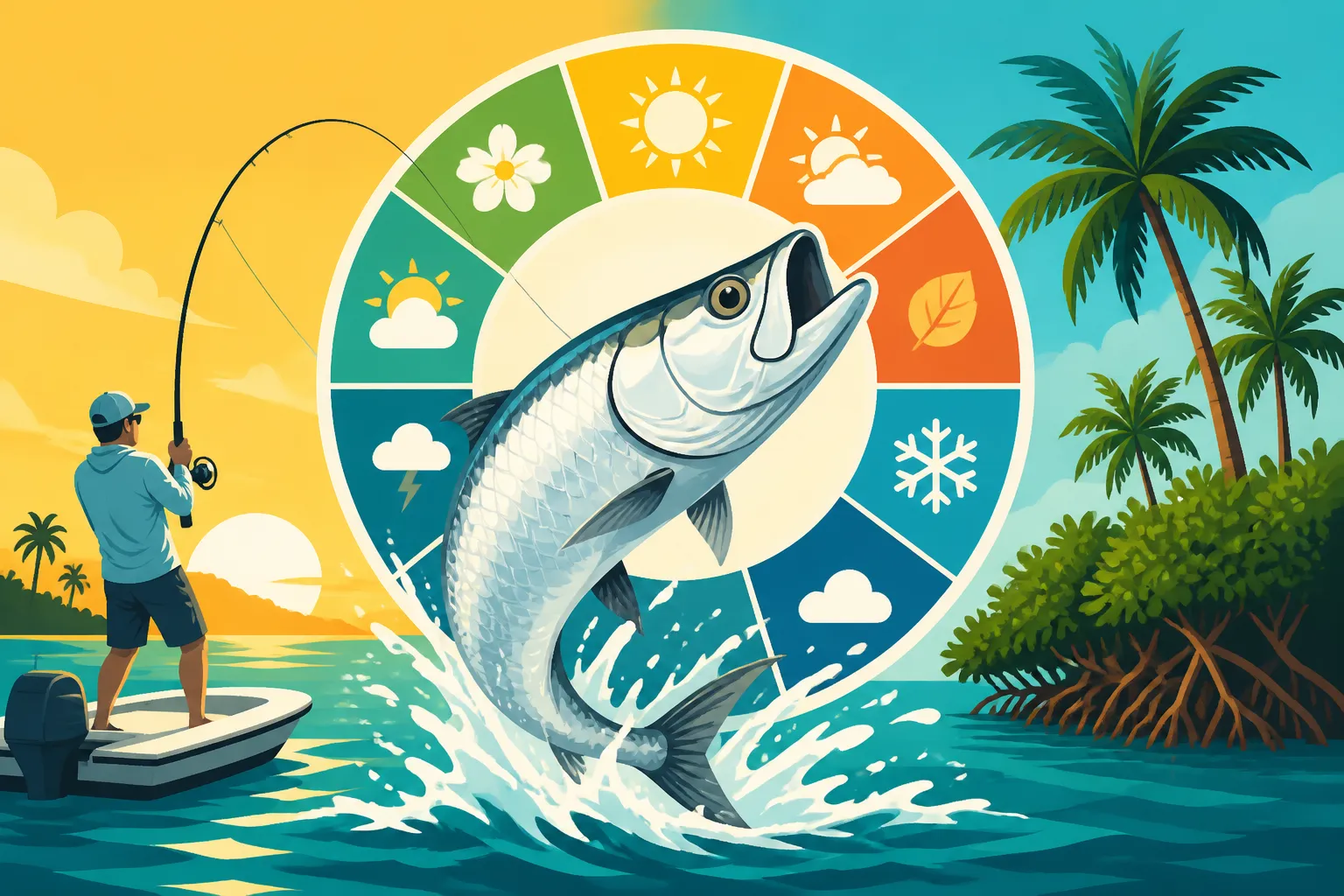
When you talk about the "best month" for tarpon in Florida, you're really talking about understanding their incredible migratory patterns. These fish are constantly on the move, driven by instinct, water temperature, and the abundance of their preferred food sources. It's not a static fishery; it's a dynamic, living calendar.
The Spring Migration: March to May
This is often considered the kickoff to the "prime" tarpon season, especially as the waters warm up after winter. As early as March, you'll start seeing tarpon showing up in various parts of South Florida and the Florida Keys. They're making their way north and east from their wintering grounds, eager to feed and eventually spawn.
- Initial Arrivals and Warming Waters: In March, the first waves of tarpon begin to arrive, particularly in the lower Florida Keys. They're often found in deeper channels and around structure as they slowly push into shallower flats. The water temperatures are critical; they prefer temperatures generally above 72-75°F. If Florida experiences a particularly cold winter, this initial push might be delayed slightly, so always keep an eye on weather patterns. These early fish can be incredibly aggressive, having not seen much angling pressure for months, making them a fantastic target.
- Mass Movement and Feeding Frenzies: By April, the tarpon migration is in full swing. This is when the sheer numbers really start to build. You'll find huge schools of migratory tarpon moving along the beaches, through passes, and onto the expansive flats of regions like Boca Grande and the Everglades. They're actively feeding on migratory baitfish like pilchards, threadfin herring, and mullet. This month sees a fantastic blend of sight-fishing opportunities on the flats and more traditional pass fishing. Anglers targeting them will use a variety of tactics, from live bait to artificial lures, trying to match the hatch. This is a time when having a good local guide, often found through services like those listed on Florida Fishing Charter Guide, can make all the difference, as they know the subtle movements of these fish.
- Pre-Spawn Aggression: May is arguably the pinnacle for many tarpon anglers. The fish are at their peak numbers in many key areas, and they are actively feeding to build energy reserves before their offshore spawning rituals. This pre-spawn aggression can lead to some truly epic days on the water. The fish are often very receptive to a well-presented bait or fly. This is also when tarpon are most concentrated in famous locations, offering incredible opportunities for both conventional and fly anglers to chase the Silver King. If you're looking for the absolute height of the season in many spots, May is a strong contender.
The Summer Peak: June to August
While the initial waves of migratory fish might start to thin out in some areas as they move further north, many regions in Florida continue to offer fantastic tarpon fishing throughout the summer. The patterns shift, but the opportunities remain robust.
- Post-Spawn and Resident Fish: After their offshore spawning, many tarpon will move back into nearshore waters and estuaries to feed and recover. These "resident" tarpon provide consistent action throughout the summer months, especially in the larger bays, rivers, and along the Gulf and Atlantic coasts. While the giant schools of migratory fish might not be as prevalent as in May, you'll find plenty of individual large fish and smaller pods. This can often mean less crowded waters, offering a more peaceful and intimate fishing experience.
- Inshore and Riverine Opportunities: During summer, tarpon often push further into brackish and even freshwater environments, following baitfish into rivers and vast estuarine systems like the St. Johns River or parts of the Everglades. This opens up different types of fishing, often involving casting artificial lures or live baits around mangrove islands, oyster bars, and deeper bends in rivers. The "best time of day to fish in Florida" for these conditions often means early mornings or late evenings to beat the heat and capitalize on active feeding windows.
- Tarpon on the Atlantic Coast: While the Florida Keys and Gulf Coast get a lot of attention, the Atlantic coast also has a strong tarpon presence in summer. From Mosquito Lagoon south through the Indian River Lagoon and even off the beaches near Fort Lauderdale and Miami, tarpon can be found. They might not gather in the massive numbers seen in Boca Grande, but targeting them in these diverse environments, often using sight-fishing techniques, can be incredibly rewarding.
The Fall Transition: September to November
As the summer heat starts to fade and cooler fronts begin to arrive, tarpon begin their reverse migration, heading south for the winter. This can create another fantastic window of opportunity, though often less talked about than the spring run.
- Cooling Waters and Southern Movement: In September and October, the cooling water temperatures signal tarpon to begin their journey back to their warmer wintering grounds. This means many of the fish that moved north in spring will be returning south, often taking different routes or staging in different areas than their northbound trip. They can be found along the Gulf Coast and throughout the Keys. This period is a great chance to target fish that have been feeding all summer and are often quite large and healthy.
- Less Pressure, Still Great Fishing: One of the big advantages of fall tarpon fishing is the reduced angling pressure. With kids back in school and many seasonal visitors gone, you might have some of the prime spots all to yourself. The fish are still there, they're still hungry, and they're often willing to eat. This period can offer phenomenal sight-fishing days on the flats in the Keys and Everglades, similar to spring, just with fewer boats around.
- Hurricane Season Considerations: It's important to remember that fall is also hurricane season in Florida. While many days are beautiful, you need to pay close attention to weather forecasts and be prepared for potential trip cancellations or adjustments. Fishing safely is always paramount.
Key Regions and Their Peak Tarpon Seasons
Florida is a vast state, and tarpon hotbeds exist in different regions, each with its own peak season and unique character. Understanding these regional differences is crucial for planning your trip.
The Florida Keys: The Tarpon Mecca
Without a doubt, the Florida Keys are synonymous with tarpon fishing, particularly during the spring migration.
- Peak Season: April to July.
- What to Expect: This is where the magic truly happens. From Key Largo down to Key West, the entire chain offers phenomenal opportunities. The channels connecting the Atlantic to the Gulf, like those around Islamorada, Marathon, and the Bahia Honda bridge, become superhighways for migrating tarpon. The gin-clear flats on both sides of the Keys offer unparalleled sight-fishing opportunities for fly and light tackle anglers. You can literally watch a 100-pound fish cruise toward your bait or fly, creating an adrenaline rush unmatched in fishing. The Florida Keys Fishing Guide offers a comprehensive look at what to expect in this amazing destination.
- Techniques: Live bait (mullet, pinfish, crabs) under a float in the channels, sight-casting artificial lures (D.O.A. Bait Busters, Hogy Lures) or flies on the flats.
- Local Insight: Guides in the Keys often specialize in either flats fishing or channel/bridge fishing. Booking well in advance is essential for prime dates. Many top-tier guides utilize platforms like GuideHub or offer direct booking through their websites, which you can often find via a quick search or recommendations on fishing forums.
Boca Grande Pass: The Tarpon Capital of the World
If there's one place that deserves the title, it's Boca Grande. This narrow pass connecting Charlotte Harbor to the Gulf of Mexico becomes a bottleneck for hundreds, if not thousands, of tarpon during their migration.
- Peak Season: May to early July.
- What to Expect: Boca Grande Pass is famous for its "hill tide" fishery, where tarpon stack up in the pass, feeding on flush-out crabs (pass crabs) during strong outgoing tides. The sheer number of fish here is staggering, and it's not uncommon to see multiple boats hooked up at once. It's a unique and sometimes chaotic fishery, but incredibly productive. For a deeper dive, check out the Boca Grande Pass Tarpon Fishing in Southwest Florida guide.
- Techniques: Drifting live pass crabs, jigging with heavy jigs (like a Westin Salty Slinky or the good old fashioned 'Boca Grande Jig'), and live baiting with mullet or threadfin.
- Local Insight: This fishery can be very crowded, especially on weekends. It's heavily regulated with specific idling and fishing rules to manage the immense pressure. Getting a guide who knows the pass inside and out is highly recommended to navigate the crowds and currents safely and effectively.
The Everglades and Southwest Florida Coast: Untamed Wilderness
The vast wilderness of the Everglades National Park and the surrounding Ten Thousand Islands region offers a completely different, yet equally thrilling, tarpon experience.
- Peak Season: April to July, and a secondary run in October/November.
- What to Expect: This area is all about the backcountry. Tarpon cruise along mangrove shorelines, through oyster creeks, and in the labyrinthine maze of islands and shallow bays. It's a pristine environment where you often feel like you have the entire fishery to yourself. The tarpon here are healthy and aggressive, feeding on mullet, pilchards, and shrimp. The sheer beauty of the surroundings, with abundant wildlife, makes it an unforgettable trip. Learn more in our Everglades Fishing Guide.
- Techniques: Sight-casting with live bait, artificials (MirrOlure, D.O.A. shrimp), and fly. Poling quietly through the shallow water is key.
- Local Insight: A shallow-draft boat is essential here. Many guides operating in this area run technical poling skiffs or bay boats to access the skinny water where tarpon often hold. This can be a challenging environment to navigate without experience.
Central and North Florida Coasts (Gulf & Atlantic): Hidden Gems
Don't overlook the tarpon opportunities further north on both coasts. While perhaps not as famous for the sheer numbers as the Keys or Boca Grande, these areas hold plenty of big fish.
- Peak Season: June to September.
- What to Expect: Tarpon will migrate up the Gulf Coast, often found along the beaches, near major passes, and in large estuaries like Tampa Bay, Charlotte Harbor, and Sarasota Bay. On the Atlantic side, they move up past Sebastian Inlet and into the Mosquito Lagoon and Indian River Lagoon. These fish are often resident for longer periods and can be targeted consistently.
- Techniques: Surf fishing with large cut baits, live baiting around passes and inlets, and casting artificials in estuaries.
- Local Insight: This is often a more localized fishery where knowing specific bait movements and tide cycles makes a big difference. Searching online for "Florida Fishing Seasons Explained" or connecting with local tackle shops can provide invaluable, up-to-date information for these areas.
Florida Tarpon Season Overview
To give you a clearer picture, here's a table summarizing the general peak times for tarpon fishing across Florida's most popular regions:
| Region | Primary Peak Season | Secondary Season (if applicable) | Key Characteristics |
|---|---|---|---|
| Florida Keys | April – July | October – November | Clear flats sight-fishing, channel/bridge fishing, large migratory schools. |
| Boca Grande Pass | May – early July | Hill tide crab flush, massive concentrations of fish, jigging. | |
| Everglades/SW Coast | April – July | October – November | Backcountry sight-fishing, pristine environment, less crowded. |
| Central Gulf Coast | June – September | Beach fishing, nearshore wrecks, resident fish in large bays. | |
| Atlantic Coast (Central/South) | June – September | Beach fishing, inlet/pass fishing, inshore lagoon fishing, resident fish. |
Factors Influencing Tarpon Success Beyond Just the Month
While knowing the "best month" is a fantastic starting point, successful tarpon fishing in Florida is about more than just the calendar. Several environmental factors play a massive role in whether you have an epic day or just a boat ride.
Tides and Currents: Tarpon's Dinner Bell
Tarpon are incredibly sensitive to tidal movements and currents. These forces dictate not only where baitfish will concentrate but also how tarpon position themselves to feed.
- Outgoing Tides: Particularly in passes and inlets, strong outgoing tides can be phenomenal. As the water rushes out, it flushes baitfish, crabs, and other forage from the backwaters into the main channels, creating a buffet line for waiting tarpon. This is especially true in Boca Grande during the "hill tides."
- Incoming Tides: On the flats and in certain bays, an incoming tide can bring cooler, cleaner water and push bait further inshore, drawing tarpon with it. As the water rises, tarpon will often follow it onto shallow grass flats, making them easier to spot and target. Understanding Best Tides for Inshore Fishing in Florida is vital for any tarpon angler.
- Slack Tide: Generally, slack tide (the period when the tide is not moving much, at the peak of high or low) is considered the slowest time for tarpon. With no current to concentrate bait, fish tend to disperse and become less active.
Weather Patterns: The Unpredictable Variable
Florida's weather can be notoriously fickle, and tarpon fishing success is often directly tied to it.
- Cold Fronts: Tarpon are highly sensitive to cold water. A strong cold front can send them scurrying to deeper, warmer waters or completely shut down their feeding activity for days. If you're planning a trip during the shoulder seasons (March, November), pay close attention to frontal systems.
- Wind: While a light breeze can be helpful for sight-fishing (creating a ripple that hides the angler), strong winds can make it incredibly difficult to spot fish, position the boat, and make accurate casts. High winds can also stir up turbidity, reducing visibility.
- Rain: A light rain often doesn't deter tarpon and can sometimes even enhance feeding by washing bait into the water. However, heavy downpours or prolonged storms can cool water temperatures, reduce visibility, and make fishing miserable and unsafe.
Baitfish Presence: Follow the Food
Like all predatory fish, tarpon are where the food is. The presence and abundance of baitfish are paramount.
- Seasonal Bait Runs: Huge schools of pilchards, threadfin herring, mullet, and even shrimp trigger massive tarpon feeding events. Knowing when and where these bait runs occur is key. Often, migratory tarpon will follow these bait schools along the coastlines. Understanding Best Live Bait for Florida Inshore Fishing will give you a significant advantage.
- Matching the Hatch: If tarpon are keyed in on a specific bait, presenting something that mimics it in size, shape, and action is crucial. This applies to both live bait and artificial lures. Sometimes, a tiny pass crab might be all they want; other times, a large mullet is the ticket.
- Water Clarity: Tarpon are primarily sight feeders, especially in clear water environments like the Keys flats. Good water clarity allows them to spot their prey and allows anglers to spot them. Turbid or dirty water can make fishing much more challenging.
Preparing for Your Florida Tarpon Adventure
Once you've nailed down the best month and region for your tarpon pursuit, proper preparation is key to turning that dream trip into a reality.
Essential Gear and Tackle
Tarpon are powerful fish, and you need tackle that can stand up to their incredible strength and acrobatic fights.
- Rods and Reels: For conventional tackle, heavy spinning or baitcasting setups are common. Look for rods in the 7-8 foot range with a medium-heavy to heavy action. Reels should have a strong drag system and be capable of holding 250-300 yards of line. For most migratory tarpon, a 5000-8000 size spinning reel like a Shimano Saragosa or a Penn Spinfisher is appropriate. Fly anglers will typically use 10, 11, or 12-weight fly rods with a large arbor saltwater reel that can hold plenty of backing.
- Line and Leaders: Braided line in the 30-60 pound range is standard for main line, offering sensitivity and strength. Crucially, a heavy fluorocarbon leader is essential to withstand their abrasive mouths and powerful head shakes. Think 60-100 pound test fluorocarbon. Don't skimp on leader material; it's often the weakest link. Our guide on What Pound Test Line for Tarpon Fishing? offers more specific advice.
- Hooks and Lures: Circle hooks are mandatory for live baiting tarpon to promote healthy release. Sizes range from 4/0 to 8/0 depending on bait size. Artificial lures like large soft plastic swimbaits (Hogy, Saltwater Assassin), jerkbaits (MirrOlure), and topwater plugs can be highly effective. Fly patterns include toad patterns, EP flies, and various baitfish imitations. Many popular lures are readily available on platforms like Amazon, making it easy to stock up before your trip.
- Terminal Tackle: Swivels, split rings, and pliers should all be heavy-duty and saltwater resistant. A good pair of long-nosed pliers or a dehooking tool is crucial for safe release.
Permits and Licenses: Don't Get Fined!
Florida has specific regulations for tarpon, primarily focused on conservation.
- Florida Fishing License: All recreational anglers (unless exempt) need a valid Florida fishing license. This is your baseline. You can easily purchase one online through the Florida Fish and Wildlife Conservation Commission (FWC) website. Check out our comprehensive Florida Fishing License Guide for all the details.
- Tarpon Tag: If you intend to harvest a tarpon, you need a special tarpon tag. However, the vast majority of tarpon fishing in Florida is strictly catch-and-release, which does not require a tarpon tag. These tags are expensive and rare, used mostly for record-breaking catches. Recreational harvest of tarpon is limited to one fish per person per year, and only for those possessing a tarpon tag.
- Charter Boats: If you're fishing on a licensed charter boat, you generally do not need your own personal fishing license, as the vessel's license covers all passengers. However, it's always a good idea to confirm this with your captain.
Hiring a Guide: The Ultimate Advantage
For many, especially those new to Florida tarpon fishing, hiring a professional guide is the single best investment you can make.
- Expert Knowledge: A good guide spends hundreds of days on the water, tracking tarpon movements, understanding local bait patterns, and knowing the best spots for different conditions. This intimate, real-time knowledge is invaluable.
- Specialized Equipment: Guides have the right boats, the right tackle, and the right bait. They are set up for success and can provide everything you need for the day.
- Safety and Regulations: Guides are licensed captains, knowledgeable about safe boating practices and all the local fishing regulations, including those specific to tarpon. This peace of mind is priceless.
- Technique Coaching: If you're new to sight-fishing or handling such powerful fish, a guide can offer invaluable coaching on casting, fighting, and properly releasing tarpon. If you're looking to learn How to Sight Fish for Tarpon on the Flats, a guide is essential.
- Booking a Guide: Popular tarpon guides, especially in the Keys and Boca Grande, book up months, sometimes a year, in advance for peak season dates. Don't wait until the last minute! Use resources like local guide associations, online booking platforms, or reputable tackle shops for recommendations. Many guides have active social media presences where you can see their recent catches and book directly. Just search for something like "Florida Keys tarpon guide" or "Boca Grande fishing charter."
Clothing and Essentials: Be Prepared for Florida's Climate
Florida weather can be intense, so dress appropriately.
- Sun Protection: Long-sleeved UPF shirts, hats (wide-brimmed is best), buffs, and polarized sunglasses are non-negotiable. The sun glare on the water is intense. Don't forget high-SPF sunscreen, and you can find excellent options on Amazon.
- Footwear: Deck shoes or sandals with good grip are ideal. Avoid black soles that can mark boat decks.
- Rain Gear: Even on sunny days, afternoon thunderstorms can pop up quickly. A lightweight rain jacket and pants are always a good idea.
- Hydration and Snacks: Bring plenty of water, sports drinks, and snacks. Fishing for tarpon is physically demanding, and staying hydrated is crucial.
- Camera: You'll want to capture the moment, so bring a waterproof camera or ensure your phone is protected.
Final Thoughts on Chasing the Silver King
While many anglers consider May to be the absolute prime month for catching tarpon in Florida, particularly in the Keys and Boca Grande, the truth is that excellent tarpon fishing opportunities exist across the state from April through July, with some strong secondary runs in August-September and even into October in certain areas. It truly depends on where you want to fish and what kind of experience you're after.
If you're looking for the thrill of the massive migratory schools and the highest concentrations of fish, focusing on the late spring and early summer in the Lower Keys and Boca Grande is your best bet. If you prefer less crowded waters and don't mind targeting smaller pods or resident fish, the summer and even early fall on either coast can be incredibly rewarding.
Ultimately, flexibility, attention to local conditions, and a willingness to adapt are the hallmarks of a successful tarpon angler. Research your chosen region, plan your trip carefully, and most importantly, enjoy the incredible challenge and beauty of chasing the Silver King in the Sunshine State.
Disclaimer
Please note that fishing regulations, seasons, and bag limits are subject to change by the Florida Fish and Wildlife Conservation Commission (FWC). Always consult the latest FWC regulations before heading out on the water. This guide provides general information and should not be considered legal advice or a substitute for current official regulations.