Best Live Bait for Florida Inshore Fishing
Standing at the local bait shop, gazing into tanks brimming with twitching, darting silver flashes, it's easy to feel a little overwhelmed, isn't it? Choosing the right live bait for Florida's diverse inshore waters can feel like a high-stakes guessing game, especially when you're dreaming of that trophy snook or feisty redfish. But don't you worry, because this guide is your ultimate playbook, designed to unravel the mysteries of live bait and equip you with the knowledge to make every cast count on your next inshore adventure.
Why Live Bait Reigns Supreme for Inshore Fishing
There's a reason why seasoned Florida anglers, from the Panhandle down to the Keys, almost always reach for live bait when targeting the prized species of our inshore estuaries. It's more than just tradition; it's about tapping into the raw, primal instincts of predatory fish.
The Unmatched Allure of Live Action
Think about it from a fish's perspective. When a plastic lure or a dead piece of cut bait drifts by, it might get a curious glance, but a live baitfish or shrimp? That's a different story altogether. A lively pilchard struggling on the surface, a pinfish kicking near the bottom, or a shrimp flicking its tail across a grass flat—these movements scream "easy meal" to a hungry predator. The natural swimming motion, the subtle vibrations, the scent trail, and even the distressed sounds a live bait makes are all irresistible triggers. They mimic exactly what snook, redfish, and spotted seatrout are naturally hunting every single day.
It’s often the difference between a frustrating day of no bites and a memorable one filled with screaming drag and bent rods. When the bite is tough, or the fish are finicky, a perfectly presented live bait can often coax a strike when artificials are completely ignored. This is particularly true in clear, calm waters where fish have plenty of time to inspect their potential meal. They're looking for something that belongs in their environment, something that behaves just like their natural prey.
Understanding Predator-Prey Instincts
Florida's inshore species are highly opportunistic predators. Their survival depends on recognizing and capitalizing on vulnerabilities in their prey. A live baitfish, even if healthy, appears as a struggling, out-of-place meal to a redfish or snook. Take, for instance, a snook lurking under a mangrove canopy. Its entire existence revolves around ambushing prey. A live greenback, cast just right and allowed to swim naturally near that structure, triggers that innate predatory strike response far more effectively than a jig bounced erratically.
Similarly, a redfish cruising a grass flat or a trout holding in a pothole isn't just looking for food; it's looking for easy food. A lively shrimp or a wiggling mud minnow is a beacon of opportunity. The struggle of the bait activates their lateral line, a sensory organ that detects vibrations, and the visual cues are undeniable. This is why when you're trying to fool educated fish in high-pressure areas like the backwaters of Tampa Bay or the flats near Islamorada, live bait is often your best bet. It cuts through the artificiality and presents a genuine meal, playing directly into the evolutionary drives of these incredible gamefish.
The Gold Standard: Common Inshore Live Baits
When it comes to live bait in Florida, a few species consistently rise to the top as angler favorites due to their effectiveness and widespread availability. These are your bread and butter for a successful inshore trip.
Greenbacks (Pilchards) and Threadfin Herring
Often lumped together and commonly referred to as "greenbacks" or "sardines" by anglers, these small, silvery baitfish are arguably the number one choice for a huge variety of inshore species. Pilchards (Sardinella aurita) and threadfin herring (Opisthonema oglinum) are prolific throughout Florida's coastal waters, forming massive schools that predatory fish key in on.
- Greenbacks (Pilchards): These guys are hardy, swim with an enticing wiggle, and have a high oil content that creates a strong scent trail in the water, which fish absolutely love. They're particularly effective for snook, redfish, and even larger spotted seatrout. When a school of pilchards gets agitated, they flash and dart, sending out vibrations that act like a dinner bell. Rigging them through the nose or just behind the dorsal fin with a small circle hook allows them to swim naturally. You can often buy them at bait shops, but many experienced anglers prefer to catch their own using a cast net, which can be easily found on Amazon. This ensures the freshest, liveliest bait.
- Threadfin Herring: Similar to pilchards but often a bit larger and more elongated with a distinctive "thread" extending from their dorsal fin. Threadfins are incredibly energetic and dart erratically, making them a fantastic bait for aggressive feeders. They're also excellent for chumming, creating a feeding frenzy that can draw in fish from a distance. The trick with threadfins is to keep them lively in your baitwell, as they can be a bit more delicate than pilchards. Both pilchards and threadfins are superb choices for drifting under a popping cork or free-lining near structures like docks, bridge pilings, or mangrove edges.
Pinfish and Mojarras
While greenbacks are fantastic, pinfish and mojarras offer slightly different advantages, especially when targeting larger, more aggressive inshore species or fishing in areas with bigger bait present.
- Pinfish: These small, spiny fish (Lagodon rhomboides) are absolute workhorses as live bait. They are incredibly tough, staying lively on a hook for a long time, and their spiny fins often deter smaller, unwanted fish from nibbling. Pinfish are a top choice for bigger snook, redfish, and even smaller tarpon. They're masters of camouflage, often found lurking in grass flats, and their natural behavior of rooting around for food on the bottom makes them irresistible to bottom-dwelling predators. Rigging a pinfish can be done through the lips for a natural swim or through the tail for a frantic, injured presentation that can provoke explosive strikes. You can catch pinfish using small traps or by targeting grass flats with sabiki rigs. For those interested in catching their own, a simple pinfish trap can be a great addition to your gear, available through various fishing suppliers.
- Mojarras: Also known as "sand perch" in some areas, mojarras (Gerreidae family) are silvery, laterally compressed fish found predominantly over sandy bottoms and near inlets. They are a fantastic bait for snook and redfish, especially when these predators are feeding in sandy areas or along beach fronts. Mojarras are not as flashy as pilchards but offer a more subtle, natural presentation. They are generally tougher than greenbacks, meaning they stay alive longer on the hook. Anglers often catch them with small pieces of shrimp on tiny hooks or small sabiki rigs. When rigged through the nose, they swim naturally, making them deadly when slow-trolling or free-lining along current lines.
Live Shrimp: The Universal Inshore Bait
If there's one live bait that could be crowned "king" of Florida inshore fishing, it just might be the humble live shrimp. Seriously, it's rare to find a fish in the inshore ecosystem that won't eat a shrimp.
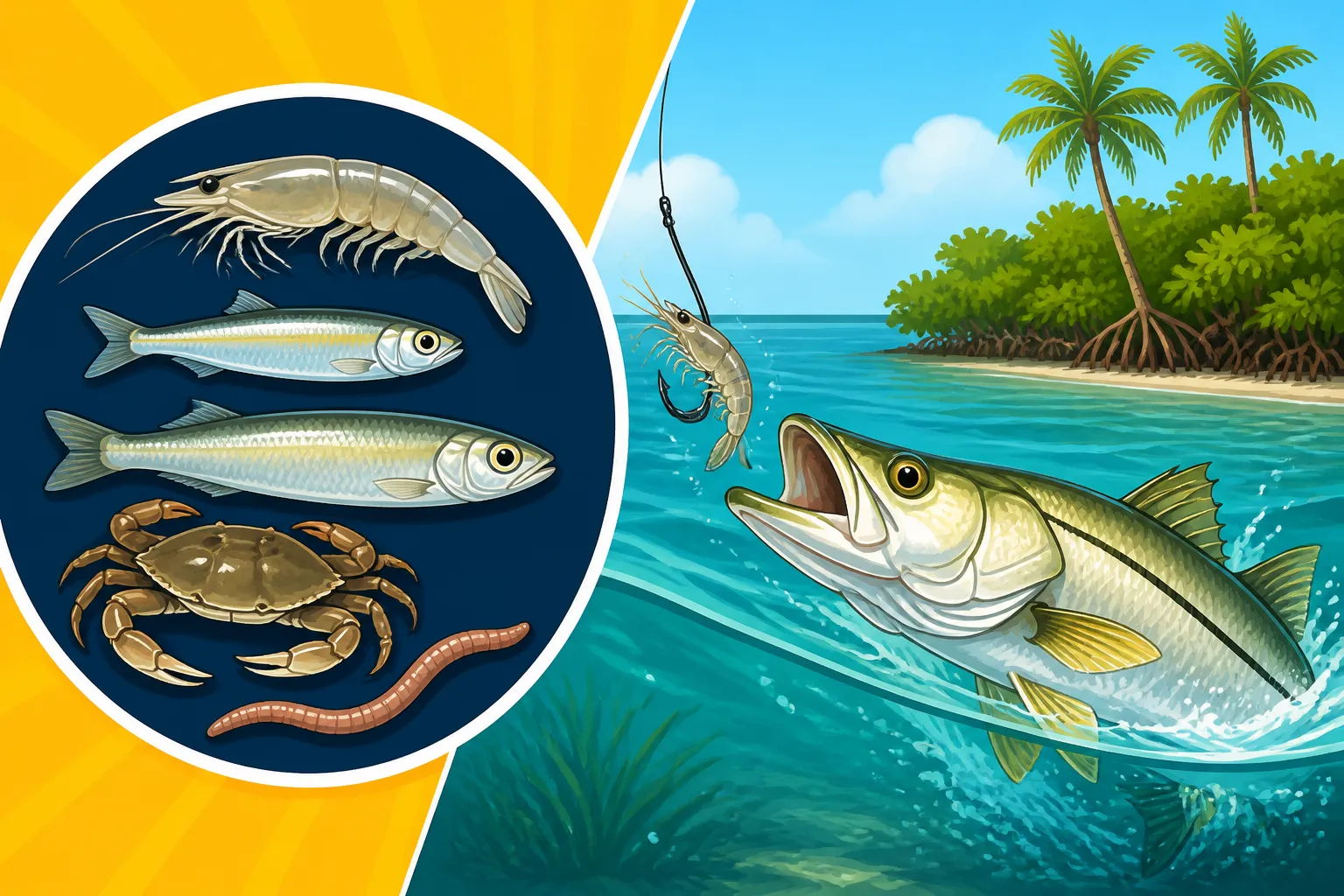
Shrimp are a natural and abundant food source for nearly every predatory species in Florida's shallow waters. Snook, redfish, spotted seatrout, flounder, snapper, pompano, sheepshead, and even small tarpon all feast on shrimp. Their erratic tail-flicking movement when threatened perfectly mimics a vulnerable meal. Plus, they release a potent scent that attracts fish from a distance.
There are many ways to rig a live shrimp, depending on the fishing scenario.
- Through the horn/head: This is probably the most common method. Pushing the hook through the translucent horn on the shrimp's head, being careful to avoid the black spot (brain), allows the shrimp to swim naturally and stay alive for a good while. This works great when free-lining, under a popping cork, or with a light jig head.
- Through the tail: This method involves pinching off the tail fan and inserting the hook through the second or third segment from the tail. This causes the shrimp to dart backward aggressively, simulating an escaping or injured prey, often triggering immediate strikes. This is fantastic for targeting aggressive fish in current or near structure.
- Through the body (for weedless presentation): When fishing in heavy cover or thick grass, you can thread the hook through the shrimp's body like a worm to create a weedless setup. This sacrifices some of the natural movement but prevents snags.
You can buy live shrimp at almost any bait shop in Florida, from local independent stores to larger chains like Bass Pro Shops or even some Walmarts. They are readily available year-round, although prices can fluctuate with demand and season. Keeping them alive requires a good aerated bait bucket, which you can find on Amazon, along with plenty of fresh, cool saltwater. For those who prefer to catch their own, learning to How to Catch Shrimp for Bait in Florida can be a rewarding skill, often done with cast nets or small dip nets in tidal creeks and grass flats.
Specialty Live Baits and Their Niche
While pilchards, pinfish, and shrimp are the go-to choices, Florida's diverse waters offer other highly effective live baits that shine in specific situations or for particular species. Don't overlook these specialty options!
Finger Mullet
Finger mullet (Mugil curema) are juvenile mullet, typically 3-6 inches long, that are absolute dynamite for larger inshore predators. They are incredibly hardy, can withstand powerful casts, and their energetic swimming action is a beacon for big fish.
- Target Species: Finger mullet are a top choice for trophy snook, especially those lurking in deeper channels, along bridge pilings, or in river mouths. They are also highly effective for bull redfish, tarpon, and even large Jack Crevalle. If you're targeting big fish, upsizing your bait to a finger mullet is often the key.
- Rigging Techniques: For finger mullet, nose-hooking with a stout circle hook is common. This allows the mullet to swim naturally, covering ground and attracting attention. You might also hook them through the back, just in front of the dorsal fin, to give them a more injured appearance, which can be irresistible to a hungry predator. When fishing them free-lined, they'll often try to dive, making them perfect for fishing under docks or alongside channel markers. When fishing around strong current, adding a small split shot can help get them down to the strike zone.
- Sourcing: You can sometimes buy finger mullet at bait shops, particularly in areas known for snook or tarpon fishing. However, many anglers prefer to cast net their own in shallow ditches, tidal creeks, and along beaches. Knowing How to Cast Net for Live Bait is a valuable skill if you plan on using these powerful baits regularly.
Crabs (Fiddlers, Blue Crabs)
Crabs might not be the first thing that comes to mind for live bait, but they are a natural and highly effective food source for certain inshore species, especially those that love to crunch on crustaceans.
- Fiddler Crabs: These smaller crabs are fantastic for targeting sheepshead, black drum, and sometimes even redfish. Sheepshead, with their distinctive human-like teeth, are notorious for eating barnacles and crustaceans, and a live fiddler crab is a gourmet meal for them. You can typically find fiddler crabs scurrying around mangrove roots, oyster bars, and seawalls at low tide. They are easy to collect by hand or with a small net. Rigging a fiddler crab is usually done by hooking it through the back leg socket or the pointiest part of its shell. A small, sharp hook is essential.
- Blue Crabs: Larger blue crabs, especially those in their soft-shell stage or smaller "pass crabs," are phenomenal baits for bull redfish, large snook, and especially tarpon. Tarpon migrate through Florida's passes and inlets in spring and summer, often keying in on these crabs as they flush out with the tide. Rigging a blue crab usually involves removing its large claws (to prevent it from grabbing onto structure) and hooking it through a point on its shell or through the back fin area. A strong, sharp circle hook is paramount when fishing with blue crabs due to their hard shells.
- Where to Use Them: Crabs are best fished around rocky structures, oyster beds, bridge pilings, and inlets—anywhere these crustaceans naturally reside. They are typically fished on the bottom with a minimal weight or free-lined in current.
Eels and Ladyfish
These larger, more robust baits are reserved for the truly big predators and can often entice strikes when other baits fail.
- Eels: Small eels (often called "snake eels" or "worm eels") are a phenomenal bait for large snook, tarpon, and even goliath grouper. Their slithering, serpentine movement is irresistible to large predatory fish. They are incredibly tough and can stay alive for a long time, even after being mangled by a strike. Rigging an eel is usually done through the lips or just behind the head with a heavy-duty circle hook. You'll need stout tackle to fish with eels, as the fish that eat them are typically monsters. Eels can be caught in traps or sometimes purchased from specialty bait shops.
- Ladyfish: Often considered a nuisance by anglers due to their acrobatic fighting style, juvenile ladyfish (often called "poor man's tarpon") are actually excellent live baits for other large predators. A frisky, 8-12 inch ladyfish is a prime meal for giant snook, tarpon, and even offshore species like king mackerel if you venture just outside the inlets. They are incredibly energetic and create a huge commotion in the water. Rigging a ladyfish is typically done through the nose or back, and a large, strong circle hook is a must. You can easily catch ladyfish with small jigs or spoons, making them a readily available bait source.
Mastering Bait Selection: Matching the Hatch and Conditions
Choosing the right live bait isn't just about what's available; it's about understanding the nuances of the environment and what your target species is currently eating. This is where the art of fishing truly comes into play.
Considering Water Clarity, Depth, and Current
The conditions of the water you're fishing in should heavily influence your bait choice. Fish behavior changes dramatically based on these factors.
- Water Clarity: In gin-clear flats, fish have excellent visibility, meaning they can be very selective. Here, a natural presentation is crucial. Smaller, more subtle baits like live shrimp or smaller pilchards that perfectly "match the hatch" will outperform larger, clumsier baits. They are less likely to spook wary fish. Conversely, in murky or stained water, visual cues are diminished, so scent and vibration become more important. This is where the oily, erratic action of a large pilchard or a strong-swimming finger mullet can really shine, as their presence is easier for fish to detect. Also, consider their natural color; silvery baits like pilchards reflect light well in clear water, while darker baits might blend in better in stained conditions.
- Depth: The depth of water you're fishing impacts how your bait needs to behave. In shallow grass flats, baits that naturally stay near the surface or suspend, like a free-lined pilchard or a shrimp under a shallow popping cork, are ideal. If you're fishing deeper channels or around structures like bridge pilings where fish are holding closer to the bottom, tougher baits like pinfish or a larger shrimp on a jig head might be more appropriate. These baits can handle being weighted down and retrieved slowly without getting washed out or dying quickly. For instance, when targeting redfish in deeper potholes on a flat, a pinfish can be a fantastic choice, as they naturally forage on the bottom, drawing attention to themselves.
- Current: Florida's inshore waters are heavily influenced by tides and currents. Strong currents require hardy baits that can swim against the flow without quickly succumbing to exhaustion. Finger mullet, pinfish, and larger threadfin herring are excellent choices in strong current, as they can maintain their natural swimming action. Delicate baits like small pilchards might get washed out or die quickly. Furthermore, a current can carry the scent of your bait a long way, drawing fish in. Rigging your bait so it can be carried naturally by the current, such as free-lining near an oyster bar or inlet, is often the most effective presentation. Understanding the Best Tides for Inshore Fishing in Florida will also help you predict current strength and optimize your bait choice.
Seasonal Availability and Target Species Preferences
Florida's fishing scene changes with the seasons, and so does the availability of bait and the feeding habits of fish.
- Seasonal Availability: Certain baits are more abundant at different times of the year. Pilchards and threadfin herring are generally prolific in warmer months, making them easily cast-netted. Shrimp runs can also be seasonal, often peaking in fall and spring. Finger mullet are more prevalent in cooler months, especially during their fall migration. Knowing what bait is naturally present in the water is key to "matching the hatch." If redfish are gorging on schools of migrating mullet, presenting a live finger mullet will be far more effective than a shrimp. You can often check with local bait shops or fishing reports to understand what baitfish are currently running.
- Target Species Preferences: Each fish has its preferred diet. While many will eat shrimp, certain baits are undeniably better for specific species.
- Snook: They are opportunistic feeders and will hit almost anything, but they absolutely crush live pilchards, threadfin herring, finger mullet, and larger shrimp. For trophy snook, a big pinfish or a small ladyfish can be irresistible, especially around structures. A Florida Snook Fishing Guide will often emphasize the importance of live bait.
- Redfish: These bottom-rooting predators love crustaceans. Live shrimp and fiddler crabs are excellent, particularly for smaller to medium-sized reds. For bull redfish, a hearty pinfish or finger mullet fished near oyster bars or deep channels is a proven tactic. They also love to ambush schools of baitfish, so greenbacks work well.
- Spotted Seatrout: While trout are aggressive, they tend to prefer smaller, more manageable meals. Live shrimp under a popping cork, small pilchards, or small pinfish are deadly. They are also highly visual feeders, so a lively bait that flashes is often key. You can find more specific advice in a Florida Spotted Seatrout Fishing Guide.
- Flounder: These flatfish are ambush predators that lie on the bottom. Live shrimp or small mud minnows (killifish) fished directly on the bottom are their weakness.
| Live Bait Type | Primary Target Species | Ideal Rigging Method | Pros | Cons |
|---|---|---|---|---|
| Greenbacks (Pilchards) | Snook, Redfish, Trout, Tarpon | Nose-hooked or dorsal fin-hooked | Highly versatile, strong scent, frantic action, widely available | Can be delicate, require good aeration, smaller sizes might get picked |
| Pinfish | Snook, Redfish, Tarpon, Grouper | Nose-hooked, dorsal fin-hooked, or tail-hooked | Extremely hardy, deter small fish, good for larger predators | Can be harder to cast net, spiny fins can be tricky to handle |
| Live Shrimp | Snook, Redfish, Trout, Flounder, Snapper, Sheepshead | Horn-hooked, tail-hooked, or weedless body-hooked | Universal appeal, easy to rig, excellent scent, widely available | Can be delicate, easily stolen by small fish, often more expensive |
| Finger Mullet | Large Snook, Bull Redfish, Tarpon, Jack Crevalle | Nose-hooked or dorsal fin-hooked | Hardy, strong swimmers, excellent for large gamefish | Can be harder to source, may require larger tackle |
| Fiddler Crabs | Sheepshead, Black Drum, Redfish | Through back leg socket or shell point | Irresistible to crustacean-eaters, very natural presentation | Small size, mainly for bottom fishing, can be hard to keep on hook |
| Ladyfish (Juvenile) | Large Snook, Tarpon, King Mackerel | Nose-hooked or dorsal fin-hooked (heavy tackle) | Extremely energetic, excellent for provoking big strikes | Requires large tackle, can be difficult to keep alive, highly active |
Keeping Your Catch Alive: Bait Care Essentials
You've spent time and effort catching or buying your live bait. The last thing you want is for them to die in the baitwell before you even get to your fishing spot. Proper bait care is crucial for maximizing their effectiveness. A lively bait is a productive bait.
Aeration and Water Quality Management
The foundation of keeping live bait healthy is maintaining good water quality and oxygen levels in your baitwell or bucket.
- Aeration: Oxygen is paramount. Most modern baitwells in fishing boats come with built-in aerators or recirculating pumps. If you're using a portable bait bucket, a battery-powered aerator is an absolute must. Brands like Bubbles and Engel make excellent portable aerators that can run for hours on D-cell batteries. You can find a wide selection of these devices, along with insulated bait buckets designed for keeping bait alive, on Amazon. The goal is to keep the water moving and oxygenated, preventing dead spots and maintaining consistent air bubbles.
- Water Quality:
- Temperature: Extreme temperatures are a bait killer. Try to keep the baitwell water at a stable temperature, ideally close to the water temperature of where you caught or bought the bait. In Florida's scorching summers, this often means adding frozen water bottles (never ice directly, as tap water contains chlorine) to your baitwell to keep it cool. Conversely, in winter, avoid drastic temperature changes if bringing bait from warm water into a cold baitwell.
- Cleanliness: Baitfish excrete waste, and this can quickly foul the water, especially in crowded conditions. Regularly exchange a portion of your baitwell water with fresh, clean saltwater from the area you're fishing. Avoid harsh chemicals or detergents when cleaning your baitwell.
- Overcrowding: Don't overload your baitwell. Too many baits in a small space will quickly deplete oxygen and stress the fish, leading to premature death. A good rule of thumb is about one dozen pilchards or a half-dozen pinfish per five gallons of water for extended periods, but this can vary. Observe your bait; if they're gasping at the surface, you're likely overcrowded or under-oxygenated.
- De-foaming Agents: For certain baits like pilchards and threadfins, which can "slime up" and cause excessive foam in the baitwell, a de-foaming agent can be beneficial. These are typically available at tackle shops and help reduce surface tension, improving water quality.
Proper Hooking Techniques for Longevity
Even the best bait care won't help if you hook your bait improperly. The goal is to allow the bait to swim naturally and stay alive as long as possible, while also ensuring a solid hook-up when a fish strikes.
- Circle Hooks are King: For live bait, especially when targeting snook and redfish, circle hooks are highly recommended. They are designed to hook fish in the corner of the mouth, reducing gut-hooking and making catch-and-release much safer. This is particularly important for species like snook and redfish, which often have slot limits and require careful handling for release. Learn more about Catch and Release Best Practices for Snook to ensure the fish's survival.
- Nose Hooking: This is a versatile and common method for most baitfish (pilchards, pinfish, mullet, ladyfish). Pass the hook through the very tip of the bait's nose, between the nostrils, avoiding the eyes and brain. This allows the bait to swim freely and naturally. It's great for free-lining or fishing under a popping cork.
- Dorsal Fin Hooking: For a more injured or erratic presentation, especially with pinfish or larger baits, you can hook the bait just behind the dorsal fin. Be careful not to penetrate the spine, as this will quickly kill the bait. This method is effective when you want the bait to struggle and create a commotion, drawing aggressive strikes.
- Tail Hooking: Primarily used for shrimp and sometimes pinfish, hooking through the tail fan (shrimp) or near the base of the tail (pinfish) causes the bait to dart backward, simulating an escape attempt. This can be very effective in strong current or when targeting highly aggressive fish. For shrimp, be sure to avoid the main vein running along the back.
- Hook Size: Always match your hook size to your bait size. A hook that's too large will impede the bait's movement and potentially kill it. A hook that's too small might not get a good purchase in the fish's mouth. Generally, 1/0 to 3/0 circle hooks work well for pilchards and shrimp, while 4/0 to 6/0 might be needed for pinfish or mullet. You can often find a variety of hook sizes on Amazon or at any local tackle shop.
- Careful Handling: When retrieving bait from the baitwell, use a small net or your hands with minimal squeezing. Avoid dropping bait or banging it against hard surfaces, as this can stun or injure them, making them less effective.
Sourcing Your Live Bait: Buying vs. Catching
One of the biggest decisions an inshore angler faces is whether to buy bait from a local shop or invest the time and effort to catch it themselves. Both options have their pros and cons.
Buying from Local Bait Shops
For many anglers, especially those with limited time or who are unfamiliar with local bait-catching spots, purchasing live bait from a reputable bait shop is the most convenient option.
- Convenience: This is the primary advantage. You simply drive up, tell them what you need, and you're ready to go. No early mornings cast netting, no searching for schools of bait. This is particularly appealing if you're on vacation or only have a few hours to fish. Many bait shops are open bright and early, ensuring you get fresh bait before sunrise.
- Guaranteed Availability (Usually): Most well-stocked bait shops carry a variety of common inshore baits like live shrimp, pilchards, pinfish, and sometimes finger mullet, especially during peak seasons. This means you can often get exactly what you need without the uncertainty of trying to catch it yourself. If you're looking for Where to Buy a Florida Fishing License Near You, many bait shops also serve as license vendors, making it a one-stop shop.
- Expert Advice: Bait shop owners and employees are often local fishing experts. They can provide valuable insights into what's biting, where the fish are, and what baits are working best. This local knowledge can be invaluable for tourists or those new to an area.
- Cost: The main downside is the cost. Live bait can add up, especially if you go through a lot or fish frequently. Prices vary by bait type, size, and season, but expect to pay anywhere from $5-$10 per dozen shrimp or pilchards, and sometimes more for specialty baits. Over time, this can be a significant expense.
- Quality Control: While most reputable shops sell good quality bait, there can be exceptions. Always inspect the bait before you buy it. Look for lively, active baitfish or shrimp. Avoid anything that looks sluggish, has missing scales, or shows signs of disease. Don't be afraid to ask for a scoop from a different tank if the first looks subpar.
DIY: Cast Netting and Trapping
For many dedicated Florida anglers, catching their own bait is a rite of passage and an integral part of the fishing experience. It offers numerous benefits, from cost savings to superior bait quality.
- Superior Freshness and Liveliness: When you catch your own bait, it's as fresh as it gets. You know exactly when it was caught, and with proper handling, it will be incredibly lively, which translates to more bites. You also have control over the size of your bait, allowing you to "match the hatch" perfectly.
- Cost Savings: While there's an initial investment in a quality cast net (which you can find on Amazon, often with helpful tutorials for beginners), sabiki rigs, or bait traps, the long-term savings are substantial. Over time, catching your own bait will be far more economical than buying it.
- Understanding the Ecosystem: Learning to catch bait teaches you a tremendous amount about the local ecosystem. You'll discover where baitfish congregate, their preferred habitats, and how they behave, which in turn helps you understand where predatory fish will be lurking. This knowledge is invaluable for becoming a more self-sufficient and successful angler. Knowing Florida Inshore Fishing Techniques often includes bait-catching skills.
- Challenge and Reward: There's a certain satisfaction that comes from catching your own bait and then using it to land a trophy fish. It adds an extra layer of skill and accomplishment to your fishing trip.
- Gear Needed:
- Cast Net: A good quality cast net, typically 8-10 feet in diameter with 3/8-inch or 1/2-inch mesh, is essential for catching pilchards, threadfins, and mullet. Learning How to Cast Net for Live Bait takes practice but is a highly rewarding skill.
- Sabiki Rigs: These small, multi-hook rigs are perfect for catching pinfish, threadfins, and other small baitfish around grass flats, docks, or bridges. You simply drop them down and jig them gently.
- Bait Traps: For pinfish and sometimes small crabs or mud minnows, a collapsible bait trap baited with some old bread or cat food can be very effective when set in grass flats or near docks.
- Aerated Baitwell/Bucket: Regardless of how you source your bait, a quality aerated baitwell or insulated bait bucket is crucial for keeping your self-caught bait alive and thriving throughout the day.
Deciding between buying and catching often comes down to personal preference, time constraints, and your level of dedication to the "hunt." Many anglers do a bit of both, buying when in a pinch and catching when time allows.
Disclaimer
Fishing regulations and seasons in Florida can change frequently. Always consult the latest rules and regulations published by the Florida Fish and Wildlife Conservation Commission (FWC) before heading out on the water. This guide is for informational purposes only and does not supersede official regulations.