Florida Snook Closed Season Dates
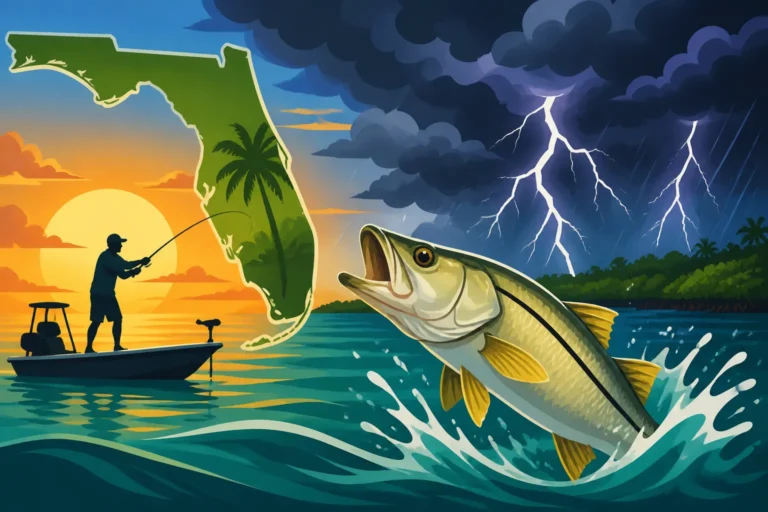
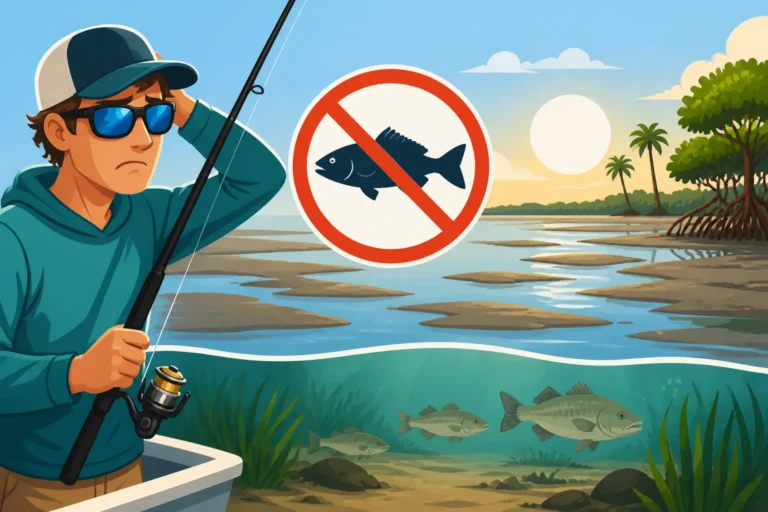
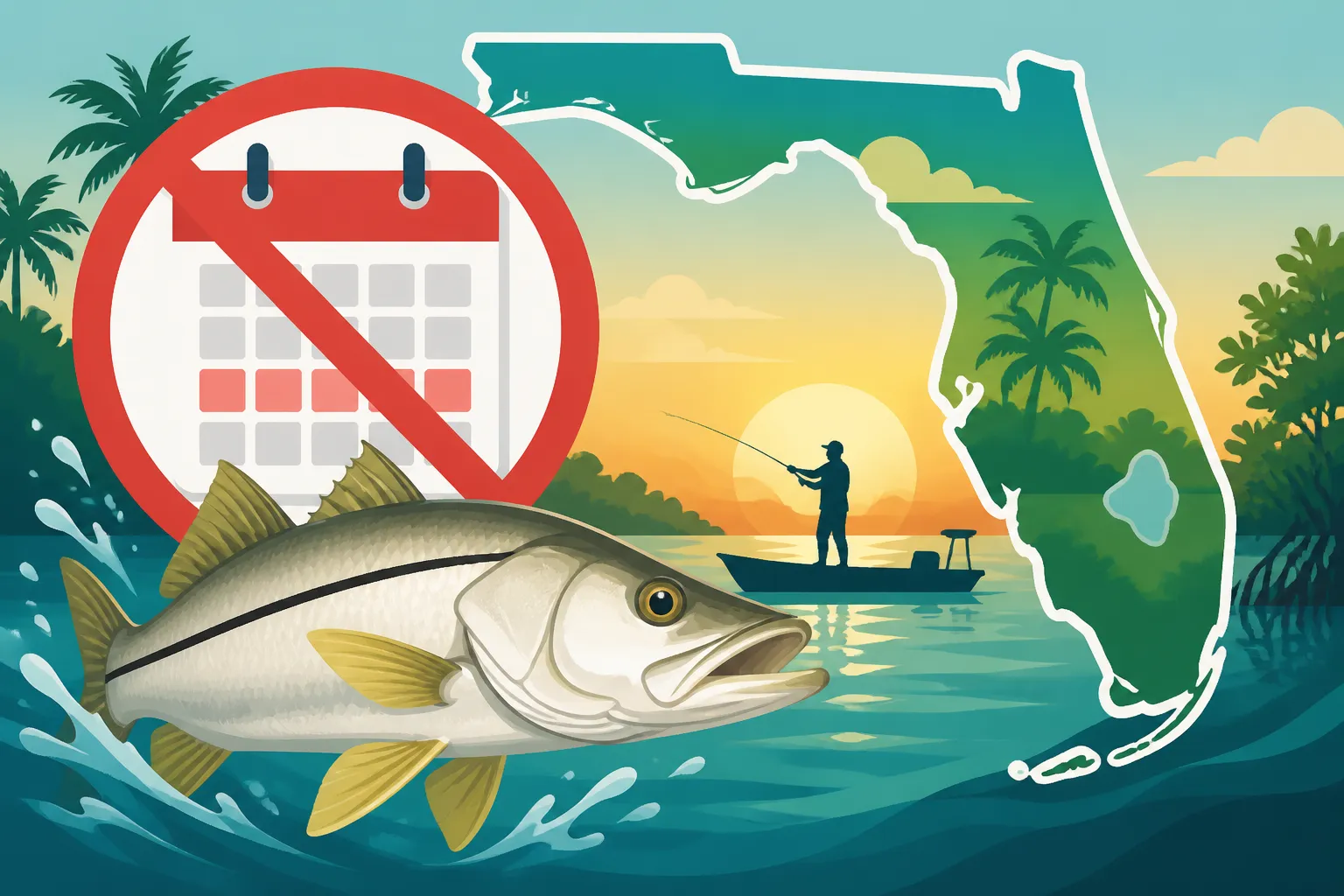
For many of us who love chasing the elusive snook, there's nothing more frustrating than planning a perfect fishing trip, only to discover that the season for these magnificent fish is closed. It’s a common scenario, and frankly, the rules can feel like a tangled line sometimes, changing depending on where you are in the state and even what time of year it is. This guide will cut through the confusion, helping you understand the specific snook closed season dates across Florida's different regions so you can plan your angling adventures wisely and responsibly.
The Mystery of Florida Snook Seasons: Why They Matter
Florida's snook population is a true treasure, drawing anglers from all over the world to experience the thrill of battling these powerful inshore predators. But with such popularity comes the responsibility to protect them, ensuring future generations can enjoy the same incredible fishing opportunities we do today. That's precisely why understanding the snook closed season dates isn't just about following the rules; it's about being a conscientious angler.
Protecting Florida's Iconic Snook Population
Snook are incredibly sensitive to environmental changes, especially cold snaps, and they rely on specific times of the year to spawn. These periods are crucial for the health and sustainability of their numbers. Imagine hundreds of thousands of snook congregating in passes and inlets, making them particularly vulnerable to overfishing. Without carefully planned closed seasons, these populations could be severely impacted, leading to a decline in their numbers that would affect the entire ecosystem and our beloved sport. The Florida Fish and Wildlife Conservation Commission (FWC) meticulously studies snook biology, population dynamics, and angler impact to set these regulations, all with the goal of ensuring a healthy and robust snook fishery for the long haul. It's not about making fishing harder; it's about preserving what we cherish.
Unpacking the Basic Seasonal Framework
While the specific dates vary by region, there's a general pattern to Florida's snook closed seasons. Essentially, the FWC closes the season during key spawning periods and often during the coldest months when snook are more vulnerable to cold stress. For instance, you'll almost always find closures in the dead of winter and throughout the peak of summer spawning. It can feel a bit counter-intuitive when the weather is perfect for fishing, but these are precisely the times when snook need a break from fishing pressure. These closures are an essential part of the broader Florida Fishing Regulations and Bag Limits designed to balance recreational opportunities with conservation needs. Think of it as giving the fish a much-needed vacation to ensure they can reproduce and thrive without added stress.
Pinpointing the Closed Season by Region
One of the biggest sources of confusion for anglers is that snook seasons aren't uniform across the entire state. Florida is a massive state with diverse coastal environments, and snook populations react differently to various conditions from the Panhandle down to the Keys. This regional approach acknowledges those differences, allowing for more precise and effective management. Knowing whether you're fishing in Gulf, Atlantic, or Keys waters is the first step to understanding the specific regulations that apply to you.
Gulf Coast's Specific Snook Closures
If you're planning to fish the bountiful waters of Florida's Gulf Coast, typically from Collier County north to Pasco County, the snook closed season dates generally follow a pattern that protects them during both winter cold snaps and summer spawning. Historically, the Gulf Coast snook season closes from December 1st through the end of February. This winter closure is critical because snook are susceptible to cold stunning and often gather in warmer, deeper pockets or canals, making them easy targets if fishing were allowed.
Then, as the waters warm up, another closure kicks in for the summer spawning period, usually from May 1st through August 31st. This means that for four months in summer, all snook fishing on the Gulf Coast is strictly catch-and-release. You might be out there targeting redfish or trout, but if you happen to hook a snook, it absolutely must be released unharmed. This careful management helps ensure that the snook have a chance to reproduce successfully, safeguarding their numbers for years to come. Remember, these dates can sometimes shift due to environmental factors, so always double-check the latest FWC updates before you head out.
Atlantic Coast's Unique Snook Restrictions
The Atlantic Coast, from the Georgia border down to Martin County, has its own set of snook closed season dates, which differ quite a bit from the Gulf. This side of the state experiences different temperature fluctuations and spawning patterns. On the Atlantic side, the season typically closes from December 15th through January 31st, covering a shorter winter period than the Gulf. While still vital for protecting snook from cold stress, the impact of extreme cold is generally less widespread than on the shallow Gulf Coast.
The primary spawning closure on the Atlantic Coast runs from June 1st through August 31st. This three-month summer closure is crucial for the large snook populations found in the Indian River Lagoon and along the beaches and inlets. During these times, snook often school up near structure and in passes, making them highly vulnerable. It’s during this period that you'll see passionate anglers still hitting the water, but switching their focus to other species, knowing that these vital closures are ensuring the health of the snook fishery. Getting a good Florida Saltwater Fishing License Rules is essential for any angler on the Atlantic coast, regardless of target species.
The Florida Keys and Their Snook Rules
The Florida Keys, stretching from the Monroe County line south, present a slightly different picture. Due to their unique subtropical climate, snook in the Keys don't face the same severe winter cold snaps that trigger closures further north. Therefore, the Keys typically have a year-round open snook season, with no specific winter closure period. This is fantastic news for anglers visiting this incredible destination, as it means you can target snook virtually any time of year without worrying about a winter shutdown.
However, the summer spawning closure still applies to the Keys, mirroring the Atlantic Coast dates from June 1st through August 31st. So, while you have more flexibility in the cooler months, those crucial summer months are still dedicated to catch-and-release only. If you're planning a trip to the Keys, it’s always a good idea to confirm the exact boundaries for these regulations, as sometimes lines can be drawn differently. The incredible snook populations in the backcountry of the Keys thrive because of these protective measures, allowing anglers to enjoy some of the best snook fishing in the world outside of the summer months.
Here’s a quick overview of the general snook closed season dates:
| Region | Winter Closed Season | Summer Closed Season |
|---|---|---|
| Gulf Coast | December 1st – February End | May 1st – August 31st |
| Atlantic Coast | December 15th – January 31st | June 1st – August 31st |
| Florida Keys | None | June 1st – August 31st |
Please note: These dates are general guidelines and are subject to change by the FWC. Always verify current regulations before fishing.
Dealing with Unexpected Changes and Staying Informed
Just when you think you've got the snook season rules down pat, something can change! Florida's dynamic environment and ongoing scientific research mean that regulations aren't set in stone forever. It can be a real headache to keep up, but knowing where to look and what factors can influence these changes will save you a lot of frustration and ensure you're always fishing legally and responsibly.
How Emergency Closures Impact Snook Fishing
Sometimes, Mother Nature throws a curveball, and the FWC has to react quickly. Severe cold snaps are the most common reason for emergency snook closures, particularly on the Gulf Coast and in more northern areas of the state. When water temperatures plummet, snook become sluggish, stressed, and gather in warm water refuges like deep canals or spring-fed areas. This makes them highly vulnerable to fishing pressure, even if the regular season is open. In these situations, the FWC might issue emergency orders, often closing snook fishing statewide or in affected regions, for periods ranging from a few days to several weeks.
We've seen this happen in recent years, where unexpected cold fronts led to temporary closures to protect cold-stressed snook. It's a tough call for the FWC, as it impacts anglers and fishing guides, but it's a necessary step to prevent significant mortality and protect the long-term health of the fishery. These emergency closures typically mean all harvest is prohibited, and often, even catch-and-release is discouraged in specific areas where fish are stressed. Always check for updates, especially if a significant cold front is predicted, as fishing under these conditions could mean a hefty penalty for fishing without a license.
The FWC's Role in Snook Management
The Florida Fish and Wildlife Conservation Commission (FWC) isn't just a regulatory body; they are the dedicated stewards of Florida's fish and wildlife resources. Their decisions on snook closed season dates, bag limits, and slot limits are based on extensive scientific research, data collection, and public input. FWC biologists continuously monitor snook populations, assess spawning success, and track catch rates to understand the health of the fishery. They also consider environmental factors like red tide events and habitat changes.
When it comes to setting or changing regulations, the FWC holds public meetings and solicits feedback from anglers, conservation groups, and the scientific community. This ensures that decisions are well-informed and reflect a balance between conservation and recreational opportunities. It's a complex process, but it's designed to be robust and adaptable. The FWC's work is directly supported by funds from fishing license sales, illustrating How Florida Fishing License Fees Fund Conservation efforts.
Your Go-To Resources for Current Snook Regulations
Staying informed is your best defense against inadvertently breaking the rules. The primary and most reliable source for current snook regulations is the FWC's official website. They have a dedicated section for saltwater regulations that is updated immediately whenever changes occur. It's a treasure trove of information, covering not just snook but all other species, too.
Beyond the website, the FWC offers the "Fish|Hunt Florida" app, available for free on your phone, which provides real-time access to regulations, maps, and even allows you to purchase or renew your fishing license. This app is incredibly handy, acting as a digital version of the traditional FWC fishing guide. Many local bait and tackle shops are also excellent resources; their staff are often local experts who live and breathe fishing and can provide up-to-the-minute advice on what's open and what's not. Another great way to stay current is to follow official FWC social media channels, as they often post alerts about emergency closures or regulation changes. Even a quick search on Amazon for "Florida fishing regulations guide" can yield useful pocket guides, though always cross-reference with official FWC sources.
Angling Ethically When Snook Season is Closed
Just because the snook season is closed for harvest doesn't mean you have to put away your rods. Many anglers still enjoy targeting snook for the sheer thrill of the fight, practicing catch-and-release during these periods. However, doing so ethically and responsibly is paramount. Releasing a fish properly ensures its best chance of survival and contributes to the conservation efforts that keep our snook populations healthy.
Mastering Catch and Release for Snook
When you're fishing during a closed snook season, or simply choosing to release your catch, responsible handling is everything. Snook are powerful fish, and a prolonged fight can exhaust them, making them more vulnerable after release. The goal is to land and release the fish as quickly and gently as possible.
Here are some best practices:
- Minimize Fight Time: Use appropriate tackle that can handle the fish without over-stressing it. This means not going too light on your gear if you know big snook are around.
- Keep it in the Water: Whenever possible, avoid removing the snook from the water entirely. If you must lift it for a quick photo, support its entire body horizontally. Never hold a large snook vertically by its jaw, as this can cause internal damage.
- Use Proper Tools: Have a dehooking tool readily available. Long-nosed pliers or specialized dehookers, which you can easily find on Amazon, allow you to remove hooks quickly and without putting your hands near sharp teeth. Barbless hooks can also make removal much easier.
- Handle with Care: Avoid touching the fish's gills or eyes. Wet your hands before handling to protect its slime coat, which is vital for its immune system.
- Revive Properly: If the fish seems sluggish, gently hold it upright in the water, facing into the current, and move it back and forth to push water through its gills until it's strong enough to swim away on its own. This is a critical step for Catch and Release Best Practices for Snook.
Practicing these techniques not only helps the fish survive but also enhances your reputation as a knowledgeable and ethical angler.
Strategies to Minimize Incidental Snook Catches
Sometimes, even when you're targeting other species, a snook just can't resist your bait. While it's impossible to completely avoid incidental catches, especially in snook-rich Florida waters, there are strategies you can employ to minimize them during closed seasons. This is particularly important if you're fishing in areas where snook are known to congregate, like mangrove edges, bridge pilings, or grass flats.
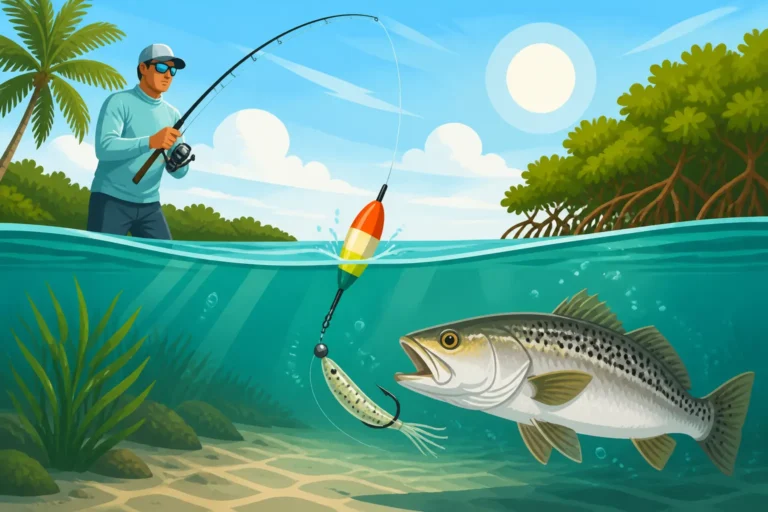
- Adjust Your Lures and Baits: Snook are aggressive predators, often keying in on larger baits. If you're trying to avoid them, consider downsizing your lures or using baits that are less appealing to snook, but still effective for your target species. For example, smaller shrimp or artificial shrimp might attract trout and redfish while being less likely to tempt a trophy snook.
- Change Your Location: During closed seasons, snook often stack up in specific areas, especially during cold weather. If you find yourself consistently hooking snook, consider moving to a different spot where other species are more prevalent. For example, if you're getting a lot of snook near an inlet, try moving further into the bay or onto a different type of structure.
- Target Different Species: Florida offers an incredible diversity of fish. During snook closed seasons, shift your focus entirely to other fantastic game fish like redfish, spotted seatrout, or even freshwater species if you have a combo license. You might discover a new favorite! Learning about Best Time of Year to Fish in Florida for other species can help you diversify your angling pursuits.
- Know Your Habitat: Understand where snook typically hold versus where other species prefer. Snook often ambush prey from structure, while trout prefer grassy flats and redfish might be found cruising oyster bars. Adapting your technique to the specific habitat of your target species can reduce snook encounters.
By being mindful of your approach, you can still enjoy a fantastic day on the water while respecting the conservation efforts for snook.
The Finer Details of Snook Regulations
Beyond the closed season dates, there are several other critical regulations that every snook angler in Florida must be aware of. These rules, including size limits, bag limits, and specific gear requirements, are all designed to work in conjunction with the closed seasons to ensure the long-term health and sustainability of the snook population. Ignoring these details can lead to fines and penalties, so a little bit of homework goes a long way.
Understanding Snook Size and Bag Limits
Even when the season is open, you can't just keep every snook you catch. Snook are managed using a "slot limit" system, which means there's a minimum and a maximum size limit for fish that can be harvested. This protects both the juvenile fish, giving them a chance to grow and reproduce, and the large, mature breeding adults, which are vital for replenishing the population.
Currently, the slot limit for snook in both the Gulf and Atlantic is typically between 28 and 33 inches total length. This means any snook shorter than 28 inches or longer than 33 inches must be immediately released unharmed. The bag limit for snook is usually one fish per person per day when the season is open. It’s a pretty restrictive limit, but it underscores how valuable each mature snook is to the ecosystem. For a deeper dive into these specifics, check out our guide on Florida Snook Slot Limit Explained. Always carry a reliable measuring device with you, and many anglers use a sturdy, waterproof measuring tape that's easy to keep on the boat or in their tackle box, often found affordably on Amazon.
Recommended Gear for Responsible Snook Handling
Using the right gear isn't just about catching fish; it's also about ensuring their survival, especially when practicing catch-and-release during closed seasons or if you're releasing a fish outside the slot limit. The FWC has specific recommendations and even requirements for certain gear when targeting snook and other similar species.
One of the most important requirements is the use of non-stainless steel, non-offset circle hooks when fishing with natural bait for snook. Circle hooks are designed to hook fish in the corner of the mouth, minimizing the chance of gut-hooking, which significantly reduces mortality rates. Offset circle hooks, where the point is not in line with the shank, can increase the risk of gut-hooking and are generally not recommended or even prohibited in some cases. Always ensure your hooks meet these specifications.
Beyond hooks, having the right tools for handling and releasing fish is crucial. A good quality dehooking tool, as mentioned earlier, is essential for quick and safe hook removal. Additionally, a landing net with rubberized mesh is preferred over knotted nylon nets, as the rubber coating is much gentler on the fish's slime coat and fins, reducing injury. Always prioritize the fish's well-being over a quick photo, especially if you plan to release it. Responsible angling practices help preserve Florida's incredible snook fishery for everyone.
Disclaimer
Please note that fishing regulations, including snook closed season dates, bag limits, and gear requirements, are subject to change by the Florida Fish and Wildlife Conservation Commission (FWC). While we strive to provide the most accurate and up-to-date information, it is always the angler's responsibility to verify current regulations directly with the FWC before heading out on the water. This guide is for informational purposes only and should not be considered a legal document.