How to Catch Shrimp for Bait in Florida
There's nothing quite like the feeling of heading out for a day of fishing in Florida, only to realize you're paying a small fortune for bait shrimp that might not even be lively enough to entice a hungry snook. It's a common frustration, the quest for fresh, affordable bait often leading to compromises or an unexpected dent in your wallet. But what if I told you that the freshest, most effective bait shrimp are often just a cast or a scoop away, and catching them yourself can be an incredibly rewarding part of your angling adventure? This guide is going to walk you through everything you need to know about how to catch shrimp for bait in Florida, ensuring your next fishing trip is packed with lively, irresistible offerings.
The Allure of Freshly Caught Shrimp: Why Bother?
For many anglers, buying bait shrimp from a local tackle shop is a routine part of a fishing trip. It’s convenient, yes, but often comes with its own set of drawbacks. The price can add up quickly, especially if you plan on an extended trip or have multiple lines in the water. Plus, there’s always that nagging question: how fresh are these shrimp, really? By learning to catch your own, you unlock a world of benefits that can significantly improve your fishing success and overall enjoyment.
The Cost-Benefit Analysis of DIY Bait
Let's be real, fishing can get expensive. Licenses, gear, boat fuel, and then you add bait on top of that – it all accumulates. A livewell full of vibrant, wiggling shrimp can be a game-changer for attracting a wide variety of fish, from speckled trout to redfish and even snook. However, purchasing enough live shrimp for a productive day can set you back a fair bit. Imagine spending your hard-earned money only to find your store-bought shrimp are lethargic or worse, already expired by the time you hit the water. It’s disheartening!
When you catch your own shrimp, that cost immediately drops to practically zero, aside from your initial investment in some basic equipment. This saving allows you to allocate more of your budget to other essential gear or even extend your time on the water. Beyond the monetary savings, there's the undeniable advantage of freshness. Your self-caught shrimp are as fresh as they can possibly be, still bursting with energy and natural scent, which makes them incredibly appealing to predatory fish. This level of vitality is hard to replicate with commercially bought bait, which has often undergone transportation and handling stresses. The satisfaction of catching a trophy fish on bait you personally harvested is an experience that truly elevates the sport, adding another layer of connection to the natural environment. It's not just about saving money; it's about connecting with the entire process of fishing, from bait to bite.
Understanding Shrimp Behavior for Better Success
To effectively catch shrimp, it helps to understand a bit about their habits. Florida is home to several species of shrimp, but the most common for bait are often pink or white shrimp. These small crustaceans are primarily nocturnal, meaning they are most active and therefore most catchable after the sun goes down. They tend to gather in large schools, often migrating between deeper waters and shallow grass flats or around structures like docks and bridges. This schooling behavior is key to why certain catching methods are so effective.
Shrimp are also highly attracted to light. This isn't just a quirky habit; it's a fundamental part of their ecology. In the darkness, light acts like a beacon, drawing plankton and other tiny organisms that shrimp feed on. Consequently, when you introduce a light source into the water, you're essentially creating a dinner bell for shrimp, making them much easier to spot and collect. They also prefer moving water, often congregating in areas with current that brings them food and helps with their dispersal. Knowing these basic behaviors—nocturnal activity, attraction to light, and preference for current—gives you a significant edge in planning your shrimping expeditions.
Essential Gear for Your Shrimping Expedition
Getting started with catching your own bait shrimp doesn't require a massive investment, but having the right tools makes all the difference. Think of it as investing in your fishing future – fresh bait on demand!
Choosing the Right Cast Net or Dip Net
The primary tools for catching shrimp are cast nets and dip nets. Each has its advantages and is suited for different situations.
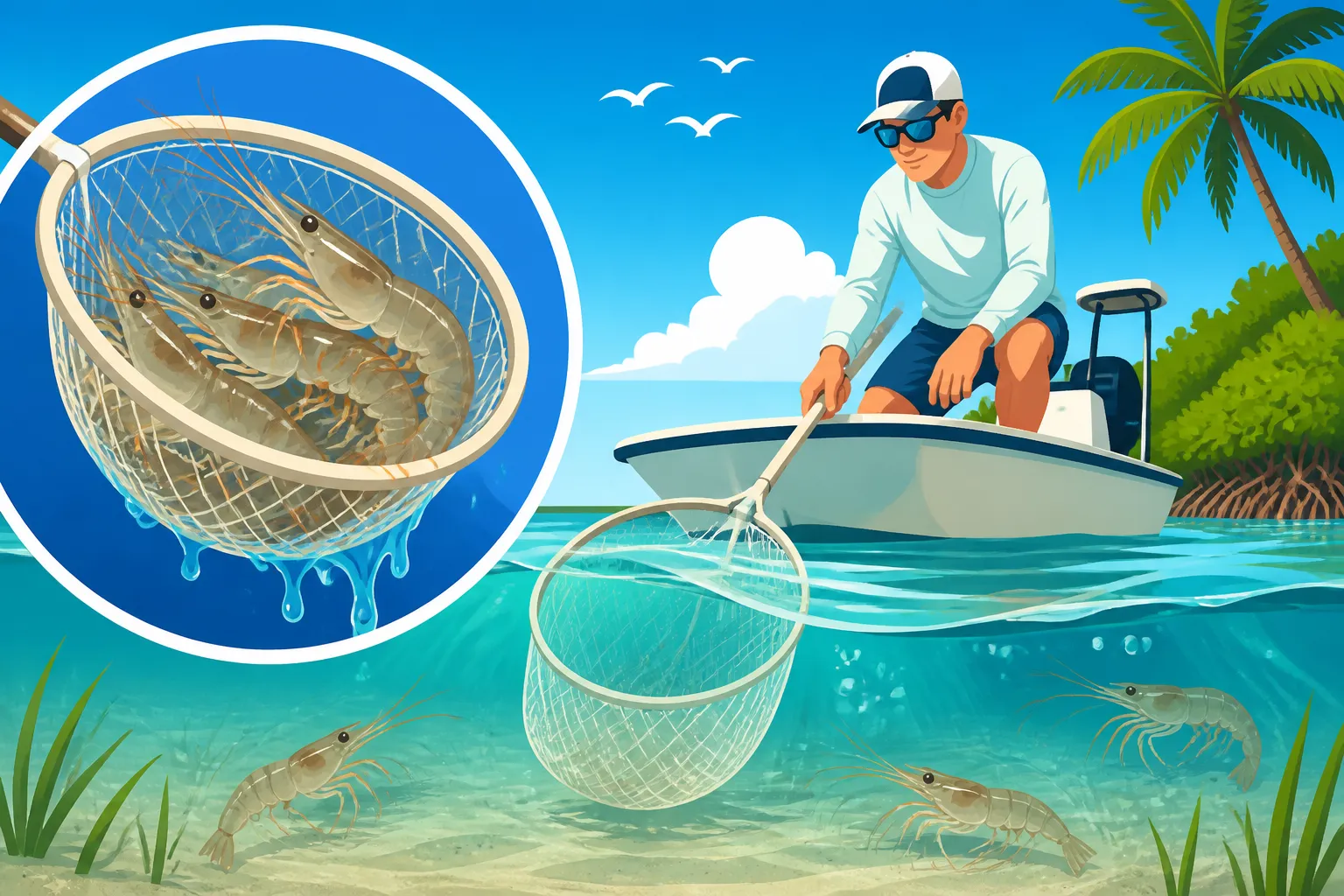
Cast Nets: A cast net is likely what comes to mind when you think of catching bait. It’s a circular net with weights distributed around its perimeter, designed to be thrown by hand to spread out over an area, then retrieved to trap fish or shrimp inside. For shrimping, you'll want a cast net with a mesh size that can effectively catch shrimp without them swimming right through it. A mesh size of 3/8 inch to 1/2 inch is generally ideal. Larger mesh might let too many escape, while smaller mesh can be harder to throw and sink slower. The diameter of the net is also important; a 6-foot or 8-foot net is a good starting point for most recreational shrimpers. Larger nets cover more area but require more skill and strength to throw effectively. The lead line (weights) should be heavy enough to sink quickly, preventing the shrimp from escaping. You can find a wide variety of cast nets suitable for bait shrimping on platforms like Amazon, offering different sizes and weights to match your preference and skill level.
Dip Nets: Dip nets are simpler tools, essentially a net basket on the end of a long handle. They are fantastic for specific scenarios, particularly when shrimp are concentrated around a light source or structure. You don't need the skill of throwing a cast net, just patience and a quick scoop. Dip nets come in various sizes and handle lengths. A net with a sturdy handle, perhaps 6-10 feet long, and a net basket around 18-24 inches in diameter with a similar mesh size to a cast net (3/8 to 1/2 inch) will serve you well. They're especially useful for beginners or when shrimping from a dock or bridge where space for casting is limited. Some anglers even prefer a larger, shallower "skimmer" net for scooping shrimp that are actively congregating just under the surface.
Lighting the Way: Illumination for Night Shrimping
Remember that shrimp are attracted to light? This is where your illumination strategy comes in. Night shrimping typically involves using some form of light to draw the shrimp to you, making them visible and easier to catch.
Underwater Lights: These are perhaps the most effective. Submersible LED lights, often green or white, can be hung off the side of a boat or dock. They penetrate the water column, creating a glowing beacon that draws in plankton, which then attracts the shrimp. The brighter the light, generally, the more shrimp you'll attract, but ensure it's suitable for underwater use and powered safely. Many anglers rig these lights to car batteries or portable power packs for extended use.
Surface Lights: If underwater lights aren't feasible, powerful surface lights can still be effective. This could be a bright lantern, a floodlight mounted on a boat, or even a strong headlamp. While not as efficient as underwater lights in directly attracting shrimp, they provide the visibility you need to spot shrimp close to the surface or near structures. A good quality headlamp, available on Amazon, is invaluable for keeping your hands free while handling nets or bait.
The key is to create an illuminated zone where shrimp will gather. Consistency is also important; once you've set up your lights, try to keep them steady to allow the shrimp to accumulate.
Keeping Your Catch Alive: Livewells and Aeration
Catching shrimp is one thing; keeping them alive and lively for your fishing trip is another. Dead bait shrimp just don't have the same appeal to predatory fish.
Buckets and Coolers: For short trips or smaller quantities, a 5-gallon bucket is a common choice. However, for serious shrimping, a larger cooler with a tight-fitting lid works wonders. The insulation helps regulate water temperature, which is crucial for shrimp survival. Fill it with ambient saltwater from where you're shrimping.
Aeration Systems: This is perhaps the most critical component. Shrimp, like fish, need oxygen to survive. A simple battery-powered aerator, often with an air stone, will constantly bubble air into your water, keeping oxygen levels high. You can find excellent portable aerators on Amazon that clip onto the side of a bucket or cooler and run for hours on D-cell batteries. For larger livewells on a boat, a built-in aerator or a more robust 12V pump system will be necessary.
Water Temperature and Changes: Try to keep the water temperature consistent with the environment the shrimp came from. Avoid drastic temperature changes. If shrimping for a long time, especially in warmer months, you might need to periodically change out a portion of the water with fresh saltwater or add a small amount of ice (in a sealed bag to prevent freshwater dilution) to keep temperatures down. The goal is to minimize stress on the shrimp so they remain active and attractive bait.
Where and When to Find Florida's Bait Shrimp
Understanding where and when shrimp are most prevalent is the secret sauce to a successful shrimping outing. Florida's expansive coastline and waterways offer countless opportunities, but knowing the prime conditions can save you a lot of time and effort.
Prime Shrimping Locations: From Docks to Flats
Shrimp aren't just everywhere, all the time. They have preferred habitats and patterns that, once understood, make them much easier to locate.
Docks and Bridges: These man-made structures are absolute magnets for shrimp, especially at night. Why? Because they often have lights, either from nearby homes, businesses, or navigational aids. These lights, as we discussed, attract plankton, which in turn attracts shrimp. The pilings and underwater structures also provide shelter from predators and a place to gather in the current. Look for public fishing piers, boat docks, and bridge fenders. Often, if you look closely into the water around these lighted areas on a dark night, you'll see small, transparent forms darting around – those are your bait shrimp! Access to these areas can be convenient, making dock and bridge shrimping a popular choice for many. Just be sure to respect private property and be mindful of other anglers or boaters.
Grass Flats and Channels: During the day, or in less concentrated areas at night, shrimp can be found scattered across shallow grass flats, particularly those with a good mix of seagrass and sandy patches. These areas provide abundant food and camouflage. The edges of deeper channels and tidal creeks that run through these flats are also productive. As the tide moves in and out, shrimp will use these channels as migration routes. You might need a boat or a kayak to access some of the best grass flats, allowing you to quietly explore and cast your net in less disturbed areas. The shallow waters make cast netting easier, as the net sinks quickly to the bottom.
Coastal Estuaries and Rivers: Florida's many estuaries, where freshwater meets saltwater, are rich nurseries for countless marine species, including shrimp. Rivers flowing into the coast, like the St. Johns River (in its lower, brackish sections), can hold significant numbers of shrimp, especially during specific times of the year. These areas offer nutrient-rich waters and a complex habitat of mangroves, oyster bars, and mudflats where shrimp thrive. Shrimping in these environments often involves targeting current seams and areas where detritus accumulates, providing both food and cover for the shrimp.
Timing is Everything: Tides, Moon, and Seasons
Just as important as where you shrimp is when you go. The success of your shrimping trip can hinge on understanding the nuances of tidal movements and lunar cycles.
Night Shrimping is Key: We've touched on this, but it bears repeating: shrimp are predominantly nocturnal. This means your best chances of success will almost always be after sunset, extending through the night. The cover of darkness provides them with safety from visual predators, and their natural foraging instincts kick into high gear. This is why artificial lights become so effective – they create a localized "daylight" environment that draws the shrimp in.
Outgoing Tides are Golden: The tidal flow plays a critical role. While shrimp can be caught on any tide, an outgoing tide is often considered the most productive. As the water recedes from the shallow flats and shorelines, it funnels the shrimp (and their food) into more concentrated areas, such as channels, deeper pockets near docks, or bottlenecks under bridges. This current makes them easier to spot as they are pushed past your light source, and also easier to net as they are carried along. Observing the tide charts and planning your trip around the peak outgoing flow will significantly increase your yield. To really dial in your timing, learning How to Read a Tide Chart for Fishing is invaluable.
Moon Phase Considerations: While not as critical as the tides, the moon phase can influence shrimping success. Many experienced shrimpers prefer the new moon phase for night shrimping. During a new moon, the sky is darkest, and there's less ambient light from the moon. This makes your artificial lights even more effective at concentrating shrimp, as they stand out more dramatically in the deep darkness. A full moon, conversely, provides more natural light, potentially scattering shrimp over a wider area as they don't need to gather as tightly around your light source for food. However, shrimp can still be caught on a full moon; it just might require a bit more patience or stronger artificial lights.
Seasonal Nuances: While shrimp are present year-round in Florida, their abundance can fluctuate seasonally. Cooler months, particularly late fall through early spring, are often considered prime time for bait shrimping in many parts of the state. During these periods, shrimp tend to be more active and concentrated in certain areas before migrating offshore or deeper as waters warm up significantly. Even so, with the right techniques and scouting, you can typically find bait shrimp year-round. It's also worth noting that understanding Best Time of Day to Fish in Florida generally applies to your target species, but bait collection has its own optimal times.
Here's a quick comparison of shrimping methods:
| Feature | Cast Net | Dip Net |
|---|---|---|
| Skill Level | Moderate to High (requires practice to throw) | Low (simple scooping) |
| Coverage Area | Wide area per throw | Small, targeted area per scoop |
| Ideal Location | Open water, grass flats, deeper channels | Docks, bridges, around lights, tight spaces |
| Portability | Can be bulky, depending on size | Easy to transport |
| Efficiency | Can catch large quantities quickly if thrown well | Good for steady, targeted collection |
| Cost | Mid-range (for quality net) | Low (for basic net) |
Mastering the Techniques: Cast Netting and Dip Netting Shrimp
Now that you know where and when to look, let's get down to the actual techniques for catching those lively little crustaceans. It might take a bit of practice, but soon you'll be a shrimp-catching pro!
The Art of the Cast Net Throw
Throwing a cast net can look intimidating, but it's a skill that's incredibly satisfying to master. A well-thrown net opens up fully in the air and sinks evenly, maximizing your chances of a good haul.
First, learn to fold your net properly. There are several methods, but a common one involves gathering the lead line in one hand, then coiling the net over your arm or shoulder in neat loops. The goal is to keep the net from tangling and to ensure a smooth release. Some people prefer to hold a portion of the lead line in their teeth or between their fingers to help create the desired spread. There are plenty of online tutorials, and it’s worth watching a few to find a method that feels comfortable for you.
Next comes the throw itself. With the net coiled and ready, you'll swing it out, using your body's rotation and a flick of the wrist to send it sailing. The key is to release the lead line in a way that allows the net to open into a wide, flat pancake shape before it hits the water. A good spread means more coverage and a better chance of trapping shrimp. Don't get discouraged if your first few throws are more like a crumpled laundry ball; everyone starts there! Practice on your lawn or a sandy beach during the day to get the feel for it before you try it in the dark.
Once the net sinks, you simply retrieve it by pulling the retrieve line. As you pull, the lead line cinches shut, trapping whatever is inside. Gently lift the net, empty your catch into your aerated cooler or bucket, and get ready for the next throw. This technique, when mastered, is incredibly effective for quickly gathering a substantial amount of bait. For more detailed instructions, check out our guide on How to Cast Net for Live Bait.
Effective Dip Netting Strategies
Dip netting is generally simpler and less physically demanding than cast netting, making it a great option for beginners or those shrimping from stationary positions.
The strategy here revolves around attraction and quick reflexes. Set up your underwater lights or surface lights in an area where you suspect shrimp are present, typically around docks, bridge pilings, or seawalls. The lights will begin to draw in plankton, which then attracts the shrimp. This might take a little time, so patience is key. Give the shrimp a chance to gather around the light source.
Once you see a good concentration of shrimp, position your dip net quietly in the water, just below the surface or slightly deeper, in the path of the current if possible. The idea is to let the shrimp swim into or over your net. When you see a good number of them directly above or just entering the net, make a swift, upward scooping motion. The goal is to trap them before they can dart away. Sometimes, a gentle sweeping motion can also work, especially if they are scattered.
It's often more effective to work with the current. If the tide is flowing, shrimp will naturally be carried past your light source. By placing your net slightly downstream from the light, you can catch them as they drift into the illuminated zone. Avoid sudden movements or splashing, as this can spook the shrimp and send them scattering into the darkness. Dip netting is excellent for a steady supply of fresh bait and is particularly good for families or those who prefer a more relaxed approach to bait collection.
Legality and Conservation: Shrimping Responsibly in Florida
Like all recreational activities involving Florida's natural resources, catching bait shrimp comes with certain regulations and responsibilities. It's crucial to be aware of these to ensure you're shrimping legally and sustainably.
Do You Need a License to Catch Bait Shrimp?
This is a common question, and the answer is usually straightforward: yes, if you are recreationally harvesting shrimp for bait in Florida, you generally need a valid Florida recreational saltwater fishing license. Even though you're not targeting fish directly, the act of harvesting marine life falls under the umbrella of fishing activities. This applies whether you're using a cast net from a boat, a dip net from a dock, or any other method.
There are specific scenarios where exemptions might apply, but these are typically for very specific groups (e.g., young children, very elderly residents, or certain disabled individuals). It's always best to assume you need a license and confirm any potential exemptions. Our comprehensive Florida Fishing License Guide can provide you with all the details on who needs a license and who might be exempt. Additionally, if you plan to fish from shore, you might want to look into the specifics of the Florida Shoreline Fishing License Explained, which is a free option for residents who only fish from land. However, catching shrimp often involves boats or specific piers not covered by the shoreline license, so a full recreational saltwater license is usually the safest bet.
Always carry proof of your license when shrimping to avoid any issues with Florida Fish and Wildlife Conservation Commission (FWC) officers. The fees collected from these licenses play a vital role in funding conservation efforts across the state, so your purchase contributes directly to protecting the very resources you enjoy.
Protecting the Resource: Sustainable Shrimping Practices
Being a responsible angler means more than just following the rules; it means adopting practices that ensure the health of Florida's marine ecosystems for generations to come.
Only Take What You Need: While it's tempting to fill your livewell to the brim, especially on a productive night, try to only harvest the amount of shrimp you realistically anticipate using for your fishing trip. Excess bait might go to waste, and over-harvesting can negatively impact local populations. If you find yourself with an abundance, consider releasing the extra shrimp safely back into the water, rather than keeping more than you'll use.
Respect Bag Limits and Regulations: Although bait shrimp typically have generous (or even non-existent) bag limits for recreational harvesting, it's essential to stay informed about any specific local rules or changes. The FWC routinely updates regulations, and these can vary by region or even by specific body of water. Familiarize yourself with the Florida Fishing Regulations and Bag Limits to ensure you're always compliant. These regulations are designed to protect the overall health of the shrimp populations and the delicate balance of the ecosystem.
Release Non-Target Species: When cast netting, you might occasionally catch small fish or other marine creatures alongside your shrimp. Always take the time to carefully sort through your catch and release any non-target species immediately and unharmed. This helps prevent unnecessary bycatch mortality and minimizes your impact on other parts of the ecosystem.
Mind Your Environment: When shrimping from docks or bridges, be respectful of private property and public access points. Avoid leaving trash or discarded nets behind. If using lights, position them carefully to avoid disturbing nearby residents or boat traffic. When shrimping on grass flats, be mindful of seagrass beds, which are vital habitats. Avoid dragging nets or disturbing the bottom unnecessarily. Being a good steward of the environment ensures that these fantastic shrimping opportunities remain available for everyone.
Remember, every effort you make to shrimp responsibly contributes to the overall health and sustainability of Florida's incredible fishing resources. Happy shrimping, and tight lines!
Disclaimer
This article is for general informational purposes only and does not constitute professional advice. Laws, prices and regulations vary by location and change over time. Consult a qualified professional for guidance on your specific situation.