Beginner Tips for Bass Fishing in Florida
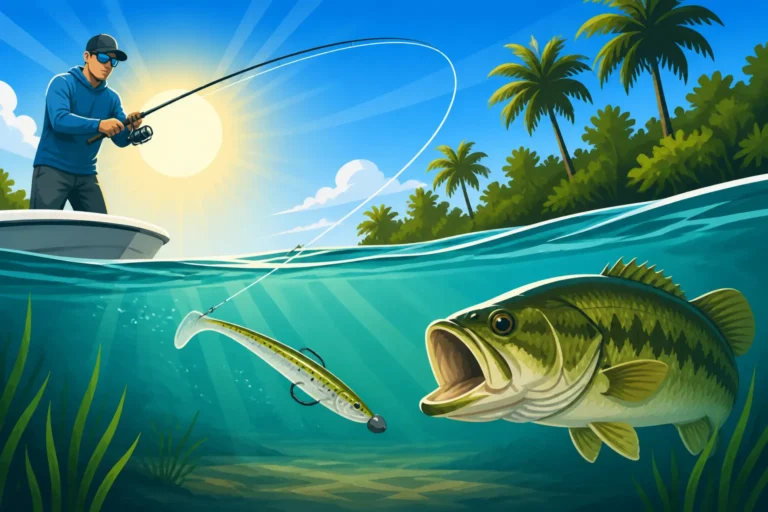
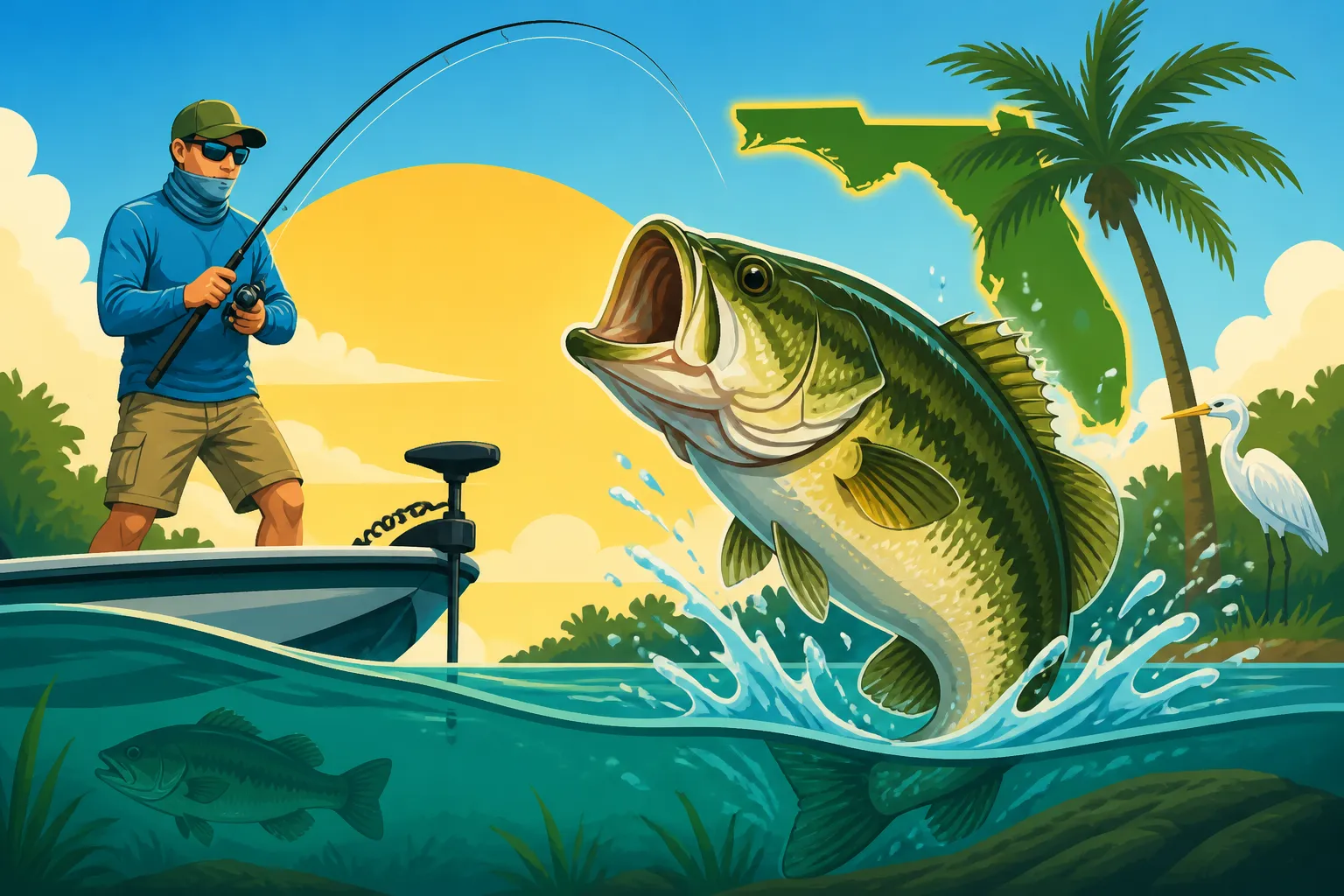
Embarking on your first bass fishing adventure in Florida can feel a bit overwhelming, with so many lakes, lures, and techniques out there that seasoned anglers seem to effortlessly master. It's easy to feel like you're missing a secret handshake or a special decoder ring, but I promise you, getting started is much simpler than it looks, and this guide is designed to demystify the process and equip you with the fundamental tips to confidently land your first Florida largemouth.
Why Florida Bass Fishing is a Game Changer for Beginners
Florida is often called the "Bass Fishing Capital of the World," and for good reason! This isn't just a marketing slogan; it's a testament to the incredible opportunities the state offers, especially for those just dipping their toes into the sport. Unlike some other regions where bass fishing can be highly seasonal or require specialized knowledge of intricate patterns, Florida offers a remarkably forgiving and exciting environment for new anglers. You'll find that the learning curve isn't as steep as you might expect, and the rewards are plentiful, from abundant bites to truly memorable trophy fish.
The Year-Round Advantage
One of the biggest frustrations for anglers in many parts of the country is the short fishing season, often dictated by harsh winters or scorching summers that drive fish deep and make them lethargic. But here in Florida, that's rarely an issue. We're blessed with a climate that keeps our freshwater lakes and rivers inviting almost all year long. This means more opportunities to get out on the water, practice your skills, and really get a feel for how bass behave without long gaps in between trips. You can refine your casting in January, learn new lure presentations in July, and never feel like you're losing your touch waiting for the "right" season. This continuous access significantly accelerates your learning process and keeps the excitement levels high.
Abundance and Size of Florida Bass
Let's be real: catching fish is fun. Catching big fish is even more fun! Florida is renowned not just for the sheer numbers of largemouth bass, but also for their impressive size. Our warm waters and abundant forage mean bass grow larger, faster here than almost anywhere else. For a beginner, this translates into a higher likelihood of success. You're not just casting into an empty pond; you're casting into waters teeming with fish, increasing your chances of getting bites and feeling that exhilarating tug on your line. Imagine hooking into a personal best on one of your very first outings – that's a common Florida story, and it's incredibly motivating for anyone new to the sport. It's a fantastic place to build confidence and develop a true passion for angling.
Learning Curve: Accessible and Rewarding
Some hobbies have a steep, almost vertical learning curve, demanding significant investment in time, money, and frustration before you see any real progress. Bass fishing in Florida isn't like that. While there's always more to learn (that's part of the fun!), the basics are incredibly accessible. You don't need highly specialized gear or advanced techniques to start catching fish. A simple spin casting or spinning combo, a few basic lures, and a willingness to learn is all it takes. The consistent action you'll experience will provide immediate feedback, helping you understand what works and what doesn't. This quick reward cycle keeps beginners engaged and prevents that common feeling of "I'm not catching anything, maybe this isn't for me." We want you to enjoy every moment, and Florida's bass population makes that a reality.
Essential Gear for Your First Florida Bass Trip
When you first walk into a tackle shop or browse online, the sheer volume of fishing gear can be intimidating. It feels like you need everything under the sun, but that's simply not true for starting out. For bass fishing in Florida, a few key pieces of equipment will get you on the water and catching fish without breaking the bank or overwhelming you with choices. Focus on functionality and ease of use, and you'll be set for success.
Rod and Reel Combinations for Success
For beginners, a spinning rod and reel combo is almost always the best starting point. They are incredibly user-friendly, less prone to tangles (like the dreaded "bird's nest" that baitcasters can inflict on newcomers), and versatile enough to handle a wide variety of lures and fish sizes.
- Rod: Look for a medium to medium-heavy power spinning rod, typically between 6'6" and 7' long. This length gives you good casting distance without being unwieldy, and the power rating is perfect for handling Florida largemouth bass. You want something with a moderate-fast action, meaning the top third or so of the rod bends, which is great for casting lighter lures and feeling subtle bites.
- Reel: A 2500 or 3000 series spinning reel is a perfect match for that rod. These sizes offer good line capacity and a smooth drag system, which is crucial when fighting a feisty bass. Make sure the reel feels comfortable in your hand and that the retrieve is smooth when you crank the handle.
Many reputable brands offer excellent entry-level combos that come pre-spooled with line, making your initial purchase super simple. You can often find great options on Amazon or at your local sporting goods store.
Line Choices: Monofilament vs. Fluorocarbon
The type of fishing line you choose can impact your success, but again, let's keep it simple for beginners.
- Monofilament (Mono): This is often the go-to for beginners. It's very forgiving, has good knot strength, and is relatively inexpensive. Its stretch provides a bit of shock absorption, which can prevent hooks from pulling out of a bass's mouth during a fight. A 10-12 pound test monofilament line is a great starting point for general bass fishing. Its slight buoyancy also makes it good for topwater lures.
- Fluorocarbon: While a bit more expensive and less forgiving for knot-tying mistakes, fluorocarbon has less stretch than mono, offering increased sensitivity to feel bites. It's also nearly invisible underwater, which can be an advantage in clear water. However, it sinks, so it's not ideal for all situations. As a beginner, you might start with mono and then consider fluorocarbon later for specific techniques or conditions.
Don't overthink this. A good quality 10-12lb monofilament line will serve you very well. You can always ask for advice on what pound test line for bass fishing at the tackle shop.
Tackle Box Essentials: Hooks, Weights, and Swivels
Your tackle box doesn't need to be overflowing. Start with the basics:
- Hooks: You'll primarily need worm hooks (EWG – Extra Wide Gap – or Offset Shank) in sizes 3/0, 4/0, and 5/0 for soft plastics. A few round bend or Octopus hooks in sizes 1/0 and 2/0 are good for live bait.
- Weights: Bullet weights (also called worm weights) are essential for Texas rigging soft plastics. Get a variety of sizes: 1/8 oz, 1/4 oz, and 3/8 oz. You'll also want some small split shots for adjusting depth with live bait or small lures.
- Swivels: Barrel swivels can help prevent line twist, especially when using spinnerbaits or certain live baits.
- Pliers/Forceps: Essential for removing hooks safely from fish, and for cutting line.
- Line Clippers: Small, sharp clippers make trimming excess line easy.
- Small First-Aid Kit: Accidents happen, so a few bandages and antiseptic wipes are always a good idea.
Having a sturdy, organized tackle box, even a small one, will make your life much easier on the water. Many anglers find convenient tackle boxes available through Amazon that come pre-stocked with basic terminal tackle.
Boating and Bank Fishing Gear Differences
How you're fishing will slightly influence your gear needs.
- Bank Fishing: This is a fantastic way to start. You don't need a boat, meaning less upfront cost and complexity. Focus on portability. A backpack to carry your tackle, water, and snacks is crucial. A longer rod (7 feet) can help with casting distance from shore. Look for accessible spots like public docks, canals, or even state parks that offer good bank access. Knowing Best State Parks for Fishing in Florida can be a great resource for this.
- Boat Fishing: If you're lucky enough to have access to a boat, or are fishing with someone who does, you gain access to more parts of the lake. You'll still use the same rods, reels, and tackle, but you might consider adding things like a small cooler for drinks and food, a net for landing larger fish (though many prefer to lip bass), and certainly all required safety gear like life jackets. If you’re just starting out, taking a trip with an experienced friend or a guide can be an incredible way to learn the ropes on a boat without the personal investment immediately.
Understanding Florida's Bass Habitats and Behavior
To catch bass, you need to understand where they live and what makes them tick. Florida's freshwater environments are incredibly diverse, from vast, open lakes to winding rivers and countless canals. Bass are creatures of habit, and once you learn to "read" the water and identify prime real estate, you'll dramatically improve your chances of success.
Key Freshwater Environments
Florida offers a smorgasbord of freshwater fishing opportunities, each with its own characteristics that appeal to largemouth bass.
- Lakes and Reservoirs: Iconic Florida lakes like Lake Okeechobee, Lake Toho, and the Kissimmee Chain are famous for their trophy bass. These often have extensive shallow areas with grass beds, cypress trees, and reeds. Bass use these features for ambush points and cover from predators and the sun. Learning Best Bass Fishing Hot Spots on Lake Okeechobee, Florida can give you a head start.
- Rivers and Canals: Florida's intricate network of rivers and canals provides excellent bass habitat. Rivers like the St. Johns offer diverse environments, from wide-open stretches to narrower, current-laden areas. Canals, especially in South Florida, are often overlooked but can hold surprisingly large bass, particularly the non-native but popular peacock bass. These waterways offer current, which can position bass in predictable ambush points like bends, fallen trees, or culverts. The St. Johns River Fishing Guide can give you more insights.
- Retention Ponds and Pits: Don't underestimate the small, local ponds! Many housing developments, golf courses, and even office parks have retention ponds that are stocked with bass. These can be fantastic spots for bank anglers and beginners, offering convenient access and less fishing pressure than larger public lakes. Just be sure to check for "no trespassing" signs and respect private property. Retention Pond Fishing License Rules in Florida is a good article to check if you're exploring these spots.
Seasonal Movements and Feeding Patterns
Bass behavior isn't static; it changes with the seasons, water temperature, and available food.
- Spring (Spawning Season): This is often considered the best time to catch trophy bass. As water temperatures rise (typically into the 60s Fahrenheit), bass move into shallower areas to spawn. They become very protective of their nests, making them aggressive towards anything that comes too close. Look for them in shallow coves, along grassy banks, and near woody cover. During this time, slow presentations with soft plastics or jigs can be deadly. Learn more about Florida Bass Spawning Season to maximize your chances.
- Summer: When the Florida heat kicks in, bass often retreat to deeper, cooler water or seek shade under heavy cover like lily pads, docks, or submerged timber during the day. Early mornings, late evenings, and even night fishing can be highly productive as bass move shallower to feed. Topwater lures can be exciting during low light, while deep-diving crankbaits or heavy jigs can reach those deeper fish.
- Fall: As temperatures begin to cool, bass become more active and start feeding heavily in preparation for winter. This is often called the "fall feed." They'll chase baitfish in open water and can be found around points, humps, and schooling bait. Spinnerbaits, crankbaits, and soft jerkbaits are excellent choices for covering water and finding these active fish.
- Winter: Florida winters are mild compared to other states, but bass still respond to cooler water. They'll often move to deeper holes, canals, or areas with dark bottoms that absorb sunlight, making the water slightly warmer. Slower presentations, like jigs or Texas-rigged worms, fished meticulously, can be very effective when bass are less active.
Reading the Water for Bass Signs
Learning to "read the water" is a skill that comes with experience, but even beginners can start by looking for obvious indicators.
- Cover and Structure: Bass are ambush predators and love to hide. Look for anything that provides cover: lily pads, grass lines, submerged logs, docks, bridge pilings, seawalls, or even subtle changes in bottom contour (structure). These are prime areas where bass will hold, waiting for prey.
- Baitfish Activity: If you see schools of small baitfish (like shiners or shad) dimpling the surface, jumping, or fleeing, there's a good chance larger predators like bass are nearby. Bass will follow their food source.
- Water Color: While Florida waters can vary, bass generally prefer cleaner water. If you find clear water next to murky water, fish the transition zone. After heavy rains, bass might move to areas with clearer incoming water.
- Wind and Current: A gentle breeze can create a "chop" on the water's surface, breaking up the light and making it harder for bass to see you. It also pushes baitfish, concentrating them in certain areas. In rivers and canals, current dictates where bass will position themselves – usually just out of the main flow, conserving energy while waiting for food to drift by.
Basic Lures and Baits to Get Started
Choosing lures can be overwhelming, but you really only need a handful of versatile options to start catching Florida bass. The key is to pick lures that are easy to use and effective in a variety of situations. Don't worry about having a hundred different colors or sizes; focus on understanding how to fish a few staple baits well.
Soft Plastics: Versatility and Effectiveness
Soft plastics are, without a doubt, one of the most effective and versatile lure categories for bass fishing, and they are incredibly beginner-friendly.
- Stick Baits (e.g., Senkos): These are perhaps the easiest soft plastics to fish. Simply cast them out, let them sink on a slack line, and watch your line for a twitch. The magic is in their slow, wiggling fall. They imitate a dying baitfish or worm and require minimal angler input. Green pumpkin or junebug colors are classic Florida choices. You can rig them "wacky style" (hook through the middle) or "Texas rig" them (weedless with a bullet weight).
- Creature Baits/Flipping Baits: These plastics often have appendages that move enticingly in the water, mimicking crawfish or other critters. Texas rigging them with a bullet weight allows you to pitch them into heavy cover like lily pads or brush piles without snagging.
- Worms (e.g., Trick Worms, Speed Worms): Classic plastic worms are incredibly effective. You can fish them Texas-rigged, Carolina-rigged (a bit more advanced), or weightless. A slow retrieve with occasional twitches can be deadly.
When buying soft plastics, don't go crazy with colors. Natural tones like green pumpkin, junebug, black and blue, or watermelon seed are consistently productive in Florida waters. Experiment with what you see the pros buying at your local tackle shop or what's popular on Amazon.
Crankbaits and Spinnerbaits: Covering Water
These lures are excellent for covering a lot of water quickly and finding active bass. They are also relatively easy to fish.
- Crankbaits: These hard-bodied lures dive to different depths depending on their lip size. For beginners, a medium-diving crankbait (diving 5-10 feet) is a good starting point. Simply cast it out and reel it in at a steady pace. The erratic wobble and rattle attract bass. Look for natural baitfish colors (shad, perch) or brighter colors (chartreuse, firetiger) in stained water.
- Spinnerbaits: With their spinning blades, spinnerbaits create flash and vibration, making them highly visible and attractive to bass, especially in murky water or around grass. They are very weedless, making them perfect for fishing through hydrilla or around cypress knees. Cast it out and retrieve steadily, varying your speed occasionally. White, chartreuse, or combinations of both are excellent colors.
These lures are active baits, meaning they're designed to be constantly moving. They're great for when bass are spread out and actively chasing prey.
Topwater Lures: The Excitement of the Strike
There's nothing quite like a bass exploding on a topwater lure. While not always the most productive, they offer an unparalleled thrill and are surprisingly simple to use.
- Poppers: These lures have a concave face that "pops" or "chugs" water when you twitch your rod tip, imitating a struggling baitfish. Cast them near cover and let them sit for a moment, then twitch, pause, twitch, pause.
- Walk-the-Dog Lures (e.g., Zara Spooks): These create a side-to-side walking action on the surface with a rhythmic twitch-and-retrieve motion. This can take a little practice, but once you get it down, it's incredibly effective for drawing explosive strikes.
- Frogs: Soft plastic frogs are amazing for fishing over thick mats of lily pads or hydrilla. Their weedless design allows them to glide over vegetation where other lures would snag. Simply cast, retrieve over the cover, and pause at open pockets.
Topwater lures are generally best fished during low light conditions (early morning, late evening) or on overcast days, especially in warmer months.
Live Bait Options for Beginners
Sometimes, you just want to catch fish, and live bait is often the fastest track to success, especially for beginners. It takes some of the guesswork out of presentation.
- Shiners: Wild shiners are hands-down the most popular and effective live bait for Florida largemouth bass, especially for targeting bigger fish. You'll typically rig them with a large circle hook (like a 4/0 or 5/0) through the lips or dorsal fin, under a float or free-lined. The shiner does all the work, swimming naturally and attracting bass. You can buy them at most Florida bait shops.
- Worms (Nightcrawlers): While more common for panfish, a good old nightcrawler can certainly tempt a bass, especially a smaller one. Rigged on a small hook with a split shot, they are easy to cast and effective.
- Small Baitfish: If you can catch your own small minnows or shad with a cast net, these can also be very effective. Ensure you check regulations regarding using specific baitfish in certain waters.
Using live bait is a fantastic way to build confidence and enjoy consistent action, allowing you to focus on the fight and landing the fish before diving into more complex lure presentations.
Mastering Fundamental Techniques
Having the right gear and knowing where the fish live is only half the battle. You also need to know how to present your bait effectively and handle a fish once it bites. These fundamental techniques will form the backbone of your bass fishing skills.
Casting Accuracy: Getting Your Lure Where It Needs to Be
You don't need to be a casting champion right away, but consistent, accurate casts are key to success. Bass often hide in specific spots around cover, and putting your lure right on their nose is crucial.
- Practice, Practice, Practice: Start in your backyard with a practice plug or a weighted washer. Set up targets like a bucket or a small hoop at different distances. Practice casting underhand, overhand, and even sidearm. The more comfortable you are with your rod and reel, the more natural it will feel on the water.
- The Basic Cast (Overhead):
- Hold the rod with the reel stem between your middle and ring finger.
- Open the bail with your non-dominant hand.
- Hold the line against the rod with your index finger.
- Bring the rod tip up to about the 10 o'clock position (just past vertical).
- Smoothly bring the rod forward, releasing your index finger as the rod reaches the 11 or 12 o'clock position, allowing the lure to fly.
- Close the bail manually or by cranking the handle once the lure is near your target, then reel in any slack.
- Targeting Cover: When on the water, don't just cast randomly. Identify specific pieces of cover – the edge of a lily pad, a shadowed spot under a dock, a fallen tree. Try to cast just past the target and retrieve your lure through it, or cast directly into an open pocket within the cover. This precision will lead to more bites. Remember, casting is a motion, not a forceful throw. Let the rod do the work.
Retrieve Styles: Matching the Mood of the Bass
Once your lure is in the water, how you bring it back determines if a bass will strike. Different lures require different retrieves, and fish sometimes prefer a specific action.
- Steady Retrieve: For crankbaits and spinnerbaits, a consistent, steady retrieve is often all you need. This maintains their natural action. Vary your speed slightly until you find what the fish prefer – sometimes fast, sometimes slow.
- Stop-and-Go: This works wonders for soft plastics and even some jerkbaits. Cast, let the lure sink (or twitch it), then reel a few turns, stop, let it fall, and repeat. The pauses often trigger strikes from bass that are following the lure.
- Twitch-and-Pause: Especially effective for topwater poppers and walk-the-dog lures. A sharp twitch of the rod tip followed by a pause creates enticing action. The pause is crucial, as bass often strike when the lure appears vulnerable or stunned.
- Dragging/Bouncing: For Texas-rigged worms and jigs on the bottom, you'll often drag or slowly bounce the lure along. This mimics a crawfish or bottom-dwelling critter. Feel for changes in the bottom, like rocks or stumps, as these are prime holding spots.
The key here is experimentation. If one retrieve isn't working, try another. Bass can be finicky, and finding the right retrieve for the day's conditions can make all the difference.
Setting the Hook and Fighting Your Fish
When a bass bites, it's an exciting moment, but knowing how to react is crucial to landing it.
- Feeling the Bite: Sometimes a bite is a jarring thump; other times, it's just a subtle "tick" or a feeling of added weight on your line. With soft plastics, you might just see your line twitch or start moving sideways. The moment you feel anything unusual, react!
- The Hook Set: This is where many beginners miss fish. Don't just reel faster! With a spinning rod, when you feel a bite, drop your rod tip slightly towards the fish, reel in any slack, then quickly and powerfully sweep the rod upwards and slightly to the side over your head. This creates tension and drives the hook firmly into the fish's mouth. It's a sharp, decisive movement.
- Fighting the Fish: Once hooked, keep steady pressure on the fish. Don't let your line go slack, or the fish might throw the hook. Use your reel's drag system – it should be set so that line can be pulled off the reel when the fish makes a strong run, but not so loose that you can't control it. Keep your rod tip up, pointing towards the fish, and pump the rod: lift the rod tip, reel down to take up slack, then lift again. This helps tire the fish.
- Landing the Fish: For bass, many anglers "lip" the fish. Grab the lower jaw firmly with your thumb inside and fingers outside, lifting the fish vertically. Be careful of hooks! If you're uncomfortable, a small landing net can be very helpful. Remember to wet your hands before handling fish if you intend to release them, to protect their protective slime coat. Catch and Release Best Practices for Snook offers some similar advice that applies well to bass.
Safety and Etiquette on the Water
Fishing is a wonderful pastime, but it's important to do it safely and respectfully, both for yourself and for those around you. Being a good steward of our waters ensures everyone can enjoy the sport for years to come.
Sun Protection and Hydration
Florida's sunshine is glorious, but it's also incredibly intense. Don't underestimate it.
- Sunscreen: Apply broad-spectrum sunscreen with at least SPF 30 generously to all exposed skin, and reapply every couple of hours, especially if you're sweating.
- Hats and Sunglasses: A wide-brimmed hat offers excellent protection for your face, ears, and neck. Polarized sunglasses are not just for comfort; they dramatically reduce glare, allowing you to see into the water and spot fish or cover, which is a huge advantage.
- Protective Clothing: Long-sleeved, lightweight fishing shirts (often with UPF protection) are fantastic. They keep you cool and protect your arms from the sun. Light-colored clothing also reflects heat.
- Hydration: Bring plenty of water or other hydrating beverages. It's easy to get dehydrated in the Florida heat, even on cooler days. Staying hydrated helps you stay alert and focused, which is important when handling hooks and active fish.
Respecting Other Anglers and Wildlife
Being considerate goes a long way towards making everyone's experience enjoyable.
- Give Space: If you're fishing a popular spot, give other anglers plenty of room. Don't cast over their lines or crowd them. A good rule of thumb is to maintain a significant casting distance between yourself and others.
- Noise Levels: Keep noise to a minimum, especially if you're on a boat. Loud music, shouting, or banging things around can spook fish and disturb other anglers.
- Leave No Trace: Always pack out everything you pack in. This includes old fishing line, bait containers, and food wrappers. Monofilament line can be deadly to wildlife, so dispose of it properly in designated recycling bins if available, or take it home. Keeping our fishing spots clean protects the environment and keeps them beautiful for everyone.
- Wildlife: Observe wildlife from a respectful distance. Remember, you're sharing their habitat. Never feed alligators or other wild animals, and be aware of your surroundings, especially when fishing near gators or snakes.
Understanding Regulations and Limits
This might not sound like the most exciting part of fishing, but it's critically important. Ignoring regulations can lead to fines and harm fish populations.
- Fishing License: The vast majority of people need a Florida freshwater fishing license to legally fish for bass. There are specific Florida Fishing License Exemptions for certain groups or situations (like very young children or during free fishing days), but generally, you'll need one. You can easily purchase one online through the Florida Fish and Wildlife Conservation Commission (FWC) website, at bait and tackle shops, or at many retailers like Walmart.
- Size and Bag Limits: Florida has specific rules for how many bass you can keep and what size they must be. These regulations are designed to ensure healthy fish populations for the future. Always check the current FWC regulations for the specific body of water you're fishing. For example, Florida Largemouth Bass Fishing Guide will detail current size and bag limits.
- Catch and Release: Many bass anglers practice catch and release, especially for larger bass, to help maintain trophy fisheries. If you do release fish, handle them carefully, minimize their time out of the water, and ensure they are revived and swim away strongly.
By following these simple guidelines, you'll not only have a more enjoyable and successful bass fishing experience in Florida, but you'll also contribute to the preservation of this incredible natural resource for generations to come.
Disclaimer
This article is for general informational purposes only and does not constitute professional advice. Laws, prices and regulations vary by location and change over time. Consult a qualified professional for guidance on your specific situation.