Florida Stone Crab Season Dates
There's nothing quite like the anticipation that builds as autumn approaches in Florida, especially if you're like me and count down the days until stone crab season. Many folks get confused about when exactly they can drop their traps and start harvesting those succulent claws, and it's a frustration I completely understand! Trying to keep up with the Florida Fish and Wildlife Conservation Commission (FWC) regulations can feel like a full-time job. This guide is here to cut through that confusion, giving you all the crucial dates, rules, and tips you need to confidently participate in Florida's beloved stone crab season.
Understanding Florida's Stone Crab Fishery
Florida's stone crab fishery is genuinely unique, not just for the delicious claws it provides, but also for its sustainable harvesting practices. Unlike many other crab species where the entire animal is taken, with stone crabs, only one or both claws are harvested, and the live crab is returned to the water. This allows the crab to regenerate its claws over time, ensuring a continuous supply for future seasons. It's an ingenious system that relies heavily on careful management and adherence to specific seasonal windows.
The Unique Nature of Stone Crabbing in Florida
Imagine dropping a trap in the warm, clear waters off the Florida coast, patiently waiting, and then pulling up a trap to find a feisty stone crab, its dark-tipped claws ready to defend itself. This isn't just a fantasy; it's a ritual for many Floridians and visitors alike. The stone crab, scientifically known as Menippe mercenaria, is a prized delicacy, celebrated for its sweet, firm meat. The fishery is primarily centered in Southwest Florida, particularly around the Everglades and Florida Keys, though stone crabs can be found throughout the state's coastal waters. This selective harvesting method, focusing solely on the claws, makes it a model for responsible resource management and something we all need to protect by following the rules.
The FWC's approach to stone crab management is rooted in extensive research and monitoring to ensure the health of the population. By allowing crabs to regrow their claws, the state protects the breeding stock, guaranteeing that future generations can enjoy this delicious seafood. This long-term thinking is why understanding and respecting the season dates and regulations is so vital for every recreational harvester. It’s not just about getting your dinner; it’s about contributing to the longevity of a truly special natural resource.
Why Seasons and Regulations Are Crucial
The stone crab season dates aren't arbitrary; they are carefully chosen to protect the crabs during their most vulnerable periods, particularly during molting and reproduction. Closing the season during these times allows the crabs to grow, shed their shells, and reproduce without the added stress of harvesting. This biological rhythm is a cornerstone of the FWC's conservation efforts. Without these clear seasonal boundaries, overharvesting could quickly deplete the population, ruining a tradition and an ecosystem.
Beyond just the season dates, other regulations like bag limits, trap specifications, and licensing requirements all work in concert to maintain a healthy stone crab population. For example, specific regulations exist to ensure that traps are easily identifiable and designed to minimize harm to non-target species. Adhering to these rules isn't just about avoiding a fine; it's about being a responsible steward of Florida's marine environment. If you're new to this, it's a good idea to familiarize yourself with all the details, perhaps even reading up on the general Florida Fishing Regulations and Bag Limits to get a broader understanding of how these systems work together.
Key Dates for Florida's Stone Crab Season
For anyone eager to get out there and drop some traps, knowing the exact start and end dates for Florida's stone crab season is paramount. This information governs when you can legally begin harvesting and when you must cease operations, ensuring the sustainability of this popular fishery.
Official Opening and Closing Dates
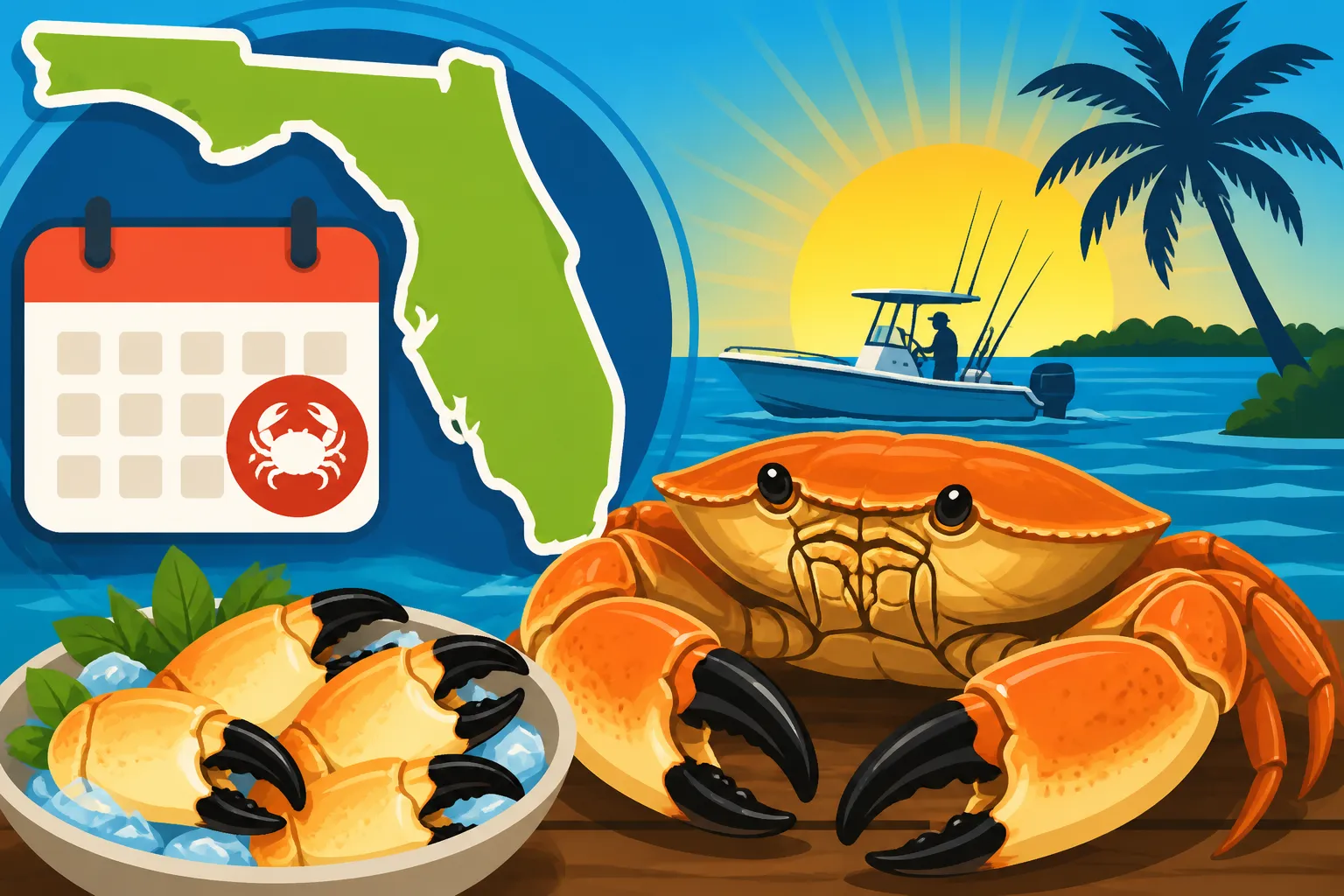
The Florida stone crab season reliably opens on October 15th each year. This is the magical date when recreational and commercial harvesters alike can start pulling up their traps and collecting claws. The season then typically runs through May 15th of the following year. This eight-month window provides ample opportunity for harvesting while still protecting the crabs during their crucial summer molting and breeding periods. Mark these dates on your calendar, set reminders, and make sure your gear is ready!
It’s important to note that these dates are consistently reviewed by the FWC, but they rarely change significantly unless there’s a major environmental factor or population shift. Still, it's always a good practice to double-check the official FWC website or their Go Outdoors Florida app as the season approaches, just in case there are any last-minute adjustments. Knowing the exact dates means you can plan your trips accordingly, whether you're targeting the early season rush or looking for some late-season action.
Regional Nuances and Exceptions
While the statewide opening and closing dates for stone crab season are consistent, Florida's vast and diverse coastline means that some regional nuances might apply, especially concerning specific fishing zones or conservation areas. While general season dates remain the same across the state, local conditions or specific management zones can sometimes have additional rules, though these are less common for stone crabs than for other species like Snook, which has Florida Snook Season Closed Season Dates that vary by region.
For instance, certain federal waters might have slightly different guidelines, although most recreational stone crabbing occurs within state waters. It's always wise to confirm if you plan to venture far offshore. Also, specific wildlife management areas or state parks might have their own access rules or restrictions on trap placement, so if you're setting traps in a new or unfamiliar location, a quick check with local authorities or park rangers can save you a lot of headache. Most often, for stone crabs, the biggest "nuance" comes down to local knowledge about where the crabs are most abundant, rather than differing season dates.
Regulations Beyond Just Dates
Knowing when to harvest is only half the battle; understanding how to harvest legally and responsibly is equally important. Florida's stone crab regulations go beyond simple season dates to include size limits, harvest restrictions, and specific gear requirements designed to protect the crabs and ensure a fair playing field for all.
Size Limits and Harvest Restrictions
This is where the details really matter. For stone crab claws, there's a minimum size limit: the claw must be at least 2 ¾ inches from the tip of the immovable finger to the base of the propodus (the 'heel' of the claw). This measurement is crucial because harvesting undersized claws is illegal and detrimental to the crab population's ability to regenerate effectively. Always carry a reliable measuring device with you. You can find excellent, durable ones on Amazon that attach easily to a belt or dive gear.
Furthermore, only one or both claws may be removed from a stone crab, and the crab must be returned to the water alive and in good condition. You cannot keep the whole crab. If a crab has two legal-sized claws, you can take both, but this is less common. The FWC encourages taking only one claw if both are legal size, as it increases the crab's chances of survival and reproduction. There's also a recreational bag limit: you can harvest up to 1 gallon of claws per person per day, or 2 gallons per vessel per day, whichever is less. These limits are designed to prevent overharvesting by recreational anglers and ensure everyone gets a fair chance.
Trap Requirements and Licensing for Recreational Harvesters
For recreational stone crabbing, you're limited to using a maximum of 5 traps per person. These traps must meet specific requirements:
- They cannot be larger than 2 feet by 2 feet by 2 feet.
- They must have a minimum escape ring opening of 2 3/8 inches inside diameter to allow smaller crabs to exit.
- They must be marked with a buoy that has your Recreational Stone Crab Trap Endorsement number permanently affixed. This endorsement is different from your standard fishing license.
And speaking of licenses, yes, even for stone crabbing, you generally need a recreational saltwater fishing license. However, if you are strictly fishing for stone crabs using traps, you will also need that special Recreational Stone Crab Trap Endorsement, which is added to your saltwater fishing license. It's a small fee but essential for legal harvesting. You can often purchase your Florida Fishing License Online, and during the process, you can typically add specific endorsements. This system helps the FWC track participation and manage the resource more effectively. Make sure to properly mark your traps and buoys with your endorsement number; unmarked traps can be confiscated. Remember, if you’re fishing from shore without a boat and only using a dip net, different rules apply, and you might be exempt from certain licensing requirements, but for traps, the endorsement is a must. Knowing Who Needs a Fishing License in Florida can really help clarify these nuances.
Preparing for Stone Crab Season
With the season dates etched into your memory and the regulations understood, the next step is getting your gear and strategy in order. Preparation is key to a successful and enjoyable stone crab harvesting experience.
Essential Gear and Equipment
Before you even think about dropping a trap, make sure you have all the necessary equipment. Beyond your Florida Saltwater Fishing License Rules and the Stone Crab Trap Endorsement, here's a rundown of what you'll need:
- Stone Crab Traps: As mentioned, you're limited to five per person, and they must meet FWC size and escape ring specifications. You can purchase pre-made traps or, if you're handy, build your own from treated wood or plastic mesh.
- Buoys: Each trap needs a buoy with your endorsement number clearly marked. Buoys come in various colors and sizes, but visibility is key.
- Line: Strong, durable line is essential to connect your traps to your buoys. You'll want something that can withstand saltwater exposure and the elements.
- Bait: This is critical! Stone crabs are scavengers, so fresh bait works best. Popular choices include fish heads, cut-up mullet, or any oily fish scraps. Many recreational harvesters use PVC bait containers within their traps to keep the bait from being eaten too quickly by other critters, ensuring it lasts longer.
- Measuring Device: A dedicated stone crab claw measuring tool is a must-have. Many tackle shops and online retailers like Amazon sell these inexpensive but vital tools.
- Cooler and Ice: You'll want to keep your harvested claws on ice immediately after removal to preserve their freshness.
- Gloves: Stone crabs can deliver a painful pinch, so sturdy gloves are highly recommended for handling.
Think about the environment where you'll be deploying your traps. Will you be in shallow flats or deeper channels? This will influence the length of your lines and the type of anchor, if any, you use for your traps. A little planning goes a long way in preventing lost traps or equipment.
Best Practices for Sustainable Harvesting
Sustainable harvesting isn't just a buzzword; it's a commitment that ensures stone crabbing remains a viable activity for years to come. Beyond following the letter of the law, there are several best practices you can adopt:
- Handle Crabs Gently: When removing claws, do so carefully to minimize stress and injury to the crab. If a claw doesn't easily detach, it's better to release the crab and try another.
- Measure Accurately: Always measure claws carefully. If there's any doubt about size, err on the side of caution and return the clawed crab to the water. An undersized claw is illegal to possess.
- Return Crabs Promptly: Once you've removed the legal claws, return the live crab to the water as quickly as possible, ideally in the same spot where it was caught. This helps it acclimate and find shelter.
- Clean and Maintain Gear: Regularly clean your traps to remove algae and barnacles, which can deter crabs. Proper maintenance also prolongs the life of your equipment.
- Respect Other Harvesters: Give other crabbers ample space and avoid interfering with their traps. Stone crabbing can be competitive, but mutual respect ensures a positive experience for everyone.
- Report Violations: If you witness illegal harvesting or environmental damage, report it to the FWC. Their hotline is an essential tool for protecting Florida's natural resources.
By adhering to these practices, you're not just fishing; you're actively participating in the conservation of a treasured Florida tradition. It's a small effort that contributes to the larger picture of keeping our waters healthy and productive.
Enjoying Your Stone Crab Catch
So, you've successfully navigated the regulations, deployed your traps, and now you have a cooler full of freshly harvested stone crab claws. Congratulations! But the journey isn't over yet. Proper handling and preparation are key to fully appreciating the sweet, delicate flavor of these Florida delicacies.
Handling and Cooking Stone Crab Claws
Once you've brought your stone crab claws back to shore, the clock starts ticking. Stone crab claws are almost always cooked immediately after harvesting to preserve their flavor and texture. Here’s a simple guide:
- Preparation: Rinse the claws under cold water to remove any sand or debris.
- Boiling: The most common method is boiling. Bring a large pot of salted water to a rolling boil.
- Cooking Time: Carefully add the claws to the boiling water. If the water stops boiling, wait for it to return to a boil before starting your timer. Cook for approximately 7-8 minutes for medium-sized claws. Larger claws might need an extra minute or two, while smaller ones might need slightly less. The shells will turn a vibrant orange-red color.
- Cooling: Immediately transfer the cooked claws to an ice bath. This stops the cooking process and helps separate the meat from the shell, making them easier to crack.
- Cracking: Once thoroughly chilled, the claws are ready to be cracked. Many people use a specialized stone crab cracker or the back of a spoon to gently tap the shell until it breaks. The goal is to crack the shell without pulverizing the delicate meat inside.
You can serve stone crab claws chilled with a simple mustard sauce, drawn butter, or cocktail sauce. The simplicity of the preparation really highlights the natural sweetness of the meat. Just be careful not to overcook them, as this can make the meat tough and rubbery.
The Culinary Delight of Florida Stone Crabs
There's a reason why stone crab claws are considered a luxury and a culinary highlight in Florida. Their meat is firm, sweet, and has a unique flavor profile often described as a cross between lobster and crab, but with its own distinct character. The experience of cracking open a freshly harvested claw and pulling out a pristine piece of meat is incredibly satisfying.
Many upscale restaurants throughout Florida, from Miami to Tampa, feature stone crab claws as a seasonal delicacy, often at premium prices. This makes harvesting your own even more rewarding! While traditionally served chilled, some people enjoy them lightly warmed with butter. They are perfect as an appetizer for a special meal or as the star of a seafood feast. Pair them with a crisp white wine or a local craft beer for an authentic Florida dining experience. The limited season only adds to their allure, making their arrival eagerly anticipated each year. This seasonal delight is another reason why Florida fishing seasons are so important to understand and protect.
| Aspect | Detail |
|---|---|
| Season Start Date | October 15th |
| Season End Date | May 15th (following year) |
| Minimum Claw Size | 2 ¾ inches (tip of immovable finger to propodus base) |
| Harvest Limit | 1 gallon of claws per person per day, OR 2 gallons per vessel per day |
| Trap Limit | 5 traps per person (recreational) |
| Trap Size | Max 2'x2'x2', minimum 2 3/8" escape ring |
| Trap Marking | Buoy with Recreational Stone Crab Trap Endorsement number permanently affixed |
| Licensing Needed | Florida Recreational Saltwater Fishing License + Stone Crab Trap Endorsement |
| Harvest Method | Claws only, live crab returned to water immediately |
| Common Bait | Fish heads, cut mullet, oily fish scraps |
Disclaimer
Please remember that fishing regulations, including those for stone crabs, can change. While this guide provides the most current information available, it is always your responsibility to verify all rules and regulations with the Florida Fish and Wildlife Conservation Commission (FWC) directly before engaging in any harvesting activities. Adherence to these rules ensures conservation and avoids legal penalties.