Best Budget Fishing Charters in Florida
It's no secret that fishing in Florida is a dream for many, with its incredible variety of species and stunning waters. But let's be honest, the cost of a private fishing charter can sometimes feel like it's drifting out of reach faster than a runaway baitfish. You want that unforgettable experience, but you also need to stick to a budget without compromising on the thrill of the catch. This guide is here to help you navigate the waters of Florida's fishing charter scene, showing you how to find fantastic, budget-friendly options that deliver big on excitement without breaking the bank.
Understanding What Drives Charter Costs in Florida
Before we dive into finding those hidden gems, it helps to understand why some charters seem to cost an arm and a leg, while others are more approachable. It's not always about the captain trying to squeeze every penny; there are genuine operational costs involved that can fluctuate wildly based on several factors. Knowing these can help you make more informed decisions when searching for your ideal budget-friendly trip.
The Basics: Boat, Crew, and Fuel
Think about it: a fishing charter is essentially a small business on the water, and like any business, it has overheads. The type of boat itself is a huge factor. A sleek, modern offshore sportfishing yacht, complete with high-tech electronics, multiple engines, and air conditioning, is going to have significantly higher maintenance, insurance, and purchase costs than a smaller, older bay boat or flats skiff. Larger boats also require more fuel, and as anyone who owns a vehicle knows, fuel prices can be a major variable.
Then there's the crew. A professional captain holds a U.S. Coast Guard license, which requires extensive training, certifications, and periodic renewals. On offshore boats, you often have one or two mates who work tirelessly to bait hooks, untangle lines, assist with fighting fish, and clean the boat. These are skilled professionals who deserve to be compensated for their hard work and expertise. A budget charter might operate with just a captain on a smaller vessel, reducing the crew cost component.
Duration and Type of Trip
The length of your trip directly impacts the cost. It makes sense, right? More hours on the water means more fuel, more time for the captain and crew, and more wear and tear on the boat and gear. Half-day trips, typically 4-6 hours, are almost always more affordable than full-day excursions, which can run 8 hours or longer. If you're looking to save some money, a shorter trip is a fantastic starting point.
The type of fishing also plays a big role. Inshore fishing, where you're targeting species like snook, redfish, and spotted seatrout in shallower bays, estuaries, and along the coast, usually costs less than offshore or deep-sea fishing. Offshore trips require longer runs to the fishing grounds, burning a lot more fuel. They also often necessitate heavier, more specialized tackle for bigger, stronger fish like snapper, grouper, or even pelagic species like mahi-mahi and sailfish. Charter operators that specialize in chasing giant tarpon during their migration, for example, often command premium rates due to the expertise and effort involved.
Location, Season, and Target Species
Where and when you decide to fish in Florida can significantly influence the price tag. Highly popular tourist destinations like the Florida Keys, Naples, Destin, or Miami tend to have higher charter rates simply due to demand and the overall cost of living and doing business in those areas. Captains in these regions often face higher marina fees, insurance costs, and competition, which can push prices up.
The time of year also matters. Peak fishing seasons for certain prized species, like the spring tarpon migration or summer red snapper season (when it's open), can see charter rates increase. Demand is high, and captains often book up months in advance. Conversely, booking a charter during the slower, off-peak months, or even on a weekday instead of a busy weekend, can sometimes snag you a better deal. Best Time of Year to Fish in Florida can vary greatly across the state, and knowing these patterns might save you some cash.
Finally, the specific fish you want to target can affect the cost. If you're set on trophy sailfish or marlin, you're looking at a different experience and price point than if you're happy with a day catching mangrove snapper or grunt for dinner. Specialized trips for certain species might require unique gear, more expensive live bait, or more travel time, all of which contribute to the final price.
Smart Strategies to Find Affordable Fishing Charters
Now that we understand what makes charters tick, let's talk about how you can reel in a great deal without feeling like you're sacrificing the experience. There are several clever ways to approach booking your trip that can make a big difference for your wallet.
Opting for Shorter or Inshore Trips
One of the most straightforward ways to cut costs is to choose a shorter trip duration. A 4-hour or 6-hour half-day charter is considerably less expensive than a full 8-hour day on the water. While you might not range as far or have as much time to switch spots, a good captain can still put you on plenty of fish in that timeframe, especially if you're targeting inshore species. For many anglers, especially families or beginners, a half-day trip is more than enough to get a taste of Florida fishing.
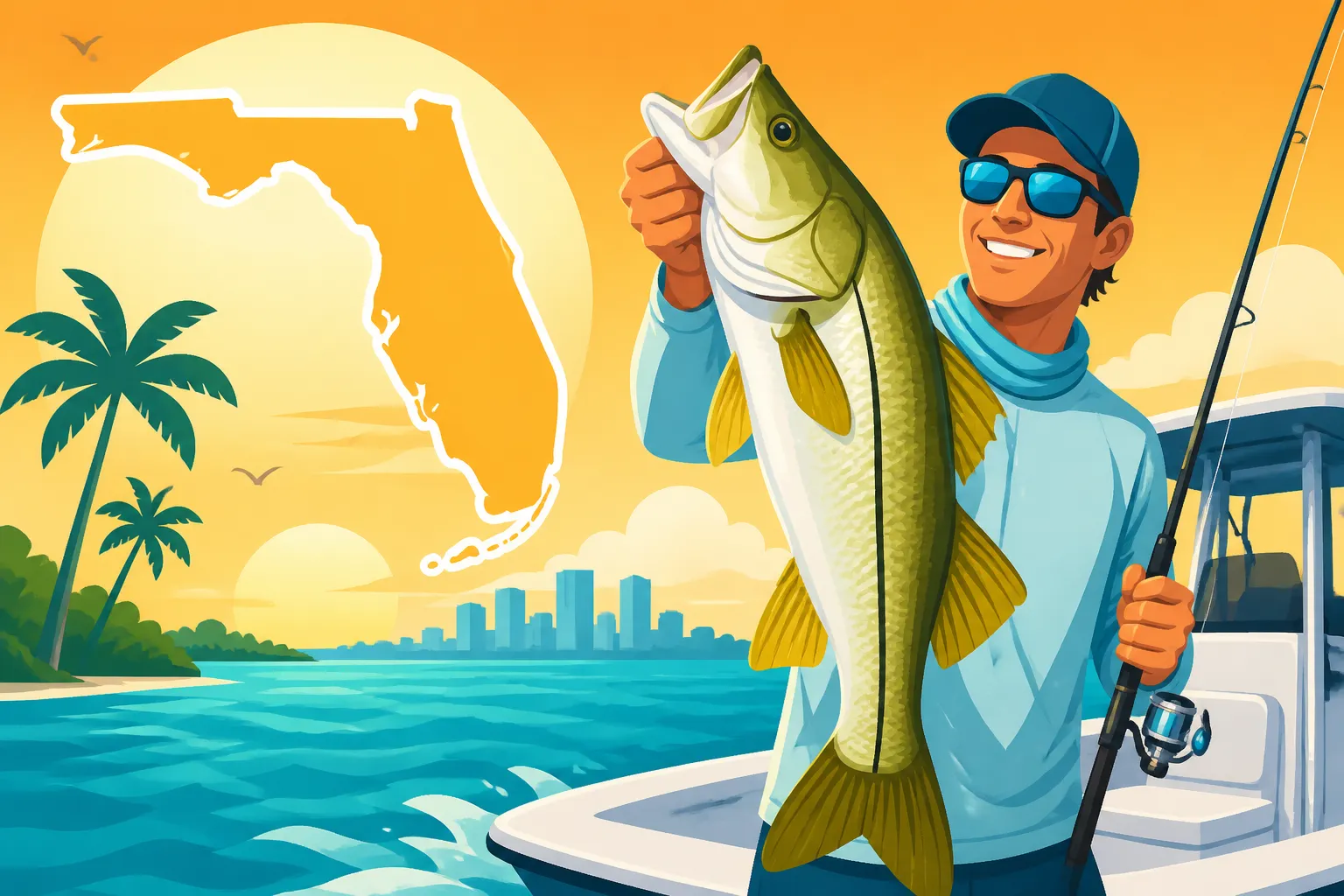
Inshore trips also present a fantastic budget-friendly option. Instead of burning gallons of fuel running miles offshore, inshore charters focus on the fertile waters of bays, estuaries, and flats, often just a short boat ride from the dock. Here, you can target hard-fighting species like snook, redfish, and trout, which provide incredible action on lighter tackle. These trips generally require smaller boats, less fuel, and less specialized gear, all contributing to a lower overall price. You might be surprised at the abundance and size of fish you can catch relatively close to shore. If you're a Florida resident, you might even qualify for a Florida Free Shoreline Fishing License for Residents, making fishing from land a completely free option if a charter isn't in the cards.
Considering Shared or Party Boat Charters
If you're a solo angler, a couple, or a small group looking for the most economical way to get out on the water, a shared charter or party boat is often your best bet. On these trips, you pay a per-person rate to join a larger group of anglers on a bigger vessel. The cost of the boat, captain, crew, and fuel is split among everyone onboard, making it significantly cheaper than booking a private charter.
Party boats, sometimes called head boats, are particularly popular for bottom fishing in both the Gulf and Atlantic. You might be fishing alongside 20 or more other people, but you're usually guaranteed a spot and often get to keep what you catch (within legal limits, of course). While the experience is less personalized than a private charter, it's a fantastic way to catch fish, learn from experienced deckhands, and meet other fishing enthusiasts. Many of these boats are specifically designed for comfort with restrooms and shaded areas. Websites like FishingBooker are excellent resources for finding and comparing party boat and shared charter options, allowing you to easily see per-person pricing and availability. Party Boat Fishing Cost in Florida can vary, but it's generally the most budget-conscious way to experience offshore fishing.
Booking During Off-Peak Seasons or Weekdays
Timing can be everything when it comes to charter prices. Just like hotels and flights, fishing charters often have peak and off-peak seasons. Major holidays, school breaks (like spring break or summer vacation), and the prime migration periods for highly sought-after species will naturally drive prices up due to increased demand.
Consider booking your trip during Florida's "shoulder seasons" or during the quieter times of the week. For example, if you're flexible, booking a charter on a Tuesday or Wednesday in late fall or early spring (outside of holidays) might land you a better deal than a Saturday in July. Many captains offer slight discounts during these slower periods to keep their boats busy. While the weather might be a bit more unpredictable in some shoulder months, you can still have incredible fishing days, often with less boat traffic on the water. Being flexible with your dates can be a powerful negotiating tool, even if it's just by a small margin.
Hidden Costs and What to Expect from a Budget Charter
When you're looking at budget-friendly options, it's crucial to understand what you're getting into. "Budget" doesn't mean "bad," but it does mean being realistic about expectations and knowing what might not be included in the initial price.
Understanding What's Usually Included (and Not)
Most reputable Florida fishing charters, even budget-friendly ones, will include certain essentials in their advertised price. This typically covers:
- Florida Fishing License: The boat usually operates under a blanket license that covers all passengers, so you won't need to purchase your own recreational license. This is a huge convenience and cost-saver! Florida Fishing License Exemptions for charter boat passengers is a common question, and generally, you're covered.
- Rods, Reels, and Tackle: The captain will provide all the necessary fishing gear, rigged appropriately for the target species and conditions.
- Bait: Whether it's live bait (shrimp, pinfish, mullet) or artificial lures, your charter fee usually covers the cost of bait.
- Safety Equipment: Life jackets, first aid kits, and other required safety gear are always onboard.
However, there are several things that are almost never included, and these are where "hidden" costs can surprise anglers if they aren't prepared:
- Food and Drinks: You'll need to bring your own snacks, lunch, and beverages. Some charters might have a cooler with ice, but check beforehand.
- Sun Protection: Sunscreen, hats, and appropriate clothing are a must in Florida, and you'll need to supply your own.
- Rain Gear: Florida weather can be unpredictable. A light rain jacket is always a good idea.
- Motion Sickness Medication: If you're prone to seasickness, take preventative measures before you board.
- Fish Cleaning: While many captains and mates will clean and bag your catch at the end of the trip, it's often for an additional fee or expected as part of the tip.
- Gratuity for the Crew: This is perhaps the most significant "hidden" cost and one that should always be factored into your budget.
The Importance of Tipping Your Guide
Even on a budget charter, tipping your captain and mate (if there is one) is customary and an essential part of the experience. These professionals work incredibly hard, often starting long before you arrive to catch bait and prepare the boat, and continuing long after you've left to clean up. A standard tip in the fishing charter industry is 15-20% of the total charter cost.
Let's do some quick math: if you find a fantastic 4-hour inshore charter for a relatively low rate, remember to add that 15-20% into your budget. It's a small price to pay to show appreciation for their expertise, hard work, and for putting you on fish. A good captain's goal is for you to have a successful and enjoyable trip, and a fair tip acknowledges that effort. For more details on this, check out How Much to Tip a Florida Fishing Guide?.
Managing Expectations for Your Trip
Booking a budget charter means setting realistic expectations. You might not be stepping onto a brand-new, top-of-the-line boat with all the latest bells and whistles. The gear might be slightly older, the boat a bit more utilitarian, and the captain might be a bit less of a showman and more of a gritty, experienced fisherman focused purely on putting fish in the boat.
However, "budget" absolutely does not mean "bad." Many of Florida's most experienced and effective fishing guides operate on smaller, no-frills boats, prioritizing their knowledge of the local waters and their ability to find fish over luxury amenities. You might find yourself on a charter that focuses on specific, easier-to-catch species, which is perfect for beginners or those just looking for consistent action. The goal is still a fun, productive day on the water, just perhaps without the gourmet lunch service or the latest Bluetooth sound system. Embrace the authenticity of the experience!
Where to Look for Value: Florida's Budget-Friendly Fishing Regions
Florida is a huge state with diverse fishing opportunities. Some areas are simply more expensive than others, but that doesn't mean you can't find incredible fishing at a lower price point if you know where to look.
Central Florida's Lakes and Rivers
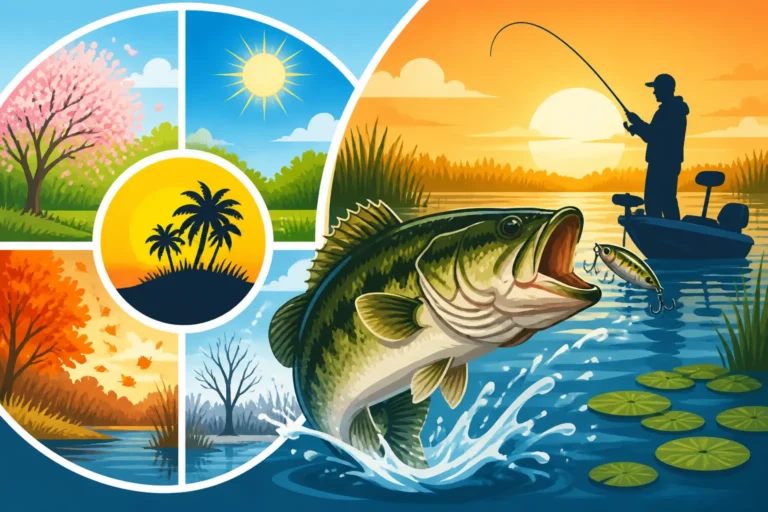
When many people think of Florida fishing, they picture turquoise saltwater and palm trees. But don't overlook Central Florida's incredible freshwater fisheries, which often offer a more budget-friendly charter experience. Lakes like Okeechobee, Toho, and Kissimmee are world-renowned for their trophy largemouth bass. The St. Johns River system also offers fantastic opportunities for bass, crappie, and catfish.
Freshwater charters typically involve smaller boats (bass boats or pontoon boats), shorter runs, and less expensive tackle compared to offshore saltwater trips. This translates to lower operational costs for the guide, which can be passed on to you. A half-day bass trip on Lake Okeechobee, for example, can be a thrilling and highly productive experience without the higher price tag associated with venturing far into the Gulf or Atlantic. You can often find guides specializing in these lakes who offer very competitive rates. Platforms like FishingBooker allow you to easily search for freshwater guides in specific regions, making it simple to compare prices and services. Explore options like Best Freshwater Fishing Lakes in Florida for ideas.
Lesser-Known Coastal Towns
While the iconic destinations like Key West, Destin, and Miami are fantastic, they also come with a premium. If you're willing to venture slightly off the beaten path, you can often find excellent charter opportunities in smaller, less tourist-heavy coastal towns at significantly lower prices.
Think about places along the Big Bend region of the Gulf Coast, like Steinhatchee or Crystal River, which offer incredible inshore and nearshore fishing for redfish, trout, and grouper. Or consider smaller towns on the Panhandle outside of the main Destin/Panama City Beach corridor. Even some areas along Florida's Atlantic coast, away from the major cities, can offer more competitive rates. These towns often have captains who are deeply rooted in the local community, operating with a strong passion for fishing and a commitment to providing a great experience without the overheads of larger, flashier operations. They might not have the biggest marketing budgets, so searching through local marinas, asking for recommendations, or using broader search filters on charter booking sites can help uncover these gems.
Public Piers and Shoreline Options (as alternatives)
Sometimes, even the most budget-friendly charter might still be a stretch, and that's perfectly okay! Florida offers an abundance of opportunities to fish without a charter at all. Many public piers, especially those managed by counties or municipalities, operate under a pier-specific fishing license that covers all anglers who pay a small daily fee to access the pier. This means you don't need your own state fishing license to fish from these structures.
Shoreline fishing from public beaches, jetties, or causeways is another excellent, often free, alternative. If you're a Florida resident, you can obtain a Florida Shoreline Fishing License Explained for free, which covers you for saltwater fishing from land. While you won't have the boat to take you to prime spots, you can still catch a surprising variety of species from shore, including pompano, whiting, redfish, and even snook in certain areas. It's a fantastic way to enjoy the sport, connect with nature, and keep your wallet happy. For ideas, check out Best Piers for Fishing Without a Boat.
Remember, a budget-friendly fishing charter in Florida isn't about compromising on the fun, it's about making smart choices and understanding the options available to you. With a little planning and research, you can absolutely enjoy an incredible day on the water, reeling in memories that last a lifetime, all while sticking to your financial goals.
| Charter Type | Typical Duration | Cost Implication | Pros | Cons | Best For |
|---|---|---|---|---|---|
| Private Half-Day Inshore | 4-6 hours | Medium | Personalized experience, flexible targets | Still more expensive than shared, limited range | Small groups (1-3 anglers), families, beginners |
| Private Half-Day Freshwater | 4-6 hours | Medium | Excellent for bass, less fuel intensive, unique environment | Limited to freshwater species, specific regions | Bass enthusiasts, those wanting a different experience |
| Shared/Party Boat | 4-10 hours | Low (per person) | Most economical way to go offshore, good for solo anglers | Less personalized, fixed schedule, more crowded | Solo anglers, small groups on a strict budget, social fishing |
| Private Full-Day Offshore | 8+ hours | High | Maximum time on water, target bigger fish, range far | Most expensive, requires commitment, potential for seasickness | Experienced anglers, trophy hunters, larger groups sharing cost |
Disclaimer
This article is for general informational purposes only and does not constitute professional advice. Laws, prices and regulations vary by location and change over time. Consult a qualified professional for guidance on your specific situation.